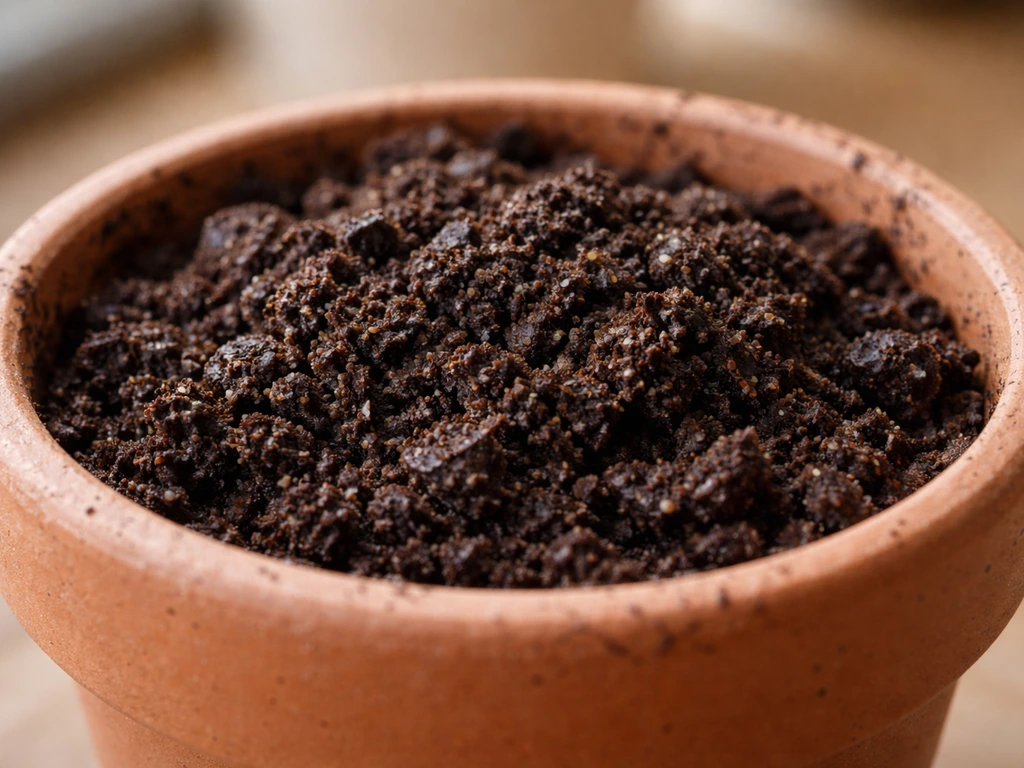
No, you do not need manure to grow vegetables. Plenty of gardeners grow bumper crops without ever touching the stuff. What your vegetables actually need is fertile, well-draining soil with a pH around 6.0 to 6.5, a steady supply of nitrogen, phosphorus, and potassium, and enough organic matter to support healthy soil biology. University of Delaware Cooperative Extension notes that higher organic matter can shift pH targets, such as requiring a lower target pH in soils with more organic matter than similar soils with less blank" rel="noopener noreferrer">enough organic matter to support healthy soil biology. Manure is one way to deliver all of that, but it is far from the only way, and in some situations it is not even the best way. You do not need chemical fertilizer to grow vegetables, as long as your soil has the right balance of nutrients and organic matter.
Do You Need Manure to Grow Vegetables? (Alternatives)

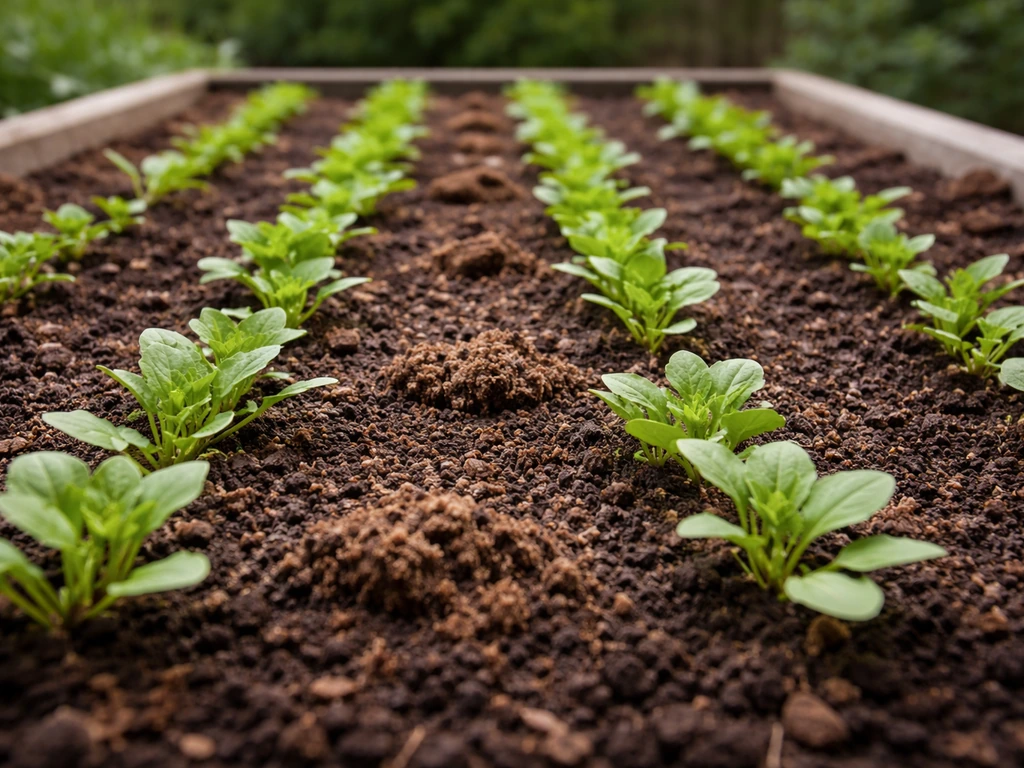
Do you actually need manure to grow vegetables
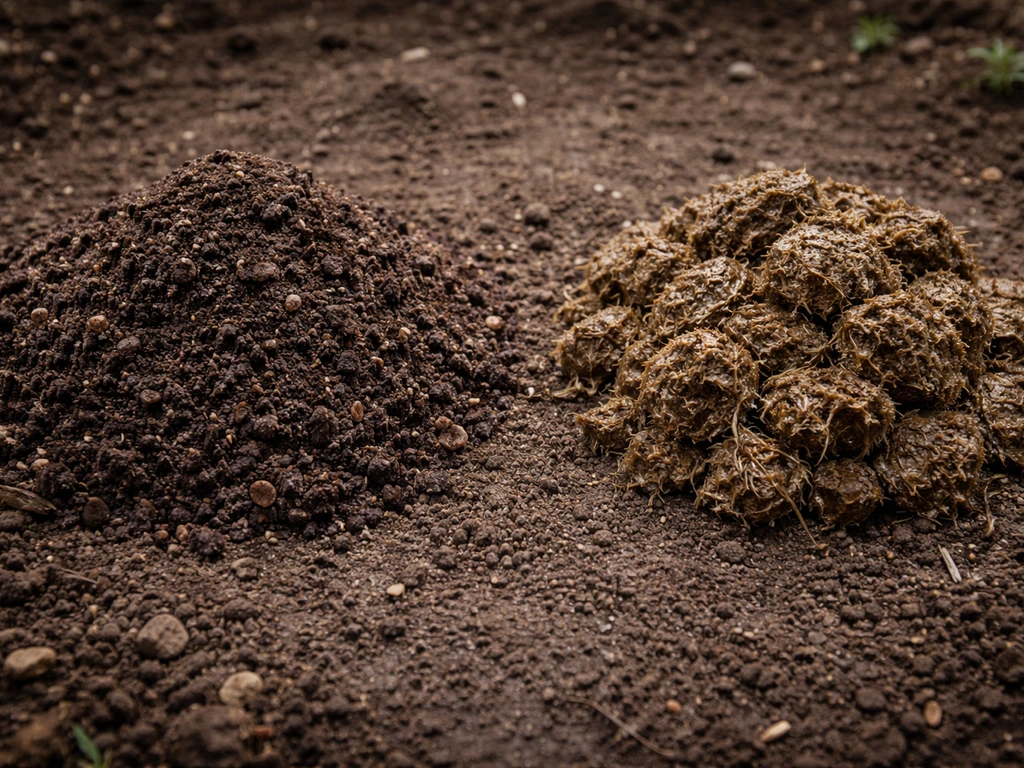
Manure got its reputation for good reason. It supplies nitrogen, phosphorus, and potassium together, feeds soil microbes, and adds organic matter that improves texture over time. Oregon State University Extension confirms that properly used manure can eliminate the need to apply chemical fertilizer entirely. But the key word is properly used, and that comes with real conditions attached.
The truth is that manure is just one source of organic matter and nutrients among many. Compost, worm castings, leaf mold, cover crops, and bagged organic fertilizers can all do the same job, often more safely and more predictably. If you have access to well-aged or composted manure, it is a genuinely useful amendment. If you do not, you are not missing anything you cannot replace.
Where manure makes the most sense is in large in-ground gardens where you want to build soil fertility over multiple seasons at low cost, especially if a neighbor, farm, or stable offers it for free. For container gardens, small raised beds, or anyone growing leafy greens and root crops where food safety matters most, the alternatives are usually a better fit.
When manure helps most (and when it doesn't)
Manure is genuinely useful when your soil is depleted, sandy, or low in organic matter. On sandy soils, organic amendments including manure increase water and nutrient-holding capacity, which directly translates to healthier plants and fewer irrigation problems. If your soil organic matter is sitting at 2 to 3 percent, it may not release enough nitrogen on its own to support heavy feeders like corn, tomatoes, or squash, and that is where a meaningful dose of aged manure really earns its place.
Manure also does a lot of work for soil biology. It feeds the microbial populations that break down organic matter, cycle nutrients, and suppress some soil-borne diseases. If you are starting a new garden bed in compacted or poor-quality soil, working in composted manure is one of the fastest ways to get biological activity going.
Where manure does not help, and can actively hurt, is when you apply too much. Excess manure is the main cause of phosphorus buildup in garden beds over time. University of Minnesota Extension specifically warns that composted manure is high in phosphorus and should be used sparingly unless a soil test shows you actually need more P. Overapplication also risks burning plants and contributing to nitrogen runoff. More is not better here.
Manure is also the wrong choice if you are growing root crops like carrots, beets, or radishes, or any vegetable where the edible part touches the soil, and you cannot guarantee the manure is fully composted. The food safety risk is real and worth taking seriously.
Best manure alternatives for vegetable gardens
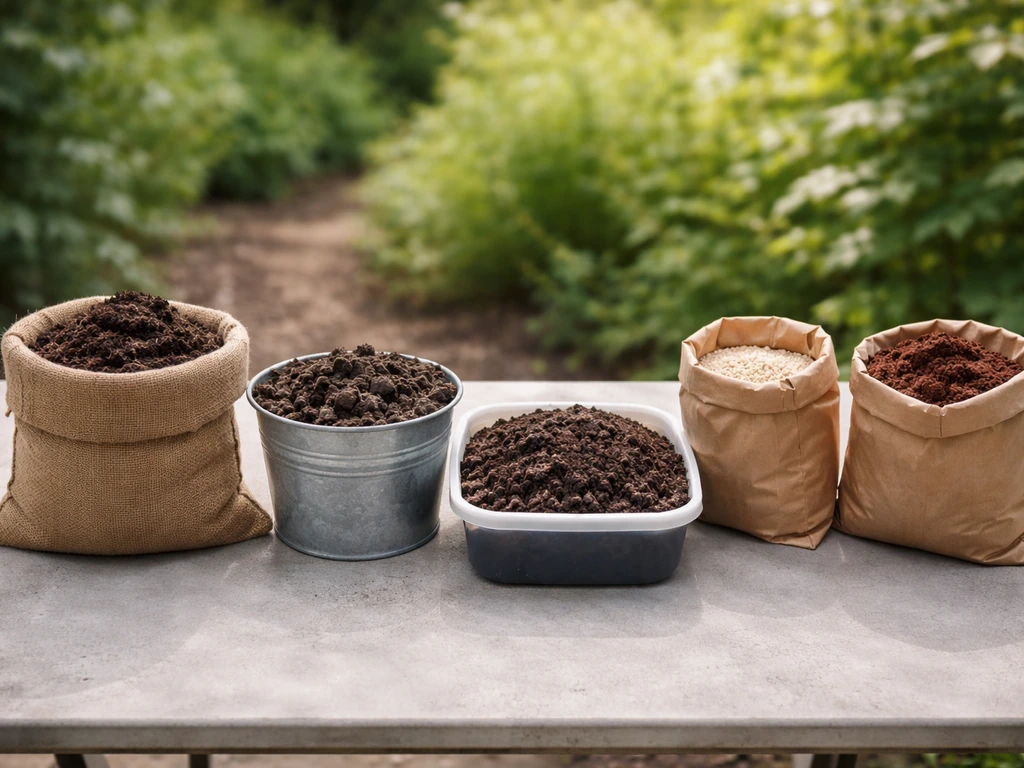
Every one of these alternatives can fully substitute for manure, and some of them are more practical depending on your setup. Here is how they compare.
| Amendment | Best use | Nutrient release | Notes |
|---|---|---|---|
| Finished compost | In-ground beds, raised beds | Slow, steady | Safest all-around option; improves structure and feeds soil biology |
| Worm castings (vermicompost) | Containers, seedlings, raised beds | Slow, water-soluble nutrients available quickly | Neutral pH, contains trace elements and beneficial microbes; reapply every 4 months |
| Leaf mold | Soil conditioner, mulch | Very slow (mainly structure) | Near-neutral pH (6 to 7.5); excellent for moisture retention, lower in nutrients |
| Blood meal | Any bed needing nitrogen fast | Fast (weeks) | High nitrogen; use sparingly to avoid burning; good for nitrogen-hungry crops mid-season |
| Fish meal / fish emulsion | General feeding, containers | Medium (weeks to months) | Balanced nutrients; fish emulsion is quick; fish meal is slower |
| Bone meal | Planting time | Slow to medium (1 to 4 months) | High phosphorus; good at transplanting, not for already phosphorus-rich soil |
| Bagged organic fertilizer (balanced) | Any garden type | Varies by product | Convenient; look for a balanced NPK (e.g., 4-4-4 or 5-3-4) |
| Cover crops / green manures | In-ground beds, off-season | Slow (needs time to break down) | Legumes fix nitrogen; improves structure; requires planning ahead |
| Composted kitchen scraps | Any bed or container | Slow | Variable nutrient content; best combined with other amendments |
For most home gardeners, finished compost is the default recommendation. It is safe, broadly beneficial, and widely available. The University of Connecticut notes from a food-safety standpoint that plant-based compost is safer in the vegetable garden than manure-based products. If your plants need a nitrogen boost mid-season, blood meal or fish emulsion layered on top of a compost foundation is a practical and effective combination.
For containers specifically, worm castings mixed into your potting medium at planting time, followed by a liquid organic fertilizer starting two to six weeks after planting, is a reliable approach. University of Minnesota Extension recommends beginning regular fertilizer applications in containers within that two-to-six-week window, because potting media runs low on nutrients faster than garden soil.
How to feed vegetables without manure (soil prep + fertilizing)
Start with a soil test
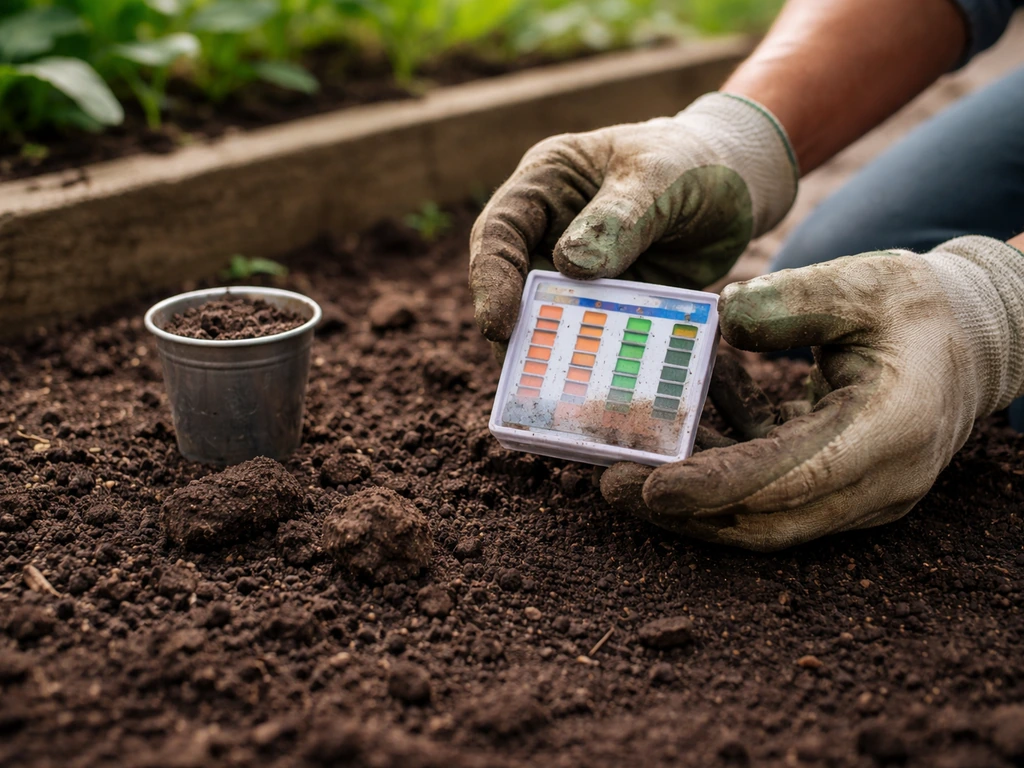
Before you add anything, get a soil test. Mississippi State University and University of Maryland both recommend aiming for a pH of 6.0 to 6.5 for vegetable gardens. Outside that range, plants cannot absorb nutrients properly no matter how much you add. Your county extension office can run a test for a few dollars and tell you exactly what your soil needs, including whether you need lime, sulfur, or additional phosphorus and potassium. Mississippi State University Extension also explains that soil testing provides the pH and nutrient analysis, along with lime and fertilizer recommendations for vegetable gardens Your county extension office can run a test for a few dollars and tell you exactly what your soil needs.
Building a good base
For an in-ground bed, work in 2 to 4 inches of finished compost before planting each season. Multi-purpose compost can also be worked into your bed for an all-in-one growing medium that supports vegetables from planting through harvest. Colorado State University Extension notes that routine addition of organic amendments like compost can optimize both yields and quality. For a new raised bed, University of Minnesota Extension recommends a mix of roughly half to two-thirds topsoil and one-third to one-half plant-based compost. That gives you structure, drainage, and a solid starting level of organic matter without any manure at all.
A simple fertilizing schedule
University of Maryland Extension points out that vegetables need nutrients most during establishment and again during flowering and fruiting. That translates into a two-phase feeding approach that works for most crops without manure.
- At planting: Work a balanced organic fertilizer (such as 4-4-4 or 5-3-4) or a mix of bone meal and compost into the top few inches of soil. For containers, mix worm castings or a slow-release organic granular fertilizer into the potting mix before planting.
- Two to four weeks after planting: Check plant growth. If leaves are pale or growth is slow, apply a liquid nitrogen source like fish emulsion or diluted liquid organic fertilizer.
- At flowering or fruiting stage: Sidedress with a nitrogen-rich amendment (blood meal, fish meal, or a balanced organic granular) just outside the root zone, not against the stem. Missouri Extension recommends applying nitrogen sidedressing when tomato fruits reach about 2 inches in diameter.
- Containers: Begin regular liquid feeding two to six weeks after planting and repeat every two to three weeks through the growing season.
Avoid piling dry granular fertilizer against plant stems or letting it sit on leaves, as University of Maryland Extension warns this can cause tissue burn. Water in any dry amendments after application.
How to use manure safely if you choose to
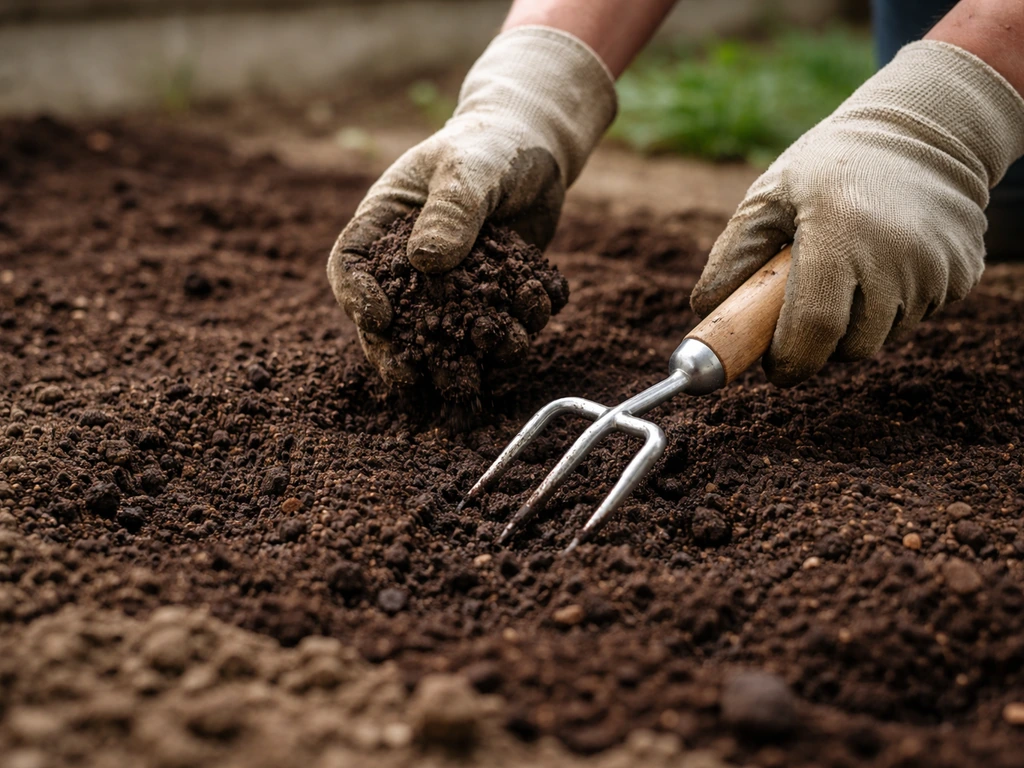
If you do want to use manure, the most important rule is simple: never use fresh manure on vegetables during the growing season. Wisconsin Horticulture Extension is explicit about this. Fresh manure can carry pathogens like E. coli and Salmonella that transfer directly to edible crops, especially root vegetables and leafy greens where the edible part contacts the soil or splashing water.
Here is how to use it safely.
- Use only well-composted or aged manure during the active growing season. Properly composted manure reaches internal temperatures that kill most pathogens.
- If you are using non-composted manure, apply it in the fall after harvest, then plant a cover crop to hold nutrients over winter. This gives it the full off-season to break down before spring planting.
- For any crop where the edible part contacts the soil (carrots, beets, lettuce, strawberries), Colorado State University Extension recommends fresh manure be applied at least four months before harvest.
- Do not apply manure directly to plant foliage or allow it to splash onto leaves during watering.
- Wash hands thoroughly after handling any manure, and wash all harvested produce carefully.
- Get a soil test before applying manure repeatedly. Manure is high in phosphorus, and buildup over multiple seasons can lock out other nutrients.
If food safety is a concern or you are growing for immunocompromised family members, University of Connecticut Extension recommends sticking with plant-based compost instead of manure or manure-based compost teas altogether. That is genuinely the simplest way to sidestep the risk.
Quick troubleshooting: signs of nutrient problems and fixes
Whether you are using manure, compost, or bagged fertilizer, plants will tell you when something is off. Here are the most common signs and what to do about them.
| Symptom | Likely cause | Fix |
|---|---|---|
| Yellowing on older, lower leaves | Nitrogen deficiency | Apply fish emulsion, blood meal, or a balanced liquid organic fertilizer |
| Slow, stunted growth with pale leaves overall | Nitrogen deficiency or low organic matter | Side-dress with a nitrogen source; add compost to improve soil biology |
| Reddish or purple tint on leaves, stunted growth | Phosphorus deficiency | Work bone meal into the soil; check that pH is in the 6.0–6.5 range so P is available |
| Brown, scorched leaf edges (margins), weak stems, small fruits | Potassium deficiency | Apply greensand, kelp meal, or a balanced organic fertilizer with K |
| Tip burn on lettuce or blossom-end rot on tomatoes/peppers | Calcium deficiency or irregular watering | Maintain consistent soil moisture; add garden lime if pH is low |
| Lush leafy growth but no flowers or fruit | Too much nitrogen | Stop nitrogen feeding; let the plant balance out; do not add more manure or high-N amendments |
| Stunted plants with nutrient symptoms despite feeding | pH out of range | Test soil pH; adjust with lime (to raise) or sulfur (to lower) to reach 6.0–6.5 |
University of Minnesota Extension makes an important point about diagnosis: nutrient problems are easy to misread. Yellowing from nitrogen deficiency starts on the oldest leaves at the bottom, while yellowing between leaf veins on newer growth usually points to a micronutrient issue like iron or manganese, often caused by incorrect pH. When in doubt, fix the pH first, because that affects everything else.
The bottom line is that building good soil with compost, using a balanced organic fertilizer at planting, and watching your plants closely through the season is all you need. If you want to avoid manure entirely, you can still grow well by building soil with finished compost, which is the basis of whether you can grow in pure compost can you grow in pure compost. Manure is a useful tool in the toolbox, not a requirement. No, you do not need bees to grow vegetables; pollinators like bees can help set fruit, but they are not required for most vegetable gardening. Whether you grow in raised beds, containers, or in-ground rows, the same principles apply: healthy soil biology, the right pH, and a steady but not excessive supply of nutrients will get you to a good harvest every time. You can grow vegetables successfully without a raised bed by focusing on soil quality, drainage, and the right nutrients for your plants raised beds.
FAQ
If I do not use manure, how do I make sure my vegetables still get enough nutrients?
You can skip manure entirely, but you still need nutrient input. A practical approach is to start with finished compost in the soil, then provide targeted nitrogen during growth using options like fish emulsion or blood meal (follow label rates) rather than relying on manure’s nutrient release.
Can I use composted manure instead of manure for vegetable gardens safely?
Yes, but only if the manure is fully composted or aged. Fresh manure applied in the growing season is a food safety risk, and even well-composted manure can be high in phosphorus, so use it only when you have reason (like soil test results) and apply sparingly.
What should I check first so I do not overdo nutrients if I decide to use manure?
Start by testing soil pH and phosphorus before adding anything. If your soil pH is off, nutrients can become unavailable, and adding manure or fertilizer may not help. If phosphorus is already high, switching from manure to compost plus a separate nitrogen source (fish emulsion, blood meal) is usually safer.
Are manure compost teas a good alternative to manure for vegetables?
Compost teas and manure-based teas are different from compost itself. If your goal is to reduce food-safety risk, the safer shortcut is to use plant-based compost rather than manure-derived teas, and avoid spraying any manure-based liquid on edible parts.
How should I feed heavy feeders like tomatoes and corn without manure?
For heavy feeders, you can still succeed without manure by combining compost with a controlled feeding schedule. Use compost at planting for slow-release support, then apply a quick nitrogen boost during establishment and again when plants begin flowering or fruiting.
Is manure ever acceptable for carrots, beets, and radishes?
Not necessarily. Root crops are the category where food safety matters most, because edible roots or bulbs contact soil. Stick to finished compost and keep compost and mulch applied so they do not directly mingle with the edible portion near harvest time.
What if I am growing for a household with higher food-safety concerns?
Yes, if you use the right product type. Plant-based compost is generally a better fit than manure-derived materials when protecting sensitive households. Also, avoid applying any fertilized material close to harvest, and keep irrigation directed at soil rather than splashing onto leaves.
If manure is free, is it still worth it even if I cannot test my soil?
Use manure carefully and sparingly, and do not treat it as “extra organic matter only.” The most common mistake is building phosphorus over time. If you cannot get a soil test, choose alternatives like finished compost plus a separate nitrogen supplement rather than guessing.
What is the best approach if I want to grow vegetables in containers without manure?
In containers, manure often causes problems because nutrients can concentrate and leach unevenly. A safer container plan is worm castings at planting mixed into the potting medium, then begin liquid organic fertilizer in the 2 to 6 week window when plants start using nutrients.
How can I tell whether I need to adjust nutrients instead of adding more compost or manure?
Two quick visual indicators help, but pH comes first. Yellowing patterns can suggest nitrogen deficiency or other issues, but if newer growth shows yellowing between veins, correct pH-related problems before adjusting fertilizer or adding anything manure-based.
Can We Grow Plants Only in Vermicompost? Practical Guide
Yes sometimes, but vermicompost alone often lacks balance. Learn tests, ratios, fixes, and plant-specific tips.