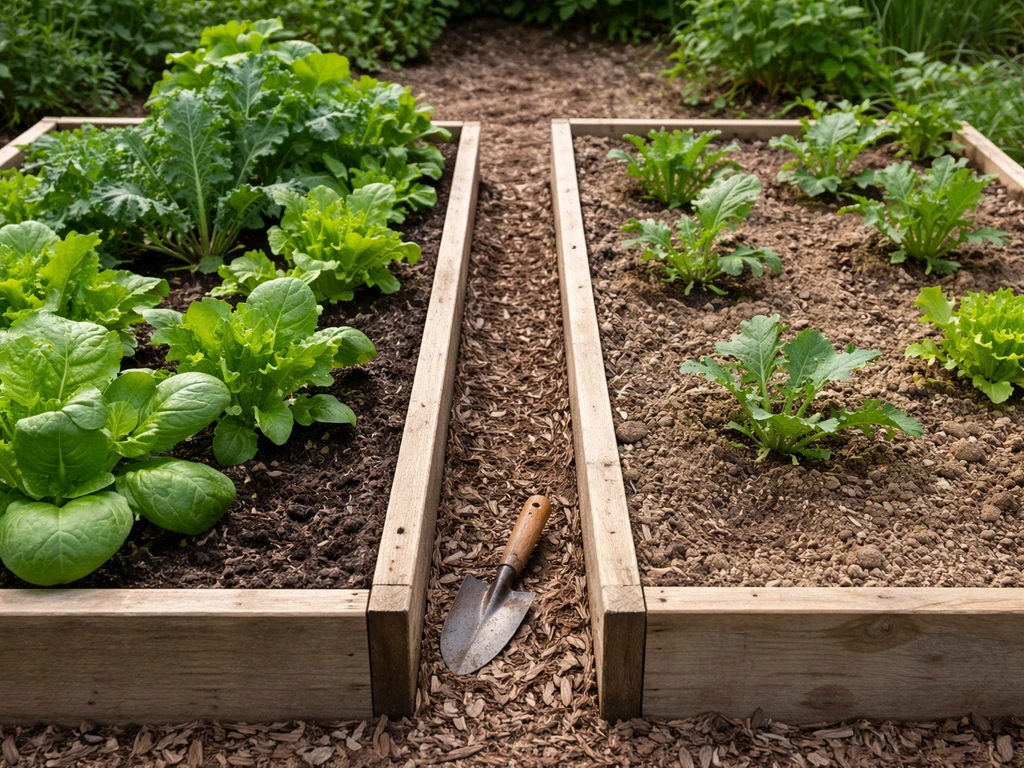
You can grow plants in pure compost, but it works reliably only under specific conditions: the compost must be fully mature and cured, you need to pick the right crops and growth stages, and in most cases you'll want to tweak the mix slightly to improve drainage and lower salt levels. Straight-up, 100% compost with no soil or other media is genuinely useful for established transplants in garden beds, but it's a real minefield for seed starting and sensitive seedlings. Here's exactly how to make it work, what to watch for, and what to do when things go sideways.
Can You Grow in Pure Compost? How to Succeed
Marcus Hendrick
16 May 2026
What "pure compost" actually means and why it can be risky
When most home gardeners ask about growing in pure compost, they mean filling a container or raised bed with nothing but compost, no topsoil, no coco coir, no perlite, just the finished material from a compost bin or bag. It sounds like a dream setup: compost is rich in organic matter, full of nutrients, and biologically alive. But that's also exactly what makes it tricky.
The main risks come down to three things. First, immature compost can contain compounds that actively damage or kill plants. As organic matter breaks down, it produces ammonia, organic acids, and other byproducts that are toxic to roots and seeds. Second, even mature compost can have high electrical conductivity (EC), which is a measure of soluble salt content.
When EC climbs above roughly 3 to 4 mmhos/cm in a growing substrate, you start seeing salt toxicity, which looks like burned leaf edges, poor germination, and stunted roots, especially in seedlings and transplants. Third, pure compost tends to compact and hold moisture in a way that suffocates roots over time, because it lacks the structural pore space that a balanced growing medium provides.
None of this means compost is bad. It means that compost quality and maturity matter enormously, and that seedlings are far more vulnerable than established plants. If you're thinking about whether you even need compost at all versus other amendments, that's a related but separate question worth exploring on its own. If you're wondering, "do you need compost to grow vegetables," the answer depends on your soil and how you plan to amend it whether you need compost at all.
Can you grow in just compost? A quick breakdown by crop and stage
The honest answer varies a lot depending on what you're growing and how old the plants are when they go into the compost. Here's how it shakes out in practice:
| Situation | Works in Pure Compost? | Notes |
|---|---|---|
| Direct seed sowing | Risky | High EC and phytotoxins in even good compost can reduce germination; dilute with coir or topsoil for better results |
| Seedling starting (indoor trays) | Generally no | Too much risk of damping off, salt burn, and poor structure; use a dedicated seedling mix |
| Transplanting established starts | Yes, with caveats | Mature compost in beds works well for tomatoes, squash, beans, and leafy greens |
| Container growing (established plants) | Yes, but needs monitoring | Works best if you leach the container once to flush salts and ensure drainage holes are clear |
| Root vegetables (carrots, beets, radishes) | Partly | Compost alone is too fluffy and rich; blend with sand or topsoil to avoid forked roots and excess nitrogen |
| Heavy feeders (tomatoes, corn, peppers) | Yes, mostly | Thrive in compost-heavy media; may still need supplemental fertilizer mid-season |
| Light feeders (herbs, lettuce, beans) | Yes | These do well in compost-dominant mixes without much extra input |
The pattern is clear: mature plants in the ground or in large containers tolerate pure compost well. Seeds and young seedlings are the vulnerable point. If you're starting seeds indoors, pure compost is not the right move regardless of compost quality.
Compost maturity: the difference between cured and "hot" compost
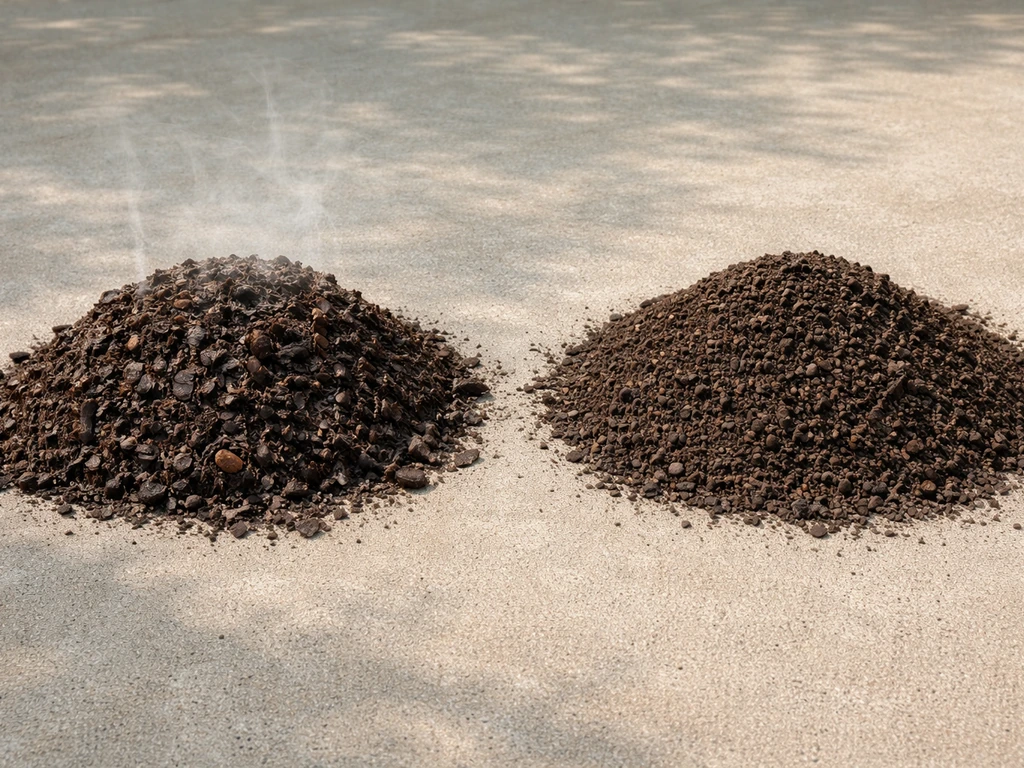
This is the single most important variable in the whole conversation. Fresh or "hot" compost is still actively decomposing. It can contain high ammonia levels, organic acids, and pathogens that will damage or kill plants. Cured compost has finished that active phase and stabilized. The difference in outcome for your plants is enormous.
What temperatures matter during composting
For compost to be considered properly processed, it needs to have reached at least 131°F (55°C) and held that temperature for a minimum of 3 days (USDA guidelines), or maintained 55°C for 15 days or more under regulatory standards. After that heat phase, compost still needs a curing period, typically several more weeks to a few months, where it cools down and stabilizes. A pile that just finished its hot phase is not yet ready to plant in.
How to check if your compost is actually ready
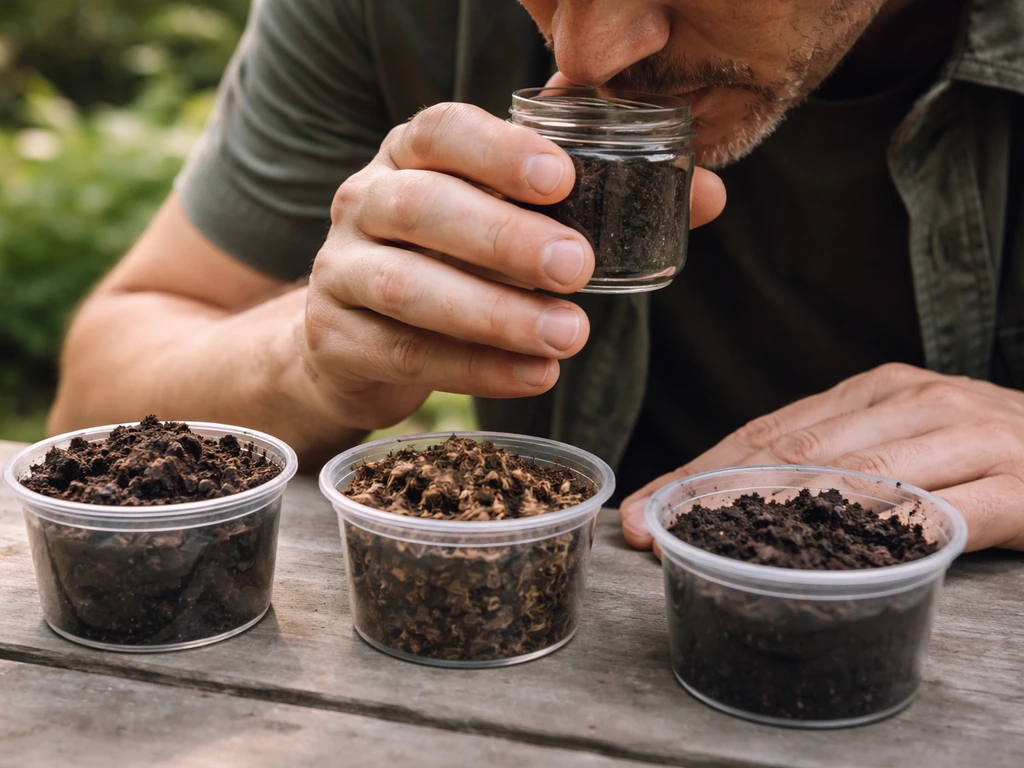
You don't need lab equipment to judge maturity. Use these practical checks:
- Smell: Finished compost smells earthy, like forest floor. If it smells like ammonia, sulfur, or rot, it needs more time.
- Temperature: Stick your hand or a thermometer into the pile. Finished compost should be close to ambient temperature, not warm or hot in the center.
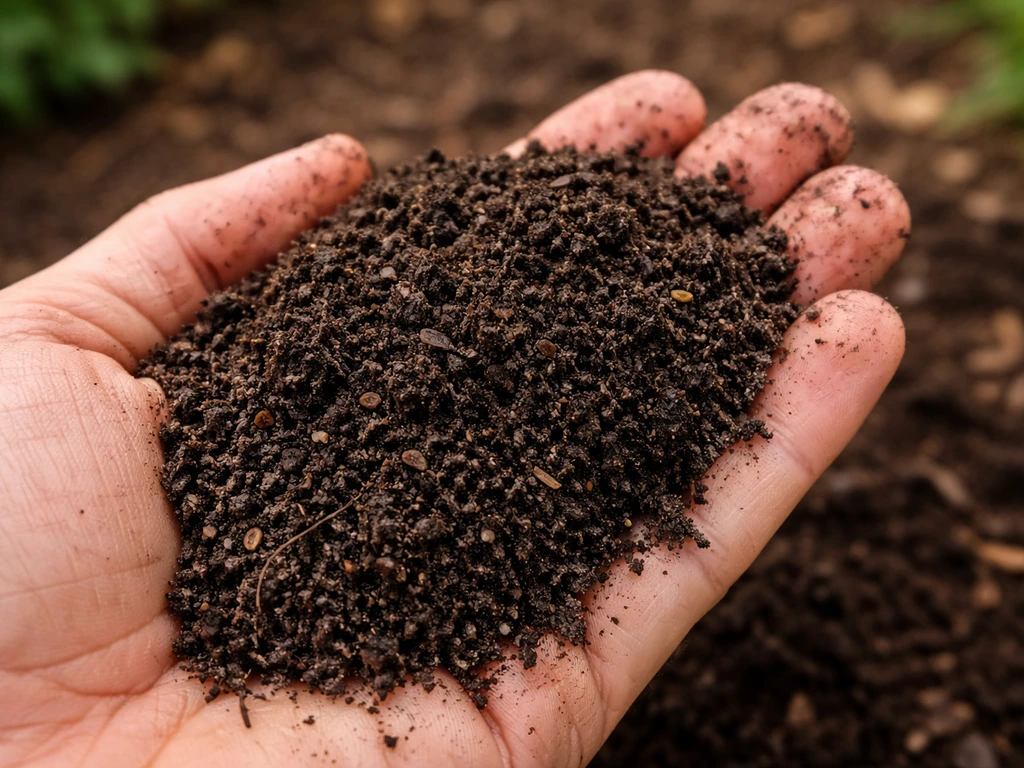
- Appearance: It should look dark, crumbly, and consistent. You shouldn't be able to identify the original materials (food scraps, leaves, etc.).
- Germination test: This is the most reliable DIY check. Mix a small amount of compost with water and soak some radish or cress seeds in the liquid for 24 hours, then plant them in a control tray (potting mix) and a compost-extract tray. If germination in the compost extract is noticeably lower than the control, your compost is still immature and phytotoxic. This is the same method recommended by UF/IFAS and Illinois Extension.
- Feel: Mature compost is crumbly and loose. Slimy or wet clumps that don't break apart easily signal incomplete breakdown.
If you're buying bagged compost from a garden center, look for products labeled "finished" or "aged" compost rather than "composted wood products" or "fresh organic material." Bagged compost still varies in quality, so the germination test is worth doing if you're planning to use it as your primary growing medium.
Planting methods: containers, beds, seeds vs transplants
Seeds directly in compost
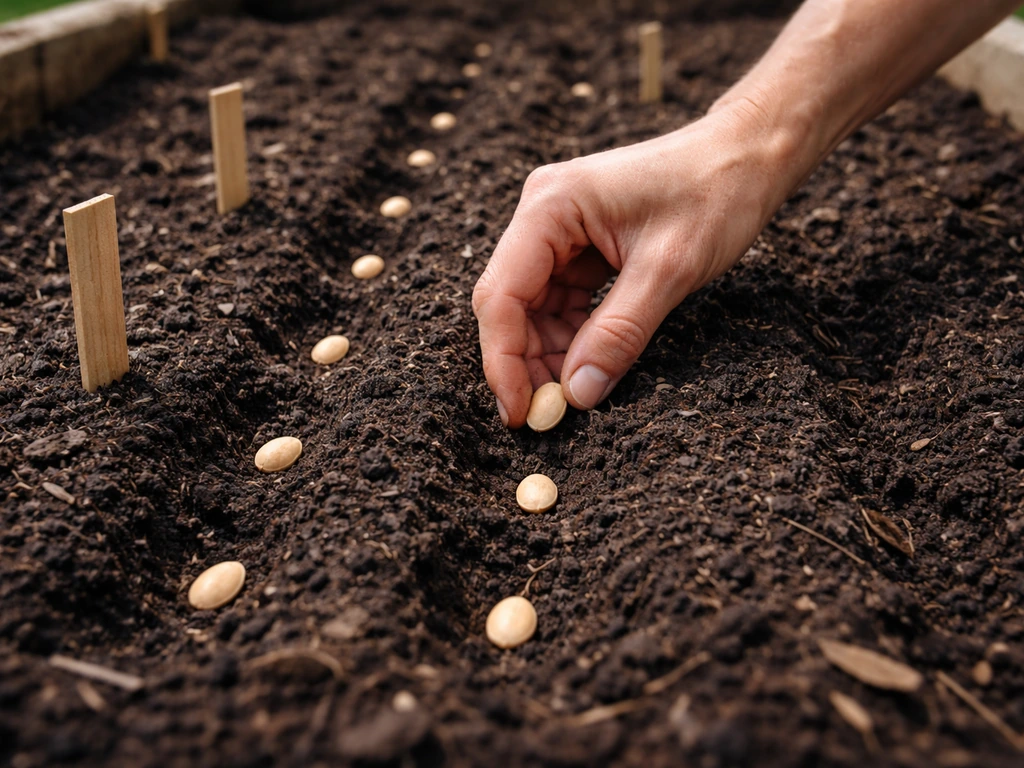
Direct seeding into pure compost in the garden is a moderate-risk approach. It can work for large seeds like squash, beans, corn, and cucumbers, which have enough energy reserves to push through even slightly hostile conditions. Small seeds like carrots, onions, and lettuce are more sensitive and may show patchy germination. If you're going to direct seed into compost-heavy beds, water lightly and consistently (not deeply) until germination, and be prepared to reseed thin spots. Covering seeds with a thin layer of fine compost or a mix of compost and sand improves contact and reduces the crust-forming risk.
Seed starting trays and containers
Don't fill seed starting trays with pure compost. The combination of warmth, moisture, and high organic matter creates ideal conditions for damping off fungi, which can wipe out an entire tray of seedlings almost overnight. UMN Extension specifically advises against using garden soil or compost in seedling trays for this reason. Use a commercial seedling mix or a blend of coco coir, perlite, and a small amount (no more than 20 to 30%) of screened, finished compost for seed starting.
Transplanting into compost-filled beds or containers
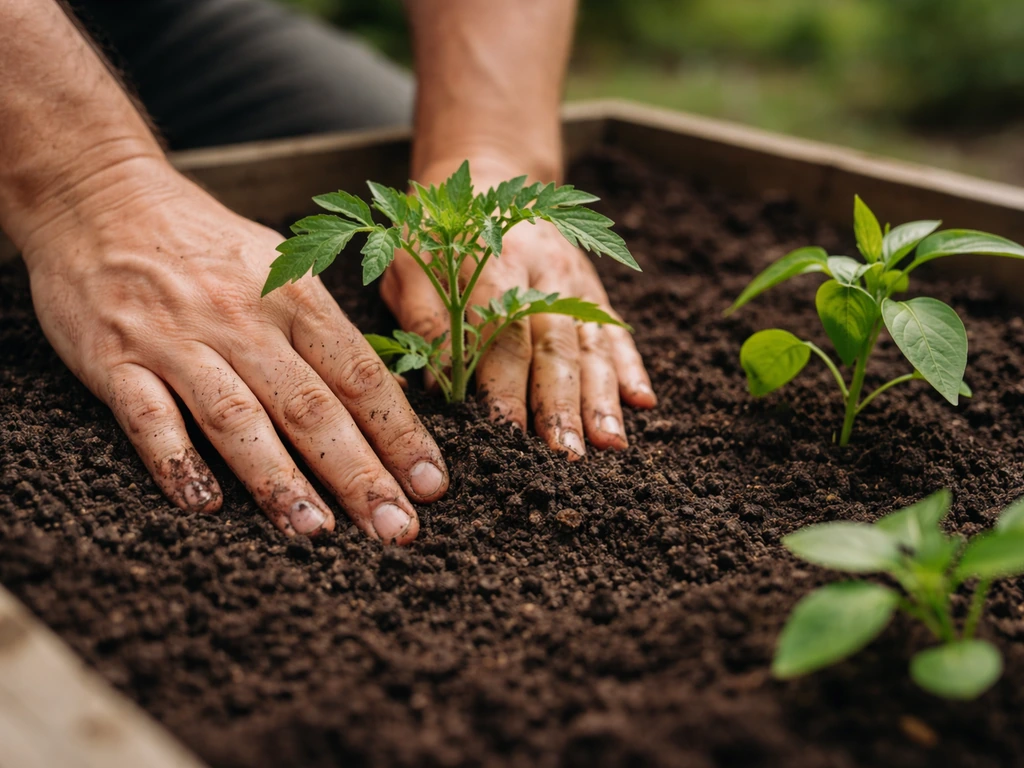
This is where pure compost actually shines. Established transplants (tomatoes, peppers, squash, brassicas) with a good root system are much better equipped to handle the nutrient density and moisture levels of a compost-heavy growing medium. A study measuring tomato and cucumber transplant quality found that high compost proportion treatments (up to 100% compost) produced some of the best root growth and chlorophyll levels. For raised beds, filling with finished compost or a very compost-heavy blend and transplanting starts is a solid, low-input approach. If you're wondering whether to use pure compost in a raised bed, you may not need one, but understanding how compost-only media behaves in beds can help you decide raised beds.
Large containers vs small containers
Container size matters a lot with pure compost. In small pots, compost can compact, retain too much moisture, and build up salts quickly because there's less buffer volume. In larger containers (5 gallons and up), pure compost is more workable. Make sure every container has adequate drainage holes, and if you notice water pooling or slow drainage after a few weeks, mix in some perlite or coarse sand to open up the structure.
Moisture, aeration, and root support in compost-only media
One of the underappreciated problems with pure compost as a growing medium is what happens to it physically over time. Fresh compost is fluffy and open. But once it gets wet and settles, it can compact significantly, reducing the pore spaces that allow oxygen to reach roots. Root health depends on oxygen just as much as on nutrients and water. When pore space collapses and water fills the gaps, roots effectively suffocate. This is especially common in containers, where repeated watering compresses the compost from the top down.
Compost also holds water very well, which is usually listed as a benefit, but in a pure-compost setup it means the medium stays wet longer than a balanced mix would. For plants that prefer consistent moisture (like tomatoes and squash), this is fine. For herbs like rosemary, thyme, or oregano, and for root crops, it can lead to rot and poor flavor development.
To maintain good aeration in a compost-heavy bed or container: lift and fluff the surface gently every few weeks, avoid heavy overhead watering that drives compaction, and consider top-dressing with a thin layer of fine grit or sand if you notice the surface forming a hard crust. In beds, worms will help maintain structure naturally if the compost is mature and the conditions are right.
When to amend and what to blend to make pure compost actually work
Even if your goal is to grow in as close to pure compost as possible, a few targeted additions can make the difference between struggling plants and a productive season. Think of these not as abandoning the compost-first approach, but as fine-tuning it.
| Amendment | Why to Add It | Typical Blend Ratio |
|---|---|---|
| Coco coir | Improves drainage and aeration, lightens the mix, holds moisture without compacting | 20–30% coir to 70–80% compost |
| Coarse sand or perlite | Opens up pore structure, critical for root crops and containers prone to compaction | 10–20% by volume |
| Topsoil or garden soil | Adds mineral content, buffers nutrient swings, introduces beneficial soil organisms | 25–50% (for beds rather than containers) |
| Leaf mold | Improves texture and water retention without adding salts or excess nutrients | 20–30% for seed starting mixes |
| Vermicompost | Concentrated, lower-salt source of plant-available nutrients and beneficial microbes | 10–20% as a booster in any mix |
If you're working with bagged compost that might have elevated salt levels, water the filled bed or container thoroughly before planting and let it drain completely. Then water again. This leaching step flushes soluble salts down and out of the root zone before plants go in, dramatically reducing phytotoxicity risk. WSU Extension specifically recommends this approach when substrate EC is high.
For nutrients, finished compost releases nitrogen slowly as organic matter continues to break down. This slow-release profile is actually ideal for established plants over a full season, but it can leave seedlings short of available nitrogen early on. UNH Extension makes the point directly: blank" rel="noopener noreferrer">compost alone is generally not sufficient as the sole nutrient source for container-grown plants, and a complete fertilizer is still beneficial. If your plants look pale or yellow mid-season, a liquid fertilizer application (fish emulsion or diluted seaweed extract) will fill the gap without shocking the system.
It's worth knowing that growing in compost overlaps with questions about whether you need fertilizer at all, whether vermicompost alone is enough, or whether you even need soil in the conventional sense. It's worth knowing that growing in compost overlaps with questions about whether you need fertilizer at all, whether vermicompost alone is enough, or whether you even need soil in the conventional sense.
can you grow vegetables in multi purpose compost compost overlaps with questions about whether you need fertilizer at all. You do not necessarily need bees to grow vegetables, but pollinator activity can increase yields for crops that rely on cross-pollination. Each of those scenarios has its own nuances, but the principles around maturity, salt levels, and drainage apply across all of them.
Troubleshooting common problems in compost-only setups
Seeds aren't germinating or germination is patchy
This is almost always a sign of either immature compost (phytotoxins or high ammonia), high soluble salts, or both. Run the germination test described earlier. If germination in your compost extract is lower than in the control, the compost needs more curing time. If germination is fine in the test but still poor in the bed, the issue is likely salt. Leach the bed heavily with water, wait 48 hours, and try reseeding. If you're starting seeds indoors, switch to a proper seedling mix.
Seedlings are falling over or rotting at the base
This is damping off, caused by fungal pathogens that thrive in warm, wet, organic-rich conditions. It's more or less inevitable if you try to start seeds in pure compost indoors. Remove affected seedlings immediately, reduce watering frequency, improve airflow, and if possible, move remaining seedlings to a fresh sterile mix. You won't save a badly affected tray, but you can prevent spread.
Plants look stunted or leaves have burned edges
Burned or brown leaf margins on seedlings or new transplants usually indicate salt toxicity. This is especially common with compost made from food waste or manure, which tends to run higher in salts. If you’re wondering about manure specifically, the key is whether it’s fully composted and how it affects salt levels and seedling health food waste or manure. Leach the container or bed thoroughly with plain water. If you're in a container, water until you see significant drainage from the bottom, then do it again. In a raised bed, water deeply and let it rest. Recovery usually takes one to two weeks if you catch it early.
Plants are yellowing mid-season despite rich compost
This usually points to a nitrogen availability gap. Even in compost-heavy media, nitrogen is released slowly as organic matter mineralizes, and in cool or waterlogged conditions that process slows down further. Apply a liquid fertilizer: diluted fish emulsion at the label rate, or a half-strength balanced liquid feed every two weeks until color returns. Also check that the bed or container isn't staying waterlogged, which slows microbial activity and therefore nutrient release.
Roots are stunted or plants seem to stall despite good-looking compost
Compaction and oxygen deprivation are the likely culprits. A UMass Extension fact sheet on compaction and cultivation explains that aeration helps sustain sufficient soil oxygen for root growth and that compaction combined with excess succulence factors like excess nitrogen, water, shade, and close mowing can reduce root and shoot response more than any one factor alone compaction and oxygen deprivation.
Gently loosen the top few inches of compost around (not directly over) the root zone. If you're in a container, carefully tip the plant out and check the root ball. If roots are circling the bottom or look brown and slimy rather than white and firm, drainage and aeration are the problem. Repot into a mix with added perlite (at least 20%) and make sure water can exit freely.
Best crops to prioritize if you're committed to a compost-heavy approach
If you want to lean hard into compost as your primary growing medium, start with crops that are forgiving and productive in nutrient-rich, moisture-retentive conditions. Tomatoes, zucchini, winter squash, cucumbers, kale, chard, and climbing beans all perform very well in mature compost-heavy beds. Lettuce and spinach also do well but prefer a slightly leaner mix as they can bolt faster when nitrogen is very high. Avoid growing carrots, parsnips, and beets in pure compost, as the loose, rich texture encourages forked, hairy roots and the excess nitrogen pushes leaf growth at the expense of the root you're actually trying to harvest.
FAQ
Can you grow seedlings in pure compost if you sterilize it first?
Sterilizing only reduces pathogens, it does not fix poor aeration, salt levels, or the risk of residual phytotoxins from immature compost. If you still use pure compost for any early growth, only do it with fully cured material and ideally run a germination test first. For true seedling trays, a sterile seed-starting mix is still the safer default.
How do I tell if my compost is fully cured without lab tests?
Use a germination test and also check behavior. Mature compost usually has an earthy smell (not ammonia or “sweet” sour odors), a stable, crumbly texture, and it does not heat back up after turning. If you brew an extract and germination is weak compared with a control, treat it as not cured yet.
Is compost from my own bin safe to use as 100% growing media?
Only if you can confirm it completed the hot phase and then cured. If you use compost that was made from heavy food scraps, manure, or grass clippings and you never tracked temperatures, it is higher risk for both ammonia and salts. For own-bin compost, start by mixing it with a draining component (for example, compost plus sand or compost plus perlite) until you have consistent results.
What’s the best way to leach salts when I want to keep the bed as close to 100% compost as possible?
Flood the bed or container thoroughly until water runs out freely, then let it drain completely. Repeat a second time after the first drainage, then wait 48 hours before planting. This gives salts time to move away from the root zone without repeatedly shocking the plants with alternating wet and dry conditions.
Can I reuse pure compost from a failed seed-starting attempt?
It is risky. If you had damping off, the most practical approach is to discard that material for seedling trays or keep it only for mature transplants outdoors after it fully cures and dries down between uses. Even then, consider using it in a compost-heavy outdoor bed rather than restarting seeds in it.
How much compost is too much for herbs and root crops?
Pure compost can stay wet too long and rot roots or soften herb flavor. For rosemary, thyme, oregano, and many root crops, aim for a leaner profile by blending compost with a more draining ingredient, for example a larger proportion of sand or perlite. If you insist on compost-heavy media, prioritize drainage and water more sparingly than you would for tomatoes.
Why do my containers develop a crust on top when using mostly or all compost?
That crust forms when fine particles settle and repeated watering compacts the surface, reducing oxygen exchange. Lift and fluff lightly every few weeks, avoid heavy overhead watering, and consider top-dressing with a thin grit or sand layer to reduce crust formation.
Will pure compost plants need fertilizer if compost releases nutrients slowly?
They often need supplemental feeding because compost mineralization depends on temperature, moisture, and aeration. In cool weather or if the medium stays waterlogged, nutrients can become unavailable even if compost is rich. If plants pale or stop growing, switch to a diluted liquid fertilizer rather than waiting for the next compost “batch.”
What container size is safest for pure compost?
Bigger containers are more stable. In small pots, salts build up faster and compaction happens more easily, so plants can stall even when water seems adequate. A practical target is 5 gallons or larger, with plenty of drainage holes and an occasional mix-in of perlite or coarse sand if drainage slows.
Should I water a pure-compost bed differently than a bed with soil?
Yes. Compost holds water longer, so check moisture before watering again. Water thoroughly and allow drainage, then wait until the top layer is partially dry rather than keeping the whole profile constantly wet. Constant wetness increases the odds of oxygen deprivation and root diseases.
Which crops are most forgiving in pure compost, and which are not?
Most forgiving are established transplants that tolerate nutrient-rich conditions, such as tomatoes, zucchini, cucumbers, kale, chard, and climbing beans. Less forgiving are many root crops (carrots, beets, parsnips) and small-seed crops for direct sowing, because excess nitrogen and texture can lead to forking, hairy roots, or patchy germination.
Next Article
Do You Need Fertilizer to Grow Vegetables? A Simple Guide
Yes, sometimes. Learn when fertilizer is unnecessary and when to feed vegetables, incl NPK, timing, doses, and container