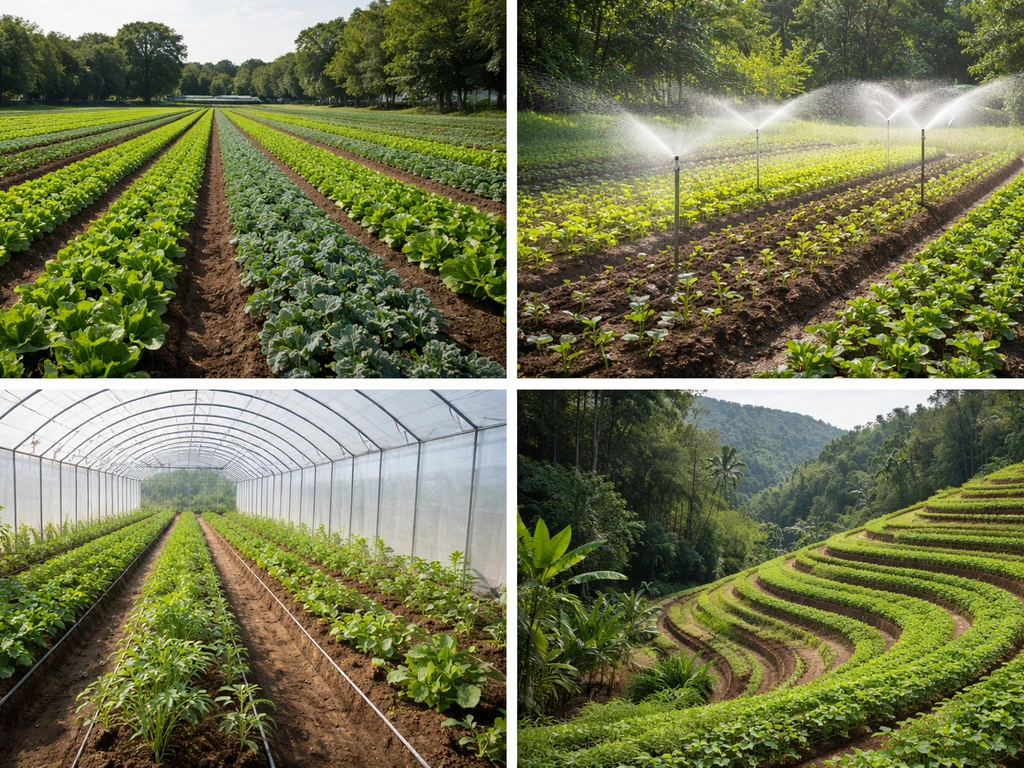
You don't always need to buy fertilizer to grow vegetables, but you almost always need to feed your soil in some way. If you're gardening in rich, well-amended ground with regular compost additions, you can grow a solid harvest without ever opening a bag of 10-10-10. But if you're working with depleted soil, sandy ground, heavy clay, a container, or you're growing the same beds year after year without replenishing organic matter, then some form of fertilizer, whether that's compost, manure, fish emulsion, or a granular blend, isn't optional. It's the difference between a harvest and a disappointment. Raised beds are helpful in poor or compacted soil, but they are not the only way to grow vegetables not always need to buy fertilizer.
Do You Need Fertilizer to Grow Vegetables? A Simple Guide

Marcus Hendrick
29 Apr 2026
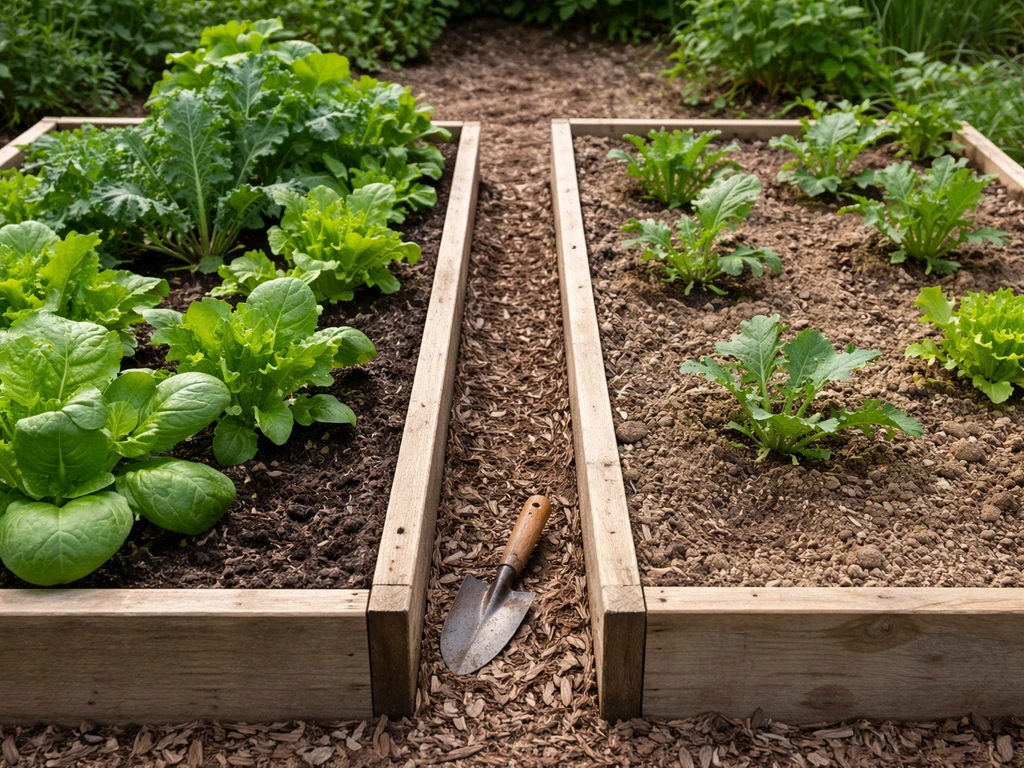
The yes/no answer depends on your soil, not a calendar
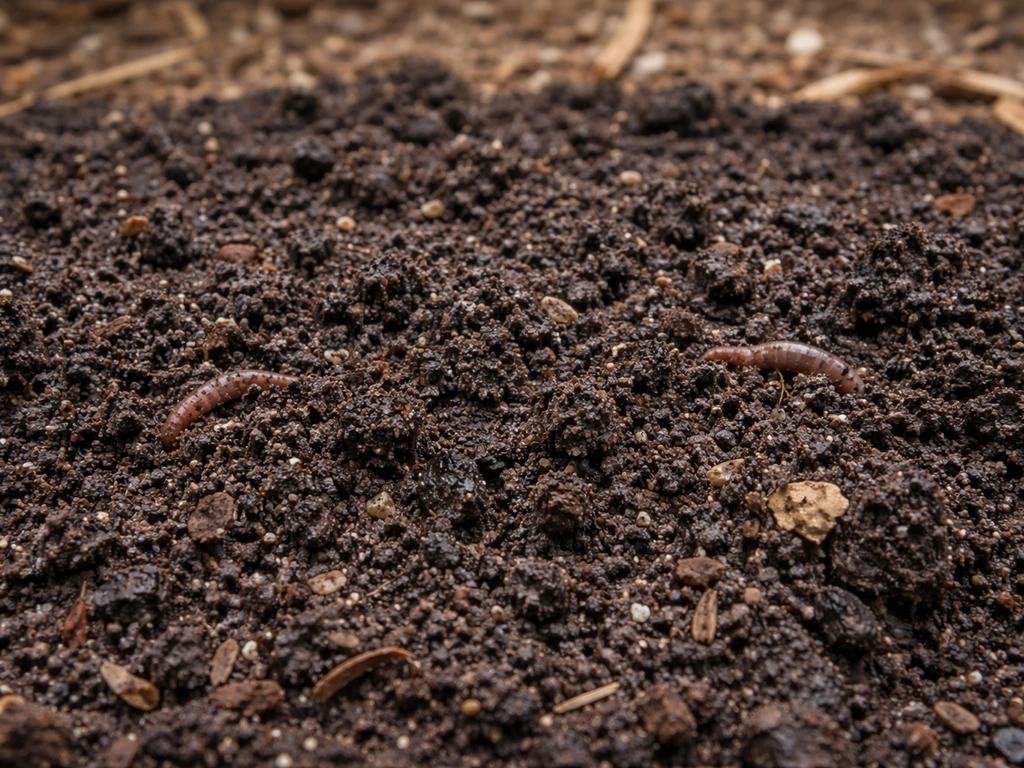
Fertilizer is optional when your soil is genuinely fertile: high in organic matter, biologically active, and recently amended with compost or aged manure. In that case, the soil itself is constantly releasing nutrients as organic matter breaks down, and your vegetables can pull what they need without any extra input. OSU Extension is clear that fertilizer need should be based on actual soil nutrient levels, not a blanket schedule. A soil test is the most direct way to know where you stand, and it's worth doing when you're starting a new bed or troubleshooting poor growth.
Fertilizer becomes effectively required in these situations: you're growing in containers (small volume, frequent watering, nutrients leach out fast), you're gardening in sandy or very compacted soil with low organic matter, you're cropping the same bed intensively every season without replenishing fertility, you're growing heavy feeders like tomatoes, corn, or squash, or your soil test shows low nitrogen, phosphorus, or potassium. In any of those cases, skipping fertilizer will limit your yields noticeably.
- Fertilizer is optional: rich, compost-fed in-ground beds with good organic matter and a history of soil building
- Fertilizer is strongly recommended: containers, new or depleted beds, sandy or compacted soils, heavy feeders, repeated cropping without replenishment
- Fertilizer should be guided by soil testing: never guess blindly, especially when establishing a new garden
How vegetables actually get their nutrients
Vegetables pull nutrients from three main sources: the mineral content of the soil itself, the steady release of nutrients as organic matter breaks down, and any supplemental feeding you provide. Soil minerals (locked in clay particles and rock fragments) release slowly over time. Organic matter, whether that's compost, decomposing leaves, or old root systems, feeds soil microbes that in turn convert that organic nitrogen, phosphorus, and potassium into forms plants can actually absorb. This is the feeding cycle that makes rich garden soil so valuable.
The quality of your compost matters more than most gardeners realize. Penn State Extension points out that compost with a high carbon-to-nitrogen ratio (above 30:1, think wood chips or straw-heavy mixes) can actually tie up nitrogen temporarily rather than releasing it, while compost with a lower C:N ratio (below 20:1, like well-aged manure or finished kitchen compost) mineralizes nitrogen into plant-available forms. If you've added lots of woody material to your beds and plants look nitrogen-starved, that's likely why.
Nitrogen is the nutrient vegetables burn through fastest. UC IPM notes that many plants can get adequate nitrogen from decomposing organic matter and soil reserves alone, but only when those reserves are genuinely rich and well-managed. Phosphorus and potassium move more slowly through the soil and are less prone to rapid depletion, though they can still become limiting in heavily cropped or low-organic-matter soils.
How to tell your vegetables are hungry
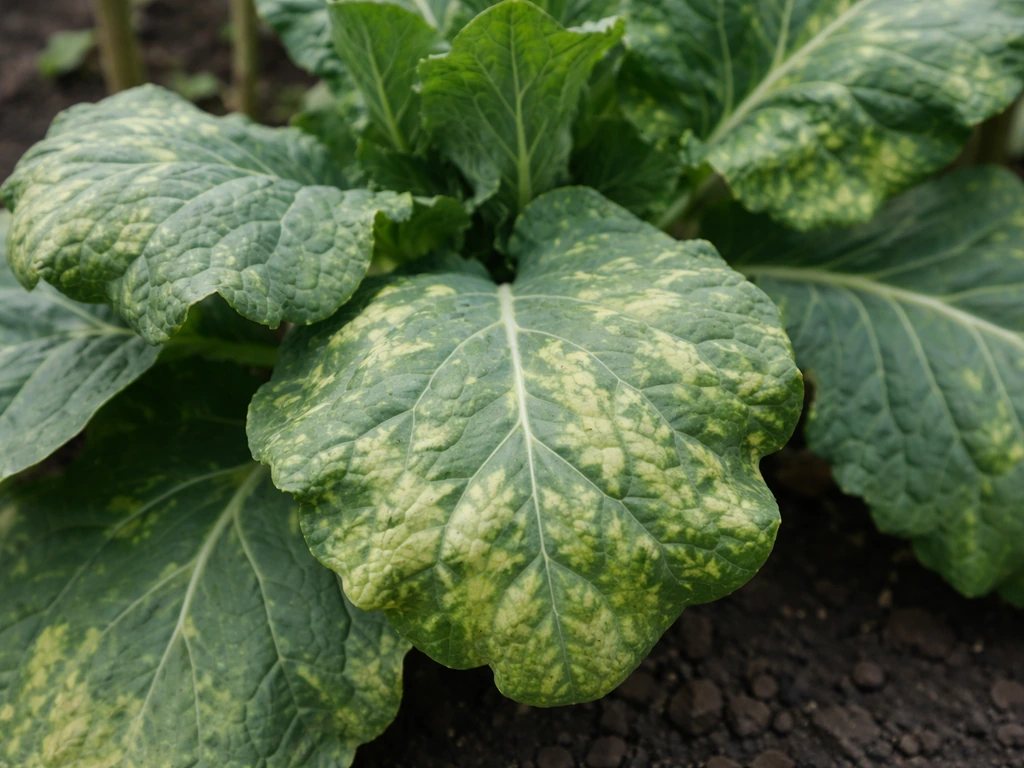
The signs of nutrient deficiency are readable if you know what to look for, but they can also be tricky because other problems (poor drainage, root damage, disease, cold soil) can look identical. USU Extension cautions against jumping to a nutrient diagnosis without ruling out other causes first. That said, here are the most common patterns to watch for.
Nitrogen deficiency
This is the most common deficiency in vegetable gardens. Plants grow slowly and look pale or washed out. The key identifier is uniform yellowing that starts on the oldest, lowest leaves and works upward. Young leaves at the top stay relatively green at first. UGA Extension describes this older-leaf-first pattern as a reliable sign that the plant is pulling nitrogen from older tissue to feed new growth. If your whole plant just looks small and light green, nitrogen is the first thing to consider.
Phosphorus deficiency
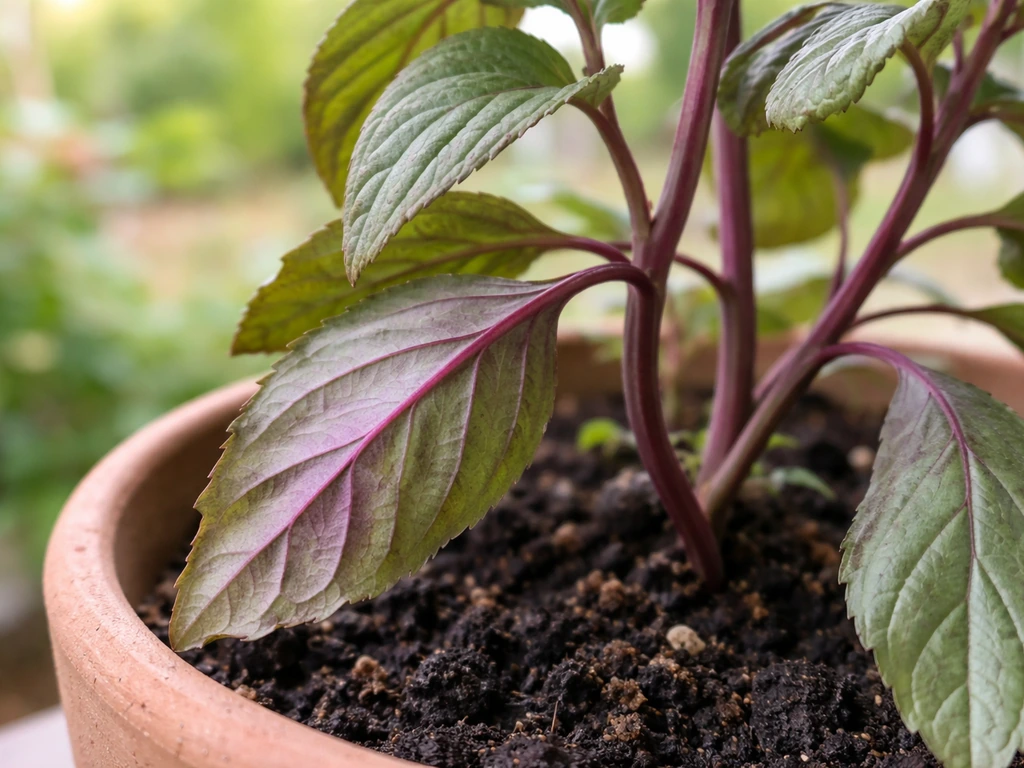
Purpling on leaves, stems, or the undersides of older foliage is the classic sign, and it's especially common in early spring. Texas A&M notes that cold root-zone temperatures reduce phosphorus uptake even when soil P levels are fine, so you may see purple seedlings in April that green up on their own once the soil warms past 55°F. If purpling persists into warm weather, that's more likely a true deficiency. UMass Amherst recommends a starter fertilizer high in phosphorus when transplanting into cold soils, even if soil test P is already high.
Potassium deficiency
Potassium deficiency shows up as yellowing or scorching at the margins and tips of leaves, starting on older leaves and progressing inward. UC IPM notes that this can advance to browning and withering if untreated. It's easy to confuse with drought stress or salt damage, so check your watering and drainage before assuming K is the problem.
Choosing the right fertilizer: organic vs. synthetic
The three numbers on any fertilizer bag (like 10-10-10 or 5-3-4) tell you the percentage by weight of nitrogen (N), phosphorus (P), and potassium (K) in that order. A 10-10-10 fertilizer is 10% nitrogen, 10% phosphorus, and 10% potassium. OSU Extension explains that phosphorus is slow to move through soil once applied, while nitrogen is highly soluble and can reach roots quickly when watered in. Understanding this helps you apply the right thing at the right time.
Organic fertilizer options
Organic options feed slowly and also improve soil biology over time, which is a big long-term advantage. Common choices include compost (low but steady nutrient release), aged manure or composted chicken manure (higher nitrogen, but follow safe handling practices), fish emulsion (fast-acting nitrogen, great for a midseason boost), blood meal (very high nitrogen, use sparingly), and bone meal (high phosphorus, useful at planting). When using raw or fresh manure, both UMaine Extension and FDA guidance recommend leaving adequate time between application and harvest to reduce pathogen risk: at minimum 90 days for crops not in direct contact with the soil, and longer for crops that grow in or near the soil. Plan your timing accordingly.
Synthetic fertilizer options
Synthetic fertilizers deliver nutrients immediately and predictably, which makes them useful when you need a quick correction or when you're container gardening and need precise control. UNR Extension recommends a balanced fertilizer like 10-10-10 or 16-16-16 for leafy vegetables. The downside is that synthetics don't improve soil biology, and overdoing nitrogen, especially synthetic nitrogen, encourages leafy growth at the expense of fruit. UMD Extension specifically warns against overfertilizing with nitrogen if you want tomatoes, peppers, or squash to produce well.
| Fertilizer Type | Nutrient Release | Best Use | Key Caution |
|---|---|---|---|
| Compost | Slow, steady | Pre-plant amendment, soil building | Low C:N ratio needed for N release |
| Aged manure | Moderate | Pre-plant, fall application | 90+ day wait before harvest for food safety |
| Fish emulsion | Fast | Liquid boost during growth | Smell; dilute properly |
| Blood meal | Fast (high N) | N deficiency correction | Easy to over-apply; can burn |
| Bone meal | Slow (high P) | At planting for root development | Not needed if soil P is high |
| Balanced synthetic (10-10-10) | Fast | Containers, depleted soil, quick fixes | Avoid excess N during flowering/fruiting |
| Water-soluble fertilizer | Immediate | Container feeding, foliar correction | Leaches from containers; feed regularly |
When and how to apply fertilizer
Before planting
The most effective time to fertilize an in-ground vegetable bed is before you plant, worked into the top 6 to 8 inches of soil. This is when you'd incorporate compost, aged manure, or a granular balanced fertilizer. If you're starting a brand new bed, a soil test first (available cheaply through most cooperative extension offices) tells you exactly what's needed rather than guessing. Rutgers Extension recommends this approach specifically for new vegetable garden locations.
Sidedressing during the season
Sidedressing means applying fertilizer alongside established plants during the growing season, typically scratched lightly into the soil around the base of plants or laid in a shallow furrow next to a row. OSU Extension notes that nitrogen is soluble and moves to the root zone quickly when watered in, so if rainfall isn't coming, water after sidedressing. UNR Extension recommends sidedressing nitrogen for heavy feeders like corn and tomatoes about 4 to 6 weeks after transplanting. The University of Delaware Extension also notes that many vegetable plants should receive a starter fertilizer dose and then be side-dressed about six inches from the plant’s stem at least once Vegetable Garden Basics. One timing note from UGA Extension: don't fertilize while plants are actively flowering, because the nitrogen push encourages leafy growth and can delay or reduce fruit set.
Foliar feeding
Foliar feeding (spraying diluted liquid fertilizer directly on leaves) is useful for correcting specific confirmed deficiencies quickly, particularly micronutrients like iron or zinc that are slow to move through soil. Penn State Extension is clear that most nutrient uptake happens through roots, not leaves, so foliar feeding is a targeted fix, not a replacement for root-zone feeding. Done wrong, it can burn foliage, so always use the labeled dilution rate and spray in the cooler part of the day.
Container gardens need a different approach
Containers are in a category of their own. The limited soil volume means there's far less nutrient reserve to draw on, and every time you water, some of those nutrients leach out the drainage holes. UNH Extension recommends starting liquid fertilizer applications about 3 to 4 weeks after seedlings are established, then feeding roughly once a week with a diluted water-soluble fertilizer or fish emulsion. The key word is diluted: frequent light feeding beats occasional heavy doses, which can burn roots or wash straight through. If you're growing tomatoes, peppers, or cucumbers in containers and they look pale or produce poorly, inconsistent feeding is almost always part of the problem. Related to this, growing in pure compost or multi-purpose compost mixes can work for containers, but nutrient availability will fade midseason and supplemental feeding becomes necessary. If you try it, aim for finished, well-balanced compost and be ready to supplement later as nutrients run low grow in pure compost. In other words, vermicompost can be a strong part of your feeding plan, but most gardens still need more than that to reliably support every plant. If you want to use multi-purpose compost, you can still grow vegetables in containers, but plan to top up nutrients as the mix breaks down.
How to build fertility without buying bags of fertilizer
The long game in vegetable growing is building soil that fertilizes itself, or at least needs far less supplemental input over time. This isn't idealism; it's practical soil science. Here's what actually moves the needle. If you’re wondering, “Do you need manure to grow vegetables,” the short answer is that manure can help, but compost and healthy soil biology often let you grow without it.
Compost as a foundation
Adding 2 to 3 inches of finished compost to your beds each season is the single most impactful thing you can do for long-term soil fertility. It improves soil structure, feeds microbial life, and releases a slow trickle of nitrogen, phosphorus, and potassium throughout the growing season. Rutgers Extension notes that regular organic amendments can reduce the need for added fertilizer over time. The catch is that compost alone may not supply enough nitrogen for heavy feeders in the first few seasons, which is where a supplemental organic source like fish emulsion or blood meal fills the gap.
Mulch
A 2 to 3 inch layer of organic mulch (straw, wood chips, shredded leaves) laid on top of beds conserves moisture, moderates soil temperature, suppresses weeds, and slowly breaks down into organic matter that feeds the soil. It won't deliver fast nitrogen, but it steadily builds the organic matter percentage that makes soil more fertile over years.
Cover crops
Planting a cover crop in beds that are resting (fall through early spring is the classic window) is one of the best free fertility inputs you have. Legume cover crops like crimson clover, hairy vetch, or field peas fix atmospheric nitrogen into the soil via root bacteria. OSU Extension notes that gardens with legume cover crops in prior years may need substantially less nitrogen fertilizer in the following season. When you terminate the cover crop and dig it in, that nitrogen becomes available to your vegetables.
Crop rotation
Rotating plant families around the garden each season prevents the depletion pattern that comes from growing the same heavy feeder in the same spot year after year. Following a heavy feeder like tomatoes with a legume like beans, then a root crop like carrots, then a brassica gives the soil time to recover and naturally evens out nutrient demand. It also breaks pest and disease cycles, which means healthier plants that use nutrients more efficiently. Bees are one of the key pollinators that help many vegetables set fruit, so attracting them can make a noticeable difference in the harvest pest and disease cycles.
The honest reality is that very few gardeners can grow a productive vegetable garden indefinitely with zero inputs. Even the most fertile soil gets mined by crops. But by stacking compost, mulch, cover crops, and rotation, you can dramatically reduce how much fertilizer you actually need to buy, and keep your soil in better shape season after season. Start with a soil test, fix what's actually deficient, and build from there.
FAQ
If I use compost every season, do I still need to add fertilizer for nitrogen-hungry vegetables?
Possibly. Compost usually releases nutrients slowly, but heavy feeders like tomatoes and corn can outpace that early in the season. A common approach is to rely on compost for baseline fertility, then add a supplemental nitrogen source (like fish emulsion) during active growth, only if plants look pale or a soil test indicates nitrogen is low.
Will adding extra fertilizer “just in case” harm my vegetable harvest?
Yes, especially with nitrogen. Too much nitrogen tends to boost leafy growth and can reduce flowering and fruit set in crops like peppers, tomatoes, and squash. With containers it can also burn roots, because salts build up when frequent watering concentrates fertilizer in the pot.
How do I choose between a balanced fertilizer and something higher in phosphorus or potassium?
Use the limitation, not the crop name. A soil test (or a clear deficiency pattern) should guide you. Phosphorus is most relevant early for root establishment and cold-season uptake issues, while potassium often matters when leaf edge yellowing or scorching appears, especially on older leaves.
What’s the safest way to correct a nutrient problem if I see deficiency symptoms?
Confirm it before you treat. Look for the pattern (older leaves first suggests nitrogen or potassium issues), then check watering, drainage, and soil temperature (cold roots can mimic phosphorus deficiency). If you need fast help, consider foliar feeding only for micronutrients, since major nutrients are mostly taken up through roots.
Can I skip fertilizer if my soil test says everything is “fine”?
Sometimes, but watch for timing and soil conditions. Even with adequate levels, nutrients can be unavailable if the soil is cold, waterlogged, very sandy, or biologically inactive. If growth is weak, repeat testing after amending organic matter or reassess compost quality and drainage before adding a bunch of fertilizer.
Should I fertilize right after transplanting seedlings?
Often, but keep it gentle. Many gardeners start with compost or a mild starter fertilizer, then wait for plants to establish. Large nitrogen doses immediately after transplant can cause lush foliage before roots catch up and can delay stable growth.
How often should I fertilize an in-ground bed compared with containers?
In-ground beds typically need fewer, slower additions because nutrients are buffered by more soil volume and organic matter cycles. Containers need more frequent, diluted feeding because nutrients leach with every watering. If you move from ground to pots, adjust expectations, because “once every few weeks” can be underfeeding in containers.
Is it better to use organic fertilizer or synthetic fertilizer for vegetables?
Either can work. Organic options generally improve soil biology over time, but they often release nutrients more slowly and can be less predictable in the short term. Synthetic fertilizers give quicker, measurable results, which is useful for fast corrections, especially in containers, but you should still avoid excess nitrogen.
How can I tell if my compost is tying up nitrogen instead of feeding plants?
A high-carbon compost (like wood-chips or straw-heavy mixes) can temporarily reduce available nitrogen as microbes break down the material. If plants show broader yellowing, especially on younger growth progressing to older leaves, and you recently added a lot of woody material, that’s a clue to supplement nitrogen or switch to a more finished compost.
What’s the difference between “mulching” and “fertilizing,” do mulch and compost replace fertilizer?
Mulch mainly conserves moisture and slowly contributes organic matter, it does not reliably provide fast nitrogen. Compost supplies some nutrients as it breaks down, so it can reduce fertilizer needs, but it may not fully cover early-season demand for heavy feeders or container growing.
If I use manure, how do I reduce the risk of applying it too close to harvest?
Don’t assume “well-composted” means “harvest-ready.” With raw or fresh manure, leave adequate time before harvest, especially for crops that touch the soil. Even with composted manure, incorporate it properly and keep it away from edible parts when possible, since pathogens and nutrient forms behave differently depending on how it was handled.
Do cover crops remove nutrients from my garden, or do they add fertility?
They can do both, depending on the timing and crop type. Legume cover crops generally add nitrogen after termination, but cover crops that are not legumes primarily hold or scavenge nutrients while they grow. If you terminate too late in the season, you may also increase competition for water and nutrients before vegetables start.
Should I rotate crops based on fertilizer needs, or only on pests and disease?
Both, and that’s why rotation works. Rotating plant families prevents the repeating depletion pattern of the same nutrient demand and also interrupts pest and disease cycles. For nutrient management, pairing heavy feeders with legumes or other lower-demand families helps stabilize nitrogen and reduce how much you must supplement.
Next Article
How Do Farmers Grow Food Around the World: Methods and Tips
Learn how farmers grow food worldwide: soil, water, crops, pests, harvest, and how to scale it for home gardens.