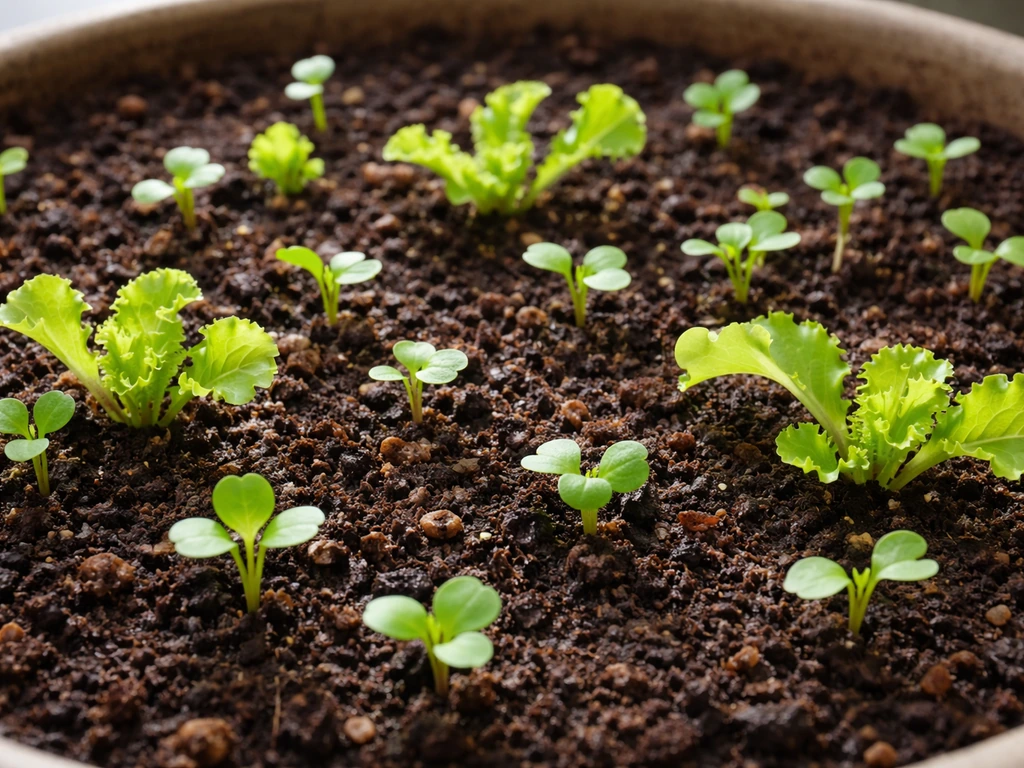
You can grow plants in vermicompost alone, but in most setups it is not the best idea. Pure vermicompost is too dense, holds too much moisture, and can carry high soluble salt levels that stress or outright kill seedlings and young transplants. That said, if your vermicompost is well-cured, tested low in salts, and you are growing leafy greens or light feeders in small containers with careful watering, you can pull it off.
Can We Grow Plants Only in Vermicompost? Practical Guide

Marcus Hendrick
24 May 2026
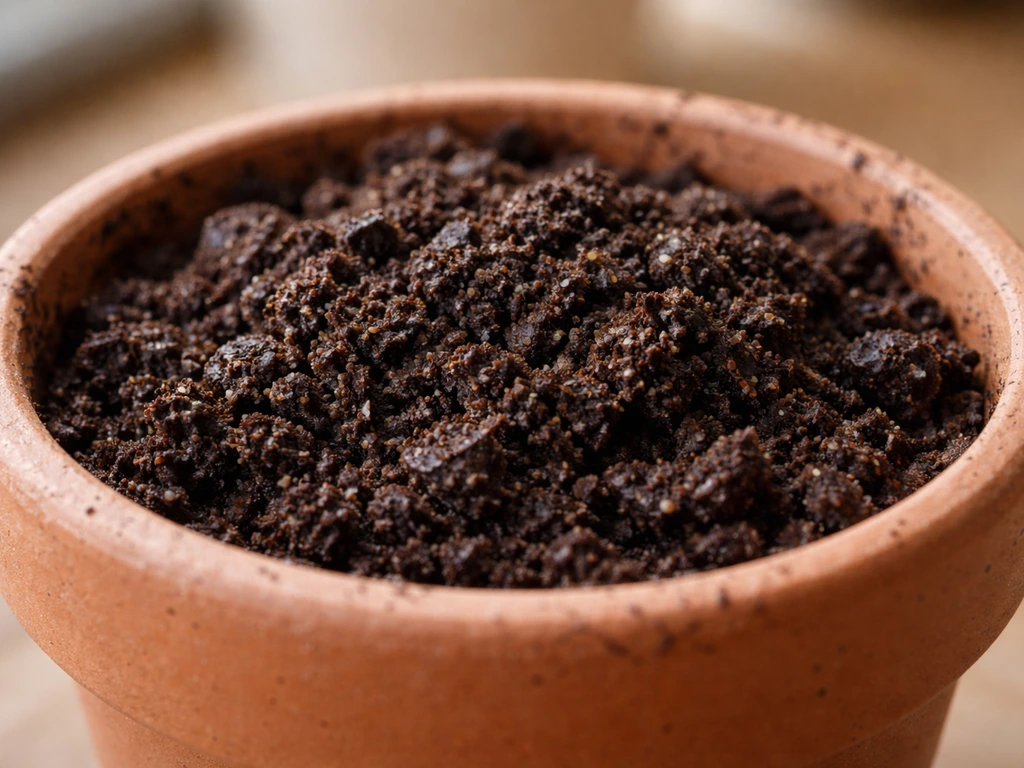
For most home gardeners growing food crops, the smarter move is to use vermicompost as a major amendment, not a standalone medium, and blend it with something that adds drainage, air, and structure. You do not necessarily need manure to grow vegetables, but you may need the right nutrient source and a well-draining mix.
You generally do not need bees to grow vegetables, since pollination is usually handled by other pollinators or by planting choices that attract them grow vermicompost as a major amendment.
When vermicompost-only works (and when it really doesn't)
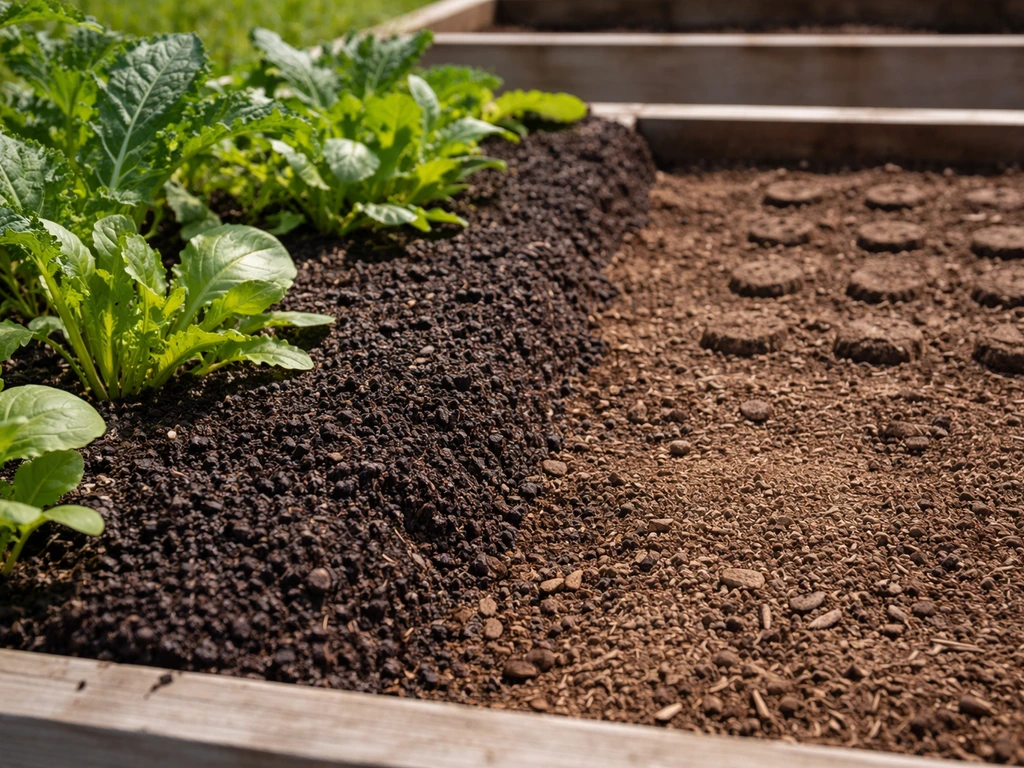
There are a few scenarios where growing in pure or near-pure vermicompost is genuinely viable. Established plants in outdoor beds where vermicompost is used as a thick top-dressing that slowly integrates into native soil. Light feeders like lettuce, spinach, herbs, and radishes in containers where the grower is attentive to watering. And situations where the vermicompost is high quality, fully cured, and confirmed to have low electrical conductivity (EC).
Where it tends to fail: seed starting is probably the worst application for pure vermicompost. The salt load alone can inhibit germination. Tomatoes, peppers, squash, and corn, all heavy feeders, need a rooting medium with better air pockets and a more balanced nutrient profile than raw vermicompost provides. Root vegetables like carrots and parsnips need loose, well-draining structure that vermicompost alone cannot deliver. And indoors, without rain to naturally leach excess salts, concentrated vermicompost in a pot can build up salt to toxic levels over time.
What vermicompost actually gives your plants (and what it's missing)
Vermicompost is genuinely excellent stuff. It delivers a broad range of plant-available nutrients including nitrogen, phosphorus, potassium, calcium, magnesium, and micronutrients. It carries beneficial microbes and humic acids that improve nutrient uptake and soil biology. It has a near-neutral pH, typically between 6.5 and 7.5, which suits most food crops. And it releases nutrients slowly and steadily rather than flooding the root zone all at once.
But here is what it lacks or where it causes problems when used alone. First, structure. Vermicompost compacts easily when wet, which suffocates roots and prevents drainage. Second, it has no inert filler, meaning every particle in the pot is biologically active and nutrient-dense, which sounds great but can translate to salt overload for sensitive plants.
Third, despite being nutrient-rich overall, vermicompost-only systems can produce nutrient imbalances, where excess of one element blocks uptake of another, leading to deficiency symptoms even when the compost appears rich. MU Extension notes that compost quality can vary widely, so feedstocks, decomposition, moisture, nutrient content, salts, pH, and contaminants can affect how nutrients behave in your plants excess compost can still cause deficiency symptoms because nutrients become imbalanced.
UMN Extension specifically flags this: excess compost can still cause deficiency symptoms because the nutrients become imbalanced, not because they are absent.
| What Vermicompost Provides | What It Lacks or Can Cause Problems With |
|---|---|
| Broad-spectrum nutrients (N, P, K, Ca, Mg, micros) | Physical structure and air pockets for roots |
| Beneficial microbes and humic acids | Drainage (compacts when wet) |
| Near-neutral pH (6.5–7.5) | Risk of high soluble salts / elevated EC |
| Slow, steady nutrient release | Nutrient imbalances at high rates |
| Moisture retention | Can over-retain moisture, causing root rot |
| Worm castings for soil biology | No inert buffer to dilute salt load |
Test your vermicompost before you commit to using it alone
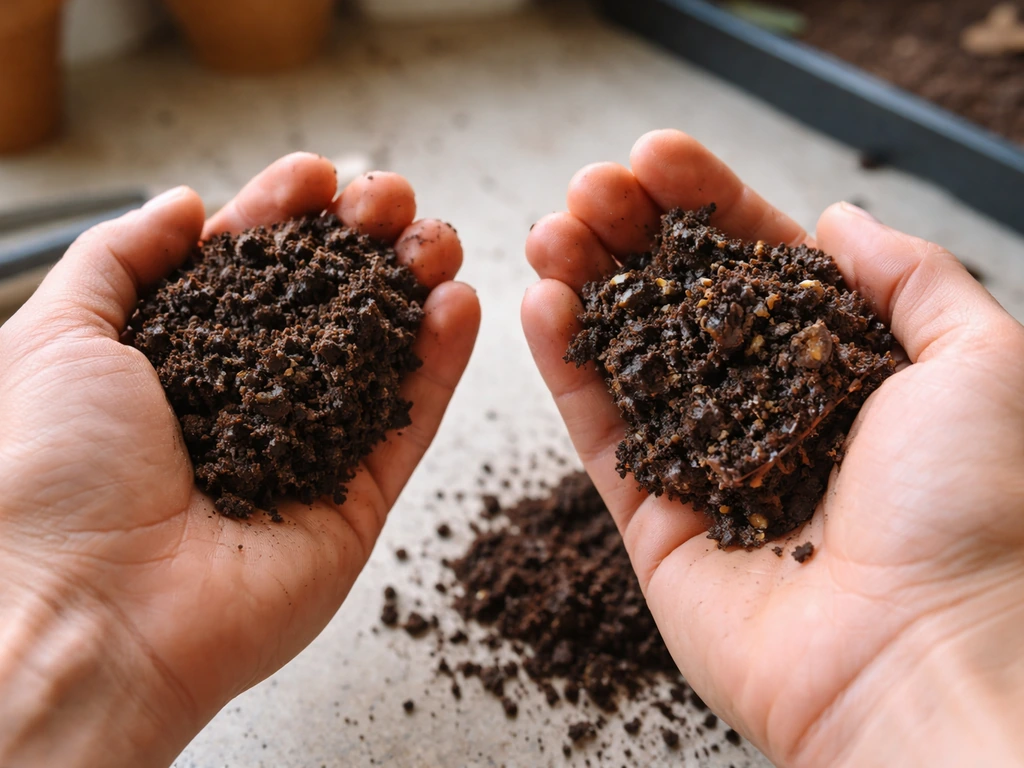
Before you fill a pot or bed with pure vermicompost, do a quick quality check. This takes 10 minutes and can save you a whole growing season of headaches.
- Smell it. Good, finished vermicompost smells earthy, like forest floor. If it smells like ammonia or rotting food, it is not fully cured and needs more time before use. Fresh, uncured vermicompost is much higher in salts and can burn plants.
- Feel the texture. Squeeze a handful. It should crumble easily when dry-ish and hold loose shape when moist. If it clumps into a dense brick when wet, that is a structural red flag for use alone.
- Do a seed germination test. Place 10 seeds (radish or lettuce work well) on damp vermicompost and on damp paper towel side by side. If germination rate in the vermicompost is more than 20% lower than the paper towel control after 5–7 days, your EC is likely too high for direct seeding.
- Get an EC reading if you can. An inexpensive EC meter (under $20) used on a 1: 5 dilution (1 part vermicompost mixed with 5 parts distilled water, strained) gives you a rough salinity picture. Saturated-paste EC above 3–4 mmhos/cm is a warning sign. Washington State University Extension sets phytotoxicity risk at that threshold for compost-amended substrates. If you are above that, dilute with soil or let the vermicompost sit outdoors through a few rain cycles before using heavily.
- Check cure time. Vermicompost that has been sitting and maturing for at least 60–90 days after the worms have processed it is significantly safer than fresh castings from an active bin.
If your vermicompost passes the smell, texture, and germination tests, you are in good shape to use it at higher rates. If EC is elevated, do not panic, just dilute it and give it time. High-salt compost can still be beneficial at low rates, and the risk drops sharply once you mix it with other media.
Container vs in-ground: setting up your growing method
Container growing
In containers, using pure vermicompost is the highest-risk approach because there is no surrounding soil to buffer salt buildup, leach excess nutrients, or provide the drainage that in-ground growing naturally offers. You can still grow vegetables in a multi-purpose compost by using vermicompost as a measured percentage of the blend, rather than going all-in with it alone use pure vermicompost.
Roots hit the walls quickly, and if the medium stays wet and compacted, you will see root rot within weeks. Instead, use vermicompost as 20–30% of your total potting mix (more on exact ratios below). Mix it with coco coir or perlite, which provides air pockets and drainage without adding salts. If you want to use vermicompost as a top-dressing in containers, sprinkle 1–2 cm on top of existing potting mix every 4–6 weeks and water it in gently.
This is a very safe and effective method, especially for herbs and leafy greens.
In-ground growing
In-ground beds are far more forgiving. Vermicompost integrated into native soil at rates of 10–25% by volume dramatically improves soil biology, moisture retention, and nutrient availability without the compaction and salt risks of a pure vermicompost container. For raised beds you are filling from scratch, aim for no more than 20–25% vermicompost by volume in your total mix, combined with garden soil, compost, and a small amount of perlite or coarse sand for drainage.
If you are wondering whether you need a raised bed to grow vegetables, the key is matching the growing container or bed size to your soil volume, drainage, and watering schedule do you need a raised bed to grow vegetables. If you are top-dressing an existing garden bed, a 2–5 cm layer worked into the top few centimeters of soil each season is excellent practice and carries very low risk.
Vermicompost ratios: how to build a complete growing medium
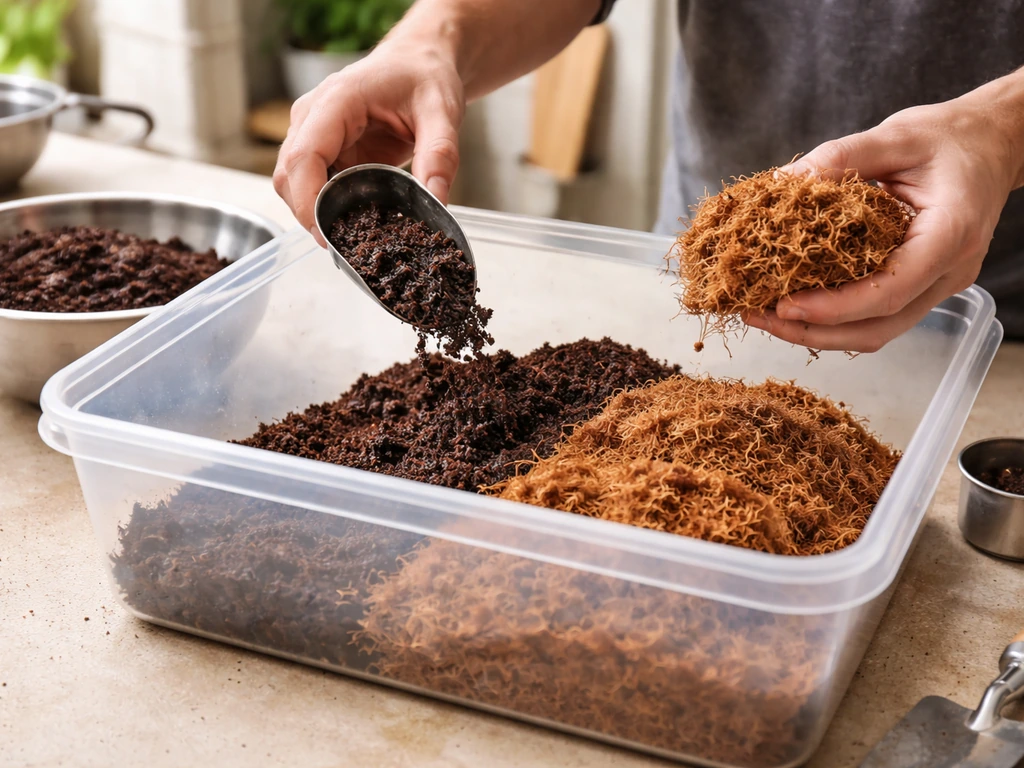
Here are the blends that work in practice. These are not rigid formulas but reliable starting points you can adjust based on your specific vermicompost quality and what you are growing.
| Use Case | Vermicompost % | What to Mix It With | Notes |
|---|---|---|---|
| Seed starting mix | 10–15% | 70% coco coir + 15–20% perlite | Keep vermicompost low; high EC damages germination |
| Container potting mix (general) | 20–30% | 50% coco coir or peat + 20–30% perlite or coarse sand | Add more perlite for heavy feeders needing drainage |
| Raised bed fill (new bed) | 15–25% | 40–50% topsoil + 25–35% general compost + perlite | Balance with lower-salt compost to dilute salt load |
| Top-dressing (containers) | 100% vermicompost | Applied as 1–2 cm layer on surface | Safe method; let it water in gradually over several weeks |
| Top-dressing (garden beds) | 100% vermicompost | 2–5 cm layer worked in shallowly | Excellent for in-ground beds; rain handles leaching |
| Transplant hole amendment | 25–30% | Mixed into backfill soil | Good for tomatoes, peppers; do not pack roots in pure VC |
One thing I have found from personal experience: coco coir is hands-down the best pairing for vermicompost in containers. It is low in salts, holds moisture well without compacting, and balances the density of worm castings perfectly. Perlite is the second must-have for drainage. If you are working indoors or in any setup where rain cannot naturally leach the medium, do not skip the perlite.
Crop-by-crop expectations: who loves vermicompost and who needs you to back off
Not all vegetables respond the same way to heavy vermicompost use. Light feeders tend to tolerate higher concentrations, while heavy feeders need balanced nutrition across a wider root zone and can actually suffer from nutrient imbalance in a vermicompost-heavy setup. Here is a practical breakdown.
Light feeders: higher tolerance for vermicompost
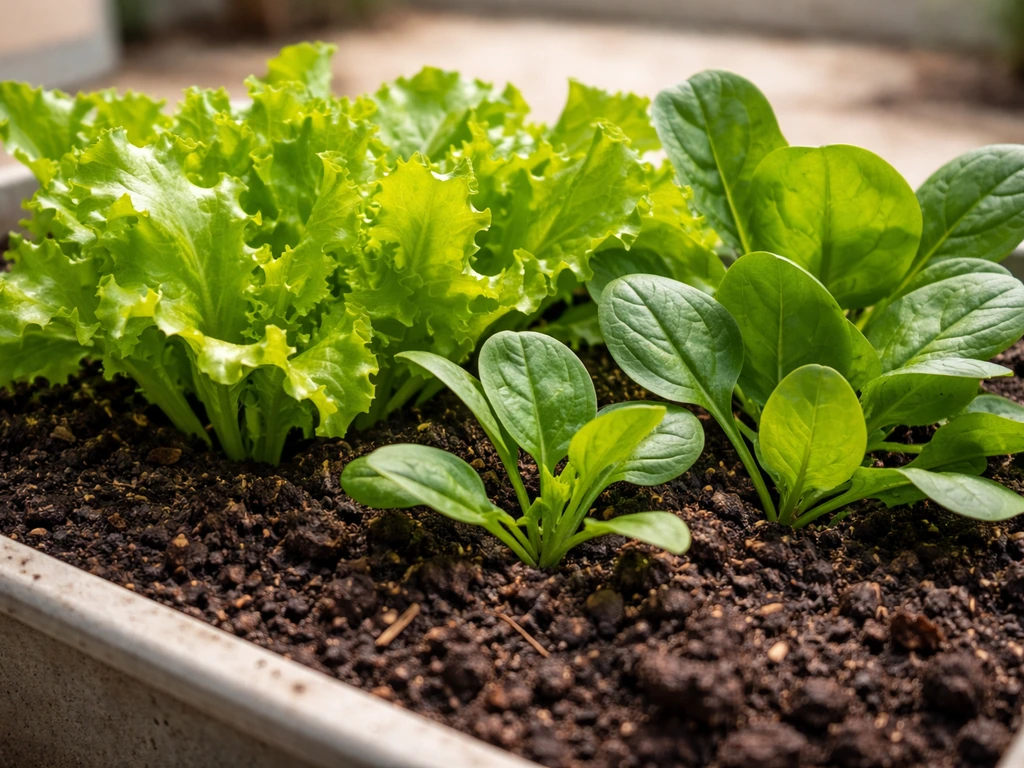
- Lettuce, spinach, and salad greens: do very well at 25–30% vermicompost in a container mix. Short root systems, fast growth, and lower total nutrient demand make these the most forgiving crops for vermicompost-heavy setups.
- Herbs (basil, parsley, cilantro, chives): tolerate higher vermicompost rates well, especially as top-dressings. Avoid going above 30% in pots as many herbs prefer leaner conditions.
- Radishes and small turnips: fine with 20–25% in a loose, well-draining mix, but need that loose structure. Pure vermicompost blocks their root expansion.
- Garlic and onions: respond very well to vermicompost top-dressings early in the season but do not need heavy incorporation.
Heavy feeders: use vermicompost as an amendment, not a base
- Tomatoes: need consistent feeding across a long season. Vermicompost at 20–25% in a large container or in-ground transplant hole is ideal. Too much at once risks salt stress on roots early in the season when the plant is establishing.
- Peppers and eggplant: similar to tomatoes. They are sensitive to EC spikes early. Use vermicompost in the mix but hold back on pure applications until plants are well established.
- Squash, cucumbers, and melons: fast-growing and hungry. A 20% vermicompost blend in a rich raised bed works well, but supplement with liquid feeding mid-season if growth stalls.
- Corn: heavy feeder needing nitrogen across a wide root zone. Top-dressing vermicompost around the base is a good practice, but in-ground corn needs vermicompost integrated broadly into the bed, not concentrated in planting holes.
- Brassicas (cabbage, broccoli, kale): moderate-to-heavy feeders that do well with 20–25% vermicompost in a raised bed blend. Kale is particularly forgiving and tolerates richer conditions.
Root crops: structure matters more than nutrition
Carrots, parsnips, beets, and potatoes all need loose, well-aerated soil that allows roots to expand freely. Pure vermicompost is too dense for these crops regardless of nutrient content. For root crops, keep vermicompost at 15–20% in a mix that is heavy on coarse sand, perlite, or leaf mold to maintain that open structure.
Troubleshooting problems from using too much vermicompost
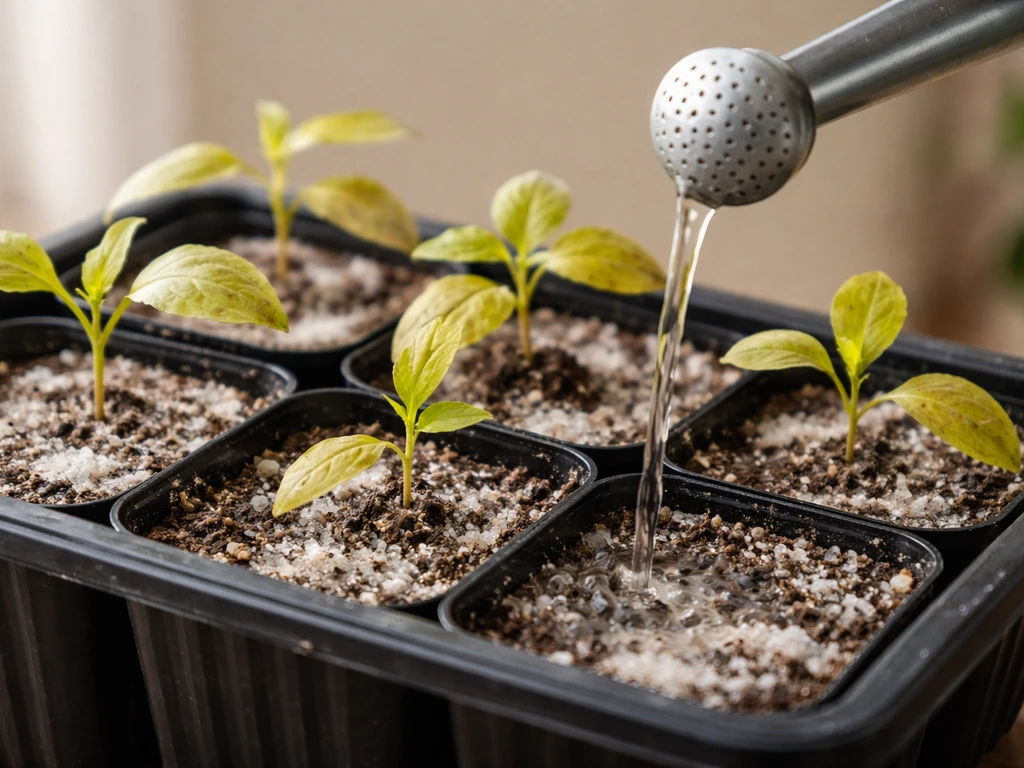
If you see any of these symptoms, vermicompost concentration is likely the culprit, and the fix is usually dilution, leaching, or switching to a top-dressing method.
| Symptom | Likely Cause | What To Do |
|---|---|---|
| Yellowing leaves on seedlings or young plants | Salt stress or nutrient imbalance from high EC | Flush the pot with plain water 2–3 times; repot with diluted mix |
| Seeds fail to germinate or sprout then collapse | High soluble salts inhibiting germination | Reduce vermicompost to 10–15% in seed-starting mix; test EC first |
| Wilting despite moist soil | Root damage from salt stress or compaction/root rot | Check drainage; flush medium; check roots for rot; repot if needed |
| Slow growth despite rich medium | Nutrient imbalance (excess of one nutrient blocking others) | Test soil; add balanced amendments; dilute vermicompost rate |
| Compacted, waterlogged medium | Lack of drainage material in mix | Repot with added perlite or coco coir; improve drainage layer |
| Salt crust on soil surface | Salt buildup from high-EC vermicompost without leaching | Scrape crust off; flush with plain water; top-dress lightly going forward |
| Stunted root development | Dense medium restricting root spread | Add perlite and coarse sand; switch to top-dressing method |
One thing worth reinforcing: yellowing leaves and slow growth in a vermicompost-heavy container does not always mean your plants need more nutrients. It can mean the opposite, that salt overload or nutrient lockout is making existing nutrients unavailable. Do not add more fertilizer without diagnosing first. This is the trap UMN Extension warns about: more compost does not always mean more available nutrition for the plant.
Watering, storage, safety, and making the most of your vermicompost
Watering when using vermicompost
Vermicompost retains moisture well, which is a feature in dry conditions but a bug in wet ones. Water less frequently than you would with a standard potting mix. Let the top 2–3 cm dry out between watering sessions. Overwatering a vermicompost-heavy mix is one of the fastest routes to root rot. If you are in a humid climate or growing indoors, this matters even more. For in-ground beds with vermicompost top-dressings, regular irrigation is fine because native soil below handles drainage naturally.
Storing and handling vermicompost safely
- Store vermicompost in a breathable container (not sealed plastic bags) in a cool, shaded spot. It needs some airflow to stay biologically active without going anaerobic.
- Keep it slightly moist, like a wrung-out sponge. Bone-dry vermicompost loses much of its microbial benefit. Waterlogged vermicompost goes anaerobic and smelly.
- Do not apply fresh, uncured vermicompost directly to seed beds or transplant holes. Fresh castings from an active worm bin can have higher EC and lower stability. Let it cure for 4–8 weeks in a separate container before using heavily.
- If you buy commercial vermicompost, check the bag date and look for third-party testing information if available. Quality varies significantly between producers depending on feedstocks and processing.
- Wash hands after handling. Vermicompost is generally safe, but like any organic material it can carry bacteria. Standard hygiene applies, especially if you are growing food.
Cost-benefit: using vermicompost without wasting it
Good vermicompost is not cheap if you are buying it. Using it at 20–25% in a blended mix rather than filling entire containers with it stretches your supply significantly. A single bag of vermicompost that might fill two 10-litre pots on its own can amend eight to ten pots when blended properly, and the plants will likely do better in the diluted mix anyway.
If you produce your own with a worm bin, the math shifts in your favor completely, and you can afford to be more generous. Either way, the top-dressing method is your most efficient use of a limited supply: a small amount applied regularly does more good than a massive one-time dose that risks salt stress and compaction.
If you are comparing vermicompost to other inputs, it sits in a useful middle ground. It is richer and more biologically active than most general composts, but it is not a replacement for a balanced growing medium the way some sellers imply. If you are wondering, “do you need compost to grow vegetables,” think of vermicompost as one ingredient in a blended growing medium rather than something you use alone.
Whether or not you need additional fertilizer alongside it depends on your crops, your blend ratio, and the nutrient density of your specific batch. If you are wondering, “do you need fertilizer to grow vegetables” alongside vermicompost, the answer depends on how much you use and what your plants are feeding on depends on your crops, your blend ratio, and the nutrient density of your specific batch.
Heavy feeders like tomatoes growing in a 20% vermicompost mix will likely still benefit from a liquid feed boost mid-season. Light feeders in a 25–30% mix may not need anything extra at all. That flexibility is one of vermicompost's genuine strengths as a tool in a practical home food garden.
FAQ
Can we grow plants only in vermicompost if we don’t test EC?
Not reliably. Vermicompost can be used alone only if the batch is fully cured and low in salts (often checked by measuring EC), and you still have to manage moisture because it compacts when wet. If you cannot test EC or you only know the castings by smell and look, plan to blend it and start low (for example, 20 to 25% in a container mix).
What’s the safest way to use vermicompost for starting seeds?
It’s risky for seed starting because salts and dense texture can suppress germination and early root growth. If you want to use vermicompost for seeds, the safer approach is vermicompost as a small fraction of a seed-starting mix (and keep it very airy), or use it later as a potting amendment once seedlings are established.
Can I top-dress a pot with pure vermicompost instead of mixing it into the soil?
Use it as a surface top-dress only after plants are established, and keep it thin. In containers, a common rule is 1 to 2 cm on top of existing potting mix every 4 to 6 weeks, then water gently to pull it down without creating a concentrated salt zone at the surface.
If my plants are yellowing in a vermicompost-heavy mix, does that mean they need more fertilizer?
Often, yes, but not evenly and not always. Heavy or nutrient-uneven batches can cause lockout, where leaves yellow even though the medium is “rich.” Before adding fertilizer, check whether the mix is too concentrated (dilute), then look at watering frequency to avoid wet, compacted conditions that worsen uptake.
Is vermicompost-only growing a good idea for indoor plants?
Probably not. Pure vermicompost is generally the highest failure point indoors because there’s no rainfall to leach salts and there’s limited evaporation and buffering from surrounding ground. If you grow indoors, prioritize drainage (perlite) and keep vermicompost to a lower percentage, then let the top 2 to 3 cm dry between waterings.
Why is vermicompost-only riskier in containers than outdoors?
Not exactly. Rainwater and native soil in outdoor beds can help dilute and leach excess salts, which lowers risk. In-ground top-dressing is therefore more forgiving than a fully filled container, where salt buildup can concentrate at the root zone over time.
What blend works best for carrots or potatoes if vermicompost is involved?
For root crops, structure matters as much as nutrients. Keep vermicompost around 15 to 20% in a mix dominated by coarse material (perlite, coarse sand, leaf mold), because pure vermicompost tends to be too dense for long, well-aerated root growth.
How do we fix root rot or a constantly wet vermicompost mix?
Yes. If you see compacted, heavy medium that stays wet for long periods, reduce vermicompost share and add more airy components (perlite or coarse sand, and often coco coir for containers). Also adjust watering so you only water after the top portion dries.
If our vermicompost seems high-salt, what should we do first?
A better strategy for salt risk is to dilute first, then diagnose. If EC is unknown, start with a conservative blend (for example 20 to 25% in containers), watch plant response for 1 to 2 weeks, and only then increase if growth is strong and leaves stay healthy.
How can we use limited vermicompost without harming plants?
Yes, you can stretch your supply with top-dressing or blending, and you usually get better results. A smaller repeated top-dressing adds nutrients gradually, while a one-time high concentration in a pot increases the chance of salt stress and compaction.
Next Article
Can You Grow Vegetables in Multi Purpose Compost? Guide
Yes, you can grow vegetables in multi-purpose compost. Learn when it works, how to amend, feed, water, and fix problems.