Yes, you can grow vegetables in multi-purpose compost, and plenty of people do it successfully every season. But there's a catch: multi-purpose compost alone isn't really designed for food crops, especially in containers or raised beds where plants depend entirely on what you give them. Used straight from the bag with no amendments and no feeding plan, you'll likely get weak, yellowing plants by midsummer. You may also wonder about vermicompost, but it still needs the right balance of nutrients and drainage for the crop you’re growing. Mixed properly, fed on schedule, and watered consistently, it can absolutely support a productive vegetable garden.
Can You Grow Vegetables in Multi Purpose Compost? Guide
Marcus Hendrick
22 May 2026
What multi-purpose compost actually is
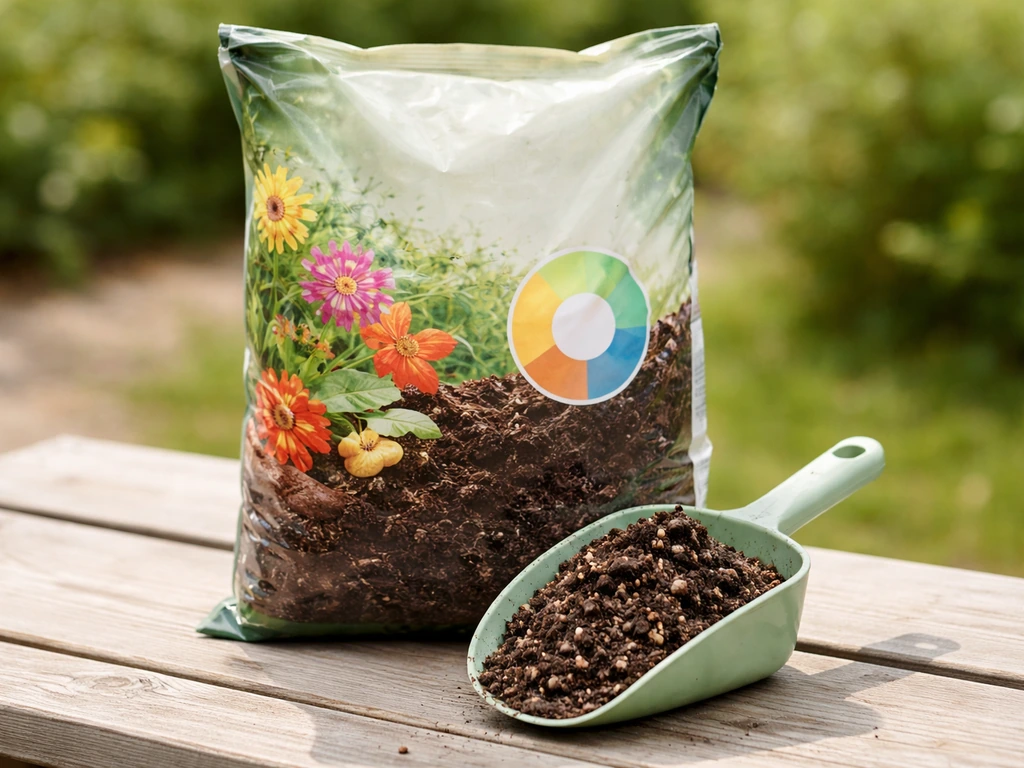
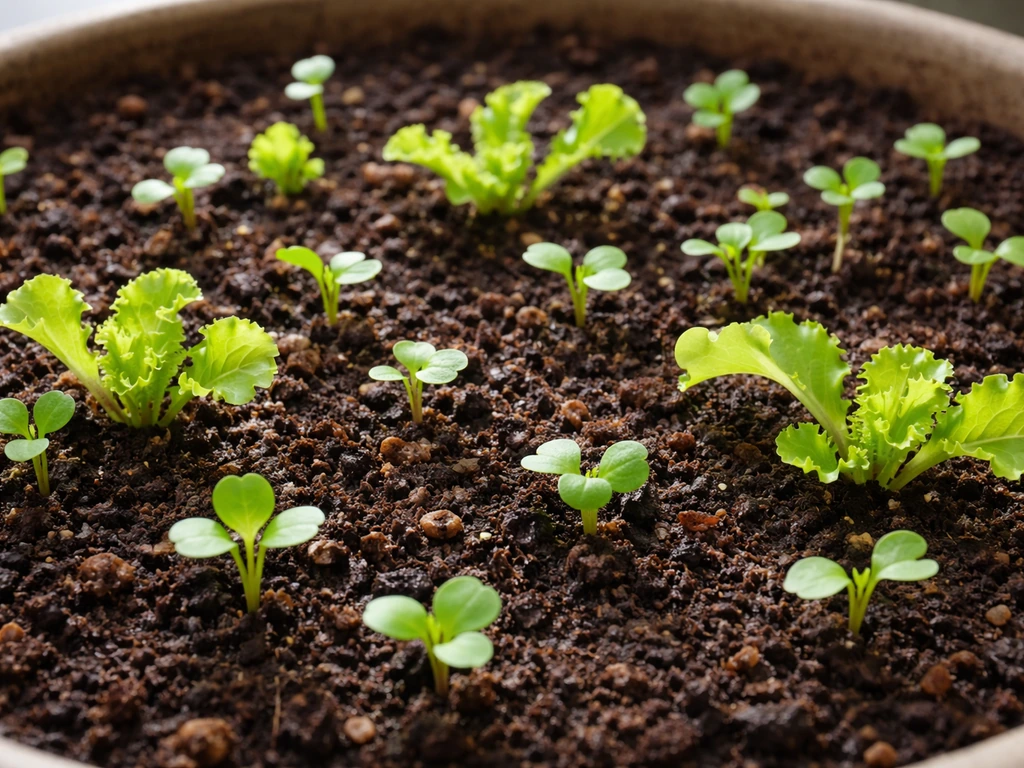
Multi-purpose compost is a bagged growing medium blended to suit a wide range of general planting jobs: bedding plants, hanging baskets, potting on houseplants, that kind of thing. It is not garden compost that you'd dig in from a heap. Most formulations are built around sphagnum peat moss or a peat-free alternative like composted bark or coir, mixed with perlite or vermiculite for drainage, and a dose of starter fertiliser. Westland's Erin Excel, for example, includes enough plant food for about 6 to 8 weeks after planting. RocketGro's peat-free version goes further, with an upfront organic feed lasting around 10 weeks plus a slower-release digestate feed lasting at least 3 months. Some products, like Rosedale's multi-purpose mix, list a specific NPK ratio (15-10-20) plus trace elements in the base blend.
The pH of most multi-purpose composts sits around 6.2, which is actually close to ideal for most vegetables. That's one thing it has going for it right away. The problem is that the starter nutrients are finite, the structure can compact over time, and the mix isn't calibrated specifically for the heavy feeding demands of fruiting crops like tomatoes, peppers, or courgettes. It's worth knowing upfront that some products are not even recommended for seeds or young seedlings, so check the bag before you start.
Which vegetables do best in it
Almost any vegetable can be grown in a compost-based medium if the conditions are right, but compact and fast-maturing crops are the easiest wins. Salad leaves, radishes, spring onions, herbs, spinach, and dwarf French beans all do well because they don't sit in the medium for long and don't demand as much calcium or phosphorus as fruiting crops. Bush and patio varieties of tomatoes, peppers, and cucumbers also work well in containers of multi-purpose compost, provided you start supplemental feeding before the starter nutrients run out.
Where multi-purpose compost starts to struggle is with large, long-season crops: main-crop potatoes, climbing beans, indeterminate tomatoes in big grow bags, or brassicas that sit in the same container for months. These push the limits of what a bagged mix can sustain without active management. You can still grow them, but you'll need to be more deliberate about feeding, pH, and water.
How to use it properly: mixing, depth, and container vs. beds
Using it in containers
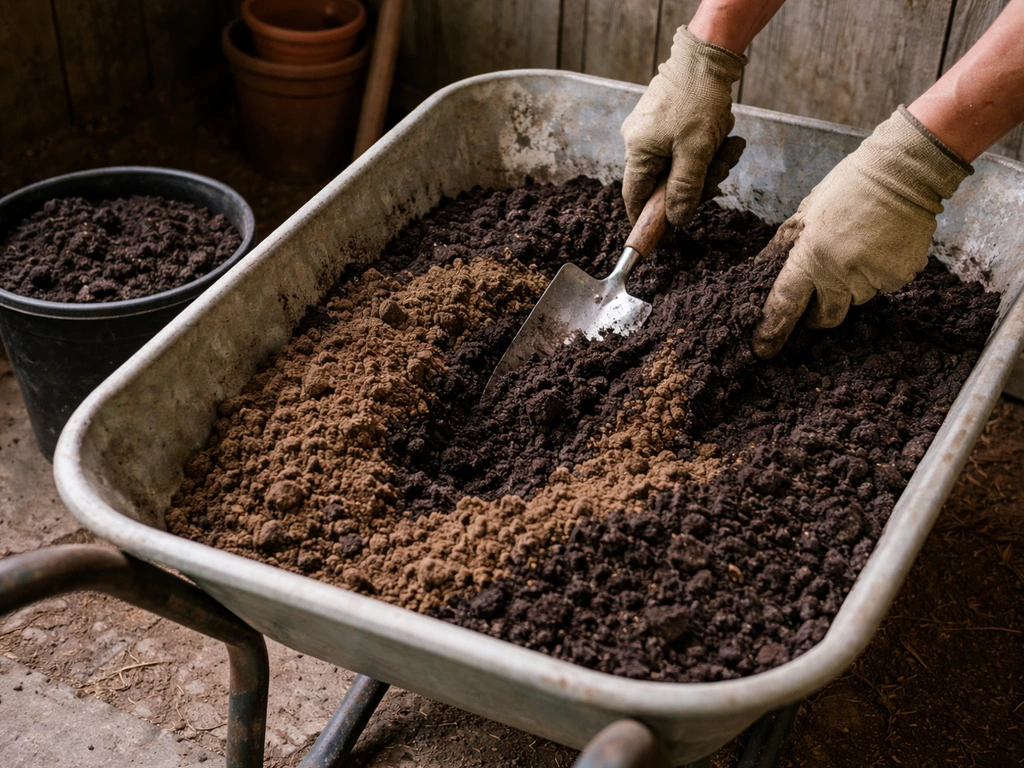
For containers, don't fill a pot with 100% multi-purpose compost if you can avoid it. A reliable approach from the RHS is to mix topsoil and multi-purpose compost together: the topsoil adds weight and drainage structure, while the compost holds moisture and nutrients. This also prevents the light, loose texture of pure compost from collapsing and compacting under repeated watering. A rough 50/50 mix by volume works well for most vegetable containers. If you only have compost available, adding about 20% perlite by volume helps a lot with aeration and prevents compaction.
Size matters more than people think. A small pot dries out fast, swings wildly in temperature, and restricts root development. For tomatoes, peppers, and courgettes, aim for at least a 10- to 15-litre container, and bigger is always better. Salad leaves and herbs can manage in smaller pots of 3 to 5 litres. Whatever the crop, make sure your containers have proper drainage holes at the bottom.
Using it in raised beds
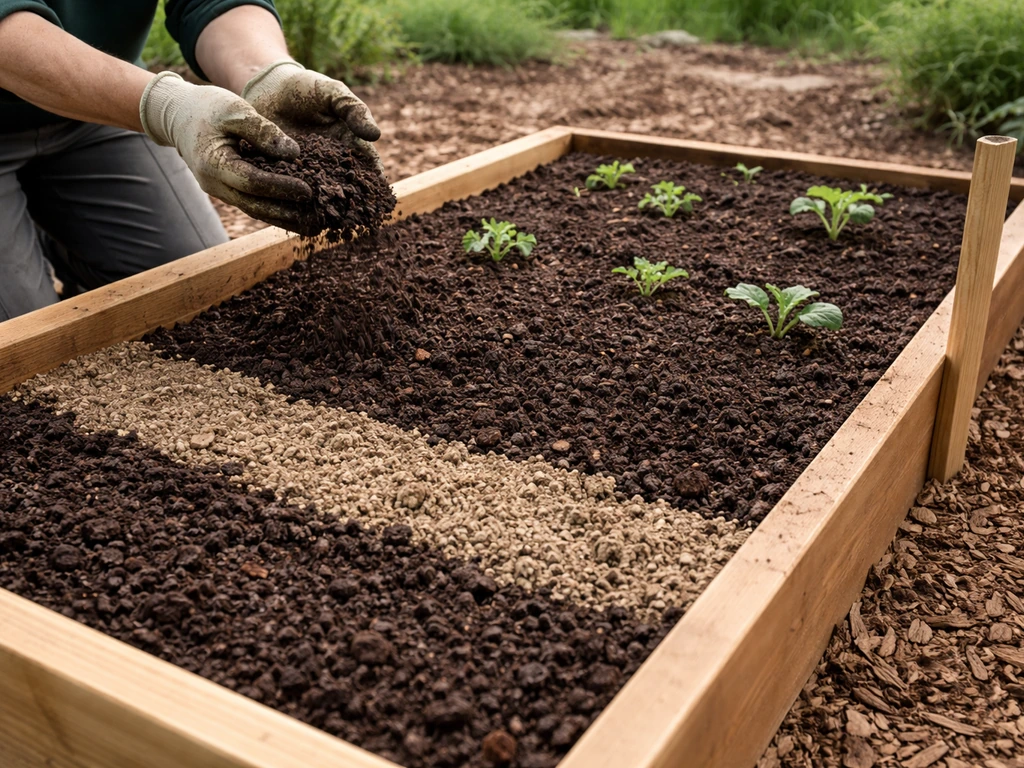
In raised beds, multi-purpose compost works best as part of a blend rather than the sole ingredient. If you want vegetables in a raised bed, you do not necessarily need special raised-bed compost, but you do need the right blend and feeding plan raised bed to grow vegetables. A good benchmark is around a 1:1 ratio of compost to topsoil, which Illinois Extension recommends as a raised-bed fill strategy. blank" rel="noopener noreferrer">The University of Minnesota suggests going up to about two-thirds topsoil and one-third compost as a minimum. If you're working with a compost that has a pH above 7.0 (common with garden or municipal composts), NC State Extension advises keeping compost to no more than 15 to 40% of your total mix to avoid pH problems. Multi-purpose compost at roughly 6.2 pH gives you a bit more flexibility, but blending it with topsoil still produces a better, more stable growing environment than pure compost.
For raised beds, aim for at least 20 to 30 cm of growing depth for most vegetables, and up to 45 cm for root crops like carrots or parsnips. Shallower beds mean more temperature fluctuation and faster drying in summer.
Nutrients and pH: what runs out and when
The starter feed in most multi-purpose composts is designed to get plants established, not to carry them through a full season. At 6 to 8 weeks in (sometimes a bit longer with premium products), you've used most of what came in the bag. The RHS recommends starting supplemental feeding around six weeks after planting for container-grown crops, which lines up neatly with when most bagged compost starter nutrients are running low.
For vegetable growing, a slow-release granular fertiliser is the most hands-off option. Work it into the compost at planting time or top-dress it around established plants according to the packet rate. One application at the recommended rate typically covers the season, which UNH Extension confirms for slow-release products. If you want more control, especially for fruiting crops like tomatoes and peppers, supplement with a liquid high-potash feed every 1 to 2 weeks once flowers appear. Organic options like seaweed extract or a diluted tomato feed work well alongside compost-based media.
Watch your pH if you're amending or reusing compost across seasons. Multi-purpose compost starts close to ideal, but adding manure, high-pH garden compost, or lime-based products can push it up. Iron availability drops when pH creeps above 6.5, which is one of the first reasons you'll see leaf yellowing. Test if you're unsure, and use a sulfur-based soil acidifier or ericaceous compost to bring it down if needed.
Watering and drainage: the most common place things go wrong
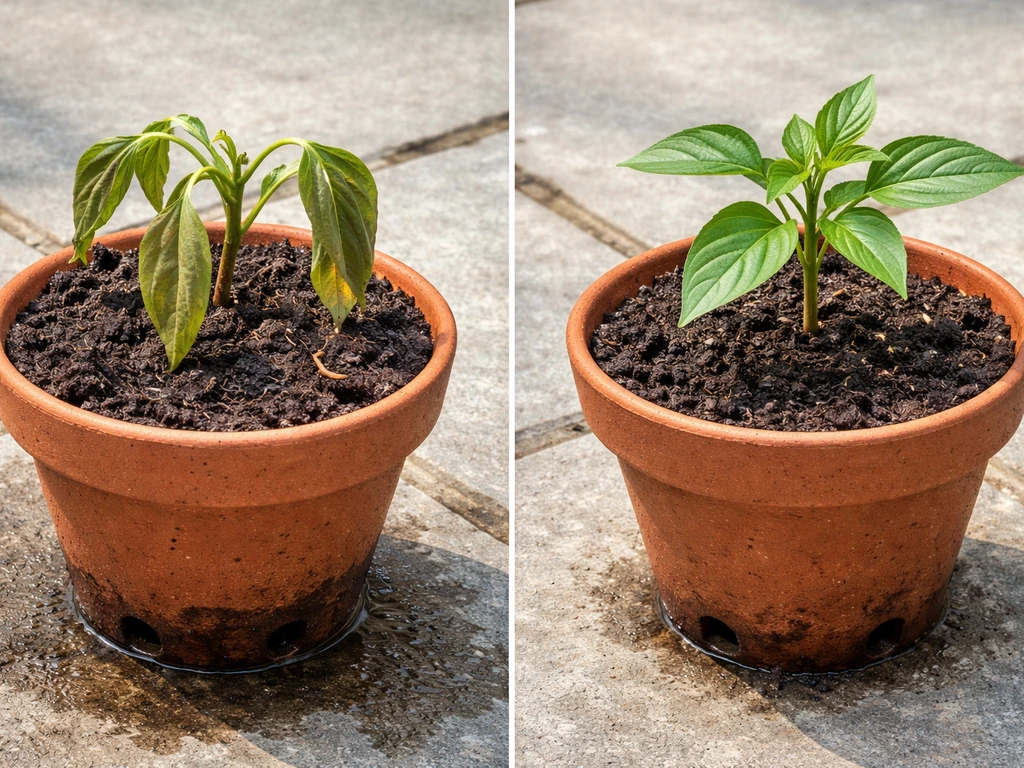
Compost-based mixes can go wrong in two directions: waterlogged and suffocating, or bone-dry and hydrophobic. Both kill plants, but in different ways. The fix for both is the same: water thoroughly, then don't water again until the top few centimetres are starting to dry out.
The RHS gives a practical rule for containers: water until you see the first trickle coming from the drainage holes, then stop. This ensures the entire root zone is wetted without leaving plants sitting in standing water. UMD Extension backs this up, emphasising that each watering should re-moisten the full container, with excess freely draining out. If water runs straight through without wetting the compost (this happens with dry peat-based mixes), stand the container in a tray of water for 20 minutes to let it rehydrate from the bottom, then drain it fully.
Drainage holes are non-negotiable. Compost compacts over time, and a container without drainage turns the lower half anaerobic within a few weeks. If you're growing in grow bags or soft-sided planters, check that the drainage slits are open and not sitting flush on a solid surface. Raising containers slightly on pot feet improves drainage noticeably.
Watering frequency depends on pot size, plant size, temperature, and the specific mix. Watering frequency depends on factors like container size, potting mix composition, plant species, and weather, and Iowa State Extension instructs watering until water begins to flow out of the drainage holes watering frequency depends on pot size, plant size, temperature, and the specific mix. A large tomato in a 15-litre pot on a sunny patio may need watering once or even twice a day in July. A small pot of salad leaves in partial shade might only need water every two to three days. There's no universal schedule: check by touch and water when the top 2 to 3 cm feels dry.
Top-dressing, refreshing, and reusing compost
At the end of each growing season, multi-purpose compost in containers will have lost most of its nutrient content and may have compacted. You have two options: amend and reuse, or discard and replace. OSU Extension says you can reuse potting mix if last season's plants were healthy and showed no signs of disease. If you had problems with wilting, blight, or root rot, don't risk it with the same mix. Start fresh.
For beds and large containers that performed well, top-dress each spring with a 3 to 5 cm layer of fresh compost or well-rotted organic matter, worked gently into the surface. The RHS suggests around 20% by volume of well-rotted manure mixed into potting compost as a nutrient refresh for organic growers. Add a fresh dose of slow-release fertiliser at the same time. Over multiple seasons you'll notice the medium getting denser, which is normal: add fresh material annually to maintain structure.
Illinois Extension makes the point directly: amend or replace your growing medium at the end of the season, every season. Don't skip this step and expect the same results year after year from tired, depleted compost.
Troubleshooting common problems
| Symptom | Most likely cause | What to do |
|---|---|---|
| Yellowing leaves (older leaves first) | Nitrogen deficiency or pH too high limiting iron uptake | Apply a balanced liquid feed; test pH and aim for 6.0 to 6.5; add sulfur acidifier if needed |
| Stunted, slow growth | Nutrients exhausted or compacted roots restricting uptake | Feed with slow-release or liquid fertiliser; check drainage and consider repotting into a larger container |
| Black or brown patch on base of tomato/pepper fruit | Blossom-end rot from calcium deficiency, usually driven by irregular watering | Water consistently; avoid over-fertilising with nitrogen; apply gypite or calcium foliar spray if severe |
| Wilting despite moist compost | Waterlogging or root rot from poor drainage | Check drainage holes are clear; reduce watering frequency; repot into fresh mix with added perlite |
| Wilting in dry compost | Hydrophobic peat-based mix repelling water | Stand pot in water for 20 minutes to rehydrate from the base; improve watering routine |
| Slow flowering or fruiting | Too much nitrogen, too little potassium | Switch to a high-potash feed (tomato feed) once plants are flowering |
| White mould on compost surface | Fungal growth from overwatering or poor airflow | Reduce watering; improve airflow; scratch surface and allow to dry slightly between waterings |
| Fungus gnats | Larvae in moist compost surface | Allow compost surface to dry between waterings; use sticky yellow traps; apply nematodes if persistent |
Most problems in compost-based growing trace back to one of three things: running out of nutrients, inconsistent watering, or compaction blocking roots and drainage. If you keep those three things under control, multi-purpose compost is a genuinely workable growing medium for vegetables. It's not the perfect solution, and growing in pure compost without any amendments or feeding plan is a recipe for disappointment by August. If you’re wondering do you need fertilizer to grow vegetables, the answer is usually yes once the starter nutrients in multi-purpose compost start running out. But with a decent mix, a slow-release fertiliser at planting, and a liquid feed from week six onwards, you can grow a lot of food in a bag of compost.
FAQ
Can you grow vegetables in multi purpose compost straight from the bag without adding anything else?
You can, but it usually works only for a short window. The built-in starter feed typically carries plants for about 6 to 10 weeks, after which you must begin supplemental feeding, otherwise fruiting crops commonly turn yellow and slow down even if watering is correct. In containers this decline often shows up sooner.
Is multi purpose compost okay for starting seeds and young seedlings?
Not all bagged mixes are. Some multi-purpose composts are not recommended for seeds or very young seedlings because the initial fertility and moisture-retention can be too strong or uneven. If the label says so, use a seed compost instead, or mix multi-purpose compost with sieved compost-free material to make it gentler.
How do I know if my multi purpose compost pH is causing problems?
Watch for patterns, yellowing with green veins, and slow growth after feeding has started, especially if you recently reused compost or added liming materials. If symptoms persist, test the compost or the mix in the container, then correct with an appropriate soil acidifier or ericaceous compost rather than adding more fertiliser.
Can I reuse multi purpose compost in the same container next year?
You can sometimes, but only if the previous plants were healthy and you remove any obvious roots or diseased material. Expect reduced structure and nutrient levels, so plan to refresh with top-dressing and a slow-release fertiliser, or replace most of the mix if you had issues like root rot, blight, or persistent wilting.
What is the biggest mistake people make when watering vegetables in compost-based mixes?
Overwatering small containers. With compost that stays wet, roots can suffocate and lower leaves yellow even when nutrients are available. Use the drainage-hole check, and only water again when the top couple of centimetres are drying, not on a fixed calendar.
Do I need to add topsoil to multi purpose compost in containers?
It helps, but it is not the only solution. The topsoil in a 50/50 blend adds stability and drainage structure, which reduces compaction and prevents the compost from collapsing. If you lack topsoil, adding perlite helps aeration, but you may still need a structured feeding schedule.
Is multi purpose compost suitable for heavy feeders like tomatoes and courgettes?
Yes in containers if you manage it actively. Use a larger container (at least 10 to 15 litres), start supplemental feeding before the starter nutrients run out (around the 6-week mark), and consider a high-potash liquid feed once flowering begins to support fruit set.
Can I grow root crops like carrots in multi purpose compost?
It can work, but depth and firmness matter. Choose a deep container or bed (often 30 to 45 cm for root crops), avoid compaction by ensuring good drainage, and keep moisture consistent. If the mix compacts, roots fork or stall even with adequate feeding.
Why do my plants look fine at first, then decline mid-season in multi purpose compost?
Usually it is one of three things: nutrients from the starter feed are running out, pH has drifted due to reused compost amendments, or compaction and inconsistent moisture have reduced oxygen in the root zone. The fix is not just more fertiliser, start by checking watering pattern and doing a simple pH test if symptoms suggest alkalinity.
How much multi purpose compost should I use in a raised bed blend?
A common starting point is around a 1:1 compost to topsoil blend, or even more topsoil if you are using compost that may be higher pH or less nutrient-balanced. If your compost pH is above 7.0, keep multi purpose compost to a smaller share of the mix to avoid availability issues, then correct pH rather than relying on extra feed.
Next Article
Do You Need Bees to Grow Vegetables? Quick Guide + Checklist
Do you need bees for vegetables? Know which crops need pollination, spot problems, and fix them with safe alternatives.