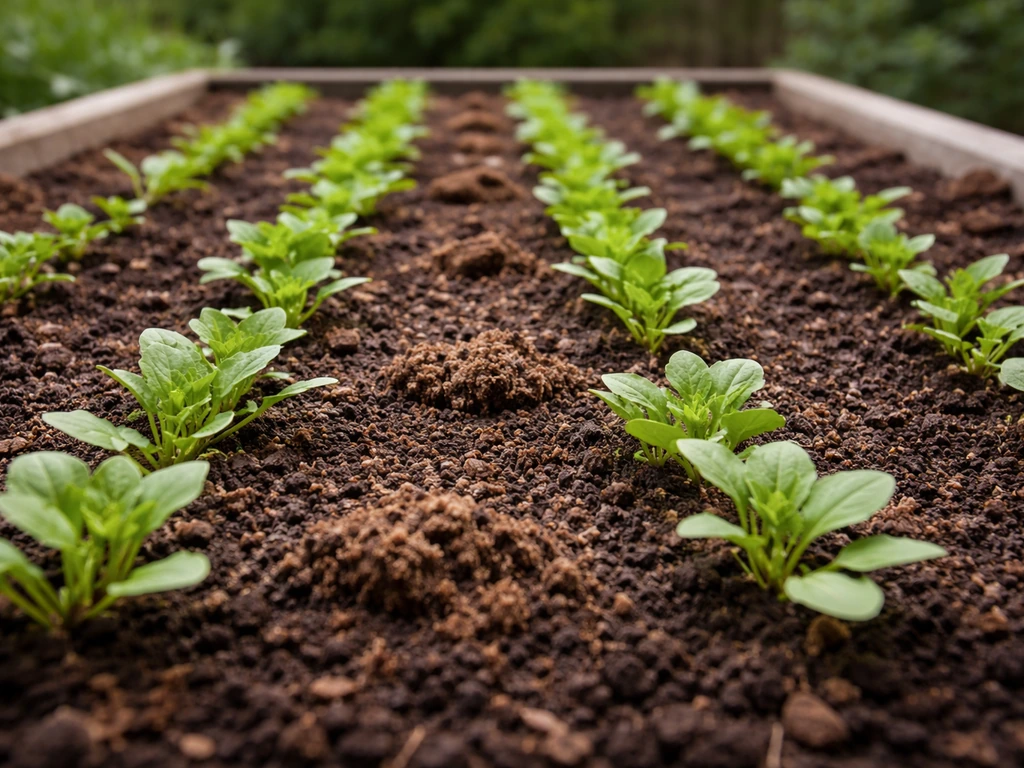
No, you do not need a raised bed to grow vegetables. If you want to grow vegetables successfully, you can start by focusing on your site, soil, and watering needs, and you do not have to rely on bees. Plenty of productive vegetable gardens grow perfectly well in the ground or in containers. Raised beds are a tool, not a requirement, and whether one is worth building depends almost entirely on what your soil, site, and budget look like right now.
Do You Need a Raised Bed to Grow Vegetables? A Guide
Marcus Hendrick
7 Jun 2026
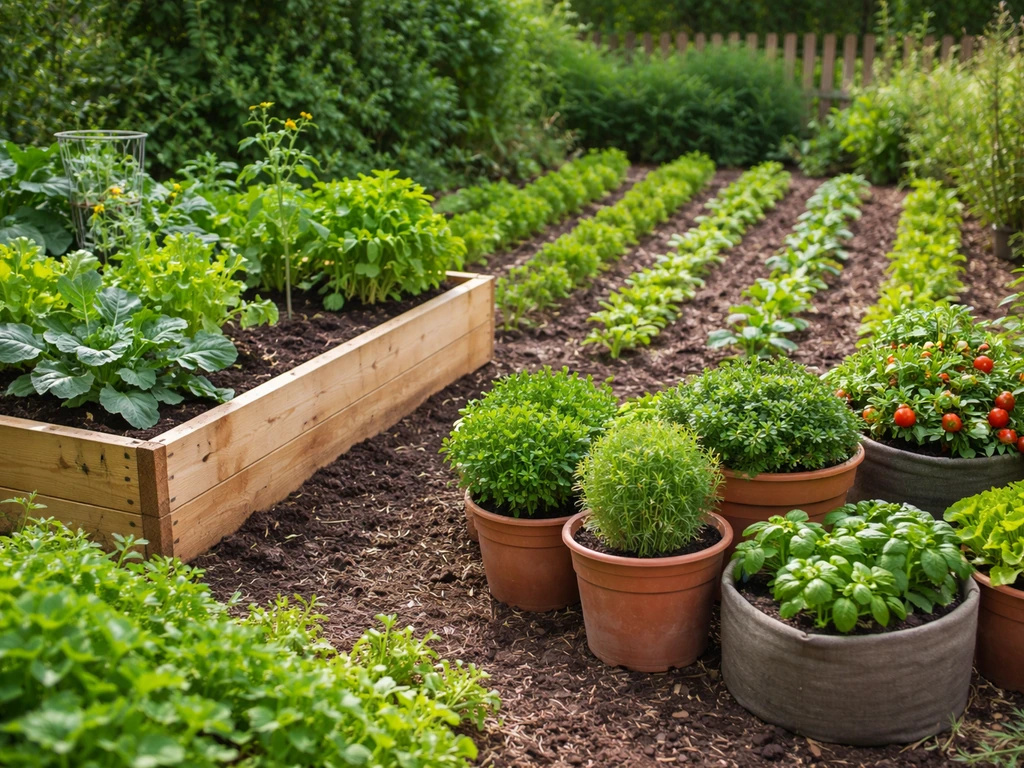
When a raised bed is optional vs. when it actually matters
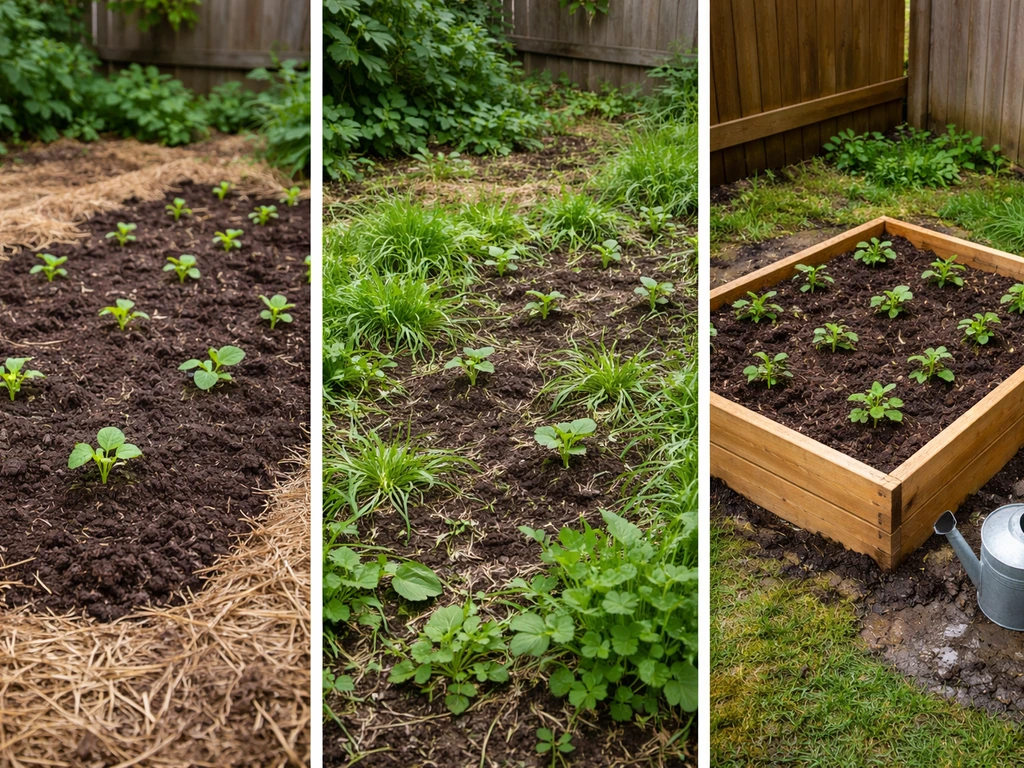
If your native soil drains reasonably well, isn't heavily compacted, and isn't overrun with perennial weeds, you can grow vegetables directly in the ground and get excellent results. University of New Hampshire Extension puts it plainly: in-ground beds work well when the soil is suitable and cost less to start. That's the honest baseline. Raised beds shine when something about your site is working against you.
A raised bed starts to make sense when one or more of these situations apply to your yard:
- Poor drainage: if water sits on the surface for more than 24 hours after rain, your soil is not draining fast enough for most vegetables
- Heavy compaction: if you can barely push a screwdriver or metal rod into the soil, roots will struggle
- Contaminated or truly terrible native soil: hardpan clay, construction fill, gravel, or soil with known contamination
- A very short growing season: raised-bed soil warms faster in spring, giving you a head start of a week or two
- Serious perennial weed pressure: thick grass or persistent weeds like bindweed or couch grass that would take a full season to suppress
- Physical access needs: if bending or kneeling is difficult, a taller raised bed solves that problem immediately
Outside of these situations, a raised bed is a nice upgrade, not a necessity. Plenty of gardeners grow tomatoes, beans, squash, and greens in plain ground beds year after year with no issues.
Growing without a raised bed: in-ground planting and containers
In-ground planting
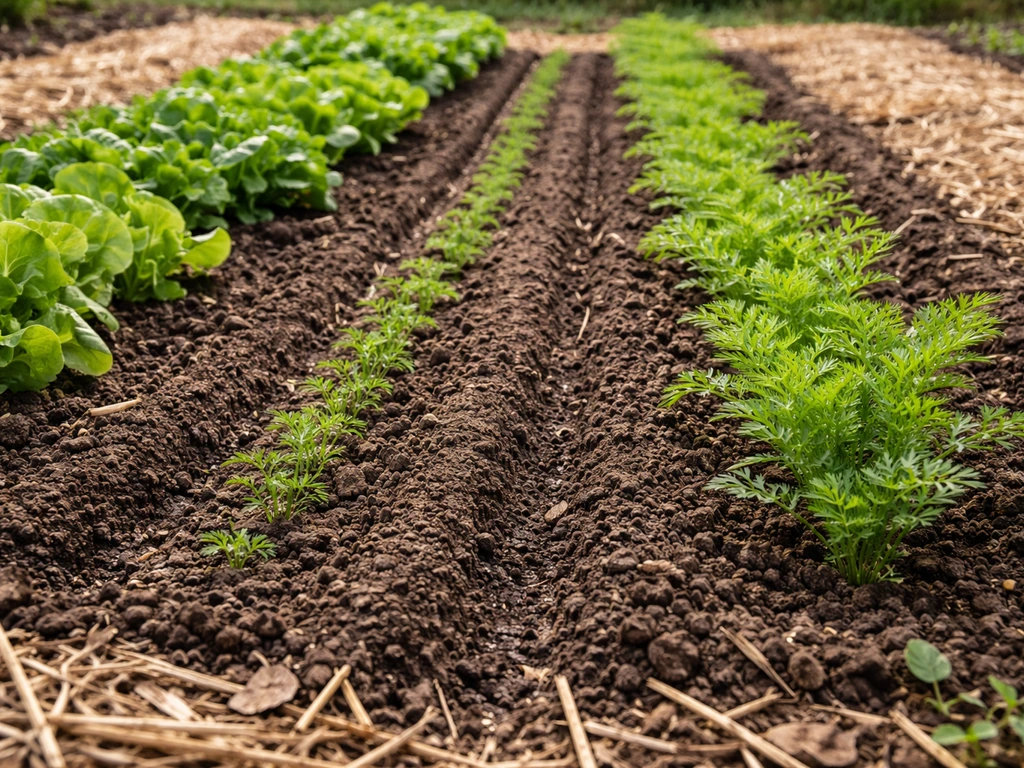
In-ground vegetable gardening is the oldest method on earth, and it still works. The key advantage is that plant roots can explore a much larger volume of soil for water and nutrients, which means in-ground beds generally don't dry out as fast as raised beds and need less supplemental irrigation in moderate climates. Startup costs are lower because you're working with what's already there.
Illinois Extension recommends working a 2 to 4 inch layer of compost into your soil before planting, which goes a long way toward improving structure and fertility without spending money on lumber or imported soil mix. The main thing to manage is compaction: never walk on your planting area, lay stepping stones or boards if you need to reach in, and stick to beds narrow enough to work from the sides (usually 3 to 4 feet wide).
Container growing
Containers are a genuinely viable alternative, especially on patios, balconies, or rental properties where digging isn't possible. The trade-off is that containers are a closed system. Roots can't reach beyond the pot to find more water or nutrients, so you're fully responsible for both. Oregon State Extension recommends containers holding at least 2 to 5 gallons and at least 12 inches deep for most vegetables.
Carrots need at least 12 inches of depth. Tomatoes and squash need 8 to 10 gallons or more. Smaller containers dry out faster, require daily watering in summer, and limit root development, which limits yield. University of Minnesota Extension advises starting regular fertilizer applications somewhere between 2 and 6 weeks after planting, since potting mixes don't hold nutrients the way native soil does.
If you go the container route, budget for fertilizer and be honest about how often you can water.
Fixing drainage, compaction, and soil quality without a raised bed
Before you commit to building a raised bed just because your soil seems bad, it's worth knowing how much you can fix in-ground. Many common soil problems have practical, affordable solutions.
Testing drainage first
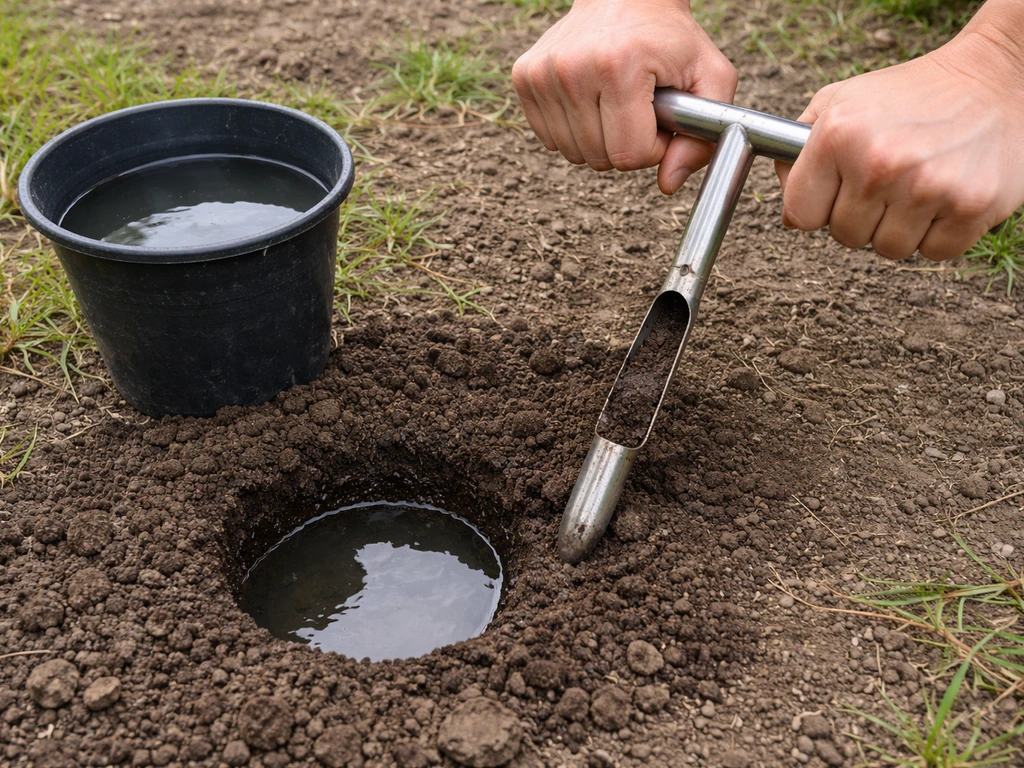
Dig a hole about 12 inches deep, fill it with water, and watch. If the water doesn't drain within 24 hours, you have a drainage problem worth taking seriously. That's the same threshold used in rain garden planning, and it applies to vegetable beds too. Slow drainage means roots sit in saturated soil, which suffocates them and invites rot. At that point, raised beds or deep-rooted cover crops to break up the subsoil are your best options, because surface amendments alone won't fix a drainage problem that starts 18 inches down.
Breaking compaction
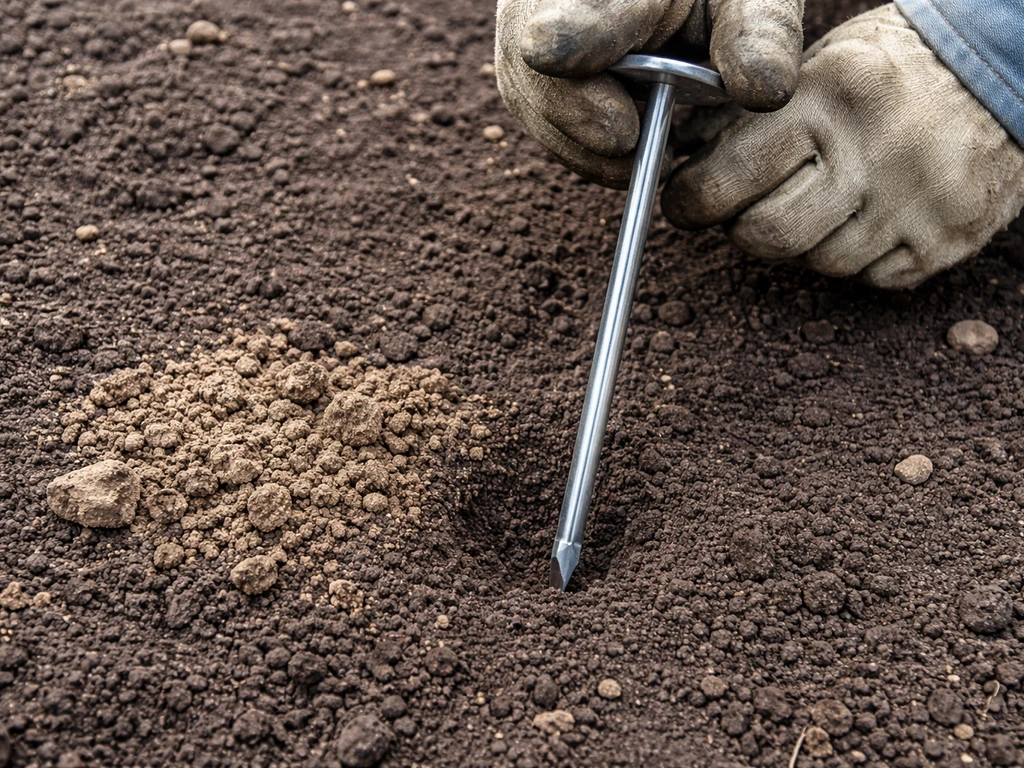
Penn State Extension explains that compaction destroys soil structure and reduces water and air movement through the profile. You can assess compaction simply by pushing a metal rod or hollow pipe firmly into the soil: if you can't get it 6 inches in without real effort, compaction is a limiting factor. Double digging, as recommended by the Royal Horticultural Society, is one of the most effective manual fixes.
You dig down two spade depths (roughly 18 to 24 inches), loosen the subsoil with a fork, and incorporate well-rotted compost or manure as you go. It's hard work the first time, but it can dramatically improve both drainage and root depth in a single season. A broadfork is a gentler option for maintaining loose soil in subsequent years without inverting the layers.
Building fertility in the ground
If your native soil is low in organic matter, adding compost is the most reliable fix. Yes, you can grow many vegetables and herbs using pure compost, as long as you manage moisture and nutrient balance as plants establish can you grow in pure compost. You can also use compost as a multi-purpose input, since it improves soil quality and helps you grow vegetables successfully in many different garden setups multi purpose compost.
Illinois Extension recommends that 2 to 4 inch layer worked into the top 6 to 8 inches of soil as a starting point. Over time, annual additions build the spongy, nutrient-rich structure that vegetables love.
If you're also thinking about whether you need compost or other soil amendments like manure or fertilizer to support vegetables, the answer depends on your soil's baseline fertility, which a simple soil test from your local extension office can measure in a week for around $15 to $20. If you're using vermicompost, apply it as part of your compost and soil-amendment routine in the top layers so plants get steady nutrients without overdoing it.
If your soil test shows low nutrients, you may need fertilizer to grow vegetables, but the amount depends on what nutrients are missing.
Weeds, pests, and disease: how the method changes your management
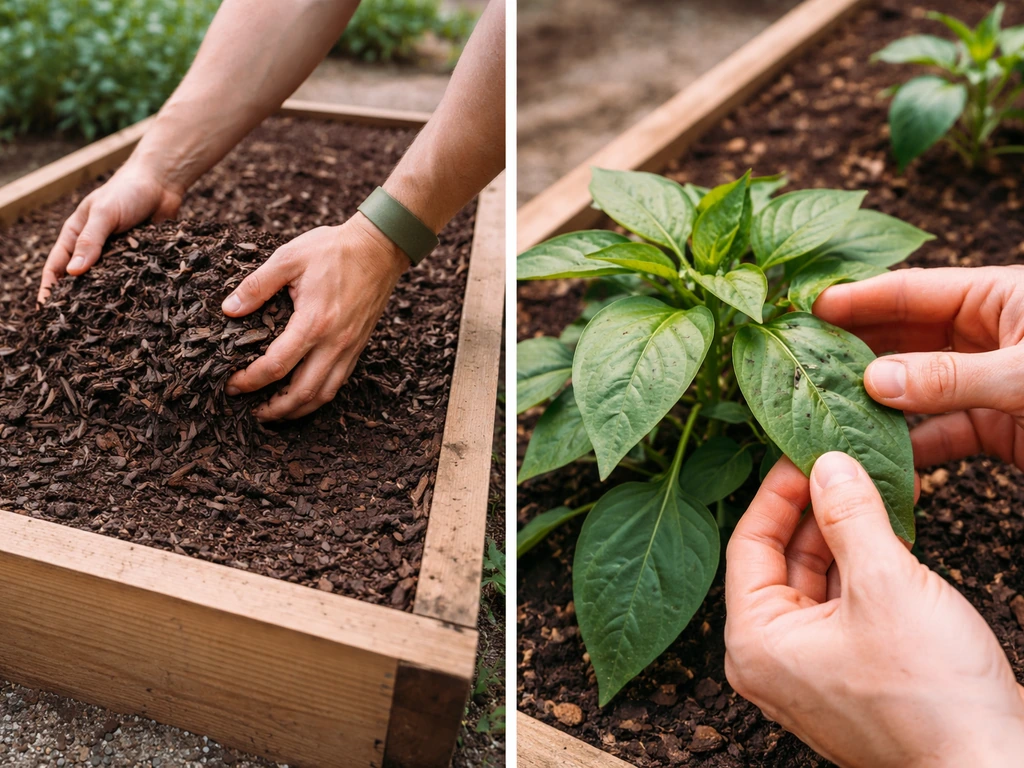
Raised beds don't eliminate weeds. UC ANR IPM notes that mulch is one of the best weed-suppression strategies in any growing system, but Cornell Extension points out that weeds still emerge through mulch or drop in as seeds. What raised beds do is give you a cleaner starting point if you fill them with imported soil mix rather than native soil full of weed seeds. In-ground beds start with whatever seed bank is already in your soil, so the first season or two typically involves more weeding. Suppressing this with a thick layer of cardboard (sheet mulching) before planting, followed by a 3 to 4 inch mulch layer after, takes care of most annual weeds without a raised bed.
For pest management, raised beds do offer one real structural advantage: they're easier to cover. Utah State University Extension describes using row covers over raised beds as a mechanical pest exclusion method, and the rigid edges of a raised bed make it simple to support hoops or frames for that cover. You can do the same thing in-ground with wire hoops and landscape staples, but it takes a little more effort to set up neatly. Disease management is more about plant spacing, airflow, and crop rotation than whether you have a raised bed or not. Rotate crop families each year regardless of which method you use.
What raised beds genuinely improve, and what they cost you
It's worth being honest about what raised beds actually do well and where they create new problems, especially for budget-conscious gardeners.
| Factor | Raised Bed | In-Ground | Containers |
|---|---|---|---|
| Startup cost | Moderate to high (materials + soil mix) | Low (amendments only) | Low to moderate (pots + potting mix) |
| Drainage | Excellent; soil warms faster in spring | Varies by site; can be improved | Depends entirely on pot drainage holes |
| Watering frequency | Higher; dries out faster, especially tall beds | Lower; native soil retains moisture longer | Highest; closed system dries quickly |
| Compaction risk | Very low; no foot traffic on bed | Moderate; requires path management | None |
| Weed pressure | Lower at start if using clean fill | Higher initially; manageable with mulch | Very low |
| Soil control | Full control of mix and amendments | Dependent on native soil quality | Full control but limited volume |
| Pest exclusion | Easier to cover with row covers/hoops | Possible but takes more setup | Flexible; can move pots |
| Fertility management | Needs regular amendment; add 1-4 inches of compost per season | Improves over time with annual compost | Frequent fertilizing required (every 2-6 weeks) |
| Early season planting | Yes; soil warms 1-2 weeks faster | Not as early in cold or wet sites | Yes, especially if pots can be moved |
The watering trade-off is real and often underestimated. Multiple university extensions, including Mississippi State and University of Minnesota, note that raised beds require more frequent watering than in-ground gardens because of their improved drainage. UGA Extension notes that raised beds offer major advantages like better drainage and easier soil amendments, and it also explains that protecting soil structure from foot traffic helps prevent compaction. The taller the bed, the faster it dries out. If you're in a hot, dry climate or you travel frequently, a raised bed without irrigation can actually make your season harder, not easier. University of Maryland Extension specifically flags this: raised-bed soil dries faster than native ground soil, requiring more monitoring in hot weather.
On the fertility side, University of Maryland Extension recommends that raised-bed soil contain around 25 to 50 percent organic matter by volume. University of Minnesota Extension suggests building your initial bed mix with roughly half to two-thirds topsoil and one-third to one-half plant-based compost. NC State Extension recommends adding 1 to 4 inches of organic material after each growing season to keep nutrient levels up. That's an ongoing cost in time and materials that in-ground gardeners can match at lower expense by simply top-dressing with compost each spring.
How to decide: a quick checklist by garden situation
Run through these questions about your site and match yourself to the right approach. You don't need to overthink this.
- Does water pool or sit on your site for more than 24 hours after heavy rain? If yes, strongly consider a raised bed or fix subsurface drainage first.
- Can you push a metal rod 6 inches into the soil without major effort? If no, you have significant compaction. Double dig before planting in-ground, or build a raised bed.
- Is your soil sandy, full of construction fill, hardpan clay, or potentially contaminated? Raised beds let you bypass the problem entirely.
- Do you have only a patio, balcony, or hard surface to work with? Containers are your answer. Choose pots of at least 5 gallons for most crops.
- Is your growing season short and your soil slow to warm in spring? A raised bed gains you 1 to 2 weeks of growing time.
- Are you on a tight budget and does your soil drain reasonably well? Start in-ground, amend with compost, and redirect that lumber budget toward seeds and plants.
- Do you have mobility issues or chronic back pain? A raised bed at a comfortable working height is genuinely worth the investment.
- Is your yard overtaken by grass or perennial weeds? Sheet mulch with cardboard first, then decide: a raised bed speeds things up, but in-ground works after one suppressed season.
Your immediate next steps by situation
If you're going in-ground: do the drainage test and compaction test this week. Order a soil test from your local extension office. Add compost and double dig if needed. Mark out 3 to 4 foot wide beds with string, lay paths between them, and never step on the planting area again.
If you're going with containers: choose the largest pots your space allows, make sure every pot has drainage holes, buy quality potting mix (not garden soil), and set a weekly watering and fertilizing routine from the start. OSU Extension's guidance is clear that container success lives or dies on container volume and depth, so don't compromise on pot size to save a few dollars.
If you're building a raised bed: plan for at least 10 to 12 inches of depth (Utah State University Extension notes that beds shallower than 12 inches should have no bottom so roots can reach into the native soil below). Mix your soil to roughly half topsoil and half compost. Make the bed no wider than 4 feet so you can reach the center without stepping in. Set up drip irrigation or plan to water deeply every 2 to 3 days in summer. Then add a 1 to 4 inch compost top-dressing every season to maintain fertility.
Whichever path you choose, the most important thing is to start. A vegetable bed that exists is infinitely more productive than the perfect bed you're still planning. Get seeds in the ground, note what works, and build from there.
FAQ
If I have weeds in my yard, can I still grow vegetables in-ground without a raised bed?
Yes, but expect a weeding ramp-up in years 1 to 2 because the seed bank is already present. The most practical approach is sheet-mulch (cardboard) before planting, then add a thick mulch layer after seedlings establish. If perennial roots are the problem, you may need repeated digging or targeted spot control first, since mulch mainly suppresses new seedlings rather than eliminating deep perennials.
When is a drainage test actually worth doing instead of just adding compost?
Do it when you repeatedly see water pooling after rain or you notice consistently soggy ground. The key caveat is that compost improves surface structure, but it cannot fix a saturated layer that starts far below the planting depth, for example at 12 to 18 inches. If water takes longer than about 24 hours to drain from a 12-inch-deep test hole, treat drainage as the limiting factor before deciding on bed type.
Can I combine approaches, like using raised bed edges but planting in-ground?
You can, but it becomes a different system depending on whether the bed is filled with imported mix or just modified soil. If you fill with raised-bed mix, you are effectively creating a container-like soil volume, with faster drying and more irrigation needs. If you use it mainly for soil shaping and weed control while keeping planting in native soil, you still benefit from better reach and access, but you should plan around the native soil’s drainage and fertility.
Do I need to worry about root depth differently for raised beds versus in-ground?
Yes. Raised beds often end up limiting in practice if they are too shallow, since roots cannot explore deeper native layers. For many vegetables, plan for at least 10 to 12 inches of usable depth, and remember that some crops like carrots need substantial depth for straight growth. In-ground beds usually give roots more room automatically, which can reduce the pressure to source deeper imported mix.
How do I know whether compost alone is enough to grow well?
Use your soil test results and observe plant performance early. If nutrients are adequate but the soil is low in organic matter, a compost-focused plan often works well. If you see pale growth, slow establishment, or persistent deficiency symptoms after plants establish, you likely need additional targeted fertilization. The decision point is whether the soil test shows nutrient gaps, not just whether the soil looks “dull” or “dry.”
What’s the most common mistake when using raised beds: watering or fertility?
Watering is usually the bigger surprise. Raised beds dry faster, especially when the bed is tall and when the mix is mostly compost and topsoil with good drainage. A good operational habit is to water deeply and less often rather than giving frequent shallow top-ups, then adjust based on how quickly moisture drops in your specific weather.
Is it okay to use garden soil in a raised bed instead of potting mix or imported soil?
It depends on why you are using the raised bed. If your goal is weed avoidance or improving drainage on compacted ground, starting with clean, relatively weed-free soil mix is important. If you mix in native soil, you reintroduce the same compaction or weed seed bank issues you were trying to avoid. In contrast, containers should use potting mix, not garden soil, because native soil compacts and drains poorly in a pot.
How should I handle feeding in containers compared with in-ground beds?
Containers generally need more frequent nutrient input because they are a closed volume. A practical rule is to start fertilizing after plants establish, then continue on a schedule that matches crop demand. Also, avoid over-liming or heavy amendments in pots, because nutrient imbalances can accumulate, and excess salts can build up in the container soil.
Do raised beds increase pest problems or disease risk?
They can reduce some issues through easier cover setup and better spacing decisions, but they do not automatically prevent pests or disease. If you always plant the same crop families in the same bed, problems can still carry over, since crop rotation matters regardless of bed type. Also keep mulch and airflow consistent, since wet foliage and poor circulation cause many disease patterns.
Next Article
Do You Need Manure to Grow Vegetables? (Alternatives)
No, you usually don’t need manure for vegetables. Learn safe use, when it helps, and top alternatives plus next steps.