You do not need bees to grow all vegetables, but you absolutely need some form of pollination for certain crops to produce fruit. Whether you can skip one depends on how you plan to grow your vegetables and what space you have available grow vegetables. Leafy greens, root vegetables, and brassicas will grow just fine without a single bee in sight because you harvest them before they ever flower. But cucumbers, squash, pumpkins, melons, and sometimes peppers and tomatoes all need pollen transfer to set fruit, and bees are usually the most reliable way that happens in a home garden. If your vines are flowering like crazy but fruit isn't forming, or your fruit is coming out small and misshapen, that's your first clue that pollination may be the problem.
Do You Need Bees to Grow Vegetables? Quick Guide + Checklist

When bees actually matter for your harvest
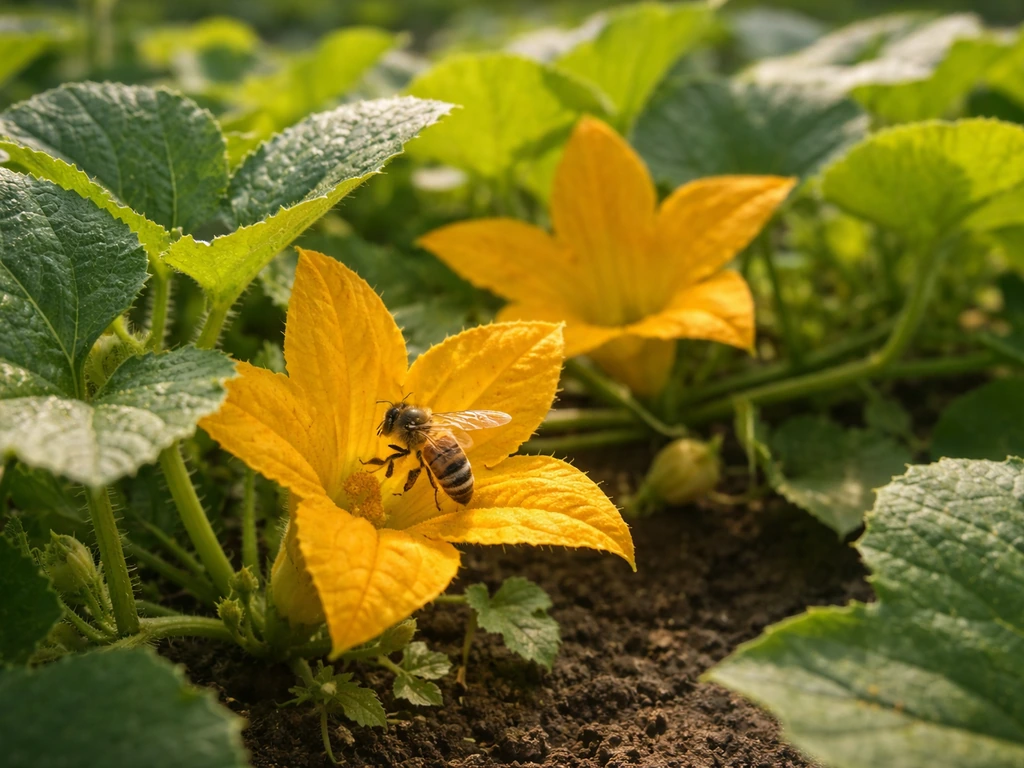
The short version: bees matter when you're growing fruiting vegetables that can't pollinate themselves, especially cucurbits. Cucumbers, squash, pumpkins, watermelons, and muskmelons all have separate male and female flowers on the same plant. Pollen has to physically travel from a male flower to a female flower for fruit to develop. That transfer usually happens when a bee visits a male flower first, picks up pollen, then lands on a female flower. Without that trip, the female flower drops off within a day or two without setting fruit. Utah State and University of Minnesota extension programs both confirm that these crops are genuinely dependent on insect pollination for reliable fruit set.
Tomatoes are a different story. They're self-pollinating, meaning each flower contains both male and female parts and can set fruit without a bee visit. What they do need is movement, either from wind, a brush of a hand, or the vibration of a bumblebee working the flower. So technically, tomatoes don't require bees, but bee visits (especially from bumblebees, which "buzz pollinate") can improve fruit set, especially in sheltered growing spots with little breeze. Peppers work similarly. The bigger fruit-set killers for tomatoes and peppers are usually temperature extremes, not lack of bees.
Which crops need pollinators and which ones don't
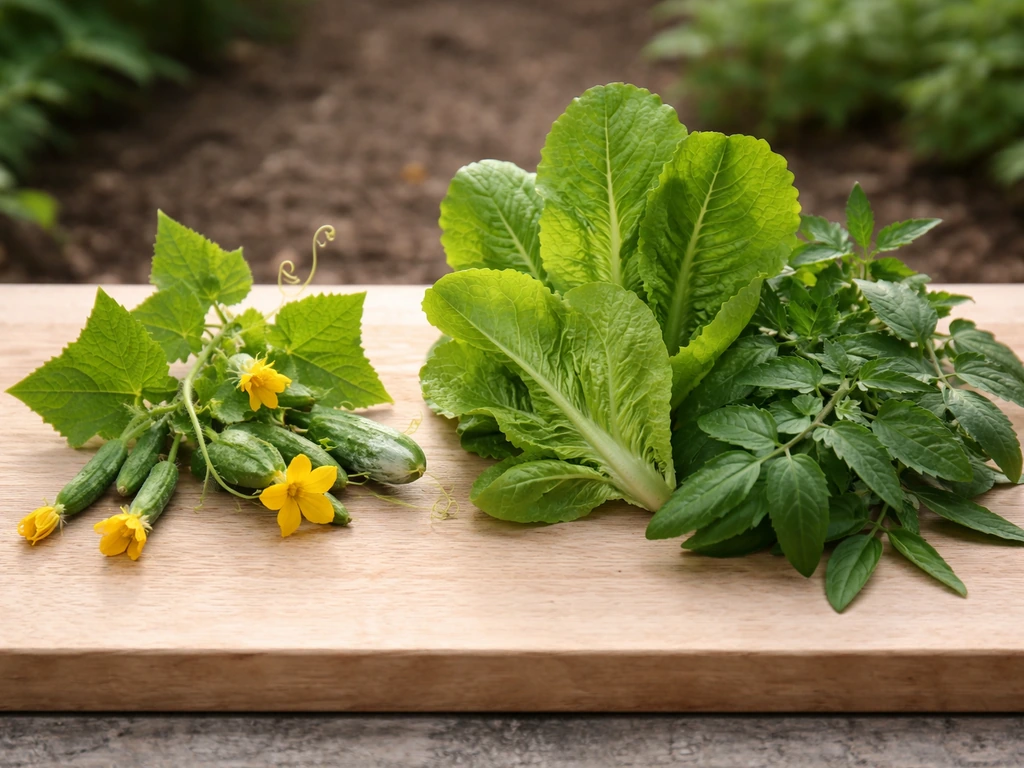
It helps to split vegetables into two groups: those that need pollinator assistance, and those that can be completely ignored by every bee in your neighborhood and still produce a full harvest.
| Crop | Pollinator Needed? | Notes |
|---|---|---|
| Cucumber | Yes | Requires transfer from male to female flower; insect visits essential |
| Squash (summer and winter) | Yes | Same separate-flower structure; multiple bee visits per flower improve yield |
| Pumpkin | Yes | Highly dependent on insect pollination |
| Watermelon | Yes | Several bee visits needed on the day the flower opens |
| Muskmelon / Cantaloupe | Yes | Cross-pollination required for fruit set |
| Tomato | No (but benefits) | Self-pollinating; wind or vibration helps; temperature is the bigger issue |
| Pepper | No (but benefits) | Self-pollinating; blossom drop from temps more common than pollination failure |
| Beans (snap, pole, lima) | No | Self-pollinating before flowers fully open |
| Lettuce, spinach, kale | No | Harvested before flowering; no pollination needed |
| Carrots, beets, radishes | No | Root crops harvested before seed stage |
| Corn | Wind-pollinated | No insect help needed; plant in blocks not rows |
| Garlic, onions | No (for bulb harvest) | Pollination only matters if saving seed |
One thing worth knowing: some cucumber varieties sold for greenhouse growing are parthenocarpic, meaning they produce fruit without pollination at all. These are the "seedless" types. If you grow those outdoors and bees do visit, you can actually end up with seedy fruit. For standard outdoor cucumber varieties though, bee visits are essential.
How to tell if your garden is getting enough pollination
The clearest sign of poor pollination in cucurbits is flowers opening and then dropping off within a day or two without any fruit forming behind them. Look closely at the base of the flower. A female cucurbit flower has a tiny immature fruit (a small bump that looks like a miniature version of the vegetable) at its base. If that bump shrivels and the whole flower drops, pollination failed. Male flowers don't have that bump and will always drop after blooming, which is normal and not a problem.
Deformed or misshapen fruit is another strong indicator of incomplete pollination. If a cucumber comes out curved, bottlenecked, or lopsided, or if a squash starts developing and then one end shrivels and turns brown, that usually means only part of the female flower received pollen. University of Kentucky and UC IPM both describe this pattern: fruit that forms but stays small, flattened, or shriveled at one end is a classic sign of partial pollination from too few bee visits on the day that flower was open.
Before blaming bees, though, rule out the other common culprits. Temperature is the biggest one. Tomatoes and peppers drop blossoms or fail to set fruit when night temperatures fall below 55 to 60°F or when daytime highs push above 85 to 95°F. If you're in the middle of a heat wave or a cold snap, that's most likely your problem, not a bee shortage. Nutrient imbalance matters too. Too much nitrogen pushes plants into lush leafy growth at the expense of flowers and fruit. If your tomato plant looks huge and green but has almost no flowers, excess nitrogen is worth checking before anything else. Drought stress and waterlogged soil both affect cucurbit pollination as well.
A quick checklist to diagnose the real cause
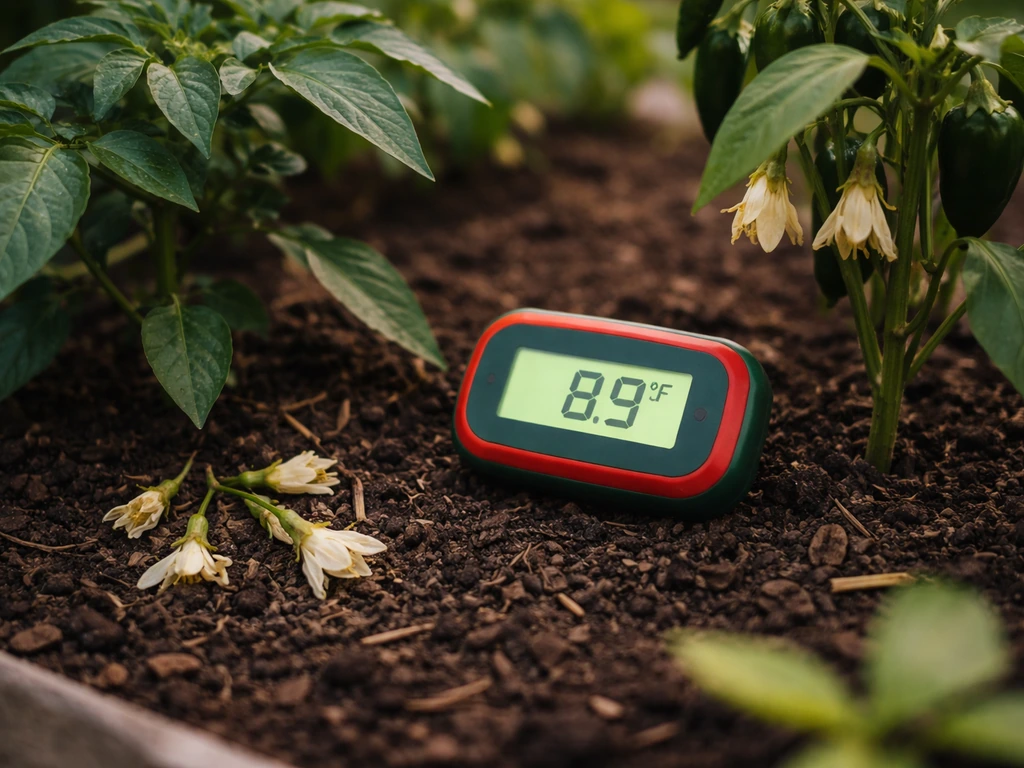
- Are night temps below 55°F or above 70°F? If yes, temperature is likely the issue for tomatoes and peppers.
- Are daytime temps regularly above 85 to 90°F? Blossom drop will happen regardless of pollinator activity.
- Did you recently apply a high-nitrogen fertilizer? Excess nitrogen suppresses flowering.
- Is the soil staying dry or waterlogged? Both add stress that causes flower drop.
- Are you seeing deformed fruit rather than no fruit? That points to incomplete pollination specifically.
- Are flowers dropping before any fruit forms at all, on squash or cucumbers? Check for bee activity during morning hours when cucurbit flowers are open.
- Did you spray any pesticide recently? Insecticides on or near flowers can wipe out local pollinators fast.
What to do when bees aren't showing up
Hand pollination (the guaranteed fix)
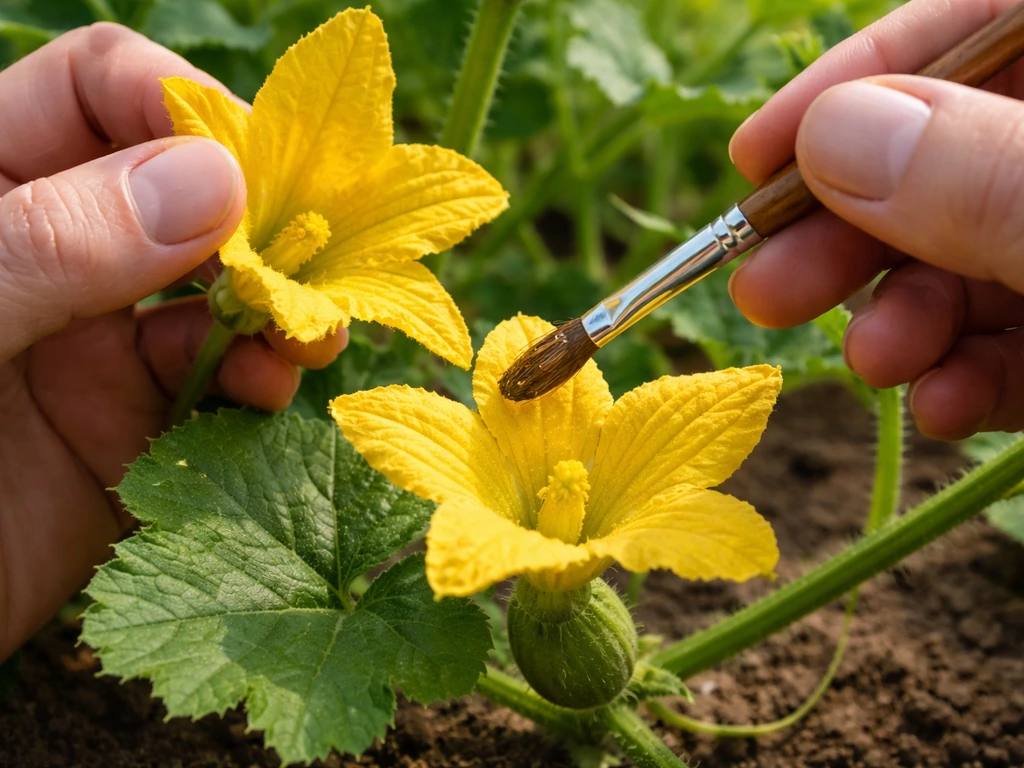
Hand pollination is the most reliable backup if you're not seeing bees visit your cucurbit flowers. It's easier than it sounds and takes about two minutes per plant. Cucurbit flowers are only open for a few hours in the morning, usually from around 6 to 10 a.m., so timing matters. Identify a male flower (no bump at the base) and a female flower (has the tiny fruit bump) that are open at the same time. Use a small, dry paintbrush or cotton swab to collect pollen from inside the male flower, then dab it directly onto the center of the female flower. Alternatively, just pick a male flower, peel back the petals, and rub the pollen-covered center directly onto the female flower's stigma. One male flower can pollinate several female flowers.
For tomatoes, the fix is even simpler. If your plants are in a sheltered spot with no wind and few bees, flick the flower clusters gently with your finger each morning during peak flowering. This mimics the vibration that moves pollen within the self-contained tomato flower. You can also use an electric toothbrush held against the stem just behind a cluster for a second or two. It sounds odd but it works.
Wild pollinators are often doing more than you think
Honeybees get most of the attention, but native bees, including bumble bees, squash bees, sweat bees, and mason bees, are often doing a significant share of the pollination work in home gardens. Squash bees in particular are specialists that wake up early specifically to work squash and pumpkin flowers. If you see small bees already in your squash blossoms first thing in the morning, those are likely native bees doing exactly what you need. Penn State Extension specifically lists squash bees and bumble bees alongside honeybees as key cucumber and cucurbit pollinators.
Companion plants that bring pollinators in
If you want more bee traffic without keeping a hive, companion planting is your most practical tool. Pollinators need consistent food sources to stay in an area, and a garden that only offers cucurbit or tomato flowers won't hold their attention long. Interplanting with flowers that bloom over a long season gives bees a reason to keep coming back. Good choices include borage, phacelia, sweet alyssum, zinnias, and marigolds. Native wildflowers like sunflowers, coneflowers, and black-eyed Susans pull in native bees especially well. Plant these near your pollinator-dependent vegetables, not just in a separate corner of the yard.
How to make your garden genuinely bee-friendly
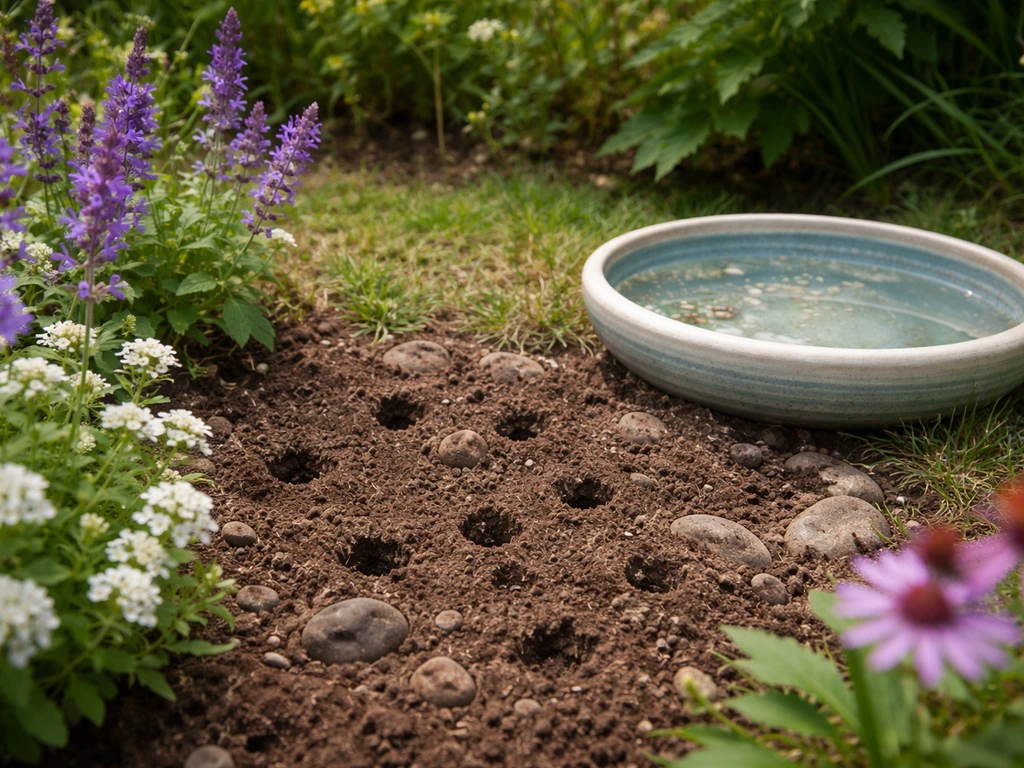
Attracting bees is partly about flowers, but habitat and water matter just as much. Over 75% of native bee species nest in the ground, which means a garden with every square inch mulched or covered is a hard place for them to live. Leaving some patches of bare or lightly covered soil, especially on a sunny, south-facing slope or edge, gives ground-nesting bees somewhere to overwinter and raise young. Oregon State Extension recommends this specifically as one of the most impactful things you can do for native pollinators.
A water source makes a real difference too. A shallow dish or birdbath with a few pebbles or rocks in it so bees can land without drowning is all you need. Place it near the vegetable garden rather than across the yard. University of Maine and Penn State both recommend this as a simple addition that supports pollinators during dry stretches when natural water sources disappear.
Pesticide use is probably the most damaging thing home gardeners do to their own pollinator populations without realizing it. Spraying an insecticide on or near open flowers, even something marketed as "safe" or "organic," can wipe out the bees visiting your garden that same day. UC IPM's guidance on this is straightforward: avoid any insecticides or miticides during bloom, especially systemic products with extended residual activity. If you have to spray for pest control, do it in the evening when bees are not active, and never spray on open flowers.
Dead wood, brush piles, and undisturbed corners of the yard also provide nesting material and shelter for native pollinators. You don't need a formal "insect hotel" (though those work too). Even leaving a small pile of old stems or a section of unmaintained edge along a fence can support mason bees and other cavity-nesters that will happily work your vegetable beds.
Your action plan for today
If you're reading this because your vegetable garden isn't producing the way it should, here's how to move through the problem quickly and fix what you can this season.
- Identify which crops you're growing. If the problem is with lettuce, carrots, beans, or other non-fruiting or self-pollinating crops, bees are almost certainly not the issue. Look at temperature, water, soil health, and nutrients first.
- If the problem is cucumbers, squash, pumpkins, or melons, check for deformed fruit or female flowers dropping. Go out between 7 and 9 a.m. and watch for bee activity on the flowers for 10 minutes. If you see none, start hand-pollinating immediately.
- Check your night temperatures. If they've been below 55°F or above 70°F recently, or daytime temps above 90°F, temperature is causing your fruit set issues, not bees. You can't hand-pollinate your way out of a heat wave.
- Review your fertilizer routine. If you've been applying a high-nitrogen fertilizer or general-purpose feed heavily, scale back and switch to something with a higher phosphorus and potassium ratio to encourage flowering.
- Plant one or two fast-growing pollinator-attracting flowers now. Borage and phacelia can go from seed to flower in under 6 weeks. Even a few plants near your cucurbits will start pulling in more traffic.
- Set out a shallow water dish with pebbles near the vegetable garden today. It takes five minutes and can make a measurable difference within days.
- Clear a small patch of bare soil somewhere sunny and stop mulching it. This costs nothing and gives ground-nesting bees somewhere to live near your garden.
- If you need to use any pesticide, check the product label for bee toxicity warnings and plan to spray in the evening only, never on open flowers.
- If you're consistently getting poor fruit set on cucurbits despite hand-pollinating, consider whether your plants are under drought stress. Soil moisture affects cucurbit pollination success, so make sure you're watering consistently.
- For tomatoes and peppers with blossom drop, focus on stabilizing conditions: consistent watering, avoiding temperature extremes where possible, and reducing nitrogen. Hand-flicking flowers in the morning is worth doing if your garden has little wind.
Growing vegetables successfully is really about understanding what each crop actually needs. Compost can help support healthy vegetable growth, but you should still make sure you have the right pollination for fruiting crops that need it do you need compost to grow vegetables. You can also improve future harvests by building soil, since you can grow in pure compost when you keep moisture and nutrients balanced can you grow in pure compost. So before you add anything new, also think about whether you do you need manure to grow vegetables and what that can change in your soil. If you’re wondering about vermicompost, you can use it as a nutrient source, but it does not replace pollination needs for fruiting crops can we grow plants only in vermicompost. Once you know what each crop needs, you can also decide how to amend your soil, including whether you can grow vegetables in multi purpose compost can you grow vegetables in multi purpose compost. The same goes for questions like whether you need fertilizer, compost, or a raised bed to get good results. Bees sit in the same category: essential for some things, irrelevant for others, and easy to work around when you know the difference. Once you've sorted out what's actually limiting your harvest, you can fix it this season rather than just hoping for better luck next year.
FAQ
If I don’t see bees in my garden, does that automatically mean my vegetables won’t produce fruit?
Not automatically. Some gardens get limited bee activity but still enough native pollinators for cucurbits, especially squash bees that work early. The more reliable check is crop symptoms (tiny female flower bump shriveling and dropping, or one-sided, lopsided fruit), then compare that to weather and watering issues before assuming a pollinator shortage.
Will hummingbird or butterfly visits replace the need for bees on cucumbers and squash?
Usually no for cucurbits. The key problem for cucurbits is pollen transfer between male and female flowers, and bees are the most dependable because they reliably move pollen within the hours flowers are open. If you want additional help beyond bees, focus on adding long-blooming flower variety and avoiding insecticides during bloom.
Do I need bees for peppers and tomatoes if I’m growing in a greenhouse or under cover?
Tomatoes can set fruit without bees because flowers are self-contained, but low air movement is the main risk under cover. Gently shaking or using brief vibration can replace wind, and bumblebee activity (if present) can help. Peppers also benefit from movement, but they are more often limited by temperature extremes than by pollinator absence.
How do I tell the difference between a pollination problem and a temperature problem in cucurbits?
Pollination failures often show flowers dropping soon after opening, with the female flower’s tiny fruit bump shriveling. Temperature problems more commonly cause widespread blossom drop or delayed fruit set during cold nights or extreme heat, even when some fruit forms. If only a portion of flowers fail while others set normally, incomplete pollination (too few visits during the flower-open window) is more likely.
What if my cucumbers have lots of male flowers but no female flowers?
That points less to missing pollination and more to flowering balance. Excess nitrogen, overly lush growth, inconsistent watering, or stress can delay female flower formation. Adjust fertilizer to reduce nitrogen, ensure steady moisture (not drought stress or waterlogged soil), and check whether the variety requires certain conditions for female bloom.
Is hand pollination really worth it, and how many flowers should I do?
It’s worth it if you consistently see female flowers dropping without fruit or you want predictable results in a sheltered yard. A practical approach is to hand pollinate only the flowers that open each morning, prioritizing those on plants with repeated failures. One properly loaded male flower can cover multiple female flowers, which keeps time manageable.
Can I use a small fan instead of bees for cucumbers and squash?
For cucurbits, fans usually will not replace bees because pollen still needs to be deposited onto the female stigma. Fans help more for tomatoes by providing movement, but cucurbit fruit set depends on actual pollen transfer from male to female flowers.
Do parthenocarpic (seedless) cucumber varieties still need pollination support?
If a variety is truly parthenocarpic, it should form fruit without pollination, but outdoor bee visits can create seeded fruit instead. If you dislike that, plant parthenocarpic types where bee contact is lower, or choose standard outdoor varieties for your conditions.
Should I spray pesticides at night to protect bees, even if bees are present during the day?
Night spraying reduces risk, but you still want to avoid applying insecticides near open flowers. If you must treat for pests, do it when flowers are closed and bees are not active, follow label directions precisely, and avoid systemic products with long residual activity that can affect foraging bees after the spray.
What’s the best way to provide water for bees without creating a mosquito problem?
Use a shallow dish or birdbath with rocks or pebbles so bees can land safely. Change or refresh the water regularly, and keep the setup close to the vegetable beds so pollinators find it quickly. If you notice heavy mosquito activity, replace water more often rather than letting it sit.
How many bee-friendly plants do I need, and where should I place them?
You do not need large separate fields. Place small patches or repeated plantings right next to or between your pollinator-dependent crops, and choose flowers that bloom over multiple weeks. The goal is consistent nectar and pollen within easy travel distance, not a one-time bloom.
Can I overdo fertilizer and still “fix” fruit set by bringing in more bees?
More bees cannot compensate for nutrient imbalance that prevents flowering. Overly high nitrogen commonly reduces blossoms and fruiting, so you may see lush foliage but fewer flowers. Start by correcting fertilizer and watering first, then support pollination with habitat and flower diversity.
Can You Grow in Pure Compost? How to Succeed
Learn if you can grow in pure compost and how to fix hot, immature, or nutrient-imbalanced compost for strong edible pla