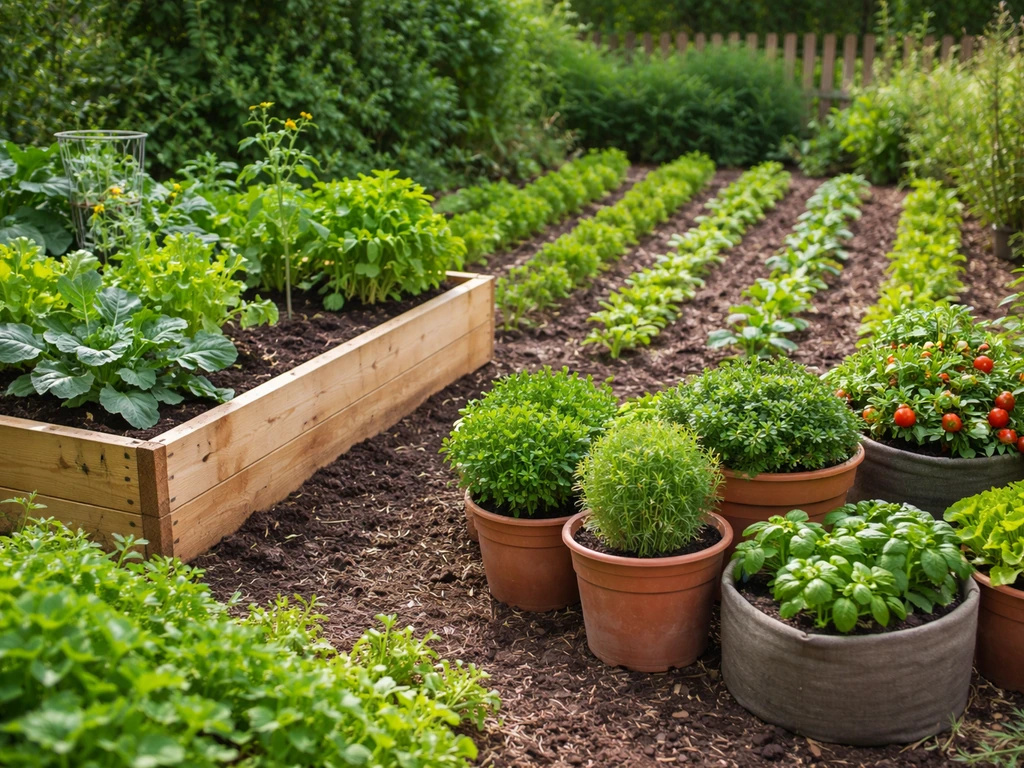
You do not need compost to grow vegetables, but it makes a meaningful difference in most home garden situations. Vegetables will grow in decent native soil, a balanced potting mix, or a raised bed filled with a good blend, even without compost. That said, compost is the single most practical and affordable way to fix poor soil, boost yield, and keep beds productive year after year. Whether it's truly necessary depends almost entirely on what your soil is already doing.
Do You Need Compost to Grow Vegetables? A Practical Guide
Marcus Hendrick
11 Jun 2026
When compost is genuinely worth the effort
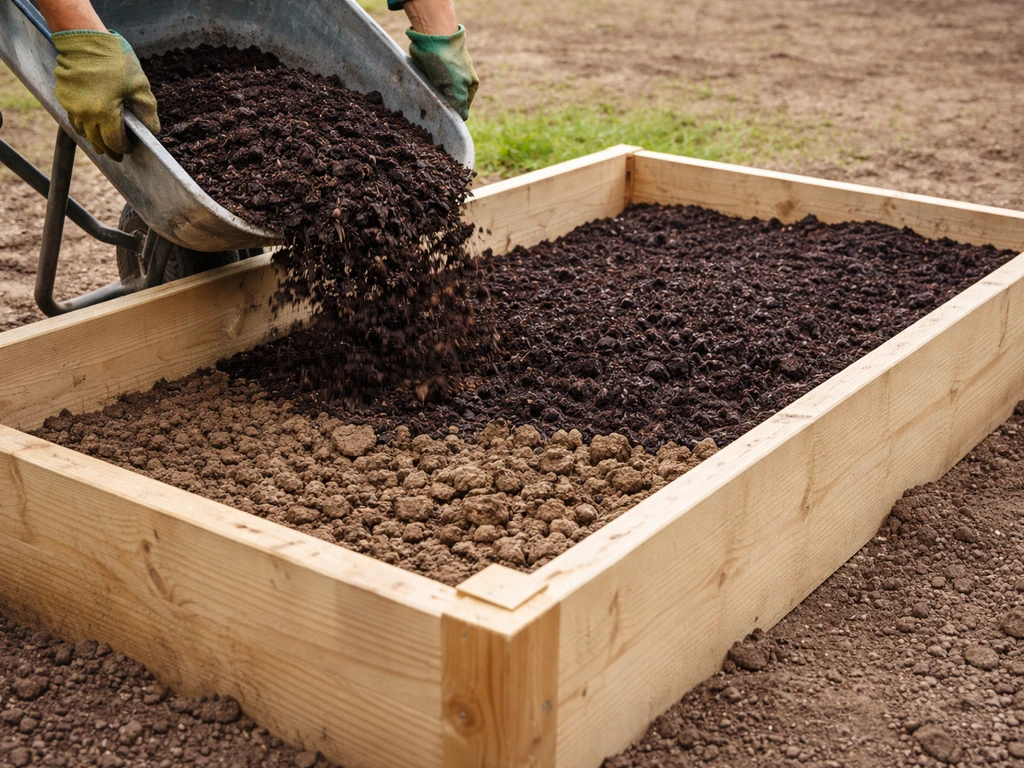
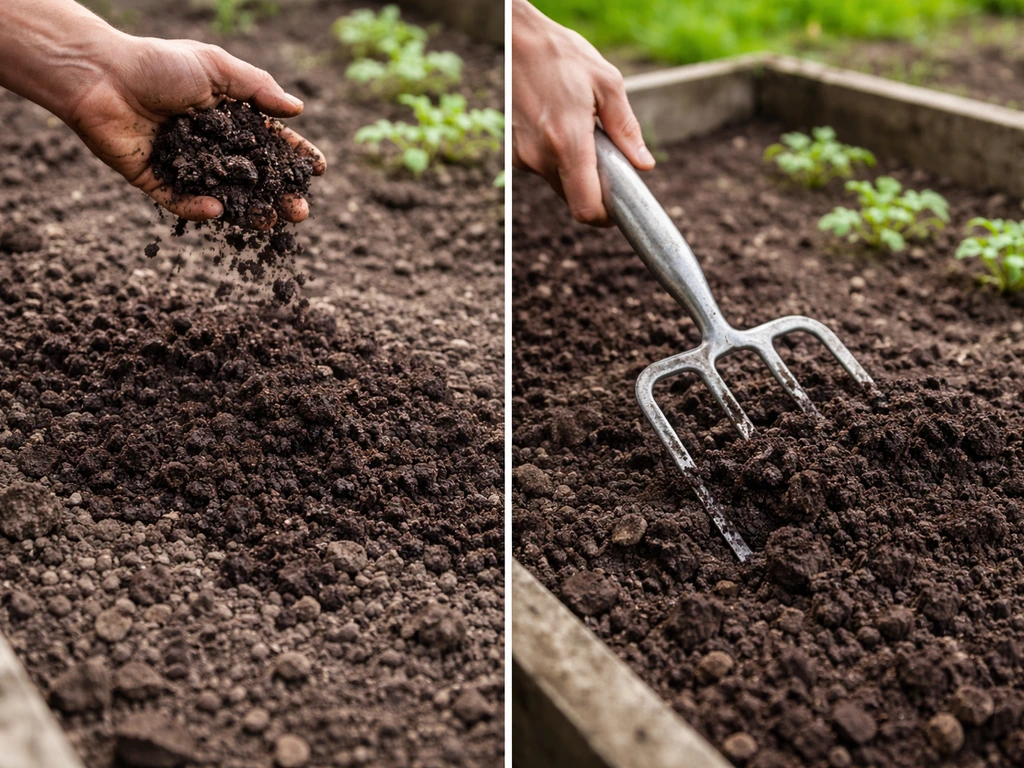
Compost earns its reputation most in specific situations. If you're starting a new bed in heavy clay or loose sandy soil, a 3- to 4-inch layer worked into the top 6 to 8 inches of soil is one of the fastest ways to make that ground actually growable. OSU Extension also recommends applying a 3- to 4-inch layer of compost to the soil surface before planting new garden beds a 3- to 4-inch layer worked into the top 6 to 8 inches. Sandy soil holds almost no water or nutrients on its own, and compost dramatically improves moisture retention. Clay soil drains poorly and compacts easily, and compost opens it up, adds pore space, and lets roots breathe. OSU Extension backs this up, noting that poor soil physical conditions are behind a lot of common home garden problems, and that organic matter like compost encourages root development, improves drainage, and helps with gas exchange in the soil.
It's also close to essential when you're filling a raised bed from scratch. OSU Extension specifically recommends compost for raised beds because it loses volume slowly over time and doesn't compete with plants for nitrogen the way partially finished organic materials can. Heavy feeders like tomatoes, corn, squash, and brassicas also respond well to compost worked into the bed before planting, since it helps them access nutrients gradually through the growing season.
When you can skip it
If your soil already has good structure, drains well, and has been amended over several seasons, you may not need to add compost every single year. A soil test will confirm this. Some gardeners in naturally loamy or organically-rich soils get solid yields using only a balanced fertilizer without any compost at all. Short-term container gardens built with quality potting mix, or raised beds filled with a commercial vegetable blend, can produce well for a season or two before the mix starts to break down and deplete. Compost becomes more critical as those beds age.
What to use instead of compost
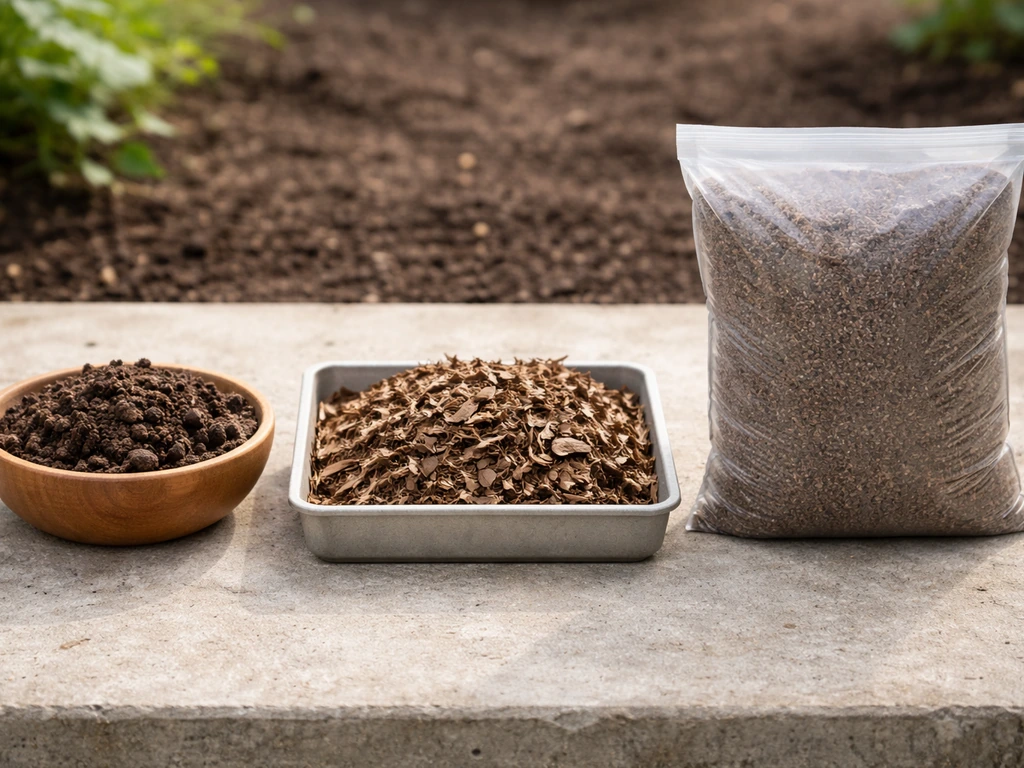
Compost improves both soil structure and, to a lesser degree, nutrient availability. But it doesn't do either of those things exclusively. If you're short on compost or starting without any, there are solid alternatives that cover one or both of those roles.
| Amendment | What it fixes | Best use case | Notes |
|---|---|---|---|
| Well-aged manure | Structure + nutrients | In-ground beds, large raised beds | Must be fully composted to avoid burning plants or introducing pathogens |
| Leaf mold | Structure, water retention | Sandy or clay soils, mulching | Low in nutrients but excellent for texture; easy to make at home |
| Worm castings (vermicompost) | Nutrients, microbial life | Containers, seedling mixes, top-dressing | Expensive to buy in bulk; ideal to produce yourself |
| Coco coir | Structure, drainage, moisture retention | Containers, potting blends | Neutral pH, no nutrients; pair with fertilizer |
| Peat moss | Structure, water retention | Acidic-loving crops, potting mixes | Not renewable; coco coir is the sustainable swap |
| Organic mulch (wood chips, straw) | Moisture retention, slow organic matter buildup | In-ground beds, paths | Breaks down into organic matter over time per UMN Extension |
| Balanced organic fertilizer | Nutrients only | Any soil that's structurally sound | Does not fix texture or drainage; CSU Extension notes compost adds only nominal nutrients vs fertilizer |
One important thing to keep in mind: fertilizer and compost do different jobs. CSU Extension makes this clear, noting that while compost is a great soil amendment, it often supplies only nominal plant nutrients compared to what a vegetable crop actually needs. If your soil structure is fine but plants are still struggling, adding fertilizer alongside compost (or instead of it) may be what actually solves the problem. These are complementary tools, not interchangeable ones. If you’re wondering whether you need fertilizer to grow vegetables, the answer depends on whether your soil is lacking nutrients.
How to actually apply compost
If you have compost and want to use it well, here's the practical version. Good finished compost looks and smells like dark, crumbly soil. It should have no recognizable food scraps or visible chunks of the original materials. It should smell earthy, not sour or like ammonia. If it still smells strong, it's not done.
How much to apply
- New in-ground beds: apply a 3- to 4-inch layer across the surface, then work it into the top 6 to 8 inches of native soil before planting
- Established beds: a 1- to 2-inch top-dress each season is usually enough to maintain organic matter levels
- Raised beds: mix compost to make up roughly 25 to 40 percent of your total fill blend; refresh annually with a 1- to 2-inch top-dress
- Containers: blend compost at about 20 to 30 percent of the mix volume; too much compost alone can compact and hold excess moisture
When to apply
Fall is an excellent time to incorporate compost into in-ground beds. UNL Extension notes that fall application improves water infiltration and soil structure by spring, giving the organic matter time to integrate. Spring application a few weeks before planting also works well. For top-dressing around established plants mid-season, you can apply a light layer any time the soil is not frozen, working it lightly into the surface or leaving it as a mulch layer to break down naturally.
Methods at a glance
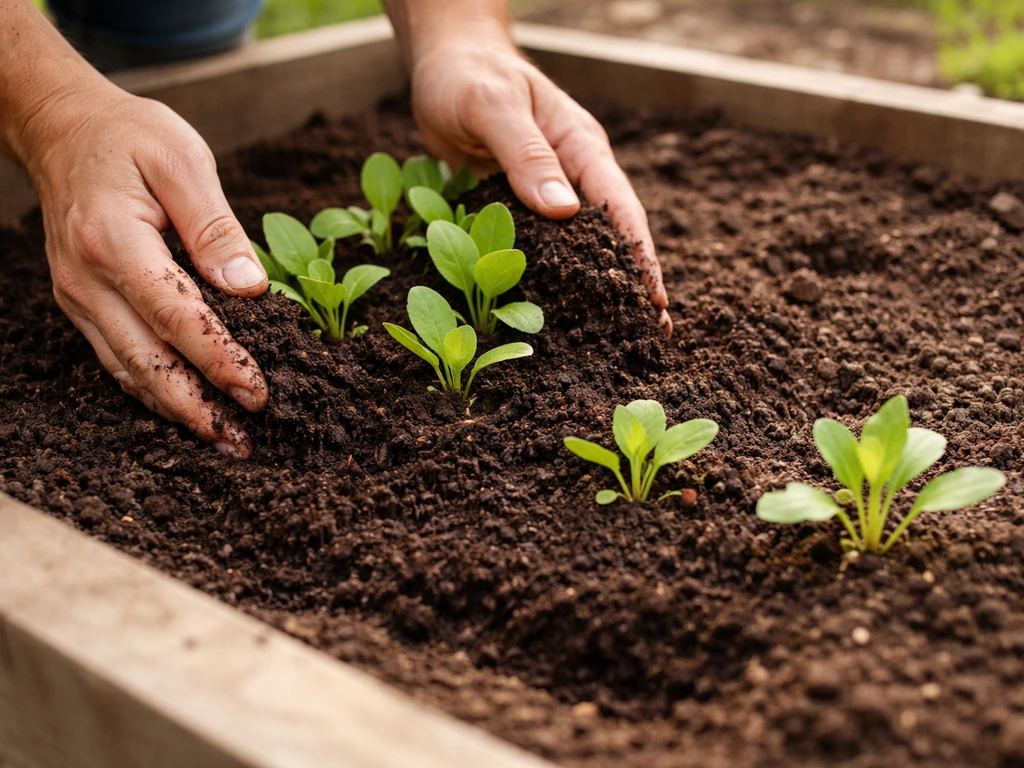
- Till or fork it in: for new beds, work compost into the full planting depth so roots benefit immediately
- Top-dress: spread 1 to 2 inches around existing plants without disturbing roots; great for perennial vegetables and established beds
- Compost tea: steep finished compost in water for 24 to 48 hours and use the liquid as a mild soil drench or foliar feed; useful as a supplement but not a replacement for physical amendment
How to tell if your soil actually needs amending
Before you haul in bags of compost, it's worth diagnosing your soil first. A basic soil test from your local extension service (usually $15 to $25) tells you pH, nutrient levels, and sometimes organic matter percentage. CSU Extension calls annual soil testing the best measure of whether amendments like compost are even needed. CSU Extension describes compost as a “gold standard” organic soil amendment and says annual soil testing is the best measure of the need for amendments like compost annual soil testing is the best measure of whether amendments like compost are even needed. It removes the guesswork entirely and tells you whether your problem is structure, nutrients, pH, or something else.
If you can't test right now, look for these real-world signs that your soil is struggling and compost would help:
- Slow or stunted plant growth compared to what the seed packet suggests
- Yellowing leaves, especially older leaves first (often a nitrogen or micronutrient sign)
- Soil that crusts over after rain or irrigation and repels water
- Puddles that sit for hours after rain (drainage problem, often clay)
- Soil that dries out within a day or two of watering (drainage too fast, often sandy)
- Visible compaction: you can barely push a finger or pencil into dry soil
- Low yield relative to the space and effort you're putting in
These are all signs that soil structure or organic matter is the limiting factor. Compost directly addresses most of them. If growth is slow but the soil feels and drains fine, the problem may be nutrients rather than organic matter, in which case fertilizer may resolve it faster.
Container vs in-ground: what actually changes
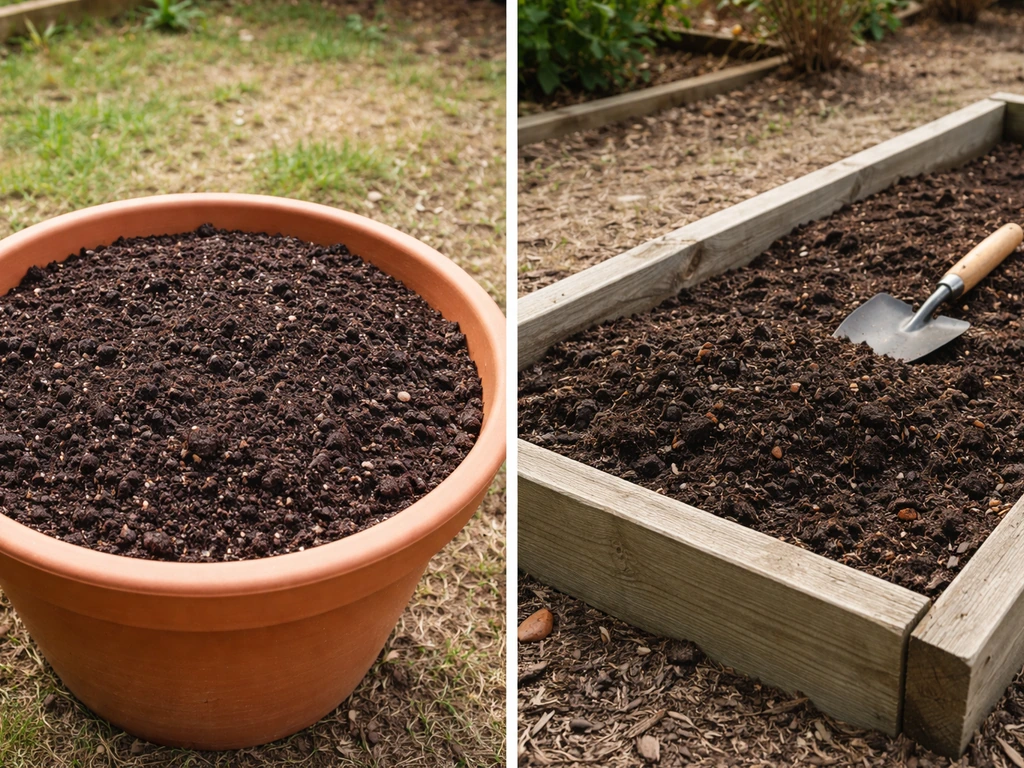
Container gardening
In containers, you're in full control of the growing medium, which is both an advantage and a responsibility. You don't need compost if you're using a quality pre-mixed potting blend, but most bagged mixes are light on nutrients and break down within a single season. Mixing in 20 to 30 percent finished compost or worm castings gives your potted vegetables a longer-lasting nutrient reserve and better moisture management. If you want to grow vegetables using compost in a multi-purpose way, focus on adding the right amount and pairing it with a balanced growing mix to avoid waterlogged soil multi-purpose compost. The risk with containers is overdoing the compost: a mix that's too high in compost can become dense and waterlogged, especially in pots with limited drainage. Keep it to less than a third of the total volume and pair it with a perlite or coco coir blend for structure.
In-ground beds
In-ground gardening is where compost has the most long-term payoff. Native soil varies enormously, and unless you're lucky enough to have naturally rich loam, compost is the most practical tool for upgrading it over time. Work in 3 to 4 inches the first year when establishing a new bed, then maintain it with a 1- to 2-inch top-dress each subsequent season. In-ground beds also benefit from mulching over the compost layer with straw or wood chips, which slows moisture loss and continues adding organic matter as it breaks down, as UMN Extension notes.
Raised beds
Raised beds sit in between. You're filling them from scratch, so you have control like you do with containers, but the volume and permanence are closer to in-ground growing. If you are considering a raised bed, you can start with a quality fill blend and compost is often the easiest way to make that mix work harder for your vegetables do you need a raised bed to grow vegetables. A typical fill blend for a raised bed might be 60 percent topsoil, 30 percent compost, and 10 percent perlite or coarse sand. After year one, the compost fraction settles and depletes, so refreshing with a 1- to 2-inch layer each spring keeps the bed performing well. This is where compost is the most clearly worth it, since you're building the entire growing environment yourself.
Low-cost options and making your own compost
Bagged compost from a garden center works fine, but it adds up fast if you're amending multiple beds. A 1-cubic-foot bag typically runs $6 to $10, and a single 4x8 raised bed needing 3 inches of amendment requires about 8 cubic feet. That's $50 to $80 just to fill one bed. There are better ways.
Free and low-cost sources
- Municipal compost programs: many cities offer free or very cheap finished compost you can pick up by the truckload
- Leaf mold: pile autumn leaves in a wire cage, keep them moist, and they break down into a useful soil conditioner within 6 to 12 months at zero cost
- Aged manure from local farms: often free or very cheap if you can transport it yourself; must be at least 6 months old or fully composted
- Neighbor or community garden networks: surplus compost is often available for free through neighborhood sharing groups
Starting a basic compost pile today
If you want to produce your own compost, you don't need a fancy bin. A simple wire cage 3 feet across and 3 feet tall is enough to get started. The basic recipe is roughly equal parts brown material (dry leaves, cardboard, straw) and green material (kitchen scraps, grass clippings, fresh plant trimmings). Chop or shred materials smaller than 2 inches where possible to speed breakdown. Keep the pile as moist as a wrung-out sponge and turn it every week or two to introduce oxygen. A well-managed pile can produce finished compost in as little as 6 to 8 weeks in warm weather, though 3 to 4 months is more typical if you're less attentive about turning. Even a neglected pile will eventually produce usable compost, just more slowly.
If you have a small space or apartment situation, a worm bin (vermicomposting) is a compact alternative that produces worm castings, one of the best possible amendments for containers and small beds. A basic worm bin can sit under a sink or on a balcony and converts kitchen scraps into rich castings within a few months. It's a genuinely useful setup for anyone growing in containers who wants a continuous supply of a premium soil additive without buying it.
The bottom line is that compost is the most practical, versatile, and forgiving tool available to a home vegetable gardener. You can grow without it, but in most real-world garden situations, adding even a modest amount will visibly improve what you're able to grow. Yes, you can grow with compost, but the key is using fully finished compost that is dark, crumbly, and odor-free. If you're starting from scratch, fix the soil first and the vegetables will follow. You do not need bees to grow vegetables, because successful harvests depend on soil, sunlight, water, and appropriate pollination for flowers do you need bees to grow vegetables.
FAQ
What if I don’t have fully finished compost, can I still plant vegetables in it?
If your goal is healthier soil structure and steady moisture, use finished compost. Use unfinished compost only if it will be fully broken down before roots are exposed (for example, incorporated well ahead of planting). As a safety rule, avoid mixing partially finished compost directly into the planting zone because it can be dense and may temporarily tie up nutrients while it decomposes.
How much compost should I add to in-ground beds versus containers?
A simple level to aim for is 3 to 4 inches worked into the top 6 to 8 inches when establishing a new in-ground bed, then 1 to 2 inches as a yearly top-dress. For containers, keep compost modest, about 20 to 30 percent of the total potting medium (and less if drainage is poor), because too much compost can make mixes hold water too long.
Do I need to mix compost into the soil, or can I just top-dress?
Yes, but you should match the timing to the compost’s job. If the soil is already workable and you want to support feeding, top-dress around plants mid-season with a thin layer and let it act as a mulch. If you’re correcting heavy clay or very sandy soil, incorporate it in fall (or a few weeks before planting) so it has time to integrate.
What should I do if my plants still look weak after adding compost?
Start by correcting the cause rather than adding more compost. If leaves look chlorotic but growth is otherwise reasonable, you may have a nutrient imbalance or low nitrogen, where compost alone often is not enough. Also check pH, because nutrient availability can be blocked even when you add organic matter.
If compost doesn’t help immediately, does that mean I should switch to fertilizer?
Not always. Compost can help heavy feeders, but if your soil drains fine and growth is slow, the limiting factor might be nutrients rather than organic matter. In that case, pairing compost with a balanced fertilizer (or using fertilizer without compost if your soil structure is already good) is usually the faster fix.
Do I have to add compost every year, or can I apply it less often?
If you already have good loam and you’ve been amending for years, you can skip annual compost and top-dress less often. The decision aid is a soil test (pH and nutrient levels, sometimes organic matter), plus whether beds are physically degrading (compaction, crusting, poor water infiltration). If those are stable, you may only need occasional refresh.
What are common compost mistakes that lead to poor vegetable growth?
Most problems come from using the wrong material for the situation. In containers, use a structured base (quality potting mix plus perlite or coco coir) and blend in compost at a conservative rate. In-ground, keep compost under a mulch layer once it’s incorporated, and avoid over-applying thick layers on top of plants, which can stay wet and cool soil.
Can I use worm castings from a worm bin instead of compost?
You can, and it’s often a good option when you can’t amend many beds or you want a continuous supply. For worm bins, expect castings to be produced gradually over months, not all at once. Use castings similarly to compost, but still keep container blends balanced so you don’t over-densify the mix.
Is it okay to add compost to an existing container mix, or will it disrupt drainage?
Yes, but be cautious with how you introduce it. Compost can improve drainage and structure, but if your potting medium already drains well, adding too much compost can reduce oxygen around roots. If you increase compost content beyond about one-third of the total volume, watch for consistently soggy soil and adjust by adding more perlite or coir.
How soon will compost start improving vegetable growth?
Biological activity depends on conditions, so you can see a difference even if the nutrient release is gradual. Expect improvements in moisture retention and soil texture sooner, especially in clay or sand. For nutrient-driven results, many gardeners notice stronger growth after a planting cycle, especially when compost is used to build soil rather than as the only feeding source.
Next Article
Do You Need a Raised Bed to Grow Vegetables? A Guide
Raised beds help but arent required. Compare beds vs in-ground and containers, plus fixes for drainage, soil, weeds, pes