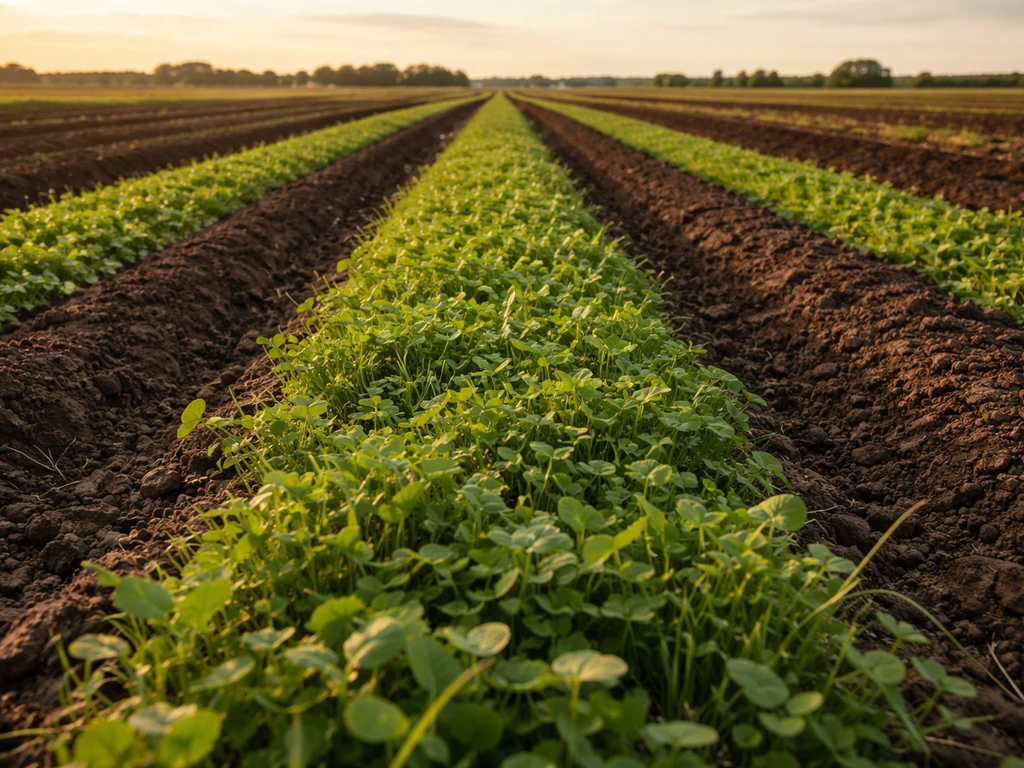
Animals help farmers and home gardeners grow better crops in four big ways: they build soil fertility through manure and composting, reduce pest pressure through natural predation and habitat balance, support pollination so more crops actually set fruit, and suppress weeds through controlled grazing. On top of that, they add organic matter through bedding and litter, aerate compacted ground, and in larger setups can even replace mechanical labor. You don't need a working farm to take advantage of this. Even a backyard flock of chickens or a managed beehive can make a measurable difference in how your garden performs.
How Do Animals Help Farmers Grow Crops Today?

Marcus Hendrick
14 Jun 2026
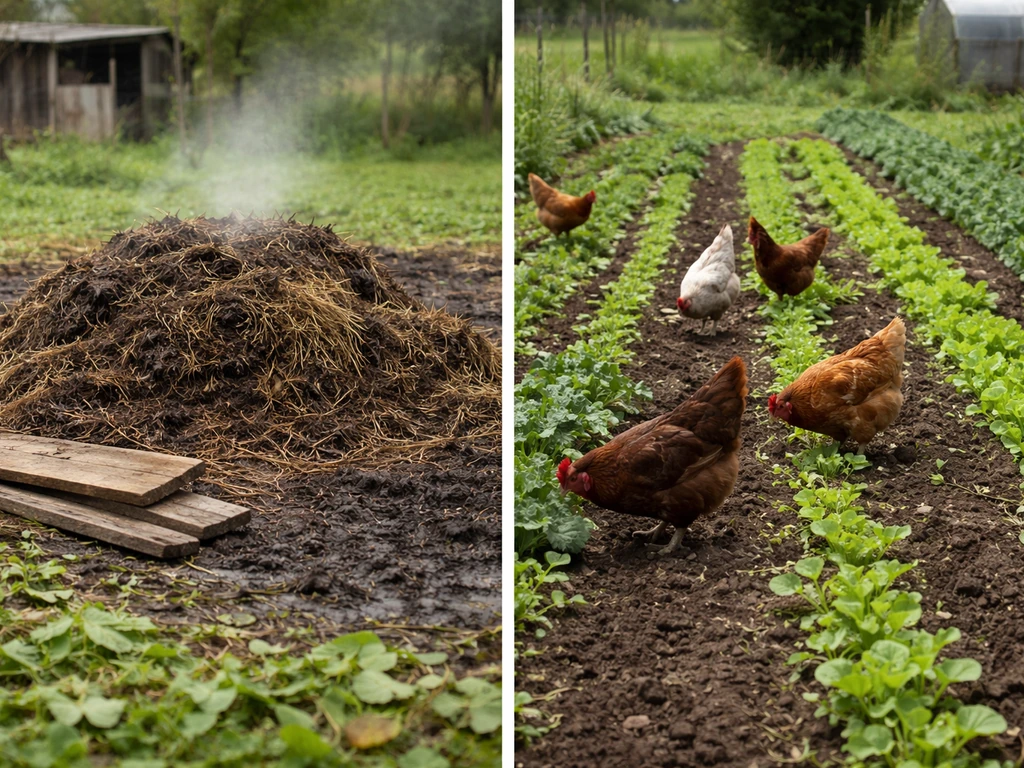
How animals support crops on small farms and homesteads
The relationship between animals and crop growing is one of the oldest production systems humans ever figured out. Before synthetic fertilizers, there were no crops without animals. That's not nostalgia, it's agronomy. Animals cycle nutrients, break down organic matter, move seeds, aerate soil, and create habitat for beneficial insects. On a homestead or kitchen garden scale, you don't need a hundred-acre operation to put these benefits to work. A few laying hens, a colony of bees, or even a compost pile fed with purchased manure will get you most of the way there.
The key is matching the right animal (or animal role) to your specific crops and space. Chickens in a fenced run adjacent to garden beds do very different jobs than ducks in a market garden, or a beehive at the edge of a squash patch. Throughout this guide, I'll break down each major role animals play, along with the real tradeoffs you need to plan around, because there are tradeoffs every time. Animals also need feed, water, shelter, and biosecurity management, and in certain situations they can damage crops, attract rodents, or cause runoff problems if you're not managing them well.
Manure, composting, and soil fertility
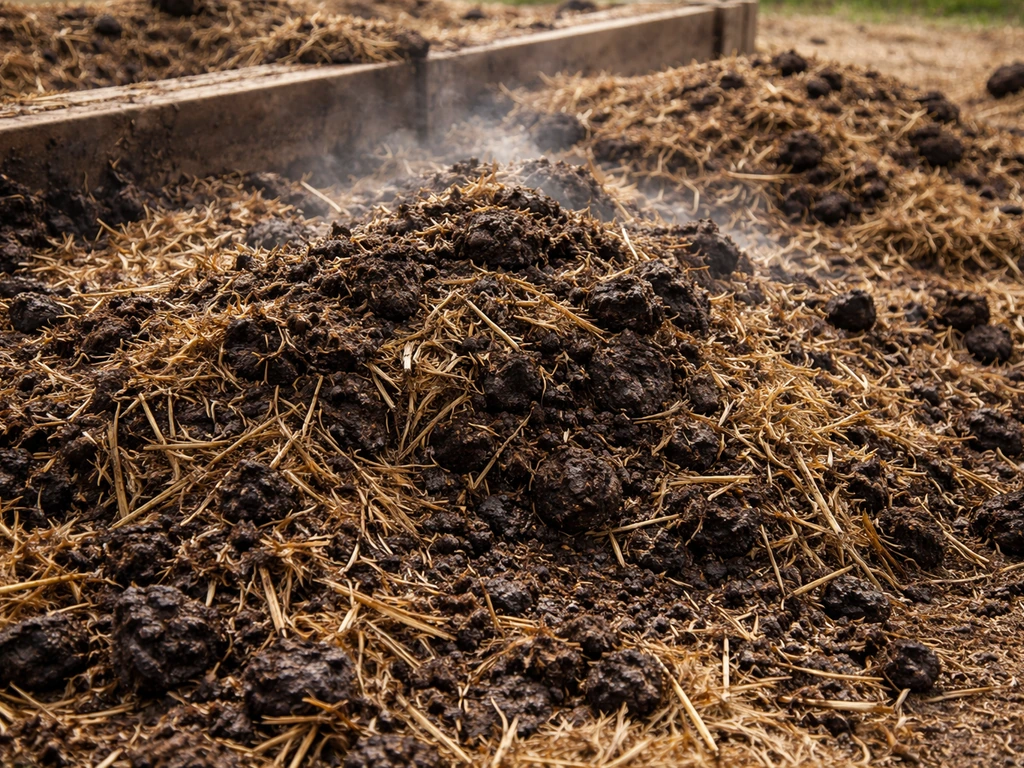
This is the biggest, most measurable benefit animals provide. Animal manure is a complete organic fertilizer that improves soil structure while feeding the microbial ecosystem that plants depend on. Different manures have different nutrient profiles. Chicken manure is high in nitrogen (roughly 1.1% N by weight in fresh form) and can burn plants badly if applied raw too close to harvest. Cow and horse manure are lower in nitrogen, higher in carbon, and safer to apply fresher, though still not ideal raw. Rabbit manure is the closest thing to a free pass because it's cold enough to apply directly to beds without burning.
The composting path: timing and safety
Raw manure applied at the wrong time is a food safety risk, not just a fertility mistake. The FDA's FSMA Produce Safety Rule aligns with USDA National Organic Program waiting periods: if you're applying raw manure to crops that contact the soil (like carrots, lettuce, strawberries), you need a minimum of 120 days between application and harvest. For crops that don't touch the soil (like staked tomatoes or trellised beans), the minimum is 90 days. These aren't arbitrary numbers. They reflect the time needed for pathogens like E. coli and Salmonella to die off naturally in soil conditions.
If you want to use manure more flexibly, composting is the answer. Properly hot-composted manure, where the pile reaches 131 to 170 degrees Fahrenheit and is turned regularly to ensure even heating, breaks down pathogens and stabilizes nutrients. The FDA and NC State Extension both reference that actively managed composting approaches can allow for shorter application intervals in some frameworks, down to around 45 days under closely monitored conditions.
FDA’s Commodity Specific Food Safety Guidelines discuss how actively managed composting can support shorter manure application intervals under closely monitored conditions, including around 45 days around 45 days under closely monitored conditions. In practice for home gardeners, I'd recommend sticking to the 90/120 day standard for raw manure and applying properly finished compost any time except immediately before harvest.
| Manure Type | Nitrogen Level | Safe to Apply Raw? | Best Use |
|---|---|---|---|
| Chicken | High (~1.1% N) | No, burns plants | Compost first; apply in fall for spring beds |
| Cow / Horse | Medium | Cautiously, aged only | Sheet mulch, fall application, compost |
| Rabbit | Low-Medium | Yes, cold manure | Direct side-dress, top-dress beds |
| Duck / Goose | High | No, very wet and caustic | Compost thoroughly before use |
| Sheep / Goat | Medium | Aged OK | Good all-rounder; compost or fall apply |
Timing your manure application to fall rather than spring gives you the most flexibility. Apply raw or lightly aged manure to empty beds after your last harvest, let it overwinter and break down through freeze-thaw cycles, and by spring planting time you're well past any 120-day window. This is one of the simplest, lowest-risk ways to build soil fertility over time without any complicated monitoring.
Practical composting workflow for home gardeners
- Collect manure and bedding (straw, wood shavings) into a pile no smaller than 3x3x3 feet to retain heat
- Add a carbon source (straw, dry leaves, cardboard) at roughly a 2: 1 ratio of carbon to manure by volume
- Water the pile to 50-60% moisture (it should feel like a wrung-out sponge)
- Turn every 3-5 days to introduce oxygen and ensure all material heats evenly to at least 131°F
- After 4-6 weeks of active turning, let the pile cure for another 4-8 weeks before use
- Finished compost smells like earth, not ammonia, and has no recognizable manure chunks
Pest and disease control via animal helpers (and their limits)
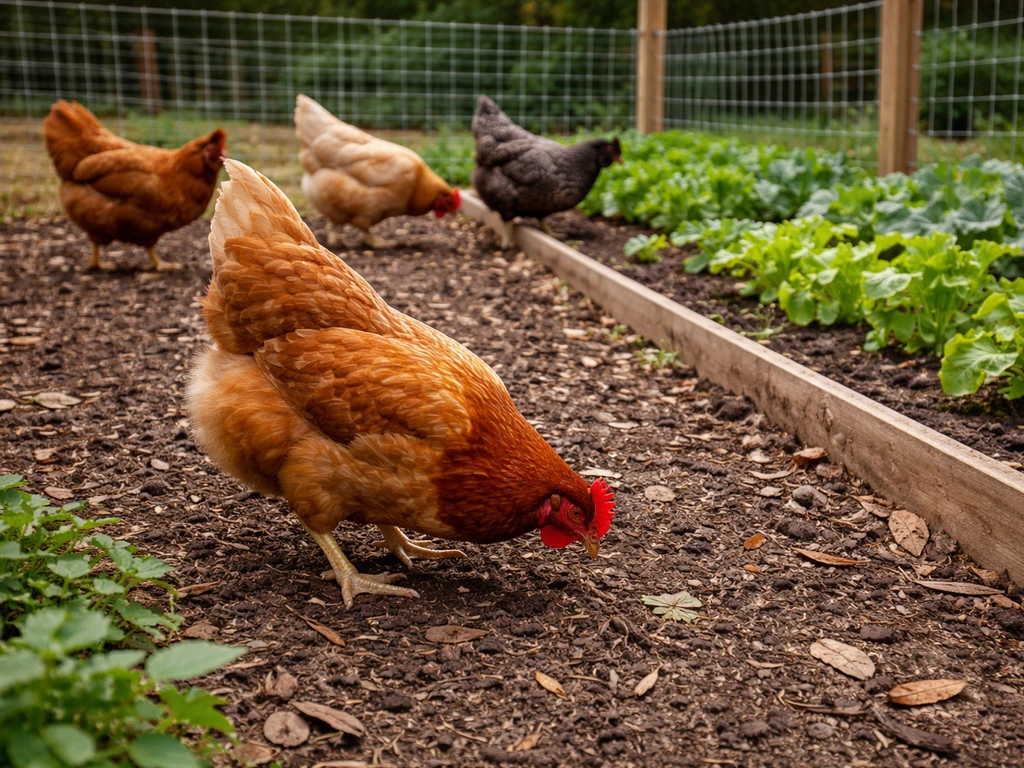
Animals reduce pest pressure in two distinct ways: direct predation and habitat management. Chickens and ducks are the most commonly cited examples of direct predators in garden systems. A free-ranging flock will eat slugs, beetle grubs, caterpillars, and many other soft-bodied pests. Ducks in particular are legendary for slug control in wet climates and won't scratch up beds the way chickens do, making them safer around established plants. Guinea fowl are especially useful for tick control and for hunting grasshoppers and other above-ground insects.
Beneficial insects, which aren't animals you own but animals you attract, provide another layer of pest suppression. Ground beetles, parasitic wasps, lacewings, and spiders all predate common garden pests. You attract them by planting insectary strips (dill, yarrow, fennel, buckwheat) around your garden beds and by reducing or eliminating broad-spectrum insecticide use. Bats are underappreciated allies here too. A single bat can eat up to 1,200 mosquitoes per hour and will also consume moths whose larvae become cutworms and hornworms. Installing a bat box near your garden is one of the highest-leverage, lowest-effort pest management moves you can make.
Where animal pest control goes wrong
The limits are real and worth naming. Chickens will demolish seedlings, scratch out transplants, eat ripening strawberries, and dust-bathe in raised beds. They can't be in garden beds when crops are actively growing, only before planting (spring tillering runs) or after harvest (fall cleanup runs). The same birds that eat caterpillars will eat your lettuce. Ducks are gentler but still problematic in tight spaces with young plants. Free-ranging poultry also attract predators like foxes and hawks, which then require secure fencing and housing, adding real cost and management time. Disease transmission from poultry (both to humans via manure contact with produce and to the birds themselves) requires biosecurity awareness, especially if you have neighbors with backyard flocks.
Pollination and crop setting
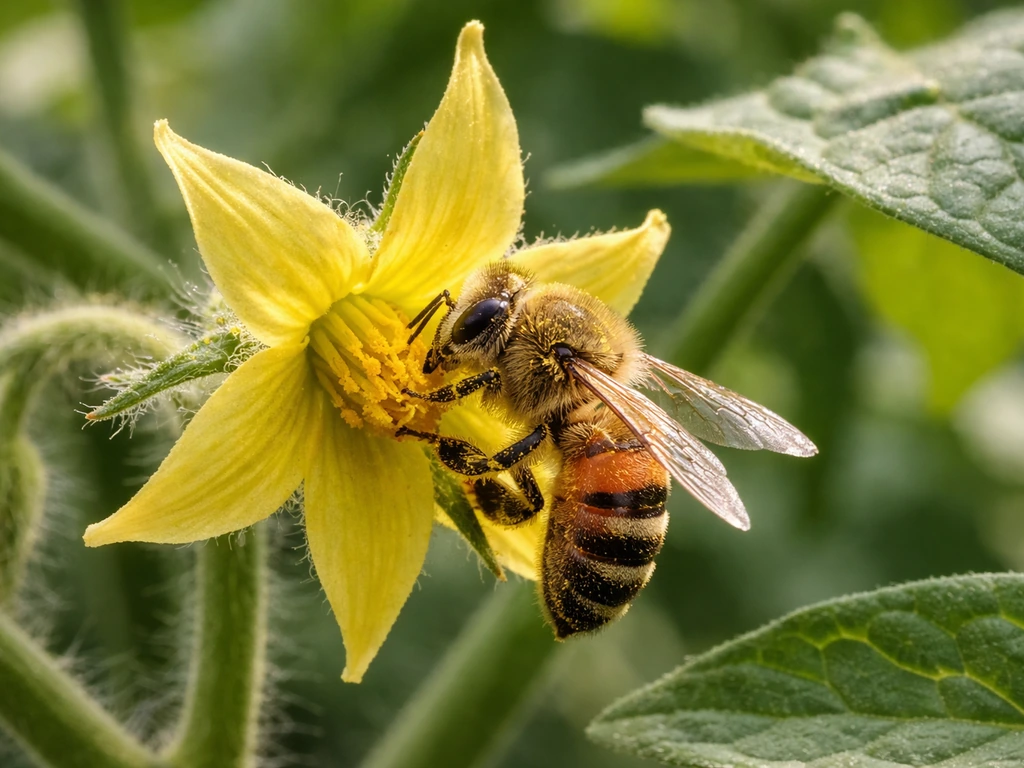
If you're growing any fruiting crop, pollination is everything. Tomatoes, squash, cucumbers, peppers, beans, melons, and tree fruits all depend on pollinators to set fruit. Without adequate pollination, you get small, misshapen fruit, low yields, or nothing at all. This is the area where animals, specifically managed and wild bees, do the most quantifiable good for crop yields.
Honey bees are the most commonly managed pollinator. A single hive placed near a garden will forage within a 2-mile radius and dramatically increase pollination rates for most crops. But honey bees aren't always the best pollinator for every plant. Tomatoes require buzz pollination, where a bee vibrates at a specific frequency to release pollen from the flower. Honey bees don't do this particularly well. Bumblebees do it exceptionally well. If you're growing tomatoes and struggling with fruit set, attracting or housing native bumblebees near your garden matters more than a honey bee hive.
What to attract and how to house it
- Install a honey bee hive within 300 feet of your main crop area for general pollination coverage
- Build or buy a mason bee house with 6-8mm diameter tubes for early-season tree fruit and brassica pollination
- Plant bumblebee habitat: dense native wildflowers, clover groundcover, and undisturbed mulched areas for nesting
- Avoid mowing flowering cover crops like clover and phacelia during peak bloom (typically 8am-11am)
- Reduce or eliminate neonicotinoid and broad-spectrum insecticide use, which kill pollinators at sub-lethal doses
- Leave small brush piles or bare soil patches for ground-nesting native bees, which make up over 70% of native bee species
One practical tip from my own garden: interplanting borage among your squash and tomatoes does two things at once. It attracts bumblebees reliably, and it's edible itself. I've had noticeably better squash set in beds with borage than in beds without it, just from the increased bee traffic alone.
Weed control and soil disturbance management
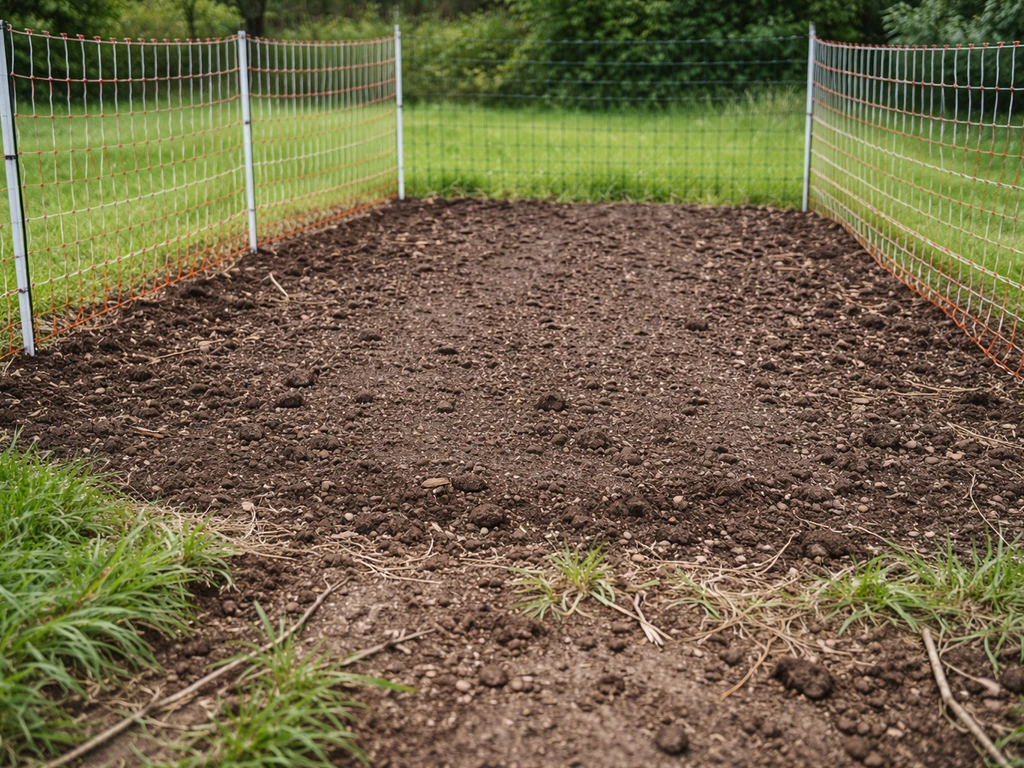
Weeding is one of the most time-consuming jobs in any garden. Animals can take a significant portion of that work off your plate, but only if you manage them in a deliberate rotational system. The basic model is simple: let animals into a bed or zone after harvest and before planting. They eat weed seedlings, scratch up the surface, deposit manure, and leave a cleaner, looser seedbed than you had before. This is exactly how chickens have been used in market gardens for generations.
Portable electric poultry fencing (often sold in 164-foot rolls) makes rotational grazing practical even on small homestead plots. You move the flock every 1-2 weeks to prevent overgrazing and allow recovery. On a quarter-acre garden with 6-10 chickens, you can cycle through the entire area in a single off-season. Geese are another option specifically for grass weeds between rows, and they've been used commercially in strawberry and corn fields to suppress grass weeds without touching the broader-leafed crops. Geese eat grass almost exclusively when it's available, which makes them surprisingly crop-safe in some situations.
Bedding and mulch as weed suppression tools
Even if you don't have animals grazing your beds directly, you can use animal bedding as a mulch and weed suppressor. Straw or wood shaving bedding from chicken coops, partially broken down and mixed with manure, makes an excellent deep mulch. Apply it 4-6 inches thick between rows or over empty beds. It suppresses weed germination, retains moisture, and slowly decomposes into compost in place. This is essentially the deep mulch or "sheet composting" method that no-till gardeners rely on, and animals produce the raw material for free as a byproduct of normal husbandry.
Livestock as farm power: traction, aeration, and integrated systems
On larger homestead plots, animals historically replaced what tractors do today. Horses, oxen, and mules pulled plows, turned soil, and moved heavy loads. Mayan farmers used practical tools like stone or wooden planting sticks and hoe-like implements to cultivate and manage their fields pigs for ground breaking. On a practical modern homestead scale, this most often shows up as pigs for ground breaking. Pigs are phenomenally effective at clearing new land. Turn a small pig herd into an overgrown plot for 2-4 weeks and they'll root out weeds, turn and aerate soil, and deposit manure all at once. After rotating them off, the ground is ready to plant with minimal mechanical intervention.
Chickens and turkeys scratch and till naturally. In a "chicken tractor" setup, a mobile coop moved over garden beds lets the birds work a section of soil, loosening compaction, breaking up clods, and incorporating surface residue. This is especially useful in early spring before planting, or in fall after crops are pulled. It doesn't replace deep tillage, but for surface preparation of established garden beds it works well and adds fertility at the same time.
The most powerful version of animal-crop integration is the full paddock shift system used in market gardening and permaculture. Crops, animals, and cover crops rotate through the same land in sequence. Crops grow in one section while animals graze cover crops in another, building fertility for the next crop rotation. This approach, using land to grow food crops is an example of, relies on rotating living systems to build fertility naturally.
This is the system that historically made permanent agriculture possible without synthetic inputs, and scaled-down versions of it are absolutely achievable on a half-acre homestead with a small mixed flock and a planned rotation schedule. Farmland that can be used to grow crops can be made more productive with livestock-based systems that build fertility across rotations, especially when you plan a deliberate shift schedule. A full paddock shift system also helps you use farmland that can be used to grow crops more efficiently by building fertility across rotations.
Real tradeoffs to plan around
- Animals require fencing, housing, water, and feed, which adds real ongoing cost and daily time commitment
- Manure concentrated in one area (coop or pen) creates nutrient runoff risk in rain events, especially near waterways
- Poultry attract predators including foxes, raccoons, and hawks that then require management
- Pigs can cause significant compaction and root damage if left too long in one area
- Geese and ducks need reliable water access and produce very wet, odorous manure
- Any animal near produce requires biosecurity planning to prevent pathogen contamination of crops
- Noise and odor from livestock may conflict with neighbors in suburban settings
Choosing which animals fit your crops and space
Before you bring any animal onto your property, match the animal role to your specific situation. The questions that matter most are: What's your primary crop type? How much space do you have? How much management time can you commit? And what's your local zoning situation? Many suburban areas allow backyard chickens but not ducks, geese, or pigs. Always check first.
| Animal | Best Crop System Fit | Primary Benefit | Key Constraint |
|---|---|---|---|
| Honey bees | All fruiting crops, orchards | Pollination | Requires hive management, local regulations |
| Chickens | Vegetable gardens with rotation | Fertility, pest control, tillage | Can't be in beds during active crop growth |
| Ducks | Slug-heavy wet climate gardens | Slug and pest control | Need water access, wet manure |
| Rabbits | Any bed system | Cold manure, direct application | Small scale only, require secure housing |
| Pigs | New land clearing, large plots | Ground breaking, fertility | Short rotation window, rooting damage |
| Geese | Strawberries, corn rows, orchards | Grass weed suppression | Loud, aggressive, need water |
| Guinea fowl | Tick and grasshopper pressure | Above-ground pest control | Loud, hard to contain, roam widely |
For most home gardeners and homesteaders just starting out, I'd recommend two things: a small backyard chicken flock (4-6 birds) and a mason bee house or honey bee hive. Chickens give you fertility and pest control year-round. Bees give you pollination support during the growing season. Those two animal roles alone will noticeably improve your soil, reduce your weeding and pest management burden, and boost fruit set on everything from tomatoes to squash.
Your checklist for integrating animals safely with garden beds
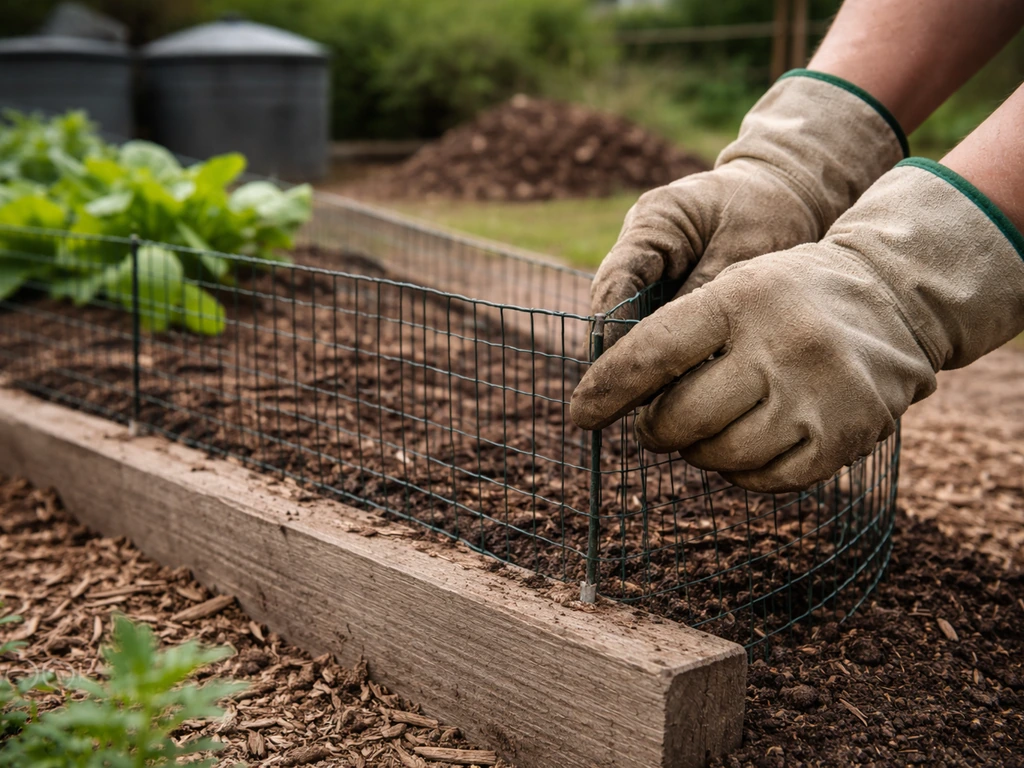
Here's a straightforward checklist to work through before and during your first season integrating animals with crops. This keeps food safety, crop protection, and animal welfare all accounted for at once.
- Check local zoning and HOA rules for which animals are permitted on your property
- Plan your rotational zones: designate which beds animals will access and when (pre-plant or post-harvest only)
- Set up secure perimeter fencing for any grazing areas adjacent to active crop beds
- If using raw manure, mark your calendar for the 90-day (non-soil-contact crops) or 120-day (soil-contact crops) pre-harvest waiting period
- Start a dedicated compost pile for manure and bedding, targeting 131°F+ internal temperature with regular turning
- Install pollinator habitat (insectary strip, mason bee house, or hive) at least 4-6 weeks before your first fruiting crop blooms
- Avoid all broad-spectrum insecticides during bloom periods to protect beneficial insects
- Rotate animals off any bed at least 2-3 weeks before planting to allow soil to settle and residual manure to begin breaking down
- Wash all harvested produce thoroughly, especially root crops and leafy greens grown in beds that had animal contact
- Monitor for signs of overuse: compaction, odor buildup, or plant damage, and adjust rotation timing accordingly
The biggest mistake I see home gardeners make is treating animal integration as a one-time addition rather than an ongoing system. The benefits compound over time. After two or three seasons of rotating chickens through your beds, composting their manure, and hosting pollinators near your crops, you'll have soil and yields that look dramatically different from where you started.
That is one reason farmers grow crops, because healthy soil and reliable yields make each season more productive soil and yields. In general, farmers generally aim to keep animals from killing or damaging crops, using managed feeding, fencing, and rotation instead farmers kill animals to grow plants. It takes some planning upfront, but the system largely runs itself once it's dialed in.
FAQ
How do I avoid crop burn or nutrient problems when using chicken manure?
Use chicken manure only after it is properly aged or composted, and apply it well ahead of harvest (not as a direct “top dressing” right before you plant or when beds are actively growing). If you want faster turnaround, switch to properly finished compost rather than fresh manure, and apply in bands or compost-in-place instead of heavy, surface-only spreading.
Can I use animal waste if I am growing leafy greens and other produce that touches the soil?
Be extra conservative with raw manure on soil-contact crops (lettuce, spinach, strawberries, carrots). If you cannot meet long waiting intervals, prioritize hot composting or use pelletized, fully processed manure products, and keep manure away from harvesting tools, footpaths, and any irrigation water that splashes onto plants.
What’s the safest way to feed poultry and keep it from contaminating my garden?
Create a separate feeding zone outside the bed area, and clean up spilled feed and manure regularly so it does not wash into rows. Use dedicated footwear or footbaths for garden work after handling animals, and avoid working in beds during or right after wet weather to reduce pathogen spread via splash.
Will ducks or geese damage crops even if they seem “gentler” than chickens?
Yes, they can still damage seedlings through trampling and beak nibbling, and they are more likely to contaminate beds with droppings if allowed to roam near plants. Keep them out of active crop beds, use them on paths or between rows only with a barrier plan, and rotate frequently so they do not linger where rooting and foraging start to target crop foliage.
How close do animals need to be to pollination-sensitive crops like tomatoes?
Pollination impact depends on forager behavior and habitat nearby. A hive placed within a typical foraging radius usually helps, but if you see poor fruit set, add year-round flowering resources (including before peak bloom) and avoid insecticide sprays during bloom. For tomatoes specifically, bumblebee presence near the crop is often the limiting factor for reliable set.
What can I do if I attract bees but still get poor pollination?
Check whether your plants are producing usable flowers under your conditions. Cold snaps, high humidity, or inconsistent watering can impair pollen viability and stigma reception even with pollinators present. Also avoid high-volume spraying during bloom, because it can reduce bee activity and interfere with flower development.
How do I set up rotational grazing so it actually reduces weeds instead of making more weed trouble?
Time animal access to periods when weeds are at the seedling stage, then remove them before the weeds mature and set seed. Use short rotations (days to about a week depending on stocking density), and let the bed rest so the soil surface can settle before planting. If your weeds are already seeding, focus on mowing or other suppression first.
Can bedding from animal coops be used as mulch immediately?
Let bedding partially break down before heavy application, and spread it at a deep thickness only if you can prevent it from contacting harvest surfaces. If bedding contains lots of fresh manure, treat it like a fertility input with similar food-safety caution. For best results, compost bedding first or mix it into compost so decomposition is underway.
Do animal-based weed suppression and composting replace tilling entirely?
Not always. Animals reduce weed pressure and improve surface soil, but compacted layers deeper than your animals can reach may still need periodic mechanical intervention. Use a “minimum disruption” approach, combine animal scratching for surface prep with targeted loosening only where compaction is measurable.
How can I use pigs for land clearing without creating erosion or runoff problems?
Plan pig time when the ground can recover, avoid rainy periods, and keep them in a confined area with temporary fencing so bare soil does not spread. After rooting, cover the area quickly with a cover crop or fast mulch so rainfall does not wash nutrients away. Also confirm you can manage rooting to prevent it from reaching sensitive edges like ditches or waterways.
What zoning or legal issues should I check besides just whether animals are allowed?
Look for rules about maximum animal numbers, nuisance limits (noise, odor), allowed species on lots, and manure handling requirements. In many suburbs, ducks, geese, and pigs are restricted not only by species but also by enclosure type and distance from neighbors, schools, and wells, so confirm before building.
What are the most common mistakes when integrating animals with crops over multiple seasons?
The big one is treating it as a one-time addition instead of a managed cycle. Another frequent issue is mismatching animals to crop stage (for example, letting birds into beds with active seedlings), and skipping rotation planning so manure and pest pressure build up in the same places. Track what you did each season, including timing and bed entry dates, so you can refine the system.
Next Article
Why Do Farmers Grow Cover Crops? Benefits and How to Use
Understand why farmers grow cover crops and how to use them for soil health, erosion control, water, weeds, and nutrient