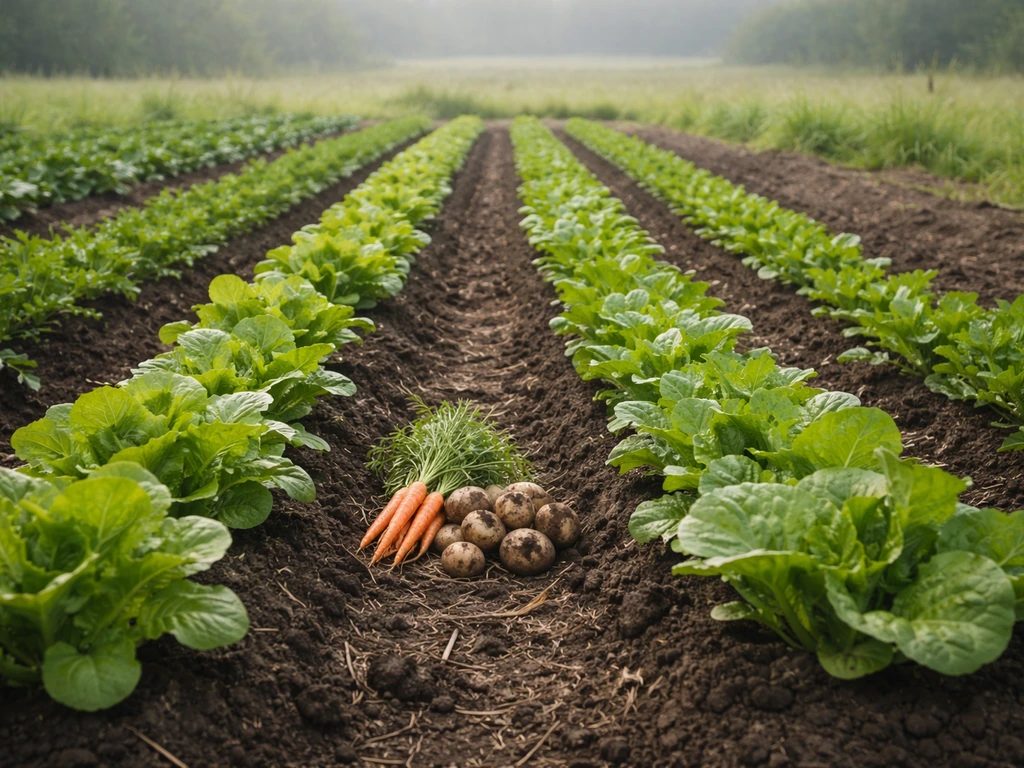
Early humans learned to grow crops the same way you learn anything practical: by watching, experimenting, failing, adjusting, and passing knowledge on to others. Over thousands of years, people noticed that seeds dropped near camp sprouted into plants, that certain spots produced better yields, and that plants with the most useful traits were worth replanting. That gradual, trial-and-error process is the origin of every garden and farm that exists today, and the same principles work just as well in your backyard right now.
How Did Humans Learn to Grow Crops Then and Now
Marcus Hendrick
29 May 2026
From foraging to gardening: the trigger for crop growing
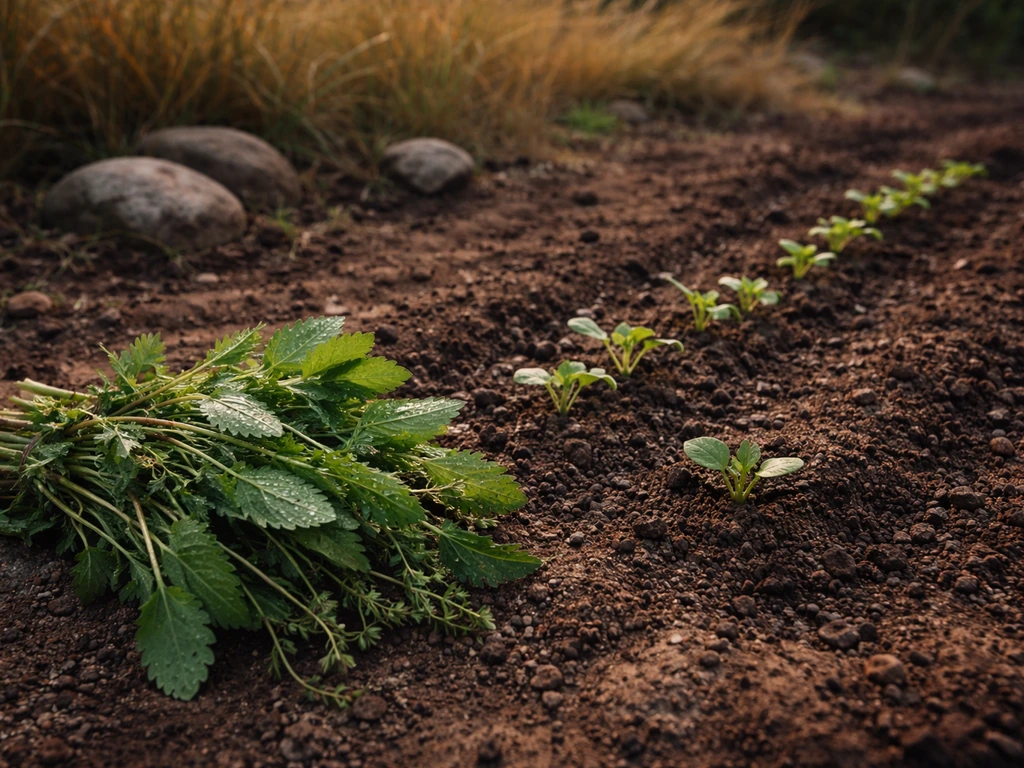
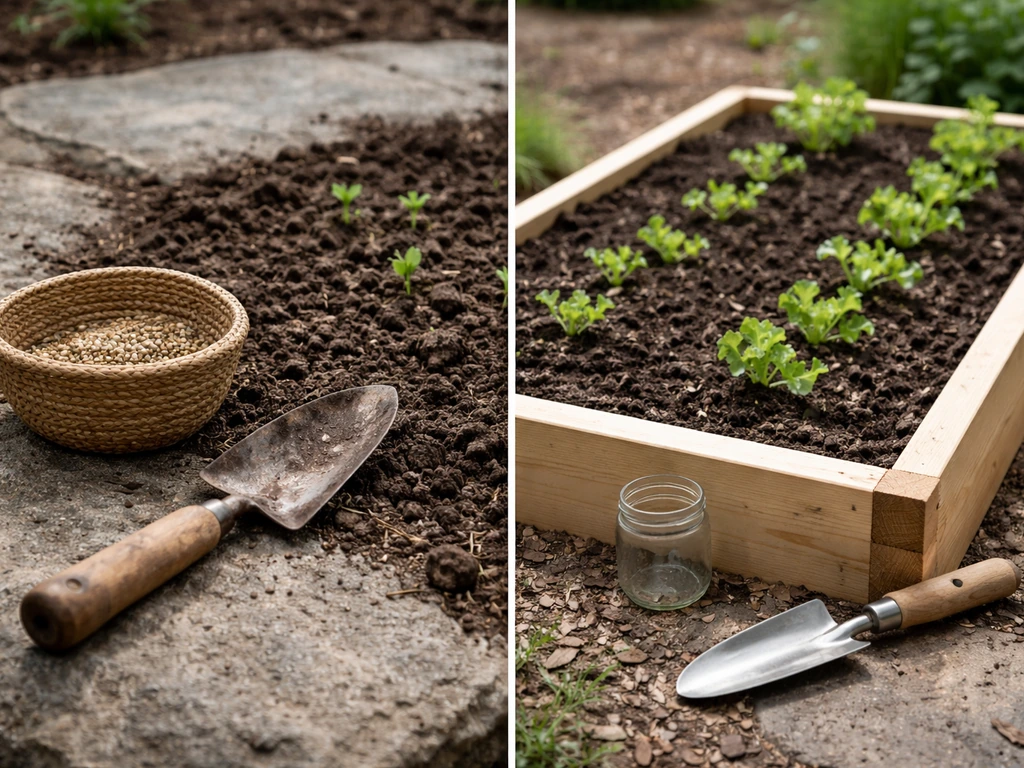
The shift from foraging to farming did not happen overnight, and it was not driven by a single genius idea. For most of human prehistory, people were highly skilled foragers who understood their local plants deeply. They knew which roots were edible in winter, which grasses seeded in late summer, and where to find water-loving plants during dry spells. The trigger for cultivation was mostly environmental pressure combined with opportunity. As populations grew and climate shifted at the start of the Holocene (roughly 12,000 years ago), wild food became less reliable in many regions. People needed more predictability. Understanding why farmers grow crops can help you see how food supply needs shape farming decisions why do farmers grow crops.
The earliest moves toward cultivation were almost accidental. Foragers camped near stands of useful wild plants and inevitably disturbed the soil, dropped seeds, and returned to find volunteer plants the next season. Over time, groups began intentionally scattering seeds in disturbed ground near water sources, returning seasonally, and harvesting what grew. The leap from 'I noticed plants grow here' to 'I will make plants grow here' is the entire story of early agriculture, and it happened independently in multiple places around the world over a span of several thousand years.
Learning pathways in early societies: experimentation, imitation, and seasonal knowledge
There were three main ways early farming knowledge spread and deepened: direct experimentation, social imitation, and accumulated seasonal pattern recognition. These are not ancient relics. They are exactly how most good gardeners still learn today.
Hands-on experimentation
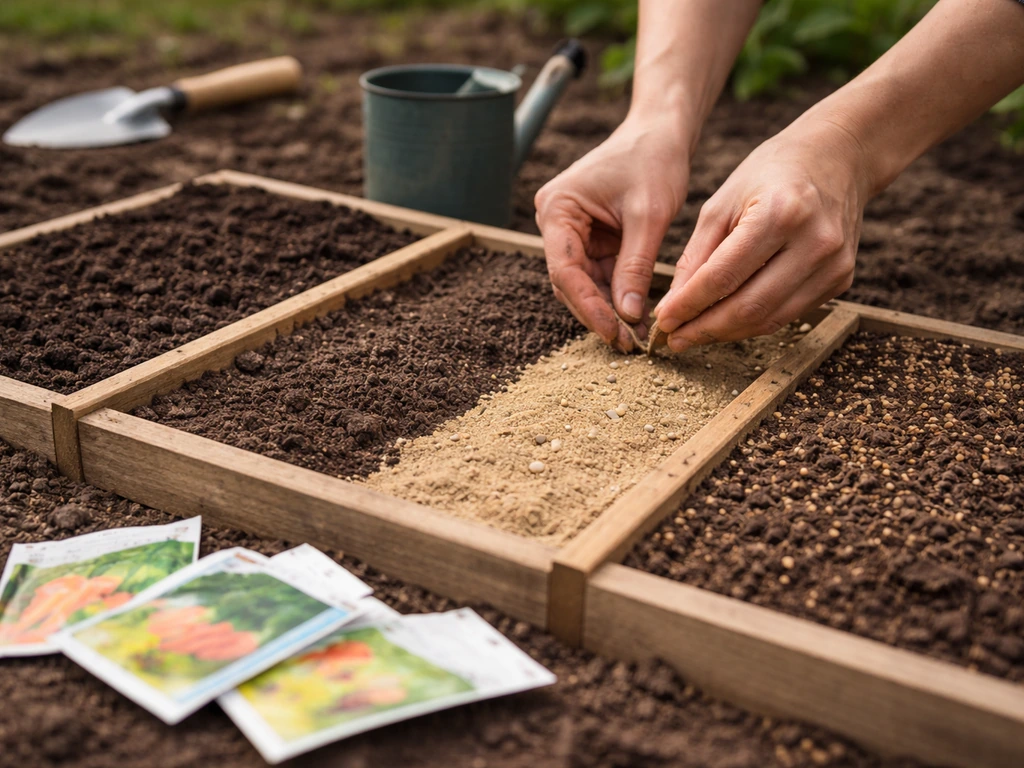
Early cultivators tried things and observed results. They planted seeds in different soils, at different times, and near different plants. Most experiments failed or produced nothing remarkable. A few produced noticeably better results, and those were remembered and repeated. The key insight here is that experimentation was not random. It was structured by the need to eat, which means failure had real consequences and success was memorable. That pressure produced very effective, if slow, learning.
Imitation and social transmission
Farming knowledge spread through communities by watching and copying. A group that saw neighbors producing reliable grain harvests had strong incentive to adopt similar practices. This social learning compressed the timeline dramatically. Instead of every person reinventing planting techniques from scratch, communities built on each other's successes. This is why agriculture appears to have spread from specific origin points outward, not erupted simultaneously everywhere at once.
Seasonal pattern recognition
Perhaps the most underrated form of early agricultural learning was simply paying attention to seasons. Foragers already tracked animal migrations and plant fruiting by season. Turning that attention toward cultivated plants meant noticing that seeds planted before the rains germinated better, that certain plants needed cold before they would sprout, and that harvesting too early meant poor yields the following year. This seasonal knowledge accumulated across generations and became the foundation of agricultural calendars used in every farming culture on earth.
Plant domestication basics: selection, seed saving, and gradual changes
Domestication is the process by which wild plants were transformed, over many generations of cultivation, into the crops we recognize today. It happened through a combination of conscious and unconscious selection, and the changes were surprisingly consistent across different crops and regions.
One of the clearest markers of domestication is the 'non-shattering' trait. Wild grasses evolved to shatter at maturity, flinging seeds away from the plant for dispersal. That is terrible for a farmer trying to harvest grain. Plants that held their seeds on the stalk were far easier to harvest, so cultivators naturally collected more seeds from those plants. Over generations, non-shattering plants dominated cultivated fields. Archaeological evidence from the Lower Yangtze Valley shows this happening with rice: ancient rice remains show the gradual development of non-shattering traits in the abscission layer, the connection point between seed and stalk. Similar patterns appear in wheat and barley from the Fertile Crescent, where domestication-linked changes included larger seed size, stiffer ear rachis (the stalk holding seeds to the head), and free-threshing forms that were easier to process. The same non-shattering shift also occurred in maize, where the wild ancestor teosinte drops its seeds freely, while domesticated maize holds kernels tightly on the cob.
Seed saving was the practical mechanism behind all of this. When you harvest your best plants and replant their seeds next season, you are doing exactly what early farmers did. You are selecting for the traits that matter to you: bigger seeds, better flavor, earlier maturity, disease resistance. Even without understanding genetics, early farmers were practicing selective breeding every single season. The improvements were slow by modern standards, taking hundreds or even thousands of growing seasons to produce dramatically different plants, but the direction was always toward more useful, more harvestable crops.
It is worth noting that these changes were not always intentional. Archaeobotanical evidence from the Fertile Crescent shows that sickle use (harvesting with bladed tools) increased significantly before morphological domestication traits fully appeared in the plant remains. People were relying heavily on cereals and harvesting them efficiently well before the plants had visibly changed. The selection pressure was real and consistent, but the visible results in the plants came later. This is 'unconscious selection', and it is just as powerful as deliberate breeding.
Tools, infrastructure, and land management
Early farmers did not just learn about plants. Using land to grow food crops is an example of how early people transformed their environment to meet their needs. They learned to reshape their physical environment to support crop growing, and that infrastructure was what allowed farming knowledge to stick and scale. To do that, you need to secure farmland that can be used to grow crops, with soil and water conditions suited to the plants you want.
Clearing and field preparation
The earliest cultivation happened in already-disturbed ground near camps and rivers. As communities committed more fully to farming, they began actively clearing land: cutting vegetation, burning scrub, and breaking soil with digging sticks and later hoes. Mayan farmers used similar hands-on tools for field clearing and preparation, including digging implements for planting and tending crops Mayan farmers used tools to grow their crops. The quality of that soil work directly determined yields. Early farmers learned that loose, turned soil produced better germination, that removing competing plants helped crops, and that burning released nutrients into the soil. In most farming systems, farmers do not kill animals simply to grow plants; instead, they rely on soil preparation, irrigation, and careful seed selection do farmers kill animals to grow plants. These are the same principles behind tilling and weeding in any modern garden.
Irrigation and water management
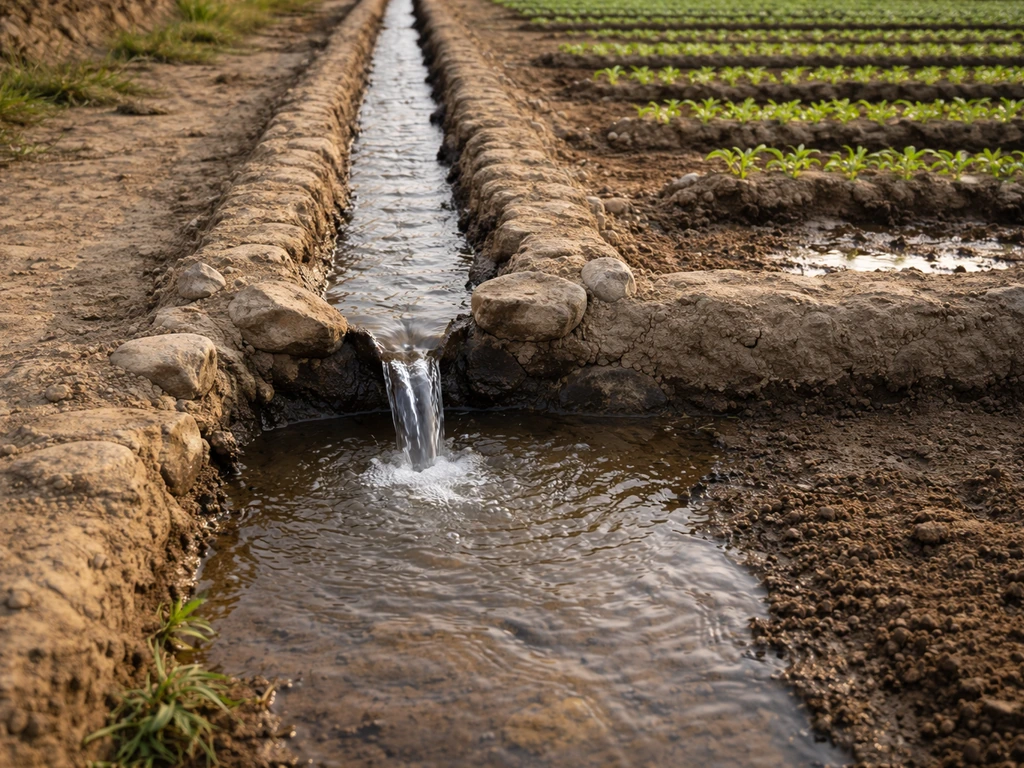
In drier regions, water management became critical quickly. Early farmers in Mesopotamia and the Indus Valley learned to divert river water into channels that fed their fields. In wetter climates, drainage mattered more than irrigation. The learning curve here was steep: poor water management meant crop failure, so communities that figured out reliable water delivery and drainage survived, and their techniques spread. The type of infrastructure needed varied enormously by climate, which is part of why different crops and farming systems emerged in different regions.
Storage: the linchpin of agricultural learning
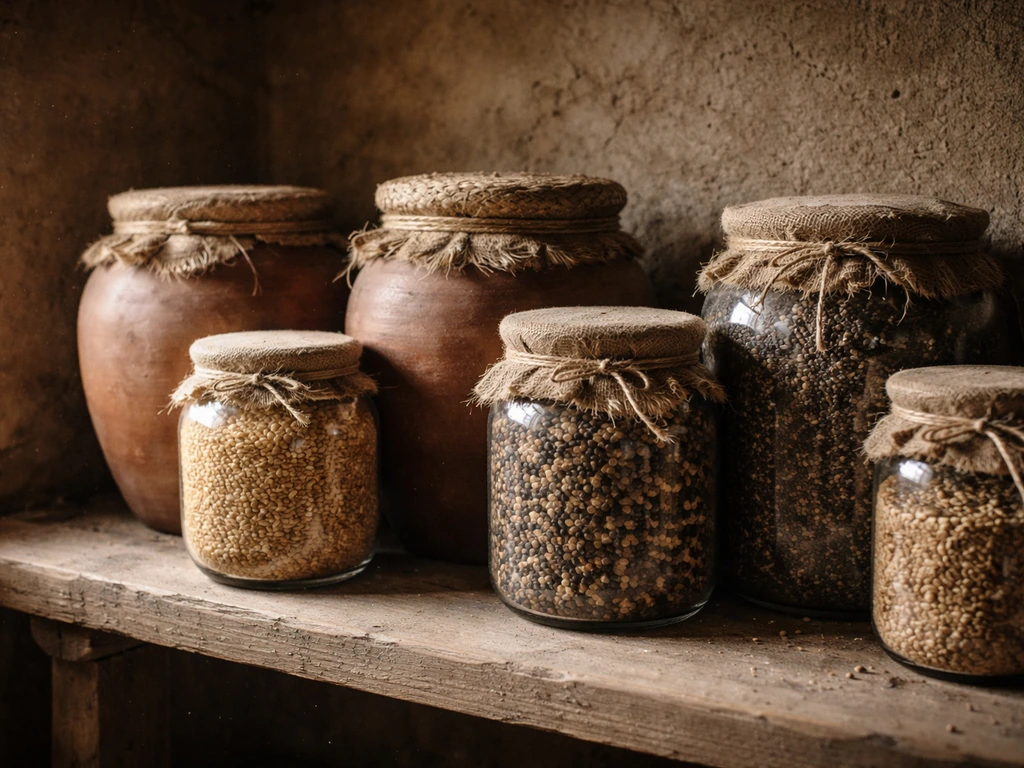
Storage technology is probably the most underappreciated factor in early agriculture. You cannot have seed saving without effective storage. Archaeological evidence from the Jordan Valley shows that food storage infrastructure, including small bins and larger silo-like structures, existed at least 11,000 years ago, before full domestication was even complete. This predomestication storage capacity made it possible to hold seed grain through winter, maintain a supply buffer against bad harvests, and deliberately select which seeds to replant. Without the ability to store seeds dry and safely, none of the selection and experimentation described above could accumulate into lasting improvement. Today, the same principle applies: seed-saving organizations note that seeds stored at around 40% relative humidity or lower retain viability far longer, making your own seed bank genuinely achievable at home.
Where different crops took hold: regions, climates, and trial-and-error
Agriculture did not come from one place. It emerged independently in multiple regions, each driven by local climate, available wild plants, and the specific pressures those communities faced. Understanding where different crops originated explains a lot about which crops grow best in which conditions today.
| Region | Key Crops | Approximate Start | Key Driver |
|---|---|---|---|
| Fertile Crescent (Near East) | Wheat, barley, lentils | ~10,000–12,000 years ago | Reliable winter rains, dense wild cereal stands |
| Lower Yangtze Valley (China) | Rice | ~10,000–12,000 years ago | Wetland ecology, Holocene climate shift |
| Highland Mexico | Maize, squash, beans | ~9,000–11,000 years ago | Seasonal rainfall, diverse wild plant resources |
| Saharan Africa (Egypt/Sudan) | Sorghum, millet | ~8,000 years ago | Savanna grasses, monsoon seasonality |
In the Fertile Crescent, dense stands of wild wheat and barley made harvesting with early tools like sickles practical even before full domestication. The region's seasonal rainfall pattern (wet winters, dry summers) naturally selected for annual grasses with hard seeds that stored well through summer. Those same traits made wheat and barley excellent storage crops. In highland Mexico, maize descended from teosinte, a wild grass with tiny, shattering seed clusters bearing almost no resemblance to a modern corn cob. AMS radiocarbon dates from Guilá Naquitz Cave place early domesticated maize in the Mexican highlands at roughly 8,990 to 6,980 radiocarbon years before present, with squash appearing even earlier. In East Africa, carbonized seeds of sorghum and millets from a site in southernmost Egypt date to around 8,000 years ago, showing that Saharan communities were exploiting and likely cultivating local grasses adapted to hot, variable rainfall conditions well before that region dried into the desert it is today.
The practical takeaway for modern home gardeners is real: the crops that domesticated in your climate's analog are usually the easiest to grow there. Wheat and cool-season vegetables descended from Fertile Crescent origins tend to thrive in cool, dry spring and fall conditions. Rice wants wet heat. Corn, beans, and squash (the classic Three Sisters planting) are warm-season crops evolved for hot summers with reliable rain or irrigation. Matching your crop choices to their evolutionary origins is not just historical trivia. It is practical planting logic.
How home gardeners can apply the lesson today
The most useful thing about the history of agriculture is that it was not accomplished by experts with special equipment. It was done by ordinary people paying close attention, making incremental improvements, and passing knowledge along. You can use the exact same framework in your garden starting this season.
Build your own seasonal knowledge base
The single best thing you can do as a new or intermediate grower is keep a garden journal. Write down your last frost date, first frost date, planting dates, germination dates, and harvest dates for every crop. University of Minnesota Extension (and most cooperative extension programs) advise using local frost dates as anchors for your planting calendar: wait until after your last frost date for warm-season crops like tomatoes, squash, and beans, and count backward from your first fall frost for fall plantings. After two or three seasons of recorded data, you will have a personalized seasonal map that no general planting guide can match.
Run small, deliberate trials
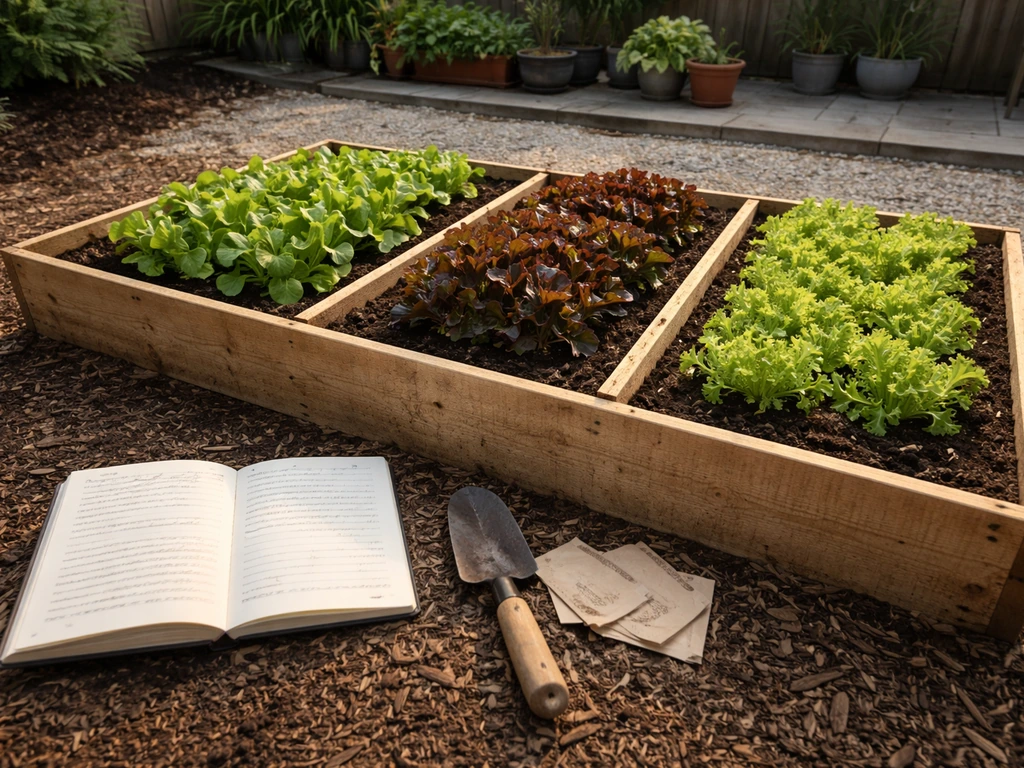
Early farmers tried different spots, different timings, and different plants simultaneously. You can do the same on a small scale. Plant two or three varieties of the same crop side by side and note which performs better in your soil and climate. Try the same variety in a slightly different location in your garden. Plant one bed two weeks earlier than another and see which produces faster. These small, structured comparisons are far more useful than reading generalized advice, because they generate data specific to your conditions.
Start saving seed from your best plants
This is the direct modern equivalent of early domestication. Let your healthiest, most productive plants go to full seed maturity before harvesting their seeds. Save seeds from the plants that performed best in your specific conditions: the tomato that ripened earliest, the bean that produced the most pods in your hot dry summer, the lettuce that bolted slowest. Store those seeds dry (aiming for around 40% relative humidity or below) in sealed containers in a cool location. After several seasons of selecting and replanting the best performers, you will have varieties genuinely adapted to your garden. That is exactly how domestication worked, just on a faster timeline with more intentional selection.
Invest in your soil and basic infrastructure first
Early farmers did not start with perfect soil. They started with disturbed ground and improved it over years by adding organic matter, managing water, and reducing competition from weeds. Cover crops are one practical way farmers protect soil between cash crops. Animals can also help farmers by providing services like soil fertilization and natural pest control, which improves crop growth over time animals help farmers. Do the same. Before worrying about exotic varieties or complex techniques, get your soil right: add compost, improve drainage if needed, and clear a defined growing area from persistent weeds. These basics determine 80% of your results. Good seeds in bad soil consistently underperform average seeds in good soil.
Your practical learning plan, season by season
- Season 1: Grow three to five crops you actually want to eat. Keep a simple journal noting planting dates, weather notes, and harvest results. Do not try to optimize yet; just collect baseline data.
- Season 2: Pick the one or two crops that performed best and run simple side-by-side variety trials. Start saving seeds from your standout plants. Improve your soil with compost based on what you observed.
- Season 3: Refine your planting calendar using two full seasons of your own frost and growth data. Begin isolating your best-performing saved-seed varieties. Try one new crop from the list of what historically thrives in your climate analog.
- Season 4 and beyond: Iterate. Your saved seeds are now one to three generations adapted to your conditions. Scale up what works, drop what consistently underperforms, and keep expanding your seasonal knowledge base.
The farmers who built agriculture over thousands of years did not have books or extension offices. They had observation, patience, and the willingness to try again next season. You have all of that plus the accumulated knowledge of every agricultural tradition that came before you. That is a genuinely powerful starting point.
FAQ
How did humans figure out which wild plants were worth cultivating, without knowing they would domesticate them?
They relied on repeated opportunities near camps and water, then “graduated” plants that reliably produced edible yields year after year. A practical clue is taste and harvest timing, if a plant repeatedly gives usable food when planted or encouraged to regrow, it becomes a candidate for deeper selection.
Did early agriculture require permanent farming right away?
Not necessarily. People often began with semi-sedentary cycles, returning seasonally to the same disturbed patches. Permanent fields became more likely after storage and seed saving reduced the risk of a bad year.
What was the biggest learning bottleneck, plant care or seed preservation?
Seed preservation was often the limiting step. Without keeping seed viable through the off-season, experiment results could not carry forward, and “best performers” could not become the next generation’s starting point.
Why did early farmers sometimes harvest effectively before the plants clearly changed?
Because selection pressure acted first on outcomes like easier harvesting and better yield, while visible morphological domestication lagged. Tools and harvesting practices can create strong survival and reproduction advantages even before the plant’s form looks “domesticated.”
How did early cultivators learn water management if rainfall patterns varied?
By observing field outcomes and adjusting placement, timing, and drainage or diversion methods season by season. A common mistake is copying irrigation timing without checking drainage, since waterlogging and under-application can both look like “drought failure” from a distance.
How did they avoid losing all the seed during experiments or bad harvests?
They used buffering through storage and by keeping multiple sources of seed rather than betting everything on one lot. In a modern backyard version, keep seed from more than one bed or variety so a single failure does not erase your learning data.
When people say agriculture spread outward from origin points, what actually traveled?
Not just crops, but cultivation routines tied to local seasons, soil conditions, and water access. That is why the same crop can require different practices elsewhere, because the “package” includes timing, land preparation, and harvesting workflows.
Is domestication always intentional, or can it happen by accident?
Both happened. Unconscious selection occurs when people repeatedly harvest and replant in ways that favor certain traits, even if they never set out to “breed.” The edge case is when harvesting is selective by habit, not by design, which still drives trait change over generations.
How can a home gardener apply the same learning process without “knowing genetics”?
Run structured comparisons (variety, location, and planting date) and then save seed only from the best performers in your conditions. The key decision aid is to define what “best” means for you (earliness, yield, disease tolerance, flavor), because saving seed encodes your priorities.
What should I track in a garden journal if I do not know local frost dates well?
Track effective timing indicators, like soil temperature at planting, first germination date, and days to first harvest. Frost dates help anchor calendars, but emergence and harvest timing often predict success better when microclimates (containers, slopes, shade) shift temperatures.
How dry is “dry enough” for seed storage in a home setup?
Aim for low humidity storage (around 40% relative humidity or below as a practical target) and use sealed containers to stabilize conditions. A frequent mistake is storing in damp garages or unsealed bags, which can cut viability even if the seed “looks fine.”
Do “non-shattering” and other domestication traits matter to backyard crops today?
They can, especially for seed saving. If a plant drops seeds before you harvest, you will lose your selection material, even if the plant yields well. Choose varieties that hold seed for the amount of time you can reliably harvest, or adapt harvest timing and containment.
If I improve soil with compost and cover crops, will that substitute for selective saving?
It helps, but it does not replace selection. Soil improvements raise baseline performance, yet domestication-style adaptation comes from repeatedly replanting seed from the plants that succeed under your specific conditions. Think of soil work as raising the ceiling, and seed saving as steering the direction.
How do I choose whether to plant cool-season or warm-season crops based on history-like “origins”?
Use your climate’s growing season constraints as the modern proxy for historical origins: cool-season crops fit cool, consistent spring and fall windows, warm-season crops fit hot-summer biology and frost-free conditions. The practical guardrail is to start from days-to-maturity and your first fall frost, not just the crop label.
Next Article
Using Land to Grow Food Crops Is an Example of Agriculture
Using land to grow food crops is agriculture, turning available land into edible harvests through cultivation.