Growing your own edible crops matters because it puts you in control: control over what you eat, what goes into your food, how much you spend, and how resilient your household is when store shelves run thin or prices spike. Even a modest backyard patch or a few containers of tomatoes and greens can meaningfully shift the balance in all four of those areas. The reasons stack up fast once you start.
Why Is It Important to Grow Crops at Home
Marcus Hendrick
28 May 2026
Food security and resilience at home
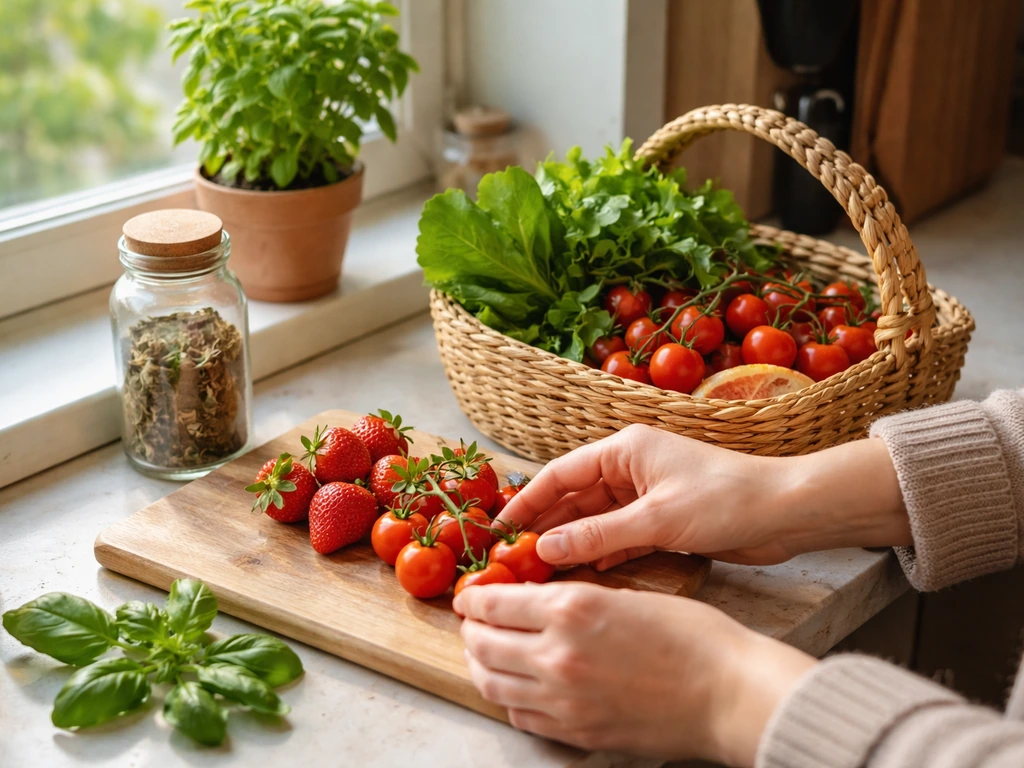
One of the most compelling reasons to grow food crops is simple: you have something to eat even when supply chains don't cooperate. Research backed by the FAO has documented that home gardens improve household food access and dietary diversity, largely because you can harvest at short intervals and keep harvesting through periods of economic stress or shortages. That isn't hypothetical. Studies of home garden interventions in crisis-affected communities consistently show improved food access and broader resilience, including economic stabilization for vulnerable households.
Historically, people have turned to home food production whenever times got hard. Archaeology and historical research suggest that early farmers began by growing staple crops suited to their region, which helps answer what did the first farmers grow. The victory gardens of World War II are a well-known example of that instinct in action, but the pattern appears across cultures and eras. The practical lesson is the same every time: households that grow at least some of their own food weather disruptions better than those that don't. You don't need a homestead to get that benefit. Even a small, well-chosen garden adds a meaningful layer of resilience that buying power alone can't replicate.
A few honest caveats: scale, planning, and execution all matter. A garden that fails because of poor soil, bad crop selection, or inconsistent water doesn't build resilience. The goal is a productive garden, not just a symbolic one. That's why the 'how' matters as much as the 'why,' and why starting with the right crops for your climate and conditions is so important.
Health and nutrition benefits
Growing your own crops gives you more access to fresh vegetables and fruit, and that directly affects your health. A randomized controlled trial in Northeast Hungary found that participants in a home gardening intervention increased their daily vegetable and fruit intake measurably. A separate community gardening RCT with 243 participants reported increased vegetable intake and more seasonal eating from baseline through harvest. These aren't just survey opinions; they're controlled studies showing a real behavioral shift.
That shift matters more than it might sound. A large meta-analysis of prospective cohort studies found that each additional daily serving of vegetables is associated with about a 5% reduction in all-cause mortality risk. Each additional fruit serving shows a similar association. When you're harvesting from your own garden, getting an extra serving doesn't feel like a chore. It's just dinner.
Beyond the quantity of produce, there's the quality of what you're eating. Dietary fiber from fruits and vegetables feeds beneficial gut bacteria, supports short-chain fatty acid production, and shapes your microbiome in ways that connect to long-term health outcomes. When you're eating food harvested that day rather than food that sat in cold storage for two weeks, you're getting more of those compounds intact.
Cost savings and budget control
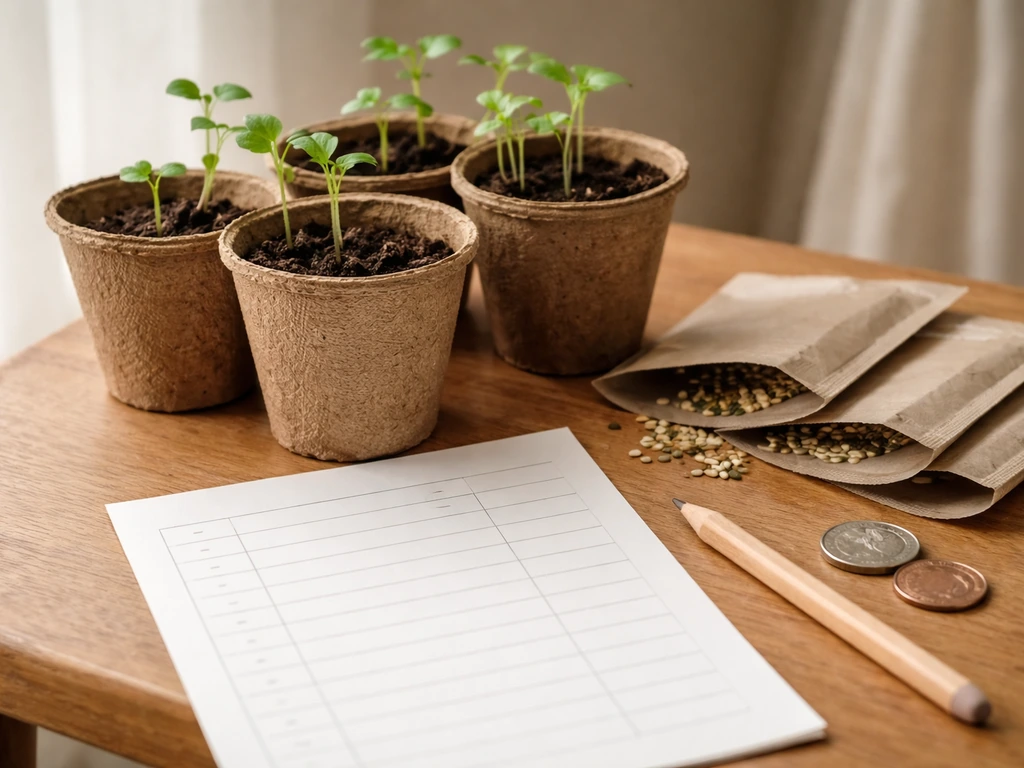
Home gardens can save real money, and the data is pretty clear on this. One analysis published in the Journal of Extension found that the average home vegetable garden produces about $677 worth of fruits and vegetables against average supply costs of around $238, not counting the gardener's time. That's a net gain of roughly $440 per year on materials alone. Your actual results will vary based on what you grow, where you live, and how productive your setup is, but the baseline economics work in your favor.
A few strategies tilt the numbers even further. Starting from seed instead of buying transplants is one of the highest-leverage moves: a single seed packet costing two or three dollars can produce dozens of plants. Focusing on high-value crops like tomatoes, peppers, salad greens, and herbs delivers more dollar-for-dollar return than growing staples you can buy cheaply in bulk. And once you have a productive plot, that average urban yield of around 1.43 kg per square meter gives you a rough benchmark for planning how much space you actually need.
The honest trade-off is labor. The economic analyses typically exclude the value of gardener time because it's highly variable. If you enjoy the work, that's not a cost at all. If your time is very constrained, factor that in when deciding on scale. Starting small and expanding keeps the time commitment manageable while you figure out what works in your specific situation.
Taste, freshness, and quality
Anyone who has eaten a tomato still warm from the vine and then compared it to a grocery store tomato that traveled a thousand miles understands this immediately. The difference isn't just subjective. Nutrients like vitamin C begin degrading within days of harvest, even under refrigeration. Aroma compounds, the volatile chemicals responsible for flavor, shift during postharvest storage and change how food tastes. Research on tomato aroma volatiles specifically confirms that storage conditions after picking directly affect the flavor profile you experience when eating.
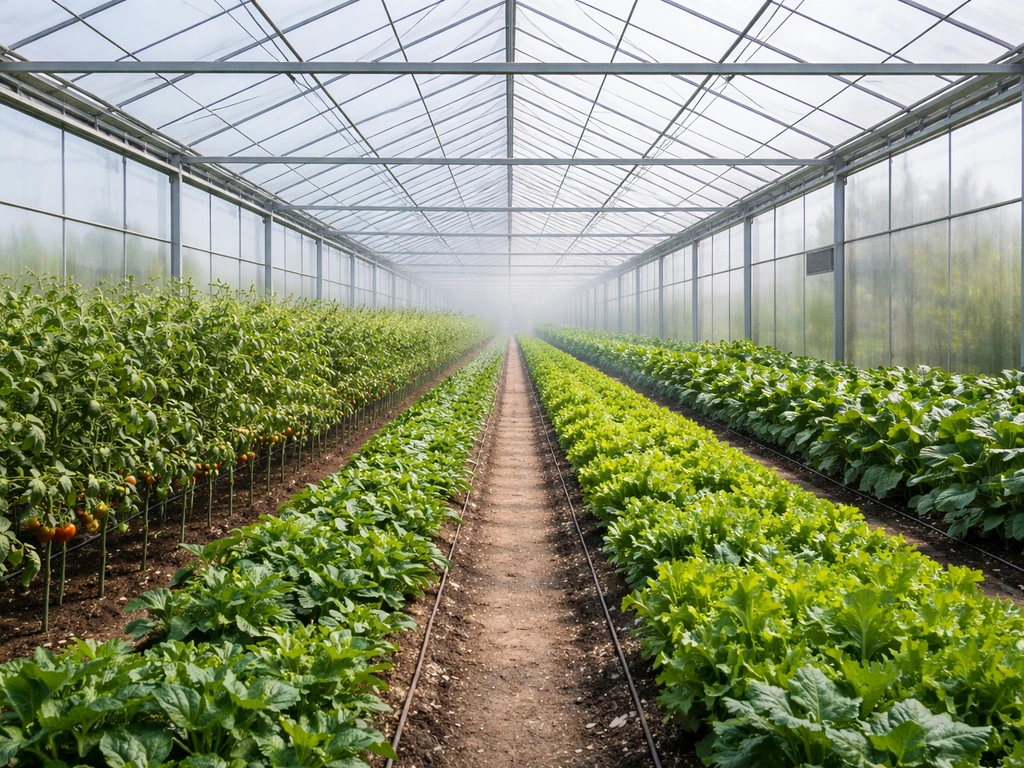
When you grow your own crops, harvest-to-table time is measured in hours or minutes, not days or weeks. That's the quality gap that no amount of careful refrigeration at a distribution center can fully close. It's also one of the reasons that people who start growing even a small amount of their own food often describe it as changing how they think about what food is supposed to taste like. Chengi grew vegetables to build food resilience, improve freshness, and get more hands-on control over what his household eats why did chengi grow vegetables. Greenhouses can help control temperature and extend the growing season, which is why farmers use them to grow plants more consistently.
Sustainability and soil/ecosystem benefits
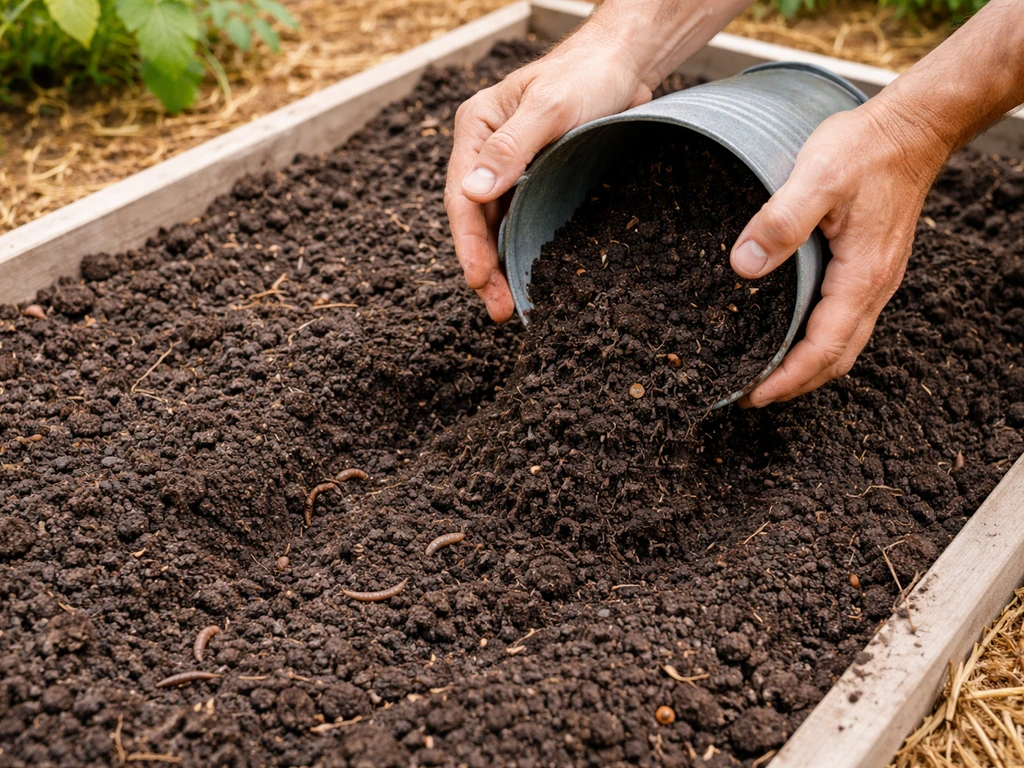
Growing food crops at home connects you to a set of sustainability practices that have real measurable effects. Composting kitchen and garden waste rather than sending it to the landfill, for example, can reduce greenhouse gas emissions by around 78% compared to landfilling that same material, according to EPA data. Applying compost to your garden also increases soil organic matter and improves water retention, which makes your soil more resilient to both heavy rain and dry spells.
Companion planting and crop diversity bring their own benefits. Growing multiple plant species together disrupts pest populations by making it harder for insects to locate host plants, and it supports beneficial predator insects that suppress pests naturally. University of Delaware Extension research on companion planting confirms that adding diversity to the garden increases biological diversity and improves pest management outcomes. This is the kind of thing that commercial monoculture farming genuinely cannot replicate at scale, but you can do it easily in a backyard or even a container setup.
There's also a broader lifestyle dimension. Research published in BMC Public Health examined whether community garden participation was associated with more sustainable lifestyle outcomes overall, finding links between gardening and wider sustainable behaviors. Growing food at home tends to make people more attentive to where food comes from, how resources are used, and what kind of food system they want to be part of.
Learning skills and building self-sufficiency
Growing food teaches you things that are genuinely hard to learn any other way: how to read soil, how to recognize a plant under stress, how to time a harvest, how to plan successions so you're not drowning in zucchini one week and out of greens the next. These are practical skills that compound over seasons. Every mistake teaches you something you can apply next year.
A qualitative study of campus community garden participants found that people described developing real empowerment, confidence, and a sense of self-sufficiency through caring for a garden and building practical growing knowledge. That tracks with my own experience and what I hear from home gardeners consistently: there's a specific kind of confidence that comes from knowing you can produce your own food. It changes how you think about what you're capable of.
This is especially relevant for families who want to pass something durable on to children, or for anyone interested in self-sufficient living at any scale. The skills transfer across contexts. Understanding soil health, water management, seed selection, and plant biology applies whether you're growing in containers on a balcony or managing a larger homestead operation.
How to start growing crops today
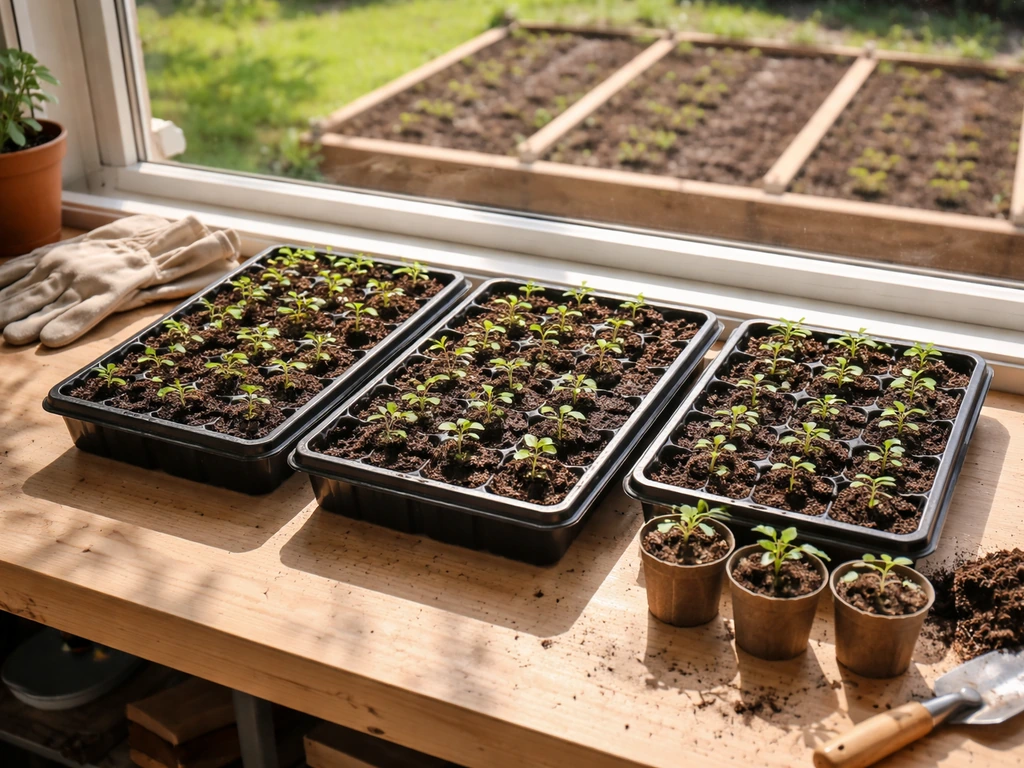
The most common mistake is trying to do too much at once. Start small, get one area working well, and expand from there. Here's a practical sequence for getting started right now. If you're wondering why farmers grow many fruits and vegetables in greenhouse setups, it often comes down to controlling temperature, light, and growing conditions year-round right now.
Pick the right crops for your conditions
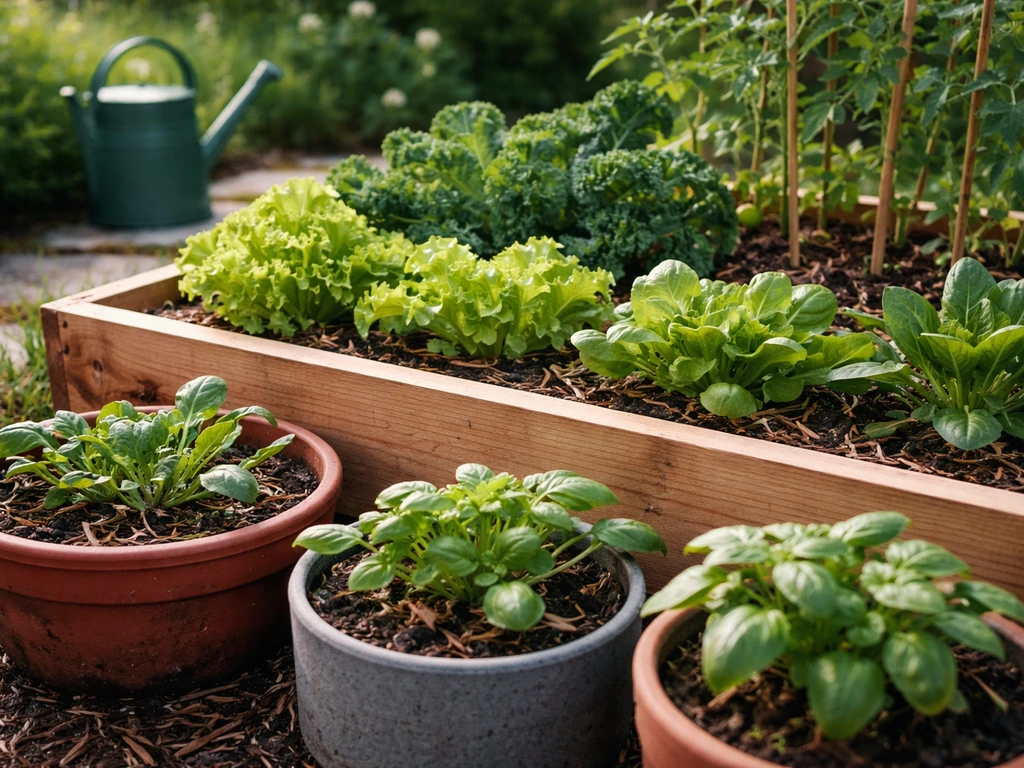
Match your crop selection to your climate zone, available sunlight, and space. In general, leafy greens (lettuce, spinach, kale), herbs (basil, parsley, chives), and fast-maturing vegetables (radishes, bush beans, cherry tomatoes) are reliable, high-value starting points for most home gardeners. If you're wondering why farmers grow gourds, it helps to look at both their uses and why they tend to do well in many growing conditions why do farmers grow gourds. People also grow gourds for similar reasons, including getting dependable yields and using the plants in cooking, drying, or crafts why do people grow gourds. They produce quickly, give you early wins, and deliver strong return on investment relative to their footprint. What works in zone 5 Minnesota looks different from what works in zone 9 California, so use your local extension service as a resource for region-specific variety recommendations.
Test and prepare your soil first
Soil is everything. Penn State Extension, UNH Extension, and UMN Extension all recommend soil testing before you plant, and I'd second that strongly. A basic soil test costs $15 to $25 through most state extension labs and tells you your pH and major nutrient levels (nitrogen, phosphorus, potassium). From there you can add lime to raise pH, sulfur to lower it, and compost or organic fertilizer to address nutrient gaps. Skipping this step is one of the most common reasons first-season gardens underperform.
Start seeds or transplants based on your timeline
If you're past the last frost date in your area (which, depending on your zone, means somewhere between March and late May), you can direct sow many crops now or buy transplants from a local nursery for a faster start. Starting from seed is cheaper and gives you more variety options, but transplants let you skip 4 to 6 weeks of indoor growing time. For this season, a mix of both is practical: buy tomato and pepper transplants, direct sow beans, greens, and root vegetables.
Water consistently and simply
UMN Extension's guidance on vegetable garden irrigation puts it well: low and slow watering lets moisture soak into the soil where roots can actually access it, rather than running off the surface. Drip irrigation or soaker hoses are the most efficient option. If you're hand-watering, water at the base of plants in the morning, not from overhead in the evening, which promotes fungal disease. Most vegetable crops need about 1 inch of water per week from rain or irrigation combined.
A simple first-season plan
- Choose a spot with at least 6 to 8 hours of direct sun daily.
- Get a basic soil test and amend based on the results before planting.
- Start with 4 to 6 crop types maximum so you can manage them well.
- Focus on high-value crops: tomatoes, peppers, salad greens, herbs, or beans.
- Plant seeds or transplants at the right spacing (follow packet directions, crowding is a common mistake).
- Water consistently, mulch around plants to hold moisture and suppress weeds.
- Keep a simple notebook: what you planted, when, and what the results looked like. That record is worth more than any gardening book in year two.
Growing crops at home isn't complicated, but it does reward attention and consistency. The first season is mostly about learning your space and building the habit. By the second season you'll have real data from your own garden, and by the third you'll have a system. Every experienced grower started exactly where you are now.
FAQ
If I only have a balcony or a few containers, is it still worth growing crops at home?
Yes. Containers let you capture many benefits the article mentions, especially freshness and better control over what you eat. For best results, prioritize compact, fast producers (salad greens, herbs, cherry tomatoes) and ensure each pot has adequate drainage plus a consistent watering routine, because container soil dries out much faster than garden beds.
What if my goal is “fresh food,” but I do not want a big time commitment?
Start with crops that harvest repeatedly and in short windows, like cut-and-come-again lettuce, spinach, arugula, radishes, and herbs. Plan for succession planting so you are not overwhelmed all at once. Also, batch your work by watering and weeding at a predictable time each week, rather than trying to do everything daily.
Is growing crops at home really “cheaper,” once I include fertilizer, soil, and tools?
Materials can still be favorable, but the article’s economic comparison excludes your labor time and may not include one-time setup costs. To estimate your real break-even, track what you spend in a season (soil amendments, seeds, potting mix, containers, water access). If you already own tools and reuse containers, your net savings typically improve after the first year.
Why do beginners often fail to grow enough, even when they pick the “right” vegetables?
Most shortfalls come from water and spacing, not from the plant choice itself. Overcrowding reduces airflow and yields, and inconsistent watering causes stunting or bitter produce. Use the recommended spacing for the specific variety, and aim for steady moisture (drip or soaker hoses help a lot) so roots can access water instead of it running off.
Should I use compost, store-bought fertilizer, or both?
A soil test helps you decide. If your test shows nutrient gaps, compost can improve soil structure and gradually add nutrients, while targeted fertilizers can correct deficiencies faster. A common approach is to amend soil with compost before planting, then use a light, periodic feeding only if growth indicates the soil nutrients are still insufficient.
When is it better to direct sow versus buying transplants?
Direct sowing works best for crops that handle transplanting poorly or have short growth cycles, like radishes, bush beans, and many greens. Transplants are useful for longer-season plants (tomatoes, peppers) when you want earlier harvests and less time spent managing indoor seedlings. The most practical plan is often mixed, as the article suggests.
How can I reduce pests without switching to heavy chemicals?
Use prevention first: diversify plant types, include companion plants, and remove visibly damaged leaves early. Physical controls like row covers can protect seedlings before pests establish. Also, avoid over-fertilizing with nitrogen, which can make plants more attractive to some pests and increase leafy growth that hides infestations.
Does growing crops at home help the environment if I am using tap water and buying some supplies?
It can, especially when you reduce landfill waste and improve soil health. Composting plant material lowers waste sent to landfills, and healthier soil retains water better during dry spells. If your water is limited, use drip or soaker irrigation, mulch to reduce evaporation, and group plants with similar water needs.
Is a greenhouse really necessary to get the benefits of growing crops?
No. Greenhouses mainly help you control temperature and extend seasons, which can increase consistency and harvest duration. If you skip a greenhouse, you can still improve results by following local frost dates, starting with reliable crops for your climate, and using simple season extensions like cold frames or row covers if needed.
What’s the quickest way to improve results in my second season?
Treat your first season as data collection. Record what failed, what pests showed up, which areas stayed wet or dried out, and which varieties performed. Then retune one variable at a time next year, typically by adjusting sunlight exposure, correcting spacing, improving watering consistency, and selecting varieties that match your specific microclimate.
Next Article
Why Do Farmers Grow Many Fruits and Vegetables in Greenhouses?
Learn why greenhouse farming boosts yields and quality by controlling climate, extending seasons, and reducing pests plu