People grow gourds for a surprisingly wide range of reasons: edible harvests early in the season, durable natural containers and tools after the fruit matures, seeds that store for years, and a crop that delivers real value from almost any warm garden plot with very little cash investment. Whether you want food on the table, a ladle that costs nothing, or a plant that produces abundantly in a small space, gourds have been answering those needs for human beings for at least 10,000 years.
Why Do People Grow Gourds: Practical Reasons and How-To

Marcus Hendrick
30 Apr 2026
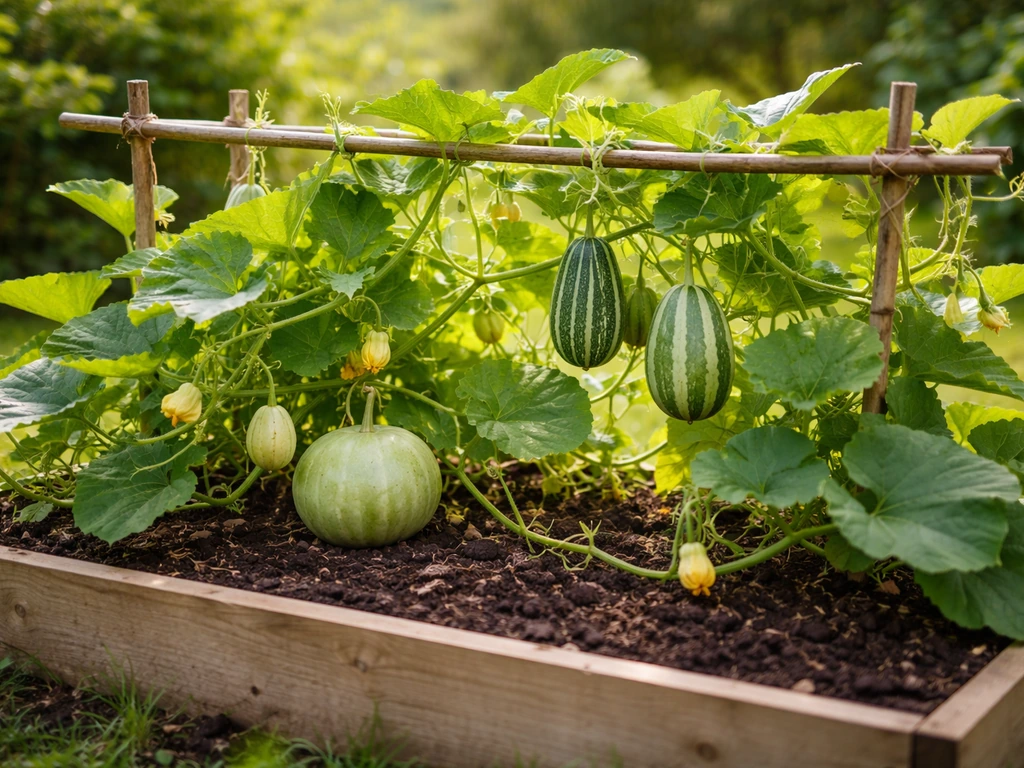
The main reasons people grow gourds
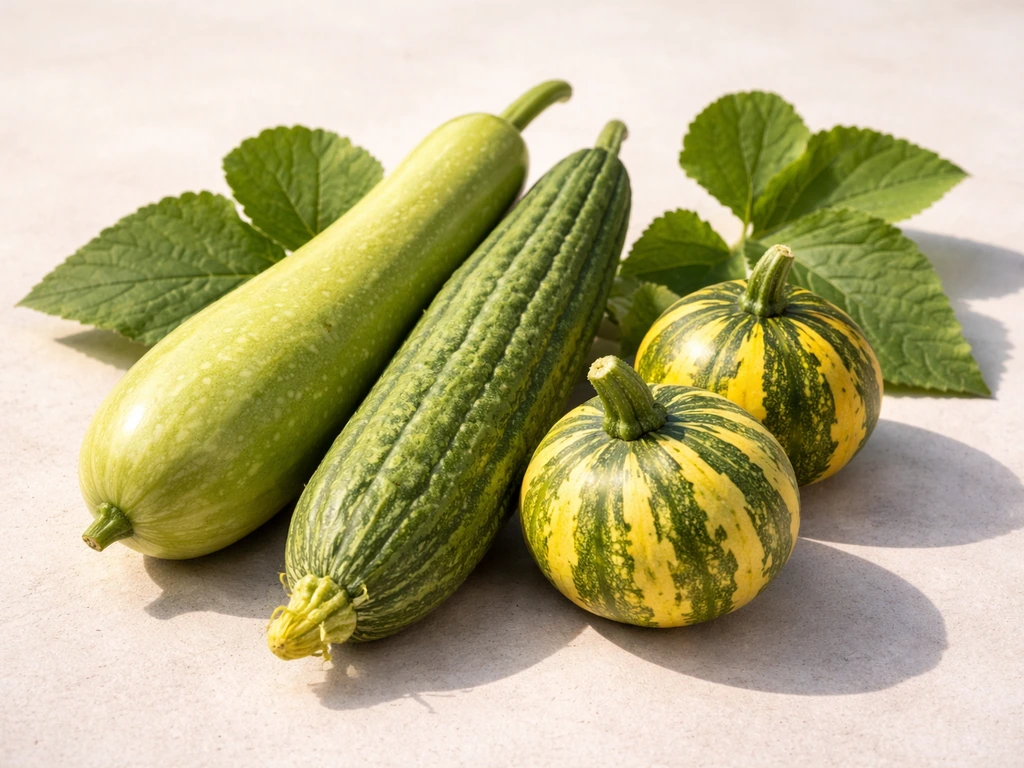
The short list of motivations really does cover a lot of ground. Food is the obvious starting point: many gourds, including bottle gourd (Lagenaria siceraria), luffa, and various Asian varieties, are eaten young before the skin hardens. But the reasons go well beyond the kitchen.
- Edible harvest: young fruits are cooked like zucchini or squash, and young leaves and tendrils are edible in many cultures
- Natural containers and tools: mature dried gourds become water bottles, bowls, ladles, and storage vessels without any manufacturing cost
- Seeds for replanting: gourd seeds remain viable for years, giving you a self-renewing seed supply season after season
- Craft and cultural uses: musical instruments, decorations, birdhouses, and ceremonial objects have been made from gourds across virtually every warm-climate culture on Earth
- Food security and resilience: a single vine can produce dozens of fruits, and dried gourds store indefinitely, making them a long-shelf-life household asset
- Low input, high output: gourds thrive in heat with minimal fertilizer, making them one of the more economical crops for a home garden
The bottle gourd is probably the clearest example of why this crop stuck around. Researchers have documented its cultivation across Africa, Asia, the Americas, and Oceania over thousands of years, and Cornell's botanic garden describes it as 'an iconic cultural symbol' in West Africa, where it originated, used as vessels for food and water as well as in music and spiritual ceremonies. That kind of staying power doesn't happen unless a plant is genuinely useful.
How gourds fit a self-sufficiency mindset
If you're thinking about self-sufficiency, gourds deserve a serious look. They're one of the few crops that gives you overlapping utility across a full growing season and beyond. Early in the season, you're harvesting tender fruits for the table. By late summer, you're letting some fruits mature fully on the vine. By fall, you're drying them for containers, tools, or seed saving. One planting covers food, function, and future planting stock all at once. That helps explain why it is important to grow crop like gourds: you can rely on them for food, useful materials, and future planting stock.
There's also real historical weight here. During World War II, many families turned to victory gardens for similar reasons, trying to grow reliable food at home while reducing pressure on the food supply historical weight. Archaeologists believe bottle gourd may have been one of the first plants humans cultivated deliberately, predating pottery, specifically because a mature dried gourd is a ready-made waterproof container. So what did the first farmers grow? Bottle gourds are one likely early crop first plants humans cultivated deliberately. Fruits with viable seeds even survived long ocean voyages, which is part of how the crop spread across the Pacific. That resilience and portability is part of what makes gourds such a logical fit for anyone building a more self-reliant household today.
Farmers who grow gourds commercially face some of the same decisions home gardeners do, weighing whether to grow primarily for food markets or for the dried-gourd craft trade. The motivations at the homestead scale overlap a lot with both, and that's actually an advantage: you're not locked into one use case before the season starts.
Food uses vs. non-food uses: what you actually get from a gourd
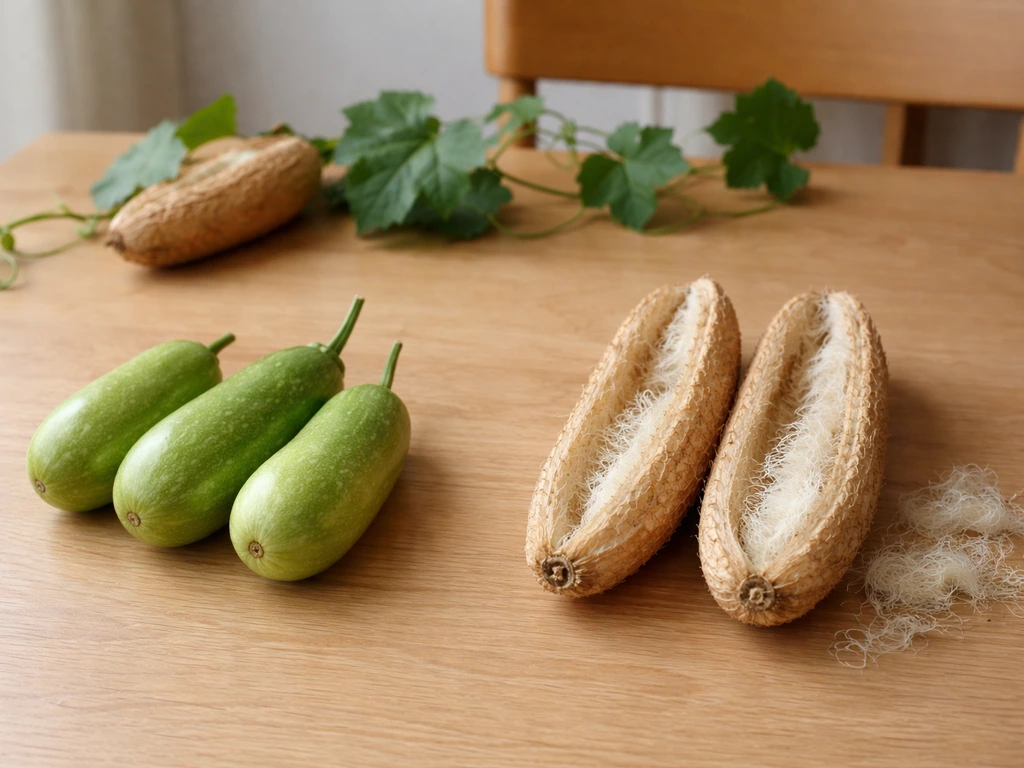
The line between edible and non-edible gourds is mostly a matter of timing and variety. Here's how the two categories stack up practically.
| Use Category | Gourd Types | What You Harvest | When to Harvest |
|---|---|---|---|
| Edible (immature fruit) | Bottle gourd, luffa, bitter melon, calabash | Tender flesh eaten like squash or zucchini | 6–8 inches long, skin still soft |
| Edible (seeds) | Most gourd species | Roasted seeds as a snack or cooking ingredient | At full maturity when dried |
| Edible (greens) | Bottle gourd, luffa | Young leaves and shoot tips cooked as greens | Throughout the growing season |
| Natural containers/tools | Bottle gourd, dipper gourd, hard-shell varieties | Dried shell used as bowls, ladles, water vessels | After full maturation and several months of drying |
| Luffa sponge | Luffa aegyptiaca / cylindrica | Fibrous interior used as scrubber or filter material | After fruit matures and skin is removed |
| Birdhouses and crafts | Large hard-shell varieties, bottle gourd | Dried whole gourd shaped or carved | After 6+ months of drying |
One thing worth knowing: if you want to harvest both food and containers from the same vine, you can. Pick some fruits young for eating and leave others on the vine to fully harden. A single healthy bottle gourd vine can easily produce 10 to 20 fruits in a season, so there's plenty to go around.
The economics and resilience case for growing gourds
Gourds are one of the better bang-for-your-buck crops in a home garden. A single packet of bottle gourd seeds costs roughly $2 to $4 and contains 15 to 25 seeds. Each plant, given a fence or trellis to climb, can produce 10 to 30 fruits depending on the variety, your climate, and growing conditions. That's a lot of output from a very small seed investment.
The storage advantage is genuinely significant if you're thinking about food security. Fresh immature gourds last about a week in the fridge, which is typical for summer vegetables. But fully cured hard-shell gourds last for years when kept dry. The seeds inside remain viable for 4 to 6 years under good storage conditions. Johnny’s Selected Seeds explains that seed storage life depends on initial viability and storage conditions, noting that many common crops can remain viable for multiple years when stored cool and dry with low temperature and low humidity seed viability for 4 to 6 years under good storage conditions. This means a single good season can set you up with planting stock and functional containers well into the future, no inputs required after harvest.
There's also a yield-per-square-foot argument. Gourds are vining plants that grow vertically given support, so they can produce a lot of food and material from a narrow bed along a fence line. A 10-foot fence section can support two or three plants easily. If you're working with a small garden, that kind of vertical productivity matters.
- Seed cost: $2–$4 per packet (15–25 seeds)
- Expected yield per plant: 10–30 fruits depending on variety and conditions
- Fresh storage: about 1 week refrigerated for immature edible fruits
- Dried gourd storage: indefinite when kept in a dry, ventilated space
- Seed viability in storage: 4–6 years under cool, dry conditions
- Space requirement: vines can be trained vertically, needing as little as 2–3 feet of bed width
How to start growing gourds today
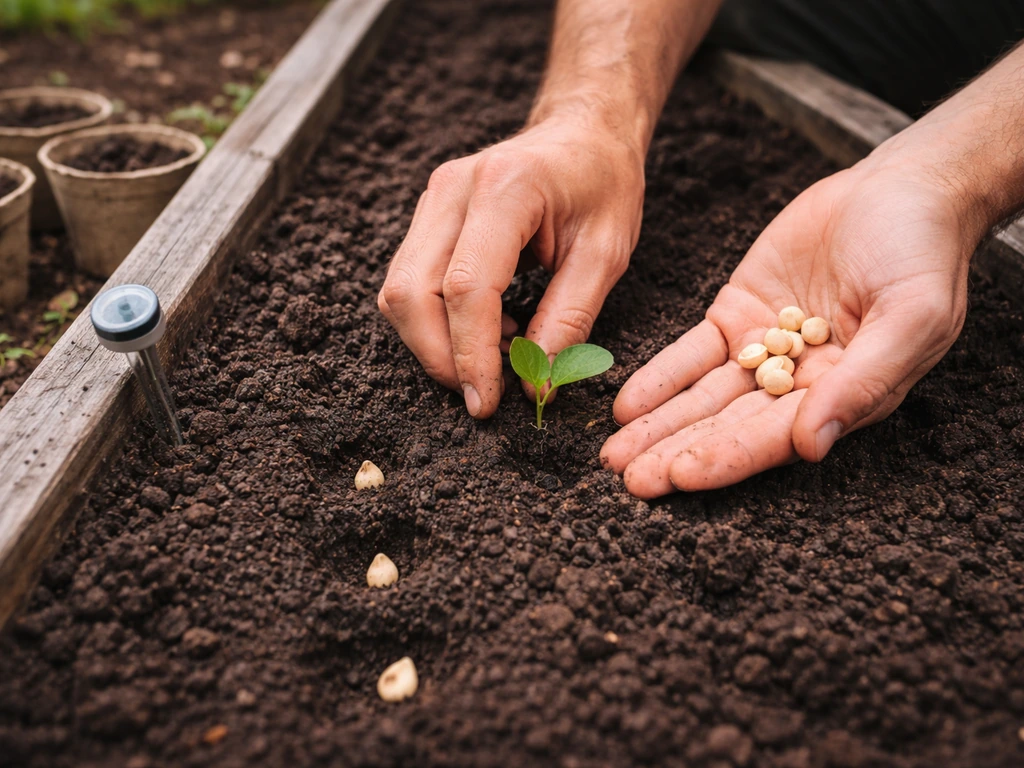
If you want to grow gourds this season, the decisions you need to make right now are: which type, where to plant, and when to start seeds. Here's the practical version.
Choose your gourd based on your goal
| Your Goal | Best Gourd Type | Notes |
|---|---|---|
| Edible vegetable harvest | Bottle gourd, luffa, bitter melon | Harvest young; all three are common in Asian and African cooking |
| Natural sponges and scrubbers | Luffa (Luffa aegyptiaca or L. cylindrica) | Needs a long, warm season; start indoors in zones 6 and below |
| Durable containers and tools | Bottle gourd, dipper gourd, hard-shell calabash | Allow full maturation on vine; cure for 6+ months after harvest |
| Birdhouses (bluebirds, wrens, purple martins) | Bottle gourd (large round varieties) | Must be cured fully dry before hanging; birds begin scouting early spring |
| Seed saving for resilience | Any open-pollinated variety | Let one or two fruits fully mature; save and dry seeds before storing |
| Crafts and decorations | Ornamental mixed varieties | Choose 'hard-shell' mixes; thin-skinned ornamental gourds won't last |
Site and soil basics
Gourds want full sun, at least 6 to 8 hours per day, and they do not tolerate frost at all. Pick the warmest, sunniest spot you have. Soil should drain well; gourds hate sitting in wet feet, but they're not fussy about fertility. A soil pH between 6.0 and 7.0 is ideal. Work in a few inches of compost before planting and that's usually enough. If your soil is heavy clay, raise the bed or amend deeply, because waterlogged roots will kill the plant fast.
Plan for vertical space. Most gourd vines run 10 to 15 feet and will sprawl across the ground if you let them, which invites rot and pest problems. A sturdy trellis, fence, or arbor at least 6 feet tall is the better option. The fruits hang freely, which improves their shape and keeps them off damp soil.
Timing your planting
Gourds need warmth to germinate: soil temperature should be at least 65°F, ideally 70°F or above. For many farmers, greenhouses make that long warm growing window possible, which helps them consistently grow lots of fruit and vegetables even when outdoor conditions are too cool or short-season. In most of the US, that means direct sowing after your last frost date, or starting seeds indoors 3 to 4 weeks before your transplant date. Gourds don't love root disturbance, so if you start indoors, use biodegradable pots you can plant whole. In zones 9 and 10, you may be able to direct sow as early as March. In zones 5 and 6, you're usually looking at mid-May to early June for safe outdoor planting.
One important timing note for hard-shell gourds: they need a long season. Farmers also use greenhouses to start crops earlier and protect plants from cold, so they can hit long growth timelines like this without losing the harvest. Bottle gourds and other hard-shell varieties take 80 to 120 days to mature on the vine, then months more to cure. If you want dried containers by winter, count backward from your first fall frost and make sure you're starting early enough to get the full maturation window. In short-season climates (zones 5 and 6), this is the biggest challenge with gourds for non-food use. Starting seeds indoors in April can make the difference. University of Minnesota Extension also notes that hard-shell gourds can require long-season timing, including starting indoors to get plants established blank" rel="noopener noreferrer">Starting seeds indoors in April can make the difference..
Quick-start checklist
- Decide on your primary goal: food, containers, luffa sponges, or birdhouses. This determines which species to buy.
- Source open-pollinated seeds so you can save your own for future seasons.
- Pick the sunniest, best-draining spot in your garden and amend with compost.
- Set up a trellis or fence before planting; retrofitting support around an established vine is frustrating.
- In zones 7 and warmer, direct sow after last frost when soil hits 65°F. In zones 6 and below, start indoors 3–4 weeks early in biodegradable pots.
- Water consistently during germination and early growth; once vines are established, gourds are fairly drought-tolerant.
- For edible use, start harvesting young fruits at 6–8 inches. For containers or crafts, leave fruits on the vine until the stem turns brown and dry.
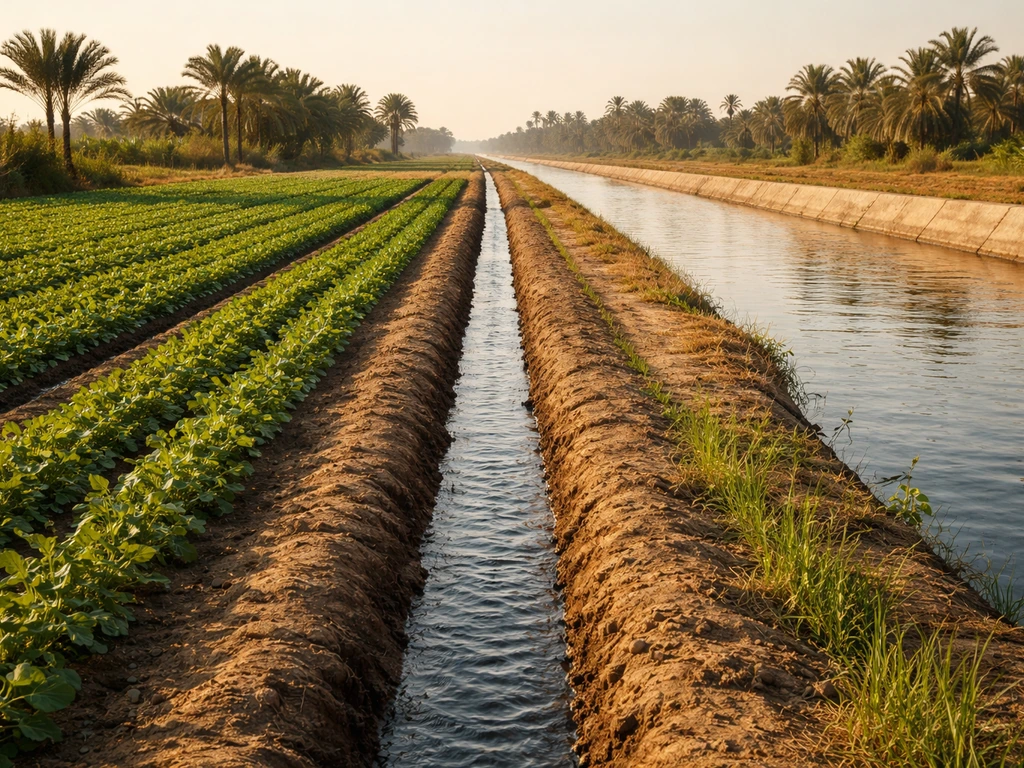
Gourds reward a bit of patience but are genuinely forgiving to grow. Even a first-time grower with a decent sunny fence and some compost can pull a real harvest. The fact that humans have been doing exactly this for 10,000 years, across every warm climate on the planet, is probably the best endorsement any garden crop can have. Chengi, for example, grew vegetables as part of a practical, self-reliant routine that fit the conditions in their garden Chengi grew vegetables. Historically, Egyptian farmers also relied on practical irrigation and careful timing to keep crops growing through the dry season.
FAQ
Which gourds are best if I grow them for food, not dried containers?
Choose varieties that are commonly eaten young, such as bottle gourd harvested early or luffa grown for tender green fruit. If your goal is edible harvests, prioritize fast-maturing types and plan picking on a frequent schedule, because hardening too long reduces tenderness even if the fruit still looks healthy.
Can I grow gourds for both eating and hard-shell containers on the same plant?
Yes. Eat some fruits while they are immature, then select a few other fruits and stop harvesting them until they fully harden. Use labels or ties to mark the “keeper” gourds so they are not accidentally picked too early.
How do I know when a hard-shell gourd is ready to cure?
Wait until the skin is fully hard and the color dulls, then stop watering the selected fruit as maturity approaches. If you can easily leave a fingernail mark, it is not ready yet. After curing, the gourd should feel light but solid, and seeds inside should rattle when dry.
Why do my gourds rot or mold on the vine even though they are warm?
Most rot comes from fruit sitting in damp conditions or airflow being blocked. Trellis vertically, keep fruits off wet soil, and avoid overcrowded vines. Also watch for rainy stretches, if nights stay cool and wet, increase spacing and remove leaves that trap humidity.
How many plants do I need if I want a few containers by winter?
Plan backward from your first fall frost and your variety’s maturation time. As a rule of thumb, save only a small number of fruits per vine for curing, because not every gourd will fully harden. If you need reliable containers, grow extra fruits beyond your minimum requirement to account for losses from pests or incomplete curing.
What is the biggest mistake when starting gourds indoors?
Root disturbance. If you start seeds indoors, transplant gently or use biodegradable pots so you can plant the whole root ball. Rough handling can cause transplant shock, which delays flowering and reduces the chance of reaching full maturity in short seasons.
Do gourds need a lot of fertilizer to produce well?
Usually not. They are more sensitive to drainage and warmth than to heavy feeding. Too much nitrogen can push leafy growth at the expense of fruit or make vines more prone to disease, so use compost at planting and only add light supplemental feeding if growth looks unusually pale or stunted.
How should I store cured gourds so they stay usable for years?
Cure fully until the stem area and skin are dry and firm, then store in a cool, dry place with good airflow. Avoid humid basements and sealed plastic bins, excess moisture can encourage mold. If you need to suspend gourds, use breathable twine or racks instead of wrapping them tightly.
How long do gourd seeds really stay viable, and what storage conditions matter?
Seeds typically remain viable for about 4 to 6 years if kept dry and cool. Store in an airtight container with minimal moisture, label with the harvest year, and keep away from temperature swings. If seeds look shriveled from dryness or stored in damp conditions, germination can drop fast.
Next Article
What Helped Egyptian Farmers Grow Crops During the Dry Season
How Nile-linked irrigation, stored water, and dry-season planting choices helped Egyptians grow crops, with modern steps