The first farmers didn't all grow the same things. It depended entirely on where they lived. In the Near East (the Fertile Crescent), they started with wheat, barley, lentils, peas, and chickpeas around 10,000 to 12,000 years ago. In East Asia, it was millets first, then rice. In South Asia, barley and wheat dominated early on, with rice and millet coming later. And in the Americas, squash came first, followed by maize (corn) and beans. Each region had its own starter kit, shaped by what wild plants were already growing nearby.
What Did the First Farmers Grow? Region by Region Guide
Marcus Hendrick
22 May 2026
The core crops by region
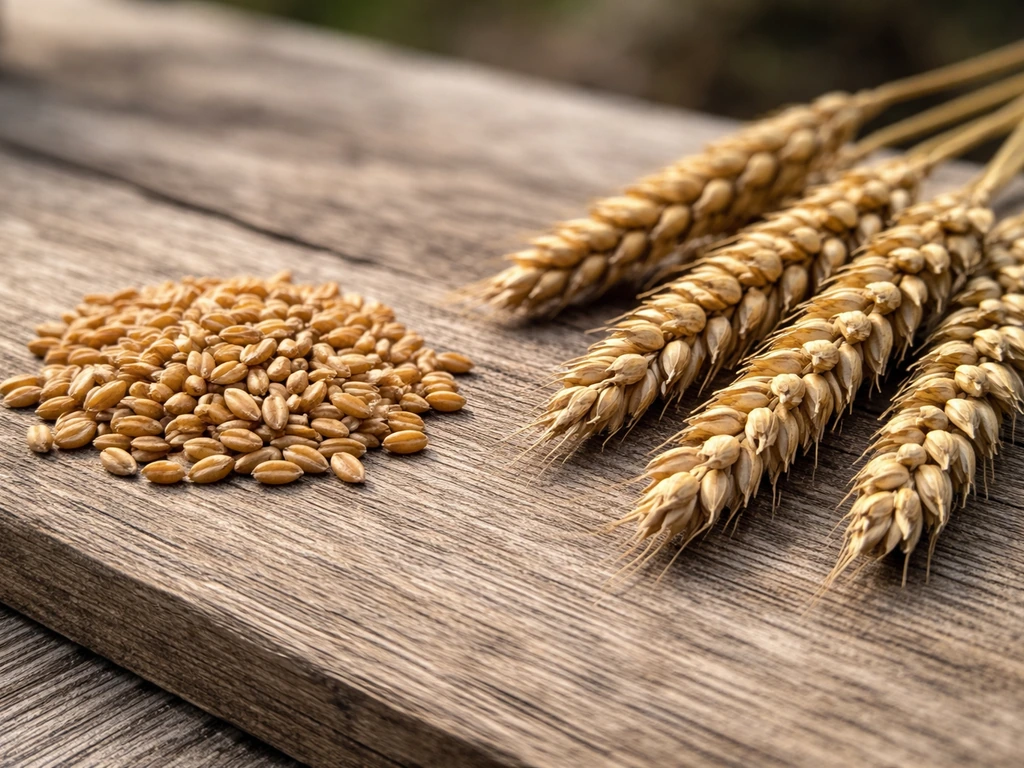
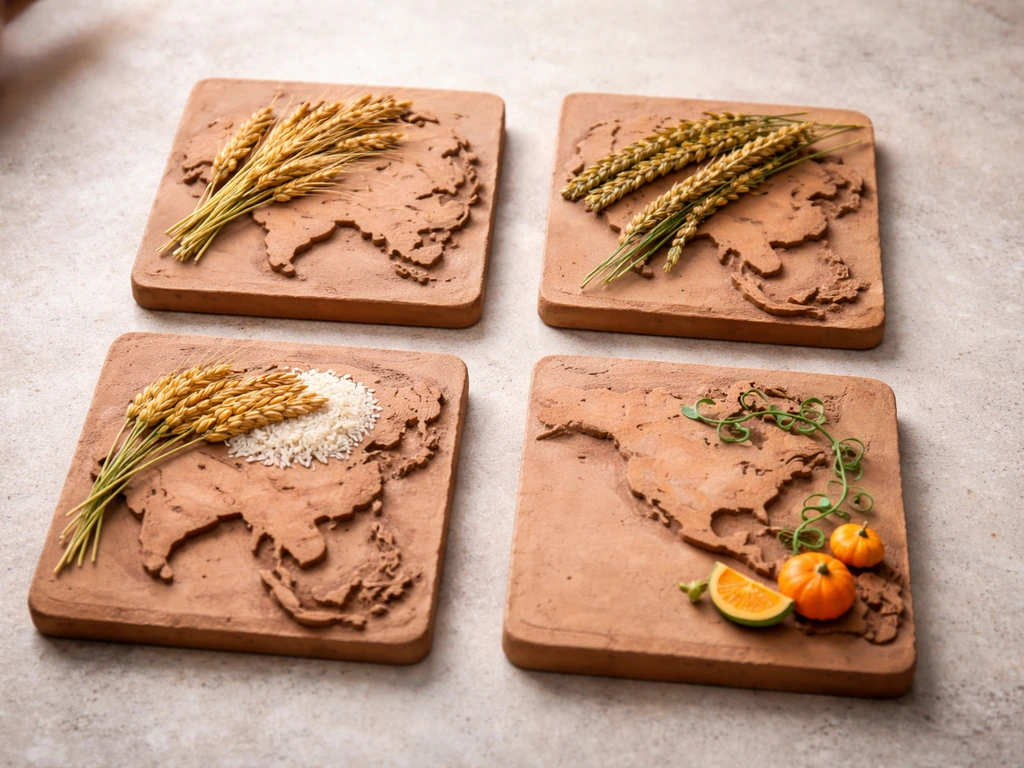
If you want a clear answer to 'what did the first farmers grow,' you really need to answer it four times, once per major region. Here's what the archaeological record shows for each.
Near East and the Fertile Crescent
This is the farming origin story most people are familiar with, and it's the most well-documented. The classic 'Neolithic founder crops' of southwest Asia include einkorn wheat, emmer wheat, and barley as the main cereals, plus a suite of pulses: lentil, pea, chickpea, and bitter vetch. A 2023 review revisits the commonly cited “Neolithic founder crops” in southwest Asia and summarizes cereals such as einkorn, emmer wheat, and barley, along with pulses like pea, lentil, chickpea, bitter vetch, and flax Neolithic founder crops of southwest Asia. Flax rounds out the list as an early fiber and oil crop. These weren't domesticated one after another over centuries of deliberate effort. Current research suggests they were taken into cultivation more or less simultaneously, or within a short window of time, during the early Neolithic period.
South Asia
Early South Asian farming is often tied to the site of Mehrgarh in what is now Pakistan. Barley was the dominant crop in the earliest layers, with some wheat as a secondary staple. Later additions included dates, sesame, field peas, and lentils. Fully domesticated rice and little millet appear in the South Asian record later, around 4,500 years ago. It's worth noting that a 2025 radiocarbon study revised earlier estimates for Mehrgarh's founding, pushing dates to roughly 5,200 to 4,900 BCE, which suggests that South Asian farming emerged later than once thought and likely spread from Iran or Central Asia rather than developing entirely independently.
East Asia
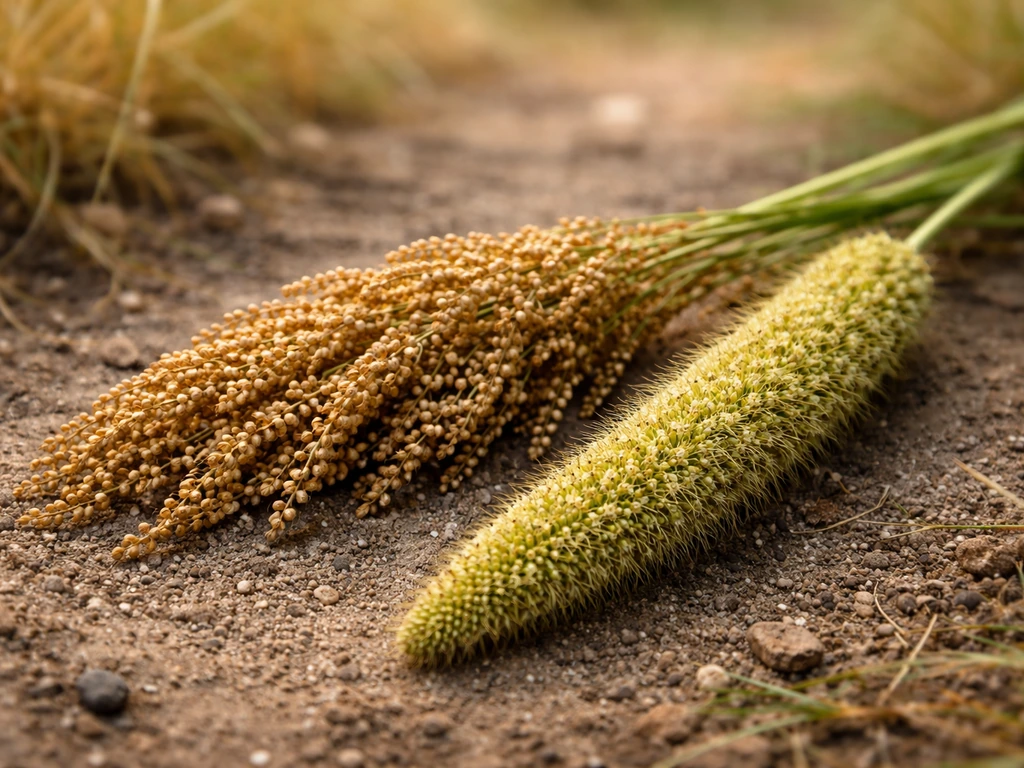
Northern China is where broomcorn millet (Panicum miliaceum) and foxtail millet (Setaria italica) were being cultivated by roughly 8,000 years ago. Rice domestication followed, primarily in southern China and the Yangtze River region. Soybean is often listed as an early East Asian crop, but the archaeological evidence for fully domesticated soybean is actually more complex than popular accounts suggest. The clearest early evidence for cultigen-sized soybean comes from Korean sites in the Mumun period, and some of the commonly cited 3,000 to 5,000-year claims haven't held up well under scrutiny.
The Americas
In the Americas, squash got there first. Cucurbita species were being domesticated around 10,000 years ago in southern Mesoamerica, and at least six independent domestication events happened across the Americas. The Tehuacán Valley in Mexico has some of the most detailed records: Cucurbita pepo appears as a domesticate by about 7,920 calibrated years ago. Maize (Zea mays) is dated to around 8,700 to 9,000 years ago in highland Mexico, domesticated from a wild grass called Zea mays ssp. parviglumis. Common beans and other crops followed, and together maize, beans, and squash became the famous 'Three Sisters' system that many Indigenous American farmers refined over millennia.
Geography matters: early farming didn't look the same everywhere
One of the biggest insights from archaeobotany is that early farming was deeply local. The Near East had reliable winter rains and annual grasses with big seeds, which made wheat and barley natural candidates. East Asia's drier northern regions were suited to drought-tolerant millets, while the wetter south produced rice. In the Americas, there was no equivalent to Old World wheat, so farmers worked with what they had: wild gourds, teosinte (the ancestor of maize), and wild beans. The 'first farmers' in each place were essentially doing the same general thing (paying closer attention to useful plants, returning to the same patches, eventually sowing seed) but with completely different raw materials.
What's interesting from a practical gardening perspective is that this regional diversity is exactly why modern seed catalogs offer so much variety. Every single crop you can grow today was someone's local wild plant that got slowly improved over thousands of years. Growing lentils in your backyard connects you directly to Near Eastern farming that started over 10,000 years ago.
From wild plant to crop: how domestication actually happened
Most people imagine early farmers deciding to plant seeds and then, a few generations later, having a fully domesticated crop. That's not how it worked. The archaeological evidence is pretty clear that cultivation (actively growing plants) started at least 1,000 years before the morphological changes we use to identify domestication even appear in the seed record. In other words, people were farming barley and wheat for centuries before those plants changed shape in ways we can detect in charred seeds from archaeological digs.
Domestication is really a slow process of unconscious selection. Farmers kept seeds from the plants that were easiest to harvest, most productive, or best tasting. Over time, traits like non-shattering seed heads (seeds that stay on the plant instead of falling to the ground), larger kernels, and thinner seed coats became more common. These changes are what archaeobotanists track. For vegetatively propagated crops like tubers and root vegetables, the process is even murkier because you can't easily track seed size changes, and domestication traits may involve both genetic change and adaptations to human management conditions.
| Region | Earliest Key Crops | Approximate Timing | Notable Details |
|---|---|---|---|
| Near East / Fertile Crescent | Einkorn wheat, emmer wheat, barley, lentil, pea, chickpea, flax | ~10,000–12,000 years ago | Cereals and pulses domesticated together; flax added for fiber/oil |
| South Asia | Barley (dominant), wheat, later sesame, dates, field peas, lentils | ~5,200–4,900 BCE (Mehrgarh, revised 2025) | Rice and millet appear fully domesticated around 4,500 years ago |
| East Asia (northern China) | Broomcorn millet, foxtail millet | ~8,000 years ago | Rice dominant in southern China; soybean evidence is complex |
| Mesoamerica / Americas | Squash (Cucurbita spp.), maize, common bean | Squash ~10,000 BP; maize ~8,700–9,000 BP | At least 6 independent squash domestications across the Americas |
Staples versus other early crops
When we talk about the first crops, grains and legumes get most of the attention, and for good reason. Cereal grains are calorie-dense and storable, which made them the backbone of early food security. But early farmers also cultivated a wider range of plants that didn't leave as dramatic a mark in the archaeological record.
Legumes like lentils, peas, and chickpeas were critical companions to cereals from the start. They fix nitrogen in the soil, which helped maintain fertility in early fields, and they provided essential protein. Flax was grown for both its seeds (a source of oil and nutrition) and its fibers (used for linen textiles), making it one of the earliest dual-purpose crops. Root and tuber crops, especially in the Americas, parts of Africa, and the Pacific, were important but are harder to trace archaeologically because they leave little behind. Leafy greens and vegetables were almost certainly gathered and managed before formal domestication, but they tend to be underrepresented in ancient records compared to cereals. why did chengi grow vegetables Leafy greens and vegetables.
Growing these 'starter' crops at home today
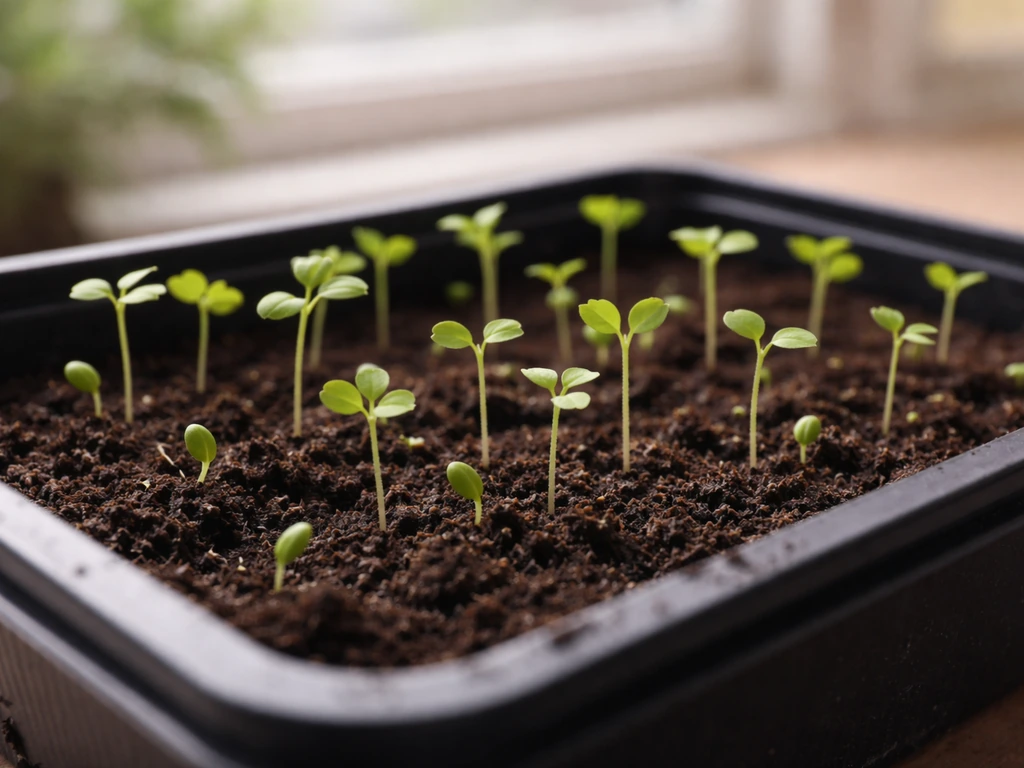
This is where history gets genuinely useful for gardeners. The crops that early farmers selected are, in many cases, incredibly well-suited to home growing. They were chosen precisely because they were productive, adaptable, and easy to save seed from. Here's a practical rundown of the easiest ones to try.
Lentils, chickpeas, and beans
Lentils and chickpeas are cool-season legumes that thrive in well-drained soil with full sun. They're drought-tolerant once established and actually improve your soil for the following season. Common beans (Phaseolus vulgaris, the type domesticated in the Americas) are warm-season crops. Plant them about 8 inches apart in soil that's had time to warm up. The single biggest mistake with beans is overwatering: wet, cold soils invite root rot and slow germination significantly. Wait until your soil is reliably warm before planting.
Squash and gourds
Squash is one of the easiest large-yield crops you can grow, and its long domestication history shows. Modern squash varieties are remarkably productive for the space they take. They need at least 1 inch of water per week during active growth, but reduce watering once fruits start ripening to avoid rot. Watch for squash vine borers, aphids, and squash bugs, which are the principal pest threats. If you're interested in the gourds side of this history, that connects nicely to why people have been growing ornamental and utility gourds for thousands of years across multiple cultures. This helps explain why farmers grow gourds, both for usefulness and for reliable harvests across many climates gourds side of this history. If you’re wondering why do people grow gourds, part of the answer is that they offer practical uses and are well adapted to different climates and growing conditions why people have been growing ornamental and utility gourds for thousands of years.
Corn (maize)
Sweet corn is a warm-season crop that needs soil temperatures near or above 50°F before planting to ensure reliable germination and stand establishment. Aim for a soil pH between 5.8 and 7.0. Corn is a heavy feeder and does best with rich, well-amended soil. It's wind-pollinated, so plant in blocks of at least 4 rows rather than long single rows to get good kernel fill. If you're growing corn for storage (dried corn or flour corn), the older domesticated types are well worth exploring.
Flax
Flax is underused in home gardens considering how historically important it is. It grows well in full sun (6 or more hours per day) and prefers a soil pH around 6.0 to 7.0. It's a cool-season crop, so plant it in early spring or fall. You can grow it for the seeds (a nutritious addition to your diet) or just as a beautiful flowering plant that reminds you of the Near Eastern farmers who were growing it 10,000 years ago.
Millets
Broomcorn millet and foxtail millet are both extremely drought-tolerant and fast-maturing, which makes them practical for short-season gardens or dry climates where corn struggles. They're warm-season crops but need less water and less fertility than corn. If you're gardening in a region with unpredictable rainfall, millets are worth trying as a backup grain crop.
Rice
Rice is more challenging at home but absolutely doable in containers or a small paddy setup. The key is warm soil at planting time and consistent moisture. Crop rotation is important if you're growing rice in the same spot year after year, and planting resistant varieties significantly reduces disease pressure from fungal pathogens that overwinter in soil.
Myths about the first farmers worth clearing up
A lot of what people assume about early farming doesn't hold up when you look at the actual evidence. Here are the most common misconceptions.
- Myth: Everyone started with the same crops. Not even close. The Near East, East Asia, South Asia, and the Americas each had their own distinct starter crop sets based entirely on what wild plants were locally available. There was no global 'first crop.'
- Myth: Farming started at one place and spread everywhere. Multiple independent centers of domestication existed simultaneously across the world. Squash alone was domesticated at least six times in different parts of the Americas.
- Myth: Early farmers instantly domesticated their crops. Cultivation typically began 1,000 or more years before morphological domestication traits (like larger seeds or non-shattering seed heads) showed up in the archaeological record. Domestication was a slow, largely unconscious process.
- Myth: All crops went through the same domestication process. Vegetatively propagated crops (roots, tubers) follow a completely different domestication pathway than seed crops. You can't assume the same timeline or the same trait changes.
- Myth: All key crops in a region were domesticated at the same time. At Coxcatlan Cave in Mexico, for example, domesticated plants appear in sequence over time, not as a sudden package. The 'Three Sisters' of maize, beans, and squash didn't arrive together.
What this history means for growing your own food
The practical takeaway from all of this is that the most durable crops in the world, the ones that billions of people still depend on, were selected by farmers working with exactly what they had on hand. They didn't wait for perfect conditions or ideal seeds. They worked with wild plants, kept the best, and improved them slowly over generations. In modern gardening, people often grow many fruits and vegetables in greenhouses to help control temperature and moisture. That's still how seed-saving works today, and it's why growing heirloom varieties of lentils, squash, corn, or millet connects you to something much older and more resilient than a hybrid bred for supermarket shelves. If you're building toward any kind of food self-sufficiency, starting with the same staples that first farmers relied on is a genuinely solid strategy. Some farmers use greenhouses to create stable, controlled conditions for growing plants year-round. That includes understanding why it is important to grow crop, so your food system stays productive even as conditions change. That same desire for food resilience is behind why people grew victory gardens during WWII.
If you're curious how agricultural history has shaped growing practices in other ways, the story of how Egyptian farmers managed water during the dry season, or why greenhouse growing became so important for modern food production, are both threads that lead back to the same fundamental challenge: getting reliable calories from the ground, season after season.
FAQ
What did the first farmers grow if I need just one answer?
There is no single crop. The most accurate “one answer” is cereal grains plus legumes, because early farmers everywhere relied on calorie-dense staples (wheat, barley, rice, millets, maize, or squash) paired with nitrogen-fixing legumes (lentils, peas, chickpeas, or beans).
Did the first farmers plant only domesticated plants from day one?
No. People started by cultivating wild plants in the same places, then domestication traits built up over many generations. So early “farmers grew crops” can mean cultivation before the seed morphology changes you associate with domestication.
Why do some lists say soybeans were early, but the evidence is “complicated”?
Popular summaries often treat soybean as fully domesticated much earlier than the strongest proof. The clearest early evidence in the article points to Korean sites in the Mumun period, so if you are making a timeline, it helps to use “clearest domestication evidence” rather than broad estimates.
Were Near Eastern crops the same as those in South Asia or East Asia?
Not exactly. The Near East emphasized wheat and barley plus pulses like lentils and chickpeas, while South Asia’s earliest emphasis was barley with later rice and millet. East Asia’s earliest emphasis was millets first, then rice, so “founder crops” were region-specific.
If South Asian farming started later than once thought, does that change what the first farmers grew there?
It changes the timing and likely the origin path, not the general pattern. The article still describes barley and some wheat early at Mehrgarh, with later additions like dates and sesame, and rice and little millet showing up much later.
In the Americas, did farmers start with maize the way people often assume?
The earlier emphasis was on squash, with maize and then beans following. A key practical takeaway is that the “Three Sisters” system reflects long-term refinement, not an instant package introduced all at once.
What about leafy greens or vegetables, were they part of early farming?
They likely were gathered and sometimes managed before formal domestication, but they are less visible in the archaeological record than grains and pulses. So “first crops” may undercount greens simply because leafy remains preserve poorly.
What is the biggest gardening mistake when growing legumes like beans, peas, or chickpeas?
Overwatering, especially in cold soil. The article highlights that wet, cold conditions can cause root rot and slow germination, so timing to warm soil and good drainage matters as much as variety choice.
How should I choose between cool-season and warm-season “first farmer” crops?
Match crop season to your temperature window. Lentils and chickpeas are cool-season, while beans and corn are warm-season. If you plant warm-season crops too early, germination and stand establishment are usually the first problems you will see.
If I want a drought-tolerant option tied to early farming, what should I consider?
Millets are the simplest match. Broomcorn millet and foxtail millet are described as extremely drought-tolerant and fast-maturing, which makes them useful in short-season or unpredictable rainfall conditions.
Can I grow rice at home even if I do not have a large paddy?
Yes, the article suggests containers or a small paddy setup. The practical key is consistently warm soil at planting and steady moisture, plus rotation if you keep using the same spot to reduce disease buildup.
Why do domestication traits show up later than cultivation in the record?
Because cultivation can begin long before seeds visibly change in ways archaeobotanists measure. Selection for easier harvesting and higher productivity happens gradually, so genetic and physical seed traits accumulate over time.
Does seed saving today connect to the same crops early farmers grew?
Often yes. The article argues that modern seed-saving and heirloom cultivation mirror the same long-term selection idea, especially for staples like lentils, squash, corn, or millet, where saved seed keeps building traits suited to local conditions.
Next Article
Why Farmers Use Greenhouses to Grow Plants and Crops
Understand why farmers use greenhouses: control climate, cut pests and losses, extend seasons, boost yields, and plan cr