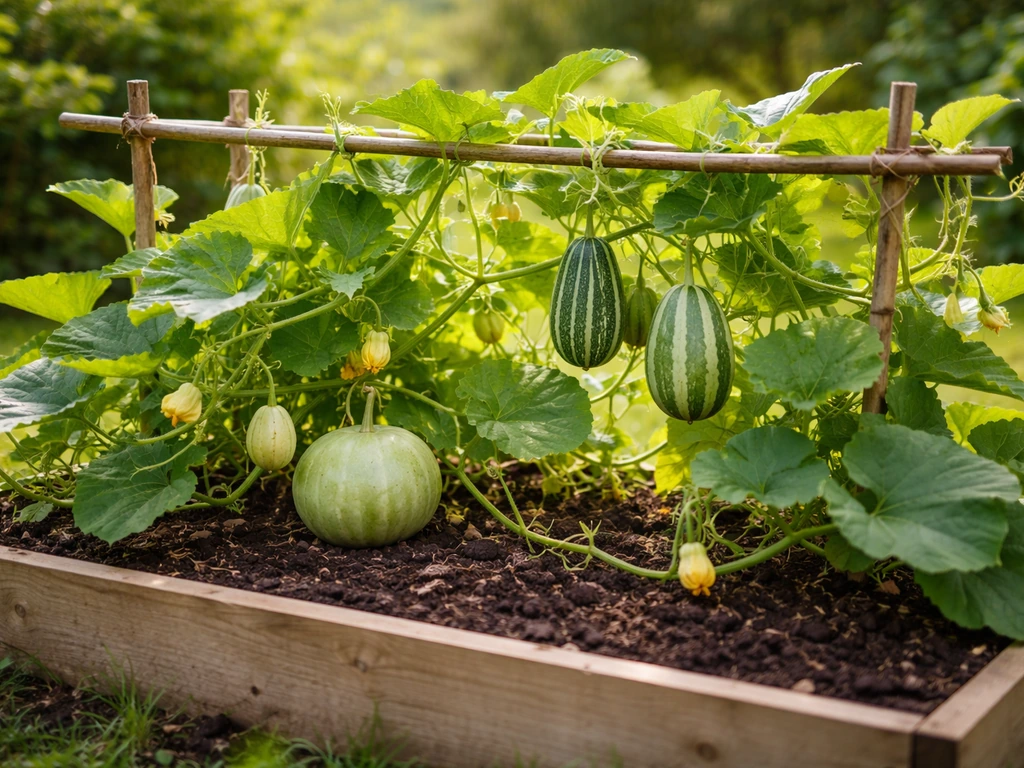
Farmers grow gourds because they deliver reliable harvests with relatively little fuss, store for months without refrigeration, and serve uses well beyond the dinner plate. If you are wondering why do people grow gourds, start with their reliable yield, long storage, and multi-use practicality. Whether you're growing a bottle gourd for food, a birdhouse gourd for utility, or a luffa for homegrown sponges, gourds pull more weight per square foot of garden than most people expect. For self-sufficiency-minded growers especially, that combination of productivity, versatility, and low complication makes gourds a genuinely smart choice.
Why Do Farmers Grow Gourds? Practical Reasons for Growers

Marcus Hendrick
14 May 2026
Common gourd types home farmers actually grow
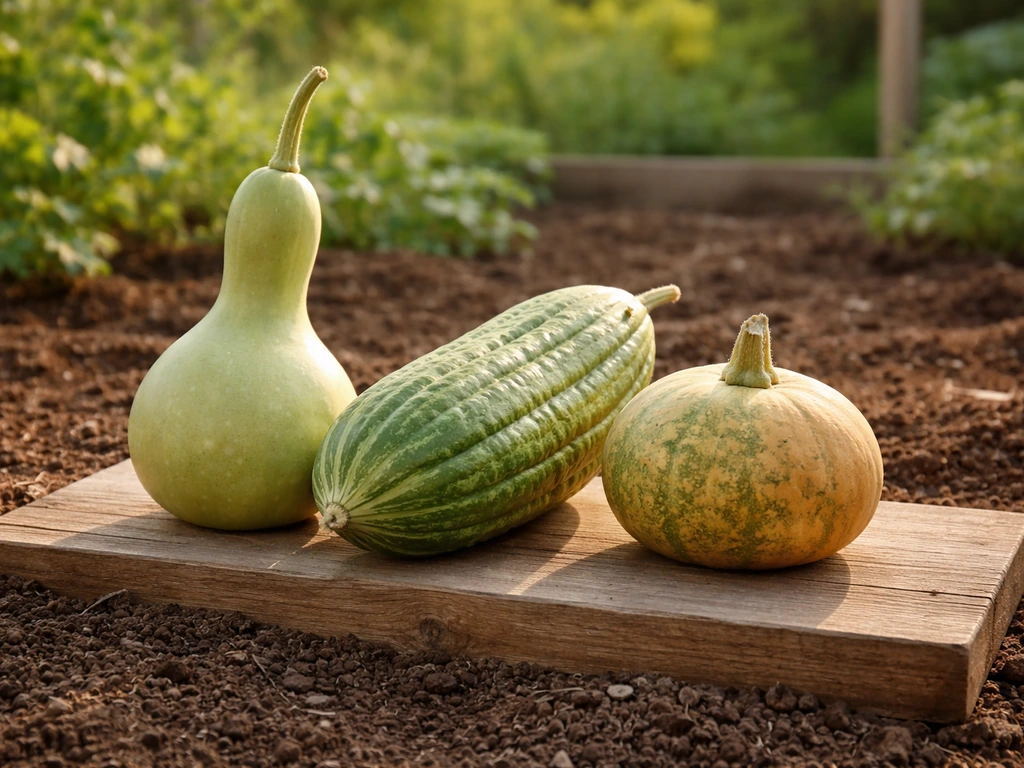
The gourd family is broader than most beginners realize. For practical homestead purposes, the types worth knowing fall into two main groups: edible gourds and hard-shell utility gourds. Edible types include bottle gourds (Lagenaria siceraria) harvested young and tender, luffa (Luffa aegyptiaca) picked before it matures, and winter squash relatives that blur the gourd/squash line. Hard-shell types include the same bottle gourd harvested at full maturity, birdhouse gourds, and decorative varieties that dry into durable containers and tools. Luffa sits in a category of its own: harvest it young and it's a vegetable; leave it on the vine and you get a natural scrubbing sponge that would cost you a few dollars at the store.
| Gourd Type | Primary Use | Maturity Window | Key Trait |
|---|---|---|---|
| Bottle gourd (Lagenaria siceraria) | Edible (young) or container/utensil (mature) | 70–90 days edible; cure 1–6 months for hard-shell | Dual-purpose; very heat tolerant |
| Birdhouse gourd | Utility (birdhouses, containers) | 90–95 days to maturity on vine | Grows well on trellises; long cure needed |
| Luffa / sponge gourd | Edible (under ~7 inches) or bath sponge | Needs 4+ frost-free months | Two crops in one depending on harvest timing |
| Winter squash | Long-term food storage | Varies by variety (70–110 days) | Stores 3–6 months at room temperature |
Why grow gourds? Food, yield, and plain practicality
The core reason farmers have grown gourds for thousands of years is simple: they produce a lot, they do it reliably in warm weather, and they're hard to kill once they get going. A single bottle gourd vine in good conditions will set multiple fruits. Winter squash and gourd relatives store whole and unwashed at room temperature for roughly 3 to 6 months, which means a good harvest in September is still feeding your family in February without a freezer or canning jar. That's a level of food security most vegetables just can't match.
For budget-conscious growers, the math is also straightforward. A packet of gourd seeds costs a couple of dollars, the plants need no staking beyond basic trellis support (optional for some types), and they require minimal inputs once established. You're not buying transplants, expensive fertilizers, or pest-control products at the same frequency you would for something like tomatoes. The labor-per-pound-of-food ratio is genuinely favorable compared to higher-maintenance crops.
Gourds for resilience and self-sufficiency
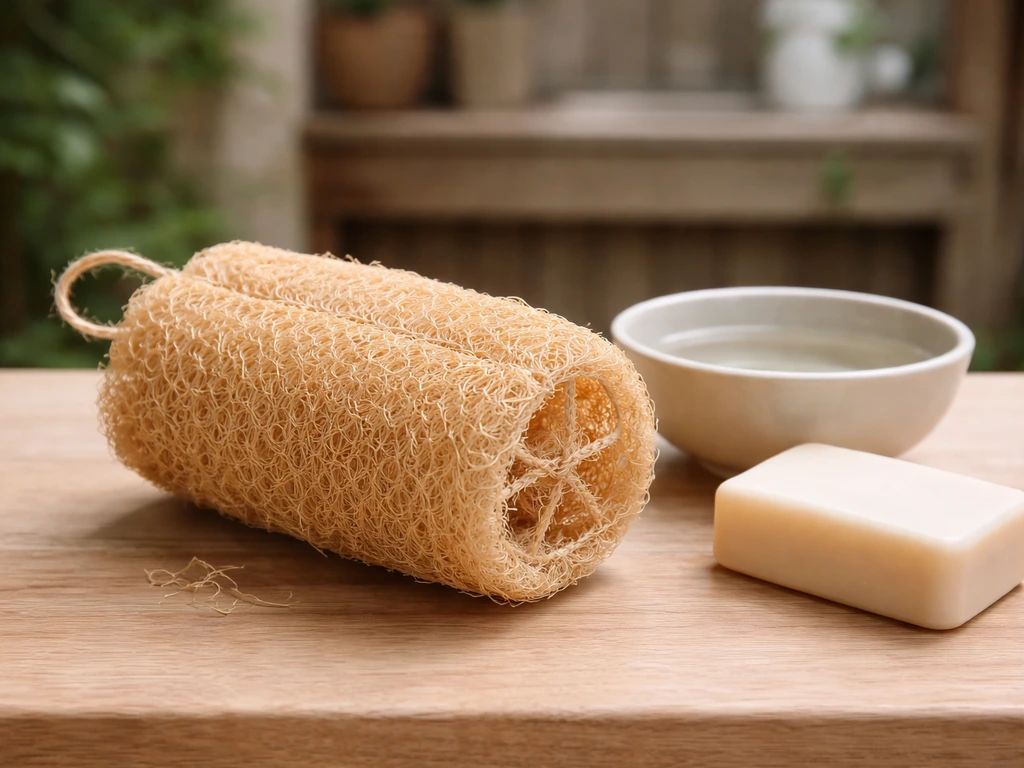
If your goal is reducing dependence on grocery stores, gourds belong in your plan. Growing crops this way is important because it helps you produce reliable food from your own land, even when store supplies are limited why it is important to grow crops. Their long shelf life is the biggest factor. Most fresh vegetables demand cold storage or preservation within days of harvest. A cured hard-shell gourd can last years as a container or utensil. Even edible winter squash varieties give you 3 to 6 months of ambient-temperature storage, which lets you stretch a single growing season across most of the year. That's the kind of food security buffer homesteaders and survivalists think about when planning what to grow.
Luffa is a standout example of this multi-use resilience. Harvest it under about 7 inches long while it's green and you have a mild-flavored vegetable for stir-fries or soups. Let the same fruit dry on the vine and you've grown your own loofah sponge, something you'd otherwise buy. When food growing is also about reducing purchases and building household independence, that kind of dual use matters. The idea is similar to why people grew victory gardens during wartime: every plant that serves more than one function reduces your dependence on outside supply chains.
How gourds fit into a crop rotation
Gourds are cucurbits, the same botanical family as cucumbers, melons, and squash. That means they share pest and disease pressures with those crops, particularly cucumber beetles, squash vine borers, and powdery mildew. You should not plant gourds in the same bed where you grew any cucurbit the previous year. Rotate them into a spot that had legumes or brassicas the season before, and your pest and disease pressure will be noticeably lower.
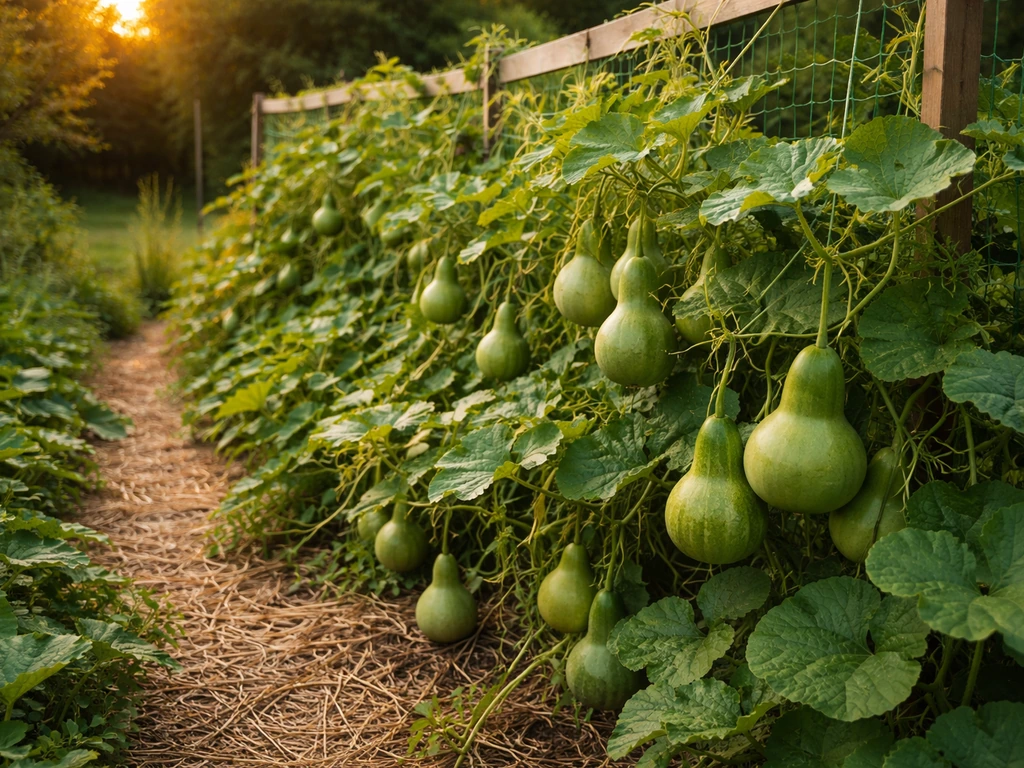
On the positive side, gourd vines are excellent ground covers. Their large leaves shade the soil, suppress weeds, and reduce moisture loss, which cuts down your watering and weeding time on the beds they occupy. If you're working with limited land, training vines up a trellis or fence lets you grow gourds vertically and free up ground space for other crops. Birdhouse gourds, for example, are well-suited to trellis growing and can be trained to use vertical space efficiently. The University of New Hampshire Extension also notes that birdhouse gourds (Lagenaria siceraria) have a reported maturity window of about 90, 95 days and can be grown on trellises Birdhouse gourds, for example, are well-suited to trellis growing and can be trained to use vertical space efficiently..
In terms of soil, gourds are moderately hungry. They prefer well-drained, fertile ground with good organic matter. A bed amended with compost before planting will serve them well through the season without heavy fertilizer applications. They're not as nitrogen-demanding as corn or as finicky about pH as blueberries, which makes them an easy crop to slot into a general vegetable rotation.
Edible gourds vs hard-shell tools and containers
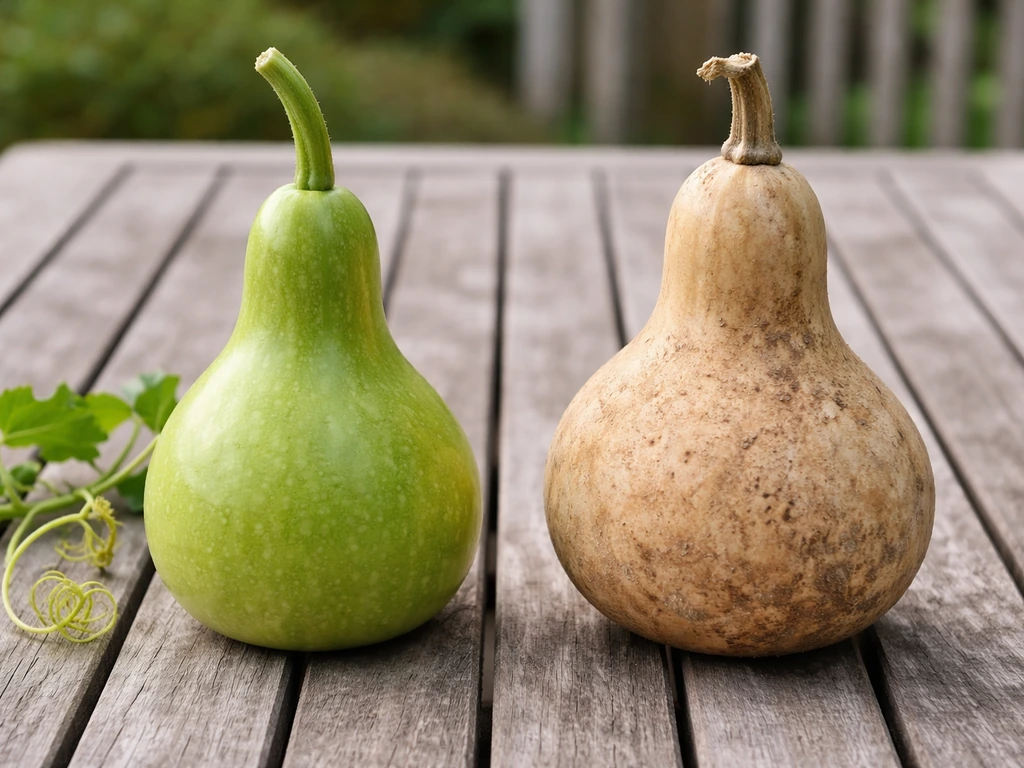
Knowing what you want from a gourd before you plant is important because it changes when and how you harvest. Edible gourds like bottle gourds need to be picked young and tender, before the skin toughens. The same plant left to mature becomes a hard-shell utility item. Luffa works the same way: the harvest window for eating is roughly under 7 inches and still green. After that, the interior fiber develops and the gourd is on its way to becoming a sponge, not a vegetable.
Hard-shell gourds intended for containers, birdhouses, ladles, or other utility items require curing after harvest. This isn't a quick process: depending on the gourd's size and type, curing takes anywhere from about 1 to 6 months. A reliable sign that a bottle gourd is properly cured is when you can shake it and hear the seeds rattling inside. That sound means the interior has dried sufficiently and the shell is ready to work with. Plan your harvest timing and storage space accordingly.
- Edible: harvest bottle gourds and luffa young (before skin hardens or fiber develops)
- Utility hard-shell: let gourds fully mature on the vine, then cure 1 to 6 months in a dry, ventilated space
- Sponge luffa: leave on vine until dry and light, then peel outer skin to reveal the fiber
- Birdhouse gourds: cure fully, then drill entrance holes to the appropriate diameter for your target bird species
- Decorative/craft gourds: cure like hard-shell types; surface can be painted, carved, or burned
When and where gourds grow best
Gourds are warm-season crops with no tolerance for frost. Don't start them outside until nighttime temperatures are consistently above 50°F and the soil has warmed to at least 60°F. Because greenhouses extend the warm season and protect tender plants, they can help growers get started earlier and keep yields steady why do farmers grow many fruits and vegetables in greenhouse. In most of the continental US, that means late May through early June direct sowing, or starting seeds indoors 3 to 4 weeks earlier to get a head start. Luffa specifically needs at least four months of frost-free weather to produce mature sponges, so growers in the northern half of the country should start luffa indoors and get transplants out as soon as conditions allow.
Gourds thrive in full sun with consistent moisture, particularly during fruit set. Deep, infrequent watering is better than shallow daily watering because it encourages deeper root development and makes the plants more drought-tolerant during dry spells. In ancient Egypt, farmers similarly relied on drought-tolerant crops to keep growing through the dry season drought-tolerant during dry spells. Sandy or heavy clay soils both work if amended with compost, though drainage is important: gourds in waterlogged soil will struggle with root rot and disease. If you're in a hot climate (zones 8 through 10), gourds are one of your best summer options because they handle heat far better than cool-season crops and better than most tomato varieties.
| Climate/Region | Best Gourd Types | Notes |
|---|---|---|
| Zones 3–5 (short summers) | Bottle gourd (edible harvest), ornamental gourds | Start indoors 4 weeks early; luffa sponge unlikely to fully mature |
| Zones 6–7 (moderate summers) | Luffa, birdhouse gourd, bottle gourd, winter squash | Direct sow after last frost; most types perform well |
| Zones 8–10 (long hot summers) | All gourd types | Ideal for luffa sponge production; succession plant for extended harvest |
Are gourds worth it? Effort vs reward compared to other crops
Compared to most garden crops, gourds sit in a favorable position on the effort-to-reward scale. They're not as demanding as tomatoes (which need staking, pruning, and disease management), not as slow as fruit trees, and not as weather-sensitive as peppers. Once established, a gourd vine mostly takes care of itself aside from watering and occasional pest checks. The main labor costs are upfront (soil prep, trellising if you go that route) and at harvest (picking, curing storage space for hard-shell types).
| Crop | Relative Labor | Storage Life | Versatility | Best For |
|---|---|---|---|---|
| Gourds (hard-shell) | Low-moderate | Years (as utility items) | High (food, tools, crafts) | Long-term self-sufficiency |
| Winter squash | Low | 3–6 months ambient | Moderate (food only) | Food storage without refrigeration |
| Luffa | Low-moderate | Years (as sponge) | High (food + household tool) | Dual-use production |
| Tomatoes | High | Days-weeks fresh | Moderate | Fresh eating, canning |
| Cucumbers | Moderate | Days fresh | Low | Fresh eating, pickling |
| Beans | Low | 1+ year dried | Moderate (food, nitrogen) | Protein and soil building |
The honest trade-off with gourds is time: hard-shell varieties require patience. You're waiting 90-plus days for the vine to mature the fruit, then another 1 to 6 months of curing before you can use the shell. If you need quick results or primarily want fresh produce, edible gourds or luffa harvested young will serve you better. If you're building toward long-term self-sufficiency with functional household items and preserved food, the wait pays off significantly.
How to pick the right gourd for your situation right now
Start by deciding which of the two main categories fits your goal: eat it or use it. If you want food, focus on bottle gourds harvested young, luffa picked under 7 inches, or winter squash varieties for long-term storage. If you want utility items, birdhouse gourds or large bottle gourds grown to full maturity and cured are your path. If you want both, luffa is the single smartest choice because it delivers vegetables early in the season and sponges from the fruits you let go.
Next, match your choice to your climate. If you're in a short-summer zone, start seeds indoors no later than 4 weeks before your last frost date and stick with varieties that mature in 90 days or under. If you're in a warm long-season climate, nearly any gourd type will work, and you have the option of succession planting for an extended harvest. Check your frost dates today, count backward from your first expected fall frost, and you'll know immediately which gourd types are realistic for this season. That single calculation will tell you more about what to plant than any general recommendation can.
Finally, if you're new to gourds, start with one type rather than several. A single bottle gourd or luffa vine will teach you more in one season than reading a dozen articles. Mistakes with gourds are forgiving because the plants are vigorous and the investment is minimal. Buy a packet of seeds, amend a sunny bed with compost, plant after your last frost, and see what happens. The reason farmers have grown gourds across every continent and culture for centuries is that they work, and they keep working even when conditions aren't perfect. Farmers use greenhouses for the same reason gardeners do: they can better control temperature, light, and moisture to keep plants growing reliably why do farmers use greenhouses to grow plants. These early crops are also closely connected to the first farmers’ growth choices what did the first farmers grow. Chengi grew vegetables because gourds offered a reliable harvest with minimal fuss and strong storage potential.
FAQ
Do farmers grow gourds mainly for food, or for non-food uses too?
Most growers do both when possible, but the mix depends on the variety. Bottle gourds and winter squash relatives are often planted for storage food, while fully mature bottle gourds or birdhouse gourds are grown specifically for cured containers, tools, and household items. If you only have room for one crop, luffa is the common compromise, since it provides vegetables early and sponges later.
How can I get gourds to store longer without refrigeration?
For hard-shell utility gourds, curing is the main requirement, and airflow matters. Keep them dry, warm, and out of direct sun while curing, then store in a cool, ventilated area after the shell rattles when shaken. For edible winter squash relatives, avoid washing at harvest and cure them briefly in warm, dry conditions if your climate stays humid.
Why do my gourds have lots of vines but few fruits?
That pattern usually points to soil nitrogen or watering timing. Too much nitrogen (often from heavy manure or frequent feeding) can boost leaf growth and reduce fruit set. Also, inconsistent moisture during the flowering and fruit-set window can cause poor pollination. Switch to less nitrogen once vines are established, and water deeply but not daily when blooms appear.
What pollination problems can reduce gourd yields, and what can I do?
Gourds rely heavily on pollinators and timing, so cool, rainy, or windy weather can reduce fruit set. If you see flowers but no developing fruit, try hand-pollinating in the morning using fresh male flowers to fertilize female flowers. Keep in mind that some gourds produce many male blossoms before female flowers, so counting “first flowers” too early can be misleading.
Should I trellis gourds, or let them sprawl on the ground?
Both work, but trellising usually helps in small spaces and can improve airflow, which lowers disease pressure. The trade-off is fruit support, since heavy types can strain vines and stems. Use fabric slings or netting for larger fruit if you trellis, and ensure the trellis is sturdy because gourds become very vigorous late in the season.
When is the right time to harvest if I want a usable hard shell later?
Start with the purpose and harvest stage. If you want containers or birdhouse-style utility, plan for full maturity on the vine, then cure after harvest. As a quick rule, only harvest edible young for eating, while utility types should be allowed to develop a thickened skin before curing. Harvest timing also affects whether the shell dries evenly without soft spots.
How do I know if a bottle gourd is properly cured?
A reliable check is the seed-rattle test, when shaken you hear seeds moving inside. You should also look for a dry, hardened surface without lingering dampness along seams. If you cut it open too soon, the interior can stay fibrous or moldy, so curing duration needs to match the gourd size and your humidity level.
Why do gourds get powdery mildew, and how can farmers prevent it?
Powdery mildew often appears when conditions stay favorable for long periods, such as warm days and cool nights combined with poor airflow. Crop rotation helps, but practical prevention also includes spacing plants, watering at the base to avoid wet foliage, and removing heavily affected leaves early. If you grow multiple cucurbit crops, treat gourds as high-priority for airflow and early scouting.
Can I grow gourds in the same bed year after year?
It’s risky because gourds share pests and diseases with other cucurbits. A better approach is rotating them out of the bed each season, ideally into soil that previously held legumes or brassicas. If you have limited space and cannot rotate fully, at least avoid planting in the same exact spot where you had active disease pressure the year before.
What is the biggest climate mistake with gourds?
Starting too early or planting when nights are still cold. Gourds are warm-season plants and tolerate frost poorly, so waiting until nights are consistently warm and soil is sufficiently heated reduces early stunting and fruit-set issues. For luffa in shorter seasons, plan for frost-free time by starting indoors early enough to reach the needed maturity window.
How much water do gourds actually need during fruit development?
More than people expect, but less often than daily watering. Deep, infrequent watering supports deeper roots, which helps the plant withstand dry spells during fruit set and later ripening. If rainfall is intermittent, aim to keep the soil evenly moist rather than swinging between very dry and very wet, since stress can reduce fruit quality.
Are gourds “low maintenance” even if I’m new to gardening?
They can be, but only if you match the variety to your goals and give them basic setup. The biggest beginner pitfalls are planting too early, skipping trellis support when needed, and expecting edible harvest from a vine that was allowed to mature into a utility hard shell. Starting with one variety (for example, bottle gourd for eating, or luffa for dual use) makes it easier to learn harvest timing correctly.
Next Article
Why Do People Grow Gourds: Practical Reasons and How-To
Grow gourds for food, natural containers, self-sufficiency and storage; choose types and start with quick planting tips.