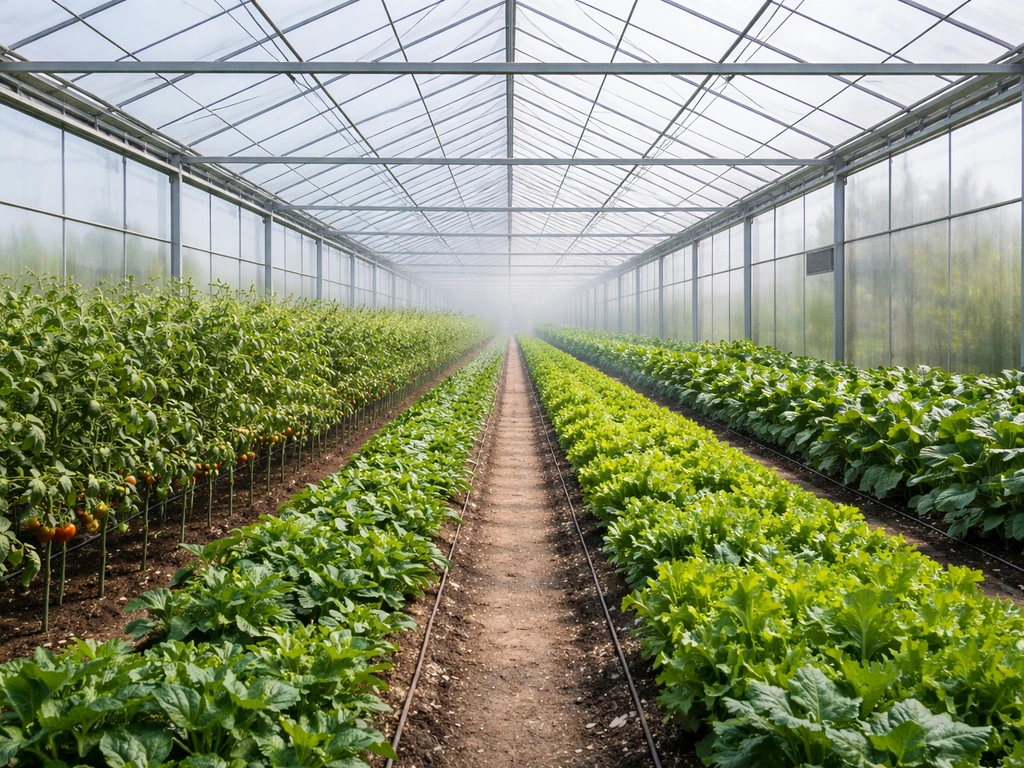
Farmers grow fruits and vegetables in greenhouses because a greenhouse lets them control the growing environment instead of surrendering to it. Temperature, light, humidity, pest pressure, and harvest timing all become manageable levers rather than unpredictable forces. The result is higher yields, better quality produce, and the ability to sell crops weeks or months outside the normal field season. For home gardeners, the same logic applies at a smaller scale, and understanding exactly why greenhouses work so well makes it much easier to decide whether one is worth building. Chengi’s choice to grow vegetables is a good example of how controlling temperature, moisture, and pests in a greenhouse can make consistent harvests possible.
Why Do Farmers Grow Many Fruits and Vegetables in Greenhouses?
Marcus Hendrick
23 May 2026
The core reasons greenhouses beat open fields for fruit and vegetable production
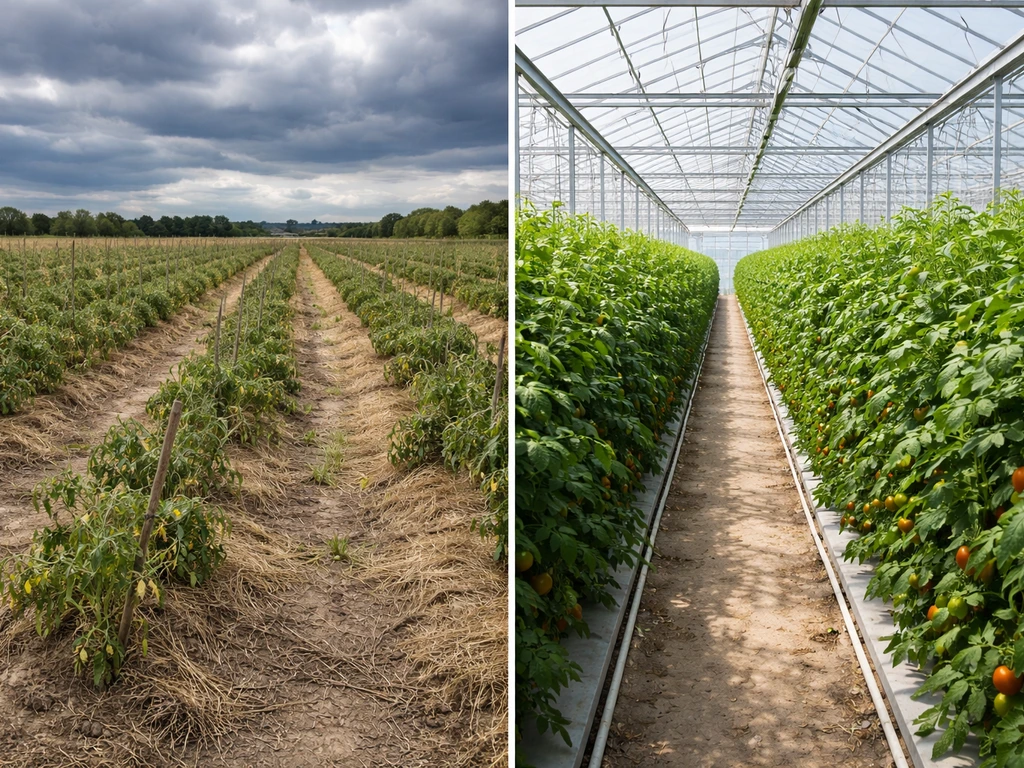
Open-field growing is always a negotiation with the weather. Some years it works beautifully; other years a late frost, a dry spell, or a wave of aphids wrecks months of work. This protected environment helps farmers keep crops growing through dry spells, which is especially important in regions like Egypt where dry-season planting can be challenging. Greenhouses break that dependency by creating a protected microclimate where the grower, not the season, sets the terms.
That single shift unlocks several compounding advantages: a longer growing window, more predictable yields, lower crop losses to pests and disease, and produce that arrives in better condition at harvest. Each of those advantages has real financial and practical value, which is why greenhouse production has grown steadily even as open-field farming remains common.
Climate control: temperature, light, humidity, and ventilation
Climate control is the foundation of everything else a greenhouse does well. Without it, you just have a building that gets too hot in summer and too cold in winter.
Temperature management
Most fruiting crops have fairly tight temperature requirements. Greenhouse tomatoes, for example, need a minimum night temperature around 55°F to keep growing productively. Cucumbers want it even warmer, and they also need high light intensity and careful moisture management to thrive. In an open field, you get whatever the night hands you. In a greenhouse, you set a floor and maintain it with supplemental heat, which is why high-value crops like tomatoes, peppers, and cucumbers dominate commercial greenhouse production.
Humidity and ventilation
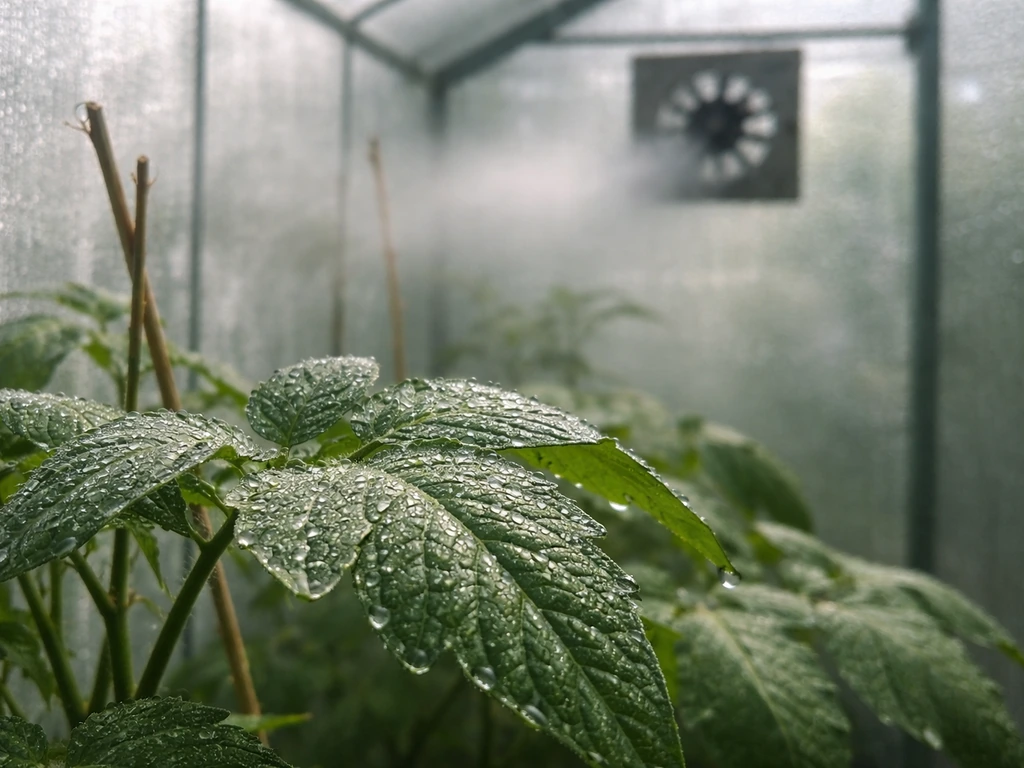
Humidity is the variable most home growers underestimate. Warm air holds more moisture than cool air, and when temperatures drop at night, that moisture condenses on leaf surfaces. Wet leaves are an open invitation for fungal diseases, particularly Botrytis (grey mold), which can devastate lettuce, tomatoes, and strawberries almost overnight. Proper ventilation solves this by moving moist air out before it settles on plants.
A practical rule of thumb from cooperative extension research: total vent openings should equal about 20 to 30 percent of the greenhouse floor area, with ridge vents at the peak and side vents lower down to create a stack effect. Continuous air movement keeps relative humidity lower in the plant canopy and on leaf surfaces, which directly reduces disease pressure.
If you close your greenhouse tight on cold nights and never vent, you are essentially creating ideal conditions for grey mold.
Light management
Light is less controllable than temperature or humidity but still manageable. Glazing material choice (glass vs. polycarbonate vs. polyethylene film) affects how much light reaches plants and how evenly it distributes. In summer, shade cloth (typically 30 percent shade) can prevent heat stress and sunscald on sensitive crops. Supplemental LED lighting in winter has been shown to measurably affect metabolite content and sweetness in greenhouse tomatoes, meaning light quality actually influences flavor, not just growth rate.
Season extension and why it matters so much for yields
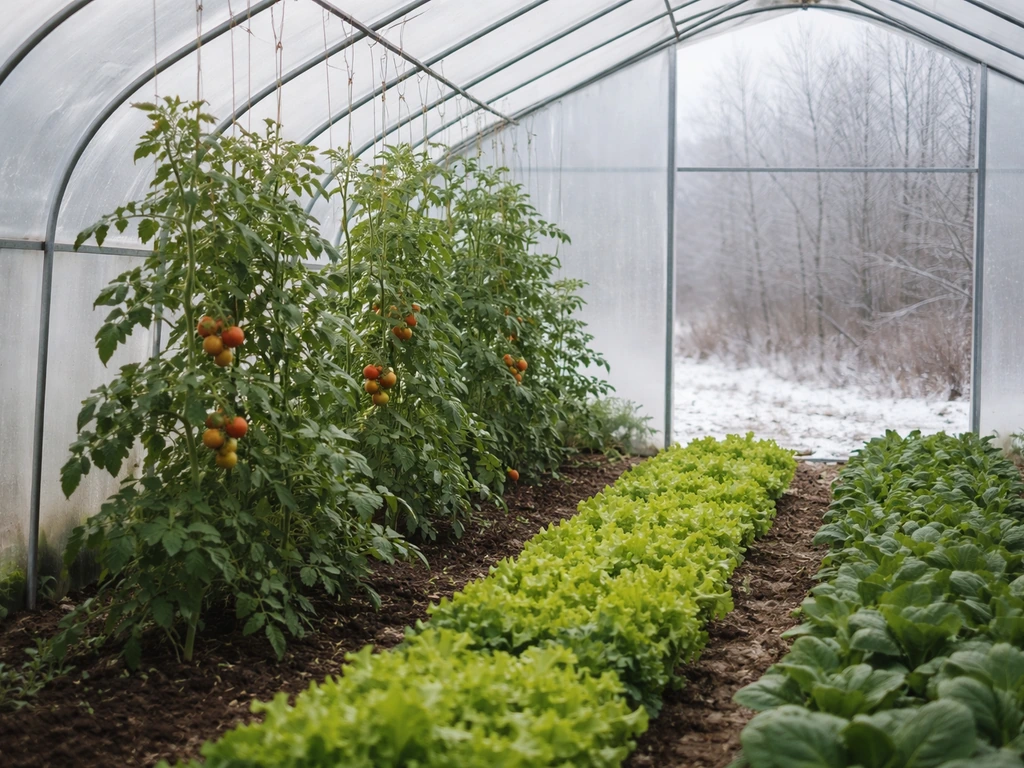
This is probably the most tangible reason farmers use greenhouses, and it translates directly to home garden value. First farmers grew crops like barley, wheat, peas, and lentils, depending on their local region what did the first farmers grow. The season extension scale works roughly like this: low tunnels (simple wire hoops with row cover) buy you about 1 to 2 extra weeks of planting time at either end of the season. High tunnels (unheated hoop houses with a single layer of poly film) can push that to 4 to 8 weeks. Fully climate-controlled greenhouses can produce year-round in almost any climate.
The yield numbers from research back this up clearly. A multi-year study in Michigan found tunnel-grown yields were roughly twice as high as open-field yields under the same conditions. A Florida strawberry study reported early-season yields up to 54 percent higher inside high tunnels compared to open fields. In a Tennessee lettuce trial, high tunnel lettuce was harvested about 16 days earlier than open-field lettuce in one year, and in the following year the open-field crop bolted from heat stress while the tunnel crop held on longer. That kind of reliability year over year is what makes a greenhouse worth the investment for commercial growers and serious home gardeners alike.
For home gardeners trying to push tomatoes, peppers, or cucumbers in a short-season climate, the ability to start 4 to 8 weeks earlier is genuinely transformative. This same logic is also the reason farmers grow gourds, since controlled conditions can help the crop establish and produce more reliably. Crops that are borderline in your zone become reliable producers. That is the same calculation that drives commercial adoption, just at a smaller scale.
Pest, disease, and weed protection
A greenhouse is a physical barrier, and that barrier does real work against insects and disease. Insect screening over vents and entry points can exclude key pests including silverleaf whitefly, thrips, aphids, and leafhoppers. This matters more than it might seem: whiteflies, for example, carry tomato yellow leaf curl virus, which can wipe out an entire tomato crop. Research testing 28 different screening materials found meaningful differences in how well they excluded whiteflies and thrips while maintaining adequate airflow, so screen selection is not trivial. UV-absorbing screen materials can be particularly effective because many pest insects orient using UV light cues.
Weeds are a quieter benefit. Because greenhouse soil or growing media is largely isolated from the outside environment and is not tilled and exposed the way field soil is, weed pressure drops substantially. That saves labor and means less competition for water and nutrients at the root zone. It is easy to overlook weed suppression as a reason to use a greenhouse, but it adds up over a growing season, especially for crops like lettuce that cannot compete with weeds at all.
Disease management inside a greenhouse still requires active management, particularly for humidity-driven pathogens. Botrytis grey mold incidence is directly tied to how long leaf surfaces stay wet, which is why experienced greenhouse growers vent early on sunny winter days rather than waiting until midday when the structure is already overheated and humidity has been sitting on plants for hours. ISHS research notes that Botrytis (grey mold) is highly dependent on moisture and leaf wetness duration, and that blank" rel="noopener noreferrer">RH set points are generally kept low to avoid grey mold disease incidence. The approach is proactive: manage conditions before disease pressure builds, not after.
Quality, consistency, and hitting the market at the right time
Farmers do not just want more produce; they want better produce that arrives predictably. Greenhouses deliver on both. Controlled growing conditions measurably affect postharvest quality in tomatoes, including firmness, sugar content, and acid balance. The best tomato flavor comes from high soluble solids and the right balance between sweetness and acidity, both of which are influenced by the light and temperature regime during fruit development. A greenhouse grower can optimize those conditions deliberately; a field grower is mostly hoping the weather cooperates during the critical ripening window.
Consistency is the other side of quality. A buyer (whether a farmer's market customer or a grocery distributor) values knowing that the tomatoes will arrive in good shape every week, not just when conditions happen to cooperate. Greenhouses reduce variability significantly. Research on greenhouse microclimate effects on leafy vegetables shows that controlling temperature, vapor pressure deficit, and light regime affects not just flavor but also nutritional quality and shelf life, which are increasingly important metrics for commercial growers. For home gardeners, the practical translation is simpler: your harvest timing becomes more predictable, which makes meal planning and preserving much easier.
The honest cost-benefit picture
Greenhouses are not free, and they are not always worth it. Energy and labor are consistently the highest operating costs for greenhouse vegetable production, and those costs are real whether you are running a commercial operation or a backyard setup with a propane heater. Variable costs in commercial winter greenhouse enterprise analyses ranged from about $35 to over $2,100 per crop depending on scale and inputs, so there is no single answer. The honest approach is to run the numbers for your specific situation before committing.
A few things that shift the math in your favor: focusing on high-value crops (tomatoes, peppers, cucumbers, and specialty salad greens are the standard recommendations), using passive or low-energy structures wherever possible, and reducing crop waste. Virginia Tech Extension makes the point bluntly: reducing marketable crop loss by just one percentage point, say from 10 percent waste to 9 percent, can increase profit by around 25 percent. That kind of leverage means pest exclusion and humidity management are not just agronomic best practices; they are directly financial decisions. USDA-ARS has even developed free software called Virtual Grower that lets you input your location and structure details to estimate heating costs, which is worth running before you buy materials.
The market risk side is worth naming too. Off-season greenhouse crops can be profitable precisely because field supply is low, but if too many local growers adopt greenhouses simultaneously, wholesale prices for out-of-season produce can drop and erode those margins. For home gardeners growing primarily for personal use, this is not a concern. For anyone thinking about selling, it is worth researching local market saturation before scaling up.
| Structure type | Cost level | Season extension | Heat source | Best for |
|---|---|---|---|---|
| Low tunnel (row cover on hoops) | Very low | 1 to 2 weeks | Passive solar | Cold-hardy greens, early transplants |
| High tunnel / hoop house | Low to moderate | 4 to 8 weeks | Passive solar only | Tomatoes, peppers, strawberries, lettuce |
| High tunnel with double poly + blown air | Moderate | 6 to 10 weeks | Passive + insulation | Extended season for most vegetables |
| Hobby greenhouse (unheated) | Moderate | Season-dependent | Passive solar | Seedling starts, cold-tolerant crops |
| Hobby greenhouse (heated) | Moderate to high | Year-round possible | Propane, electric, or solar | Tomatoes, cucumbers, year-round greens |
| Commercial glass greenhouse | High | Year-round | Active HVAC | High-value crops at scale |
Practical greenhouse options for home gardeners and what to prioritize first
If you are a home gardener trying to decide whether a greenhouse makes sense, start with the structure type that matches your actual goals and budget. You do not need a heated glass greenhouse to get most of the benefits described above. A well-managed high tunnel (essentially a hoop house covered with a single or double layer of polyethylene film) gets you 4 to 8 weeks of season extension, meaningful pest reduction, and much better humidity control than open-field growing, all for a fraction of the cost of a permanent greenhouse.
If you want to extend into true winter production, adding a double layer of poly with air blown in between for insulation, plus floating row cover inside the tunnel on the coldest nights, can push your season further without a full heating system. University of Maryland Extension recommends this layered approach specifically for passive warming. Adding insect netting over vent openings at the same time handles the pest exclusion problem with no ongoing cost.
For a heated hobby greenhouse, the priority list looks like this:
- Choose high-value crops first: tomatoes, peppers, cucumbers, and salad greens pay back the investment fastest.
- Size your ventilation before you size your heater: ridge vents plus side vents totaling 20 to 30 percent of floor area should be the baseline.
- Use thermal blankets or shade cloth seasonally to reduce both heating costs in winter and heat stress in summer.
- Run Virtual Grower (free from USDA-ARS) to estimate your actual heating costs before committing to a heated structure.
- Start with passive season extension (high tunnel or cold frame) if you have never managed a greenhouse before; the learning curve for humidity and ventilation is real, and low-stakes practice matters.
- Track your crop waste percentage from the start; that single metric often reveals the fastest path to profitability or return on investment.
The reason farmers grow so many fruits and vegetables in greenhouses ultimately comes down to control and reliability. Every variable that can destroy a crop in an open field becomes something you can manage. For home gardeners and self-sufficient growers, the same advantages apply, scaled down to fit your space and budget. You do not need to start big.
A $300 high tunnel over a 12-by-24-foot bed can double your effective growing season and meaningfully improve your food security, which is exactly the kind of practical return that makes greenhouse growing worth understanding. If you are wondering why people grow gourds, the same gardening goal applies: providing reliable conditions so plants can thrive and produce.
Victory gardens became popular during WWII because people wanted to grow their own food and reduce shortages, especially at home why did people grow victory gardens during WWII. Victory gardens became popular during WWII as a way to grow food at home and ease supply shortages.
FAQ
Do farmers need a fully climate-controlled greenhouse to get most benefits?
Yes, but the “best” structure depends on how warm you need to keep the crop. For many vegetables, a high tunnel (unheated hoop house) is enough for early spring and late fall, because passive solar gain and wind protection stabilize conditions. True year-round fruiting (especially tomatoes and cucumbers) usually requires heat and often supplemental light, so the goal changes from season extension to maintaining minimum night temperatures and daylength.
What is the most common greenhouse mistake that causes disease outbreaks?
The biggest success factor is keeping humidity from repeatedly spiking, not just having vents. Vents should be planned to prevent long periods where leaf surfaces stay wet, and most growers also use sensible irrigation timing (water earlier in the day when possible) to reduce condensation overnight. If you run a greenhouse tight on cold nights without ventilation, grey mold risk climbs quickly.
How should I size a greenhouse so temperature and humidity control are realistic?
Start with sizing based on your “peak” crop load, not your total bed area. A common error is underestimating airflow needs (fan or vent capacity) and under-planning for heat. If you cannot realistically control temperature, humidity, and air exchange during the hottest summer hours or coldest nights, yields and disease control will suffer even if the structure is well made.
Do insect screens eliminate pests in a greenhouse?
Screening helps a lot, but it is not a complete solution. You still need sanitation (remove diseased plant material promptly), careful entry control (keep doors closed and manage traffic), and compatible ventilation. Also, choose screens with airflow in mind, because overly tight screening can reduce ventilation and raise humidity.
Should greenhouse temperature targets be the same for seedlings and fruiting crops?
Use both the type of crop and the growth stage to decide what to set. Many crops need warmer minimum night temperatures for flowering and fruit set, while seedlings and leafy greens tolerate cooler conditions. If you set the greenhouse to “midday comfort” but let night temperatures drop too low, you may get poor fruiting even if plants look green and healthy.
How do I know when to vent on cold or sunny winter days?
Measure ventilation with a practical lens: can you maintain stable humidity and avoid condensation on leaves for long periods? A good rule is to adjust venting based on weather, not a fixed schedule, and to ventilate early on sunny cold days so moisture built earlier does not linger on plant surfaces. If you only vent at midday, you may trap moisture during the morning to early afternoon window.
Will a greenhouse automatically improve flavor and sweetness, or can light still be a limiting factor?
Not always, but light still drives outcomes. Even with good temperature control, weak light can reduce fruit quality (soluble solids, firmness, sweetness balance) and slow growth. If your region has low winter sun, consider glazing choice and the need for supplemental lighting, but also remember that too much summer light without shading can cause heat stress and sunscald.
Do greenhouses fully eliminate weeds?
Yes, because some weeds can survive in greenhouse media if seeds or transplants get introduced. Weed pressure is usually lower when growing media is isolated and not tilled, but you still need to manage incoming soil, compost, trays, and plant debris. Use clean trays and consider weed-suppressing layers or weed mat where appropriate.
Is offseason greenhouse production always profitable for sellers?
Yes, especially in commercial planning. Off-season prices can look great early, but if many local growers come online at once, wholesale prices can fall and wipe out the advantage. If you are selling, it helps to check local market timing and how many competitors are targeting the same weeks, then plan harvest staggering if possible.
What is a practical way to decide which greenhouse type to buy for home use?
If you are building for personal food, start with a structure that matches your intended season. Many households do best with an unheated high tunnel for spring and fall, and only add heat if you are committed to winter harvests. Before buying, list what you will grow, the months you care about, and whether you can run passive strategies (double-layer poly, row cover) consistently during cold snaps.
Next Article
What Did the First Farmers Grow? Region by Region Guide
Region by region guide to first farmers crops, domestication timeline, and beginner-friendly what to grow today.