People grew victory gardens during WWII because they had to, and because they were asked to in a way that actually made sense. The federal government rationed food starting in 1942, beginning with sugar and coffee, then expanding in 1943 to fresh meat, butter, cheese, and canned goods. When the things you normally buy are either unavailable or strictly limited by a point rationing system, growing your own vegetables stops being a hobby and starts being a practical solution. By 1943, more than 20 million victory gardens were producing 10 billion pounds of food across the United States, and by 1944 those gardens were supplying roughly 40% of the country's vegetable needs. That number tells you everything: this wasn't a feel-good side project. It was a genuine national food production system built in backyards, vacant lots, and rooftops.
Why Did People Grow Victory Gardens in WWII and How
Why Victory Gardens Took Off During WWII
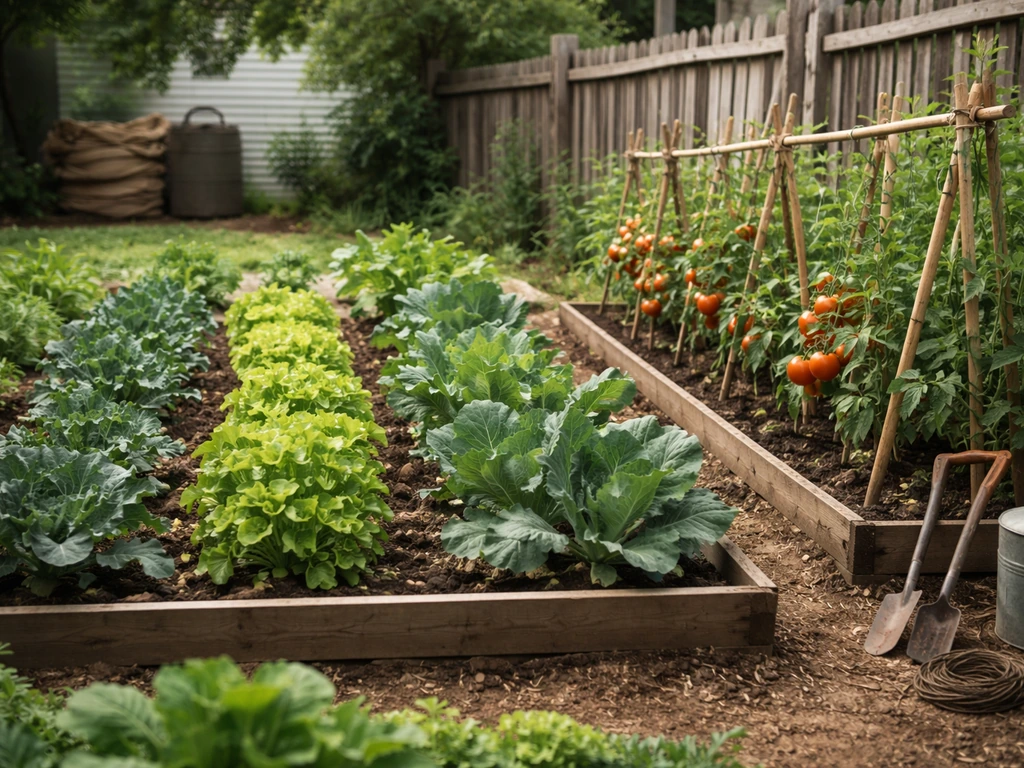
The core answer is pressure, both economic and logistical. The war created shortages not just because food was being redirected to troops, but because the entire supply chain was strained. The National WWII Museum points to labor and machinery shortages on farms, overloaded railroads, and restricted motor transport as key reasons why food distribution broke down. Steel and tin were being diverted to the war effort, which meant fewer cans. Trucks and trains were prioritized for military logistics. So even when food was being grown somewhere, getting it to your kitchen table was genuinely difficult.
Growing food at home bypassed all of that. A tomato plant in your backyard doesn't need a freight train. A row of beans doesn't require a tin can or a rationing coupon. Home gardens were, in a very practical sense, the most direct and resilient part of the food system available to ordinary families. That's why the idea spread so fast once conditions were right.
Food Rationing and Shortages: the Immediate Pressures
Understanding the rationing system helps explain exactly what people were trying to solve. The U.S. The point rationing system used ration books to purchase controlled foods, assigning rationed items point values as described in the National Park Service overview of WWII home front food rationing. used a point rationing system, meaning every household received a limited number of points to spend on controlled categories of food. Rationed items included sugar, coffee, processed foods like canned and frozen goods, meats and canned fish, cheese, canned milk, and fats and oils. These aren't obscure ingredients, they're the backbone of most meals. When your access to meat, dairy, and preserved goods is suddenly capped, fresh vegetables from your own garden become enormously valuable.
The rationing expanded in stages. Gasoline and sugar were rationed in 1942. Then in 1943, fresh meat, butter, cheese, and canned goods were added to the list. Each expansion gave more households a direct financial and practical reason to start a garden. Fresh vegetables were not rationed, which meant that anything you could grow yourself was essentially outside the point system. That was a powerful incentive, and people understood it.
Morale, Community, and Civic Participation
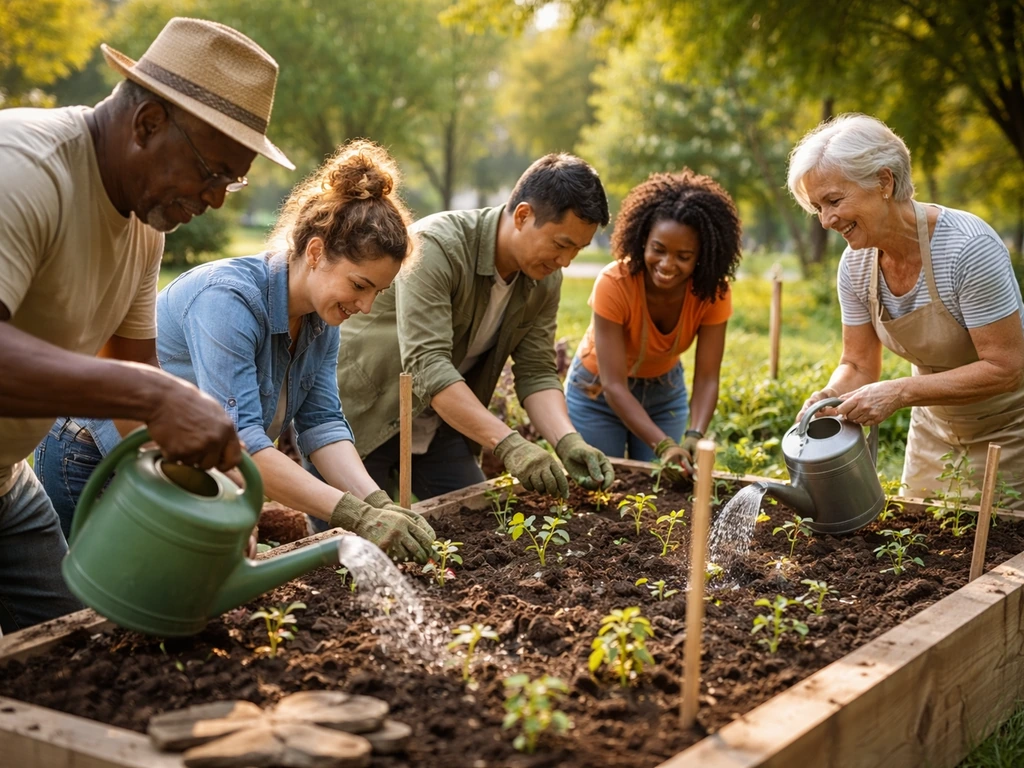
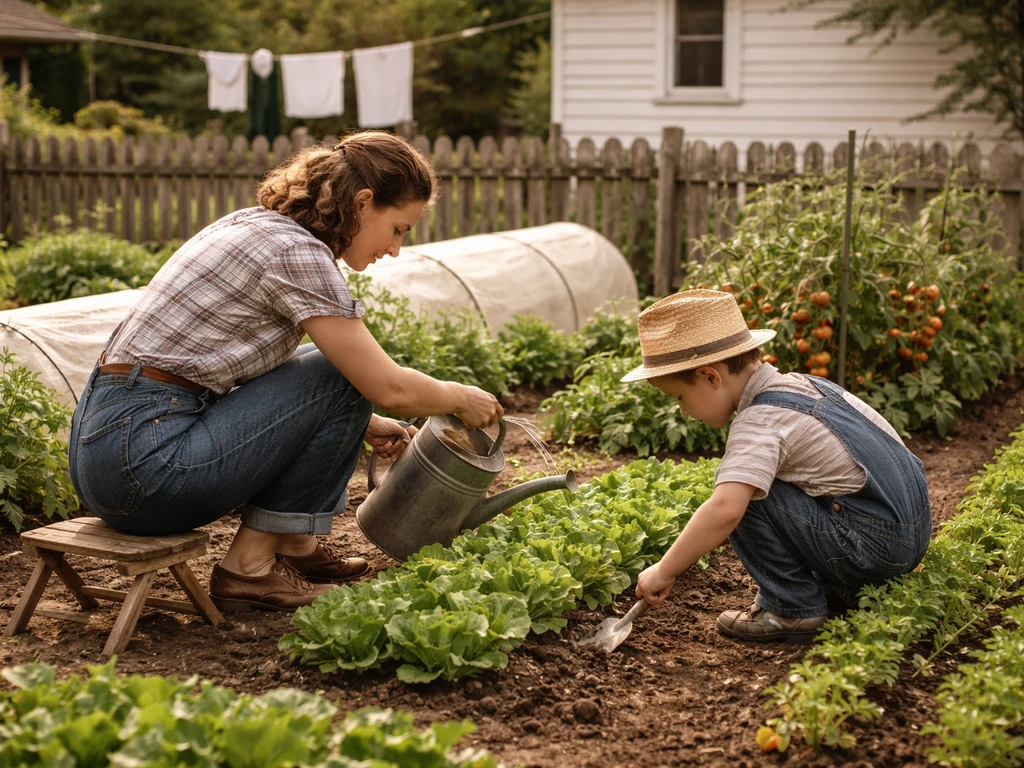
Victory gardens weren't purely about calories. They gave people something active to do during a period of intense anxiety. For families with loved ones overseas, tending a garden was a concrete way to contribute to the war effort from home. It turned a passive experience (watching the war unfold) into an active one (doing something useful every day). That psychological benefit was real and widely understood at the time.
Community gardens sprang up in city parks, school yards, and empty lots. Neighbors shared seeds, knowledge, and harvests. The communal dimension of gardening during this period has a lot in common with what we now call food security networks or community-supported agriculture. People weren't just feeding their own families in isolation; they were building informal food systems at the neighborhood level. If you've ever wondered why it is important to grow crops at a community scale rather than just individually, the victory garden era is one of the clearest historical answers: resilience comes from distributed production, not centralized supply.
How the Government Encouraged People to Grow
The government didn't just suggest people grow gardens and hope for the best. It ran coordinated campaigns through multiple channels. The USDA published practical growing guides tailored to home gardeners with no farming background. The National WWII Museum notes that the USDA encouraged Americans to plant victory gardens, including guidance about expanding production and preparing harvests. Federal agencies partnered with local extension services to run workshops and distribute materials. Posters, radio broadcasts, and newspaper features all reinforced the same message: growing your own food is patriotic, practical, and achievable.
The framing was deliberately inclusive. You didn't need land to participate. Cities made public spaces available for community plots. The guidance covered everything from seed selection to soil preparation to canning and preserving the harvest. That last part mattered a lot: a garden that produces more than you can eat in a week is only useful if you know how to store it. The government's role was essentially to lower every possible barrier between a willing household and a productive garden.
Coordination happened at every level. Local governments identified suitable land. Schools incorporated garden projects. Businesses encouraged employees to use break time for nearby community plots. The result was a nationwide gardening infrastructure built largely from scratch in under two years, which is why the output numbers from 1943 and 1944 are so striking.
What People Typically Grew and How to Choose Productive Crops Today
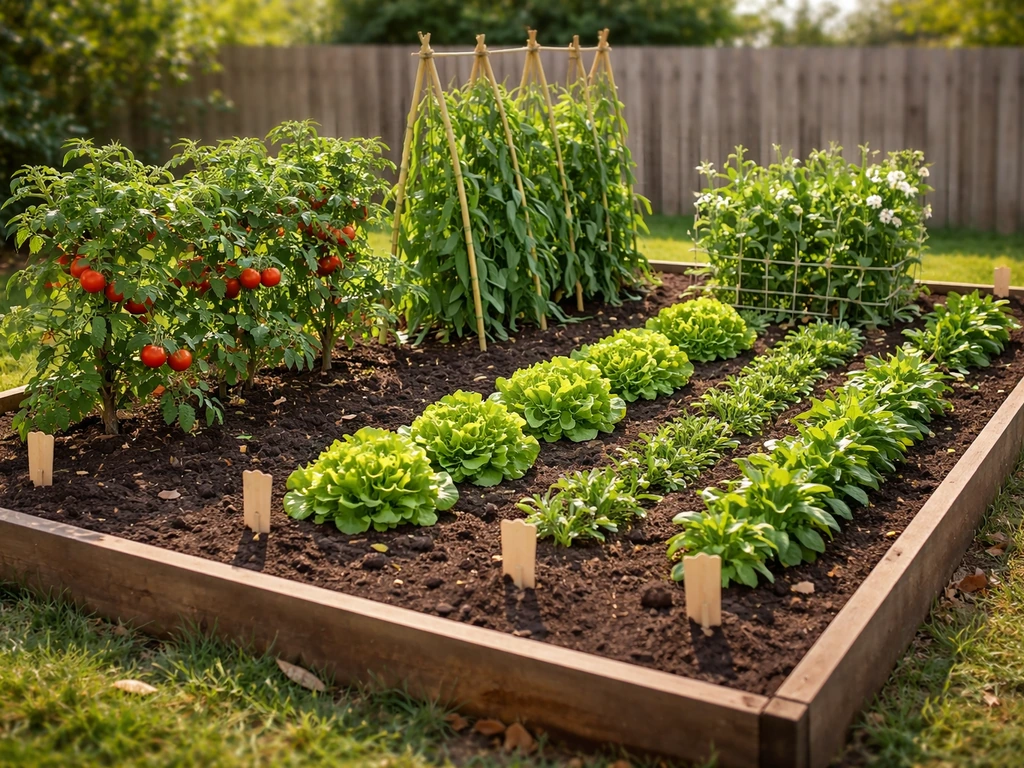
Victory gardeners focused on high-yield, easy-to-grow vegetables that could substitute for rationed goods and be eaten fresh or preserved. Tomatoes, green beans, lettuce, peas, carrots, beets, Swiss chard, and radishes were all common. These crops share important traits: they produce a lot of food per square foot, they're relatively forgiving for beginners, and most can be preserved by canning, pickling, or drying if you grow more than you can eat immediately.
Gourds and squash were also popular for their long shelf life and caloric density. If you're curious about the practical reasons why people grow gourds even today, the answer connects directly back to this era: they store well, they're calorie-rich, and they require relatively little effort once established. If you are wondering why do people grow gourds specifically, it's largely because they store well and are easy to manage compared with many short-season crops. For any modern gardener thinking about food security rather than just fresh eating, those qualities still matter. If you're still wondering why do farmers grow gourds, it's worth comparing that with the victory garden logic too, since both emphasize long storage and practical usefulness under pressure.
If you're choosing crops for a productive home garden today, apply the same logic the victory gardeners used. Pick vegetables that give you the most food in the least space, that can be preserved beyond their fresh season, and that your household will actually eat. A few comparisons are worth having in front of you:
| Crop | Yield per 10 sq ft (approx.) | Ease for Beginners | Preservation Options | Rationing Substitute For |
|---|---|---|---|---|
| Tomatoes | 15–20 lbs | Moderate | Canning, drying, sauce | Canned tomatoes/processed foods |
| Green beans | 5–8 lbs | Easy | Canning, freezing, pickling | Canned vegetables |
| Lettuce/greens | 3–5 lbs (cut-and-come-again) | Easy | Best fresh | Fresh vegetables (not rationed but scarce) |
| Carrots | 6–10 lbs | Easy | Root cellaring, canning | Canned vegetables |
| Summer squash/zucchini | 10–20 lbs | Very easy | Freezing, pickling | Canned goods, fats |
| Peas | 2–4 lbs shelled | Easy | Freezing, drying | Canned/frozen peas |
| Beets | 8–12 lbs | Easy | Canning, pickling, root cellar | Canned vegetables, sugar source |
One thing WWII gardeners understood intuitively is what agricultural history confirms: the crops that feed people most reliably are the ones humans have been cultivating for centuries precisely because they work. Looking at what the first farmers grew shows a lot of overlap with victory garden staples: root vegetables, legumes, leafy greens. These aren't trends. They're proven.
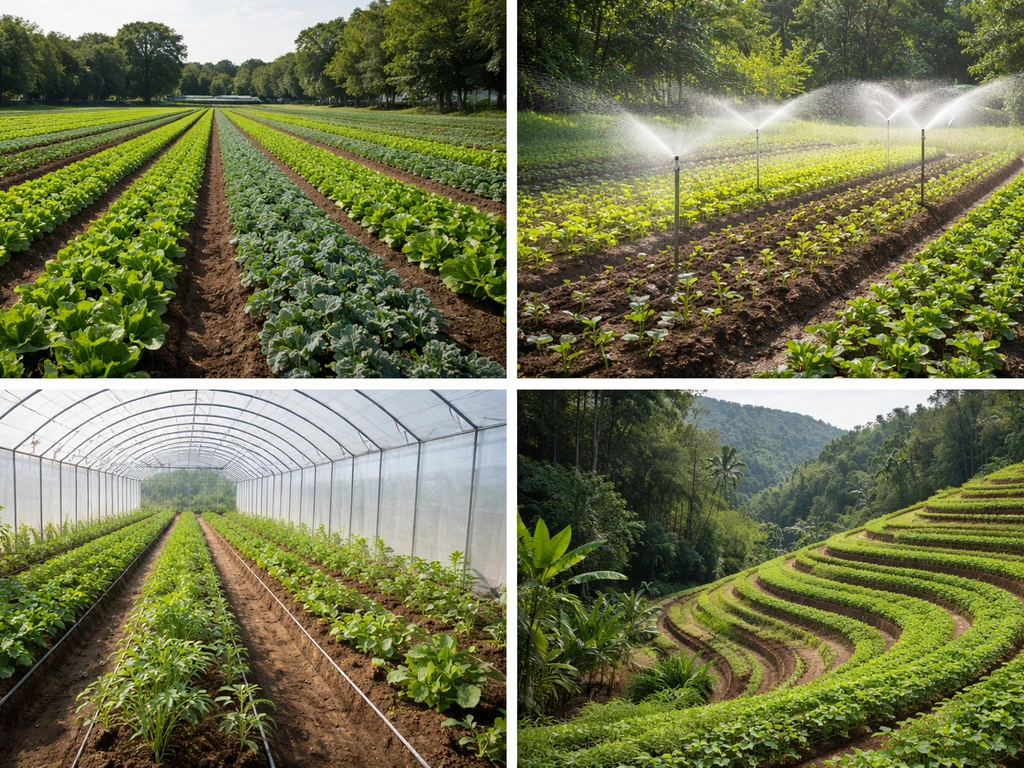
Space constraints were a real factor in the 1940s just as they are now. Many victory gardens were small urban plots or even container setups on apartment balconies. The same principle applies today: don't let limited space stop you. Tomatoes, lettuce, and herbs do well in containers. Beans grow vertically. Radishes and beets can be tucked into almost any gap. If you're weighing whether growing vegetables in a greenhouse makes sense for extending your season and boosting yields, the answer for most climates is yes, especially for heat-loving crops like tomatoes and peppers that need a longer growing window than the open garden provides.
Practical Takeaways for Modern Home Gardeners Seeking Food Security
The WWII victory garden movement succeeded because it combined genuine need, clear government guidance, and a practical framework that ordinary people could actually follow. You don't need a war to apply the same logic. Food prices, supply chain disruptions, and personal budget pressures are more than enough motivation, and the methods translate directly.
Start with the crops that give you the most return for the least input. Zucchini, tomatoes, green beans, and leafy greens are where most beginners should focus their first season. They're forgiving, productive, and cover the fresh vegetable gap that most households feel most acutely. Once you're comfortable with those, branch into longer-storage crops like carrots, beets, and winter squash that let you extend your harvest into the colder months.
Learn to preserve what you grow. This was central to the victory garden program and it's still the biggest gap in most modern home gardens. A single zucchini plant can produce 10 to 20 pounds of squash over a season. Without a preservation plan, most of that goes to waste or to neighbors. Canning, freezing, pickling, and fermenting are all achievable at home without specialized equipment.
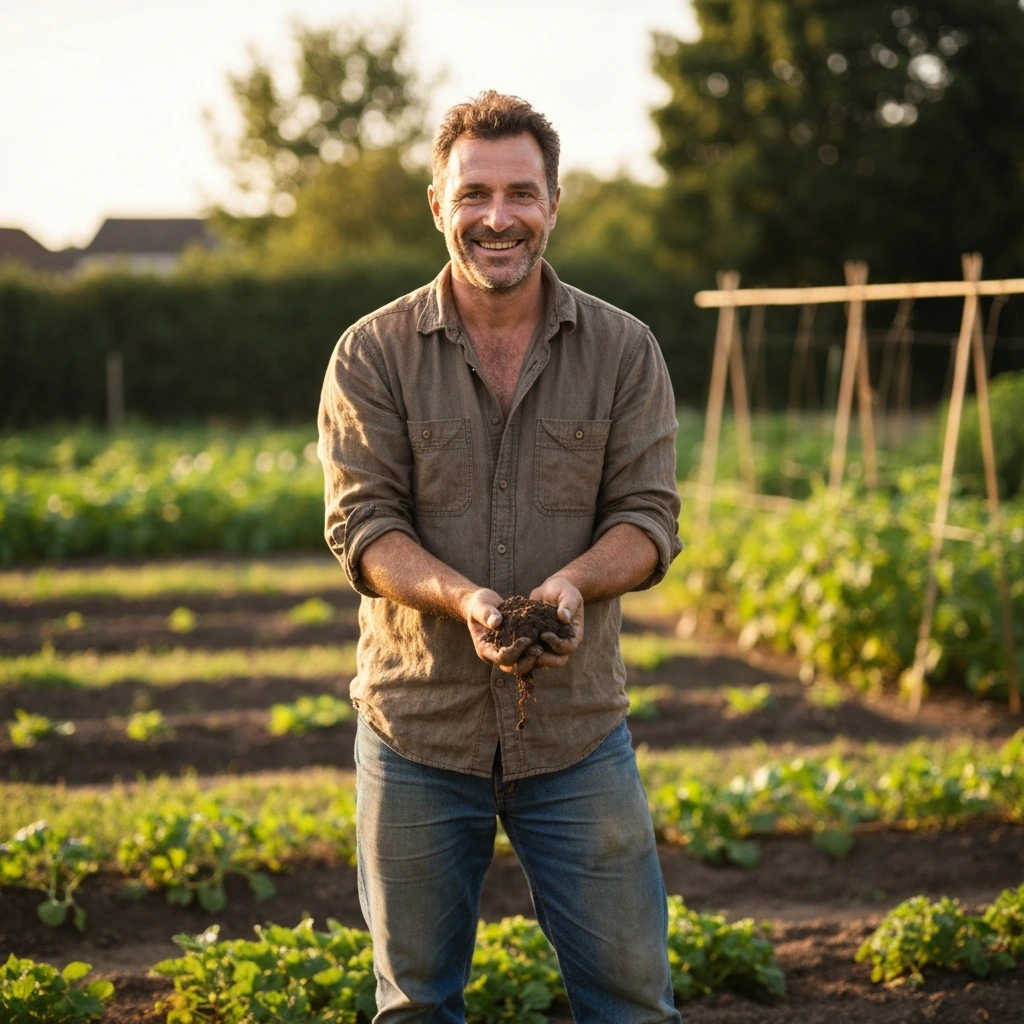
Don't ignore soil. Victory garden guides put a lot of emphasis on compost and amendment because they had to: urban soils were often poor, and inputs like commercial fertilizer weren't always available. Good soil prep is still the single highest-leverage thing you can do before planting. Ancient agricultural systems understood this too. The techniques that helped Egyptian farmers grow crops during the dry season revolved around maximizing soil fertility and moisture retention, the same fundamentals that apply in any home garden today.
Think about protected growing for reliability. Modern gardeners have access to tools that WWII households didn't, including cold frames, row covers, and greenhouse structures that extend the season by weeks or even months. Understanding why farmers use greenhouses to grow plants comes down to control: controlled temperature, light, and moisture mean more predictable harvests with less loss. For a food-security mindset, that predictability matters.
Connect with your community. The social infrastructure of the victory garden movement, seed sharing, plot sharing, knowledge exchange, was as important as any individual garden. Local gardening groups, seed libraries, and community plots still exist in most cities and towns. Plugging into them accelerates your learning and builds the kind of redundancy in the local food system that individual gardens alone can't provide.
- Choose 3 to 5 high-yield crops for your first season: tomatoes, green beans, zucchini, lettuce, and carrots are a strong starting set.
- Amend your soil with compost before planting, even in raised beds or containers. This is the single most impactful prep step.
- Plan for preservation from day one: decide whether you'll can, freeze, or pickle your surplus before the harvest arrives.
- Use vertical space and containers if your plot is small. Victory gardens worked in tiny urban spaces and yours can too.
- Find or start a local seed or gardening group. Shared knowledge and resources make every individual garden more productive.
- Consider a cold frame or small greenhouse structure to extend your season by 4 to 8 weeks at each end.
Victory gardens worked because the need was real, the guidance was practical, and ordinary people discovered they could do more than they thought. That's still true. Whether you're gardening for budget reasons, food security, or just the satisfaction of eating something you grew yourself, the WWII playbook is surprisingly good: grow what produces reliably, preserve what you can't eat fresh, and don't try to do it entirely alone. And if you're just getting started and wondering whether all this effort is really worth it, consider that the reasons Chengi grew vegetables are the same reasons people have always turned to home gardens under pressure: control, freshness, cost savings, and the quiet confidence of knowing you can feed yourself. That hasn't changed.
One last thing worth noting: the 40% of U.S. vegetable supply that came from victory gardens in 1944 didn't come from professional farmers. It came from millions of households doing something modest in whatever space they had. That scale of distributed production is still possible, and in many ways it's more achievable now than it was then, thanks to better seed varieties, more growing information, and tools like greenhouses and drip irrigation that simply didn't exist for most home growers in the 1940s. The biggest barrier today isn't access or knowledge. It's starting.
FAQ
Did victory gardens actually replace most of the food shortages, or were they just a supplement?
They were mainly about preventing household shortages from point-rationed staples and reducing strain on the broader food supply, not about producing all wartime food. Even in the peak years, victory gardens complemented commercial production, then bought time by adding fresh vegetables and reducing pressure on canned and preserved foods.
What could people do if they didn’t have land or a backyard to garden?
Yes. If you lacked space, you could still participate through containers, vacant-lot plots, or school and community gardens. The movement was designed to be scalable so families without yards could grow something, which mattered because urban soils and lot availability varied widely.
How exactly did rationing make homegrown vegetables more valuable?
The point-ration system capped many foods families commonly bought, but it did not apply to produce you grew yourself. That meant homegrown vegetables functioned like a “workaround” for ration limits, giving households a reliable source of fresh food without spending points.
Which kinds of crops worked best for victory gardens, and why did those choices matter?
Most guidance emphasized high-yield, dependable crops because beginners needed quick wins and because storage mattered when harvests came all at once. Crops that are easy to grow and preserve helped households turn short seasonal abundance into longer-term food.
Why do some beginner gardeners end up wasting their harvest even when plants do well?
A common mistake is treating a garden like a summer side project. If you grow more than you can eat immediately, you need a preservation plan and storage space. Without canning, freezing, pickling, drying, or even simple root-cellaring, a productive plot can still leave families with waste.
What were the biggest practical reasons victory gardens failed, even when people tried?
The risk was not just “not enough food,” it was inconsistent harvests from poor soil, pests, and timing errors. Victory garden guides stressed compost and amendments, but many modern gardeners also benefit from choosing varieties matched to their climate and starting dates, then using row covers or shade cloth when conditions swing.
Is it worth using greenhouses or row covers if the goal is food security, not just nicer plants?
They can, but success depends on reliability. Protected growing helps with heat or cold stress, which reduces crop loss, yet it also requires attention to ventilation and moisture to prevent issues like fungal problems. For food-security goals, focus first on what you can maintain week to week.
How does gardening with others improve food security compared with gardening alone?
Community support lowered risk by pooling knowledge, seeds, and access to shared land. It also reduces “single-point failure,” for example if your plot is hit by pests or you miss a planting window. Even small groups can provide backup and faster learning.
What’s a good first-season strategy for someone starting a victory-garden-style setup today?
Start with a few crop types that reliably produce in your space, then scale. A practical approach is to plant successive small rounds (especially for leafy greens and beans), so you have a steady flow for fresh eating while you learn your preservation rhythm.
If I’m growing for emergencies, what should I prioritize beyond fresh vegetables?
If you grow primarily for emergency readiness, prioritize long-keeping staples (root crops, winter squash, dry beans) in addition to fresh vegetables. Fresh produce is still valuable, but pairing it with shelf-stable or easily preserved crops makes your plan more resilient if disruptions last longer than a growing season.
How Do Farmers Grow Food Around the World: Methods and Tips
Learn how farmers grow food worldwide: soil, water, crops, pests, harvest, and how to scale it for home gardens.