For general vegetative feeding, mix 2 to 3 teaspoons (10 to 15 mL) of FoxFarm Grow Big per gallon of water, applied every other watering. For seedlings or new transplants, back that off to just 1/2 teaspoon (2.5 mL) per gallon once a week. Those are the label rates straight from FoxFarm, and they work well as a starting point for most home garden situations.
How Much Fox Farm Grow Big Per Gallon to Mix

Marcus Hendrick
6 Jun 2026
What FoxFarm Grow Big Actually Is (and Which Version to Buy)
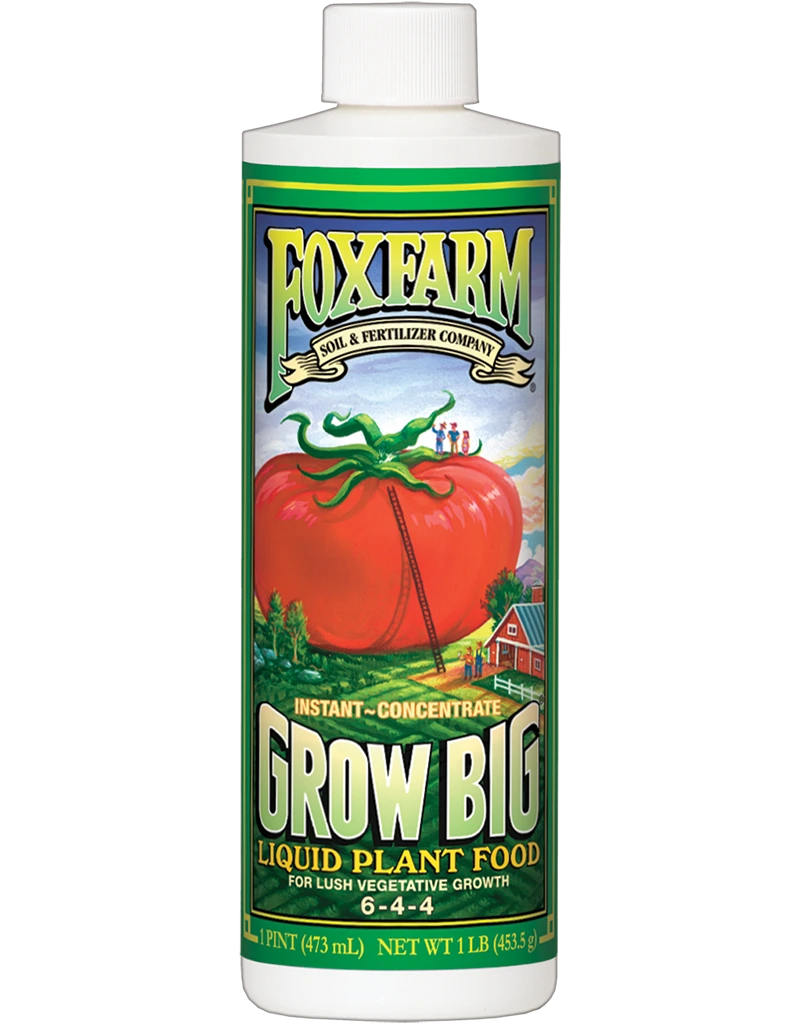
FoxFarm Grow Big is a liquid concentrate fertilizer with an NPK of 6-4-4, meaning it's heavier on nitrogen than phosphorus or potassium. That ratio is exactly what you want during vegetative growth: nitrogen drives leafy, structural growth, while the lower phosphorus and potassium keep things balanced without triggering early flowering. FoxFarm designed it specifically for the period after seedling establishment and before you switch to a bloom-focused fertilizer.
Here's where people trip up: there are two distinct Grow Big products. The standard Grow Big Liquid Plant Food is formulated for soil. There's also a separate Grow Big Hydroponic Liquid Plant Food made specifically for hydroponic and soilless systems. They're not interchangeable. The hydro version is formulated for recirculating reservoirs and has different dosing logic tied to EC (electrical conductivity) targets. If you're growing in potting mix, pots, or garden beds, you want the soil version. If you're running a DWC bucket or NFT system, you want the hydro version and you'll want to follow FoxFarm's Hydroponic Feeding Schedule closely.
Exact Mixing Rates Per Gallon
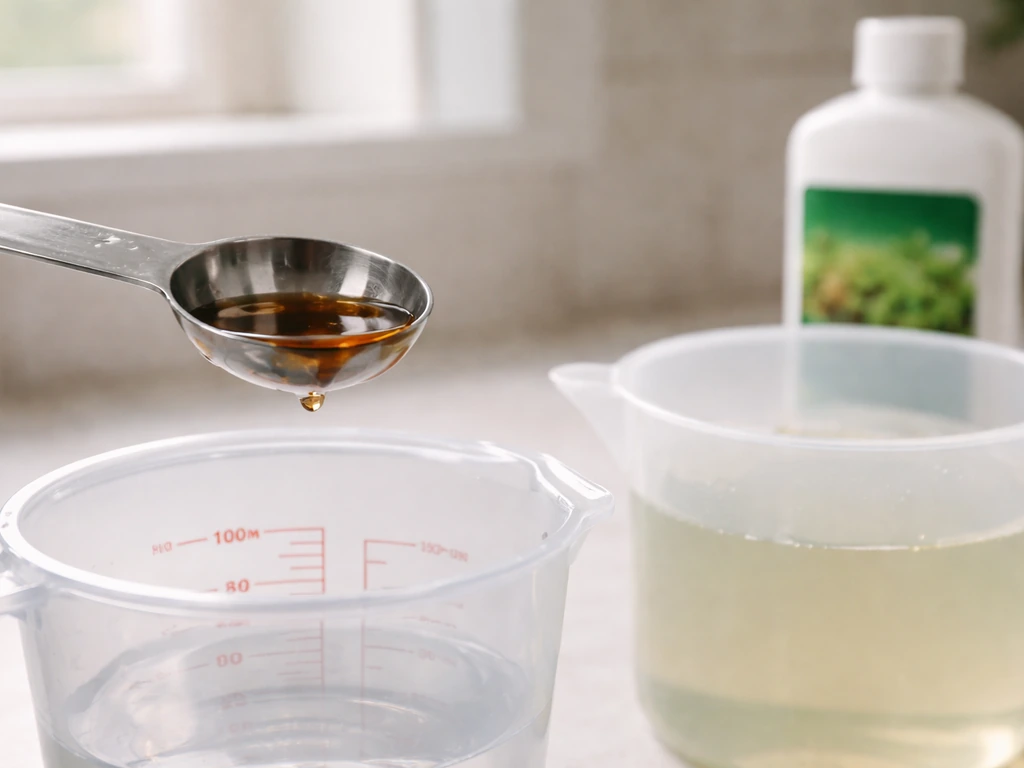
The label gives you three distinct rate categories, and using the right one for the right situation matters more than most people realize.
| Application Type | Rate per Gallon | Frequency |
|---|---|---|
| General feeding (established plants) | 2–3 tsp (10–15 mL) | Every other watering |
| Seedlings / new transplants | 1/2 tsp (2.5 mL) | Once per week |
| Foliar spray (supplemental) | 1/2 tsp (2.5 mL) | Every other week |
For most home gardeners running a few containers or a raised bed, you'll be mixing 1 to 5 gallons at a time. Scaling up is simple: if you need 5 gallons at the general feeding rate, multiply the per-gallon dose by 5. At the midpoint rate of 2.5 tsp per gallon, that's about 12.5 teaspoons, or roughly 4 tablespoons plus a half teaspoon. It's worth keeping a dedicated measuring spoon in your garden kit so you're not eyeballing it.
Foliar feeding is worth doing but it's supplemental, not a replacement for root feeding. Mix at 1/2 tsp per gallon, spray the tops and undersides of leaves in the early morning so the liquid can absorb before the sun gets intense, and do it no more than every other week. If you're running a hose-end sprayer, follow the sprayer manufacturer's dilution settings to match those concentrations.
What Results You Can Realistically Expect
Grow Big lives up to its name when used correctly during the right stage. You'll typically see noticeably darker green foliage within one to two weeks of starting a consistent feeding routine, followed by faster internode spacing and more robust stem structure. Plants fed with Grow Big during their vegetative stage tend to be larger and better branched going into flower, which sets the foundation for better yields later. Using a consistent fertilizing routine helps you grow good farm outcomes from seed to harvest. However, Grow Big itself is a vegetative fertilizer, not a yield-booster in the fruiting or flowering phase. To learn the basics of producing insects for food, look for guidance on species selection, feeding, and harvesting timelines how to grow insects for food. If you want a bigger, longer-term plan for how to grow a farm, use this vegetative approach as part of an overall crop, soil, and feeding schedule. Think of it as building the infrastructure, not filling the fruit.
In practice, the growth improvement you see depends heavily on what your plants were getting before. If you're starting from plain water or an exhausted potting mix, the difference is dramatic and fast. If your plants are already in a rich, amended soil, the improvement will be subtler. Container gardens and raised beds with inert media (like perlite-heavy mixes or coco coir) respond the most consistently to liquid feeding because the plant is entirely dependent on what you give it.
Timing matters a lot too. FoxFarm is clear that you should switch to a bloom fertilizer when the first signs of flowering appear. Continuing with Grow Big into flower can actually slow fruiting and delay ripening because excess nitrogen at that stage pushes vegetative growth at the expense of bud and fruit development.
How to Apply It Correctly
Watering Schedule
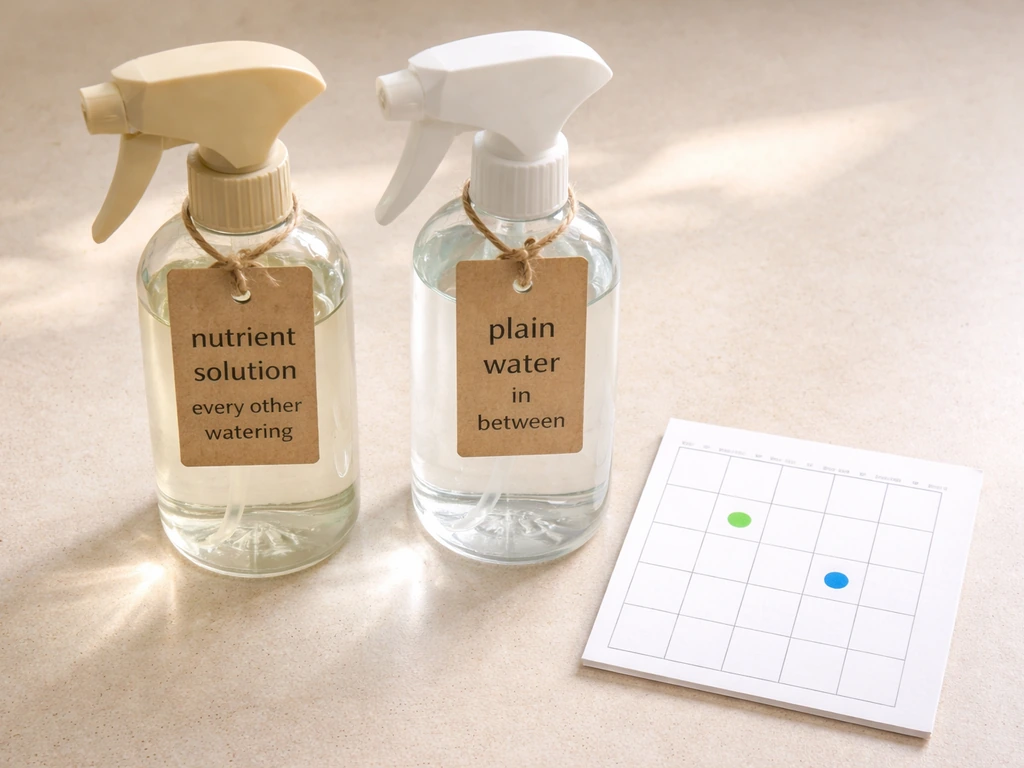
The standard approach is to water with the nutrient solution every other watering, not every time. In between, plain pH-adjusted water is fine. This rhythm helps prevent salt buildup in the root zone, which is one of the leading causes of nutrient burn with bottled fertilizers. In hot weather when you're watering daily, that means feeding every two days. In cooler conditions where soil stays moist for three or four days between waterings, you're feeding roughly twice a week.
Soil vs. Containers
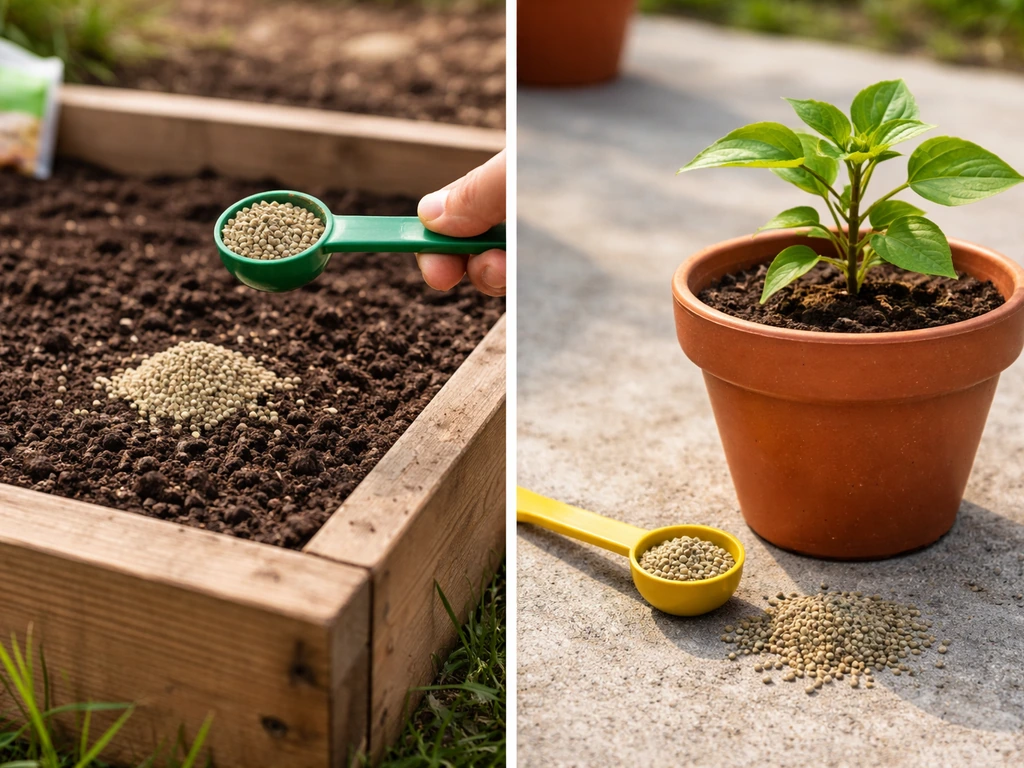
In containers, the root zone is confined and nutrients concentrate faster, so err toward the lower end of the 2 to 3 tsp range, especially in pots under 5 gallons. In garden beds with good soil biology, the soil itself buffers and metabolizes nutrients more forgivingly, so you can work toward the higher end of the range. Either way, start at the low end and move up only if plants show signs of deficiency (pale or yellowing lower leaves, slow growth).
Light and Plant Stage
Plants under stronger light can process more nutrients, period. If your garden gets full sun all day or you're running high-output grow lights, your plants can handle closer to the full 3 tsp per gallon. Plants in partial shade or under weaker indoor lighting absorb nutrients more slowly, so giving them a full dose can overwhelm them. Under lower-light conditions, stick to 1.5 to 2 tsp per gallon and watch for signs of burn.
Common Mistakes and How to Fix Them
Nutrient Burn (Overfeeding)
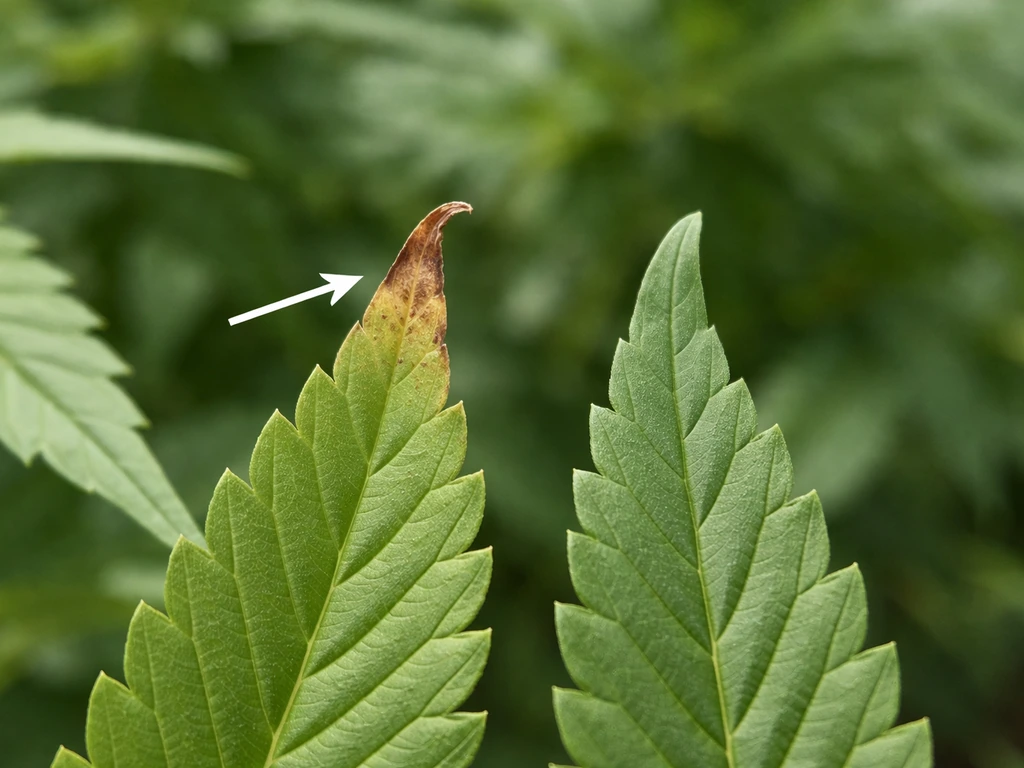
Burn shows up as brown, crispy tips on the leaves, usually starting at the very tips and working inward. It happens when you push the dose too high too fast, especially in containers or under lower-light conditions where the plant isn't metabolizing nutrients quickly. If you see tip burn, flush the container with plain pH-adjusted water (roughly three times the pot volume in water), let it drain fully, then resume feeding at a lower rate. Going back to 1.5 tsp per gallon for a couple of waterings usually gets things back on track.
Nutrient Deficiency (Underfeeding)
The opposite problem looks like yellowing that starts on the lower, older leaves and works upward, along with slow or stunted growth. This is often the result of feeding too infrequently, mixing below the recommended rate, or skipping feedings altogether and relying on soil alone for too long. Bump up to every-other-watering feedings at the full 2 to 3 tsp range and you should see improvement within a week or two as new growth comes in greener.
pH and Water Quality Issues
This one catches a lot of home gardeners off guard. Even if your dose is perfect, nutrient uptake can be blocked entirely if your water pH is off. For soil, aim for a pH of 6.0 to 7.0 in your final mixed solution. For hydro systems, FoxFarm's hydro feed sheet targets 5.8 to 6.3. If you're using tap water, test it first, because many municipal supplies run at pH 7.5 or higher, which can lock out nutrients at the root level regardless of what's in the water. A basic pH meter and a bottle of pH-down solution are worthwhile tools if you're serious about feeding results. Note that testing runoff from a container doesn't give you a reliable picture of what's happening in the root zone, because runoff includes soil particles and dissolved solids that skew the reading.
Skipping the Flush
Salt accumulation is real in any liquid-feed program. FoxFarm recommends flushing with clean water periodically, and in hydroponic systems, changing the reservoir every two weeks and flushing with a dedicated flush solution like their Sledgehammer product. In soil containers, a good deep flush every three to four weeks keeps salts from building to problematic levels. If the leaves start to look rough despite correct dosing and good pH, a flush is usually the first thing to try.
How Far Does a Bottle Go (and What Does It Actually Cost Per Feeding)
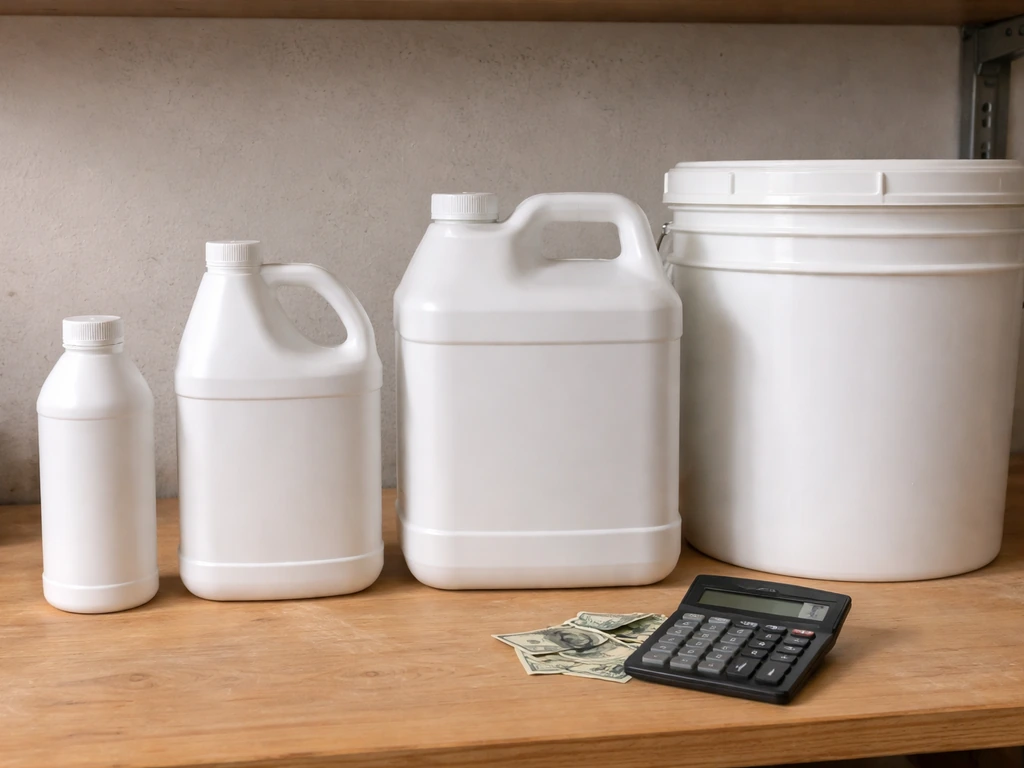
Grow Big comes in several sizes: 1 pint, 1 quart, 1 gallon, 2.5 gallon, and 5 gallon. For a home gardener, the 1-quart bottle is the most practical starting size. Here's what each gets you at different feeding rates.
| Bottle Size | Volume (tsp) | Gallons Mixed at 2 tsp/gal | Gallons Mixed at 3 tsp/gal |
|---|---|---|---|
| 1 pint (16 oz) | ~96 tsp | 48 gallons | 32 gallons |
| 1 quart (32 oz) | ~192 tsp | 96 gallons | 64 gallons |
| 1 gallon (128 oz) | ~768 tsp | 384 gallons | 256 gallons |
| 2.5 gallon | ~1,920 tsp | 960 gallons | 640 gallons |
To put that in practical terms: a 1-quart bottle gets you somewhere between 64 and 96 gallons of mixed nutrient solution. If you're watering a 4-container herb and vegetable setup and going through about 2 gallons of nutrient solution per feeding session, a quart bottle lasts you 32 to 48 feeding sessions, which at every-other-watering frequency works out to months of use. For a larger raised bed operation or a full home garden, the 1-gallon or 2.5-gallon size makes more economic sense per dose.
On cost: retail prices vary, but the per-gallon-mixed cost tends to be quite low when you buy the larger sizes. The concentrate goes a long way, which makes liquid feeding programs genuinely budget-friendly for home food production compared to buying pre-amended potting mixes every season. If you're trying to build a self-sufficient growing setup and want to understand your full input costs, calculating your feeding schedule ahead of planting is a smart move: figure out how many plants, how many gallons of water per week, and how many weeks of vegetative growth you're planning for, then work backward to how much Grow Big you'll need per growing season. If you're wondering what they grow at Kingman Farms, it usually comes down to the same basics: understanding the growth stage and feeding accordingly. If you're also setting up a cricket farm, map out a feeding schedule for your cricket feed so the colony stays healthy and productive feeding schedule ahead of planting.
One more thing worth knowing if you're running a more complete FoxFarm nutrient program: Grow Big is just the vegetative leg of the trio. When you see recommendations to run it alongside other products, follow FoxFarm's Soil Feeding Schedule for the right amounts and timing at each week rather than guessing. FoxFarm’s Soil Feeding Schedule also provides the Grow Big dose by week and plant stage, including EC ranges alongside the mixing amounts follow FoxFarm's Soil Feeding Schedule. Mixing multiple nutrient products without a schedule is one of the fastest ways to create an imbalance and undo the growth you were trying to build.
FAQ
How much Fox Farm Grow Big per gallon should I use if my plants are already growing well and I just want maintenance feeding?
Start at the low end (about 2 tsp per gallon, between 1.5 and 2 tsp). Feed every other watering, and only increase if you consistently see pale growth or slow new leaf development. If plants are already dark green, avoid jumping to the full 3 tsp because tip burn can still appear even when other factors look right.
Can I use Grow Big at the seedling rate for the whole grow, even when plants get bigger?
It’s safer to use the seedling rate only through early establishment, then move to the standard vegetative range. Seedling-level dosing through larger vegetative growth often leads to weaker stems and slower internode spacing, because containers and inert mixes cannot rely on soil reserves to compensate.
What if I accidentally used the hydroponic Grow Big product in soil, or the standard soil Grow Big in a hydro system?
If you use the wrong formula, don’t try to “correct” by guesswork. For soil systems, switch immediately back to the soil product and resume at the soil rate, using your usual every-other-watering rhythm and proper pH. For hydro systems, switch back to the hydro product and follow the hydro EC targets, because dosing errors can show up quickly in recirculating reservoirs.
How do I calculate how much Grow Big I need for 3 gallons or 7 gallons without doing tablespoons every time?
Use a simple multiplier: for the standard range, multiply teaspoons per gallon by the number of gallons. For example, at 2.5 tsp per gallon, 3 gallons is 7.5 tsp, and 7 gallons is 17.5 tsp. Measuring spoons help most here, but you can also convert to tablespoons (3 tsp per tablespoon) to keep it consistent.
Should I mix enough solution for the whole week, or mix fresh each feeding?
Mix fresh each feeding when possible, especially in hot weather. If you must store mixed solution, keep it covered and cool, and don’t assume pH and nutrient availability will stay stable. This matters most for containers because salts concentrate faster and stale mixes can increase the chance of root-zone stress.
If I see yellowing, how can I tell whether it is overfeeding or underfeeding with Grow Big?
Overfeeding commonly shows up as brown, crispy tips starting at leaf edges, often after pushing the dose up too quickly. Underfeeding more often causes slower growth and paler older leaves that progressively look worse upward. If you’re not sure, check timing (are you feeding every other watering?) and confirm water pH first, then adjust dose gradually rather than making a big jump.
Is it okay to foliar feed more often than every other week if I want faster results?
It’s usually not a good idea to increase frequency beyond every other week, even if plants look hungry. More frequent foliar feeding raises the risk of leaf spotting and salt-related burn on leaf surfaces. If you need faster correction, adjust root feeding and ensure pH is in range first.
How much water should I use to flush a container if I get nutrient burn?
Use roughly three times the pot volume in clean, pH-adjusted water. Run it through slowly, let everything drain fully, and wait until runoff stops before resuming the next feeding. Then restart at the lower end (around 1.5 tsp per gallon) for a couple of waterings.
My tap water is often pH 7.5 or higher, what is the simplest way to avoid nutrient lockout?
Test your tap water and treat the final mix, not just the water you start with. Use pH-down until the mixed solution lands in the target range (about 6.0 to 7.0 for soil, about 5.8 to 6.3 for hydro). If you skip pH adjustment, even the correct Grow Big dose can still produce weak or inconsistent growth.
Do I still need to flush if I’m only feeding every other watering?
Yes, periodic flushing still helps. In soil containers, plan a deep flush every three to four weeks to reduce salt buildup. In hydro, reservoir changes and periodic flush solutions are more critical because salts can accumulate rapidly in recirculating systems.
When exactly should I stop Grow Big and switch to bloom fertilizer?
Switch when the first visible signs of flowering appear, not based on the calendar alone. Continuing with Grow Big after flowering starts can keep vegetative growth pushing and can delay bud and fruit development. If you are unsure, inspect the newest growth and look for the first flower structures.
Does the recommended dose change for very small pots, like under 1 gallon?
Yes, in very small containers it helps to lean toward the lower end of the range. Start around 1.5 to 2 tsp per gallon because root zones are confined and salts and nutrient gradients build faster. If plants tolerate it and show steady new growth, you can step up gradually rather than starting high.
Next Article
Top Grow Agro Guide: Setup, Soil, Feeding, and Harvest
Practical guide to set up containers or beds, build soil, feed, water, prevent pests, and harvest high yields.