FoxFarm Grow Big is a liquid concentrate vegetative fertilizer with an N-P-K of 6-4-4, and the short answer to how to use it is this: mix 2 to 3 teaspoons per gallon of water, apply every other watering starting within two weeks of transplanting, and stop using it the moment you see the first flowers. That's the core of it. Everything below fills in the details so you don't waste product, burn your plants, or miss the window when it works best. If you're wondering what Kingman Farms grows and how their production approach might affect plant nutrition, that question is usually the first place to start what do they grow at Kingman Farms.
Fox Farm Grow Big How to Use: Rates, Mixing, Timing

Marcus Hendrick
19 Apr 2026
What FoxFarm Grow Big actually is (and what it's designed to do)
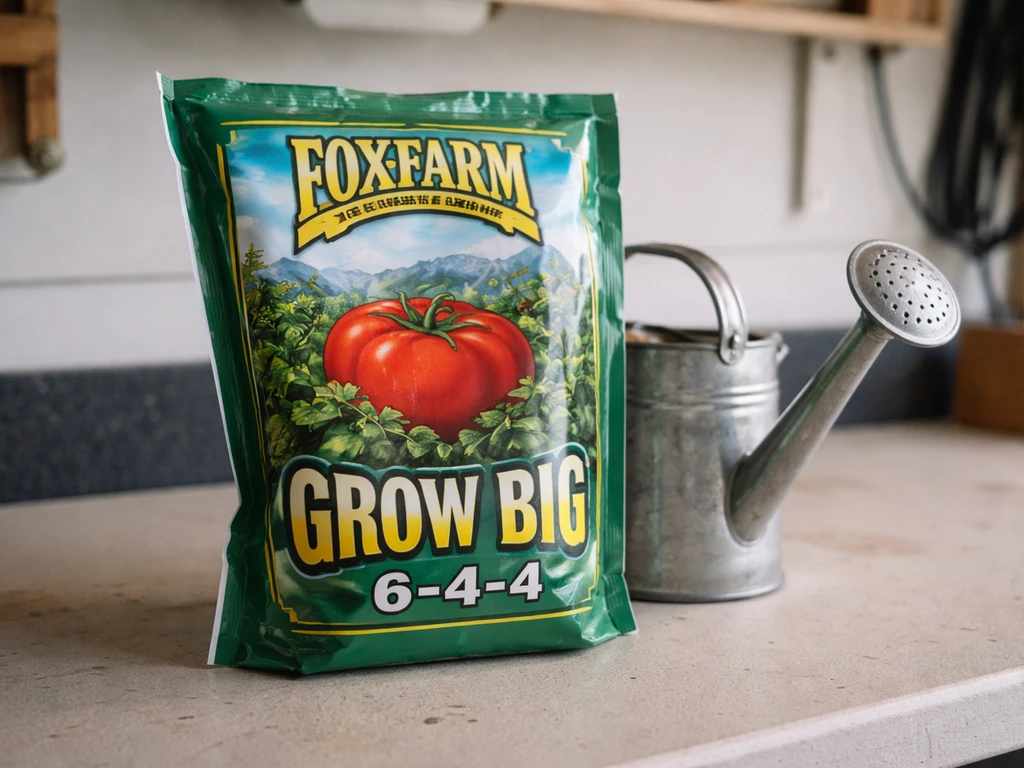
Grow Big (6-4-4) is formulated specifically to push lush, fast vegetative growth. The higher nitrogen number is what does that work: nitrogen drives leaf and stem development, and during the weeks between transplant and flowering, that's exactly what you want. The formula also includes earthworm castings and chelated micronutrients like iron, manganese, zinc, and copper, which help plants actually absorb what you're feeding them. It's a soil and container product, not a hydroponic formula. FoxFarm makes a separate Grow Big Hydro (3-2-6) for hydroponic systems, and they explicitly advise against using the soil version (6-4-4) in a hydro setup.
If you're growing food in containers, raised beds, or in-ground plots and you want to build strong, healthy plants before they start putting energy into fruit and flowers, this is the product for that job. It's not a complete-cycle fertilizer. It's a vegetative-stage tool, and that distinction matters a lot for how you use it.
How much to use: exact mixing rates
The official rates from FoxFarm are straightforward, and I'd suggest sticking close to the lower end until you know how your plants respond. Here's a breakdown by situation:
| Feeding Stage | Amount per Gallon of Water | Frequency |
|---|---|---|
| Seedlings | 1/2 tsp (2.5 mL) | Once per week |
| General feeding (containers/soil) | 2–3 tsp (10–15 mL) | Every other watering |
| Heavy feeding | 4 tsp (20 mL) | Every other watering |
| Foliar spray (supplemental) | 1/2 tsp (2.5 mL) | Every other week |
To mix it: measure your concentrate first, add it to your watering can or bucket, then fill with water and stir. Don't pour water first and then try to measure into a full can. You'll get inconsistent results and you risk splashing the concentrate. Use a proper measuring spoon, not a kitchen guess. In a r/vegetablegardening discussion, users also emphasized measuring when combining liquid fertilizers so the teaspoons-per-gallon rates are consistent Use a proper measuring spoon, not a kitchen guess.. One teaspoon is 5 mL if you're working in metric. For larger batches, scale up proportionally: for a 5-gallon bucket at the 2 tsp/gal rate, that's 10 teaspoons (about 50 mL) total.
One thing worth paying attention to: FoxFarm's feeding charts recommend maintaining your nutrient solution pH between 6.3 and 6.8 when growing in soil or containers. This matters because even a perfectly mixed solution won't do much good if the pH is off and your plants can't absorb it. Pick up a cheap pH meter or test strips and check your mixed solution before applying. It only takes a minute and it prevents a lot of head-scratching later.
When to start and how long to keep using it
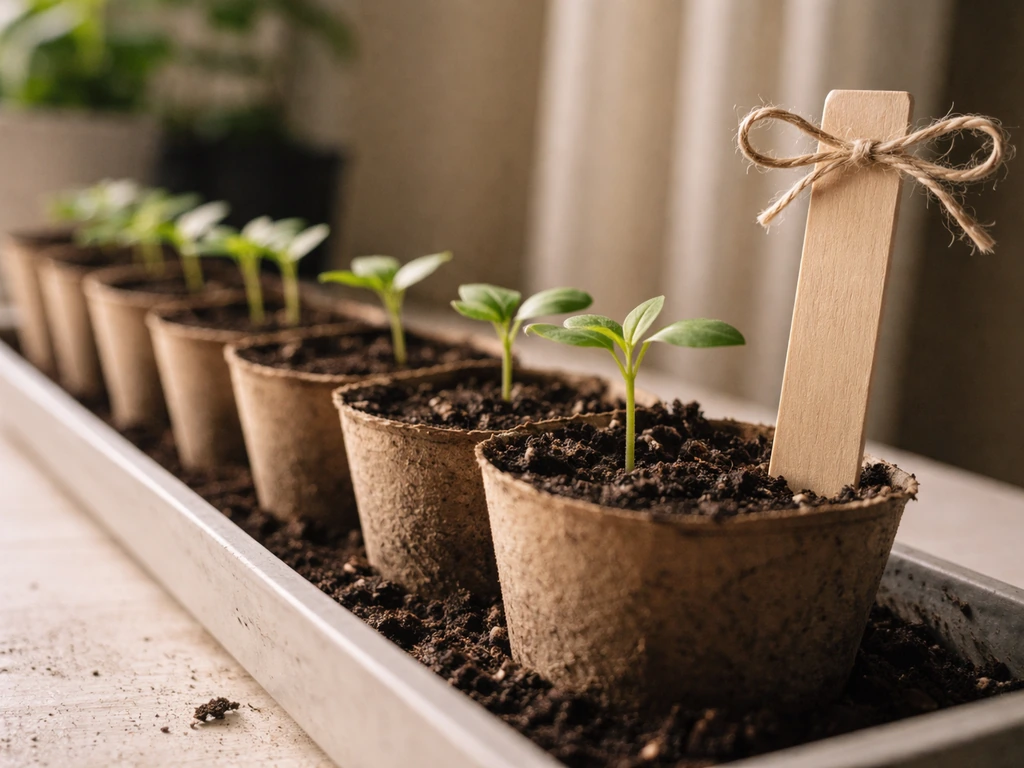
blank" rel="noopener noreferrer">Start within two weeks of transplanting. FoxFarm is clear about this in their product directions. That two-week window gives your transplants a little time to settle in and establish roots before you push them with nutrients. If you're working with seedlings that haven't been transplanted yet, use the seedling rate (1/2 tsp per gallon, once a week) until they're ready to move into their permanent container or bed.
Once you're past the transplant window and into active vegetative growth, feed every other watering at 2 to 3 teaspoons per gallon. For growers aiming for the best top grow agro results, focus on strong vegetative growth and consistent feeding before transitioning to flowering-stage nutrients active vegetative growth. Not every watering. Every other one. This gives the soil a chance to flush slightly and prevents salt buildup over time. FoxFarm's soil feeding schedule suggests you can feed up to twice per week during active veg if your plants are growing fast, but every other watering is the baseline and where I'd stay unless your plants are clearly asking for more.
If you need a longer vegetative cycle, say you're growing a sprawling tomato plant or a large squash vine and you want to bulk it up before fruit sets, FoxFarm's official schedule recommends simply repeating the week 4 portion of the schedule. In practical terms, that means staying on the same Grow Big dose and schedule for an extra week or two before transitioning. Don't just keep feeding indefinitely hoping for bigger plants. You'll hit diminishing returns fast.
The transition point: when to stop using Grow Big
Stop using Grow Big at the first sign of flowering. FoxFarm's instructions are direct about this: upon first signs of flowering, switch to one of their blooming fertilizers. This isn't just a brand upsell. The logic is sound. Once a plant starts putting energy into flowers and fruit, its nutrient needs shift. High nitrogen at that point can actually delay or reduce flowering. You want a lower-nitrogen, higher-phosphorus formula for the fruiting stage. Don't try to stretch Grow Big through flowering to save money. It'll cost you yield.
How to apply it: drench, foliar, and hose-end options
Watering-in (soil drench)
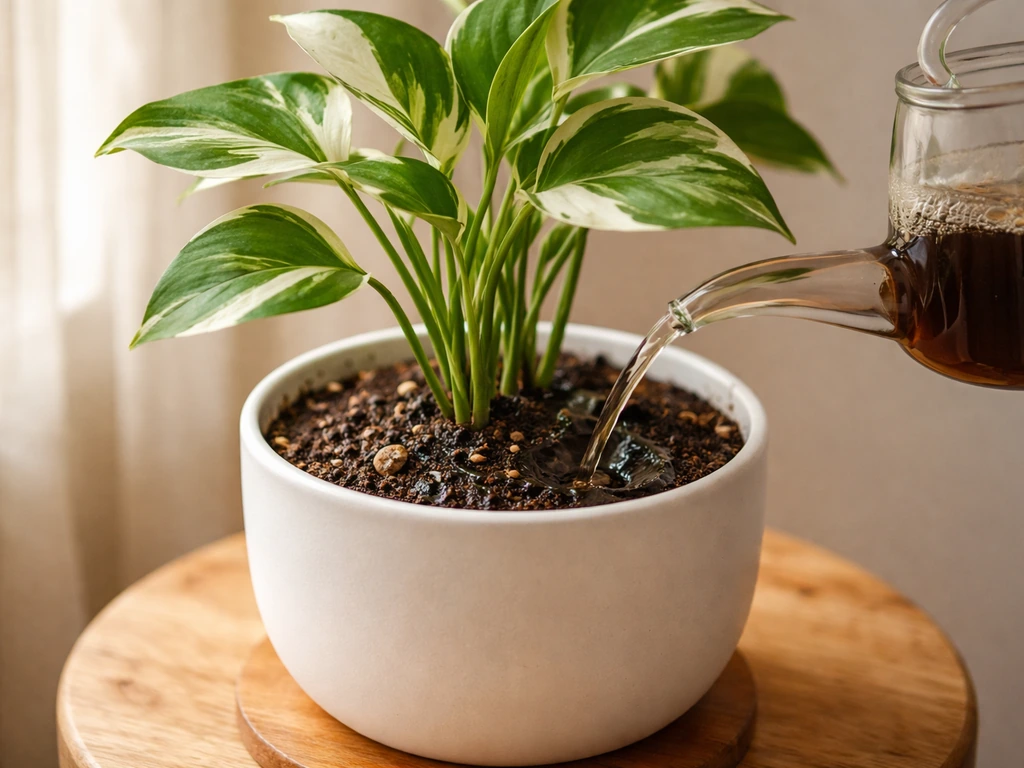
This is the standard method and what you'll use most of the time. Mix your solution at the appropriate rate, then water your plants normally at the base. The goal is to saturate the growing medium and let excess drain from the bottom of the container. That drainage tells you the entire root zone got wet and the nutrients are distributed. Don't just drizzle the surface. If you're growing in-ground, water slowly and thoroughly so the solution soaks in rather than running off.
Foliar feeding
Foliar feeding with Grow Big is supplemental, not a replacement for soil drenching. Mix at 1/2 teaspoon per gallon of water and apply every other week using a spray bottle or pump sprayer. The critical rule here: do not spray while plants are in direct sunlight. Apply in the early morning or evening when the sun is low or down. Spraying in full sun causes the water droplets to act like tiny magnifying glasses and you'll burn your leaves. Apply to both sides of the leaves if you can, and do this on dry days so the solution has time to be absorbed before it rains or you water again.
Hose-end sprayer
For larger garden beds or homestead-scale plots, a hose-end sprayer is a practical option. FoxFarm acknowledges this method in their directions. Follow the dilution settings on your specific sprayer model, since hose-end sprayers vary in their dilution ratios. The key is to calibrate your sprayer so you're still hitting roughly the same final concentration at the plant. If you're unsure, err on the lower-concentration side rather than the higher one.
A simple start-to-finish process
- Transplant your seedlings or starts into your container or bed using quality potting soil.
- Wait up to two weeks to let plants settle in, then begin feeding.
- Mix 2 teaspoons of Grow Big per gallon of water (start at the low end).
- Check the pH of your mixed solution and adjust to between 6.3 and 6.8 if needed.
- Water at the base of the plant, saturating the root zone and allowing drainage.
- Skip the next watering (plain water only), then feed again on the following one.
- Every other week, optionally foliar spray at 1/2 tsp per gallon in the early morning or evening.
- Watch your plants: if they look healthy and green with steady growth, you're dialed in.
- At first flower buds, stop Grow Big and switch to a flowering/blooming fertilizer.
Troubleshooting: overfeeding, underfeeding, and common problems
Signs you're overfeeding
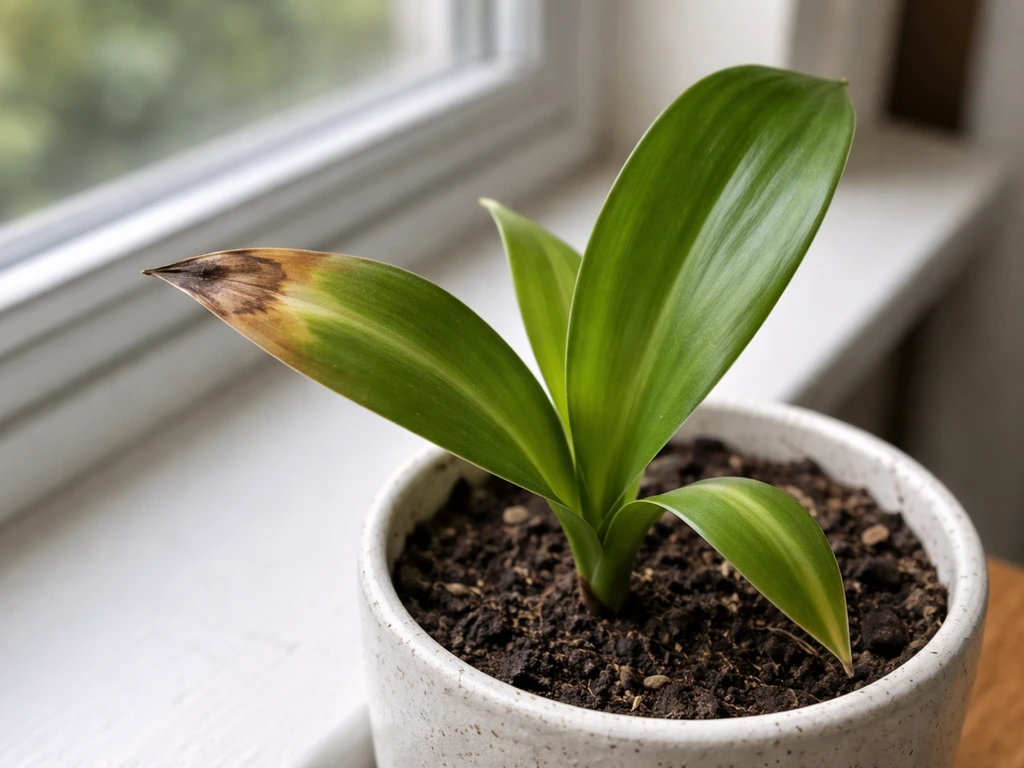
Nutrient burn is the most common overfeeding symptom, and it shows up as brown, crispy tips on the leaves, usually starting at the very end of the blade and working inward. You might also notice leaf edges curling slightly or a darker-than-normal green color across the whole plant. These are signs you've pushed too much nitrogen too fast. If you see this, back off immediately. Water with plain, pH-adjusted water for one or two waterings to flush some of the excess, then resume at a lower rate. Salt buildup in containers is a related issue: if you see a white crust forming on top of the soil or around drainage holes, that's a sign you need to flush more often. FoxFarm actually includes a dedicated flush product (SledgeHammer) in their feeding schedules for this reason, and periodic flushing is worth doing even when things look fine.
Signs you're underfeeding
Light green or yellowing leaves, especially on older (lower) growth first, usually point to nitrogen deficiency. Slow or stunted growth when conditions are otherwise good (adequate light, water, temperature) is another sign. If your plants look pale and listless and you've been feeding at the seedling rate for several weeks, bump up to the general feeding rate (2 tsp/gal every other watering) and give it a week to respond. Yellowing that starts on newer growth, rather than older leaves, tends to point to a different issue, often a pH problem blocking nutrient uptake rather than a lack of nutrients in the solution.
pH lockout
This one tricks a lot of growers. Your plants can look underfed even when you're feeding correctly if the soil or solution pH is outside the 6.3 to 6.8 range. At the wrong pH, nutrients become chemically unavailable even if they're physically present in the soil. If you've ruled out overfeeding or underfeeding and your plants still look off, test your soil pH and your water pH before mixing your next batch. This is the most underrated step in the whole process, and it fixes a surprising number of problems.
Safety, storage, and keeping your garden (and household) safe
Grow Big is labeled harmful if swallowed, so keep it stored out of reach of children and pets. This isn't just a legal disclaimer. The liquid concentrate is strong and acidic, and even a small amount ingested by a child or animal is a problem. Store it in a cool area away from direct sunlight, and keep temperatures below 90°F (32°C). Don't let it freeze either. Both extremes can degrade the product or cause the container to fail. The original container with the label intact is the best storage option, since the label has all the product information in one place.
After mixing or applying, wash your hands and any exposed skin thoroughly. If you're doing foliar spraying, consider wearing gloves and eye protection, especially if you're spraying in a confined space like a greenhouse.
On the environmental side: don't let excess solution run off into storm drains, ditches, or waterways. FoxFarm's SDS is clear that large quantities released into the environment can harm aquatic life and cause algae blooms. In a home garden, this means two things in practice: apply at the recommended rates (not more, thinking more is better), and be careful when working near drainage areas. If you need to dispose of leftover mixed solution, dilute it heavily with water and apply it to a non-edible area of your yard, or follow your local regulations for liquid fertilizer disposal. Never pour it down a sink or into a storm drain.
One last practical note: if you're curious about how Grow Big fits into a full feeding program, FoxFarm publishes detailed soil feeding schedules on their website that map out the entire grow cycle week by week, including when to transition products. FoxFarm's SOIL Feeding Schedule document lists Grow Big dosing by week, including a column labeled Grow Big® blank" rel="noopener noreferrer">SOIL Feeding Schedule document lists Grow Big dosing by week (including a column labeled Grow Big®). If you're planning how to grow a farm, start by building a stage-by-stage nutrition and watering plan for your crops. Once you know the basics of farm planning, you can apply the same stage-based approach to set up and run a cricket farm how to grow a farm. If you want to diversify your feed sources, you can also learn how to grow insects for food using simple setups and reliable harvesting routines. Their three-part soil schedule is a useful reference once you've got the basics of using Grow Big down and want to dial in the full program from seedling to harvest. To grow good farm results, balance your fertilizer with proper pH, consistent watering, and the right stage-specific feeding.
FAQ
Can I store mixed FoxFarm Grow Big solution for next week?
If you mix it and only plan to use part of the batch, you should not store the mixed solution for long. Mix only what you can apply the same day, because nutrient concentration and pH can drift in the container over time. If you have leftover mixed liquid, dilute heavily and apply to a non-edible area as part of a disposal plan rather than saving it for later.
How do I know I’m watering correctly when using Grow Big in pots?
For container crops, do not rely on “top watering” alone. Water slowly until you see runoff from the bottom drainage holes, then stop. That bottom drainage is your check that the entire root zone was wetted, and it reduces the chance that fertilizer salts concentrate near the surface.
Is FoxFarm Grow Big safe to use in grow bags or soilless mixes?
Yes, but do it carefully. The soil formula (6-4-4) can be used in soil and in containers with soil mixes, not in hydroponics. If you are using a grow bag or soilless mix, still keep to the pH target (6.3 to 6.8) and monitor runoff EC or at least watch leaf response, since soilless mixes can build salts faster.
What should I do if flowering starts earlier than I expected?
A good rule is to switch timing and dilution based on whether the plant has started flowering. If you see first blossoms or flower buds forming, stop Grow Big and move to a bloom fertilizer immediately. Trying to taper by using the same product at half dose often still leaves you with too much nitrogen for that stage.
My plants grow slowly, should I feed Grow Big more often?
Don’t increase frequency to “make up for” slow growth. If your plants look slow, first confirm light, temperature, and watering habits, then verify pH of both your water and your mixed solution. If all those are fine, increase cautiously by staying at the correct rate range but follow the every-other-watering schedule, and wait about a week to judge response.
What’s the best way to handle salt buildup in containers after using Grow Big?
White crust can come from other issues like hard-water deposits, but fertilizer salts are common in containers. If you see crust around the rim or drainage holes, do a thorough flush with pH-adjusted water and let it drain fully, then resume at the lower Grow Big rate or extend the interval between feeds.
I think I burned my plants. How long should I stop feeding and what do I do next?
If you get strong nitrogen burn symptoms, pause feeding and flush. Resume only after flushing with plain, pH-adjusted water for one or two cycles, and then drop to the lower end of the product range (and keep every-other-watering as your baseline). Also check runoff water, because salts built up in the root zone can keep stressing the plant even after you stop feeding.
Can I mix Grow Big with other fertilizers or supplements in the same watering can?
Yes, but avoid mixing Grow Big with other products unless the labels explicitly allow it. Mixing multiple concentrates can push pH and nutrient levels out of balance and increase the risk of toxicity or salt buildup. If you want to add something else, add it separately on its own schedule and recheck your pH before applying.
Is it okay to use foliar feeding to fix yellowing leaves that aren’t improving?
For foliar application, the key is “supplemental and low frequency.” If you burn leaves with sprays, stop foliar feeding first, then rely on soil drenching at the correct rate. Also apply only when leaves can dry slowly without sitting in intense sun, and never spray when plants are stressed by heat.
How can I tell if the problem is overwatering instead of a Grow Big deficiency?
Overwatering can make plants look like they need fertilizer, but in reality roots can’t absorb nutrients well. If leaves are dull or growth stalls, check soil moisture before adjusting fertilizer. In most cases, correct watering and ensure drainage come first, then pH testing, then fertilizer rate adjustments.
Next Article
How Do Farmers Grow Food Around the World: Methods and Tips
Learn how farmers grow food worldwide: soil, water, crops, pests, harvest, and how to scale it for home gardens.