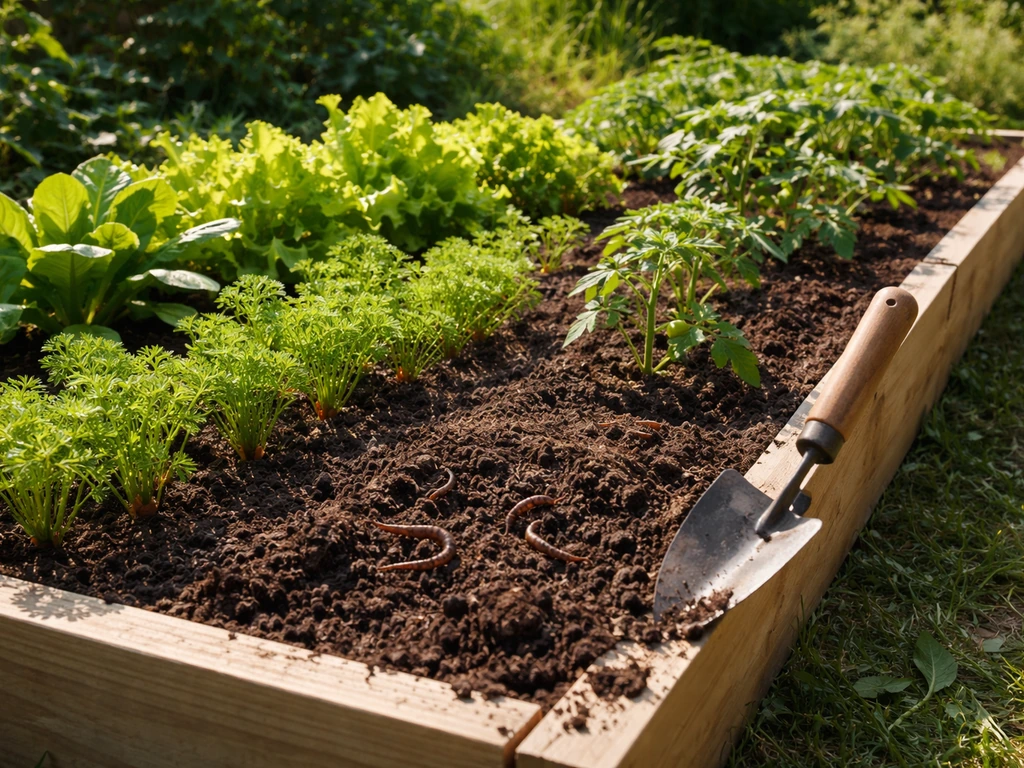
No, farmers do not kill animals as part of growing soybeans or making tofu. Tofu is made from soybeans, which are a plant crop, and the standard production process involves soaking and grinding soybeans into milk, coagulating that milk with a mineral salt like calcium sulfate (gypsum) or magnesium chloride (nigari), pressing the curds, and packaging the block. No animal slaughter is required at any of those steps. That said, animals can show up elsewhere in the supply chain, in fertilizers, pest-management products, and habitat destruction linked to large-scale soy farming, and it's worth knowing exactly where and how much.
Do Farmers Kill Animals to Grow Tofu? A Clear Guide
Marcus Hendrick
19 May 2026
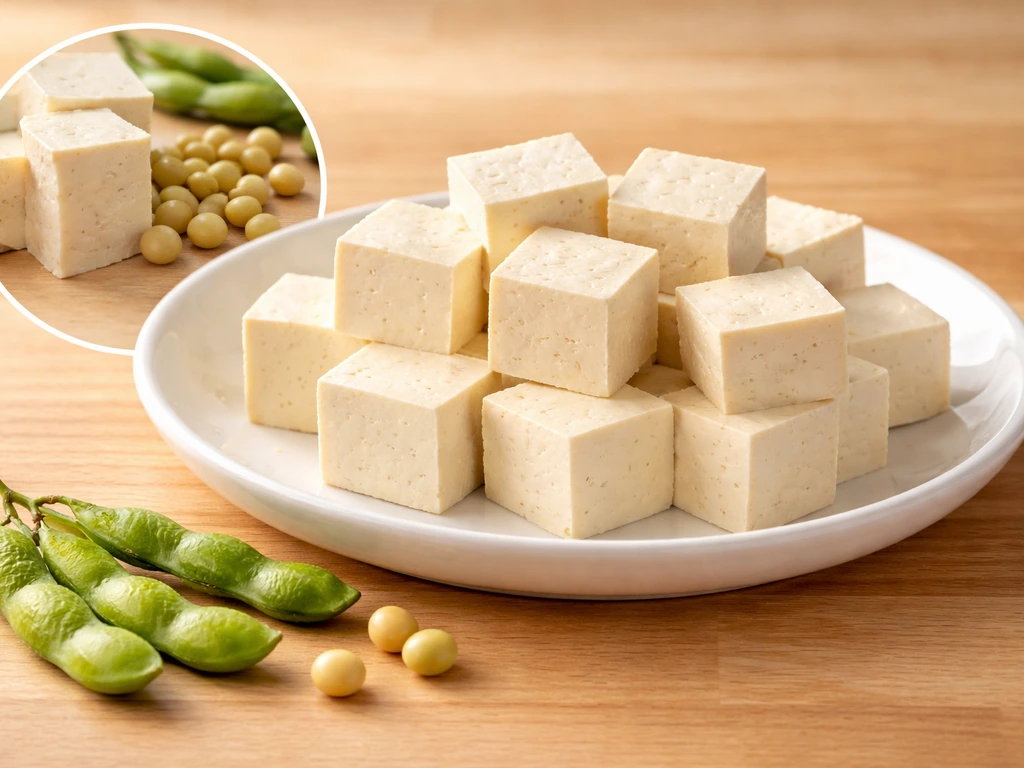
What tofu is actually made from
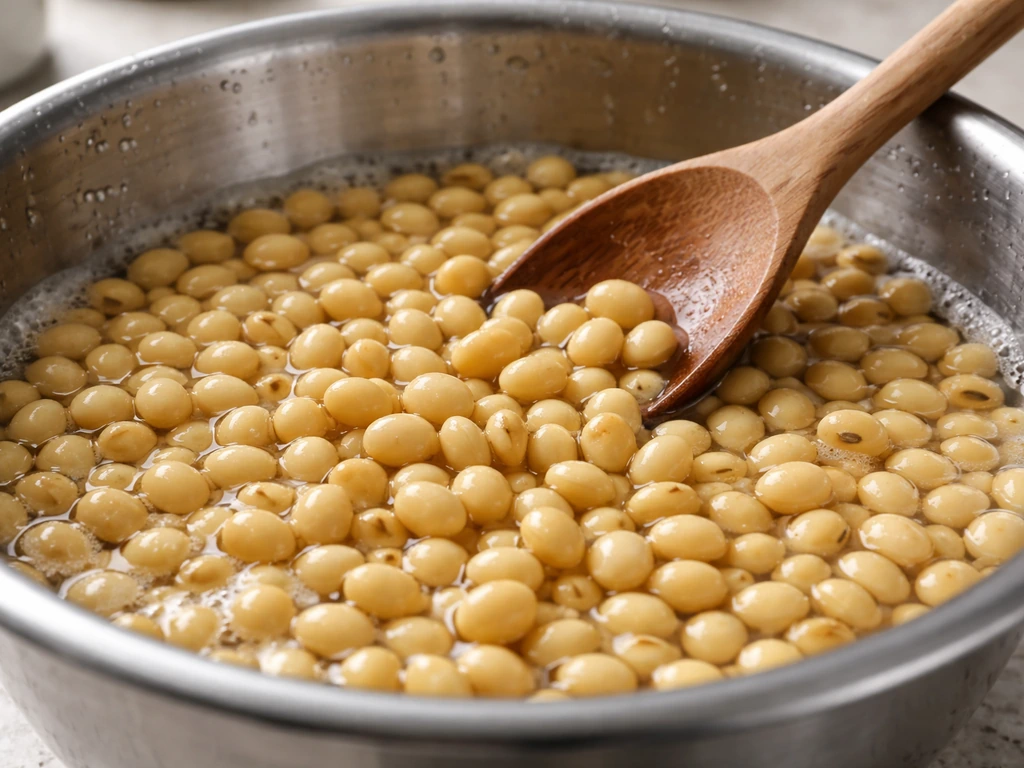
Tofu starts and ends with soybeans. The four core steps are: preparing soy milk, coagulating it, pressing the curds, and pasteurizing or packaging. The coagulants used, calcium sulfate and magnesium chloride, are both mineral-derived, not animal-derived. Firmer tofu uses more pressing pressure and often calcium sulfate, while silken or tender tofu typically uses nigari (magnesium chloride) and less pressing time. There's no gelatin, no bone broth, no animal product that the standard recipe calls for. When you see tofu on a shelf, the core ingredient list is almost always just soybeans, water, and a coagulant salt.
Where animals actually come into the picture
The farming side is where it gets a little more complicated, and this is the part most people haven't thought through. Growing soybeans doesn't require killing animals, but animal products can enter the process in a few indirect ways. Growing soybeans doesn't require killing animals, but animal products can enter the process in a few indirect ways what does a farmer grow.
Fertilizers and soil amendments
Soybeans are legumes and fix their own nitrogen through Bradyrhizobium japonicum bacteria in root nodules, under good conditions, a soybean field in pod-fill can fix around three pounds of nitrogen per acre per day, which means well-nodulated soybeans generally don't need added nitrogen fertilizer. That's actually one of the more animal-free aspects of growing soy. Where animal products do appear is in optional soil amendments: bone meal (ground from dried animal bones from slaughterhouses), blood meal, and composted manure are all common organic fertilizers listed by extension programs. These aren't required for growing soybeans, but they're widely used in both conventional and organic farming. If a grower applies bone meal or manure, animal products are technically part of the supply chain.
Pest and weed management
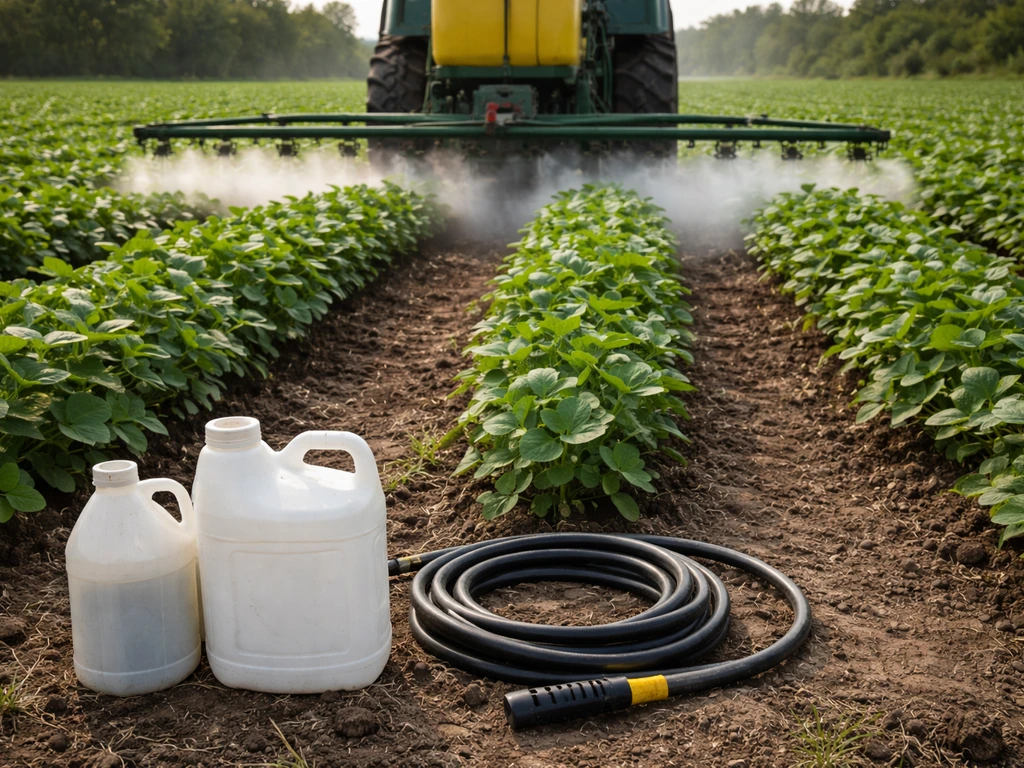
Most large-scale soybean farming in the U.S. uses herbicide programs, often built around glyphosate-tolerant (Roundup Ready) varieties, plus pre-emergent herbicides and tank mixes. Insecticides are also used for soybean aphids and other pests, with treatment thresholds like 250 aphids per plant with more than 80% of plants infested guiding spray decisions. These chemicals aren't made from animals, but they can kill insects and other wildlife as a byproduct. Widespread herbicide use has been directly linked to a roughly 90% decline in common milkweed in Iowa between 1999 and 2009, which has hammered monarch butterfly populations. So while farmers aren't setting out to kill animals, large-scale soy farming does cause insect and wildlife mortality through chemical use and habitat loss.
Habitat destruction from soy expansion
This is the biggest animal-impact issue, but it's tied to industrial-scale production, not tofu itself. Soy expansion in Brazil's Cerrado has converted enormous areas of natural vegetation, displacing and killing wildlife in the process. Critically, the American Soybean Association estimates that more than 90% of U.S. soybeans are used as animal feed protein, not for tofu or human food. So when people worry that eating tofu harms animals through soy farming, it's worth knowing that the vast majority of soy-driven deforestation is driven by meat and dairy production, not tofu production.
Growing soybeans vs. raising animals: what's actually different
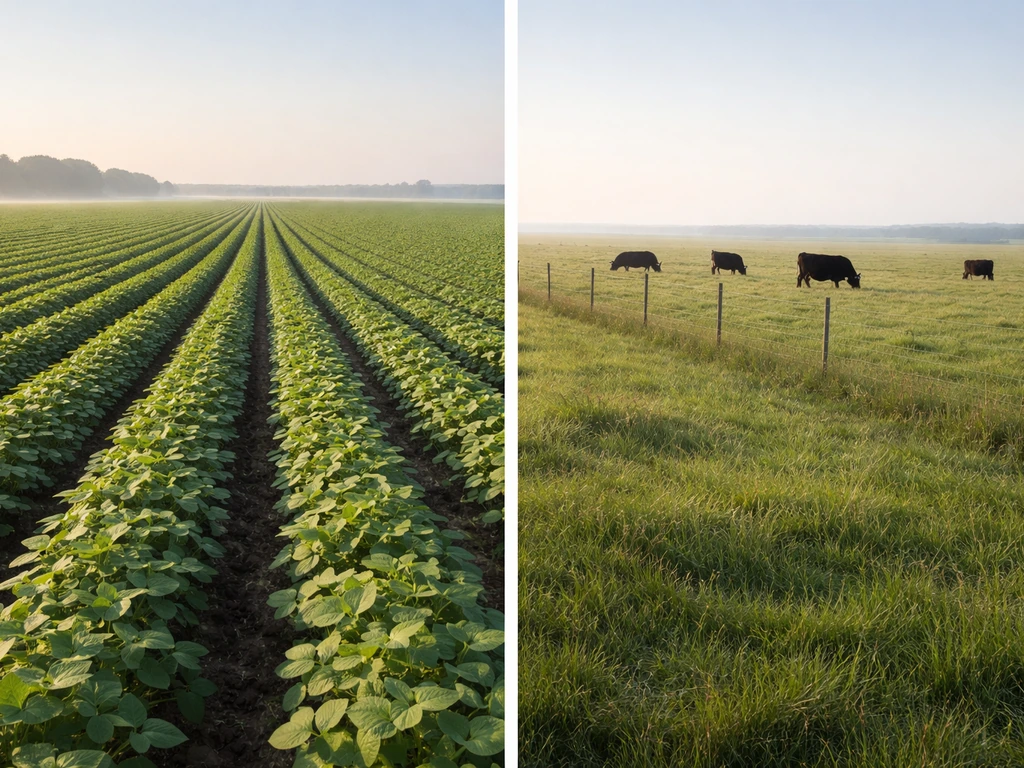
| Factor | Growing soybeans for tofu | Raising animals for meat/dairy |
|---|---|---|
| Direct animal slaughter | None required | Required by definition |
| Land use per unit of protein | Lower | Higher (especially beef) |
| Nitrogen source | Biological fixation via root nodules | Manure, synthetic fertilizers |
| Wildlife impact from pesticides | Present, especially at scale | Also present, plus grazing impacts |
| Animal products in inputs | Optional (bone meal, manure) | Inherent (animals are the product) |
| Deforestation link | Mostly tied to animal feed demand (90%+ of soy) | Direct driver of soy feed demand |
| Processing animal ingredients | None in standard tofu | Central to the product |
The short version: growing soybeans for tofu has a dramatically lower direct animal impact than raising animals. The indirect impacts (pesticides, land conversion) are real but mostly apply at industrial scale and are far smaller in scope than what animal agriculture requires. If you're comparing tofu to, say, chicken or beef on an animal-harm basis, tofu comes out significantly better by almost every measure.
An honest ethical reality check
It helps to separate three distinct things that often get blurred in these conversations. First, growing soybeans or other vegetables does not involve animal slaughter as a standard step. Second, some farming inputs (bone meal, blood meal, manure) are animal-derived, but they're optional rather than mandatory, and not unique to soy. Third, animal slaughter in agriculture is primarily tied to meat, dairy, and poultry production, not vegetable or grain farming. The idea that eating tofu causes as much animal death as eating meat conflates these very different categories.
Where the ethical picture genuinely gets complicated is in field wildlife. Soybean farming, like all row-crop agriculture, does disturb and kill field animals (insects, rodents, birds) through tillage, harvesting, and pesticide use. This is a real cost, but it's not unique to soy, it's not animal slaughter in the conventional sense, and it applies to growing any crop, including the vegetables and grains discussed elsewhere on this site. If you're wondering why we need to grow crops at all, crop farming broadly is the foundation of how we produce food without relying on animal slaughter. If you want to dig deeper into how many animals die from crop farming broadly, it's a question worth examining honestly rather than using selectively to dismiss plant-based eating. If you're looking specifically at how many animals die to grow vegetables, this broader question helps you compare real impacts across crops how many animals die from crop farming broadly.
How to pick tofu with less animal involvement
If minimizing animal inputs matters to you, you do have real options when buying tofu. It takes a little label-reading, but the information is available. Vegan Verified’s certification is designed to help consumers identify vegan products using a logo that indicates the product contains no animal-derived components or by-products and was not tested on animals a label-reading, but the information is available.
- Look for certified vegan labels: Organizations like Vegan Action (vegan.org) and The Vegan Society certify products that contain no animal-derived ingredients and require manufacturers to manage risks of animal-origin cross-contact in the production area. A certified vegan label on tofu means the coagulant, anti-foaming agents, and any other processing aids have been verified animal-free.
- Choose USDA Organic: Organic certification requires adherence to USDA standards that restrict which inputs are allowed in the soil. Synthetic herbicides and many pesticides are prohibited, which reduces the wildlife and insect mortality linked to conventional soy farming. Organic soy operations also tend to use plant-based composts and cover crops rather than bone meal.
- Look for non-GMO and organic together: Non-GMO doesn't by itself reduce animal inputs, but combined with organic it tends to exclude the glyphosate-based herbicide programs most linked to milkweed and pollinator decline.
- Ask about soy sourcing: Some tofu brands source from North American or European farms rather than South American operations, which reduces the deforestation and habitat-destruction angle. This information isn't always on the label but is sometimes available from the company directly.
- Avoid tofu with unexplained additives: Standard firm tofu ingredients are soybeans, water, and a coagulant. If you see a longer ingredient list, check what's in it. Gelatin (an animal-derived ingredient from bones and connective tissue) is not standard in tofu but does appear in some processed soy products.
Grow your own soybeans (and make your own tofu)
This is where self-sufficiency gives you the most control. When you grow your own soybeans, you decide what goes into the soil, how you manage pests, and what fertilizers you use. You can grow a good and healthy crop by choosing the right timing, improving soil fertility, and managing pests in a way that matches your garden conditions. To understand what farmers need to grow a crop in the first place, it helps to focus on soil, seeding, nutrients, and pest management. You can skip bone meal entirely, build fertility with compost and cover crops, avoid synthetic herbicides, and know exactly what went into your food. It's more work, but for home gardeners who care about these questions, it's the most direct answer available.
Getting started with soybeans at home
Soybeans are warm-season crops and need soil temperatures above 50°F to germinate well, with optimal germination between 77 and 86°F. In most of the U.S., that means planting from late April through early June depending on your zone, Cornell extension notes that late April/early May planting in northern regions can produce erratic stands if soils are still cold. Plan for 18 to 24 inches between plants and rows about 30 inches apart for good air circulation. A 10x10 foot bed will give you enough beans to experiment with tofu-making without committing your whole garden.
The single most important step before planting is inoculation. You want to coat your seeds with Bradyrhizobium japonicum inoculant, available at garden centers or online. This gives the nitrogen-fixing bacteria a head start and means your plants can feed themselves without added nitrogen fertilizer. Oklahoma State extension notes that soil pH below 5.5 kills off these bacteria, so check your pH and lime if needed before planting.
For pest management at home scale, hand-picking, row covers, and encouraging beneficial insects will handle most problems without any spraying. Aphids are the main concern, check plants regularly, especially undersides of leaves, and blast them off with water or use insecticidal soap if numbers get high. You don't need the threshold-based chemical programs that large farms use.
Harvest edamame-style (green, immature pods) in summer for fresh eating, or let the pods dry fully on the plant for tofu-making beans. Dry soybeans store well for months. To make tofu at home, soak dried beans overnight, blend with water, strain out the okara (pulp), heat the milk, add your coagulant (calcium sulfate or nigari from any Asian grocery), and press the curds in cheesecloth. The okara left over can go straight into your compost or garden beds.
What if soybeans won't grow where you are?
Soybeans need a warm, reasonably long growing season. If you're in a cooler climate (think short-season northern zones) or dealing with space constraints, you have alternatives. Burmese tofu is a real option: it's made from yellow split pea flour or chickpea flour mixed with water, cooked like polenta, and set into blocks, no soybeans required, no special coagulant, and chickpeas and split peas are much easier to grow in cool, shorter seasons. The texture is different (denser, more uniform), but it works well in cooked dishes. Yellow split peas and chickpeas grow in similar conditions to garden peas, which thrive in cool, moist weather, making them well-suited to gardeners who struggle with summer heat crops.
Growing your own legumes for tofu-style products also fits naturally into broader self-sufficiency goals. Whether you're growing soybeans for classic tofu or chickpeas for Burmese-style tofu, you're producing a dense source of plant protein from your own land, with full knowledge of what inputs went into the soil. That's a genuinely meaningful step toward reducing reliance on industrial supply chains, and it answers the original question about animal involvement in the most direct way possible: when you grow it yourself with plant-based inputs, you control every part of the answer.
FAQ
If I eat tofu, could it contain any animal ingredients like gelatin or bone products even if farmers do not slaughter animals for soy?
Yes, but not from the standard tofu process described for classic tofu. Some products labeled “tofu” can be processed into items that include animal-derived additives (for example, certain flavorings, specialty fillings, or cross-contamination in shared facilities). The reliable approach is to check the ingredient list for things like gelatin, collagen, bone-derived emulsifiers, or milk components, rather than assuming the farm question fully determines what is in your specific package.
What about “organic” or “non-GMO” tofu, does that guarantee no animal-derived inputs on the farm?
Not automatically. Organic rules still allow certain soil amendments, including animal-derived fertilizers, and “non-GMO” only addresses crop genetics, not farm inputs. If avoiding animal-derived inputs matters to you, look for certifications or statements that specifically address manure or bone-meal use, or choose brands that explicitly list their sourcing and fertilizer practices.
Are bone meal, blood meal, or manure required to grow soybeans for tofu?
No. They are optional inputs, not required for soy to grow. Soybeans can fix nitrogen through root nodules when conditions are suitable, especially with proper inoculation and adequate soil pH. If a farm uses animal-derived fertilizers, the ingredient is in the supply chain, but it is not a necessary step for soybean cultivation.
Could animal slaughter be happening indirectly because tofu companies use animal feed soy or soy grown on land used for feed?
Indirectly, yes, but that does not mean tofu requires slaughter. Most U.S. soybean output is used for animal feed, and that separate demand drives a lot of the animal agriculture impacts. The key distinction is whether the tofu you buy depends on those same fields or supply chains. Even if it does, the tofu itself is still not made from animal products; the ethical question becomes allocation and sourcing, not tofu production mechanics.
Does raising soy for tofu increase pesticide use in a way that kills animals more than other crops?
Soy farming can involve pesticides and can harm wildlife through non-target effects, but “more than other crops” depends on what comparison crop you choose and how a specific farm is managed. For practical decision-making, focus on the tofu brand’s agricultural practices (for example, use of targeted pest management, integrated pest management, or reduced-chemical approaches) rather than relying on soy being “the” worst case or “the” best case in all contexts.
If soy doesn’t require slaughter, why do people still claim tofu causes animal death?
Usually they are referring to indirect impacts like field animal mortality from tillage, harvesting, and pesticide drift, or to habitat loss from large-scale land conversion. Those are real costs of crop farming broadly, but they are different from slaughter. If you want to evaluate claims, ask whether the claim is about “slaughter” (killing animals directly for a product) or about “harm” from agriculture practices that also affect insects, birds, and rodents.
What’s a good label-check when I want the most animal-free tofu option?
Check for two things: (1) ingredients that are not just soy, water, and a mineral coagulant, and (2) any allergen or additive mentions of milk or egg products. For stricter avoidance of animal-derived inputs at the farm level, look for brand transparency statements, sourcing policies, or specific certification details rather than relying only on general terms like “plant-based” or “vegetarian.”
If I make tofu at home, can I choose coagulants to avoid any animal involvement completely?
Yes. Choose mineral coagulants like calcium sulfate (gypsum) or magnesium chloride (nigari). Those steps are animal-free by design. The main thing to double-check is the soybeans themselves, since commercial soy can have varied farming inputs; if you want total control, grow your own soy or source from a producer who discloses fertilizer and soil amendment practices.
Does home gardening of soybeans eliminate the indirect wildlife impacts from pesticides and land disturbance?
It can reduce chemical impacts if you avoid or limit spraying and use physical controls like row covers, hand removal, or targeted treatments. However, tillage, harvesting, and habitat disturbance still exist because you are growing a crop. The most meaningful improvement for reducing wildlife harm usually comes from choosing low-chemical methods and using cover crops or less-disturbing practices where feasible.
Is Burmese-style tofu a better choice if I’m worried about soy-related farming impacts?
It can be a better fit depending on your concerns, because Burmese-style tofu uses split peas or chickpeas instead of soy. That changes the crop-specific farming profile and may fit cooler climates more easily. The ethical considerations still remain, though, because any crop farming can affect insects and habitat. So it shifts the discussion from soy to another legume crop rather than removing agricultural impact entirely.
What is the simplest way to decide between tofu and other proteins if I care specifically about animal harm?
Use categories that match the mechanism of harm. If you want the fewest direct animal harms, plant proteins avoid slaughter by default. If you care about non-slaughter harms from farming (insects, rodents, birds, habitat conversion), compare how each option drives land use and chemical intensity at scale. For a quick personal decision aid, treat “slaughter” and “field-wildlife harm” as separate questions and compare accordingly rather than mixing them into one score.
Next Article
Why Do We Need to Grow Crops A Practical Guide
Learn why we grow crops and how to start home gardens for fresh, nutritious food, lower costs, and healthier soil.