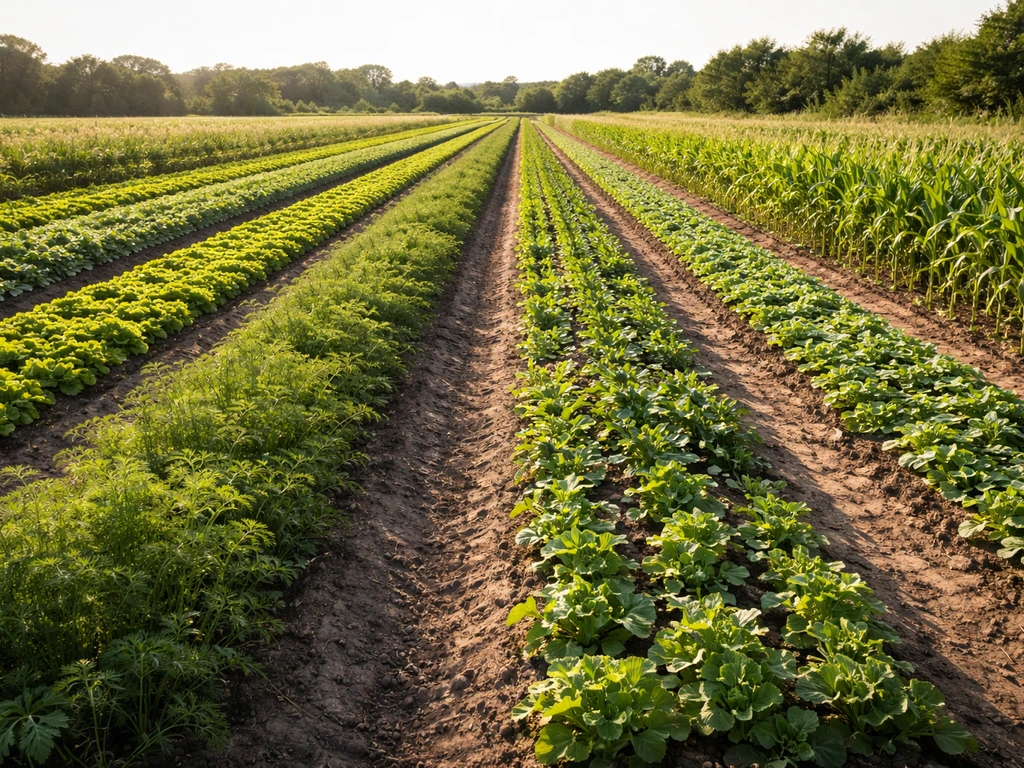
There's no single number, and anyone who gives you one is oversimplifying. The honest answer is that growing vegetables does cause animal deaths, anywhere from a handful of soil invertebrates in a small container garden to thousands of insects, birds, and small mammals per acre in conventional industrial farming. The range is enormous because it depends entirely on how you grow: whether you till or not, what pesticides you use, how much habitat you disturb, and what scale you're operating at. But you can get a realistic estimate for your own setup, and more importantly, you can take steps today to bring that number down significantly without sacrificing your harvest.
How Many Animals Die to Grow Vegetables: Estimate and Reduce
Marcus Hendrick
13 May 2026
What 'animals dying' actually means in vegetable growing
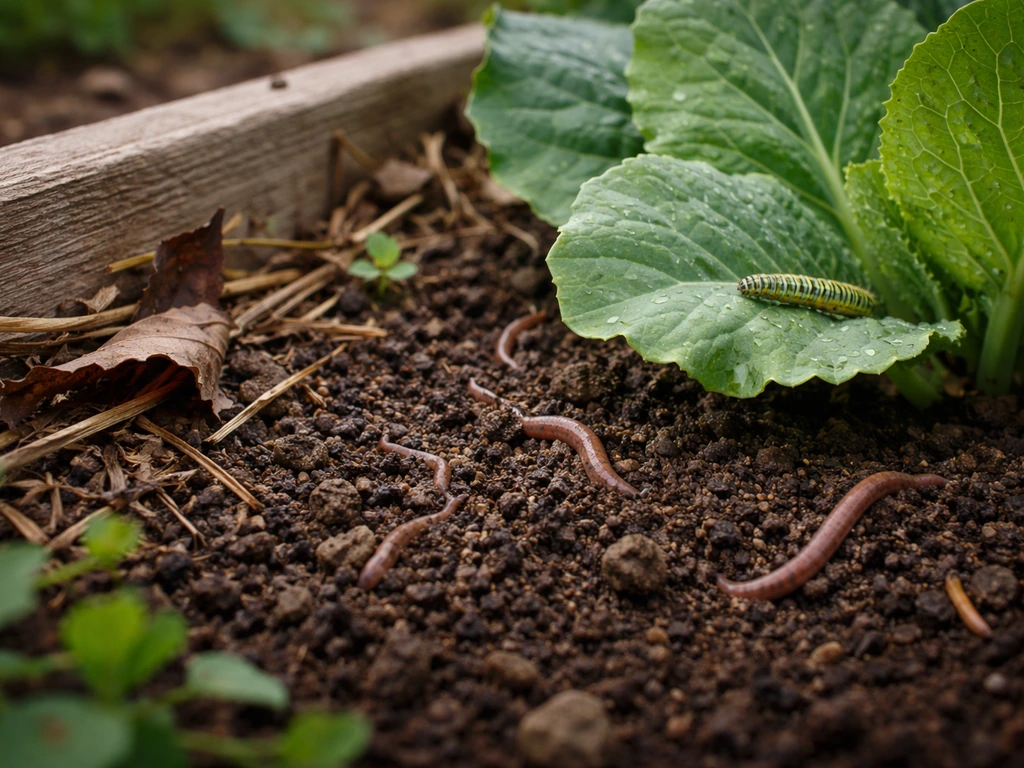
When people ask this question, they're usually thinking about one specific type of harm, but the reality covers several very different categories. It helps to separate them out clearly, because the mitigation strategies are different for each one.
- Soil invertebrates: earthworms, beetles, centipedes, and other beneficial creatures killed or displaced by tilling, compaction, or chemical application. These can number in the millions per acre and are easily the most impacted group in conventional growing.
- Insect pests targeted directly: aphids, caterpillars, grubs, and beetles killed intentionally through sprays, traps, or physical removal. These deaths are deliberate but also the most controllable.
- Non-target insects: bees, wasps, moths, and other pollinators or beneficial predators killed as collateral damage from broad-spectrum pesticides. FAO estimates more than 40 percent of invertebrate pollinator species are threatened locally in many regions, with pesticide exposure as a major driver.
- Small mammals and birds: rabbits, voles, mice, and ground-nesting birds harmed or killed through trapping, fencing entanglement, pest control baits, or habitat disruption during land clearing.
- Larger wildlife: deer, groundhogs, or raccoons that get injured in exclusion fencing, or are killed by pest control methods on farms.
- Aquatic and off-site organisms: fish, amphibians, and invertebrates harmed by pesticide runoff, irrigation water use, or soil erosion from vegetable fields.
For a home gardener growing in raised beds or containers, most of the concern centers on the first three categories. If you're managing a larger plot or homestead, all six become relevant. The scale question is important, and I'll come back to it when comparing home growing to industrial agriculture.
Why there's no single death count (and what actually drives the number)
The reason you can't find a definitive figure is that animal mortality from vegetable growing is almost entirely determined by your specific practices, not the crop itself. A tomato plant grown with no-till methods, no synthetic pesticides, and good habitat support around it causes a fraction of the harm of the same tomato grown with conventional tillage and broad-spectrum sprays. The crop matters less than the method.
Here are the variables that swing the number the most, roughly in order of impact:
- Tillage frequency and depth: A single deep rototill pass can kill or displace thousands of earthworms and soil insects per 100 square feet. No-till or minimal-till approaches can reduce soil invertebrate mortality by 50 to 90 percent compared to conventional tillage.
- Pesticide type and application method: Broad-spectrum insecticides (especially neonicotinoids) kill non-target arthropods at much higher rates than targeted biological controls. A 2025 meta-analysis in Nature Communications confirmed pesticides suppress growth, reproduction, and behavior across non-target organisms. Spot treatments cause a fraction of the harm that full-plot sprays do.
- Plot size: More area means more habitat disruption, more soil disturbance, and more total organisms affected. A 100-square-foot raised bed is fundamentally different from a 1-acre market garden.
- Surrounding habitat: Gardens surrounded by lawn and pavement displace wildlife more severely than those with hedgerows, flower borders, or wild edges. Habitat loss compounds in-garden mortality.
- Irrigation practices: Overwatering drives pests and diseases, leading to more intervention. Water-efficient methods reduce the pest pressure that triggers chemical responses.
- Pest pressure and crop choice: Pest-resistant varieties and good companion planting reduce the need for intervention in the first place, which is the cleanest way to reduce harm.
How to estimate animal harm in your own garden
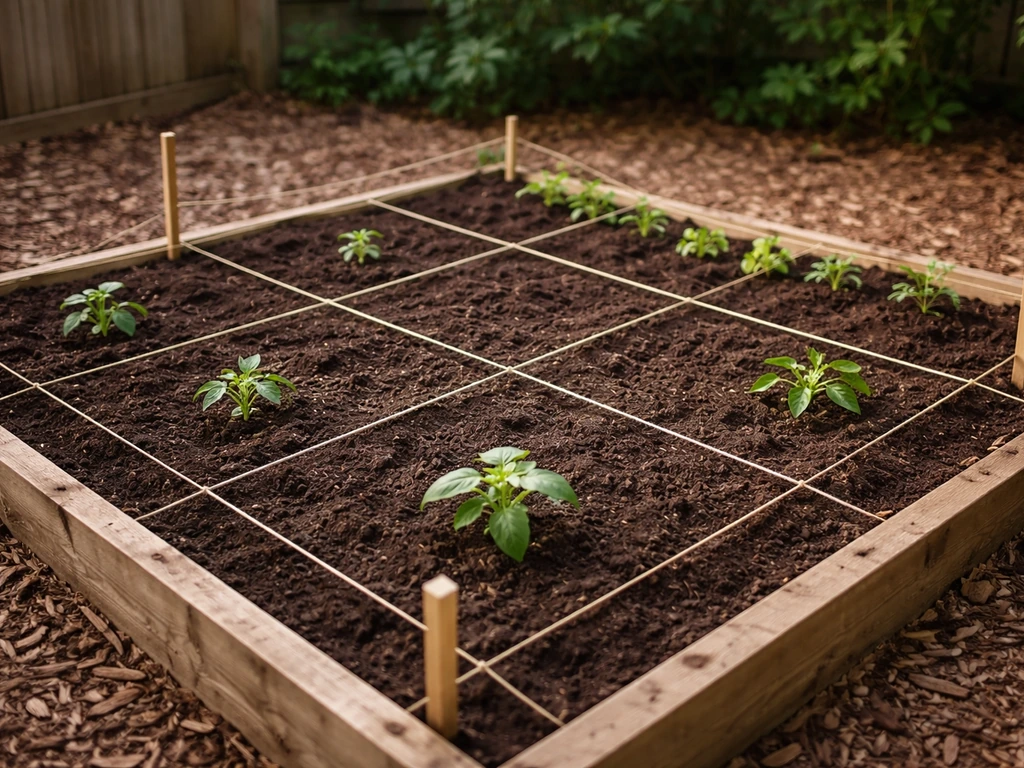
You won't get an exact count, but you can build a realistic range using practical proxies. Walk through this estimation method for your own setup.
Step 1: Start with your plot size
A useful baseline: healthy garden soil contains roughly 1 million earthworms per acre, or about 23 per 100 square feet. If you're tilling a 200-square-foot bed, you're disturbing approximately 46 earthworms in that space, plus many times more in smaller invertebrates. For a quarter-acre vegetable plot, that's a meaningful number of organisms affected with every till pass.
Step 2: Score your tillage practices
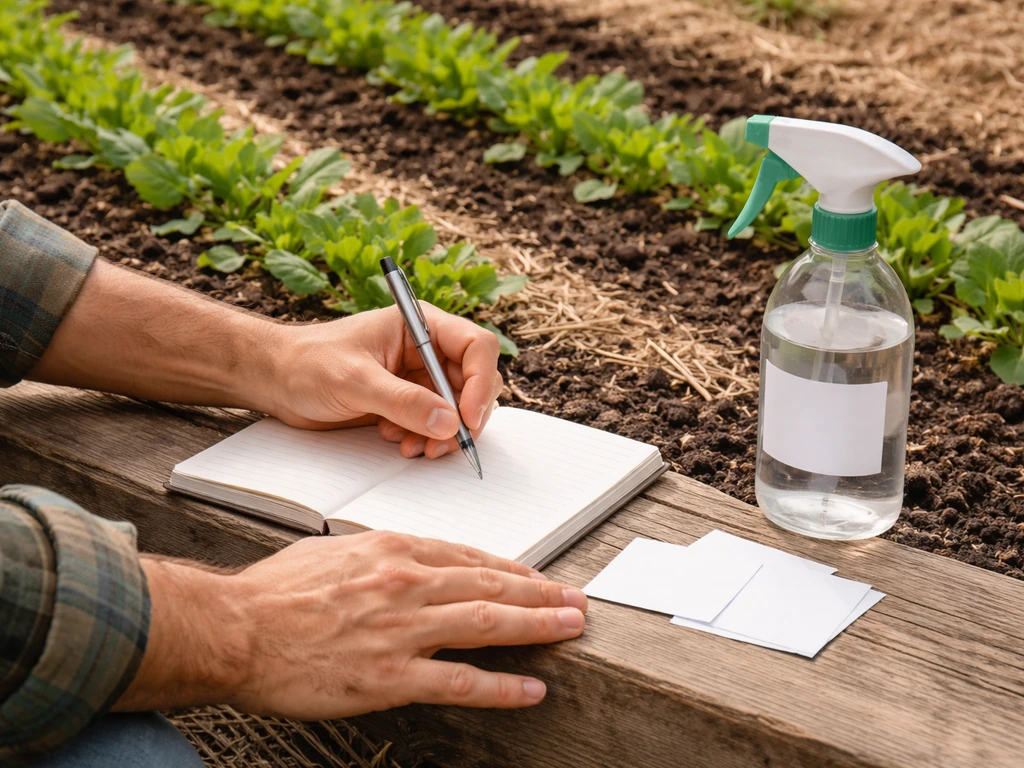
Deep tilling twice a season scores high impact. Single shallow cultivation scores medium. No-till with surface mulch and minimal disturbance scores low. Apply a rough multiplier: no-till reduces invertebrate mortality by 50 to 90 percent compared to conventional tillage according to most soil ecology estimates.
Step 3: Count your pesticide applications
Track how many times per season you apply insecticides, fungicides, or herbicides, and whether those applications are broad sprays or targeted spot treatments. Each broad-spectrum insecticide application on a 200-square-foot plot can kill hundreds to thousands of non-target insects depending on the product and timing. Spot treatments reduce that by 80 to 95 percent. Biological controls like Bt (Bacillus thuringiensis) are selective and far lower impact.
Step 4: Account for habitat and exclusion methods
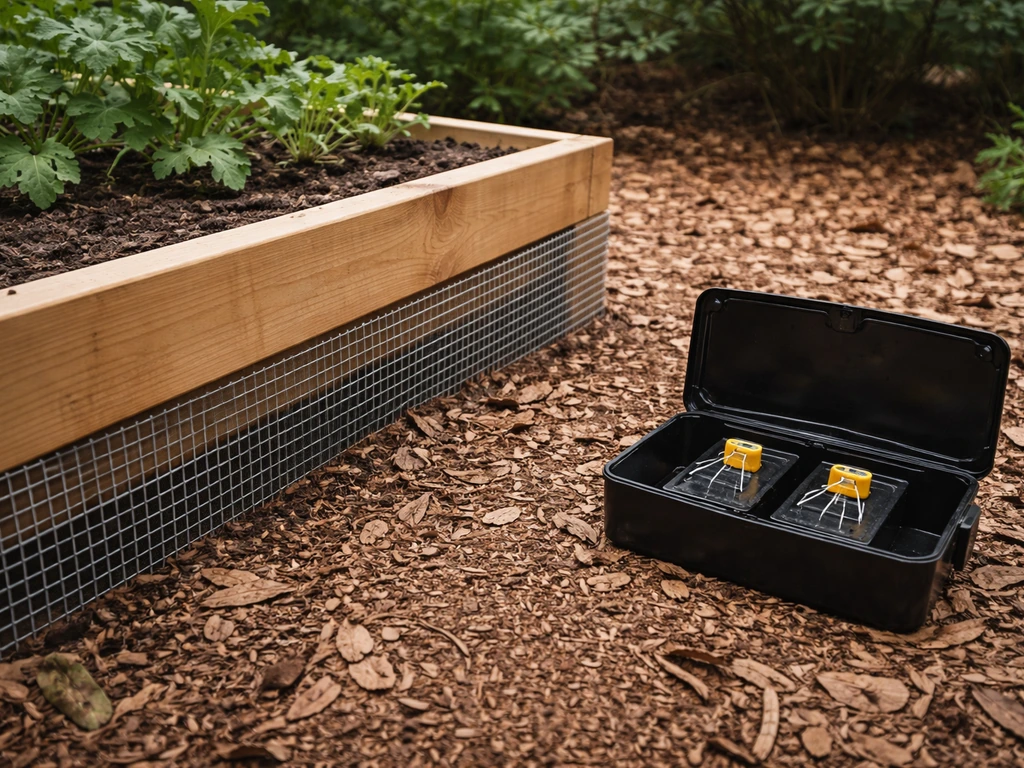
Did you clear shrubs or ground cover to create your garden? That's additional habitat loss to count. Do you use snap traps or poison baits for rodents? Add those deaths directly. Do you have fencing with gaps that could trap rabbits or small animals? That's a risk factor worth noting even if you don't have exact numbers.
Rough estimation table by garden type
| Garden Type | Tillage Impact | Pesticide Impact | Habitat Disruption | Estimated Relative Harm |
|---|---|---|---|---|
| Container/patio garden (under 50 sq ft) | Very low | Low if targeted | Minimal | Very low |
| Small raised bed garden (50-200 sq ft, no-till) | Low | Low to medium | Low | Low |
| Medium backyard plot (200-500 sq ft, occasional tilling) | Medium | Medium | Low to medium | Medium |
| Large backyard/homestead (500+ sq ft, conventional till) | High | Medium to high | Medium | Medium to high |
| Market garden (1+ acre, conventional) | Very high | High | High | High |
The four main causes: pests, tilling, pesticides, and habitat loss
Tilling
Tilling is probably the single biggest driver of animal death in vegetable growing that gardeners underestimate. Every pass of a rototiller or deep digging fork slices through earthworm populations, destroys beetle tunnels, exposes ground-nesting insect larvae, and collapses the soil structure that invertebrates depend on. The more you till, and the deeper you go, the higher the toll. This is one area where no-till and deep mulching methods make a dramatic difference.
Pesticides
Broad-spectrum insecticides, especially neonicotinoids, are particularly damaging because they affect the nervous systems of any insect that contacts them, not just the target pest. Research compiled across 44 field and lab studies found neonicotinoids negatively affect abundance, behavior, condition, reproductive success, and survival of non-target terrestrial arthropods. Fungicides and herbicides also suppress non-target organism health, as confirmed in the 2025 Nature Communications meta-analysis. The key issue is that most gardeners apply these broadly when a targeted approach would do far less harm.
Pests and pest control methods
Every garden has pests, and managing them involves some level of animal death by definition. The question is whether you're using targeted or broad methods. Hand-picking caterpillars, using yellow sticky traps for whitefly, or spraying Bt on specific plants at specific times causes far fewer non-target deaths than a weekly application of a systemic insecticide across your whole plot.
Habitat disruption
Clearing land for a garden displaces and kills the animals that lived there. Even a small backyard plot that replaces lawn removes ground cover used by beetles, nesting sites used by birds, and food sources used by small mammals. This is a one-time but significant impact, and it's worth offsetting deliberately with habitat corridors, flower borders, or wild corners in your yard.
Practical ways to reduce animal harm starting now
These aren't abstract recommendations. They're things you can implement this season with low cost and real results.
Switch to or maintain no-till methods
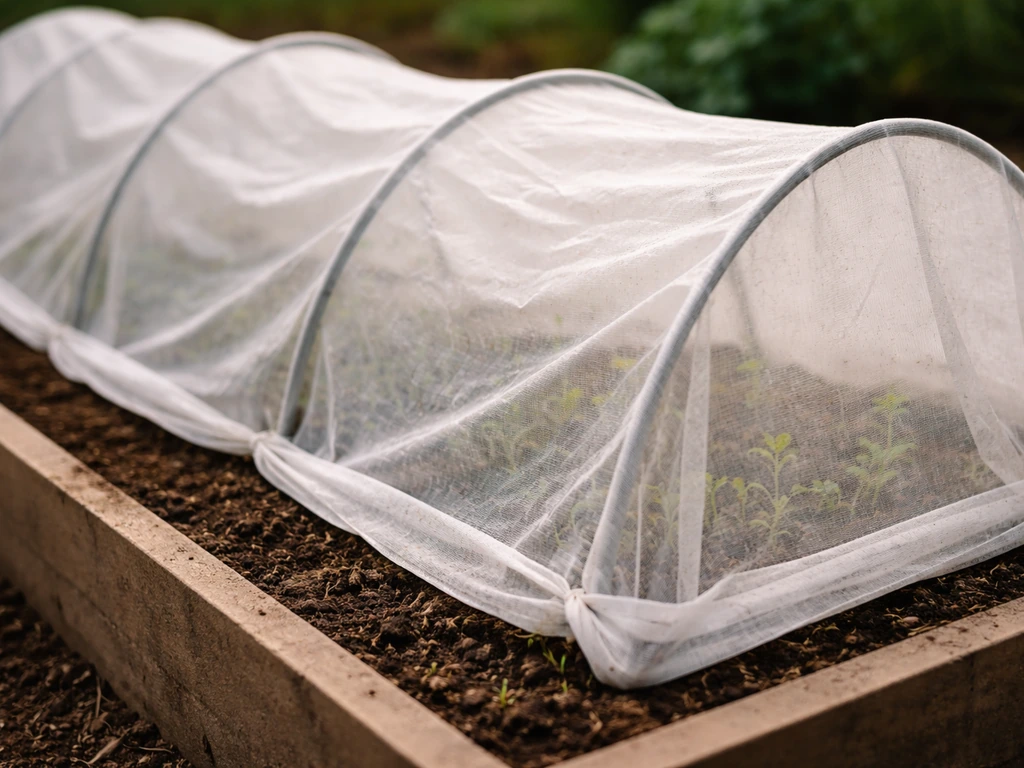
The single highest-impact change you can make is to stop tilling. Build your beds with deep compost layers and let soil organisms do the work of aeration. If you're converting an existing bed, a one-time light till to establish it is far better than annual deep tilling. Once established, surface mulch with wood chips or straw, add compost on top, and plant into it directly. Your soil invertebrate populations will recover and stabilize within one to two seasons.
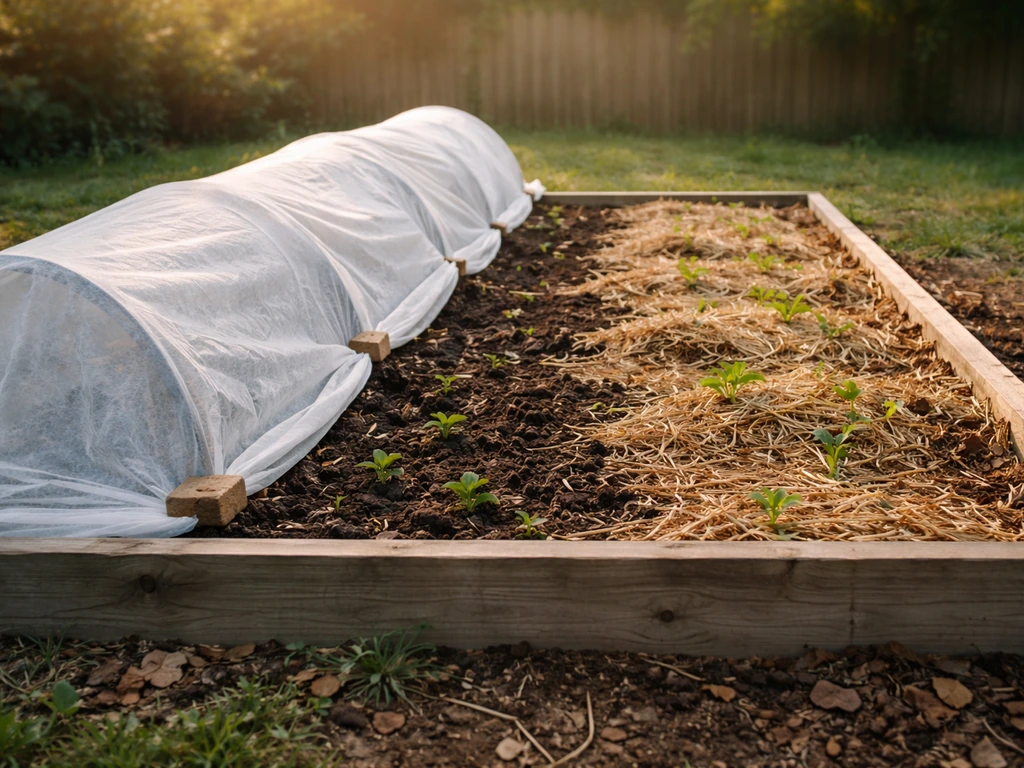
Use row covers and physical barriers
Row covers are one of the most underused tools in home gardens. USU Extension confirms they act as physical barriers preventing pest insects, birds, and small mammals from reaching plants when installed properly. A lightweight floating row cover over brassicas eliminates most caterpillar pressure without any pesticide use. Heavier covers or wire hoops protect against rabbits and birds. Barrier fencing with a buried apron (at least 6 inches underground) stops burrowing rodents without killing them.
Adopt integrated pest management (IPM)
IPM means you only intervene when pest pressure crosses a threshold that actually threatens your crop, and you choose the least-harmful intervention first. The progression looks like this: physical removal first, then biological controls (beneficial insects, Bt, neem oil), then targeted organic sprays, and only as a last resort broad-spectrum pesticides. Most home garden pest problems never need to go past step two if you're monitoring consistently.
Time pesticide applications carefully
If you do need to spray, timing matters enormously for pollinator protection. The EPA recommends crop-stage restrictions and limiting applications during bloom when plants are most attractive to pollinators. Spray in the early morning or evening when bees are least active, use drift-reduction nozzles, and respect wind speed limits on labels. Updated neonicotinoid labeling now includes a bee advisory box with more precise directions, so read it. Even moving your spray window from midday to dusk can cut pollinator contact dramatically.
Build in beneficial habitat
Plant a pollinator strip along one edge of your garden with native flowers like borage, phacelia, or marigolds. Let a small area go wild with native grasses or leaf litter for ground beetles. Add a shallow water source for beneficial insects and birds. These changes cost almost nothing and offset habitat disruption by providing resources for the non-target organisms your growing practices affect.
Improve soil health to reduce pest pressure
Healthy soil grows resilient plants, and resilient plants attract fewer pests. Heavy pest pressure is often a symptom of stressed plants growing in depleted soil. Regular compost additions, crop rotation, and companion planting reduce the conditions that trigger pest explosions in the first place, which means fewer interventions and less collateral harm across the season. To learn how to grow a good and healthy crop, focus on soil health, smart crop rotation, and pest management that keeps your plants resilient.
Home growing vs industrial agriculture: the scale difference
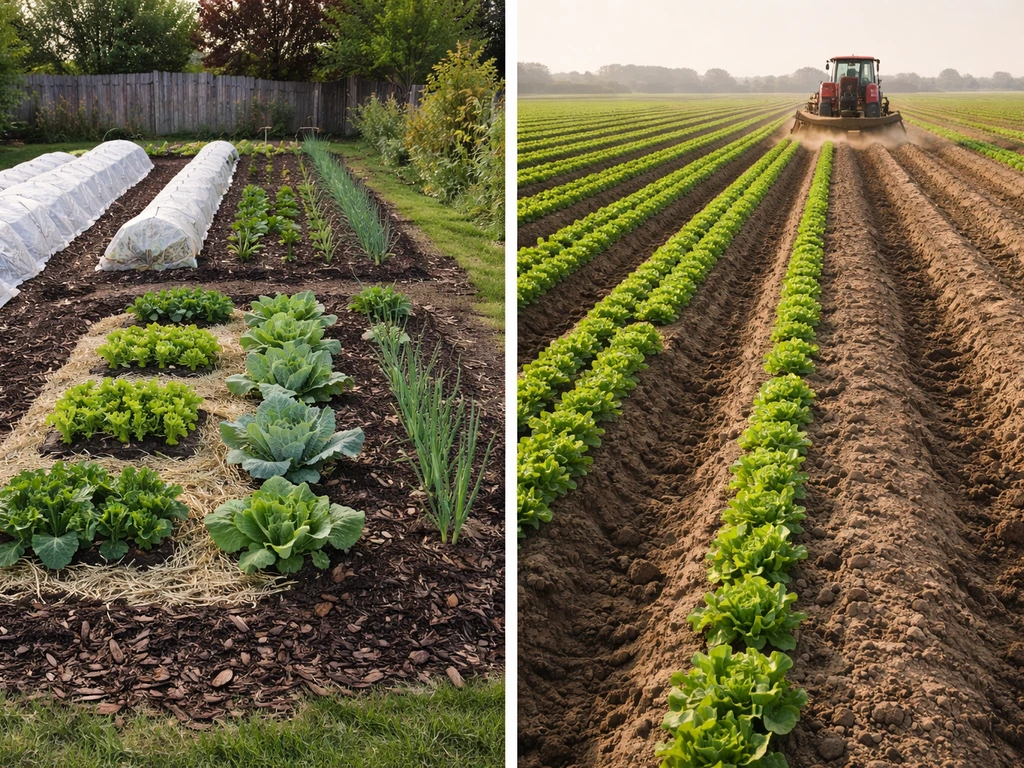
The comparison here is genuinely important, because the scale and methods involved in industrial vegetable production create animal mortality at a completely different order of magnitude than a home garden. Industrial monocultures involve large-scale land clearing, heavy tillage across hundreds or thousands of acres, aerial or mechanized pesticide applications covering entire fields, and almost no habitat buffer. The cumulative impact on soil invertebrates, pollinators, and small vertebrates across a commercial operation dwarfs what any home garden produces, even a poorly managed one.
This is relevant for self-sufficiency gardeners and homesteaders because growing even a portion of your own vegetables at home, using better methods, meaningfully reduces your contribution to that industrial impact. You're not just feeding yourself. You're removing demand from a system that carries a much higher per-vegetable animal cost. That need is why thoughtful growing matters, because the benefits of producing food can be balanced against the animal impacts described above why do we need to grow crops.
If you're curious about how other agricultural products compare, the question of animal deaths in grain or soy farming (often used to grow livestock feed) is explored in related discussions around crops like tofu, which shares some of this complexity. If you're wondering what a farmer grows, this same idea scales up from backyard beds to large fields.
For home gardens, the realistic range in total annual animal deaths (counting soil invertebrates, insects, and incidental small animal harm) runs from near zero in a well-managed no-till container setup to several thousand organisms per growing season in a large chemically-managed backyard plot. To answer what do farmers need to grow a crop, focus on soil, water, nutrients, sunlight, seed selection, and pest management tailored to your climate. Industrial fields scaled to feed hundreds of people operate in different units entirely. The point isn't that home gardening is perfect, it's that it's measurably better per unit of food produced when done thoughtfully.
Track your progress and improve season over season
You can't improve what you don't measure. The good news is that tracking animal impact in your garden doesn't require scientific equipment. A simple log kept in a notebook or phone app gives you enough data to see real improvement year over year.
- Keep a pest log: Record which pests appear, when, on which crops, and how you treated them. Over two or three seasons, patterns emerge. You'll see whether certain companion plants reduce aphid pressure, or whether your timing adjustments are working.
- Count pollinator visits: Once a week during peak bloom, spend five minutes counting bee and butterfly visits to your flowers and vegetable blooms. A simple tally per five-minute observation gives you a trend line. If your counts are rising season over season, your habitat improvements are working.
- Track pesticide applications: Record every product you apply, the date, method, and area covered. Your goal is to reduce the number of applications per season and shift toward more targeted methods over time. If you used a broad spray four times last year and twice this year with targeted spot treatments, that's real progress.
- Note soil health indicators: Earthworm counts per shovel of soil (five or more per cubic foot is a good benchmark), soil crumble texture, and plant vigor are practical proxies for soil invertebrate health. More worms means your no-till and compost practices are working.
- Record exclusion method performance: Note which physical barriers worked, whether row covers held up, and where gaps allowed entry. Each season's data improves next year's setup.
After two full growing seasons of tracking, most gardeners are surprised by how much they've shifted. Pesticide applications drop. Pest pressure often decreases as beneficial insect populations recover. Soil quality improves, which reduces stress-driven pest outbreaks. The system self-corrects when you give it the right conditions, and you get the same or better harvests with a fraction of the animal harm you started with.
The honest takeaway is this: growing vegetables isn't harmless, but it's also not the catastrophic wildlife toll that some dramatic framings suggest, especially at home garden scale. The harm is real, it's measurable in rough terms, and it's largely within your control. That's actually a good position to be in.
FAQ
If I use organic fertilizers, does that mean no animals die to grow vegetables?
No. Organic inputs can reduce some chemical harms, but animal deaths still occur from habitat disruption, tillage, pest management choices, and incidental impacts like traps and barriers. In practice, tilling and broad pesticide use drive most preventable mortality even in organic gardens, so focusing on no-till and targeted pest control matters more than fertilizer type alone.
How can I estimate animal deaths more accurately for my own garden without lab equipment?
Use a structured proxy log: (1) number of tillage events and approximate depth, (2) whether each pest intervention was physical, biological, spot spray, or broad spray, (3) crop area treated, and (4) timing (especially whether you sprayed during flowering). Then compare totals year to year. The goal is relative change, not a precise organism count, and patterns usually show up within one growing season.
Do pests I hand-pick count as “animal deaths,” and does that change the mitigation strategy?
Yes, removing pests does involve animal mortality, but the impact is usually narrower and easier to reduce further. The mitigation shift is toward minimizing non-target harm by using targeted removal, plant-level interventions, and barriers, instead of broad-spectrum sprays that kill many beneficial insects at once.
What’s the biggest mistake gardeners make when trying to reduce animal deaths?
Most people over-focus on “killing fewer pests” while continuing deep tilling and frequent broad-spectrum sprays. Those two practices strongly affect soil invertebrates and non-target insects. If you change only one thing first, stopping deep tillage and moving to mulched no-till beds usually gives the biggest improvement.
Can row covers protect against all animals, or do I still need fencing?
Row covers work well against many flying pests and caterpillars, but they do not reliably prevent burrowing rodents or gaps under edges. For rabbits and other larger animals, you typically need sturdier hoops or fencing, and for rodents a barrier with an underground apron helps stop entry without using poisons.
If I avoid neonicotinoids, will pollinator risk automatically disappear?
Not automatically. Other insecticides, spraying during bloom, and poor timing can still expose pollinators through drift or direct contact. The practical safeguard is to follow label bee restrictions, avoid spraying when plants are actively flowering, and choose timing (early morning or evening) plus drift-reduction settings.
How soon will my soil life recover after I stop tilling?
Many gardeners see improvements within one growing season, but stabilization can take longer. Expect better structure and more consistent invertebrate activity after 12 to 24 months, especially if you add compost on top and keep disturbance low with surface mulch. If you are converting an existing bed, even a single light establishment till can be preferable to ongoing deep passes.
Is it better to plant fewer crops or use more space-efficient methods to reduce animal impact?
Often yes, but the best choice depends on your tradeoffs. Higher density can mean fewer weeding cycles and potentially less disturbance, but it can also increase pest pressure if airflow and crop rotation are poor. If you compress spacing, prioritize strong soil health, rotation, and physical pest exclusion so you do not replace disturbance with more pesticide applications.
Does clearing land for a garden count as animal deaths even after I start using better practices?
Yes, that initial displacement is a one-time but significant impact. Better practices after planting can reduce ongoing deaths, but they do not undo what was removed. To offset, plan habitat improvements in the yard, such as leaving a small wild corner, adding native flowers, or creating ground cover strips near the garden.
How do I prevent “over-spraying” when I’m following an IPM plan?
Use thresholds and monitor specific plants, not the whole plot on a calendar schedule. Check leaf surfaces and pest counts regularly, then treat only the affected spots with the least-harmful option that fits the pest stage. Recording what you applied, when, and what it controlled makes it easier to adjust in later weeks.
Next Article
How Can a Farmer Grow a Good, Healthy Crop
Step-by-step guide to grow healthy crops: pick varieties, build soil, water right, prevent pests, and plan next season.