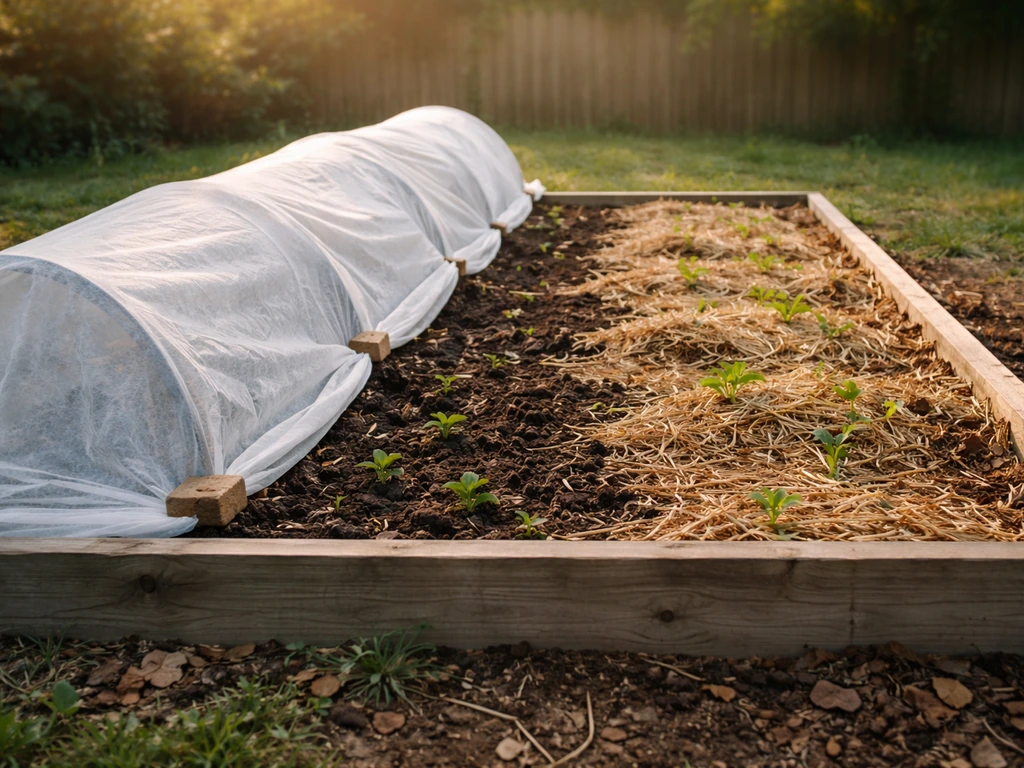
We grow crops because food security, cost savings, better nutrition, and soil health don't happen automatically. Whether you have a backyard plot or a few containers on a balcony, growing even a portion of your own food gives you something store shelves can't: direct control over what you eat, when you eat it, and what it cost to produce. Some of that impact includes the broader question of how many animals die in the process of producing and harvesting food crops, not just what happens in your garden how many animals die to grow vegetables. That's the core answer. The reasons stack up quickly from there.
Why Do We Need to Grow Crops A Practical Guide
Marcus Hendrick
14 May 2026
The core reasons we grow crops for food and resilience
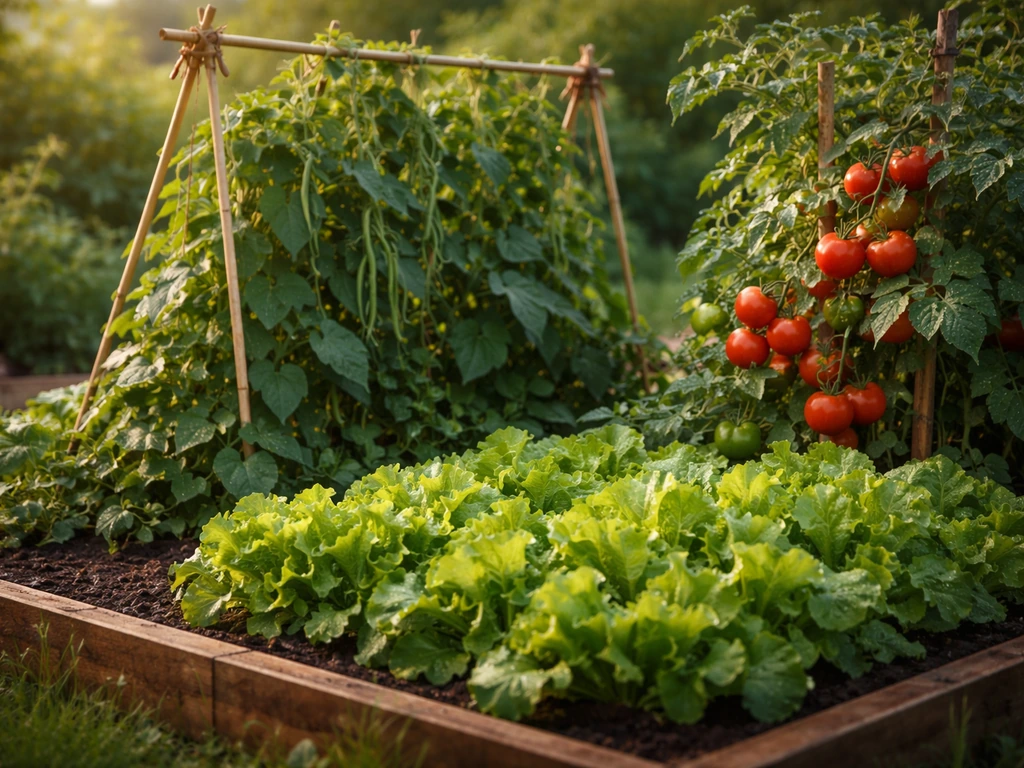
The most fundamental reason humans grow crops is reliability. A garden doesn't care about supply chain disruptions, fuel prices, or shipping delays. When grocery store prices spike or shelves run thin, a well-planned vegetable garden keeps producing. The USDA has framed home gardening explicitly as building 'a more diverse and resilient local food system,' and that framing isn't abstract. It's practical. When you grow tomatoes, lettuce, and beans yourself, those foods exist regardless of what happens between a farm in another state and your local store.
Resilience also means having food options that aren't entirely dependent on what's commercially profitable to grow and ship. A lot of the best-tasting, most nutritious vegetable varieties simply aren't available at supermarkets because they don't travel well or they don't have a long shelf life. Growing your own changes that equation completely. You grow what you want to eat, not what the supply chain can handle.
The economic case: does growing your own actually save money?
Yes, but only if you're thoughtful about it. The honest answer is that some crops pay off quickly and others take more investment. High-yield, fast-turnaround crops like lettuce, beans, zucchini, and herbs give you the best return on space and money. A 15-foot row of bush beans, for example, can produce 15 to 20 pounds of fresh beans at a fraction of what you'd pay at a farmers market. UC ANR's yield reference data backs this up with approximate pound-per-row figures across 30 common vegetables, and Penn State Extension provides per-plant yield estimates you can use to calculate expected harvests before you even put a seed in the ground.
The real savings come from thinking in terms of a full season. Seed packets often cost $2 to $5 and can produce dozens of plants. A single zucchini plant routinely yields 6 to 10 pounds of squash or more over a summer. Compare that to store prices, and the math tilts heavily in favor of the garden. Add in succession planting (staggering plantings every 7 to 14 days as WVU Extension recommends), and you extend your harvest window without buying more inputs. Less waste, more value.
Where people lose money is overcomplicating things early on. Fancy raised bed systems, imported soil mixes, and specialty fertilizers can eat your savings before the first harvest. Start lean: amend existing soil with compost, choose a handful of proven crops, and scale up once you understand your space and conditions.
Nutrition and quality: what you grow versus what you buy
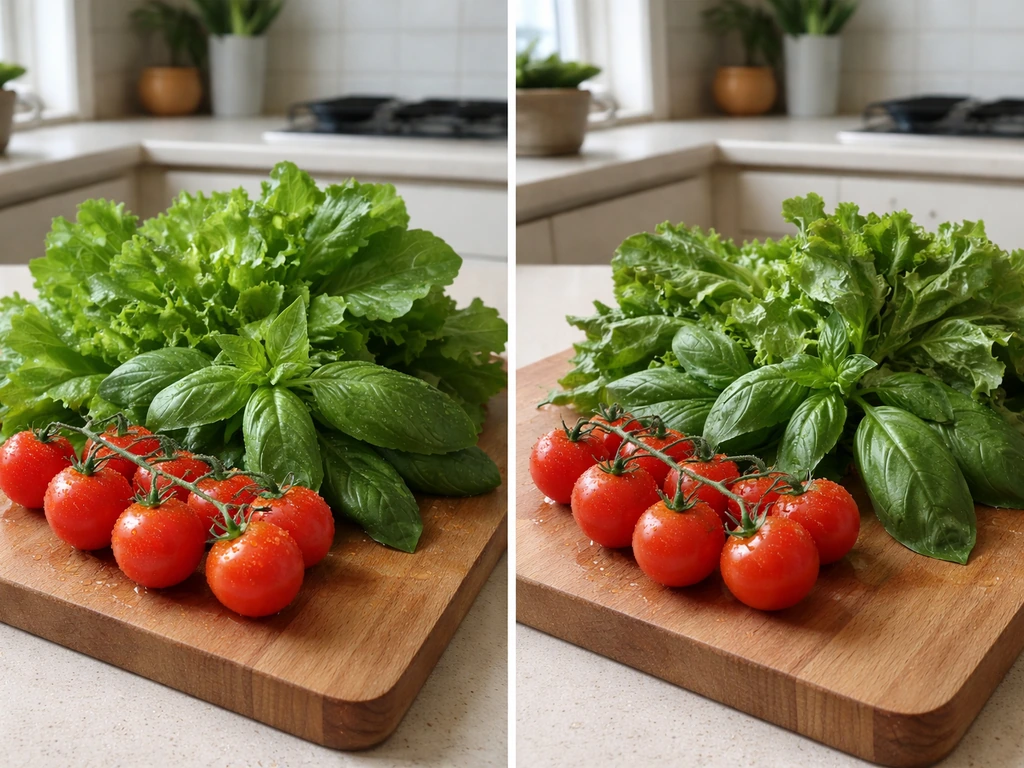
Freshness is where homegrown food wins every time. Produce begins losing nutrients the moment it's harvested. Purdue Extension notes that vitamins A and C start degrading right after picking, and that even the heating process used in preservation reduces them further. When you walk out to your garden and harvest a tomato or a handful of beans for dinner that night, you're eating food at peak nutritional value. The stuff sitting in a refrigerated truck for three days, then on a store shelf for two more, simply can't match that.
The FAO has pointed to home and urban gardens as directly improving household nutrition by giving people access to fresh food they harvest and prepare themselves. That access also means variety. You can grow heirloom tomato varieties, specialty greens, or rare herbs that aren't stocked anywhere locally. That dietary diversity matters, and it's only possible when you control the seed selection.
You also control inputs. No mystery pesticides, no wax coatings, no preservative sprays. If you want to grow organically, you can. If you want to reduce pesticide exposure for your family, a home garden is one of the most direct ways to do it. The EPA provides guidance on reducing water and nutrient pollution from yard care, and applying that guidance at home means you decide what touches your food.
One practical note on freshness: once you harvest, quality management matters. Utah State University Extension explains that reducing respiration rate after harvest (basically, cooling produce promptly) is key to keeping quality high. Refrigerate immediately, and use cut vegetables within a few days. University of Maryland Extension is direct about this: prepared or cut produce should be refrigerated and used within a few days. Grow great food, then handle it well.
What growing crops does for your soil and local environment
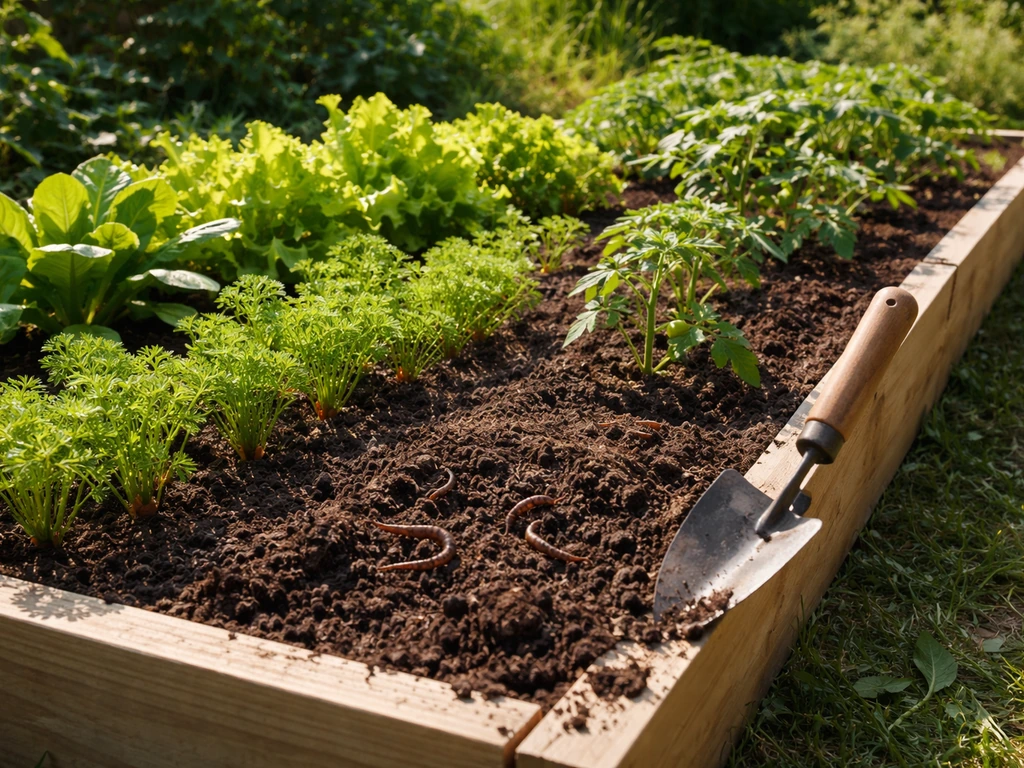
A productive garden isn't just taking from the land. Done well, it actively builds it. The most impactful practice most home gardeners can adopt is composting. The USDA describes composting as converting organic waste into a soil amendment that enriches soil and plants while reducing what goes into the trash. Kitchen scraps, grass clippings, and garden trimmings become fertility instead of landfill. That's a closed loop that pays dividends every season.
Mulching is the other big one. The USDA's Peoples Garden soil health resources describe mulch as conserving moisture, suppressing weeds, moderating soil temperature, and protecting against erosion. Penn State Extension adds the practical tip of keeping mulch a few inches away from plant stems to avoid rot. It's simple, cheap, and dramatically reduces watering and weeding workload.
Cover crops take soil health further. blank" rel="noopener noreferrer">The USDA and University of Illinois Extension both explain that planting cover crops between main crop cycles controls erosion, suppresses weeds, reduces compaction, and adds organic matter and nutrients. USDA NRCS ties this to measurable outcomes: increased soil organic matter, more diverse soil organisms, improved nutrient cycling. For a home garden, that translates to richer, easier-to-work soil year after year.
Biodiversity is another underrated benefit. Penn State Extension frames eco-friendly home gardening as actively supporting beneficial insects and pollinators. A diverse garden with flowers, herbs, and vegetables intermixed creates habitat. That matters well beyond your property line, and it often improves your own yields through better pollination.
Self-sufficiency, preparedness, and why community food culture matters
There's a reason interest in home growing tends to spike during supply disruptions, economic downturns, and inflationary periods. People want agency over their own food supply. The FAO has documented that household gardens contribute directly to food security, nutrition, health, and economic security, especially when they include off-season production strategies. That's not abstract. That's a family eating well when store prices are high or shelves are sparse.
Preparedness doesn't require a large homestead. Container gardens on a balcony can produce meaningful amounts of herbs, greens, and tomatoes. A few raised beds in a suburban backyard can supplement a family's vegetable needs significantly through the growing season. The skill of growing food is also durable. Once you know how to start seeds, read soil, and time plantings by days-to-maturity, that knowledge stays with you regardless of what the economy does.
There's also a community dimension. Sharing surplus, trading seeds, and connecting with local food networks builds relationships and strengthens the broader local food system. The USDA frames this directly: gardening contributes to a more diverse and resilient local food system, not just individual benefit. Knowing what farmers grow and what it takes to grow a healthy crop connects you to a broader understanding of where food comes from, and that understanding makes you a more informed participant in local food culture.
How to actually start growing today: a practical plan
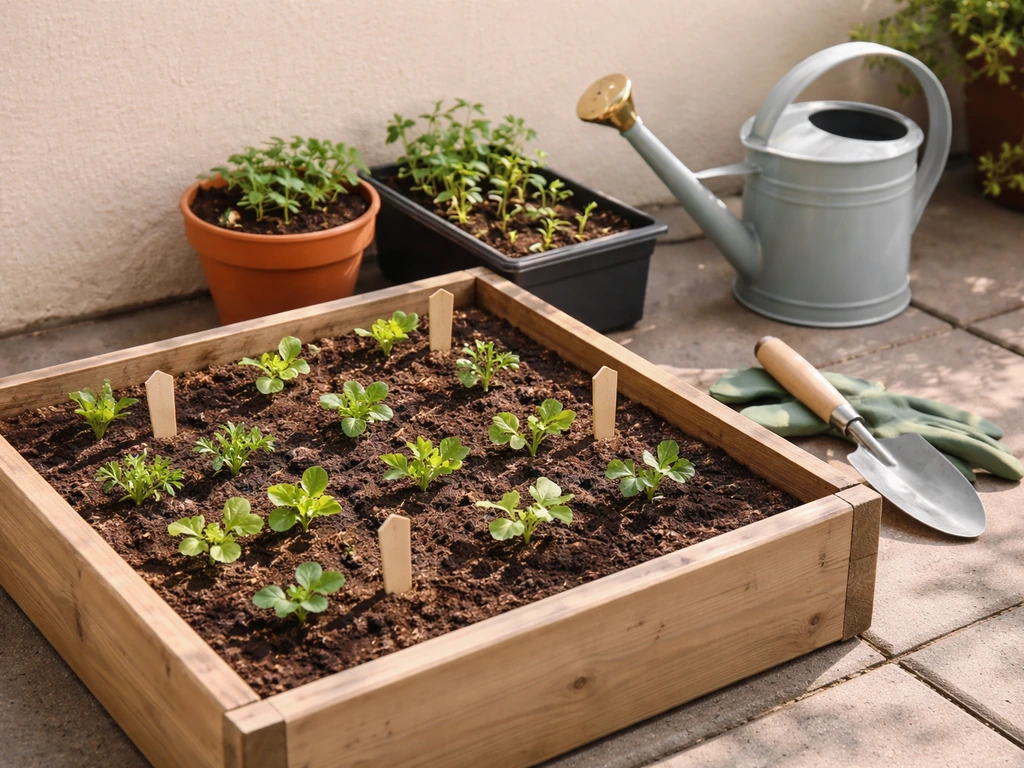
Knowing why to grow is only half the equation. Here's how to turn that into action, step by step. If you're wondering what do farmers need to grow a crop, the same fundamentals apply: light, soil, water, and good timing.
Step 1: Pick the right starter crops for your conditions
Penn State Extension is clear that most vegetables need at least 6 to 8 hours of full sun per day. Assess your available space honestly before choosing crops. If you have full sun, start with tomatoes, beans, zucchini, cucumbers, and peppers. These are high-yield, well-documented, and beginner-friendly. If your space is shadier, lean toward cool-season crops like lettuce, spinach, kale, and herbs, which tolerate partial shade better. Penn State also recommends herbs as easier beginner options, and for good reason: they produce quickly, cost almost nothing to start from seed, and save significant money compared to store-bought.
Step 2: Match crops to your space
| Space type | Best crops | Expected yield range |
|---|---|---|
| Container (5-gallon) | Tomatoes (1 plant), herbs, lettuce, peppers | 2–8 lbs per plant depending on variety |
| Raised bed (4x8 ft) | Beans, greens, carrots, radishes, compact squash | 15–30+ lbs per season across crops |
| In-ground row (15 ft) | Beans, cucumbers, squash, tomatoes, beets | 10–25 lbs per row depending on crop |
| Small backyard plot (100–200 sq ft) | Mix of above, with succession planting | 50–150+ lbs across a full season |
MSU Extension's vegetable yield tables and UC ANR's approximate yield data are useful benchmarks when you're planning. They give you realistic pound-per-row or pound-per-plant estimates so you can calculate whether your garden will meet your goals before you invest in seeds and soil.
Step 3: Plan your soil and timing
Before planting, know your soil. Penn State Extension offers soil testing that includes organic matter percentage and nutrient levels. Even without a formal test, adding 2 to 3 inches of compost worked into your top 6 to 8 inches of soil is a reliable starting point. Use 'days to maturity' on seed packets to work backward from your first expected frost date. Penn State Extension explicitly recommends this for timing successive plantings. Oregon State University Extension's planning tables include days to maturity alongside optimum soil and air temperature, planting distance, and other parameters that take the guesswork out of timing. Penn State Extension provides region-specific planting and harvesting timing guidance, including differences between northern and southern Iowa region-specific planting and harvesting timing guidance for Iowa.
Step 4: Use succession planting to extend your harvest
Don't plant everything at once. Stagger plantings of fast-maturing crops like lettuce, radishes, and beans every 7 to 14 days. WVU Extension explains that this approach maintains a continuous supply of fresh vegetables instead of a single glut followed by nothing. It also spreads out the workload, which matters when you're new to this and still figuring out your rhythm.
Step 5: Harvest promptly and handle it right
Once you've grown it, don't let quality slip. Harvest regularly (frequent harvesting encourages more production on crops like beans and zucchini), cool produce quickly, and refrigerate anything you won't use the same day. University of Minnesota Extension notes that shelf-life estimates vary significantly depending on storage and handling. Utah State University Extension adds that reducing the respiration rate of vegetables after harvest (through cooling) is the single most effective postharvest quality practice. Grow it right, then treat it right.
A simple crop comparison to help you choose
| Crop | Space needed | Days to maturity | Approx. yield | Best for beginners? |
|---|---|---|---|---|
| Lettuce (leaf) | 6 inches apart, container-friendly | 30–45 days | 0.5–1 lb per plant | Yes |
| Bush beans | 4 inches apart, 15-ft row | 50–60 days | 15–20 lbs per row | Yes |
| Zucchini | 3 ft per plant | 50–65 days | 6–10+ lbs per plant | Yes |
| Tomatoes (determinate) | 2–3 ft per plant | 65–80 days | 8–15 lbs per plant | Yes |
| Kale | 12–18 inches apart | 55–75 days | 1–2 lbs per plant | Yes |
| Cucumbers | 12 inches apart (trellised) | 50–70 days | 5–10 lbs per plant | Yes |
| Peppers | 18 inches apart | 70–90 days | 2–5 lbs per plant | Moderate |
Start with two or three of these. Get a feel for your soil, your microclimate, and your own schedule. Mistakes are part of the process, and every season teaches you something the previous one couldn't. Start lean by improving your soil and choosing crops suited to your climate, then water and harvest at the right times how can a farmer grow a good and healthy crop. The gardeners who figure this out fastest are the ones who start simple, observe closely, and build from there.
FAQ
If I only have a small space, is it still worth growing crops instead of just buying vegetables?
Often, yes, because a small garden can target the most expensive and freshest-to-handle crops (herbs, salad greens, cherry tomatoes, hot peppers). Choose 2 to 4 crop types with short “days to maturity,” then succession plant so you harvest repeatedly from the same footprint instead of planting once and running out.
How do I decide which crops to grow if I’m trying to reduce grocery costs?
Start with “high return per square foot” crops that harvest frequently and don’t require long storage. Beans, zucchini, and greens typically outperform slow, one-time harvest crops (like pumpkins) for cost savings in home gardens, because you reuse the same bed through staggered plantings.
What if I do not have enough sunlight for warm-season crops like tomatoes and peppers?
You can still grow, but prioritize cool-season crops and leaf crops that tolerate partial shade (lettuce, spinach, kale, many herbs). Also consider timing, use row cover for shoulder seasons, and pick varieties labeled for your day length or heat tolerance to avoid slow growth.
Is growing crops mainly about nutrition, or is there also a meaningful environmental benefit?
There is both, but the environmental gains show up when you manage inputs well. Composting, mulching, and reducing waste can cut landfill contributions and water use, and planting cover crops between seasons can improve soil structure and reduce erosion, which benefits your garden’s long-term productivity.
Do home gardens always reduce pesticide exposure if I grow without “mystery pesticides”?
Not automatically. If you don’t manage pests proactively, you may feel forced to use sprays. A better approach is prevention (healthy soil, spacing for airflow, crop rotation) and using targeted, lowest-impact options first, like hand removal or physical barriers (row covers), then only escalate if damage threatens the harvest.
How much time does crop growing actually require each week?
It varies, but the common mistake is underestimating harvesting and weeding. Plan on routine tasks: checking soil moisture, harvesting more often for high-producing crops (beans, zucchini), and mulching early to reduce weeds. If you can’t commit to frequent harvesting, choose crops that tolerate less frequent picking.
What’s the biggest reason gardens fail to “pay off” even if seeds are cheap?
Poor planning around timing and space is usually the culprit. If you plant too many of a single crop at once, you get a glut and waste, or the crop misses its ideal temperature window. Use days-to-maturity and stagger plantings so production is spread out across the season.
Do I need to do composting for soil health, or can I just buy fertilizer?
You can buy nutrients, but composting provides broader benefits beyond feeding plants, it improves soil texture, water retention, and microbial activity. If compost isn’t feasible, a consistent practice is still to add organic matter regularly, but compost is one of the most cost-effective ways to do it with kitchen and yard scraps.
How should I handle harvest to keep the quality high, and what should I do differently for cut greens?
Cooling fast matters, but cut produce is more fragile because it has more surface area and dries out quickly. Refrigerate promptly, keep greens from getting slimy by drying excess moisture, and use a shorter window for prepared foods than for intact whole vegetables.
What’s the safest way to expand from “2 or 3 crops” to a larger garden without starting over?
Scale by learning one variable at a time. Add one new crop type per season, keep the rest of your layout consistent, and track simple notes (sun hours, harvest dates, pest issues, watering frequency). This prevents the common failure mode of changing soil, crops, and schedule all at once.
Next Article
How Many Animals Die to Grow Vegetables: Estimate and Reduce
Practical way to estimate and cut animal deaths from home vegetable growing using proxies, IPM, covers, fencing and trac