Most of the food on your plate was grown by someone else, and understanding who that is helps you figure out where you fit in. If you are wondering where do we grow crops in the real world, it depends on the farm type, climate, and what markets need. Globally, the majority of farms are small family operations. FAO data shows that farms under 2 hectares make up about 84% of all farms worldwide and produce roughly 35% of the world's food, even though they occupy only about 12% of agricultural land. Broader family farm definitions push that share higher: some FAO working papers estimate family farms produce around 80% of the world's food in value terms. Industrial-scale operations, contract growers, tenant farmers, and Indigenous food systems fill out the rest. And then there's you, the home gardener, who can realistically step into that chain in a meaningful way with the right crops, a small patch of soil, and a decent plan.
Who Grow Crops for Us: From Farms to Home Gardens
Who actually grows the world's crops
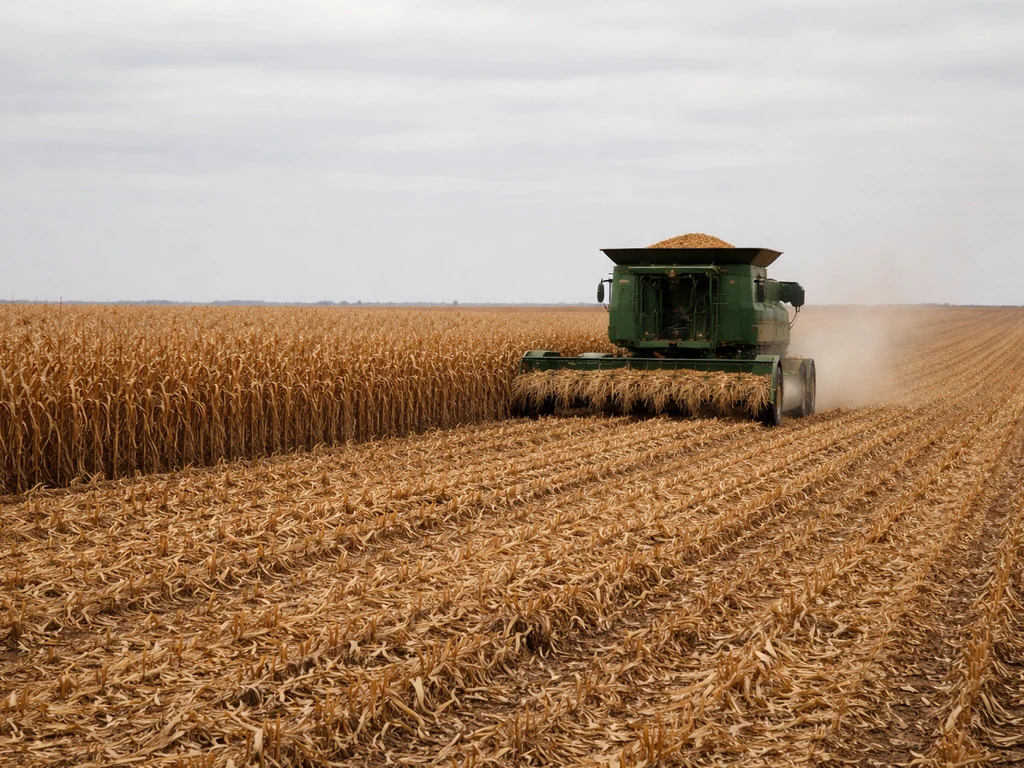
It's not one type of farmer. Food production is spread across several very different groups of people, each playing a distinct role in what ends up in stores, markets, and kitchens.
Commercial and industrial farmers
These are the large-scale operations you picture when you think of American agriculture: thousands of acres of corn, soy, wheat, or cotton grown as monocultures using heavy machinery, synthetic fertilizers, and pesticides. Industrial farms are input-intensive by design, built to maximize output per acre rather than diversity or resilience. They dominate the commodity crop market and supply most of what gets processed into packaged food. The trade-off, as FAO research points out, is that monoculture systems have inherently low agroecosystem resilience. One pest, one drought, one price collapse, and the whole operation takes a hit.
Smallholder and family farmers
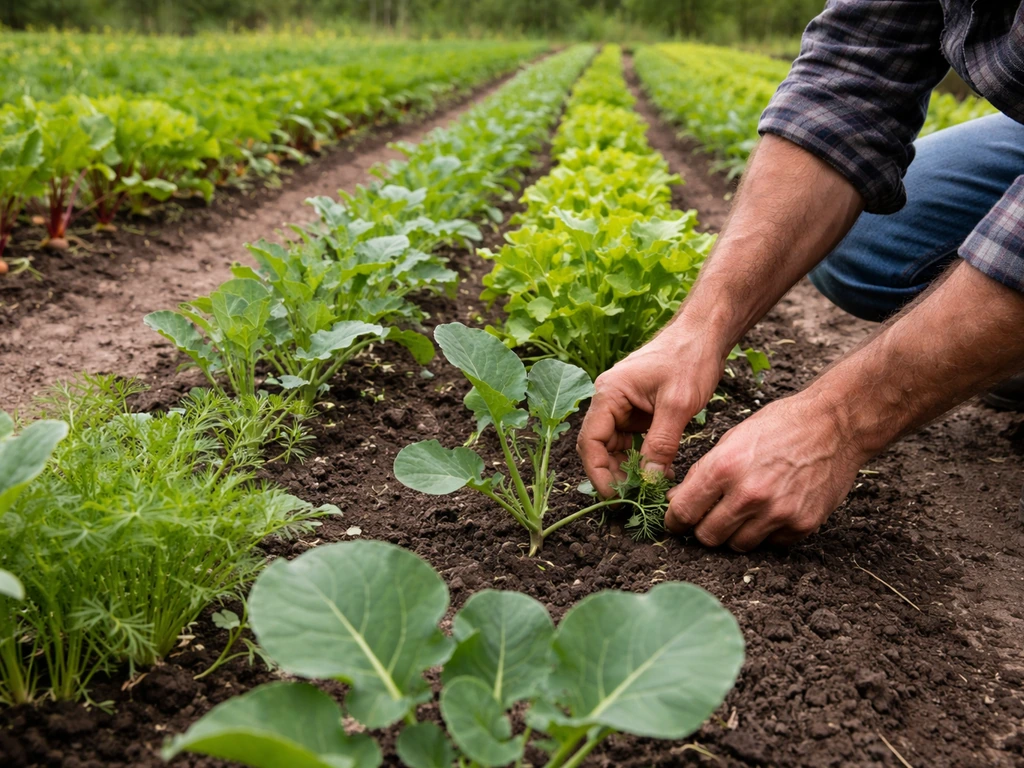
Smallholders are the backbone of food production in most of the world. Five out of every six farms on the planet are smaller than 2 hectares (about 5 acres). In countries like China, smallholders supply as much as 80% of domestic food. These farmers grow a wide variety of crops, often using diversified planting systems that naturally build soil fertility and reduce pest pressure. They're also increasingly tied into global supply chains through contract farming arrangements, where agribusinesses provide inputs and guaranteed market access in exchange for a reliable supply of specific crops.
Tenant and contract growers
Not every farmer owns the land they work. Tenant farmers lease land and pay rent either in cash or as a share of the harvest. Contract growers operate under agreements with food companies or cooperatives, who often dictate what to plant, how to grow it, and where to sell it. Contract farming arrangements link producers, agribusinesses, and other value-chain actors to meet market demands and can support smallholder inclusion through access to markets and resources and value-chain integration. This system gives smaller producers access to markets and resources they couldn't reach independently, but it also limits their autonomy. The World Bank notes that as land for large plantations becomes scarcer, agribusinesses are leaning harder on smallholder contract arrangements to secure future food supplies.
Indigenous and traditional growers
Indigenous food systems are distinct from all of the above. They're holistic, place-based, and built around cultural heritage and ecological relationships rather than market demand. IFAD reports that traditional Indigenous territories contain about 80% of the world's remaining biodiversity. These food systems don't always show up in official production statistics, but they support community food security, preserve rare crop varieties, and model a type of resilient, diversified growing that most industrial systems have abandoned. If you're interested in heirloom varieties or permaculture-style growing, you're drawing on ideas that Indigenous growers have practiced for centuries.
Farm laborers, seed producers, and service providers
Behind every crop is a supply chain of people who don't hold the plow but make the harvest possible: seed breeders and seed companies, soil amendment manufacturers, equipment dealers, irrigation installers, packing house workers, and the farmworkers who do the physical harvest. This labor backbone is often invisible in conversations about who grows our food, but it's essential. When you buy seeds for your garden, you're connecting to that same network, just on a much smaller scale.
Industrial farms vs. small farms vs. community gardens
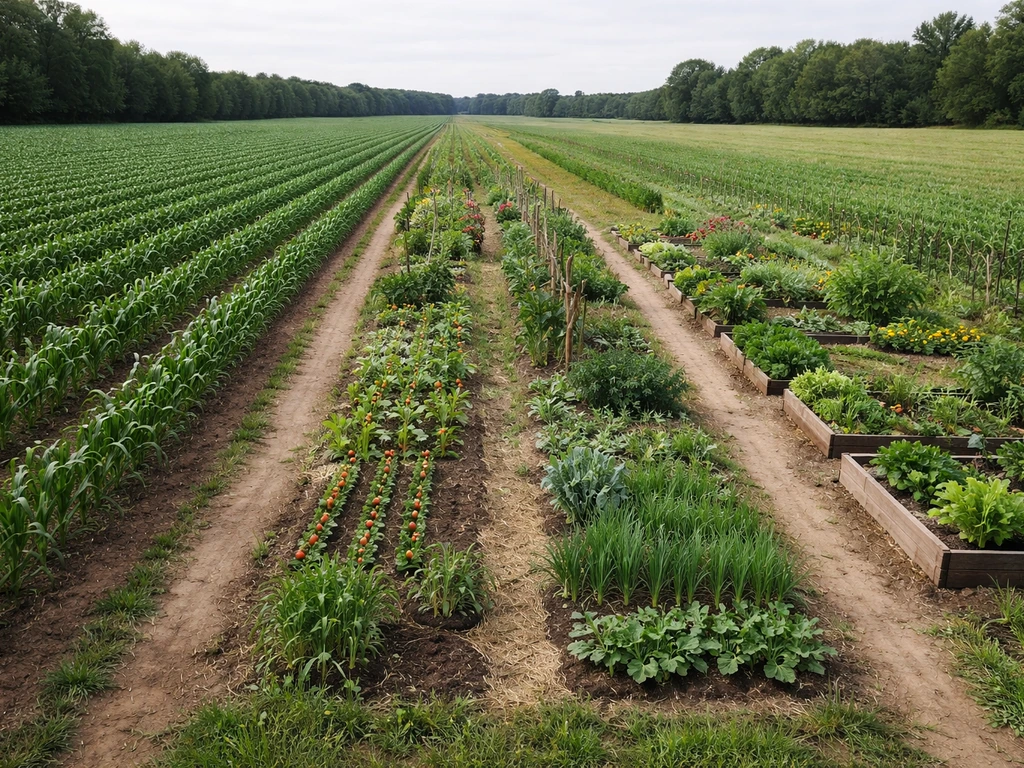
| System | Scale | What it produces | Strengths | Weaknesses |
|---|---|---|---|---|
| Industrial farm | Thousands of acres | Commodity crops: corn, soy, wheat, cotton | High volume, low per-unit cost | Low biodiversity, vulnerable to shocks, heavy input use |
| Mid-size family farm | 50–500 acres | Mixed vegetables, grains, livestock | Diverse output, more adaptive | Squeezed by input costs and market access |
| Smallholder farm | Under 2 hectares (5 acres) | Vegetables, staple crops, livestock | High productivity per acre, biodiversity | Limited market access without contract support |
| Community garden | Shared plots, often urban | Vegetables, herbs, fruit | Accessible, low-cost entry, social benefit | Small yields, management challenges |
| Home garden | Containers to 1/4 acre | Vegetables, herbs, some fruit | Fresh, cheap, controlled quality | Labor-intensive, weather-dependent |
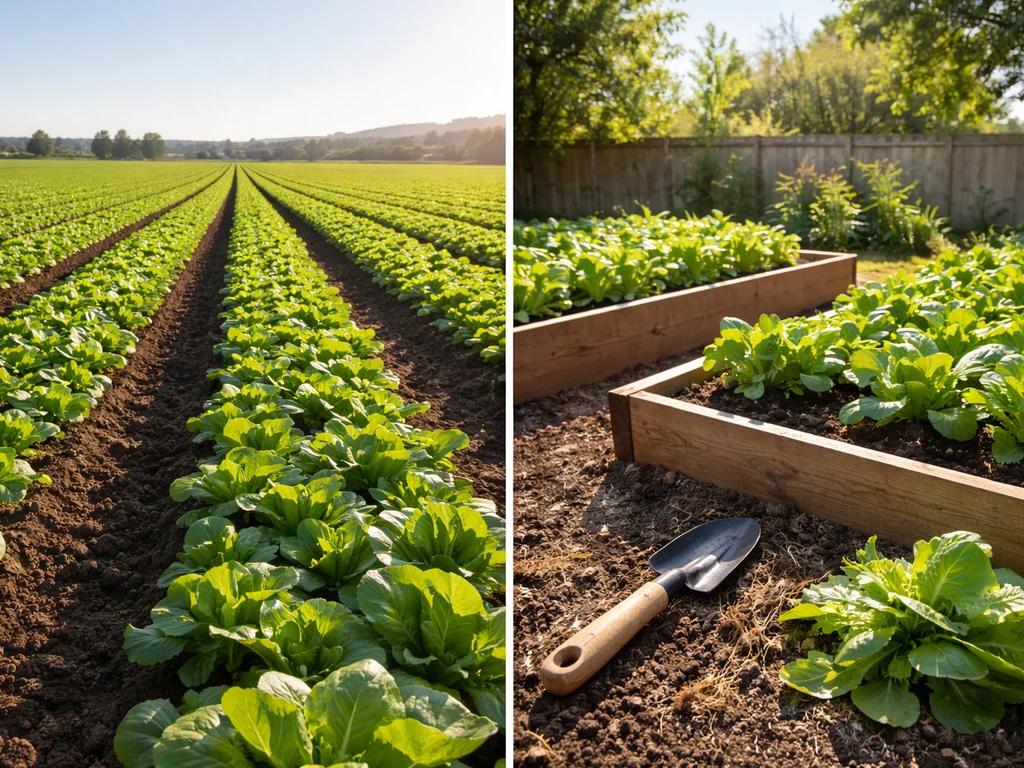
Each system feeds different needs. Industrial farms keep supermarket shelves stocked with affordable staples. Small farms supply farmers markets, CSA boxes, and local restaurants. Community gardens and home gardens fill gaps in access and give people direct control over some of what they eat. None of these systems is going away, and honestly, they work best when they coexist.
Where home growing fits in the food chain
You're not going to replace your grocery store by gardening. Let's be honest about that upfront. But you can meaningfully reduce what you spend on fresh vegetables and herbs, eat higher-quality produce than what's available at most stores, and build a real skill set for food self-sufficiency. That's the realistic entry point for most people, and it's a genuinely valuable one.
A 4x8 raised bed, which costs roughly $100 to $300 in materials depending on what you build it from, can produce more salad greens, beans, and herbs than a typical family eats in a week at peak season. According to UCANR yield data, a two-row raised bed configuration can yield around 15 heads of lettuce per planting. University of Maine Extension planting guides show pole beans producing about 12 pounds per 10-foot row, and peas around 10 pounds per 10-foot row. Cornell Cooperative Extension data puts bush beans at about 8 pounds per 10 feet. Those numbers add up fast when you're planting succession crops through the season.
Home growing fits into the food chain the way side income fits into a household budget. It doesn't replace the main source, but it reduces dependence, builds resilience, and over time, the skills compound. People interested in who grows grains or how crops grow well in specific conditions will find that home gardening teaches those answers faster than reading about them ever will. People who want to understand who grow grains and how different growing conditions affect crop performance can use this as a starting point who grows grains.
Real barriers to growing your own crops
I want to be straight with you about what actually stops people from growing food successfully, because sugarcoating it doesn't help anyone.
- Land: No yard? Container gardening and community garden plots are real alternatives. Tomatoes, peppers, herbs, and even beans grow well in containers with good drainage and enough sun. USDA People's Garden guidance recommends starting with quality soil, compost, and adding sand or pebbles to containers for drainage.
- Time: A 4x8 bed takes maybe 2 to 3 hours per week at peak season for watering, weeding, and harvesting. More beds, more time. Start small and scale once you know what fits your schedule.
- Skills: Most beginners fail not because of bad luck but because of timing errors. Planting too early in cool, wet soil invites disease. Planting too late loses the harvest window. Illinois Extension flags these timing mistakes as the top reason for poor yields in home vegetable gardens.
- Climate: What works in zone 7 may not work in zone 4 or zone 9. Beans need soil above 60°F to germinate well, according to Utah State University Extension. Always check your last frost date and choose varieties bred for your growing region.
- Water: Inconsistent watering is one of the fastest ways to lose a crop. UMN Extension research shows drought stress causes tomatoes to drop flowers and produce undersized fruit. Switching to drip or microirrigation can save more than 25,000 gallons of water annually compared to overhead watering, and keeps moisture consistent at root level.
- Pests and disease: UC IPM recommends an integrated approach: start with prevention, use physical barriers, and only escalate to sprays when necessary. Avoiding overwatering and planting in well-drained soil prevents most fungal problems before they start.
Cost, yield, and planning for self-sufficiency
Here's how to think about whether home growing is worth it financially. The startup cost for a basic 4x8 raised bed runs roughly $50 to $200 for the frame and soil depending on materials. Cedar DIY builds typically run $100 to $200 in materials; pre-cut kits run $150 to $300. NCSU estimates a complete 4x8 bed system (frame plus soil) at $50 to $150 when sourcing materials affordably. After year one, most of that cost is done. Soil amendments, seeds, and water are your ongoing costs, and they're modest.
On the yield side, a well-managed 4x8 bed can produce $200 to $500 worth of vegetables per season at retail prices, especially if you focus on high-value crops like salad greens, herbs, cherry tomatoes, and snap peas. Those are also the crops that taste dramatically better fresh than store-bought, which is part of the point. Staple crops like potatoes and dry beans are lower value per square foot but worth growing if storage and caloric self-sufficiency are your goals.
Organic yields can start lower than conventional but narrow significantly over time. Wageningen University research indicates organic and conventional yield gaps shrink considerably after 10 to 13 years as soil health builds. That's a good reason to start composting now even if you're only one season in. Soil investment pays compound interest.
For true self-sufficiency planning, the math gets serious. A family of four eating primarily from their garden would need somewhere between a quarter-acre and a full acre depending on the crop mix, diet, and climate. That's beyond most urban and suburban lots, but hitting 20 to 30% of your vegetable needs from a home garden is achievable in a standard backyard with two to four raised beds and some planning.
How to start growing crops today
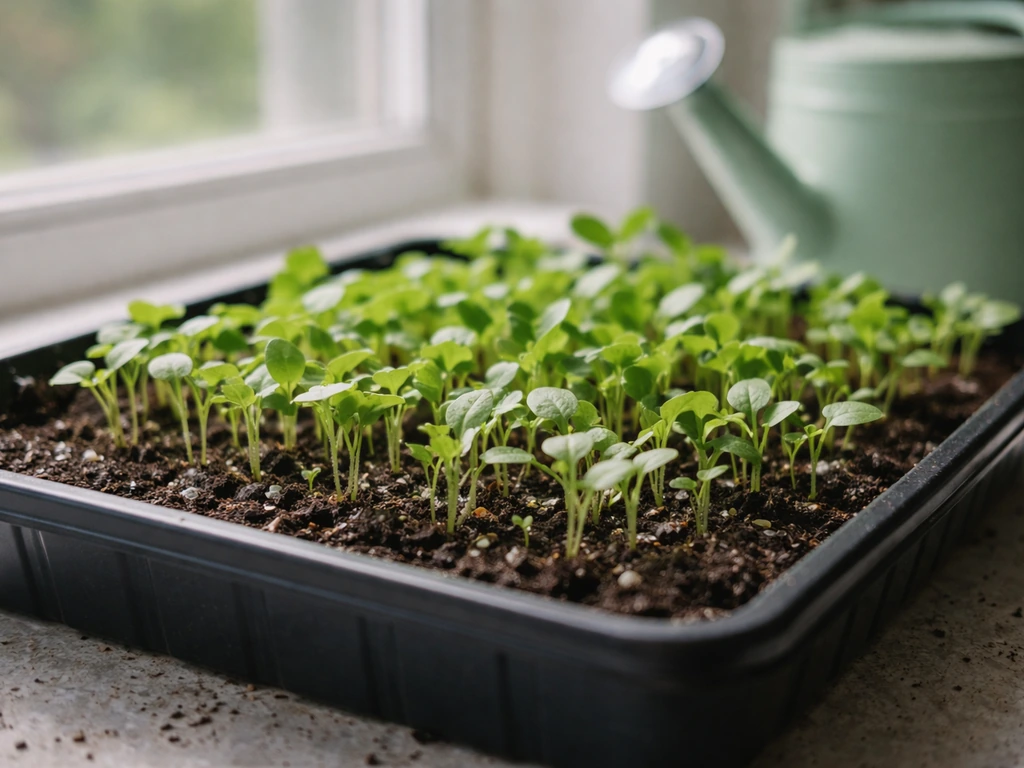
Pick the right first crops
For beginners, easy wins matter. Start with crops that are fast, forgiving, and productive. To get the best harvest, make sure you choose crops grow well when they are matched to your climate, sunlight, and soil. Radishes are ready in 25 days. Bush beans require almost no care and produce heavily. Leaf lettuce tolerates shade and can be harvested cut-and-come-again for weeks. Zucchini is almost comically productive. Cherry tomatoes outperform slicers for beginners because they set fruit more reliably. Herbs like basil, parsley, and chives reward you every week with harvests that would cost $3 to $5 per bunch at the grocery store.
Set up your growing space
You don't need to start with a raised bed, but it helps. Raised beds warm up faster in spring (good for season extension), drain well, and make soil management simple. Oregon State University Extension notes raised beds can help with early-season planting because the soil warms faster. Fill with a quality mix, not pure native soil, since most native soils are too heavy for raised bed drainage. Amend with compost, and avoid treated lumber that uses CCA preservatives, which can leach chemicals into vegetable soil. If you're container gardening, use at least a 5-gallon pot per tomato or pepper plant, and smaller containers for herbs and greens.
Sort out your water situation early
Hand-watering works for a small setup, but if you're managing more than two or three beds, a drip line or soaker hose saves time and reduces plant stress. Consistent moisture at the root zone, rather than wet-dry cycles from overhead watering, produces better yields and reduces disease. Soil moisture sensors or basic timer systems can take the guesswork out of the equation and prevent both drought stress and overwatering.
Your next steps, in order
- Identify your climate zone and average last frost date. Everything else flows from this.
- Choose a location with at least 6 hours of direct sunlight per day. This is non-negotiable for fruiting crops.
- Build or buy one 4x8 raised bed, or gather three to four large containers if you're working with a balcony or patio.
- Fill with a quality growing mix amended with compost. Budget $50 to $100 for soil in year one.
- Start with three to five crops: one fast green (lettuce or spinach), one bean or pea, one herb, and one fruiting vegetable (cherry tomato or zucchini).
- Set up a simple watering routine: deep and slow, two to three times per week in dry weather, more in heat.
- Keep a basic garden journal. Note what you planted, when, what worked, and what didn't. This information is worth more than any advice article by year two.
- Learn IPM basics: identify pests before spraying anything, start with physical removal and barriers, and escalate only when necessary.
- After your first season, add one or two more beds and try a crop you've never grown before.
Most people who grow food at home don't do it to become fully self-sufficient overnight. They do it because fresh food tastes better, because the process is satisfying, and because understanding where food comes from, whether it's from a smallholder farm in China, a contract grower in the Midwest, or your own backyard, changes how you think about eating. If you want to know can you grow crops in the end, focus on what grows well in your climate and start with a few reliable crops your own backyard. Start with one bed, grow a few things well this season, and build from there. That's exactly how it works.
FAQ
If I want to reduce grocery costs, which crops should I grow first?
Start by defining your local “who” and “what” link. If you want to reduce grocery spending, prioritize crops that are expensive per calorie or per bunch in your area (leafy greens, herbs, cherry tomatoes), then pick 2 to 3 successions so you harvest over multiple weeks instead of all at once.
Can home gardening help even in a short growing season or apartment setting?
Yes, but match it to your constraints. In most climates, you can still grow a meaningful share by focusing on heat-tolerant plants in summer, cool-season greens in fall, and using low-cost season extension like row cover. Fully self-sufficient grain production usually requires more land and longer time horizons than a backyard can provide.
Is organic gardening just about using organic products, or does it change yields differently?
Avoid the common mistake of “buying organic” without building organic practices. Composting, mulching, and crop rotation matter because they reduce nutrient swings and pest pressure. You can use organic seed and approved amendments, but the biggest yield boost over time comes from soil management habits.
How do I stop my harvest from coming all at once and then disappearing?
You will usually get better results by planning plantings in rounds rather than one big sowing. Use staggered dates (every 1 to 2 weeks for greens and beans), and replace finished plants quickly. This is especially important for lettuce and herbs that bolt or slow down when temperatures shift.
Are farm growing methods the same as home gardening methods?
Don’t copy farm practices blindly, because garden scale changes economics and labor. Small setups benefit from hand or targeted irrigation, denser spacing for certain crops (like greens), and more frequent picking. Large-acre monoculture methods can lead to wasted inputs or disease problems in a garden.
What happens if I miss watering sometimes, and which crops handle it best?
If you cannot get consistent irrigation, choose crops that tolerate mild stress and prioritize mulch. For tomatoes and peppers, inconsistent watering can cause blossom-end rot and split fruit. For leafy greens, dry spells can reduce quality, so aim for steadier moisture at the root zone.
How big do containers need to be for vegetables to actually produce?
For tomatoes, cucumbers, and many peppers, smaller containers usually mean smaller harvests and more watering, even if plants look healthy at first. A good rule from the article’s guidance is at least about a 5-gallon container for each tomato or pepper plant, and smaller pots for greens and herbs.
Should I fertilize right away, or wait until plants look established?
Watch your soil, not just the calendar. A simple approach is to start with a compost-forward mix, then adjust with light feeding after establishment. Too much nitrogen can make lush leaves but fewer fruits in tomatoes and peppers.
What’s the most common spacing or layout mistake beginners make?
Yes, and it’s one of the quickest ways beginners fail. Overcrowding increases humidity and disease, while under-planting wastes space. Follow the spacing on seed packets, then prune or trellis where needed so airflow stays good.
How do I choose crops that match my available time for weeding and harvesting?
Start with what fits your lifestyle, not only your budget. If you cannot commit to harvesting frequently, pick crops that tolerate picking delays, like kale and cut-and-come-again lettuce, and avoid crops that are high maintenance at peak season.
Who Grow Grains and How to Start Growing Grain at Home
Learn who grows grains for home and small farms, then start your own grain plot with easy steps, timing, tools, and harv