People who grow crops in open fields fall into a few clear categories: owner-operators (family farmers who own and work their own land), tenant farmers (who lease land from someone else), smallholders and homesteaders (working a few acres for household food security), subsistence growers (growing primarily to feed themselves), and large-scale commercial operations that rely heavily on hired seasonal labor. Most U.S. farms are actually family farms under the blank" rel="noopener noreferrer">USDA's definition, meaning the principal operator and related family members own the majority of the farm business. That tells you something useful: field-scale crop growing is not just the domain of corporate agriculture. Real people, often families, are doing most of it.
Who Grow Crops in the Field and How It Works
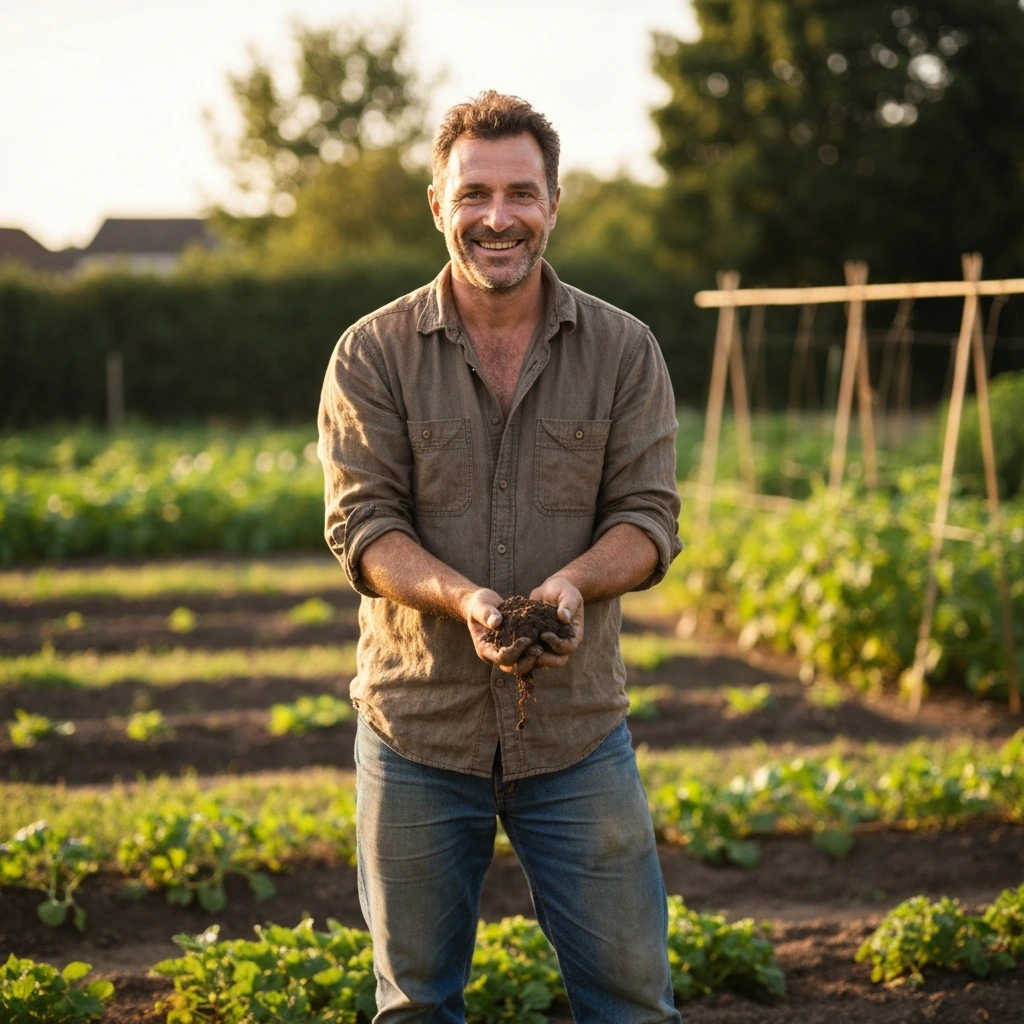
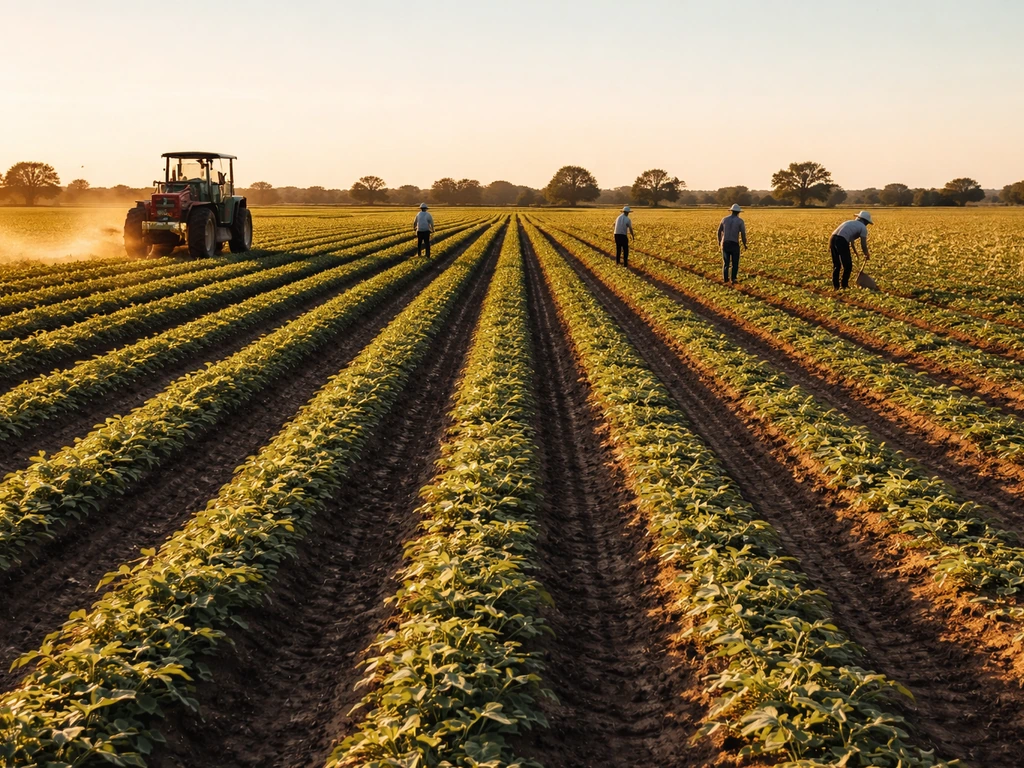
Who typically grows field crops and how the work gets done
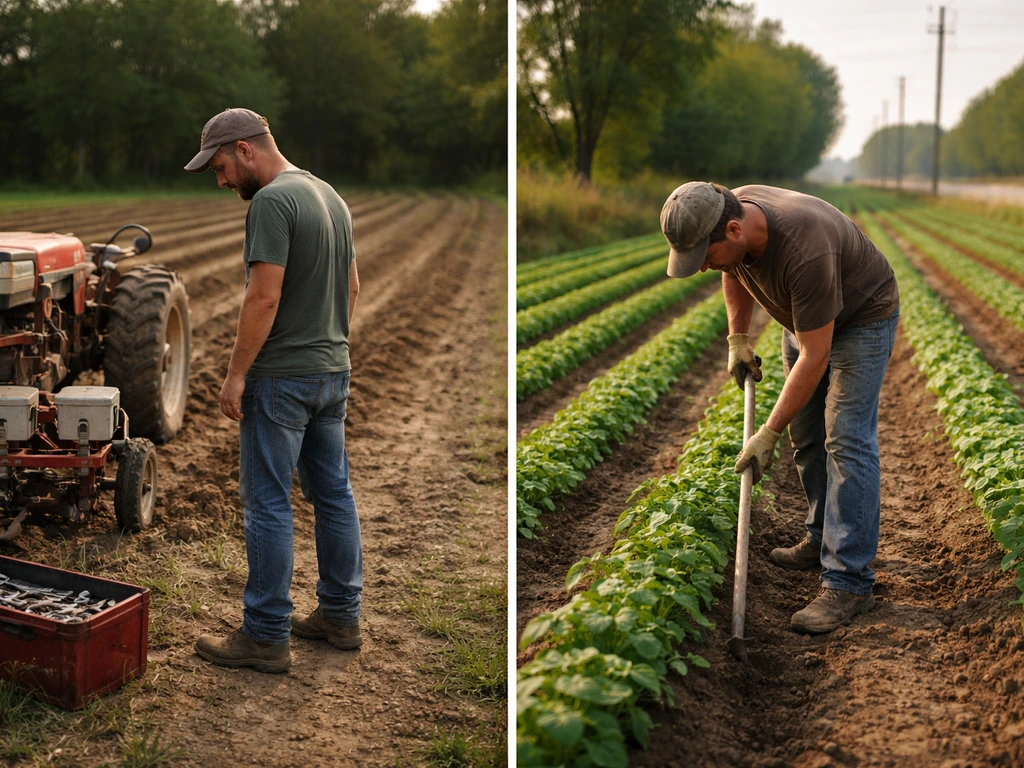
The USDA's Economic Research Service breaks farm labor into two broad groups. The first is self-employed operators and family members, who don't draw a wage because their income comes from farm profits. The second is hired and contract labor, which is paid by the hour or by contract. Most small-to-mid-size farms run primarily on the first model: the family does the work. Larger commodity operations growing corn, soybeans, wheat, or cotton lean heavily on hired labor, especially at planting and harvest.
Tenant farming is more common than most people realize, especially in the Midwest. A tenant farmer leases cropland from a landowner and takes on the full cost of inputs (seed, fertilizer, equipment) in exchange for keeping the profits. Sharecropping arrangements, where the crop is split between tenant and landowner, still exist in some regions. For anyone thinking about scaling up their growing operation, leasing land is a real and practical option worth exploring before committing to a land purchase.
At the smallest end of the scale, you have subsistence growers and smallholders who grow primarily for household consumption, maybe selling a small surplus at a farmers market. These growers often don't appear in official USDA data because they fall below the $1,000 annual sales threshold that officially defines a farm. But they are absolutely growing crops in the field, and honestly, this is the model most relevant to readers thinking about serious home food production.
Field crops vs. home garden vegetables: they're not the same thing
When someone says "field crops," they usually mean grains, legumes, and row crops: corn, wheat, soybeans, oats, barley, sorghum, sunflowers, dried beans, and similar plants grown in large blocks. For a full look at who grow grains at different scales, focus on the farm labor models and operation size discussed earlier in the guide. These are different from the vegetable garden crops most home growers start with, like tomatoes, peppers, squash, and lettuce. Field crops are typically harvested once per season, stored dry, and sold in bulk or used as staple food. Vegetables are harvested fresh and have a short shelf life.
This distinction matters for planning. If your goal is food self-sufficiency, field crops like dried corn, wheat, dry beans, and oats provide the caloric foundation that vegetables alone can't. A quarter-acre of wheat can yield roughly 100 to 150 pounds of grain, enough to meaningfully supplement a household's flour supply. Growing your own grains is entirely possible at home scale, but it requires different tools, timing, and knowledge than a vegetable garden. The labor model is also different: field crops often have concentrated labor spikes at planting and harvest, with relatively little hands-on time in between.
What "who grows" looks like at different operation sizes
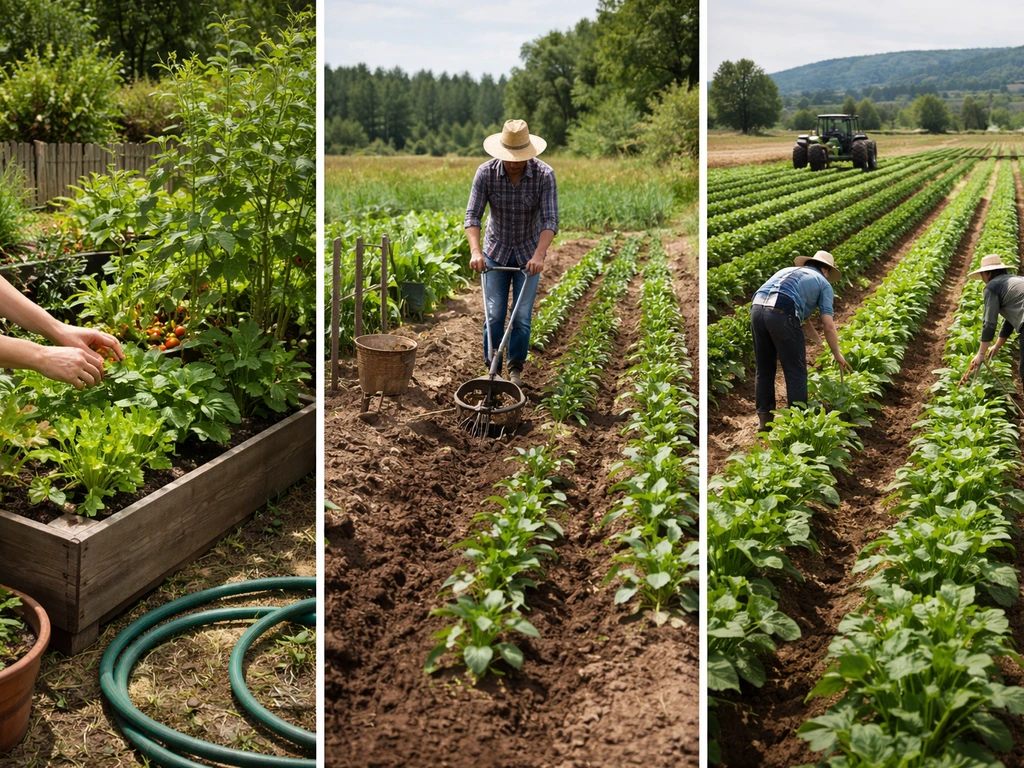
The answer to "who does the work" changes completely depending on how much land you're working. Here's a realistic breakdown:
| Scale | Land Size | Who Does the Work | Typical Crops |
|---|---|---|---|
| Container/backyard garden | Under 1,000 sq ft | Solo grower or household | Vegetables, herbs, small fruits |
| Market garden | 1/4 to 2 acres | Family or small team, occasional help | Vegetables, cut flowers, some legumes |
| Smallholder/homestead | 2 to 10 acres | Family-run, may hire seasonal help | Vegetables, grains, legumes, livestock feed |
| Small family farm | 10 to 100 acres | Owner-operator family, hired labor at peak | Row crops, grains, mixed vegetables |
| Commercial farm | 100+ acres | Hired/contract labor, sometimes tenant operators | Commodity grains, soybeans, corn, cotton |
If you're at the backyard or market garden stage, you are the grower. Full stop. As you scale toward the homestead and small farm range, you start to see the family-run model kick in: partners, kids, parents, neighbors trading labor. At true field scale, you eventually need to think about whether you're hiring seasonal workers, partnering with a neighboring farm for equipment sharing, or contracting out specific tasks like plowing or combining.
How to find local crop growers and growing resources near you
Your local Cooperative Extension Service is the single best free resource you have. Every state university with an agricultural program runs an extension office, and most counties have a local agent who knows what grows well in your specific area, what the common pest and disease pressures are, and which local growers or seed suppliers are worth contacting. That same idea answers where do we grow crops, because local climate and pest pressure largely decide the best crop choices for your fields what grows well in your specific area. Look up your state's land-grant university to find your county extension office. This is not a dusty government bureaucracy: extension agents genuinely want to help farmers and home growers succeed.
- County Cooperative Extension offices: free soil testing, crop guides, and local growing calendars
- USDA Farm Service Agency (FSA) offices: loan programs, crop insurance basics, and local farm data
- Local grain elevators and feed stores: they know exactly which field crops are grown in your area and who grows them
- Farmers markets: talk directly to vendors about their growing methods, crops, and scale
- Regional seed suppliers and seed libraries: often carry locally adapted varieties that commercial catalogs skip
- Agricultural co-ops: especially useful for equipment access, bulk seed buying, and connecting with other growers
If you want to understand what field crops grow well in your region before committing to them yourself, drive the back roads in late summer. What you see growing in the fields around you is your best guide to what works in your climate and soil. Then walk into a local grain elevator or farm supply store and ask questions. People in these industries are usually glad to talk.
Choosing your growing model: solo, family, co-op, or hired help
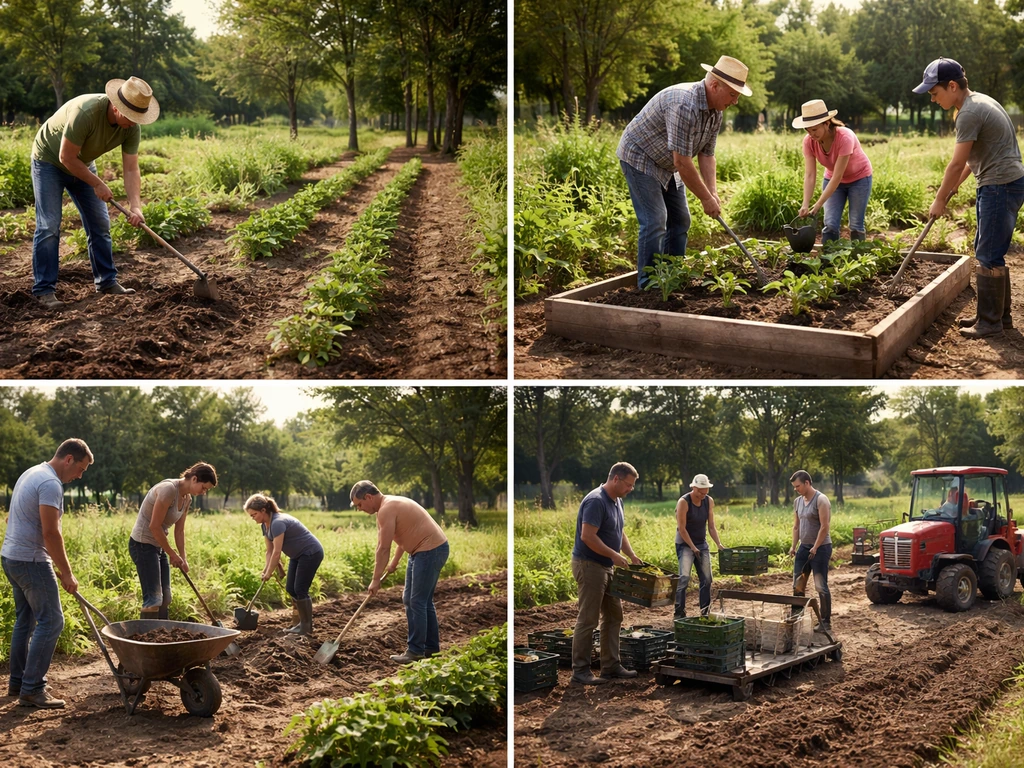
Before you plant a single seed at field scale, you need an honest labor plan. The biggest mistake new growers make is underestimating how much time and physical work even a half-acre plot requires. Here are the four real models and what they actually look like:
- Solo grower: You do everything yourself. This works well up to about a quarter-acre of intensive vegetables or one to two acres of low-maintenance grain crops. Beyond that, you'll hit physical and time limits, especially at harvest.
- Family-run operation: Partners, kids, and extended family share the labor. This is the most common model for homesteads and small farms and the one the USDA's family farm classification is built around. It scales well to 5 to 20 acres with the right coordination.
- Community or co-op growing: You pool resources, land, labor, and knowledge with neighbors or a formal co-op. This is a strong model for people with limited land but available time, or for growing crops that require equipment most individuals don't own.
- Hired help or contract labor: You pay seasonal workers to help at planting or harvest, or you contract out specific tasks (like tilling or combining) to a neighboring farmer with equipment. This makes sense when you have the land and capital but not the labor.
Be realistic about which model fits your current situation. Most people reading this are somewhere between solo and family-run. If you're just getting started, plan your crop selection and plot size around what you can actually manage alone or with one other person. You can always scale up, but a failed first season from overreach is discouraging in a way that's hard to recover from.
Getting started today: picking crops and planning your labor
Start with your climate zone and your available time, not with a wish list of crops. Hardiness zone matters for perennials, but for annual field crops, what really determines success is your last frost date, your average summer temperatures, and your rainfall pattern. Hardiness zone matters for perennials, but for annual field crops, what really determines success is your last frost date, your average summer temperatures, and your rainfall pattern crops grow well when they are. A contact at your local extension office can hand you a planting calendar specific to your county.
Crops that work well at field or homestead scale for beginners
- Dry beans (any variety): low input, high yield per square foot, storable for years, excellent caloric value
- Oats or wheat: possible on as little as 1,000 square feet using a scythe and hand tools; no tractor required at small scale
- Corn (dent or flour varieties): easy to grow in most climates, dries on the stalk, stores as whole grain or ground flour
- Sunflowers: almost impossible to kill, high oil content, dual-use as bird feed or human food
- Winter squash: large yields from few plants, long shelf life, grows well in disturbed or semi-cleared ground
- Potatoes: extremely high caloric yield per square foot, possible in almost any climate with irrigation
Soil prep before you plant anything in the field
Get a soil test before you do anything else. Your county extension office usually offers this for $15 to $25. The results will tell you your pH, nitrogen, phosphorus, and potassium levels, and give you specific amendment recommendations. Most field soils need pH between 6.0 and 7.0 for the crops listed above. If you're starting on sod or weedy ground, plan to either till once in fall and cover-crop over winter, or use a no-till approach with cardboard and thick mulch laid in fall for spring planting.
For labor planning, think in three phases: site prep and planting (usually the most labor-intensive, one to three days per acre depending on method), mid-season maintenance (weeding, irrigation checks, pest scouting), and harvest (very concentrated labor, especially for grain crops). Map those phases onto your personal calendar before you commit to a crop or a plot size. If harvest falls during your busiest work months, choose crops with a more forgiving harvest window or plan for help.
The people who successfully grow crops in the field, whether on two acres or two hundred, all started by figuring out what they could realistically manage with the time, land, and labor they actually had. If you are asking can you grow crops in the end, the field-scale approach is still about matching crops to your real time, land, and labor capacity. That's the right starting point for you too. The crops, the soil prep, and the techniques all follow from that honest first conversation with yourself.
FAQ
If someone asks “who grow crops in the field,” does that include people who do not own the land?
Yes. Tenant farmers, sharecroppers, and contract operators can be the primary growers even when land is owned by someone else. The key is who makes the day-to-day production decisions and bears (or shares) the production costs and risks.
What is the difference between self-employed/family labor and hired labor at field scale?
Self-employed and family labor means work is done without an hourly wage, and earnings come from farm profits. Hired and contract labor means specific tasks are paid by the hour, per season, or per job (common for planting and harvest), which changes your budgeting and scheduling.
How common is sharecropping today, and should I assume it is a viable option?
It still exists in some regions, but it is not universal and terms vary widely. If you are considering it, get the exact split, who pays for seed and fertilizer, and what happens if yields fail, because those details determine whether it is financially workable.
I want to grow crops for household use, but USDA data may not show me, does that matter?
It can for statistics, but it does not change your reality as a grower. If your sales stay below reporting thresholds, you will still need the same practical planning: soil testing, pest management, and a realistic labor plan, even if you are not operating for commercial markets.
At what point does a “garden” switch to “field crops,” in practical terms?
Practically, the switch is about acreage, harvesting method, and storage. Field crops are often harvested once per season and stored dry or processed, while vegetables are harvested repeatedly and need a rapid turnover. Once you are planning bulk storage or a single harvest window, you are in field-crop territory.
Do I need different equipment if I move from vegetables to grains or row crops?
Usually, yes. Many field crops require specialized tools such as planters or seeders, drags or cultivation equipment, and harvest and storage systems (even for small scale like a grain cart and proper drying). You can outsource a few steps, but you still need a clear plan for how seed gets in, how weeds are controlled, and how the crop is dried and stored.
What is a realistic way to pick crops without guessing?
Start with what your local growing conditions can support, then match it to your available work windows. A practical method is to check what is commonly grown nearby, confirm it with your county extension office using your last frost date and rainfall pattern, then pick one crop you can manage through planting and harvest.
Why do new field-crop growers fail, even if they choose “the right crop”?
They often overreach on time and labor, then get stuck during concentrated periods like planting and harvest. A common mistake is planning plot size based on enthusiasm rather than the number of labor days needed for site prep, mid-season checks, and harvest timing.
Should I plan around my hardiness zone or my frost dates for annual field crops?
For most annual field crops, last frost date, summer temperatures, and rainfall pattern matter more than hardiness zone. Hardiness zone is more relevant for perennials, so for annuals, ask your extension office for a county-specific planting calendar tied to frost and seasonal conditions.
Is a soil test really necessary if I’m starting small?
Yes, because pH and nutrient levels strongly affect germination, yield, and whether amendments actually work. If you start on sod or weedy ground, you also need a plan for ground prep and weed suppression, which a soil test alone cannot fully solve, but it guides what to add after you prepare the site.
What does a practical labor plan look like for field crops, day to day?
Break work into three phases: site prep and planting, mid-season maintenance (weeding, irrigation checks, pest scouting), and harvest (often the most time-sensitive). Map those phases onto your actual calendar before you pick acreage, since harvest timing can collide with your busiest months.
Can I hire help without switching to a fully commercial operation?
Often, yes. Many small and homestead growers hire seasonal help for specific tasks (like combining, mowing, or harvest) while doing the rest themselves. The decision point is whether the hired labor still fits your budget and whether you can reliably cover the mid-season and planning work.
If I do not have land, can I still “grow crops in the field” legitimately?
You can, by leasing land (tenant arrangements) or partnering with a landowner where you handle production activities. Make sure the agreement clearly states who pays for inputs, who controls planting and harvest decisions, and how costs and returns are shared.
Where Do We Grow Crops? Choose the Best Garden Site
Find the best site to grow crops: use sun, soil, drainage, and frost data to match cool and warm crops to your space.