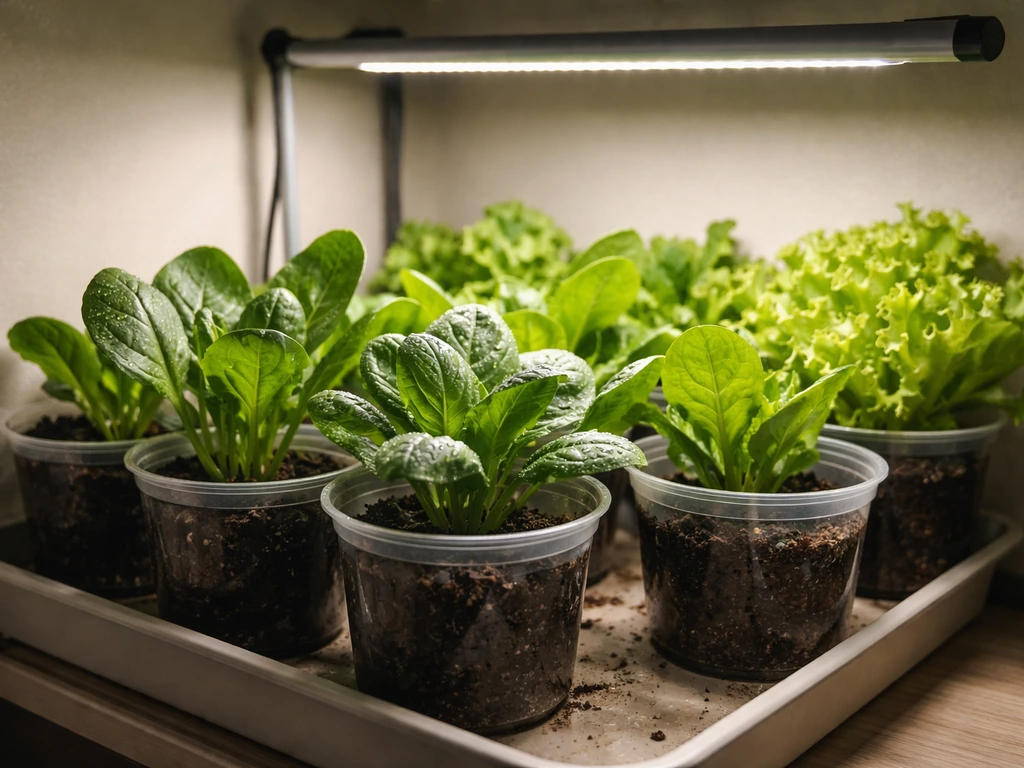
Crops grow well when they are matched to the right conditions: the right soil texture and pH, enough direct sunlight for the specific crop, temperatures that fall within its comfort zone, consistent moisture, and enough nutrients to fuel growth. Get all four of those working together and most crops take care of themselves. Miss even one and you'll be chasing problems all season.
Crops Grow Well When They Are Planted in Right Conditions
Marcus Hendrick
7 May 2026
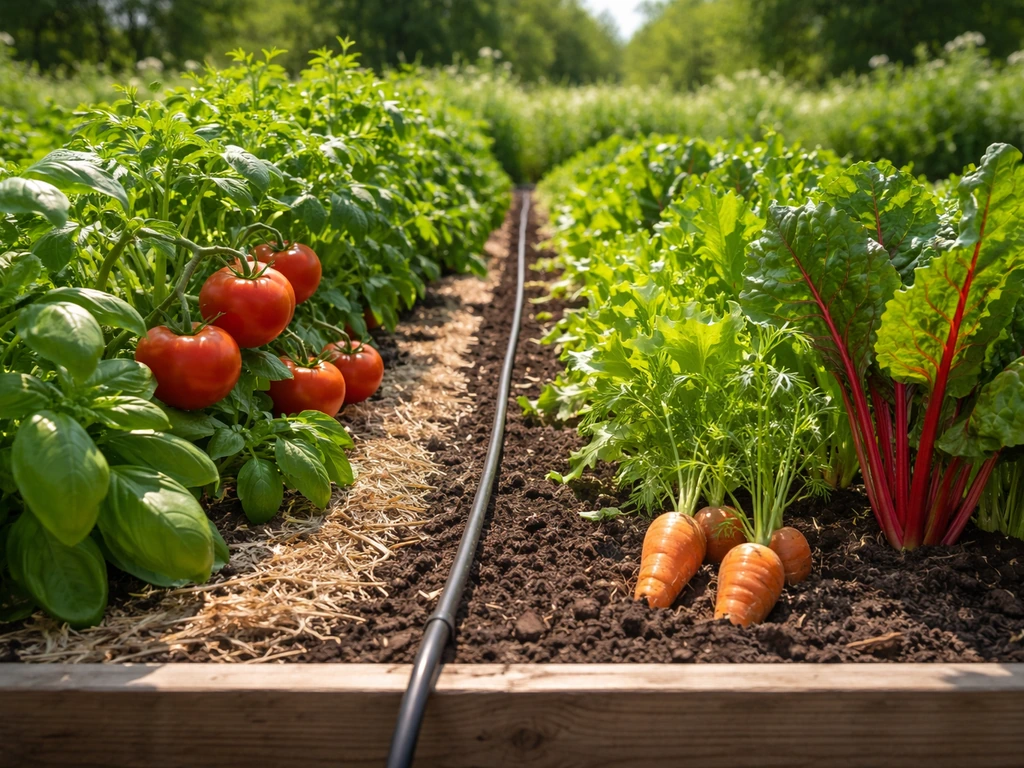
The core rule: matching crops to the right conditions
Every crop has a set of conditions it needs to thrive, and trying to force a crop into conditions it doesn't suit is the single biggest reason home gardens underperform. A tomato planted in a shady, waterlogged bed won't produce well no matter how much fertilizer you throw at it. A spinach plant in the blazing heat of midsummer will bolt before you get a single salad. The fix isn't working harder. It's choosing the right crop for what you can actually provide, or adjusting what you can realistically change.
Before you plant anything, ask four questions: What is my soil like? How many hours of sun does this spot get? What temperatures will my crop experience during its growing window? And can I deliver consistent water and nutrients? The rest of this guide walks through each of those in practical terms.
Soil basics: texture, fertility, pH, and drainage
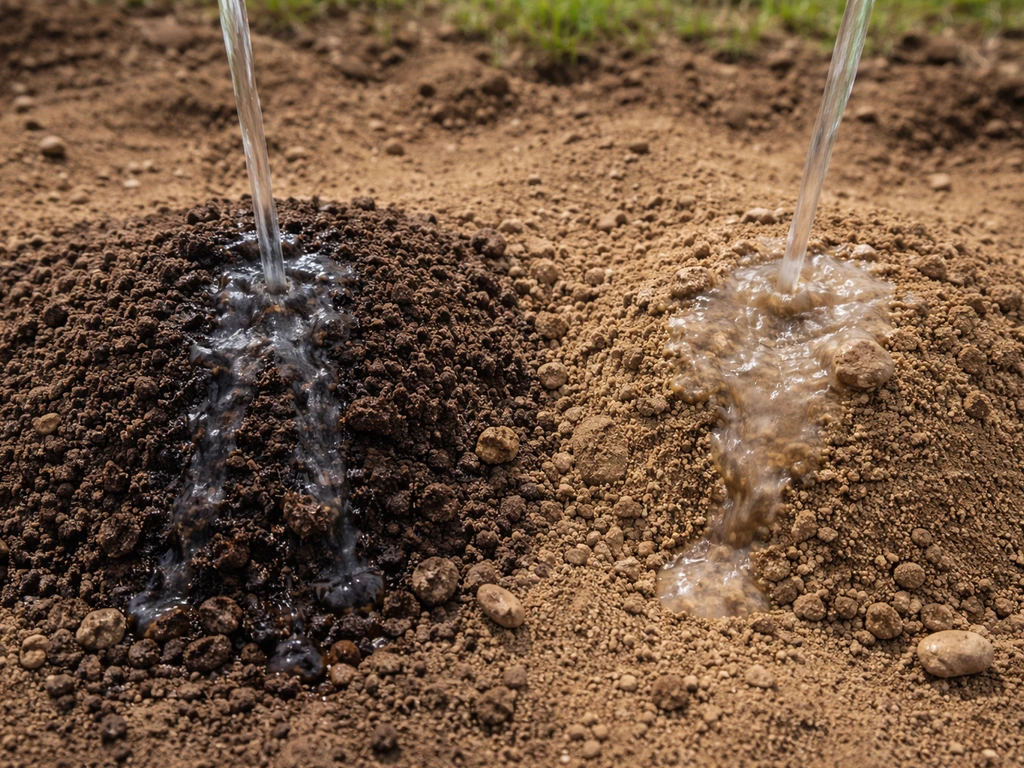
Texture and drainage
Soil texture is about the mix of sand, silt, and clay particles in your soil, and it controls how fast water drains, how much air reaches roots, and how well nutrients stay put. Loam, which typically contains 20 to 40 percent clay with the rest being sand and silt, is the sweet spot for most vegetable crops. Coarse, sandy soils drain too fast and dry out quickly. Heavy clay soils hold too much water, compact easily, and starve roots of oxygen.
If you're gardening in clay, your first instinct might be to add sand to break it up. Don't. Adding sand to clay in anything other than precise proportions can make the problem worse, essentially creating something closer to low-grade concrete. Instead, add well-composted organic matter to build soil aggregates and open up pore space. Spread compost 2 to 4 inches thick and work it into the top 6 to 12 inches of soil. On severely compacted or poorly drained ground, the most practical fix is raising the soil level with a raised bed or berm filled with compost-enriched topsoil. That approach lets you sidestep the native soil problem entirely.
pH and nutrient availability
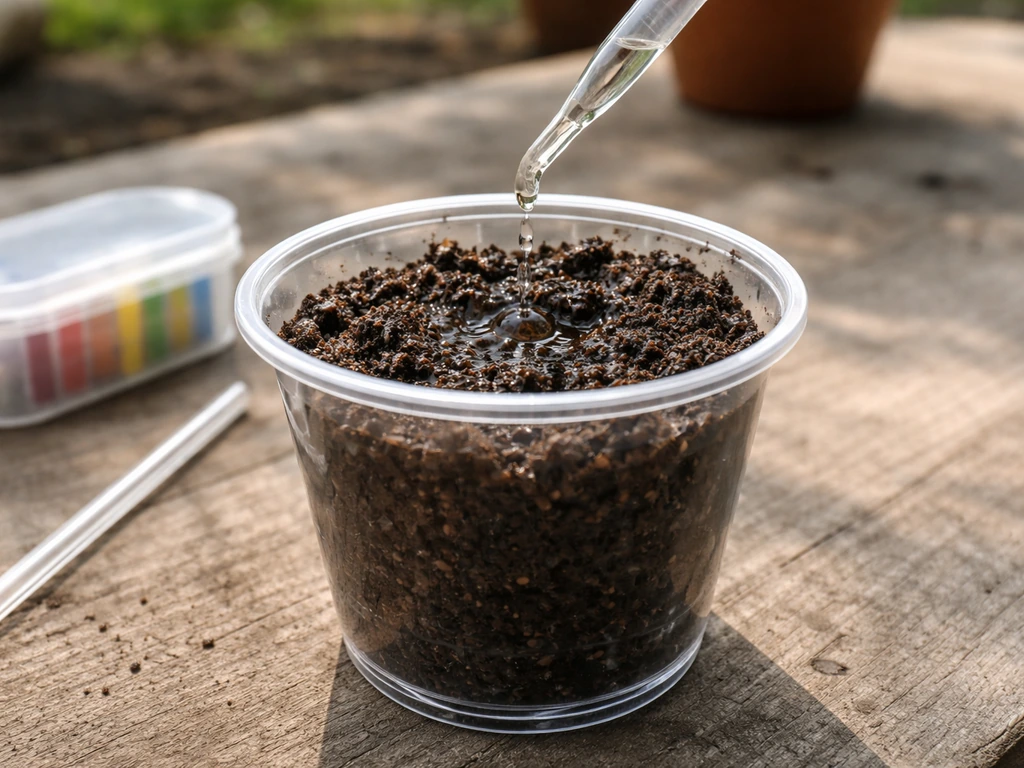
Soil pH is a scale from 0 to 14 that tells you how acidic or alkaline your soil is, and it has a massive effect on what nutrients your crops can actually access. In very acidic soils, major nutrients like nitrogen, phosphorus, and potassium become less available, and trace minerals like molybdenum get locked up too. In alkaline soils, excess calcium interferes with phosphorus uptake, and micronutrients like copper, zinc, iron, and boron become scarce. Most vegetable crops want a pH between 6.0 and 7.0. For tomatoes, peppers, and eggplant specifically, the ideal range is 6.5 to 7.5, with peppers doing especially well between 6.5 and 7.0.
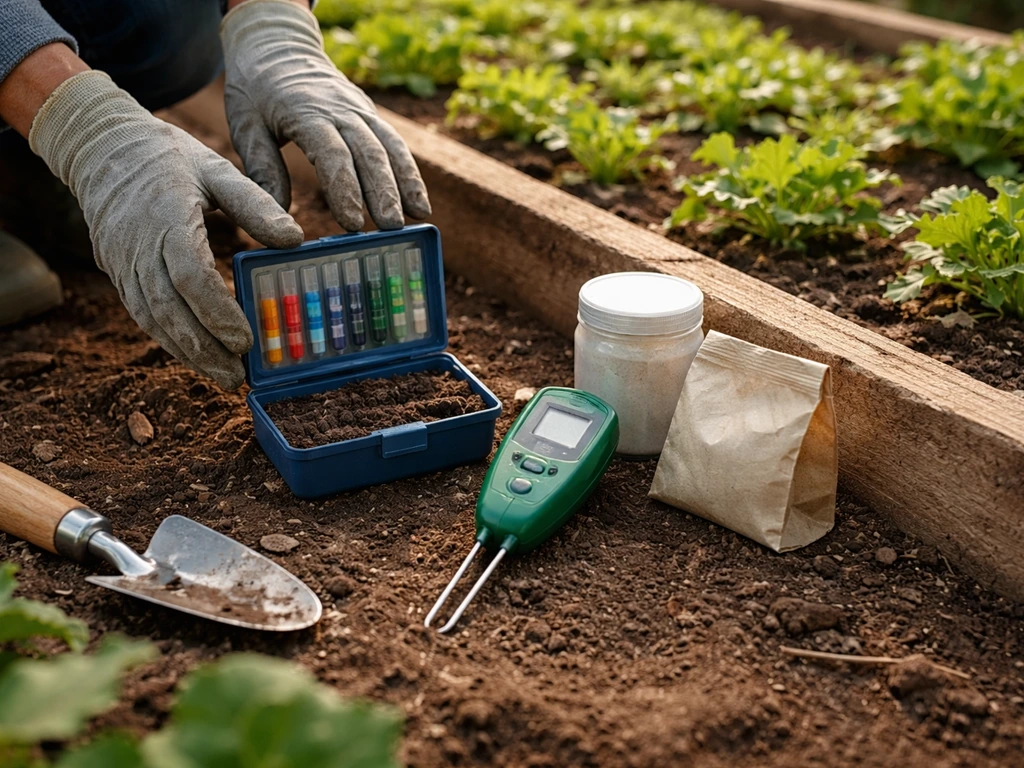
A basic pH test costs only a few dollars and tells you whether you need to add lime (to raise pH) or sulfur (to lower it). It's one of the highest-value things you can do before a new season. If you've been fertilizing faithfully and your crops still look yellow or stunted, check pH first. You might be applying perfectly good nutrients that the soil chemistry is preventing your plants from using.
Light and temperature: sun hours, heat and cold tolerance
How much sun your crops actually need
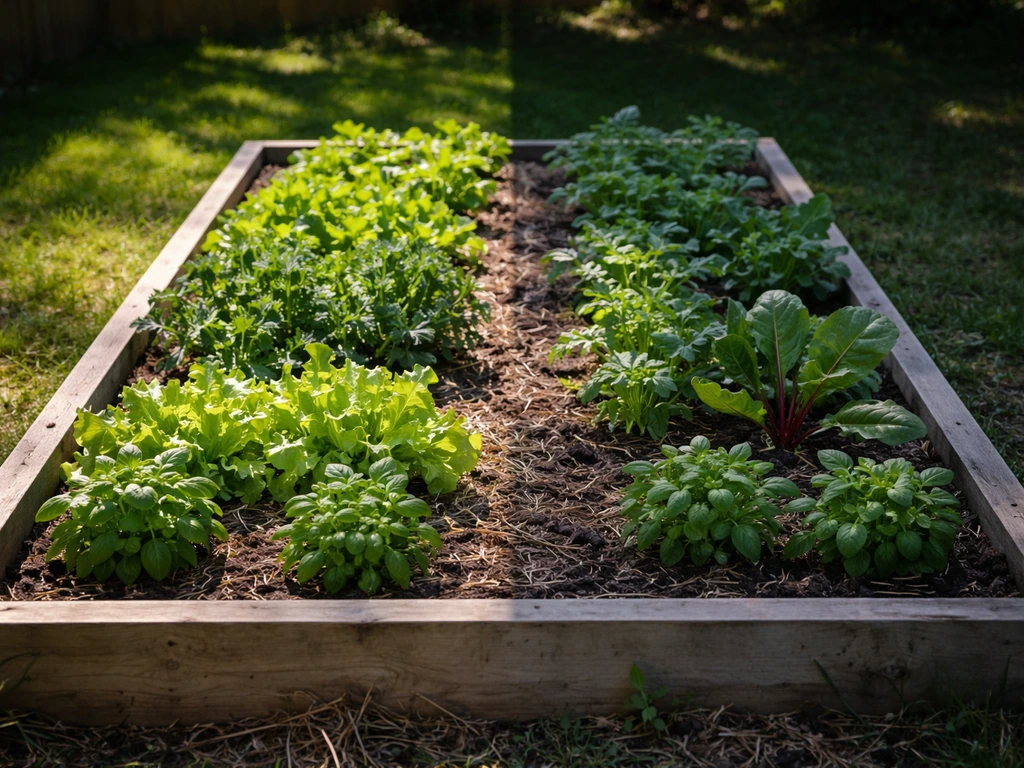
Fruiting crops like tomatoes, peppers, cucumbers, squash, and melons require full sun. That means a minimum of 7 to 8 hours of direct sunlight per day, and more is better for fruit development. If you're trying to grow tomatoes in a spot that gets 5 hours, expect weak plants and low yields. Leafy greens are far more forgiving. Crops like spinach, kale, chard, collards, and mustard greens can get by with as little as 3 to 4 hours of direct sun per day and can even handle constant dappled shade. If your garden has a shady corner, that's the place for salad greens, not squash.
| Crop Type | Minimum Sun Needed | Examples |
|---|---|---|
| Fruiting vegetables | 7–8+ hours/day | Tomatoes, peppers, cucumbers, squash, melons, beans |
| Root vegetables | 6+ hours/day | Carrots, beets, radishes |
| Leafy greens | 3–4 hours/day | Spinach, kale, chard, lettuce, mustard greens |
Temperature ranges that actually drive growth
Crops fall into two big camps: cool-season and warm-season. Cool-season crops like lettuce, broccoli, cabbage, cauliflower, spinach, and carrots grow best when air temperatures sit around 50 to 80°F and soil temperatures are around 60 to 65°F. Cole crops specifically (broccoli, cabbage, cauliflower) have a sweet spot between 60°F and 68°F. Push them into summer heat and they'll bolt or turn bitter.
Warm-season crops need more heat. Tomatoes, peppers, cucumbers, and squash prefer air temperatures of 70 to 85°F and soil temperatures around 70 to 75°F. Cucumbers are especially cold-sensitive: growth slows dramatically below 50°F, so planting into soil that hasn't hit about 70°F is wasted effort. Tender crops as a group generally need daytime temperatures above 55°F to grow at all, and a full week of days below that threshold can stunt even established plants.
The practical takeaway here is to plant based on soil temperature, not the calendar. A soil thermometer costs around $10 and tells you more than any planting date chart. If your soil isn't warm enough yet, wait or use black plastic mulch to speed up soil warming before transplanting.
Water strategy: irrigation timing, moisture targets, and mulching
How much and how often
Most vegetable crops need about 1 inch of water per week during the growing season. During hot, dry stretches, you might push that to 1.5 to 2 inches per week. As a rule of thumb, 1 inch of water penetrates about 6 inches into the soil, so if you want moisture reaching an 8 to 12 inch root zone, you need to water deeply enough to get there. Shallow, frequent watering trains roots to stay near the surface, which makes plants more vulnerable to drought stress.
Deep, infrequent irrigation is almost always better than light, frequent sprinkles. Letting the soil dry slightly between waterings encourages roots to grow deeper, and keeping moisture more uniform prevents stress-related problems. One of those problems is blossom-end rot in tomatoes and peppers. It isn't a nutrient deficiency in the classic sense. It's caused by water stress (especially at night) that disrupts calcium movement into the developing fruit. UMD Extension explains that blossom-end rot is a physiological disorder linked to calcium shortage in enlarging fruits and can be promoted by inconsistent watering and water-stress conditions It's caused by water stress (especially at night) that disrupts calcium movement into the developing fruit.. The cultural fix is maintaining even soil moisture, not spraying calcium on the leaves.
Avoid overhead sprinklers when you can. Wetting foliage promotes fungal diseases and wastes water to evaporation. Drip irrigation or soaker hoses deliver water directly to the root zone and are a better choice for most food gardens.
Mulching to lock in moisture and manage temperature
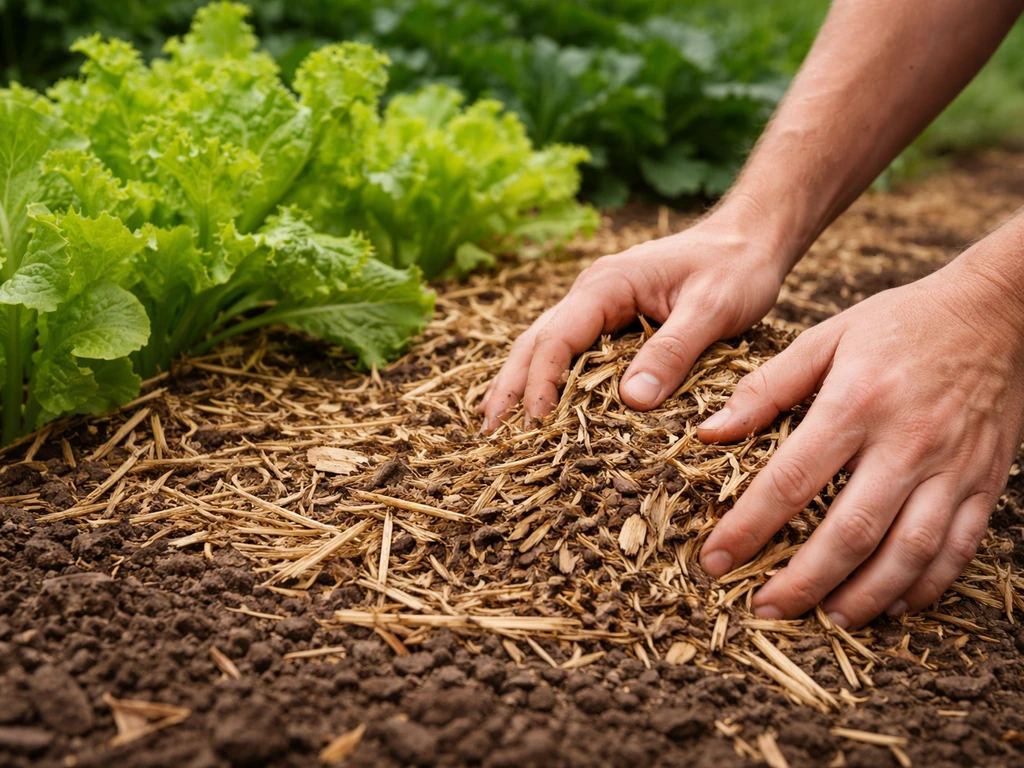
Mulch is one of the most useful tools in the home garden and it does several jobs at once: it conserves soil moisture, moderates soil temperature, and suppresses weeds by blocking sunlight from reaching the surface. Organic mulches like straw, wood chips, shredded leaves, and grass clippings decompose over time and add organic matter back to the soil. Black plastic mulch warms soil (soil under clear plastic runs about 10°F warmer than bare ground) and is especially useful for heat-loving crops like tomatoes, peppers, and melons.
A couple of important cautions. If you're using straw, wood chips, or sawdust as mulch, keep them on the surface. Mixing carbon-rich materials into the soil temporarily ties up nitrogen as soil microbes break them down, which can starve your plants. Applied on top as a layer, they don't cause that problem. Also, don't mulch too early in spring. Applying mulch before the soil has warmed keeps root zone temperatures low and slows plant establishment. For tomatoes, wait until the soil is warm and then apply 2 to 3 inches of organic mulch around the plants.
Nutrients and feeding: compost, fertilizers, and crop-specific needs
The basics: N, P, and K
The three macronutrients that drive vegetable crop growth are nitrogen (N), phosphorus (P), and potassium (K). Nitrogen is the engine of leafy, vegetative growth. Phosphorus supports root development and fruit set. Potassium helps with overall plant health and stress tolerance. If you see yellowing leaves starting from the bottom of the plant and moving up, you're likely looking at a nitrogen deficiency. Purplish tints on leaves often point to phosphorus issues.
For a starting point without a soil test, Colorado State University Extension recommends applying about 8 ounces of actual nitrogen per 1,000 square feet before planting. Oregon State University's general guideline is around 3 pounds of actual nitrogen per 1,000 square feet of garden per year, split across pre-plant incorporation and side-dressing during the season. Reddit gardeners also commonly confuse nitrogen recommendations that are given “per 1,000 square feet” with totals meant for a full application, which is why unit reconciliation matters 3 pounds of actual nitrogen per 1,000 square feet of garden per year. Heavier feeders like corn and tomatoes need more attention midseason. Light feeders like beans and peas actually fix their own nitrogen and need little to none added.
Compost as a foundation
Compost isn't just a nutrient source. It improves soil texture, drainage, water retention, and microbial activity all at the same time. For heavy feeders like tomatoes, peppers, and eggplant, a good starting rate is about 5 tons per acre of quality compost worked in before planting. For a home garden, that translates to roughly a 1 to 2 inch layer spread across your bed and incorporated into the top several inches of soil. If you can get a compost analysis from your supplier, you can dial in the rates more precisely, but even without one, a consistent annual application of finished compost improves almost every soil type over time.
One thing to watch: compost can carry significant phosphorus, and if you apply it heavily every year without a soil test, you can build up excessive phosphorus levels over time. This is a longer-term concern, but it's worth getting a full soil test every three to four years to make sure you're not over-applying.
Feeding during the season
Some crops benefit from side-dressing (adding fertilizer alongside the plant) during the growing season, particularly those with long production windows. Tomatoes, peppers, corn, and squash all respond well to a mid-season nitrogen boost after they've established and started setting fruit or ears. Leafy greens grown for quick harvest usually get enough from an initial compost incorporation. Root crops like carrots and beets are sensitive to excess nitrogen, which pushes foliage at the expense of the root you're trying to grow. Match the feeding program to the crop, not just the garden as a whole.
Where to start today
If you're standing in your garden right now trying to figure out why things aren't growing well, here's how to prioritize. Start with a soil pH test. It's cheap, fast, and rules out the most common invisible cause of nutrient problems. Next, look at your drainage. If water sits on the surface for more than an hour after rain, or your soil feels like sticky putty when wet, start planning a raised bed for next season. Third, count your sun hours honestly. Stand at your garden spot and note when direct sun hits and when shadows arrive. If you're getting less than 6 hours, shift to crops that actually tolerate lower light.
- Test soil pH with a kit or meter and adjust with lime (to raise pH) or sulfur (to lower it) before planting.
- Check drainage by watering a patch and timing how long before water disappears. If it pools for hours, add compost or consider a raised bed.
- Count actual sun hours at your planting spot on a clear day and match your crop choices to what you measured.
- Check soil temperature with a thermometer before planting warm-season crops. Wait until it hits 60–70°F depending on the crop.
- Apply 1 to 2 inches of compost and work it into the top 6 to 12 inches before planting.
- Mulch with 2 to 3 inches of straw or wood chips (on the surface, not mixed in) after the soil has warmed.
- Water deeply and less often rather than lightly every day. Aim for 1 inch per week and check that it's penetrating 6 or more inches down.
Growing food well is mostly about reading what your plants are telling you and matching your inputs to what they actually need. Good planning helps ensure the crops we eat are grown well by skilled people who grow crops for us. You don't have to get everything perfect in year one. Start with the soil, get the sun hours right, and stay consistent with water. And if you keep matching crops to your conditions, you’ll know which ones you can reliably grow it with. Grains generally grow best when you match the variety to your climate and give it the right soil conditions, sun, and watering grow grains. If you want steady results, treat the conditions that help crops in the field as your guide when choosing what to grow at home. If you're wondering can you grow crops in the end, focus on matching plants to your available light, soil, and consistent watering. Those three things alone will put you ahead of most first-season gardeners.
FAQ
If I fix one problem, like adding fertilizer, can I ignore the others and still get good yields?
Usually no. Plants can only use nutrients when other basics are working too, especially pH and moisture. For example, yellow, stunted plants after fertilizing may be a pH issue, and water stress can prevent calcium from reaching fruit even when soil calcium is present.
How do I choose between raised beds and amending the existing soil?
If waterlogging happens and improves slowly after rain, or your soil feels sticky when wet, raised beds are often the fastest route. Amending the ground with compost can help over time, but it takes longer to fix drainage and compaction, and it is harder to get consistent results across the whole bed.
What soil temperature should I use when timing planting, air temperature or soil temperature?
Use soil temperature for planting decisions. Air can be warm one week and still leave soil cool, which affects root activity. Measure a few times over several days at planting depth, then transplant or sow when the soil is consistently in the crop’s comfort range.
Can I rely on the calendar if my weather usually matches the average?
Calendar dates are risky because temperature swings are common. Soil temperature and night temperatures matter especially for warm-season crops, and a run of cool days below about 55°F can slow even established plants.
What’s the best way to water deeply without overwatering?
Water slowly enough to soak in, then confirm penetration. As a practical check, dig a small test hole after watering to see if moisture reached the target depth (often 8 to 12 inches). If the top stays wet for a long time, you are applying more than the roots can use.
How can I tell if my watering problem is causing blossom-end rot?
Blossom-end rot often shows up after irregular moisture, especially stress at night. If the symptom appears while the rest of the plant looks otherwise normal, focus on making moisture more even, using drip or soaker irrigation, and avoiding letting the soil swing from dry to saturated.
Should I mulch immediately after planting or wait until the soil warms?
Wait if spring temperatures are still cool. Mulching too early can keep the root zone cold and delay establishment. For tomatoes, a common approach is to wait until the soil is warm, then apply a couple of inches of organic mulch around plants.
Is it safe to mix straw or wood chips into the soil, or only on top?
Keep high-carbon mulches on the surface unless you have a plan for nitrogen management. When mixed into soil, straw, wood chips, and sawdust can tie up nitrogen as they break down. A surface layer gives the benefits (moisture, temperature moderation, weed suppression) without that temporary nitrogen drain.
How do I correct pH if my test shows values outside the ideal range?
Adjust based on direction only, lime to raise pH and sulfur to lower it. Re-test after applying amendments because pH changes are not instant, and overcorrecting wastes time and can make nutrients less available in the next season.
What if my soil test says nutrients are fine, but plants still look unhealthy?
Check pH first and then look at moisture consistency and light hours. Nutrients can be present but unavailable if pH is off, and water stress can mimic nutrient problems, including fruit disorders related to calcium movement.
How much nitrogen should I add if I do not have a soil test?
Use the article’s starting guidelines as a baseline, but consider your crop type and feeding behavior. Heavy feeders like tomatoes and corn usually need more attention midseason, while legumes like beans and peas often need little because they can fix nitrogen.
Can compost over time cause nutrient imbalances in my garden?
Yes, especially with phosphorus. Repeated heavy compost additions without testing can build up phosphorus, which can interfere with nutrient balance. A full soil test every three to four years helps you decide whether to reduce compost or shift fertilizer strategy.
Should I side-dress all crops during the season?
Not all. Long-production crops like tomatoes, peppers, corn, and squash often benefit from mid-season nitrogen boosts after establishment. Leafy greens harvested quickly often do fine with what is in the initial compost, while root crops can be harmed by excess nitrogen that encourages foliage over roots.
What sun measure matters most, direct sun hours or total daylight?
Direct, unshaded sunlight is the key measure. If you only have indirect light or brief direct exposure, fruiting crops like tomatoes will underperform. Stand in the spot and mark when direct sun actually hits and when shade arrives.
Next Article
Can You Grow Crops in the End? Yes With the Right Setup
Learn if you can grow crops in the end, with a step-by-step container setup, best plants, and tips for low light and wat