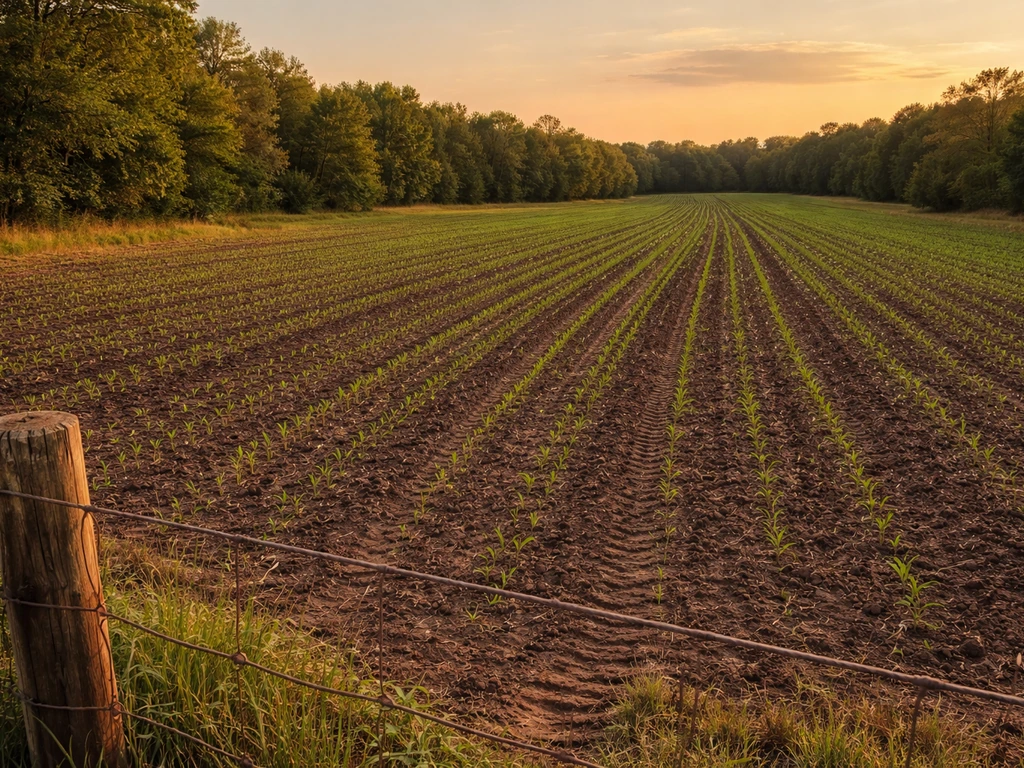
The best throw-and-grow deer food plot seed mixes are cool-season blends built around cereal grains (oats, cereal rye, or winter wheat) combined with brassicas (turnips, radish, rape) and a clover. That combination germinates fast, tolerates broadcast seeding with minimal soil prep, and gives deer something to eat from about three weeks after seeding all the way through late winter. If you want one mix that works across most of the country with the least effort, start with a cereal grain and brassica blend in early fall, get seed-to-soil contact with a rake or roller, and let the rains do the rest.
Best Throw and Grow Food Plot for Deer: Quick Guide

Marcus Hendrick
27 May 2026
What "throw and grow" actually means (and what success looks like)
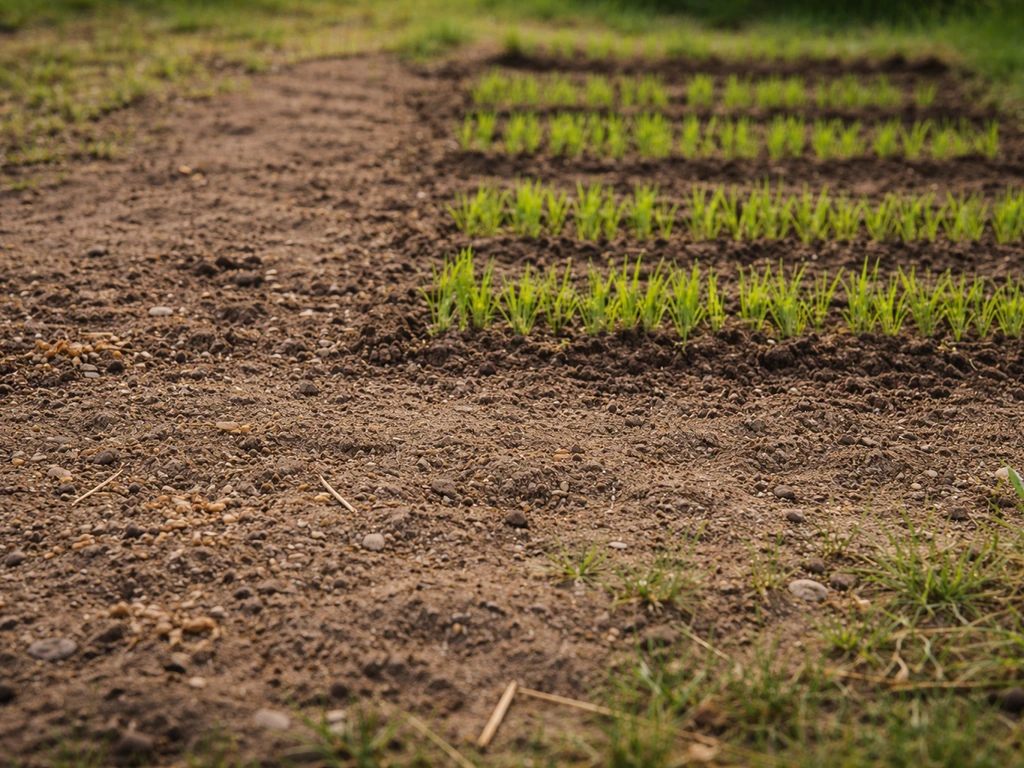
blank" rel="noopener noreferrer">[Throw and grow is exactly what it sounds like](/container-gardens-food-plots/throw-and-grow-food-plots-reviews): you broadcast seed over a prepared or lightly cleared area, get it in contact with soil, and rely on rain and germination to do the heavy lifting. There is no deep tillage, no expensive planter, and no perfectly manicured seedbed. The goal is a functional food plot that attracts and holds deer, not a weed-free monoculture that wins a farming award.
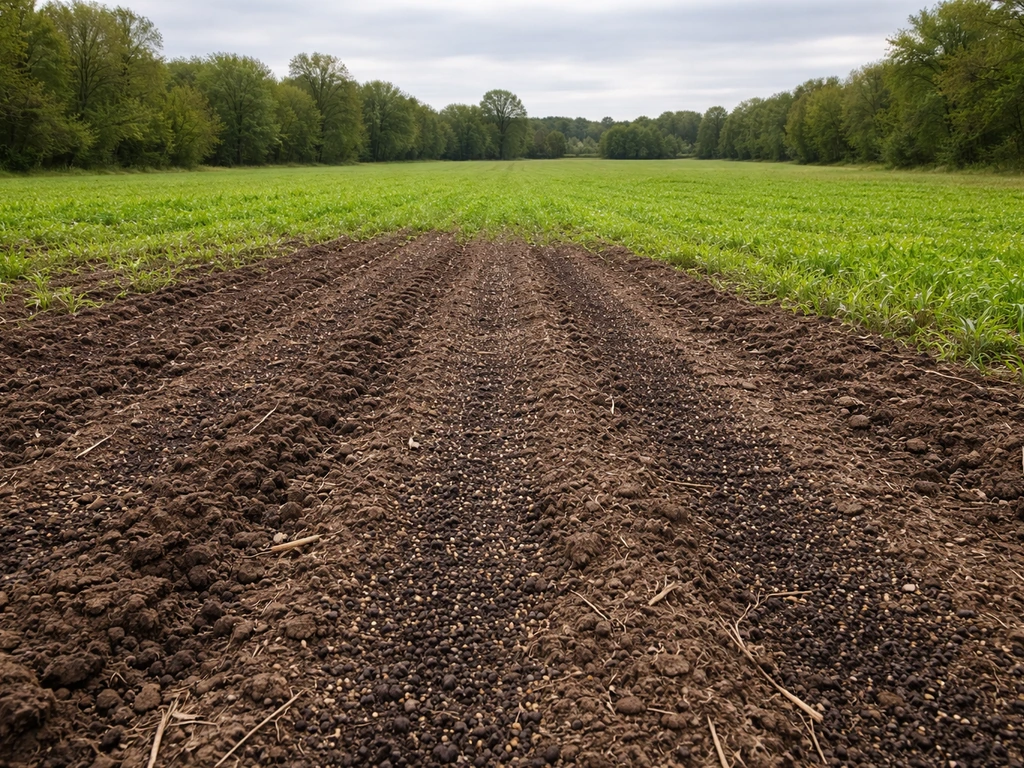
Success at two to four weeks looks like visible green shoots emerging across 60 to 70 percent of the plot. Cereal rye and oats can germinate in as little as five to seven days under good moisture and temperatures between 34 and 65 degrees Fahrenheit. Brassicas typically show cotyledons within seven to ten days. Clover is slower, usually showing true leaves at two to three weeks. By week six, a well-seeded fall plot should have canopy closure starting on the grain component and deer should already be visiting after dark. By late fall and into winter, the brassica bulbs and tops become the star attraction as sugar content increases after frost.
Where throw and grow fails is not in the concept but in execution: seed sitting on top of hard, dry ground with no soil contact, wrong timing, or the wrong species for the site. Get those three things right and you will have a productive plot with a half-day of work.
Best seed mixes for deer by season and feeding goal
Deer have two main needs from a food plot: high-protein forage for antler growth and fawn nutrition in spring and summer, and high-energy, late-season carbohydrate-rich food to build fat reserves heading into winter. Your seed mix should match the season and the goal.
Fall and winter mixes (the most reliable throw-and-grow window)
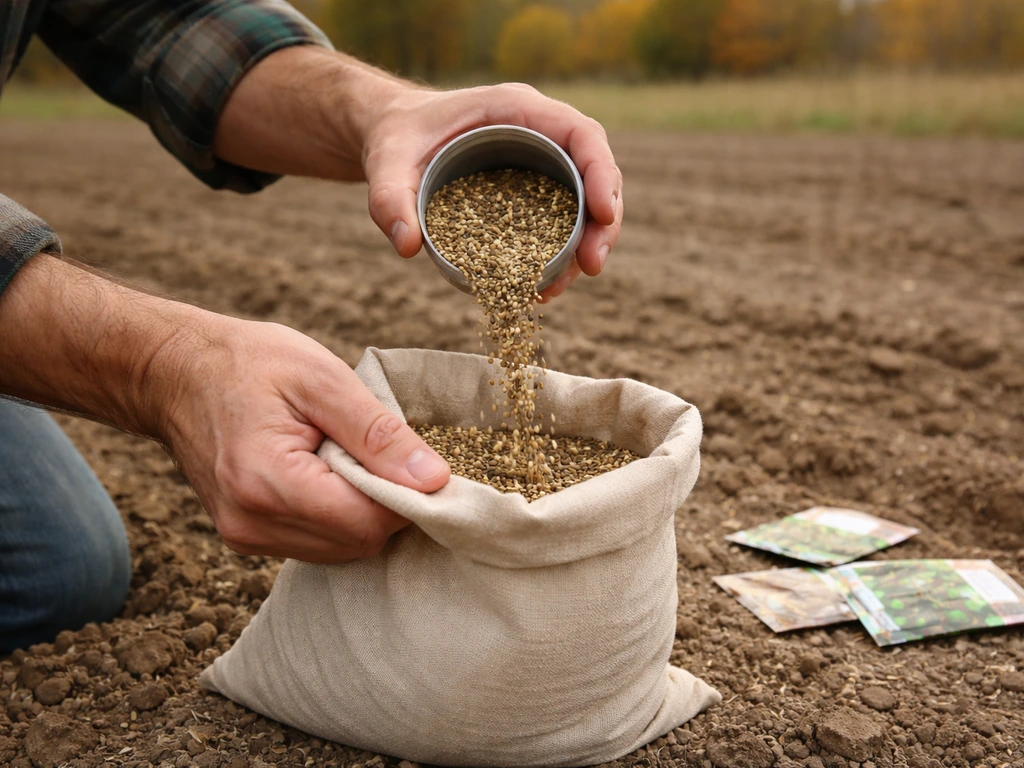
Fall is the best season for throw-and-grow plots because cooling soil temperatures reduce weed competition dramatically, and cool-season species establish quickly. The most proven combination is a cereal grain plus a brassica plus a clover. The most proven combination is a cereal grain plus a brassica plus a clover, and it is also one of the best food plots to grow big bucks when you match timing and site conditions.
A practical example: broadcast 60 to 80 pounds per acre of winter wheat or cereal rye, 3 to 5 pounds of turnips or rape, and 4 to 6 pounds of red or crimson clover.
Mississippi State’s deer food plot planting guide includes specified seeding-rate values and planting-date framework for many deer-attractive species such as chicory, rye, and red clover broadcast 60 to 80 pounds per acre of winter wheat or cereal rye, 3 to 5 pounds of turnips or rape, and 4 to 6 pounds of red or crimson clover. .
The grain establishes first and draws deer within weeks, the brassicas peak after hard frost, and the clover overwinters to provide protein browse in early spring. When mixing species, reduce individual rates from pure-stand recommendations. For example, if you were planting wheat alone at 120 pounds per acre broadcast, dropping it to 60 to 70 pounds in a mix is appropriate.
Chicory is worth adding to any fall mix if you plan to manage the plot long-term. It is a perennial that tolerates traffic and grazing pressure well, and it adds protein and minerals that clovers alone do not cover. Use roughly 1 to 2 pounds per acre in a blend.
Spring and summer mixes (warm-season options)
For warm-season throw-and-grow, soybeans are the top draw but they need some soil disturbance to establish reliably via broadcast seeding, and deer will hammer them early. Lablab, cowpeas, and iron-clay peas are more forgiving under broadcast conditions and tolerate browsing pressure better than soybeans while still delivering high-protein forage. Broadcast cowpeas at 30 to 40 pounds per acre after your last frost date when soil temperatures hit 65 degrees Fahrenheit. Alfalfa and warm-season clovers can round out a warm-season mix, but they are slower to establish and compete poorly with summer weeds in a throw-and-grow setup unless you have a clean seedbed.
| Species | Season | Broadcast Rate (per acre) | Germination Speed | Primary Deer Benefit |
|---|---|---|---|---|
| Cereal Rye | Fall/Winter | 80–120 lb | 5–7 days | Fast draw, early-season browse |
| Winter Wheat | Fall/Winter | 90–120 lb (pure stand) | 7–10 days | Palatability, tonnage |
| Oats | Fall/Winter | 80–100 lb | 7–10 days | High palatability, quick cover |
| Turnips/Rape | Fall/Winter | 3–5 lb | 5–7 days | Late-season energy after frost |
| Daikon Radish | Fall/Winter | 8–10 lb | 5–7 days | Natural tillage, late browse |
| Crimson Clover | Fall/Spring | 15–20 lb | 10–14 days | Protein, perennial traffic tolerance |
| Red Clover | Fall/Spring | 12–15 lb | 10–14 days | Spring protein, overwinter survivor |
| Chicory | Fall/Spring | 4–6 lb | 14–21 days | Minerals, protein, heat tolerance |
| Cowpeas | Summer | 30–40 lb | 7–10 days | Summer protein, warm-season draw |
| Iron-Clay Peas | Summer | 30–40 lb | 7–10 days | Browsing pressure tolerance |
Picking and prepping your plot site without overcomplicating it
Site selection matters more than most people realize. The best throw-and-grow plots sit in areas with at least four to six hours of direct sunlight, reasonably fertile soil, and some proximity to bedding cover so deer feel safe using the plot. Fields, old clearcuts, logging roads, and woodland edges are all workable. Avoid areas with heavy perennial grass sod unless you are willing to kill it first, because thick grass is the number one killer of broadcast food plots.
Plot size also matters for deer attraction. A general rule of thumb is at least half an acre per deer you are trying to support in an area. Smaller plots get overgrazed fast, which means early pressure wipes out the stand before it can establish. If you can only manage a quarter acre, stick to the most browse-tolerant species and plan for heavier deer pressure.
For soil prep in a true throw-and-grow situation, you want to remove competing vegetation as much as possible without full tillage. The simplest method is to spray the existing vegetation with a non-selective herbicide (glyphosate) two to three weeks before seeding and let it die in place. The dead mat of vegetation actually helps retain moisture and gives seeds something to rest on, but you still need to break through it for soil contact. If you have access to a light disc or a blank" rel="noopener noreferrer">cultipacker, one pass is worth far more than it sounds. If all you have is a leaf rake and some boots, that works too, especially on smaller plots.
Soil testing: the step most people skip (and why it costs them)
Soil pH is the single biggest factor in whether your food plot succeeds or stalls. Most cool-season deer forages want a pH of 6. 0 to 7. 0.
Brassicas and clovers are especially pH-sensitive. Below 6. 0, plants cannot uptake nutrients efficiently even if you fertilize heavily. Getting a basic soil test through your county extension office costs $10 to $20 and tells you pH, phosphorus, potassium, and what amendments you need.
If lime is required, plan on 2 to 3 tons per acre of agricultural lime, which takes several months to fully raise pH. If you are seeding this fall and your soil is acidic, pelletized lime is faster-acting and can be broadcast with your seed as a short-term fix while you plan a proper liming for next season.
Broadcast seeding plan: timing, rates, and seed-to-soil contact
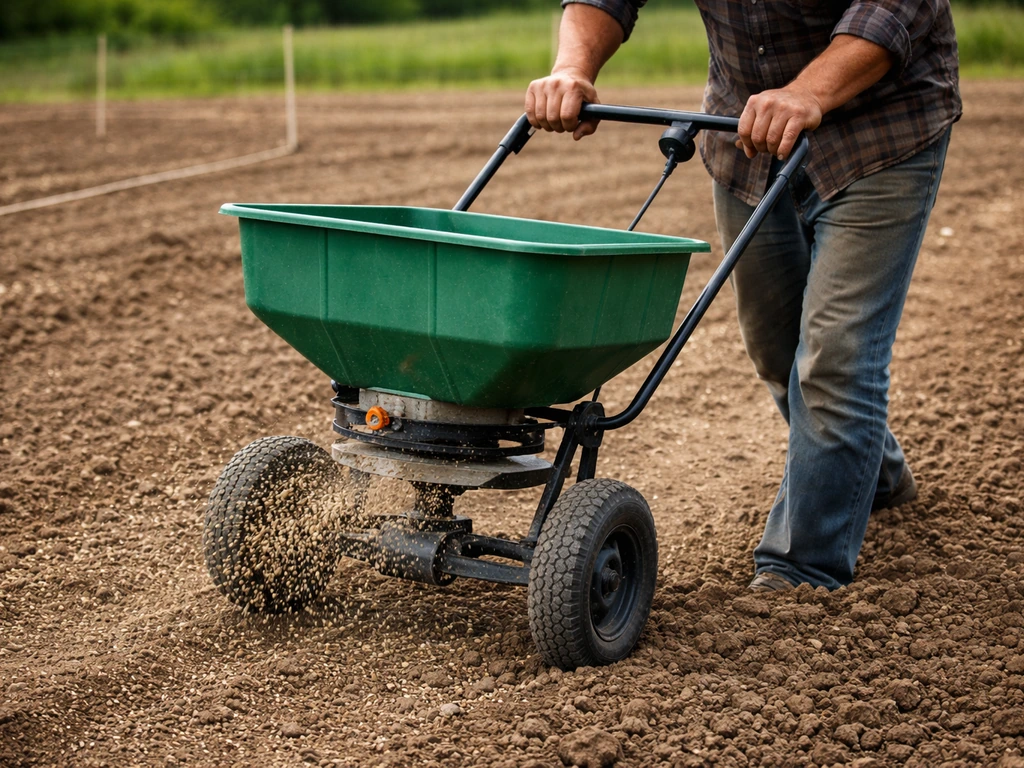
Timing is where most throw-and-grow plots succeed or fail before a single seed hits the ground. Plant too early in fall and heat plus residual weed competition will choke your plot. Plant too late and cool-season species will not establish before hard freezes lock things down. The general planting windows by region for fall cool-season plots are: September in the Upper Midwest and Northeast, mid-September to mid-October in the mid-South and mid-Atlantic, and October through November in the Deep South. For spring planting of cool-season species, frost-seeding (broadcasting onto frozen or thawing ground in late winter) works well for clovers because freeze-thaw cycles press seed into the soil naturally.
Seeding rates for broadcast applications should be 20 to 50 percent higher than drilled rates because broadcast seeding has lower placement efficiency. Purdue Extension notes this clearly: drilling uses significantly less seed than broadcasting because every seed gets placed at a consistent depth. When you are broadcasting by hand or with a spreader, you are accepting some seeds landing in spots where they will never contact moist soil, so increase your rate accordingly.
Seed-to-soil contact is the most critical mechanical factor in throw-and-grow success. [Poor contact means seeds absorb moisture, start germinating, then dry out before roots can establish. ](https://www. ansc.
umd. edu/sites/ansc. umd. edu/files/files/documents/S%26R%20II%20-%20Getting%20Ready%20to%20Seed.
pdf) That is the definition of plot failure. After broadcasting, you have several options depending on your tools: drag a chain-link fence section across the plot to scratch seed in, run a cultipacker (ideal), use a roller, or simply walk the plot with boots in soft soil. On small plots, a steel garden rake dragged lightly across the surface works surprisingly well. The goal is to cover 60 to 70 percent of seeds with 0.
25 to 0. 5 inches of soil, not to bury everything deeply. Small-seeded species like clover and chicory should barely be covered; cereal grains can handle up to one inch.
- Spray competing vegetation with glyphosate two to three weeks before seeding and let it fully die
- Conduct a soil test and apply pelletized lime or fertilizer per recommendations before seeding
- Broadcast seed at elevated rates (20–50% above drilled rates) using a hand spreader or ATV spreader
- Drag, rake, or cultipacker-pass the plot immediately after seeding to press seed into soil
- If rain is not forecast within 72 hours, consider waiting until a rain event is coming before seeding
After-seeding care: what to do (and not do) in the first 60 days
Water and rain expectations
Throw-and-grow plots live and die by rain timing. You need at least 0.5 inches of rain within three to five days of seeding to trigger germination without washing seed off the seedbed. If you are in a dry stretch, wait for a rain window before seeding rather than seeding into dust. After germination, most cool-season species are fairly drought-tolerant once they hit the two-true-leaf stage, but the seedling stage is when you will lose stands to dry spells. Fall plots generally have better odds than spring plots simply because rainfall patterns in most deer country are more reliable in September and October.
Weed control after seeding
This is where throw-and-grow gets tricky because your options narrow once seeds are in the ground. If you have a grass-dominated weed problem growing up through your cereal grain or clover plot, a selective grass herbicide (fluazifop or sethoxydim, for example) can knock back grass weeds without injuring broadleaf forages like clover or brassicas. Never spray a non-selective herbicide on an established food plot stand.
If broadleaf weeds are the problem competing with your cereal grains, some targeted herbicide options exist but many will injure clovers and brassicas in the same plot, so check the label carefully before spraying. The cleanest weed-control strategy for a throw-and-grow setup is pre-seeding herbicide application followed by seeding into the dead mat. It is not perfect, but it buys you the establishment window you need.
Mowing and management after establishment
Mowing is one of the most underused food plot management tools. Once your cereal grains and brassicas reach six to eight inches tall, a single mow at four inches stimulates tillering in grains, removes weed seed heads before they drop, and keeps the plot from going stemmy and unpalatable. For plots with a clover component, mowing at four to six inches every three to four weeks after full establishment keeps the clover vegetative and highly attractive to deer. Do not mow brassicas once they are established; let them bulk up.
Fertilizing after seeding
If your soil test showed phosphorus and potassium deficiencies, apply a balanced fertilizer (something like 13-13-13 at 200 to 300 pounds per acre) at or just before seeding. For nitrogen, a split approach works best for winter annual grasses: apply a starter amount at seeding and a second application in late winter when the grass breaks dormancy and pushes spring growth. For clover-heavy mixes, go light on nitrogen because clover fixes its own, and excess nitrogen pushes grass and weed competition instead.
Why throw-and-grow plots fail and how to fix them fast
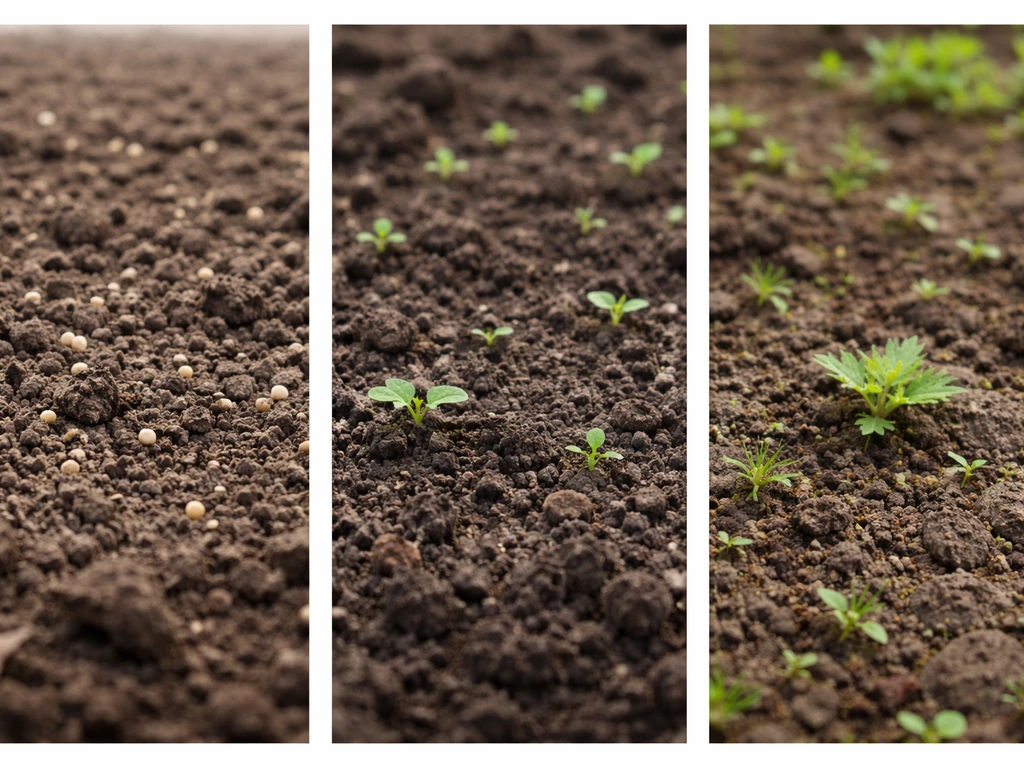
Patchy or failed emergence is the most common complaint, and almost every time it traces back to one of four causes: poor seed-to-soil contact, wrong timing, a soil pH problem, or excessive early deer pressure. Here is how to diagnose and respond to each.
- Poor seed-to-soil contact: Seeds are visible on the surface, germination is spotty, and surviving seedlings are mostly in low spots or tire tracks where soil is firmed. Fix: Drag, roll, or rake immediately after seeding. On an existing plot that is struggling, try lightly dragging it again if seedlings have not emerged yet.
- Wrong timing: If you seeded in August during a heat wave or in late November when the ground was near freezing, germination will be slow or fail entirely. Fix: Note your frost dates and regional extension recommendations. Rethink timing for next planting and overseed bare areas at the correct window.
- Acidic soil: Plants emerge but are yellow, stunted, and never take off. Fertilizer does not seem to help. Fix: Test pH immediately. Apply pelletized lime at the label rate for a fast partial correction and plan a full ag lime application before the next planting cycle.
- Early deer pressure: The plot germinates well but is grazed to bare dirt within two weeks. Fix: Size matters here. Scale up the plot, add a second plot to split pressure, or use temporary fencing (snow fence works) on part of the plot to allow establishment before opening it to full deer traffic.
- Thick competing grass: Bermudagrass or fescue outcompetes your seedings in the first two weeks. Fix: Pre-seeding herbicide kill is the only reliable answer. One glyphosate application two to three weeks before seeding makes a bigger difference than any other single step.
One more failure mode worth calling out: choosing the wrong species for the site. Soybeans broadcast into shaded woodland plots will fail. Alfalfa seeded into wet, low-pH soils will not establish. Match the species to the conditions, not the other way around. The mixes described in this guide are intentionally forgiving and adaptable because they include multiple species with different tolerances, so if one component struggles, others carry the plot.
Cost, realistic yield expectations, and planning your next season
A one-acre throw-and-grow fall food plot is genuinely achievable for $50 to $150 in seed, depending on species mix and where you buy it. A basic cereal rye and brassica broadcast blend costs roughly $20 to $40 per acre in seed alone. Adding clover and chicory pushes you toward $60 to $80. Pre-packaged commercial throw-and-grow deer blends from hunting retailers typically run $30 to $60 for a one-acre bag and are fine starting points, though buying species separately and blending your own gives you more control over rates and species selection.
Lime is often the biggest budget item. At $40 to $60 per ton for agricultural lime and 2 to 3 tons per acre needed to correct a low-pH soil, that can add $80 to $180 per acre to your first-year cost. Pelletized lime runs $15 to $25 per 50-pound bag and at 200 to 300 pounds per acre it is a workable short-term option. Fertilizer at 200 to 300 pounds per acre of a balanced blend adds another $30 to $60.
In terms of yield and deer attraction, a well-established one-acre fall food plot can realistically produce thousands of pounds of forage tonnage through the season and provide consistent deer use from October through February. The cereal grain component establishes first and provides early draw. The brassicas peak in November and December after frost converts starches to sugars, often producing the most intense deer attraction of any food plot crop. The clover component carries into spring and provides the protein draw during the critical late-winter and early-spring period.
For ongoing planning, think in terms of a two-plot rotation if you have the land. One plot in cool-season crops through fall and winter, and a second area rotating into a warm-season legume like cowpeas or lablab through summer. This gives deer a year-round destination and reduces the grazing pressure that kills single-plot programs.
The throw-and-grow tips and food plot management concepts covered here connect directly to thinking through plot timing, species selection, and long-term soil health as your program matures. To dial in the best throw and grow food plots, focus on the right season window, a proven seed mix, and reliable seed-to-soil contact. Getting your first throw-and-grow plot established is the hard part. Once you have the soil pH right and know your timing window, subsequent seasons get faster and cheaper.
Start simple, measure what works, and adjust. A plot that is 70 percent established is infinitely better than a perfectly planned one that never gets seeded. Get seed in the ground this fall, track what deer use and when, and build from there.
FAQ
Can I throw and grow a food plot in winter or when there is still snow on the ground?
Yes, but you need a way to create seed-to-soil contact where the soil stays moist. In shallow snow areas, wait until the ground is starting to thaw and you can still press or lightly scratch seed into the surface. If the soil is frozen solid and you cannot get even light coverage with soil, germination will fail.
How close to a big rainstorm is it safe to seed?
Avoid spreading seed right before heavy rain or thunderstorms. Even though you need 0.5 inches of rain for germination, too much rain at once can wash seed into low spots and leave a patchy stand. If a downpour is forecast, either seed closer to a gentler window or improve contact with a light cultipacker or raking right after broadcasting.
What if my area is already covered in thick weeds, can I just spray and broadcast?
On very weedy ground, a single pre-seeding burn down with a non-selective herbicide helps, but you still must break through the dead mat for contact. If the existing vegetation is thick and you cannot rake, drag, or roll seed into the soil, expect poor emergence even if herbicide worked.
When should I mow my throw-and-grow plot, and is there a risk if I mow too early?
Wait until the cereal grain and brassica seedlings are established enough to tolerate disturbance, typically after you see active growth and the canopy is forming (often several weeks). Mowing too early can remove young brassicas before they start bulking and can delay closure of the grain component, leaving the plot more exposed to browsing and weeds.
If my past food plots were thin, should I just double the broadcast seeding rate?
For mixed seed, do not assume “more seed” always equals better deer use. If you oversow, you can increase competition between species and end up with a rank stand where clover gets shaded out or brassicas stay small. Use the mix approach described in the guide, and reduce per-species rates versus pure-stand seeding.
Do lime and fertilizer go on at the same time as seeding?
If you lime and fertilize, recheck timing. Lime needs months to fully change pH, so treat it as a correction for future performance. Fertilizer should be applied at or just before seeding, especially for phosphorus and potassium, and for nitrogen use a split plan so you do not waste it before plants can use it.
Is pelletized lime really enough instead of regular agricultural lime?
It can be, but only as a short-term fix when you cannot wait for standard lime to react. Pelletized lime is faster, yet it still helps most when incorporated into the top layer or spread evenly and followed by rainfall. If the soil is very acidic, pelletized lime may not fully close the gap by fall, so plan for the longer-term lime correction afterward.
My plot came up patchy. How do I troubleshoot and patch it without starting over?
Spot failures usually indicate localized problems, like dry pockets, seed landing on hard ground, or a patch of grass sod that prevented contact. Walk the area and compare where you seeded and how much scratching or rolling you did, then patch by raking lightly and re-broadcasting small amounts where emergence was poor (don’t broadly re-sow the whole plot unless weeds or timing truly failed).
What should I do if deer start eating the plot before it establishes?
If deer are hammering early, do not immediately assume the mix is wrong. Focus first on establishing speed and contact, then manage pressure by adjusting hunting pressure, using temporary exclusion for small areas, or choosing more browse-tolerant components next time. If the stand is truly missing, re-seed only in windows where rainfall and temperatures support germination again.
Can I use post-emergent herbicides to save an established mixed plot with clover and brassicas?
Herbicide can be risky because many products will injure broadleaf components, especially clover and brassicas. If you see mixed species already growing, check the label for stage-specific safety and whether the product is compatible with broadcast-established clover or brassicas in the same field. When unsure, stick with pre-seeding burn down next time rather than “rescuing” an established stand.
Will the same best throw and grow mix work in partially shaded areas?
Yes, but it will reduce performance if the pH is off or the site is very shaded. Clover and brassicas are more pH-sensitive and often need more light for dense regrowth after browsing. If you must plant in part shade, prioritize a cereal grain component for stability and consider soil testing as non-negotiable before spending on seed.
Can I overseed after the first fall planting to thicken browse?
For a throw-and-grow approach, most overseeding is practical only when the original stand is still present or you have a new germination window. If you overseed too late into a season, seedlings may not have time to establish before hard freezes or summer heat. Use emergence timing as your guide, not just calendar dates.
Next Article
Best Food Plots to Grow Big Bucks: A Practical Guide
Plan, plant, and maintain high-yield big buck food plots: soil prep, best crops, timing, weed control, rotation, and cos