The best crops to grow to feed pigs are corn, sorghum, sweet potatoes, pumpkins, turnips, sunflowers, and legumes like clover and lespedeza. Mix in a pasture of clover and grass if you have space, and round it out with safe garden scraps. No single crop covers everything pigs need nutritionally, but combining a starchy grain, a protein-rich legume, and a root or forage crop gets you most of the way there and can cut your purchased feed bill significantly.
What to Grow to Feed Pigs: A Practical Homestead Guide

Marcus Hendrick
9 Jun 2026
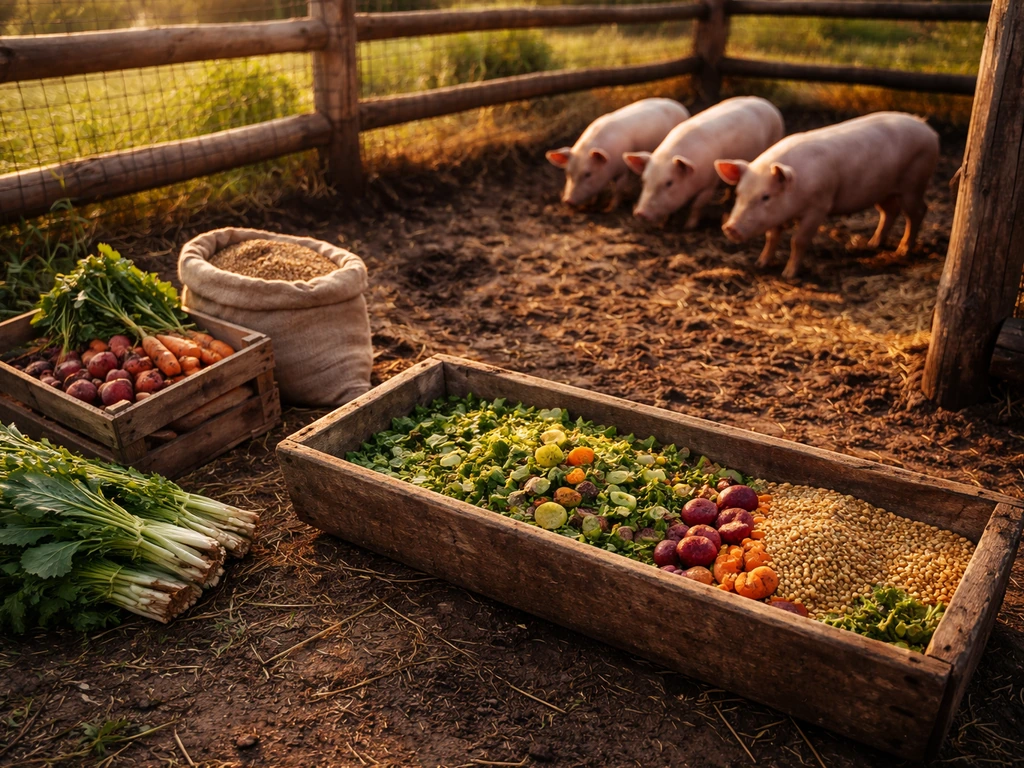
The best crops to grow for pig feed
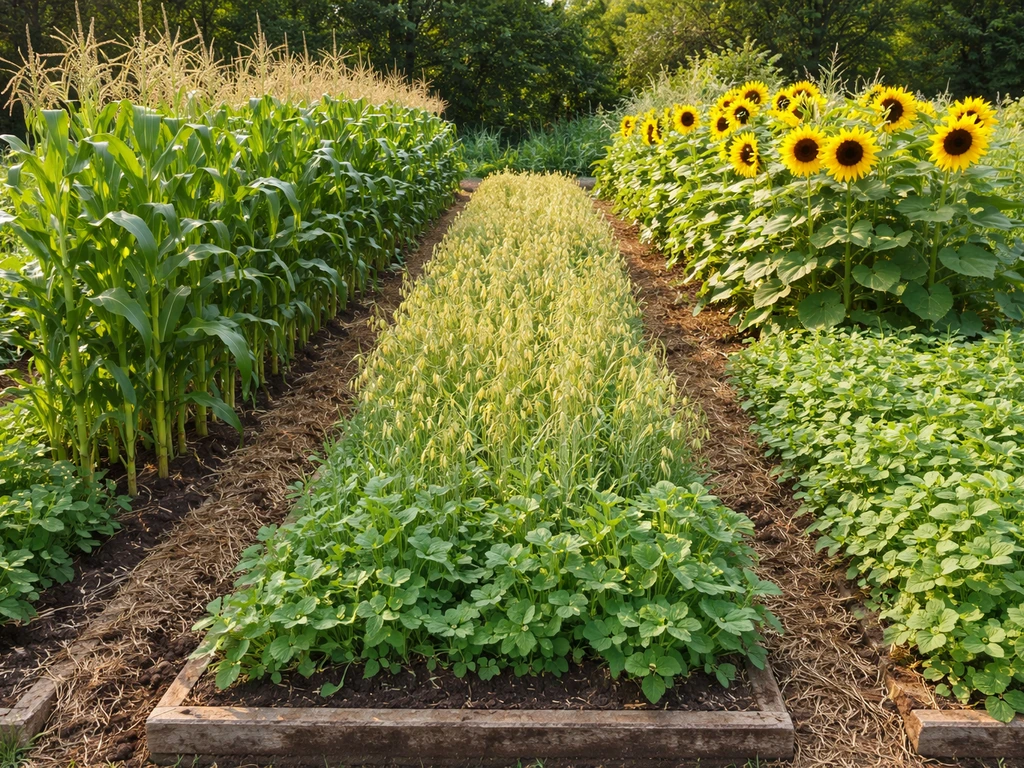
Pigs are omnivores and remarkably efficient at converting a wide variety of plants into meat. That said, not all crops are equal when it comes to feed value, ease of growing, and practicality at homestead scale. Here are the categories that matter most, with the top performers in each.
Grains and high-energy crops
Corn is the gold standard for pig feed energy. Oats can be another grain option for pig feed, but the key is choosing varieties suited to your season and planning how you will harvest and store the grain Corn. It's high in digestible starch, pigs love it, and it stores well when dried below 13% moisture. Field corn (dent corn) is what you want, not sweet corn, though pigs will happily eat both.
Sorghum (grain sorghum or milo) is a strong runner-up, especially in hot, dry climates where corn struggles. It has a similar energy profile to corn and is more drought-tolerant. Sunflowers are worth growing too. The seeds are high in fat and protein, and pigs will eat the whole head.
Millet (pearl or foxtail) is a fast-maturing grain that works well in short-season climates or as a second planting after early crops come out.
Forages and pasture
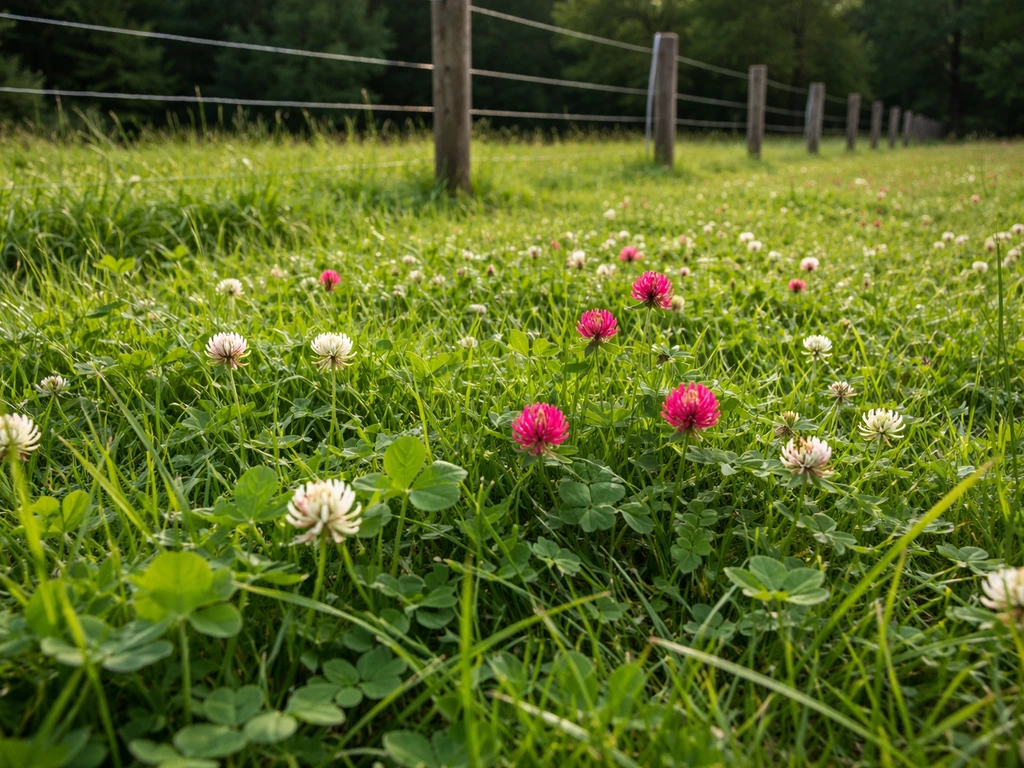
If your pigs have any access to outdoor space, a legume-grass pasture mix is one of the most cost-effective things you can plant. Clover (red or white) mixed with a grass like orchardgrass or fescue provides protein, keeps the stand durable under hoof traffic, and protects legume crowns from being trampled out. Pasture alone won't finish a pig, but it meaningfully reduces how much purchased or home-grown concentrate feed you need. Alfalfa is higher in protein than clover (around 18-20% crude protein) and works well for pigs when fed as green chop or hay, though it's more demanding to establish. Annual lespedeza is worth considering in the Southeast as a warm-season legume option that reseeds itself reliably.
Roots, tubers, and squash
Sweet potatoes are one of the most productive pig feeds per square foot you can grow. The tubers are energy-dense, and the vines and leaves are completely edible and nutritious for pigs. Turnips and mangels (fodder beets) produce enormous yields of root mass and are cold-tolerant, making them ideal for fall feeding right when other crops are done. Pumpkins and winter squash grow easily, store for months, and pigs go absolutely crazy for them. Just throw a whole pumpkin in the pen and let them work. Potatoes are useful but come with a caveat: always feed them cooked or at least avoid green, sprouted ones, which contain solanine and can make pigs sick.
Protein-rich greens and legume cover crops
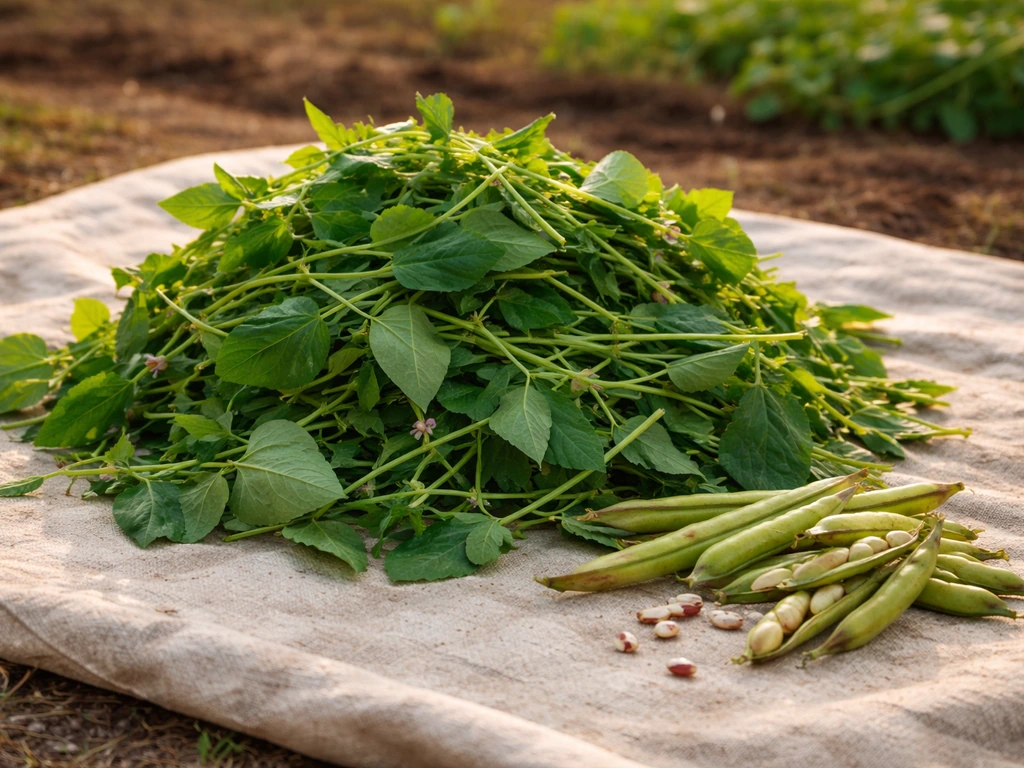
Pigs need protein to grow, and greens can supply a surprising amount of it. Cowpeas are an excellent warm-season option, fixing nitrogen in your soil while providing pods, seeds, and vines that pigs eat readily. Soybeans, if you can grow them, are the highest-protein option and can be fed green in the pod or dried and cooked (raw soybeans contain trypsin inhibitors that impair digestion, so cooking or roasting matters here).
Comfrey is a perennial green that grows in almost any soil, can be cut multiple times per season, and has a solid protein content around 20-25% on a dry-matter basis. Kale, lambsquarters, and amaranth all produce abundant leafy biomass and are easy to grow as summer or fall greens for pigs.
Safe scraps and farm byproducts
Garden scraps are a legitimate part of a pig-feed strategy: outer cabbage leaves, carrot tops, spent zucchini plants, overripe tomatoes, and corn husks all go in the pig pen. One important legal note: federal regulations (21 CFR §1240. 75) prohibit feeding garbage that has contacted meat or animal products to pigs in interstate commerce unless it has been heat-treated first, and many states go further with their own rules.
Pennsylvania and Florida, for example, require a license to feed food waste to swine if it comes from certain sources. Stick to plant-based scraps from your own garden and kitchen if you want to keep things simple and compliant. Whey and spent brewery grain are excellent options if you have access to them, but check your state's rules before feeding any commercial food waste.
You can sometimes find similar animal-feed safety guidance for other byproducts like grain from coffee processing, but always check labels and your local rules first Whey and spent brewery grain.
Match your crops to your climate, season, and setup
Where you live and how your pigs are housed shapes which crops actually make sense for you. There's no universal answer here, but this table gives you a solid starting framework.
| Climate/Region | Top Grain or Energy Crop | Top Forage/Legume | Top Root or Supplemental |
|---|---|---|---|
| Hot, dry (zones 7-10) | Grain sorghum or milo | Cowpeas or lespedeza | Sweet potato or turnip |
| Humid South (zones 7-9) | Corn or grain sorghum | Clover, cowpeas, or alfalfa | Sweet potato or pumpkin |
| Mid-Atlantic/Midwest (zones 5-7) | Field corn | Red clover, alfalfa | Turnip, mangel beet, or pumpkin |
| Short-season North (zones 3-5) | Millet or oats | Red clover or field peas | Turnip or fodder beet |
| Pacific Northwest (zones 7-9) | Corn or oats | Clover or field peas | Kale or turnip |
For pigs with outdoor access and a pasture rotation system, you can plant clover-grass mixes and let them graze rotationally. This works best with moveable electric fencing and at least two to three paddocks so you can rest each section. For pigs in a fixed pen or confinement setup, you're growing crops to cut and carry to them. In that case, prioritize high-yield-per-square-foot crops like sweet potatoes, pumpkins, comfrey, and corn over pasture grasses, which need acreage to make a real difference.
Season length matters a lot. Corn needs 90-120 frost-free days depending on the variety. If you're in a short-season zone, look for 80-day dent corn varieties or substitute grain sorghum, which matures faster in some cases, or millet, which can be ready in 60-75 days. Sweet potatoes need a long, warm season (at least 90-120 days of warm soil) and are not a great fit north of zone 6 unless you start transplants indoors early.
Planting plans and spacing from garden scale to homestead
The right planting plan depends on how many pigs you have and how much feed you realistically want to produce. Here are two practical scales: a starter garden approach for someone with a backyard or small plot, and a homestead-scale feed field for someone trying to cover a meaningful portion of their pigs' diet.
Small garden approach (1-4 pigs, 1,000-5,000 sq ft)
At this scale, focus on the highest-yield-per-square-foot crops and use garden scraps aggressively. A practical first-year plan: dedicate one 4x8 bed or a 200 sq ft row to sweet potatoes (spaced 12 inches in-row, 40 inches between rows), one similar area to pumpkins or winter squash (one plant every 3-4 feet in hills), a 100 sq ft patch of sunflowers, and then tuck in cowpeas or field peas wherever you have open soil. Run comfrey along a fence line or in a corner; once established it comes back every year and you can cut it 3-4 times per season. This won't replace commercial feed entirely for a growing pig, but it's a real contribution and builds your skills for scaling up.
Homestead feed plot approach (2-10 pigs, 1/4 acre or more)
At quarter-acre scale and above, corn becomes your anchor crop. Plant field corn in 30-36 inch rows with seeds 8-10 inches apart in-row, targeting about 28,000-32,000 plants per acre. Dedicate another section to a legume: [alfalfa seeded at 12-15 lb of pure live seed per acre at 1/4 to 1/2 inch depth](https://extension. msstate.
edu/agriculture/forages/management-forages/legume-planting-rates), or red clover at a similar rate mixed with an orchardgrass or fescue companion. For warm-season forage between paddocks or in a cut-and-carry system, forage sorghum-sudangrass hybrids can be seeded at about 20-30 lb per acre and are typically ready to cut or graze 5-6 weeks after planting. Devote any remaining space to a root crop like turnips (broadcast at 2-4 lb/acre, or thin to 4-6 inches apart in-row) for fall feeding.
Rotate pasture paddocks so pigs are grazing one section while the other recovers.
| Crop | Spacing (in-row) | Row Width | Seeding Rate |
|---|---|---|---|
| Field corn | 8-10 inches | 30-36 inches | ~1 lb/1,000 sq ft (adjust for variety) |
| Sweet potato slips | 12 inches | 40 inches | 1 slip per hole |
| Alfalfa | Broadcast or drill | 6-8 inch rows | 12-15 lb PLS/acre |
| Red clover (with grass) | Broadcast | N/A | 10-12 lb/acre |
| Forage sorghum-sudangrass | 6-12 inch rows or broadcast | 12-24 inches | 20-30 lb/acre |
| Sunflowers | 12-18 inches | 24-30 inches | 3-5 lb/acre |
| Turnips | Thin to 4-6 inches | 12-18 inches | 2-4 lb/acre broadcast |
| Cowpeas | 3-4 inches | 24-36 inches | 60-90 lb/acre |
Soil prep, fertility, and keeping pests and disease in check
Pigs are not fussy about soil quality compared to vegetables, but the crops you grow for them still need decent fertility to produce well. Start with a soil test if you can. Most extension offices offer them for $15-30 and they'll tell you your pH, phosphorus, and potassium levels. For most pig feed crops, a pH of 6.0-6.8 is ideal. Lime if you're below that.
Corn is a heavy nitrogen feeder. Plan on 100-150 lbs of actual nitrogen per acre for a corn field, applied in split doses: a starter amount at planting and side-dress when the corn is knee-high. If you're working at garden scale, a well-aged manure at about 30-40 lbs per 100 sq ft worked in before planting goes a long way. Pig manure from your own animals, composted for at least 90 days, is free fertility cycling right back into your system. Legumes (clover, cowpeas, alfalfa) fix their own nitrogen if you inoculate the seed with the appropriate rhizobium inoculant before planting. This is cheap (a few dollars per bag of seed) and makes a real difference in establishment.
Weed control in a feed field is mostly about timing. Cultivating or hoeing when weeds are small (at the 2-leaf stage) is far easier than dealing with mature weeds. For corn, hilling soil toward the base of plants at knee-height suppresses weeds and supports root development. For a pasture mix, mowing weeds before they set seed keeps them from taking over.
Pest pressure on pig feed crops is usually less intense than on vegetable gardens. Corn earworm and corn borers are the main concerns for corn; row covers or manual picking can help at small scale. Sweet potato weevils are a real problem in the deep South. Using certified slip stock and rotating where you plant sweet potatoes each year is the best defense.
How to harvest, process, and store pig feed crops
How you handle crops after harvest determines whether they feed your pigs or feed mold. Each crop type has its own storage requirements.
Fresh feeding
The simplest approach is to grow crops and take them directly to pigs. Pumpkins, sweet potato vines, kale, comfrey, and turnips all feed well fresh. Cut comfrey at the base, let it wilt for a few hours to reduce oxalic acid content, and throw it in. Fresh corn plants can go in whole when the ears are at milk stage. Fresh feeding works well in summer and fall but leaves you without feed in winter unless you've stored other crops.
Drying and dry storage (grains and roots)
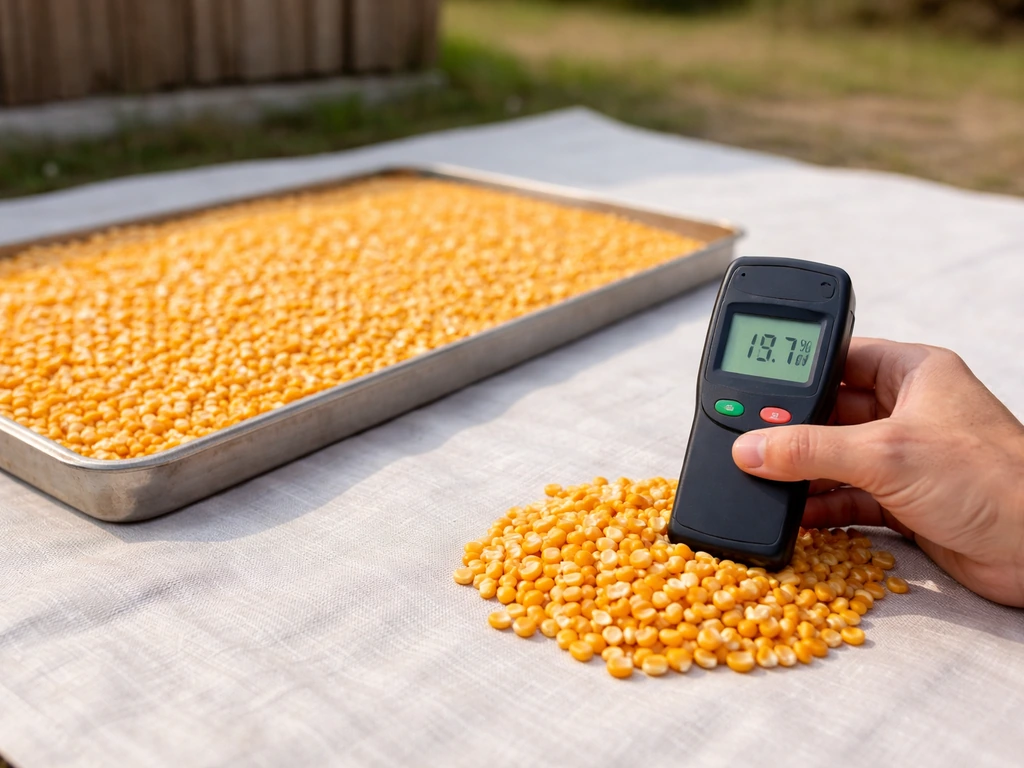
Grain corn must be dried to below 13% moisture before long-term storage, or mold will take over within weeks. If you have a small harvest, you can shell the corn and spread it on screens in a dry, ventilated space until it crunches when bitten. Larger volumes need either a grain dryer or careful aeration in a well-ventilated bin. Inspect stored grain every 7-14 days when temperatures are warm, looking for clumping, off smells, or hot spots.
Turnips and mangels can be stored in a root cellar or cool barn from 32-40°F with good humidity. Pumpkins and winter squash store well at 50-55°F in a dry, dark location for months. Sweet potato tubers store at 55-60°F after a curing period of 10-14 days at 85-90°F and high humidity.
Fermentation and silage
Ensiling (making silage) is the homestead way to preserve high-moisture forages without drying. Corn silage should be harvested at roughly 62-68% moisture (look for the three-quarter milk line in the kernel when you break an ear) and packed tightly in a pile, bunker, or bags with as much air excluded as possible. Forage sorghum and legume forages can also be ensiled at 60-70% moisture. Fermented feed (wet fermenting whole grains in water for 24-72 hours) is gaining traction among small-scale pig keepers because it improves digestibility and pigs prefer it. Simply submerge grains in water in a food-safe bucket, stir daily, and feed within 2-3 days before it goes bad.
How much to grow: yield and feed-cost calculations
This is where most people get stuck, so let's work through real numbers. A growing pig eating ad lib on a standard concentrate diet consumes roughly 4-6 lbs of dry feed per day depending on its weight. A pig going from 50 lbs to 250 lbs (a typical grow-out) takes roughly 4-5 months and eats somewhere in the neighborhood of 600-800 lbs of dry feed total, at a feed conversion ratio around 3:1 (3 lbs feed per 1 lb gain). That's the baseline you're trying to offset.
If you can replace even 30-40% of that with homegrown feed, you're saving real money and building real food security. Here's a rough yield table for common pig feed crops so you can plan your land use.
| Crop | Yield per 100 sq ft (approximate) | Yield per acre (approximate) | Notes |
|---|---|---|---|
| Field corn (grain) | 10-15 lbs dry grain | 100-160 bu (5,600-9,000 lbs) | Dry to <13% moisture for storage |
| Sweet potatoes (tubers) | 15-30 lbs fresh | 10,000-20,000 lbs fresh | High water content; dense energy |
| Pumpkins/winter squash | 30-60 lbs fresh | 15,000-30,000 lbs fresh | Stores 3-6 months; pigs eat whole |
| Turnips/mangels | 25-50 lbs fresh | 20,000-40,000 lbs fresh | High yield; feed fresh or store |
| Alfalfa (dry hay) | 4-6 lbs dry | 3,000-6,000 lbs/year (3-4 cuts) | Protein supplement; not energy-dense |
| Sunflower seeds | 3-5 lbs | 1,500-2,500 lbs | High fat; good supplement not sole feed |
| Forage sorghum-sudangrass | 20-40 lbs fresh | 10,000-20,000 lbs fresh per cut | Multiple cuts; silage or fresh chop |
To put it into a first-year plan: if you have 1/4 acre dedicated to field corn, you might produce 1,400-2,200 lbs of dry grain. That covers a significant chunk of feed for 2-3 pigs through a grow-out season. Add a 50x50 foot bed of sweet potatoes (2,500 sq ft) and you could produce 375-750 lbs of tubers on top of that. Throw in a patch of pumpkins, your comfrey row, and the season's garden scraps, and you're covering 30-50% of the diet for 2 pigs without heroic effort. That's a meaningful reduction in your feed bill and a real step toward self-sufficiency.
Feeding strategy, safety, and what to avoid
Homegrown crops are not a complete pig diet on their own. Pigs have specific needs for certain amino acids (especially lysine), vitamins (particularly vitamin E, B vitamins, and vitamin D), and minerals (selenium, zinc, calcium, phosphorus) that whole plants often can't supply in the right balance. The practical solution: use a commercial pig mineral or vitamin premix even when most of the diet is homegrown. These are inexpensive (a few dollars per bag) and prevent deficiency problems that show up slowly and cost you in poor growth or sick animals.
If you're growing most of the diet yourself, a useful target ratio is roughly 70-80% energy crop (corn, sorghum, sweet potatoes), 15-20% protein source (legumes, soybeans, alfalfa, comfrey), and 5% mineral/vitamin supplement by weight of dry matter. For thermoneutral pigs, UMN Extension notes that pigs consume about 2, 3 pounds of water per pound of dry feed eaten, which can help you plan water and feed handling on-site 2–3 pounds of water per pound of dry feed eaten. Adjust based on what you can grow.
Toxic plants and processing requirements to know
- Sorghum and sorghum-sudangrass: do not graze or chop when plants are under 18-24 inches tall, stressed by drought, or after a frost. Prussic acid (HCN) can reach dangerous levels and kill livestock. Sudangrass has roughly 40% less prussic acid than other sorghums, but the risk is still real in stress conditions. Ensiling or drying neutralizes most of the risk.
- Raw soybeans: contain trypsin inhibitors that block protein digestion. Roast or cook before feeding.
- Green or sprouted potatoes: contain solanine. Store potatoes in a dark, cool location (around 40-45°F) and never feed green-skinned or sprouted ones.
- Rhubarb leaves, nightshade, and most ornamental plants: do not feed. Many common garden plants are toxic to pigs.
- Moldy feed of any kind: discard it. Mycotoxins from mold on corn, sorghum, or stored roots cause serious health problems including liver damage, reproductive failure, and immune suppression in pigs.
- Food scraps that have contacted meat: these fall under federal and many state garbage-feeding regulations. Heat-treat or avoid entirely.
- Castor beans, black nightshade, jimsonweed, bracken fern: all toxic; keep pigs away from any pasture where these grow.
Preventing mold and spoilage in stored feed
Mold is the biggest practical risk in a homegrown pig feed system. Grains stored above 13-15% moisture will mold, especially in warm weather. Get a simple grain moisture meter (around $30-50) if you're storing more than a few hundred pounds of corn or sorghum. Check stored grain every 1-2 weeks in summer: feel for clumping, smell for mustiness, and monitor temperature if possible. If you smell anything off, spread it out, dry it down, and feed it quickly rather than letting it sit. For silage, inspect the face of the pile whenever you open it and discard any visibly moldy sections rather than feeding them.
The most practical starting point for someone reading this today: plant corn, sweet potatoes, and a legume cover crop this season. If you also want to raise chickens, you can use the same idea to plan what to grow for their feed too plant corn, sweet potatoes, and a legume cover crop.
If you are raising chickens, the idea is similar, but you should focus on what to feed chickens to grow faster, like protein-rich feeds and appropriate grains plant corn, sweet potatoes, and a legume cover crop. Get a bag of pig mineral supplement. Start collecting garden scraps and run them to your pigs daily.
You won't replace purchased feed overnight, but you'll make real progress in year one and build the soil fertility and production knowledge to go further in year two. If you are reusing an old chicken run, the same approach works, but you’ll want to account for what’s already growing there and make sure it’s ready for pig-safe grazing and cropping. If you're reusing an old chicken run, you can also plan crop rotations there to reduce pests and keep the soil productive for pigs.
FAQ
Can I feed pigs only garden scraps and never grow a grain or root crop?
It usually won’t work long term. Scraps supply calories and some protein, but pigs also need a reliable energy base and a mineral and vitamin balance, which whole plants and leftovers rarely match. Plan at least one starchy crop (corn, sorghum, sweet potatoes) plus a legume or protein green, then use scraps as a supplement.
What’s the safest way to use kitchen scraps from my own house?
Keep it plant-based and from your own kitchen, avoid anything with meat, dairy, or grease, and skip scraps that sit out warm for a day or more. Even with plant scraps, chop large items and feed promptly so they don’t ferment in the pen and foul the trough.
Are potatoes safe for pigs if they’re just old or misshapen?
Cooked potatoes are generally safer than raw, but green or sprouted potatoes are the bigger problem. If you see green skin, shoots, or a bitter taste, discard them. Also avoid feeding large, sudden amounts of any one tuber, mix them into a broader ration with grain and minerals.
How much homegrown feed can I realistically replace without hurting growth?
A conservative starting target is replacing 30 to 40% of dry feed with homegrown crops while you monitor body condition and growth rate. If pigs start losing condition or their growth stalls, increase the purchased concentrate portion and check mineral premix intake before changing crops.
Do I need a separate mineral feeder even if I’m growing legumes and comfrey?
Yes. Legumes improve protein, but they don’t reliably supply key minerals and vitamins in the right proportions for pigs. Use a pig mineral and vitamin premix and make sure every pig gets consistent access, especially during wet feeding or when pigs compete at troughs.
How should I store grain corn to prevent mold, especially in humid weather?
The critical factor is moisture. Aim to dry below 13% moisture and then store in a dry, ventilated area. In humid periods, inspect every 1 to 2 weeks, look for clumping or off smells, and spread and dry any suspect grain quickly instead of waiting.
Can I feed silage to pigs without a commercial setup?
You can, but the fermentation has to be tight and consistent. Pack silage to exclude air and manage moisture targets, roughly mid-60% for corn silage. When you open a bunker or bag, feed from the exposed face quickly and discard visibly moldy edges rather than scooping around them.
Is fermented wet grain the same as silage?
No. Wet fermenting whole grains is a short window preservation method, typically used within 2 to 3 days, and it doesn’t replace the oxygen exclusion process of true silage. Keep containers clean, submerge fully, stir daily as you ferment, and do not extend feeding beyond when it smells or looks off.
What’s the fastest crop to start with if I only have one season before winter?
Sweet potatoes usually need a long warm season, so for a quick start focus on fast greens and fall roots you can harvest before cold weather, like kale, lambsquarters, turnips, and mangels. If you can irrigate and start early, cowpeas can also produce warm-season biomass quickly.
How do I handle weeds in a feed field without making it too expensive?
Weed control is mostly about timing and keeping the crop canopy closed. Aim to cultivate or hoe at very small weed stages, around the 2-leaf point. For pasture mixes, mow before weeds go to seed, that single habit prevents the weed bank from building year after year.
Do pigs need pasture access for the crops to “work” in my plan?
Not necessarily, but it changes what you should grow. If pigs graze rotationally, clover-grass helps reduce concentrate needs. If pigs are confined, you’re growing “cut and carry” feed, so prioritize high-yield crops like corn, sweet potatoes, comfrey, pumpkins, and fall roots.
How many pigs can my acreage feed, even approximately?
It depends on pig weight, growth stage, and how much you replace with homegrown crops. As a planning check, a grow-out typically consumes roughly 600 to 800 lb of dry feed total, so if you want to cover 30 to 40% with homegrown, your plantings should aim to produce a similar share of that dry matter. If you don’t know your local yields yet, start smaller and measure how much you harvest per square foot each season.
Next Article
Is Gerber Grain & Grow Oatmeal Safe? A Practical Guide
Practical safety guide for Gerber Grain & Grow oatmeal: ingredients, allergens, prep, storage, and when to avoid.