Gerber Grain & Grow oatmeal is generally safe for healthy infants and toddlers when prepared according to the package directions, stored correctly, and chosen based on the right variant for your child's age and any known allergens. The main thing to watch for right now is the wheat exposure in the non-organic version, which matters a lot if your child has a wheat or gluten sensitivity. Beyond that, the product is well-fortified, widely used, and not under any active recall as of June 2026, but you should always verify the lot number on the current package against Gerber's official recall database before using any lot you've had sitting around for a while.
Is Gerber Grain & Grow Oatmeal Safe? A Practical Guide

Marcus Hendrick
5 Jun 2026

What Gerber Grain & Grow oatmeal actually is
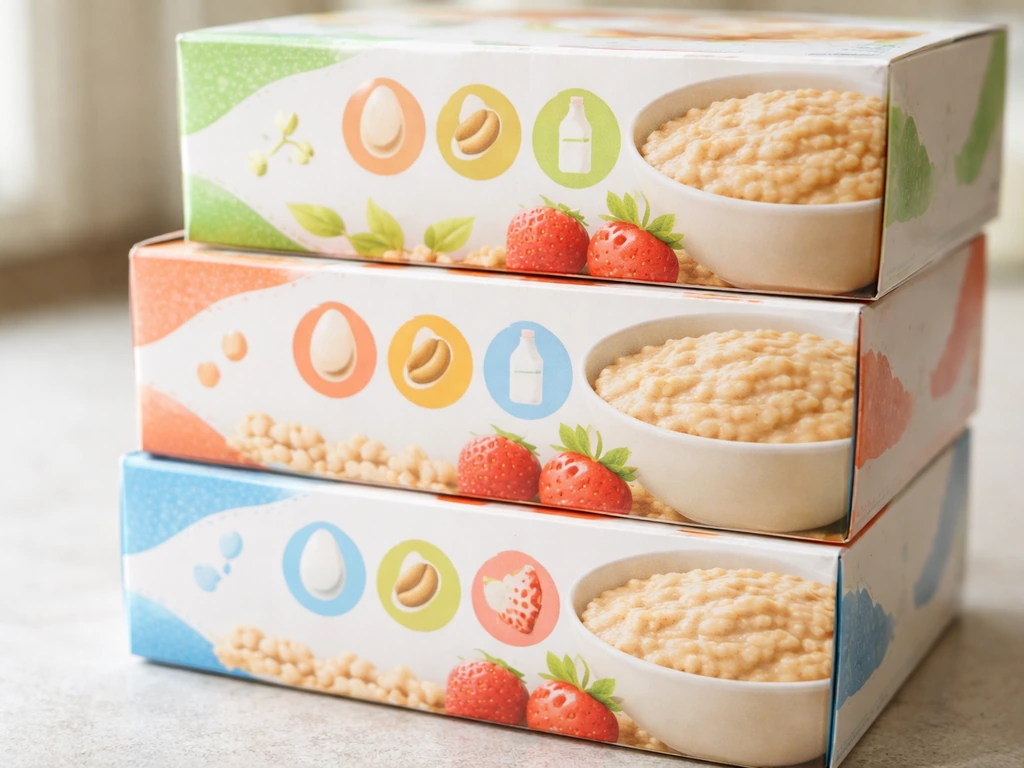
The Grain & Grow line is Gerber's range of fortified single-grain infant cereals. The oatmeal versions come in two main forms you'll find at places like CVS or your local grocery: the organic version ("Gerber Organic 1st Foods Grain & Grow Oatmeal Cereal") and the standard non-organic version ("Gerber Grain & Grow Baby Oatmeal"). Both are sold in 8 oz canisters and are designed to mix with liquid, not to be cooked from scratch the way you'd cook stovetop oats.
The organic version's ingredient list is straightforward: organic whole grain oat flour, calcium carbonate, iron (electrolytic), zinc sulfate, and a full lineup of B vitamins plus vitamins C and E. No separate milk, soy, egg, or tree nut ingredients appear on the label. The non-organic version is where things get more nuanced: its ingredient list reads "whole grain oat flour and oat flour (contains wheat)," followed by the same general vitamin and mineral fortification package. That wheat notation is not a typo or a cross-contamination warning. It means the oat flour itself contains wheat, which is a meaningful difference if you're managing any kind of gluten or wheat sensitivity.
Both products are marketed as single-grain infant cereals, meaning they're intended as one of the first solid foods introduced to babies, typically around 4 to 6 months depending on your pediatrician's guidance. Gerber also references toddler-specific mixing instructions for children over one year old, where you'd mix the cereal with whole milk or other liquids rather than just water or formula.
Is it safe? Labels, recalls, and allergens explained
For a healthy infant or toddler with no known allergies or intolerances, either version of Grain & Grow oatmeal is a legitimate, well-regulated product. Gerber is a major manufacturer subject to FDA oversight, and these cereals are among the most commonly recommended first foods in the U.S. That said, "safe" has some conditions attached.
Wheat and gluten: the most important allergen to check
The non-organic Grain & Grow Baby Oatmeal explicitly contains wheat. If your child has celiac disease, a wheat allergy, or any suspected gluten sensitivity, this product is not appropriate. The organic version does not list wheat as a separate ingredient, but oats themselves are a known cross-reactivity risk for some people with celiac disease (due to the avenin protein), and unless the label specifically says "gluten-free," you should treat it with the same caution. If gluten is a real concern in your household, talk to your pediatrician before introducing any oat-based cereal.
Milk, soy, and other allergens
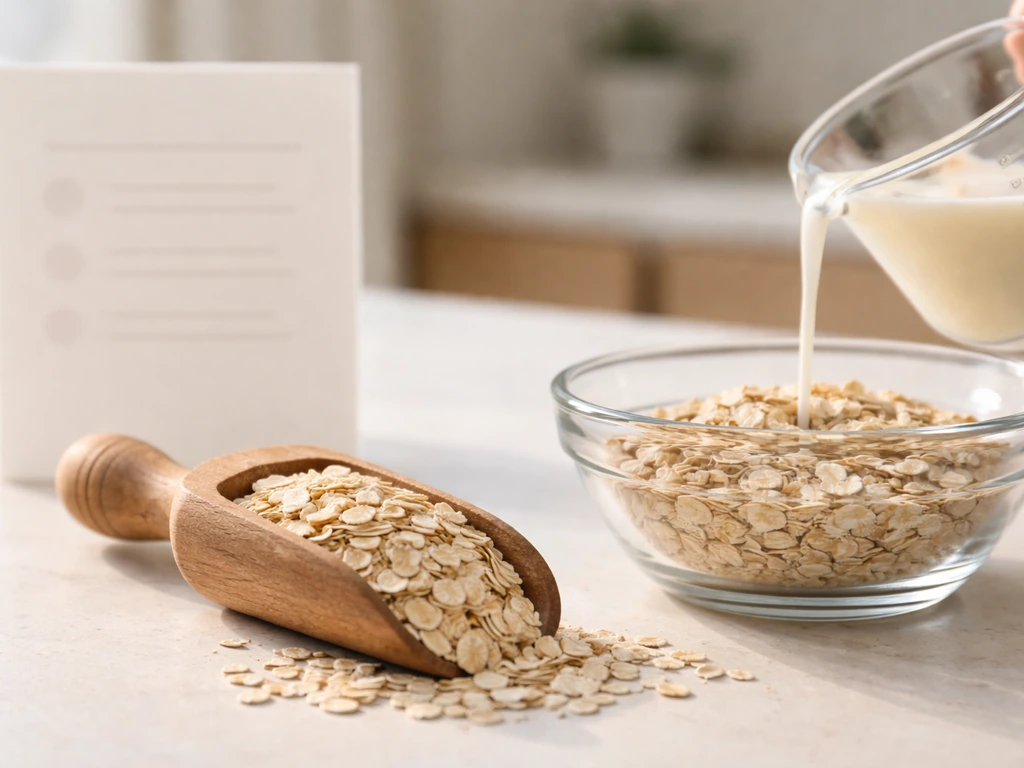
Neither the organic nor the non-organic oatmeal version lists milk, soy, eggs, or tree nuts as ingredients in the dry product itself. However, the mixing liquid you choose matters. If you mix the cereal with cow's milk formula, dairy milk, or soy milk, you're introducing those allergens through the preparation step, not the product. For early introduction to infants under 12 months, breast milk, water, or an appropriate formula is the standard mixing recommendation.
Recalls: how to check right now
There is no active recall on Gerber Grain & Grow oatmeal as of June 2026, but the safest habit is to verify any product you have on hand. Go directly to the FDA's recall database at fda.gov and search for "Gerber" or the specific product name. Also check gerber.com's own safety and recall page. When you open a new canister, note the lot number printed on the bottom or side of the container. If you've had a canister unopened in a cabinet for several months, check that lot number before feeding it to your child. This is a 5-minute step that's worth doing every time.
How to prep and store it safely at home
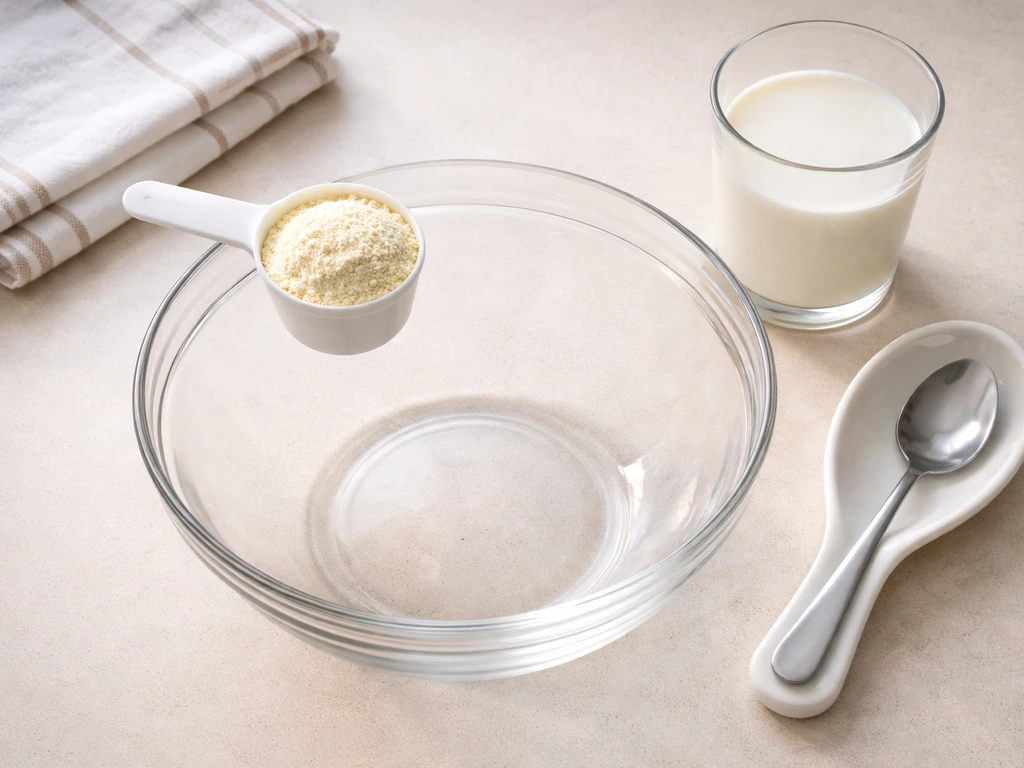
Gerber describes this as a "just add liquid" product with easy-to-mix directions, and that's genuinely accurate. There's no cooking required. You scoop the dry cereal into a clean bowl and mix with your chosen liquid until you reach the right consistency for your child's feeding stage. Thicker for older babies, thinner (almost soupy) for first introduction.
Water safety matters more than people think
If you're mixing with water rather than breast milk or ready-to-use formula, use water you'd be comfortable drinking yourself: filtered tap water or bottled water. For very young infants (under 4 months), some pediatricians recommend using water that has been brought to a boil and cooled, though this is less universally required than it once was. If you're on well water or have any reason to doubt your tap quality, boiling is the safer call. This is the same common-sense approach you'd take for any water used to prepare infant food.
Opened vs. unopened shelf life
- Unopened: Store in a cool, dry place and use by the "best by" date printed on the canister. Most canisters have a shelf life of 12 to 18 months from manufacture.
- Opened: Once opened, store with the lid tightly closed in a cool, dry pantry. Use within 30 days of opening for best quality and safety. Don't store in the refrigerator because condensation introduces moisture and can cause clumping or mold.
- Mixed/prepared cereal: Never save leftover prepared cereal that a baby has already eaten from. Saliva introduces bacteria. Discard what's left in the bowl after each feeding. If you prepare extra cereal before feeding, you can refrigerate unused portions for up to 24 hours, but only if the baby hasn't eaten from that portion.
Preventing contamination
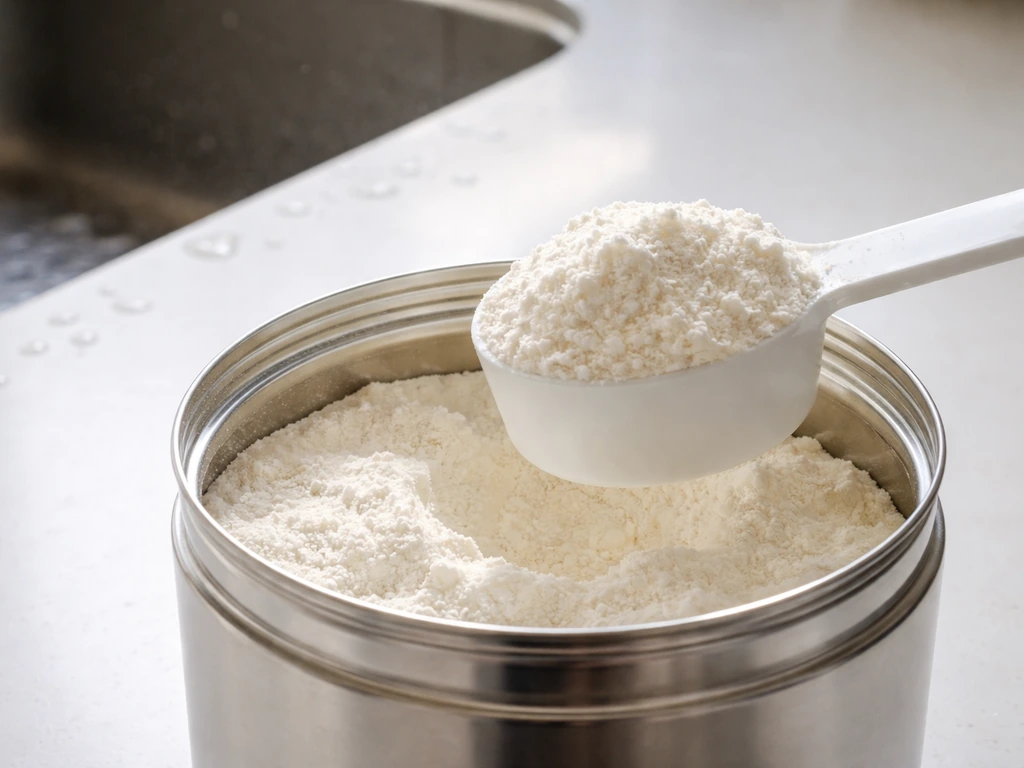
Use a dry, clean scoop every time you portion from the canister. Introducing moisture into the dry powder is the fastest way to encourage bacterial or mold growth. Don't pour unused mixed cereal back into the canister. Keep the canister away from steam sources like the stovetop or a running dishwasher.
Nutrition, portions, and substitutions
How much to actually serve
For early solid food introduction (around 4 to 6 months), a first serving is typically just 1 to 2 teaspoons of dry cereal mixed to a very thin consistency. Over several weeks you work up to 1 to 2 tablespoons of dry cereal per feeding, once or twice a day. By the toddler stage (12 months and up), portions can be larger and the texture thicker. Follow your pediatrician's specific guidance since every child's readiness is different. Don't rush to larger portions because the primary nutrition source for infants under 12 months is still breast milk or formula.
Why the added iron and vitamins actually matter
The fortification in Grain & Grow cereals isn't just marketing. Infants' iron stores from birth begin to deplete around 4 to 6 months, and breast milk alone doesn't provide sufficient iron. The electrolytic iron added to these cereals is there for a real nutritional reason. If you're considering switching to a homemade oatmeal alternative, understand that plain home-cooked oatmeal doesn't replicate that iron and vitamin profile unless you're intentionally adding fortified foods or iron-rich foods to your child's overall diet.
Substitutions if you want to avoid Grain & Grow
If you're avoiding Gerber's product for budget, ingredient, or availability reasons, here are practical alternatives to consider. For infants being introduced to solids, other iron-fortified single-grain cereals (rice, barley, or oat-based) from other brands serve the same purpose. For toddlers over 12 months, plain cooked rolled oats or steel-cut oats are completely appropriate, though you'll want to make sure iron comes from other dietary sources like meat, legumes, or fortified foods. If cost is the driver, buying a large bag of certified gluten-free rolled oats and cooking a small portion for your toddler is substantially cheaper than commercial infant cereal and nutritionally sound once a varied diet is established.
If your real goal is growing oats at home
If you landed here because you're trying to grow oats rather than evaluate a packaged product, that's a completely different (and worthwhile) path. If you’re asking what to grow to feed pigs, the right choices depend on your climate, your land, and how much feed your pigs will need. Oats are one of the more beginner-friendly grains to grow in a home garden or small homestead. They're a cool-season crop, typically sown in early spring (or fall in mild climates) and harvested in about 60 to 100 days depending on variety and conditions.
Getting started with home-grown oats
You'll need hulled or dehulled oat seed specifically meant for planting, not the rolled oats from your pantry (those are steamed and won't germinate). Feed-grade oats or untreated planting oats are both viable. Sow seeds about 1 to 2 inches deep, 1 to 2 inches apart in rows, in well-drained soil with full sun. A 100-square-foot plot can yield roughly 2 to 4 pounds of grain, so scaling matters if you want a meaningful harvest. For a small household that just wants to experiment, a 4x8 raised bed is a reasonable starting point.
After harvest, home-grown oats are whole oat groats. To get from groat to the smooth cereal texture in the Gerber canister, you'd need to hull, clean, and either roll or grind the grain, which requires equipment most home gardeners don't have. Practically speaking, home-grown oats are best used as cooked groats, steel-cut oats (if you have a grain mill), or whole rolled oats (if you have a grain roller). They won't replicate the fortified infant cereal format, but for older children and adults, they're an excellent, economical grain to grow. The topic of growing feed oats and the distinction between feed-grade and food-grade oats is worth understanding before you buy seed.
Home-grown oats vs. commercial infant cereal: honest comparison
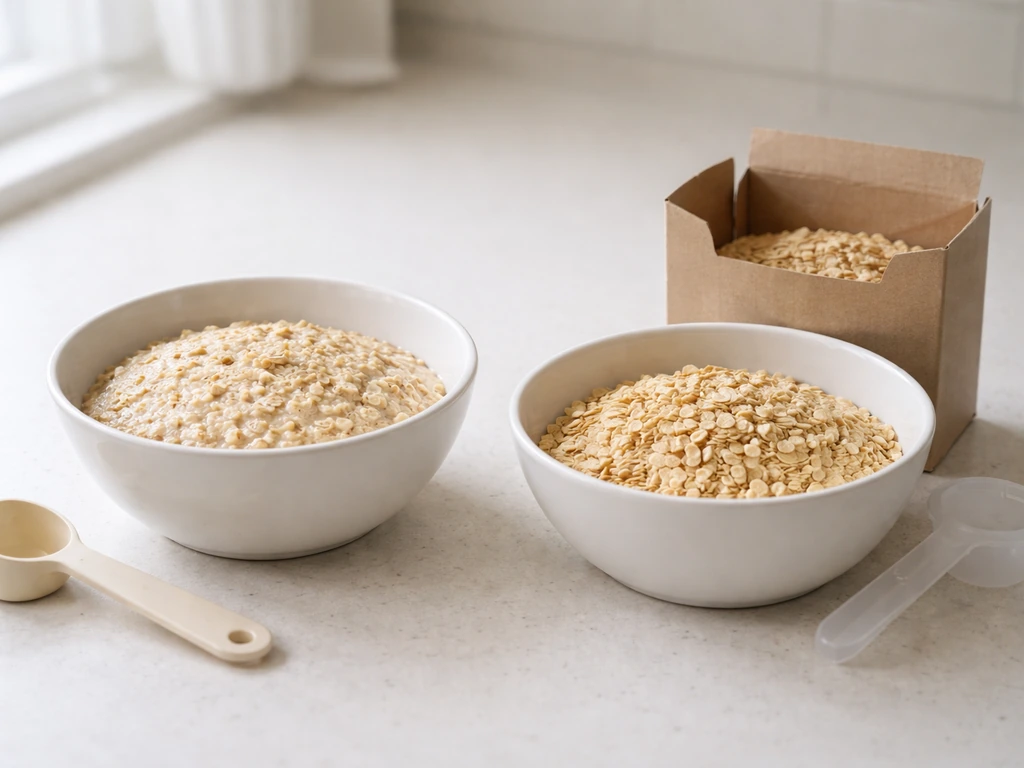
| Factor | Home-Grown Oats | Gerber Grain & Grow Cereal |
|---|---|---|
| Iron fortification | None (you add from other foods) | Yes, electrolytic iron added |
| Vitamin fortification | None | Full B-vitamin and vitamin C/E package |
| Texture suitability for infants | Requires significant processing | Ready to mix, infant-appropriate |
| Cost per serving (at scale) | Very low | Moderate |
| Control over ingredients | Complete | Limited to what's on the label |
| Practical for infants under 12 months | Not easily without fortification plan | Yes, designed for this stage |
| Practical for toddlers and adults | Yes, excellent | Yes, though overbuilt for adults |
When to avoid it and when to call your pediatrician
Most healthy children can eat Gerber Grain & Grow oatmeal without any issues. But there are specific situations where you should pause and get professional input before proceeding.
Skip it or check with your doctor if:
- Your child has a diagnosed wheat allergy or celiac disease (especially relevant for the non-organic version, which explicitly contains wheat).
- Your child has shown any reaction to oats or oat-based foods previously, including skin reactions, digestive distress, or behavioral changes after eating.
- Your baby was born prematurely or has any health condition affecting nutrient absorption or feeding readiness.
- You're unsure whether your baby is developmentally ready for solids (signs of readiness include sitting with support, head control, and showing interest in food).
- You have a family history of severe allergies and are introducing any new food for the first time.
- You've found the canister has been opened, exposed to moisture, or is past its best-by date.
- The lot number on your canister matches any active FDA or Gerber recall notice.
- Your child is under 4 months old and hasn't been cleared for solid food introduction by a healthcare provider.
Quick decision checklist before feeding
- Check the lot number against the current FDA and Gerber recall databases.
- Confirm the variant: organic (no listed wheat) vs. non-organic (contains wheat). Choose accordingly.
- Check the best-by date and that the canister has been properly stored since opening.
- Confirm your child's age and feeding readiness with your pediatrician if this is a first introduction.
- Use clean, dry utensils and safe water for preparation.
- Discard any mixed cereal that has been in contact with your baby's saliva.
- If any reaction occurs after feeding (rash, swelling, vomiting, unusual fussiness), stop immediately and contact your pediatrician.
Gerber Grain & Grow oatmeal is a practical, reasonably well-formulated product for what it's designed to do. The main job for you as a parent or caregiver is knowing which version you have, understanding the wheat ingredient in the non-organic version, keeping it stored correctly, and always verifying there's no active recall. If you're also thinking longer-term about food self-sufficiency, growing your own oats is a genuinely achievable project, just understand it serves a different purpose than fortified infant cereal and plan your child's nutrition accordingly. If you meant raising chickens instead of growing oats, you will need chicks, proper housing, feed, clean water, and basic biosecurity supplies to get started. If you want chickens to grow faster, diet and feeding strategy matter as much as housing and overall health growing your own oats. If you're wondering what to grow in an old chicken run, oats are one easy option to consider. If you mean feeding oats to a child, you’ll also want to consider how feed-grade oats are handled and prepared, since they are not the same as packaged infant cereal will feed oats grow.
FAQ
Is Gerber Grain & Grow oatmeal safe for babies who have started solids but have eczema or a family history of allergies?
In most cases it is fine, but with eczema or strong family allergy history it helps to introduce new foods in a controlled way, one change at a time, and start with the smallest portion listed in the directions. If you have a known wheat, oat, or gluten issue, use the organic version only after confirming whether your child tolerates oats and asking your pediatrician whether a gluten-free label is needed.
Can I use Gerber Grain & Grow oatmeal to replace formula or breast milk before 12 months?
No. It can be part of the transition to solids, but it should not replace breast milk or formula for infants under 12 months. Sticking to the early serving amounts (teaspoon-level first, gradually increasing) is important because iron-fortified cereal still does not provide the full nutrition profile of milk.
Does the non-organic Gerber oatmeal being “contains wheat” mean it is automatically unsafe for non-celiac gluten sensitivity?
It means it is not a good fit if gluten sensitivity is a concern you are actively managing. Many gluten-sensitive families avoid wheat-containing products even if the main ingredient is oats, because the wheat component is present in the oat flour itself, not just from shared equipment.
Is the organic version safer for celiac disease?
It can be safer if your child tolerates oats, but “organic” does not guarantee “gluten-free.” For celiac disease, you should look specifically for a gluten-free claim on the current package and confirm with your pediatrician, since oat proteins can still trigger symptoms in some people even when cross-contamination is controlled.
What should I do if my child reacts after eating one serving, like hives, vomiting, or unusual sleepiness?
Stop feeding it and contact your pediatrician for guidance, especially if symptoms include breathing changes, swelling, persistent vomiting, or lethargy. For any breathing difficulty or severe symptoms, treat it as an emergency and seek urgent medical care rather than waiting to “see if it passes.”
Can I mix the cereal with soy milk or almond milk instead of formula or water?
For infants under 12 months, using breast milk, water, or an appropriate formula is the usual approach. If you choose soy milk or another alternative milk, it becomes an allergen and nutrition decision, so ask your pediatrician first because these products vary in protein and vitamin content and may not match infant dietary needs.
How long can I keep cereal after I mix it, and can I refrigerate leftovers?
Follow the package directions, but as a general safety rule, do not store and reuse a portion that has been fed. Prepared baby cereal can spoil faster once mixed, so discard leftovers from the feeding bowl within a short window and keep any remaining prepared cereal covered and refrigerated only if the label allows it.
Is it safe to microwave Gerber cereal after mixing?
It can be, but heat distribution is uneven, so stir thoroughly and test the temperature before feeding. Microwaving is also more likely to create hot spots than stovetop warming, so always do a careful spot check to prevent burns.
What is the best way to prevent clumping and get the right texture for a first serving?
Start with very thin consistency for early introduction and mix with the recommended amount of liquid until smooth. If it thickens as it sits, add a small amount of warm liquid next time and stir again, rather than trying to correct it with extra dry cereal mid-feeding.
My canister is older and was stored in a cabinet for months. Is it still safe to use?
Check the lot number and verify there is no recall for that specific lot, then inspect for signs of spoilage like off odor, clumping that does not mix back normally, or visible moisture. If the powder got exposed to moisture, discard it, even if it does not look obviously spoiled.
Can I use Gerber Grain & Grow oatmeal for constipation or diarrhea?
It is not a targeted treatment. Some infants tolerate iron-fortified cereals well, while others may change stool patterns. If constipation is persistent or diarrhea occurs, focus on pediatric guidance and hydration rather than trying to solve it by switching cereals.
Next Article
What Do You Need to Grow Chickens Checklist for Beginners
Beginner checklist for what you need to grow chickens: housing, gear, feed by stage, care, biosecurity, costs, and setup