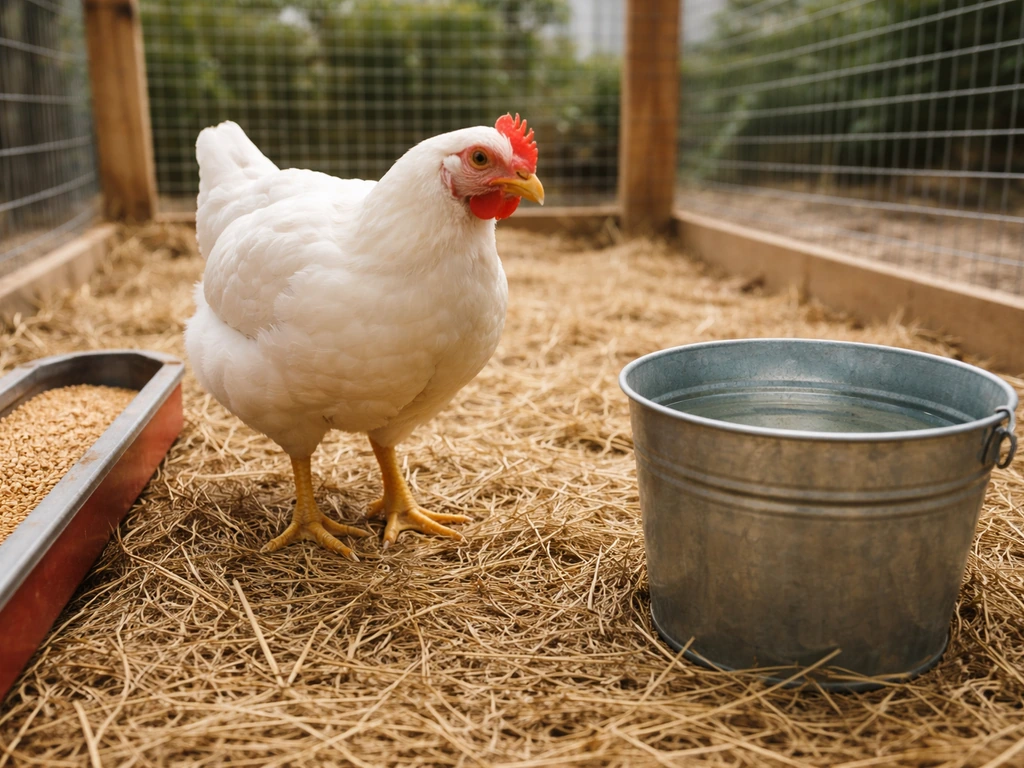
To raise chickens successfully at home, you need a secure coop with 3 to 5 square feet of indoor space per bird, an outdoor run with at least 8 to 10 square feet per bird, age-appropriate feed (starter, grower, then layer ration), clean water available at all times, bedding, feeders and waterers that keep waste out, and a basic biosecurity routine. That is the core of it. Everything else is detail layered on top of those fundamentals, and this guide walks you through all of it in the order you will actually need it.
What Do You Need to Grow Chickens Checklist for Beginners

Marcus Hendrick
30 May 2026
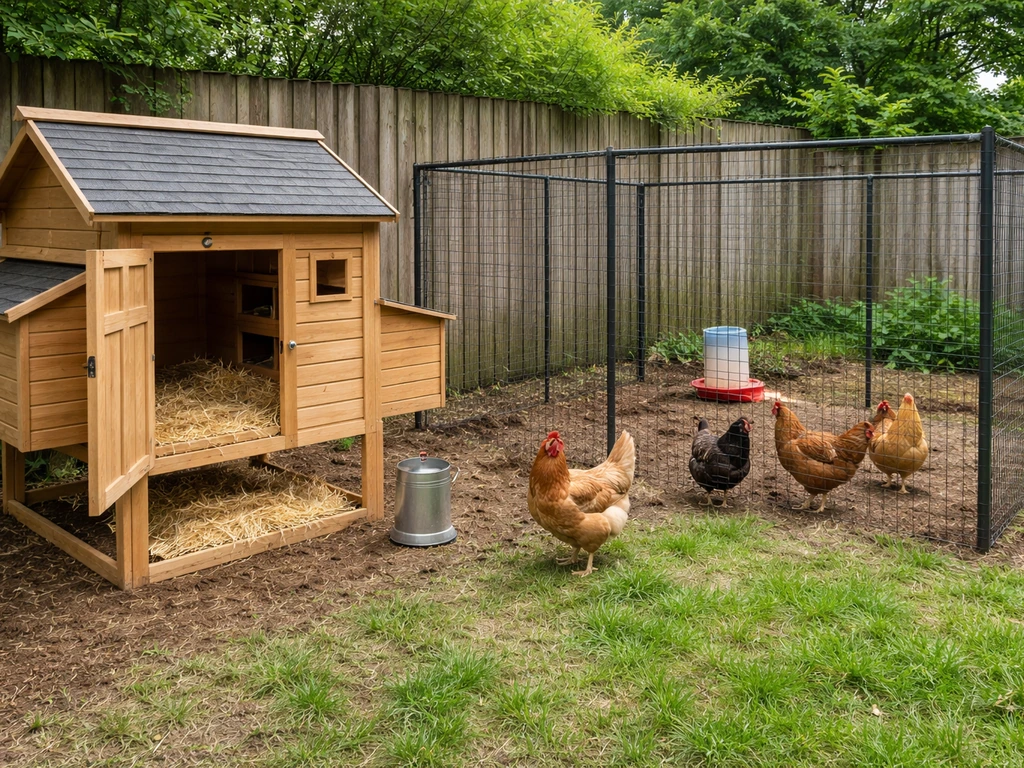
Choosing the right setup for your yard and climate
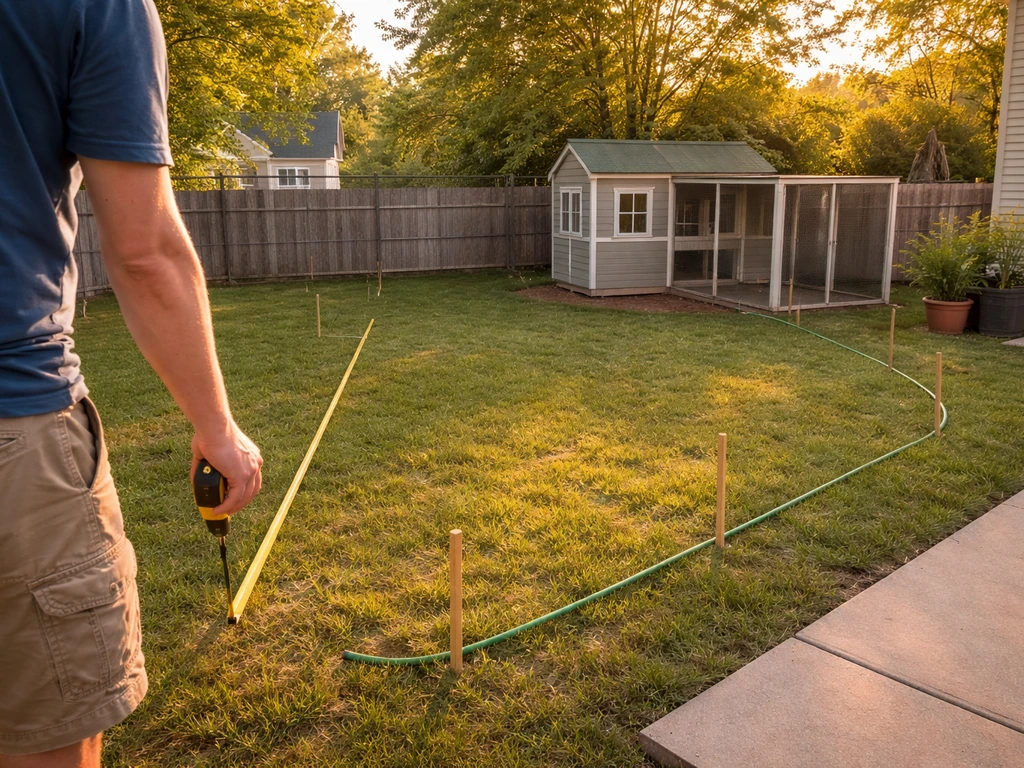
Before you buy a single chick, figure out your constraints. How much space do you actually have? What are your winters like? Are there local ordinances limiting flock size or requiring setbacks from property lines? These three questions shape everything downstream.
A small suburban backyard can comfortably support four to six hens in a well-built coop with an attached run. A half-acre homestead gives you more flexibility, including free-ranging during the day with a secure coop for overnight. For most first-timers, a stationary coop-plus-run setup is the simplest and safest starting point because it contains the birds, makes daily checks easier, and gives you full control over predator protection. Movable tractors (small coops on wheels) work well on larger properties where you want to rotate birds across garden beds, which ties in nicely if you are thinking about what to grow in an old chicken run after birds have worked an area.
Climate matters more than people expect. In cold climates, your coop needs insulation, a way to add supplemental heat during hard freezes, and ventilation that lets moisture escape without creating cold drafts. In hot climates, shade, airflow, and easy access to cool water become the priorities. Do not skip the ventilation planning in either case, because moisture and ammonia buildup are leading causes of respiratory illness in backyard flocks.
Essential supplies and equipment
Here is what you genuinely need before birds arrive, broken down by function.
The coop
Your coop is the shelter where birds sleep and lay eggs. UMN Extension recommends at least 3 to 5 square feet of indoor space per bird for a laying flock. If your birds have no outdoor access at all (a rare situation for backyard keepers), OSU Extension bumps that up to 8 to 10 square feet per bird indoors. Practically speaking, for a flock of four to six hens, you are looking at a coop that is roughly 6 by 6 feet or larger. Raising the coop at least 1 foot off the ground discourages predators and rodents sheltering underneath, which is an easy design win when you are building or buying.
The run
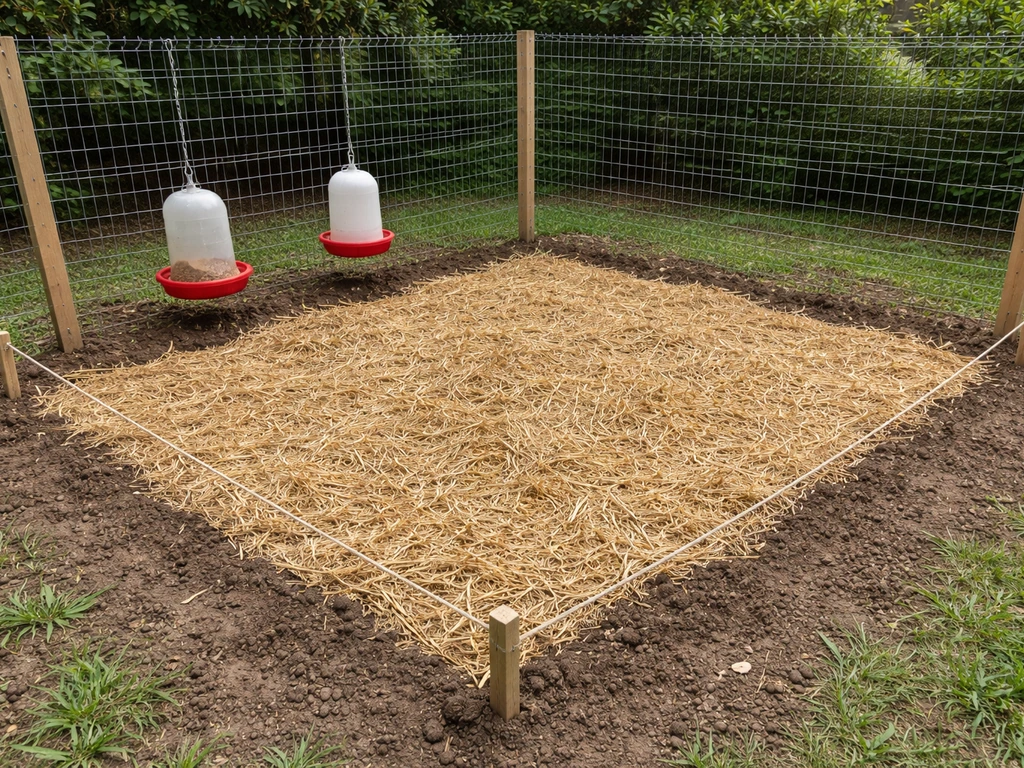
The outdoor run is where birds spend most of their daylight hours. Plan for 8 to 10 square feet per bird in the run. For a flock of six hens, that is a minimum of a 6 by 8 foot run, though bigger is always better. Cover the run with hardware cloth or poultry wire overhead to deter hawks, and line the base or bury the fencing to stop digging predators.
Feeders, waterers, and bedding
Use hanging or elevated feeders and waterers so birds cannot scratch into them, contaminate them with droppings, or tip them over easily. UNH Extension specifically flags this as a hygiene and waste-prevention issue. For bedding, fresh wood shavings 6 to 8 inches deep in the coop floor is the recommended standard. It composts well, controls odor, and is far easier to clean out than straw or hay. Avoid sawdust for chicks since the fine particles can cause respiratory issues in young birds.
Brooder setup for chicks
If you are starting with day-old chicks rather than point-of-lay pullets, you need a brooder for the first six to eight weeks. A brooder is simply a warm, enclosed space. A large cardboard box, a plastic tote, or a purpose-built brooder box works fine. Add a hooded infrared heat lamp positioned to warm one end of the brooder floor while leaving a cooler end where chicks can self-regulate. A brooder guard (a simple cardboard ring or barrier) keeps chicks near the heat source during the first few days. NDSU Extension recommends about half a square foot of brooder space per chick up to six weeks of age, so a brooder for ten chicks needs at least 5 square feet of floor area.
Lighting in cold climates
Hens need roughly 14 hours of light per day to maintain consistent egg production. In winter, supplemental lighting in the coop keeps production from dropping off sharply. A simple timer-controlled low-wattage bulb that extends the light period into early morning is the standard approach. Insulate the coop well and add a heat lamp or low-wattage heater for climates where temps regularly drop below freezing.
Space, housing, and predator protection
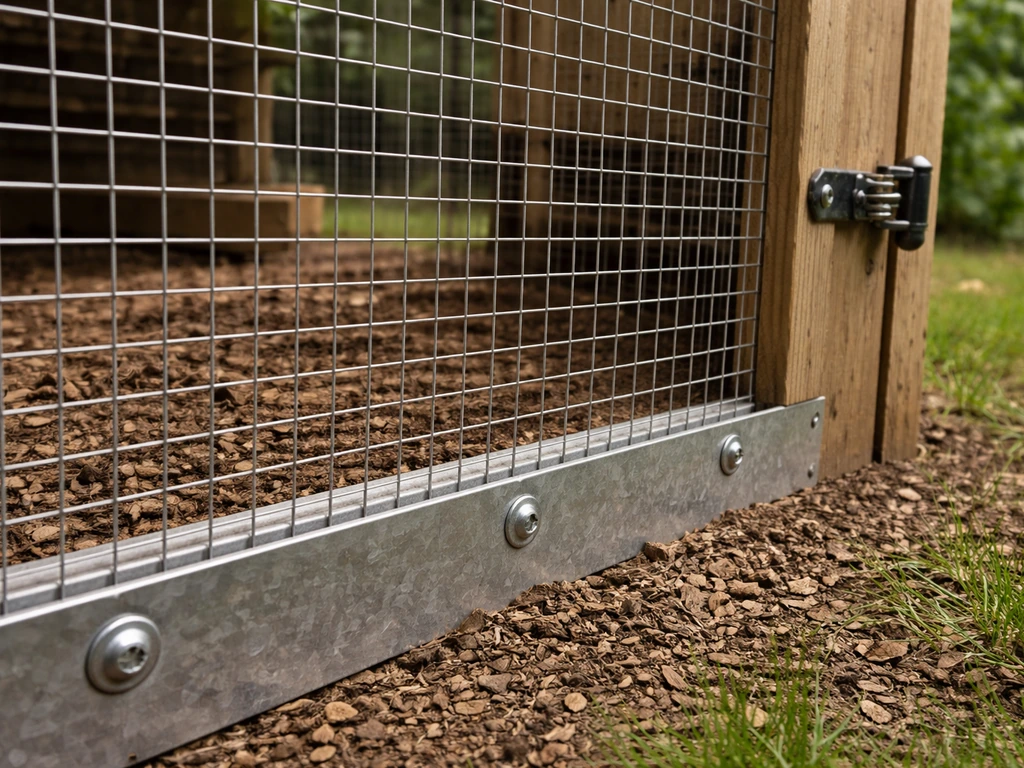
Chickens are prey animals, and predator pressure is constant, day and night. Foxes, raccoons, opossums, weasels, hawks, and neighborhood dogs are all real threats depending on your region. Your coop and run design is your primary defense.
- Use hardware cloth (1x2 inch mesh or smaller) rather than standard chicken wire for the run, because chicken wire keeps chickens in but does not reliably keep predators out
- Bury the fencing apron at least 12 inches underground or bend it outward along the ground surface to stop digging by foxes and raccoons
- Secure the coop door with a latch that requires two steps to open, since raccoons can work simple hooks
- Raise the coop body at least 12 inches off the ground to deny shelter to rodents and smaller predators
- Cover the run overhead with wire or netting to deter hawks and owls
Inside the coop, roosting perches should start at least 12 inches above the floor, with 9 inches of perch space allotted per bird (UMN Extension). The RSPCA benchmark of 15 cm (about 6 inches) minimum per bird is the floor, but giving birds more space reduces nighttime squabbling. Perches should be wide and flat enough for birds to cover their feet with their feathers in cold weather, roughly 2 to 4 inches wide.
For nesting boxes, Penn State Extension recommends at least one 12 by 12 inch nest box per four hens. Place boxes lower than the roosting perches so birds are not tempted to sleep in them (soiled nests lead to dirty eggs). Install a lip at the box entrance to keep bedding in.
Feeding and watering across growth stages
Feed is the single biggest ongoing cost and the most common area where new chicken keepers make mistakes. If you are planning to supplement your flock with home-grown inputs, you may also want to compare this with what to grow to feed pigs for a different livestock feed setup. The biggest mistake is feeding the wrong ration for the age of the bird. If you are wondering about using is gerber grain and grow oatmeal, check whether it is safe and appropriate for your birds' growth stage before feeding it. Layer feed has high calcium levels that are appropriate for laying hens but will damage the kidneys and stunt growth in young birds. Penn State Extension is direct about this: do not feed layer ration to chicks or growing pullets. Penn State Extension also lays out specific protein targets by age, including 18, 20% starter for the first 6, 8 weeks and 16, 18% layer ration after 18 weeks Penn State Extension recommends protein targets by age: 18–20% protein starter for first 6–8 weeks, then 14–15% protein grower/developer to 18 weeks, and 16–18% protein layer ration after 18 weeks.
| Life Stage | Age | Feed Type | Protein Target |
|---|---|---|---|
| Chicks | 0 to 6-8 weeks | Chick starter (crumble) | 18-20% protein |
| Pullets (growers) | 6-8 weeks to 18 weeks | Grower/developer | 14-15% protein |
| Laying hens | 18 weeks and beyond | Layer ration | 16-18% protein, ~4% calcium |
Grit and calcium are two separate things and both matter. Insoluble grit (small stones) helps birds grind and digest whole grains and scratch; provide it free-choice whenever birds get anything other than commercial mash or pellets. UMN Extension recommends keeping grit available through winter when foraging stops. Calcium (oyster shell or limestone) is for eggshell formation and is needed by laying hens; offer it in a separate dish so hens can self-regulate intake rather than mixing it into the main feed. UMD Extension is clear: grit supports digestion, calcium supports eggshells. Do not conflate them.
Treats and kitchen scraps are fine in moderation, but they should never make up more than about 10 percent of the diet or you dilute the nutritional balance of the main ration. Greens, mealworms, and small amounts of scratch grain are popular and harmless in small quantities. If you are also growing your own feed inputs, the topic of what to feed chickens to grow faster covers some useful ground on protein supplements and home-grown options. If you are trying to grow chickens faster, the right feeding approach for their age, plus adequate protein and energy from appropriate rations, matters more than most supplements what to feed chickens to grow faster. If you want to feed oats, you can also plan how you will feed oats grow by choosing the right grains and timing harvest for your flock feed inputs.
Water is non-negotiable. Hens drink a surprising amount, somewhere between half a liter and a full liter per day each, more in hot weather or when laying heavily. Keep waterers clean, scrubbing them at least weekly, and check them daily. In freezing climates, use a heated waterer base to prevent ice-over. Birds that run out of water even for a few hours can experience a noticeable dip in egg production.
Health, biosecurity, and day-to-day care
Daily care is not complicated, but it has to be consistent. Birds that are not checked daily can go from sick to dead surprisingly fast. A good daily routine takes ten to fifteen minutes once you are set up.
- Open the coop in the morning, observe birds as they come out: normal birds run toward food, look alert, and hold their heads up
- Fill or top up feeders and refresh waterers
- Collect eggs once or twice a day to keep nests clean and discourage egg eating
- Do a quick visual sweep of the run fencing for any signs of digging or damage
- Close and secure the coop at dusk when birds have returned to roost
Weekly and monthly tasks include cleaning out wet or soiled bedding (spot-clean daily if needed, full clean every one to two weeks depending on flock size), checking birds for external parasites, and inspecting the coop for moisture or ammonia smell. If the coop smells strongly of ammonia when you open it, ventilation is insufficient. Good ventilation means openings high on the walls that allow moist air to escape without creating a direct draft on roosting birds.
Parasites to watch for
External parasites, particularly northern fowl mites and red (roost) mites, are among the most common problems in backyard flocks. Northern fowl mites live on the bird; red mites hide in cracks in the coop during the day and feed on birds at night. Check birds by parting feathers near the vent and under wings. Check the coop joints and perch ends after dark with a flashlight for red mites. Providing a dust bath area with dry soil or sand mixed with food-grade diatomaceous earth gives birds a natural way to suppress mite and lice populations. OSU Extension and University of Delaware both support dust baths with diatomaceous earth as part of a parasite management routine.
Biosecurity basics
Biosecurity sounds formal but it really comes down to a few habits. Any new birds you bring home should be quarantined from your existing flock for at least 14 to 30 days before integration. Ontario provincial guidance recommends two to four weeks; Iowa HHS biosecurity guidance uses 14 days as the minimum. During quarantine, watch for sneezing, discharge from eyes or nostrils, lethargy, or unusual droppings. Clean your footwear before and after visiting any other flock. Do not share equipment between flocks without washing it. If you take birds to shows or exhibitions, discuss Newcastle disease vaccination with a vet, as the Merck Veterinary Manual notes it may be recommended depending on your region and exposure risk.
What to expect: egg production and growth milestones
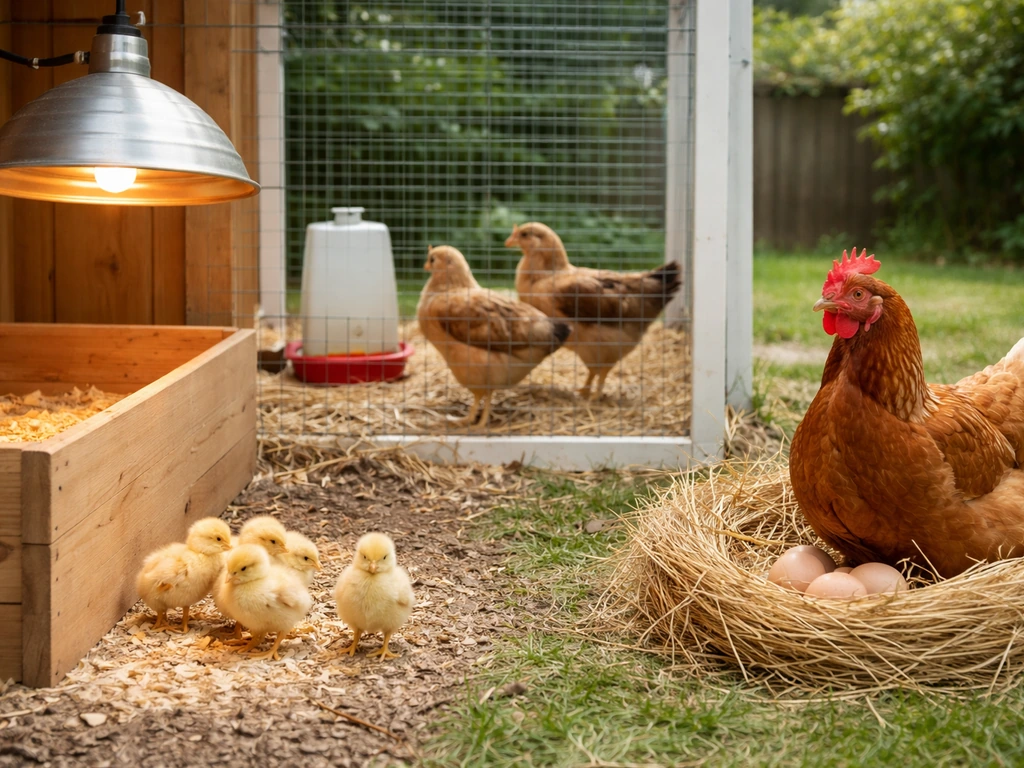
If you start with day-old chicks, here is a realistic timeline of what to expect in the first year.
| Milestone | Approximate Timeline |
|---|---|
| Chicks arrive (day-old) | Week 1 |
| Brooder phase ends, move to coop/run | Weeks 6-8 |
| Pullets fully feathered, grower feed continues | Weeks 8-18 |
| First eggs expected | Weeks 18-20 |
| Peak production begins | Months 6-12 |
| First molt, temporary pause in laying | Around 12-18 months |
OSU Extension puts first laying at 18 to 20 weeks for most common breeds, though some heritage breeds run later (22 to 24 weeks). Once laying begins, expect roughly six eggs per hen per week from a healthy flock at peak production. Production naturally drops in autumn and winter as daylight shortens, which is why supplemental lighting matters if year-round eggs are the goal. Hens also stop laying during their annual molt, which typically lasts four to eight weeks.
Collect eggs at least once a day, twice if weather is hot or cold enough to damage eggs. UNH Extension recommends keeping nest bedding clean and dry to reduce soiling. It is generally best not to wash eggs unless visibly dirty, because washing removes the natural bloom (a protective coating). If you do wash them, refrigerate immediately afterward.
Realistic budget: startup and ongoing costs
Chickens are not free food. The first year is always the most expensive, and being honest with yourself about costs upfront saves a lot of frustration later.
| Cost Category | Typical Range | Notes |
|---|---|---|
| Coop (purchased or built) | $300-$1,500+ | DIY builds can cut this significantly; kit coops vary widely in quality |
| Run fencing | $150-$400 | Hardware cloth costs more than chicken wire but is worth it for predator protection |
| Feeders and waterers | $30-$80 | Buy quality; cheap waterers crack and leak |
| Brooder setup (heat lamp, guard, container) | $30-$60 | One-time cost if starting with chicks |
| Chicks or pullets | $5-$25 per bird | Point-of-lay pullets cost more upfront but skip the brooder phase |
| Starter/grower feed (first 18 weeks) | $40-$80 | Depends on flock size and feed brand |
| Bedding (first year) | $50-$100 | Wood shavings in bags or bulk; bulk is cheaper per volume |
| Ongoing feed (per 6 hens, per month) | $20-$40 | Layer ration once hens start laying |
| Miscellaneous (grit, oyster shell, supplements) | $15-$30/year | Relatively minor ongoing cost |
Total first-year costs for a small flock of four to six hens typically land somewhere between $600 and $1,800 depending on whether you build or buy the coop and how much you DIY. After year one, ongoing costs drop substantially to feed, bedding, and the occasional equipment replacement. The break-even on eggs versus buying from a store depends heavily on what you already have (land, tools, time), your feed costs, and how many eggs your flock produces. Many people find the math works out reasonably close to store prices for premium eggs, while also getting far better quality and the knowledge of exactly how their food was raised.
When budgeting, prioritize in this order: get the housing and predator protection right first, because a raccoon-accessible coop will cost you birds fast. Then get feeders and waterers that actually work. Everything else, including fancy feeders, automatic doors, and elaborate breed selections, can come later once you have the basics nailed and know whether chickens are a good fit for your setup.
FAQ
I have space for a coop, do I still need a run? Or can I let chickens free-range all day?
If you already have a coop but it does not have an attached, predator-proof run, you still need to add the outdoor enclosure. Many beginner setups fail because birds have shelter but not secure daylight housing, so plan for a fenced run with overhead hawk protection and buried or reinforced base for digging predators.
What if my coop or run is smaller than the recommended space, can I make it work? (
Plan for more than the minimum square footage if you expect overcrowding during storms or winter. When birds cannot use the run for a few days, they rely on indoor space and clean bedding to stay healthy, so under-sizing the coop or run often shows up as wet litter and respiratory issues later.
How do I know when to switch feed, what if I buy pullets instead of day-old chicks?
No, “starter then layer” depends on the exact stage you start with. If you buy pullets that are already close to laying, they may transition from grower to layer sooner, but chicks should never be on layer ration. The safest move is to confirm each feed label is matched to your birds age and weight range before switching.
Should I give grit and calcium to all chickens, or only certain ones?
You need something for chickens that can digest grit only if you are giving whole grains. If you feed a complete pellet or mash and no scratch grains, grit needs can be lower, but calcium for eggshells is still separate for laying hens. Keep grit and calcium in different dishes so birds self-regulate instead of getting one when they need the other.
Can I replace store feed with kitchen scraps and garden leftovers once I start raising chickens?
If you use homemade kitchen scraps, you still need to ensure the 10 percent rule and avoid foods that can disrupt nutrition or digestion. A practical approach is to treat scraps as add-ons, not meals, and always keep the age-appropriate ration as the base they can eat freely.
What do I need for chicken water in freezing weather, and how do I prevent ice?
At minimum, provide a heated base or a properly insulated water system for freezing areas. Egg production can stall if hens cannot drink consistently, so use a waterer designed for winter or check more frequently during cold snaps to prevent ice-over.
Can I use a heat lamp instead of focusing on ventilation in winter?
Yes, but only if you can manage humidity. In cold climates, you want insulation and ventilation that moves moist air out without blowing cold directly on roosting birds, so avoid sealed coops with heat lamps. A common mistake is adding heat without maintaining fresh airflow, which raises ammonia levels.
Why are my eggs dirty, and how do I stop hens from sleeping in the nesting boxes?
Don’t place nesting boxes where birds sleep, and avoid putting them right next to warm roosting areas. If nesting boxes are higher than the roost or too tempting, hens will roost in them, soiled bedding increases dirty eggs and parasites, and egg collection becomes harder.
What should I do during quarantine beyond watching for obvious illness?
If you quarantine new birds, do not share equipment, and also avoid moving between flocks in the same clothes or boots without cleaning. A practical edge case is when you handle your existing flock first, then the new birds, you still need a strict workflow so pathogens do not ride along on hands, tools, or bedding.
How often should I collect eggs in summer versus winter, and do I ever need to wash them?
You should have a simple plan for egg handling temperature and timing. In hot or very cold weather, collect twice daily, keep nest bedding clean, and refrigerate washed eggs right away, eggs should be collected at least once daily even if you miss a day occasionally.
Do dust baths with diatomaceous earth replace regular parasite checks?
Dust baths help with mites and lice, but you still need to inspect birds and the coop on a schedule. A helpful routine is to check birds more frequently during warmer months when mites tend to build, and to inspect coop joints and perch ends after dark with a flashlight.
Next Article
What to Feed Chickens to Grow Faster: Step-by-Step Guide
Learn what to feed chickens by growth stage, optimize protein and energy, avoid unsafe additives, and grow healthy faste