Yes, feed oats can absolutely grow, but whether yours will depends on how they were processed and stored. Untreated, whole feed oats that were kept dry and cool will sprout just fine. The ones to worry about are oats that were heat-processed (pelleted or steam-rolled), badly stored in wet conditions, or old enough that the germ has died off. Run a quick germination test first, and you'll know exactly what you're working with before you commit a whole bed to them.
Will Feed Oats Grow? How to Test and Grow Them Successfully

Marcus Hendrick
28 Apr 2026
What 'feed oats' actually means (and why it matters for sprouting)
When you buy oats labeled as 'feed oats' or 'feed-grade oats,' you're buying grain that's been graded and sold for livestock consumption rather than human food or certified planting seed. That distinction doesn't automatically mean they won't grow, it just means nobody is guaranteeing germination rates. The grain is graded on factors like moisture damage, mold, heat damage, insect damage, sprouted kernels, and fusarium (a mold), and some of those damage types are exactly what kills the germ (the living embryo inside each kernel).
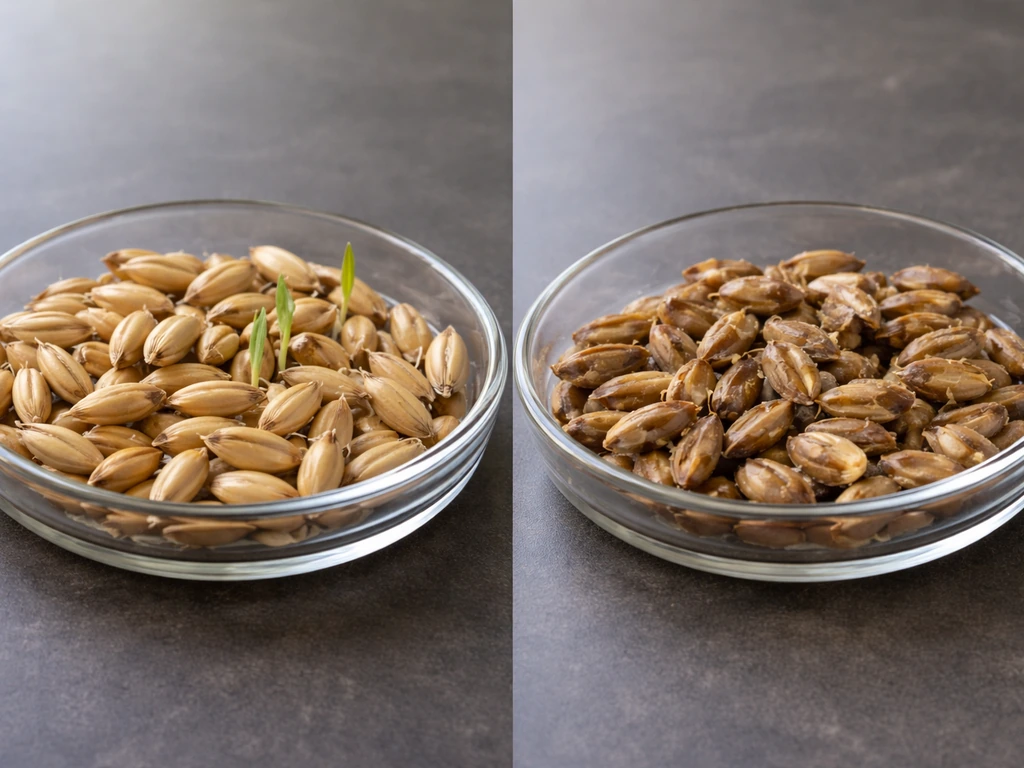
The germ is everything when it comes to germination. Heat is the main killer: if oats have been pelleted or steam-rolled for animal feed, the heat used in processing destroys the germ and those kernels will never sprout, no matter how carefully you plant them. If you're buying whole, cracked, or rolled oats from a feed store, check whether they're described as 'whole oats,' 'crimped,' or 'rolled.' Whole oats have the best shot. Crimped is borderline. Steam-rolled or pelleted oats are dead from a planting perspective.
Poor storage is the other big germination killer. Feed oats that got wet, overheated in a hot bin, or sat around for a long time can lose viability before they ever reach you. Low moisture and cool temperatures preserve oat seed viability over time, warm, damp storage is the opposite of that, and it accelerates germ death through mold and respiration damage. This is why 'feed oats' is a bit of a wildcard: you don't always know exactly how they were stored or handled before purchase.
Test your feed oats before you plant a thing
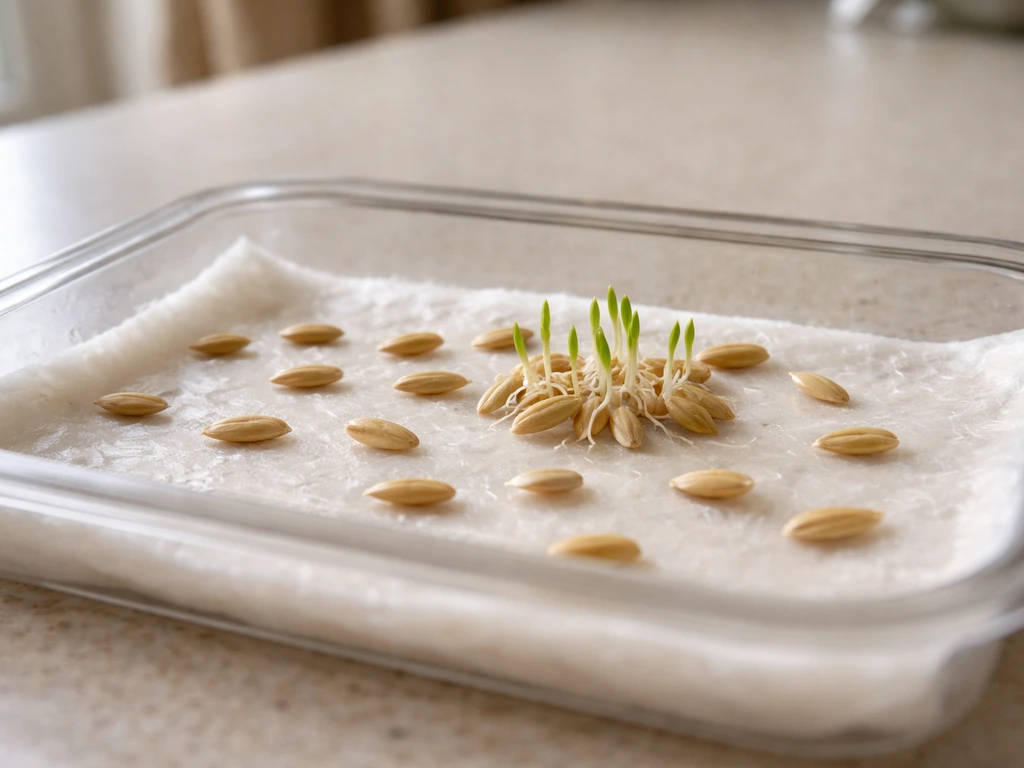
Don't skip this step. A home germination test takes about a week, costs you nothing, and tells you whether your bag of feed oats is worth planting or whether you need to find a different source. If seed quality is uncertain, the wet paper towel germination test can help you check germination under controlled moisture and temperature conditions. Here's how to do it:
- Count out exactly 10 or 20 oat kernels from your bag — more seeds gives you a better estimate, but 10 is fine for a quick check.
- Dampen a paper towel until it's moist but not dripping, then lay the seeds in a row on one half of it.
- Fold the other half of the towel over the seeds to cover them, then place the whole thing in a zip-lock bag or wrap it loosely in plastic to hold moisture.
- Keep it somewhere warm — around 65 to 70°F is ideal. Check it daily and re-moisten if it starts to dry out.
- After 5 to 7 days, count the seeds that have a shoot longer than about 1.5 inches and at least one visible root. Those are your viable ones. If some kernels are swollen and just starting, give them another 3 to 4 days before writing them off.
- Divide your viable count by the total seeds tested and multiply by 100. That's your germination percentage.
If you get 80% or higher, your feed oats are in good shape and you can plant at normal seeding rates. If you're getting 50 to 70%, they'll still grow but you should plant more densely to compensate. Below 50%, I'd honestly look for a different bag or a different source, you're fighting an uphill battle. One thing to keep in mind: a home germination test shows you what happens under ideal, controlled conditions. Real field performance, what seed scientists call 'vigor', can be lower than that, especially if your soil is cold, dry, or compacted at planting time.
When and where to plant oats
Oats are a cool-season crop, which means they want cooler temperatures to germinate and establish. They don't like summer heat, and they'll struggle to grow in it. You have two main planting windows depending on where you live: early spring (as soon as the ground thaws and can be worked) or late summer into early fall (for a fall cover crop that may or may not winter-kill depending on your climate).
For spring planting, the mid-April to early May window works well for most of the northern US and similar climates. Pennsylvania extension guidelines put the spring oat window at roughly April 15 through May 10. Planting late increases the risk of heat stress cutting your season short before the grain matures.
For fall planting as a cover crop, timing is everything: you want at least 6 to 10 weeks of cool growing weather before either a killing frost ends the season or you till them in. Oats will survive light frosts but are generally killed by temperatures below 27°F, which makes them a 'winter-kill cover crop' in most of zones 5 and colder, they die over winter and leave residue you can work into the soil in spring.
Oats grow in a wide range of climates but genuinely thrive in the northern US, Canada, the UK, and similar cool, moderately moist regions. They're less suited to the deep South or anywhere with long, hot summers. If you're in the Pacific Northwest, the Upper Midwest, or New England, oats are a natural fit. If you're in the Southwest or Southeast, focus your planting on the coolest windows of the year or look into more heat-tolerant grain options.
Soil prep, seeding depth, and spacing
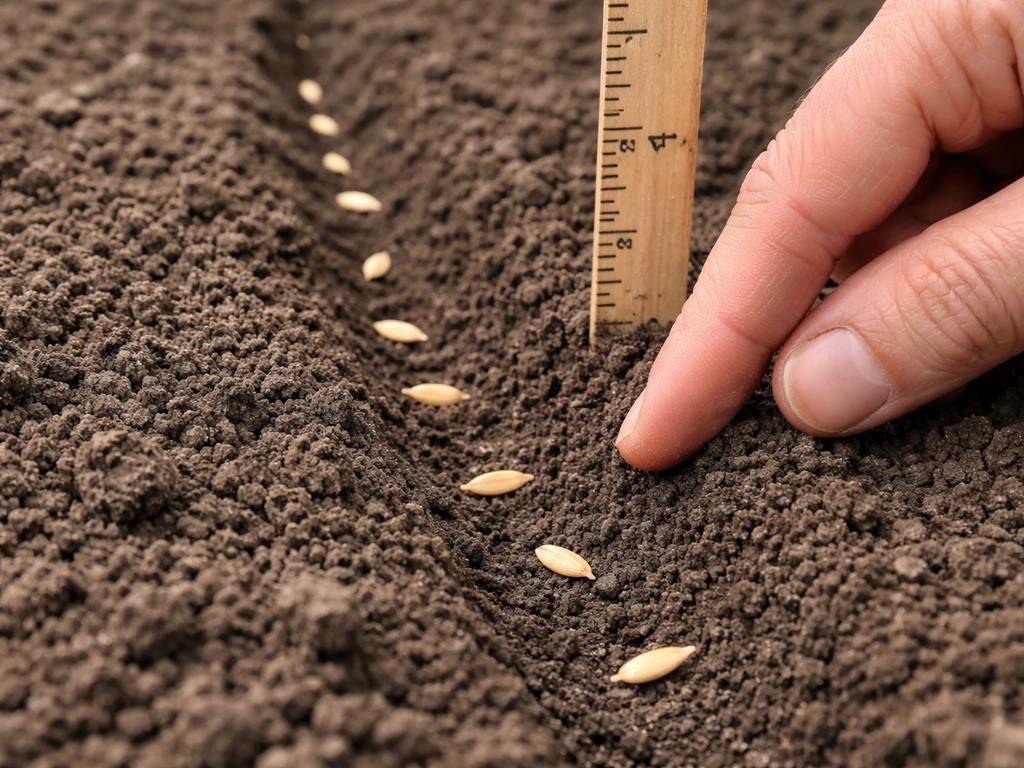
Oats aren't demanding, but they do want decent soil contact to germinate well. For a home garden or small plot, loosen the top few inches of soil, rake out any big clumps, and get a reasonably smooth seedbed. You don't need perfect tilth, but you don't want a lumpy, airy surface where seeds get lost in air pockets.
Seeding depth should be 0.5 to 1 inch deep, right in that range. An inch to an inch and a half works if you're using a grain drill on a larger plot, as Cornell's small grains guidance suggests. Don't go deeper than 1.5 inches; oat seedlings don't have the energy to push through heavy soil from too deep. For a small garden bed, you can simply rake the surface, broadcast the seeds, rake them in lightly, and firm the soil with the back of your rake or your foot.
For seeding rate, commercial recommendations run about 2 to 3 bushels per acre (roughly 64 to 96 lbs/acre) when drilling. For a home gardener broadcasting by hand, a practical approach is to aim for seeds roughly every 2 to 3 inches in all directions, that's a fairly dense stand, which oats handle well and which helps them outcompete weeds. If your germination test came back low, bump up the rate to compensate.
Water after seeding if rain isn't coming within a day or two. Oats need moisture to germinate, and a dry seedbed after planting is a common reason for uneven emergence. Once sprouted, they're fairly resilient, but the window between seeding and first true leaf is when consistent soil moisture matters most.
What to watch for as your oats grow
Weeds
Oats planted early in the spring window actually suppress weeds pretty effectively once they get growing, research from SARE shows earlier-planted oats produce significantly less weed biomass than late-planted oats. Your main window of vulnerability is the first 2 to 3 weeks after seeding, before the oat canopy closes. Staying on top of any obvious weed pressure early pays off. Oats planted thickly at the right time basically do the rest of the work themselves.
Crown rust (the main disease to know)
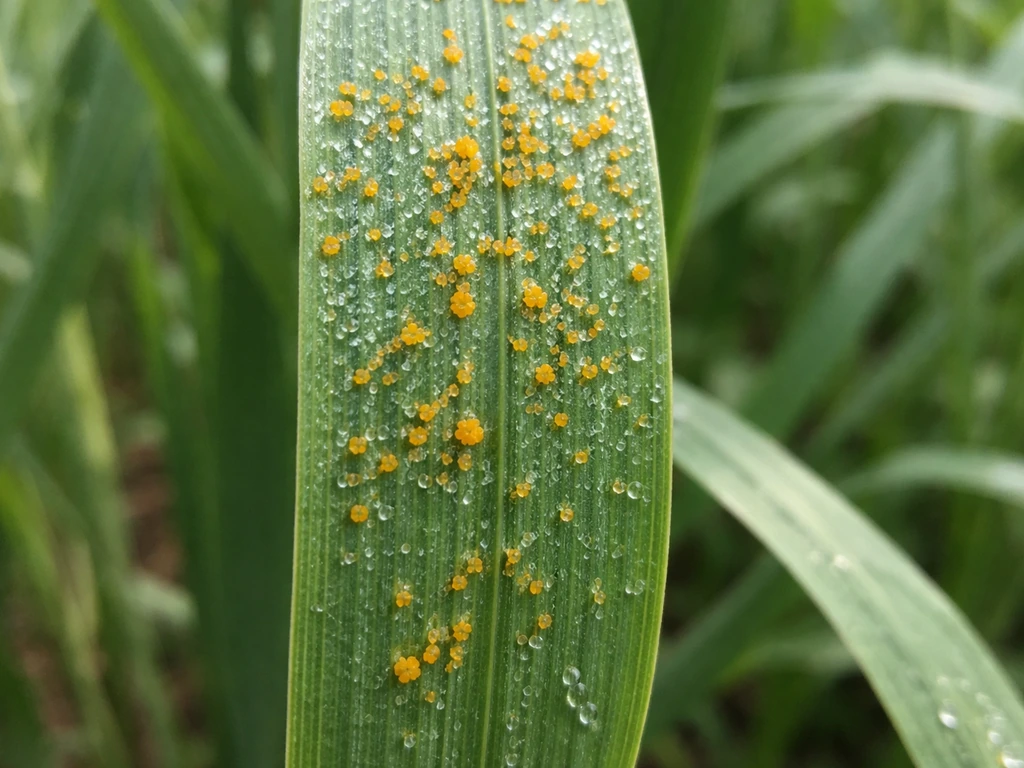
Crown rust is the most common and damaging disease you'll see on oats. It shows up as small orange-yellow pustules on the leaves, especially the flag leaf (the topmost leaf, which is critical for feeding the grain). Heavy crown rust infection reduces photosynthesis and interferes with sugar transport to the developing grain, which means lighter kernels and lower yields. For a home grower, there's not a lot you can do once it's established beyond noting it for next year and choosing rust-resistant varieties if it's a recurring problem. It's more of a concern if you're growing for grain harvest than for a quick cover crop.
Armyworms and other pests
Armyworms can be a real problem in oats, particularly near heading time when they feed on the developing grain heads. Watch for chewed-off heads or ragged leaf damage appearing suddenly across a patch. In a home garden setting, populations are rarely large enough to wipe out a planting, but it's worth checking your stand after any warm, wet spring nights when armyworm activity peaks.
Lodging
Lodging means the oat plants fall over, usually from wind or rain when they're tall and heavy at heading. Overly rich nitrogen soil can make stems too tall and weak. If you're growing on heavily amended garden beds, oats can be more prone to lodging than in a field setting. It doesn't kill the crop but makes harvest messier. Planting at the right density (not too thick) and avoiding excessive nitrogen helps.
Grain harvest vs. cover crop: what success looks like for each goal
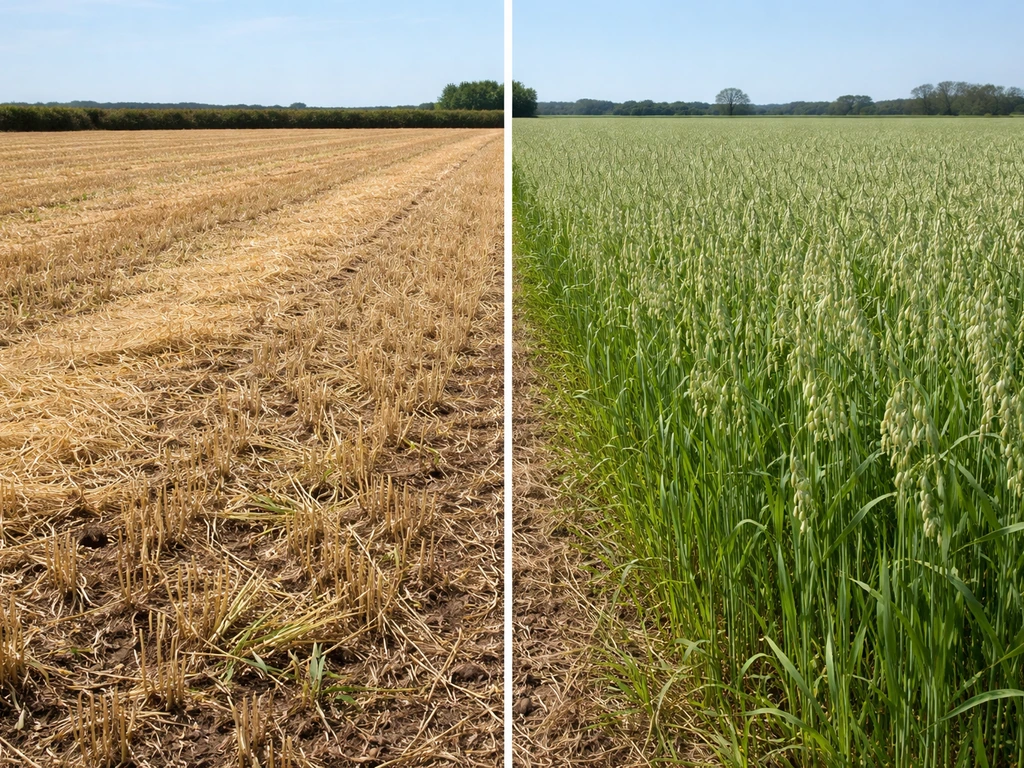
This is where your end goal matters. If you planted feed oats as a cover crop or for biomass, your job is simple: let them grow for 6 to 10 weeks, then till them in, mow them down, or let them winter-kill. At around 75 days from planting (roughly when grain is in the milk stage), you'll have a solid amount of green biomass. That material adds organic matter to your soil and suppresses weeds.
If you're also growing other animals on your property, and thinking about what to grow to feed pigs or supplement chicken feed, oats in the vegetative or early grain stage are highly palatable and nutritious. If you want to plan beyond oats, deciding what to grow to feed pigs based on your local resources can help you keep feed costs down.
If you want to grow chickens faster, you can also focus on what to feed them to support rapid growth what to grow to feed pigs or supplement chicken feed. If your goal is to raise chickens, pairing oats with the right chicken feed and pasture plan can support steadier growth grow chickens.
If you're growing for grain harvest, you're looking at a longer timeline of roughly 100 to 120 days from spring planting to grain maturity, depending on your climate and variety. You want to harvest when the kernels are firm and dry (dough stage to hard dough stage), the plant has turned golden, and most of the grain is mature. For small home plots, cutting the stalks and hanging them to dry in bundles, then threshing by hand or with a simple flail, is totally workable.
Once you've harvested grain, storage moisture matters a lot. Oat grain needs to be dried down to at least blank" rel="noopener noreferrer">14% moisture before putting it in storage, and to 12% for anything longer term. Grain stored too wet will mold, heat, and lose viability fast, which is exactly the problem that makes some bags of feed oats worthless for planting in the first place. If you want to save some of your own harvest as seed for next year, dry it well, store it in a cool and dry location, and you'll have seed with known germination history.
| Goal | When to 'harvest' | What you're after | Timeline from planting |
|---|---|---|---|
| Cover crop / biomass | Before or just after first hard frost (fall planting) or at 6–10 weeks (spring) | Green material tilled in; weed suppression; soil organic matter | 6–10 weeks |
| Forage / animal feed | Around 75 days; milk to soft dough stage | Leafy biomass + early grain; high palatability | ~75 days |
| Grain harvest | Dough to hard-dough stage; plant golden and dry | Mature kernels for food, seed saving, or animal feed | 100–120 days |
Troubleshooting: why your feed oats aren't sprouting (and what to try next)
If you planted feed oats and nothing came up, or the germination was spotty, here are the most likely reasons and what to do about each one. If you’re wondering specifically whether gerber grain and grow oatmeal is safe to use as feed for growing oats, it’s worth checking how it was processed and whether any preservatives or heat treatment could prevent germination feed oats. If you are repurposing an old chicken run, oats can be one option among several overwintering and soil-building crops.
- The oats were heat-processed: If you bought crimped, steam-rolled, or pelleted oats, the heat used in processing killed the germ. There's no fixing this — those kernels will never sprout. Buy whole oats next time and confirm with a germination test before planting.
- Moisture damage in storage: Feed oats that got wet during storage develop mold that kills the germ. If your test seeds turned mushy, slimy, or fuzzy rather than sprouting, this is likely your problem. Source oats from a different supplier or a higher-turnover store.
- Planted too deep or soil crust formed: Oats planted deeper than 1.5 inches, or in heavy soils that form a hard crust after rain, struggle to emerge. Try shallower planting (0.5 to 1 inch) and if crust is a recurring issue, scratch the surface gently after a rain event to break it up.
- Soil was too dry after planting: Oats need consistent moisture to germinate. If you seeded into dry soil and didn't get rain within a few days, germination will be delayed or uneven. Water after seeding if the forecast doesn't help you out.
- Planted in the wrong season: Oats seeded in hot summer soil will germinate poorly and grow poorly. If it's above 80°F consistently, wait for fall or plan for next spring.
- Old or low-vigor seed: Even if a germination test shows 70%, low-vigor oats will perform worse in actual field conditions than that number suggests. If your field emergence is noticeably lower than your test result, low vigor is the likely culprit. Increasing your seeding rate by 20 to 30% can partially compensate.
- What to do next: Run a germination test before replanting, source whole (not processed) oats from a feed store with high turnover, and replant into a prepared seedbed at the right depth with a watering plan in place. If you've had consistent failure with feed oats, certified seed oats from a farm supply or seed company give you known germination rates and are worth the modest extra cost.
FAQ
Can I plant rolled or quick oats from the grocery store and will feed oats grow from them?
Usually no. Many grocery oats are heat-treated for stability and texture, and that processing can destroy the embryo, so they will not sprout reliably. Feed oats are different because they’re generally whole or minimally processed grains, but store-bought “quick” oats are the most common failure point.
What should I do if my germination test is around 60% but I already prepared the bed?
You can still proceed, but increase seeding density and make sure soil contact is strong. Aim for the higher end of your spacing guidance, and prioritize even moisture during the first 2 to 3 weeks, since uneven emergence becomes harder to correct later.
How do I tell if my feed oats are heat-processed if the bag doesn’t clearly say whole, crimped, or rolled?
Look for clues like “pelleted,” “steam-rolled,” or “crimped” on the label. If it’s unlabeled, check kernel appearance, very uniform flattened kernels usually indicate processing, and mixed batches or whole kernels generally have better odds. When in doubt, rely on your germination test.
Will feed oats grow in containers or raised beds, and how deep should the soil be?
Yes, but soil depth matters. Keep at least 8 to 12 inches of usable depth for roots and moisture buffering, and avoid thick air pockets by raking and lightly firming the surface before seeding. Containers also dry faster, so plan for earlier watering if rain delays.
Can I save oats from my harvest as seed for next year if I bought feed oats?
Yes, if you harvest mature grain and dry it properly, but expect variable germination based on what you started with. Dry to about 14% moisture for near-term storage and closer to 12% for longer storage, then keep grain cool and dry so the embryo stays viable.
Is it safe to plant feed oats if they were treated with fungicides or other chemicals?
It depends on what was applied and at what rate. If the bag indicates any seed treatment or contamination risk, do not assume it’s harmless. For food-chain use (for animals or people), prefer untreated sources, and if unsure, use germination testing plus visual inspection for abnormal residue or discoloration.
Why did my oats germinate unevenly even though my bag tested above 50%?
Common causes are poor seed-soil contact (seeds left on a lumpy surface), dry crusting after seeding, or inconsistent moisture across the bed. Rake to smooth the surface, seed at the correct depth range, and water if you don’t get rainfall within a day or two.
If it’s too late for spring planting, can I still get oats to establish before cold weather?
Often yes, but you need enough cool-weather time to form a solid stand. For fall planting, plan for roughly 6 to 10 weeks before a killing frost ends growth, and remember oats will usually winter-kill in colder zones, which affects whether you till them in or manage residue.
Do oats need fertilizer, or will they grow without it if I use feed oats?
They grow with minimal inputs, but in many soils they benefit from at least a modest nitrogen plan, especially if you want strong biomass. Be careful with heavy nitrogen, since it can increase lodging risk, particularly in small garden beds with rich amendments.
When should I worry about lodging, and what’s the fastest prevention step?
Lodging is most likely when stems get tall and weak, often from excess nitrogen or overly rich, amended soils. The quickest prevention is avoiding over-fertilizing and using appropriate seeding density, then resisting the urge to add extra nitrogen late in the season.
Can crown rust or armyworms wipe out my planting, and should I treat them?
In home plots, neither issue is guaranteed to be catastrophic, but both can reduce yield or quality. Crown rust usually matters more for grain production than quick cover, and armyworms are most concerning near heading. If pressure is light, management is often monitoring and planning for resistant varieties next year.
My oats came up, but the leaves look pale, and growth is slow. What’s the first thing to check?
Check temperature and soil moisture first. Oats are cool-season plants, but very cold or water-stressed conditions can slow establishment. Also verify planting depth and density, since overly deep seeding or uneven spacing can lead to stunted patches.
Next Article
How Do Farmers Grow Food Around the World: Methods and Tips
Learn how farmers grow food worldwide: soil, water, crops, pests, harvest, and how to scale it for home gardens.