Farmers grow GMO crops primarily because they expect to lose less of their harvest, spend less money fighting weeds and insects, and manage risk better across an unpredictable growing season. The two dominant traits in commercial use are herbicide tolerance (HT) and insect resistance (Bt), and each one solves a specific, expensive problem at the farm scale. A large meta-analysis found that GM crop adoption globally reduced chemical pesticide use by 37%, increased yields by 22%, and boosted farmer profits by 68% on average. Those numbers don't apply uniformly to every farm, but they explain why adoption keeps climbing.
Why Do Farmers Grow GMO Crops Explained Simply

Marcus Hendrick
11 Jun 2026
The big-picture reasons farmers adopt GMO crops
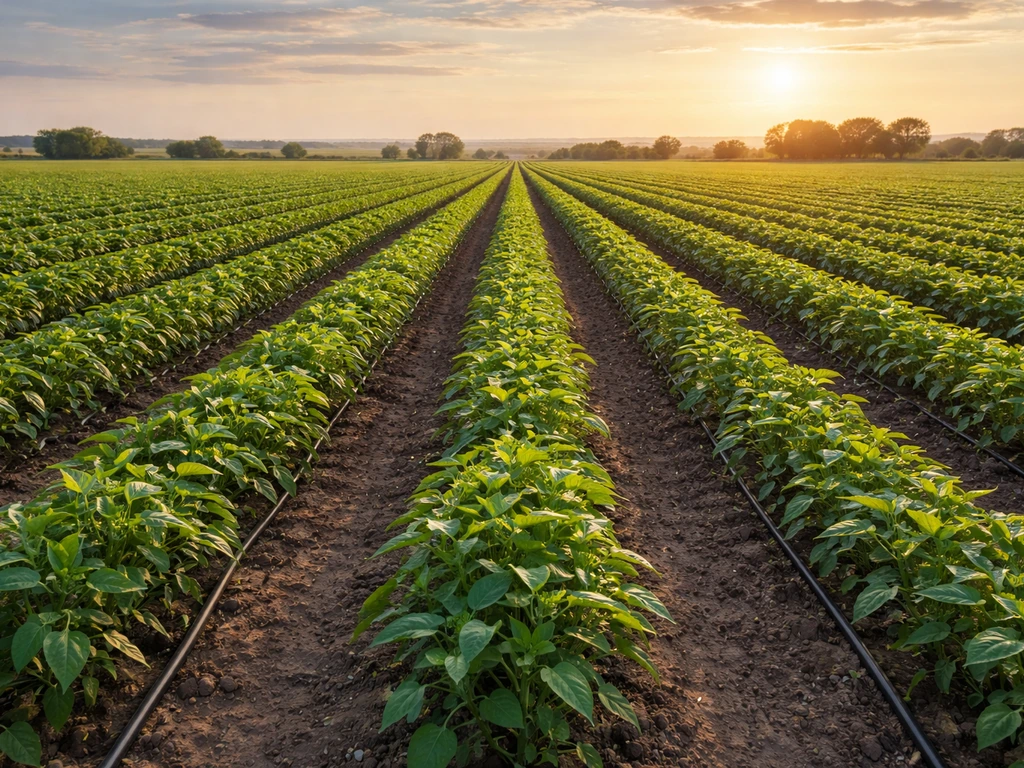
At its core, GMO adoption is a risk management decision. Farming is an industry where a single bad season, a resistant pest, or a weed that shades out your crop can wipe out a year's income. The FDA frames it plainly: most U.S. GMO crops were developed to prevent crop and food loss and to give farmers better control over weeds. That's not a PR message, it's the actual engineering brief. The traits that dominate the market, herbicide tolerance and insect resistance via Bt proteins, address the two most consistent threats to yield: uncontrolled weed competition and insect damage.
The USDA tracks adoption through its Agricultural Resource Management Survey, asking farmers directly whether they planted herbicide-tolerant-only seed, insect-resistant-only seed, or stacked-gene varieties that carry both traits. Stacked varieties have grown in popularity because they let farmers handle multiple threats with a single seed choice. That simplification matters a lot when you're managing hundreds or thousands of acres with a small crew.
Economic benefits: yield, input costs, and risk
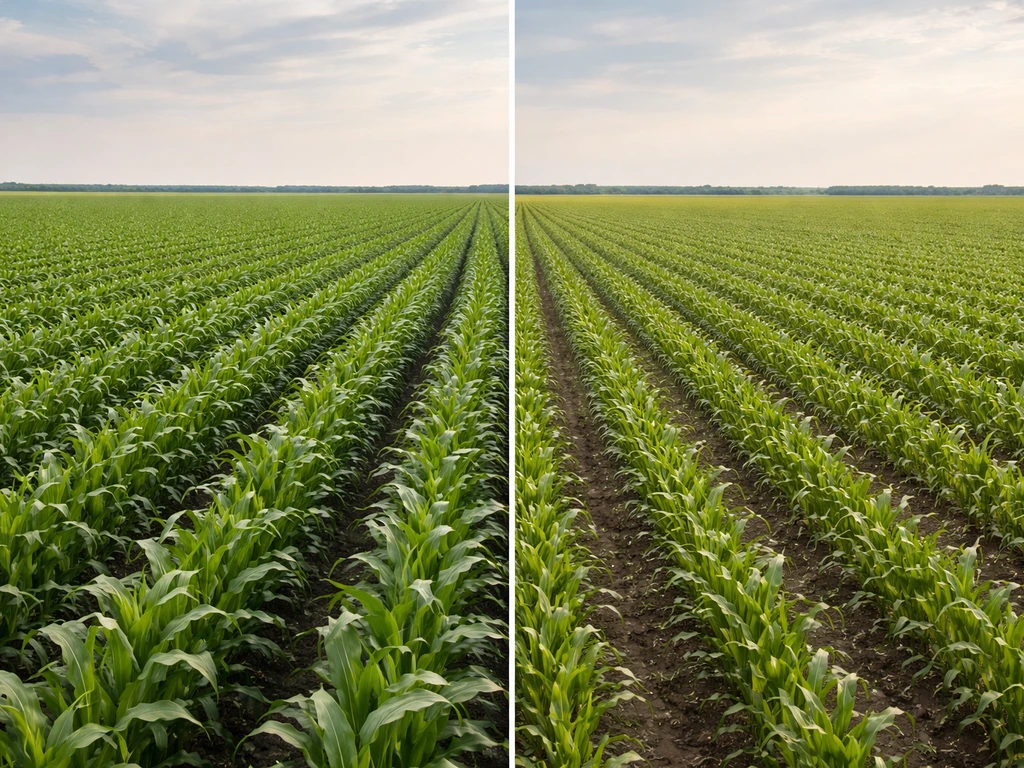
The economics of GMO adoption come down to two levers: protecting the yield you already have and reducing what you spend to get it. The National Academies estimated $231 million in tangible economic benefits to farmers from yield gains attributable to GE crops, and that figure only captures part of the picture because it doesn't count labor savings or reduced input costs.
Bt crops are a clear example of the yield-protection side. The USDA documents that Bt corn, which carries a gene from the soil bacterium Bacillus thuringiensis that produces proteins toxic to specific insects, increases yields and profits for farmers where target pests like corn borers are active. The key phrase there is 'where target pests are active.' If you're in a region with low insect pressure, the Bt trait may not pay for itself. But in high-pressure areas, the math works: you spend more on seed upfront and far less on insecticide sprays, and you lose far less crop.
Herbicide-tolerant crops shift the economic calculation on weed control. Instead of applying multiple targeted herbicides at specific timing windows, farmers can use a single broad-spectrum herbicide like glyphosate over the top of HT soybeans or corn. That simplifies scheduling, reduces equipment time, and often lowers total herbicide costs, at least in the early years of adoption. The FDA notes that farmers can use less spray pesticides when they plant GMO crops, though the picture is more complicated for herbicide-tolerant systems than for insect-resistant ones, which I'll get into below.
Agronomic advantages: pest, weed, and disease management
Agronomically, the two main GMO trait categories solve real problems in different ways. Understanding those differences helps clarify why some farmers adopt one but not the other, and why outcomes vary.
| Trait | Target problem | Mechanism | Yield impact | Pesticide use impact |
|---|---|---|---|---|
| Insect resistance (Bt) | Specific insect pests (e.g., corn borer, rootworm) | Plant produces Bt protein toxic to target insects | Clear yield gains where pest pressure is high | Reduced insecticide applications |
| Herbicide tolerance (HT) | Broad-spectrum weed competition | Crop survives glyphosate, dicamba, or glufosinate application | Yield protection, not yield increase per se | Changed herbicide patterns, not always reduced volume |
| Stacked (HT + Bt) | Both pest and weed pressure | Both traits in one variety | Combined benefits where both pressures exist | Reduced insecticide; herbicide use varies by system |
The National Academies research makes an important distinction here: insect-resistant crops tend to produce clear yield increases in areas where susceptible insects cause significant damage, while herbicide-tolerant crops are not generally credited with yield increases on their own. HT crops protect yield by making weed control more manageable, but the yield advantage disappears if weed pressure is low to begin with. This is why USDA ERS found that HT cotton adoption increased net returns without a significant reduction in total herbicide use on some farms. The economics worked through labor and timing savings, not through using less chemical.
Weed management in HT systems has also gotten more complicated over time. Glyphosate-resistant weeds are now a documented problem. When that resistance develops, farmers have shifted to other herbicides like dicamba and glufosinate, which is why dicamba-tolerant soybeans became a major commercial release. Dicamba works, but it drifts, and the EPA has extensive regulations around over-the-top dicamba applications on cotton and soybeans specifically because off-target movement can damage neighboring farms and non-tolerant plants.
Sustainability angles: soil, chemicals, and energy use tradeoffs
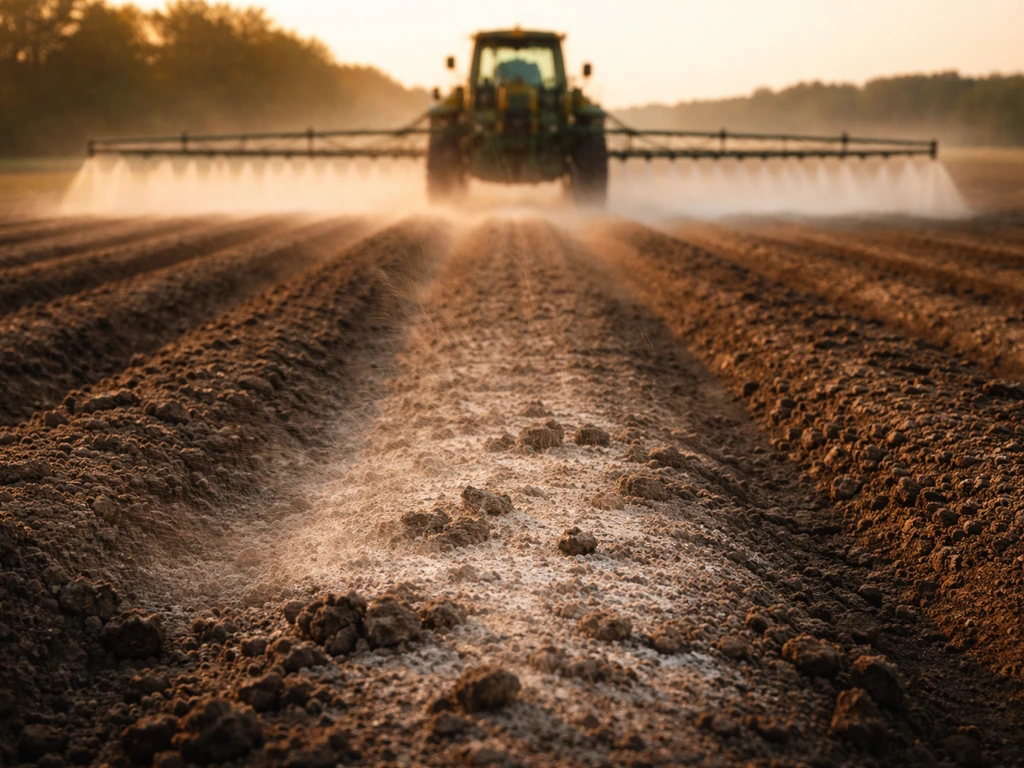
The sustainability case for GMO crops is real but complicated. On the insecticide side, it's fairly straightforward: Bt crops have consistently reduced the number of insecticide applications farmers need to make, which means less fuel burned for spray runs, less chemical synthesized and transported, and fewer exposure risks for farmworkers and beneficial insects. That's a genuine environmental benefit.
Herbicide-tolerant systems are a mixed story. Glyphosate's relatively low toxicity profile compared to older herbicides was an early environmental argument for HT crops, and that was largely accurate in the first decade of adoption. But Nebraska Extension and the National Academies both flag the same problem: overreliance on a single herbicide mode of action without integrated weed management selects for resistant weed biotypes. Once you have glyphosate-resistant Palmer amaranth or waterhemp in a field, you've lost the simplicity that made HT systems attractive, and you're back to more complex, often more expensive weed control. The resistance issue isn't a hypothetical. It's happening on farms right now.
On soil, herbicide-tolerant systems have indirectly supported no-till and reduced-tillage farming because glyphosate can knock down weeds without cultivation. Reduced tillage generally improves soil structure, reduces erosion, and builds organic matter over time. That's a real sustainability win. But it's dependent on the herbicide system continuing to work, which loops back to the resistance problem.
For insect resistance, the EPA requires Bt crop farmers to plant refuges: sections of non-Bt plants that allow susceptible insect populations to survive and breed with any resistant individuals that develop, slowing the pace of resistance evolution. These are farmers who use genetic engineering to grow pesticide resistant crops, such as Bt varieties, and follow refuge rules to slow resistance Bt crop farmers. This is a regulatory requirement with monitoring and compliance reporting built in. It works when farmers follow through, and it's the main mechanism keeping Bt traits effective over the long term.
Regulatory and market drivers: requirements, contracts, and availability
Farmers don't make planting decisions in a vacuum. GMO crops in the U.S. are regulated by three agencies: USDA-APHIS oversees the environmental release of biotech plants under the Plant Protection Act, EPA regulates Bt proteins as plant-incorporated protectants (which is why the refuge rules exist), and FDA handles food and feed safety through a consultation process. A new GMO trait can't hit the commercial seed market without clearing all three agencies, which takes years and significant investment. That's part of why GMO seed development is dominated by large companies and why the trait menu is relatively narrow: herbicide tolerance and insect resistance account for the vast majority of commercial acreage.
Market access and contracts also shape farmer decisions heavily. Many grain buyers and elevators accept GE corn and soybeans without any price penalty because those crops flow into commodity markets where bioengineered disclosure (under the National Bioengineered Food Disclosure Standard) is handled at the food manufacturer level, not the farm gate. But farmers selling into identity-preserved or organic markets face real constraints. USDA's organic regulations explicitly prohibit GMO seeds and require thorough cleaning of shared equipment to prevent commingling.
Farmers who grow organic vegetables have to manage pests and weeds without relying on synthetic pesticides like those used in conventional systems Farmers who grow organic vegetables have to using pesticides. When GE material is detected in a non-GE shipment, it can result in price discounts or rejected loads, and [USDA ERS has documented the economic costs of that coexistence challenge. ](https://www. usda.
gov/farming-and-ranching/resources-small-and-mid-sized-farmers/agricultural-coexistence/coexistence-factsheets)
Seed availability is a practical reality too. In many parts of the country, the dominant commercial varieties for corn, soybeans, and cotton are GMO. A farmer who wants conventional seed for those crops may have fewer variety options, sometimes in geographies where seed dealers have stopped stocking non-GMO lines because demand is low. That's not a conspiracy, it's a supply chain response to what local farmers buy.
Farm-level decision factors: where GMO makes sense (and where it doesn't)
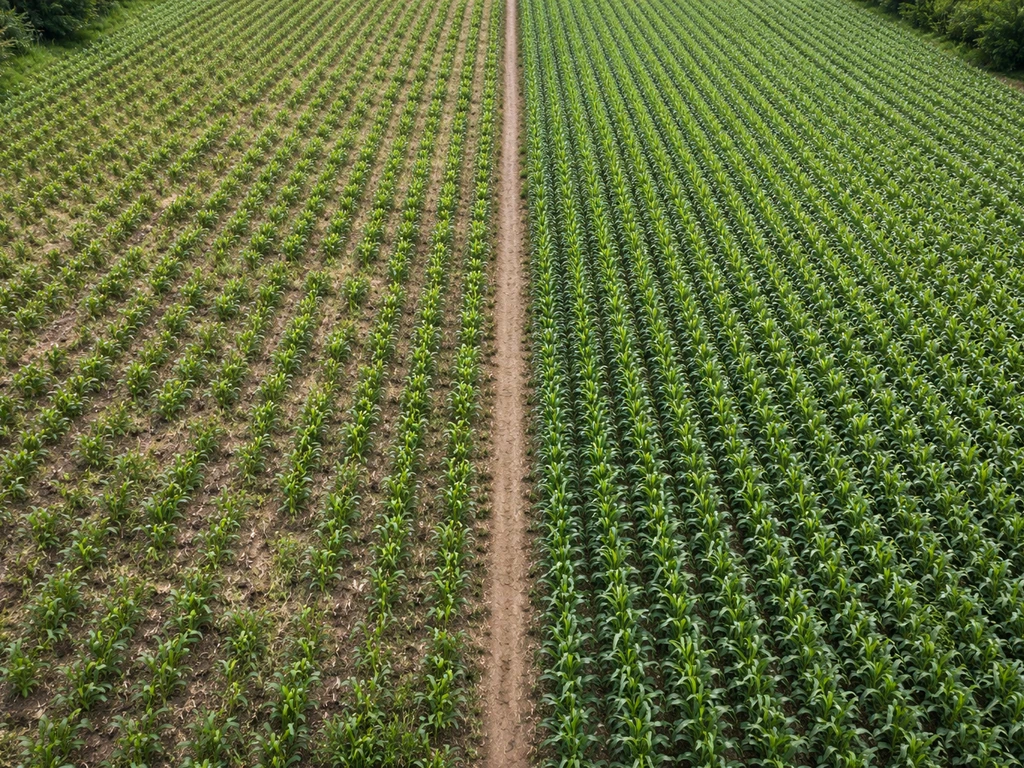
The honest answer is that GMO adoption makes the most economic sense in high-pressure situations: significant insect pest pressure (Bt), dense weed competition across large acreage (HT), or both. USDA’s AC21 report on local coexistence discusses conditions under which commercial GE varieties can coexist with conventional, organic, and identity-preserved production through planning and operational controls. It makes less sense where pest pressure is low, where markets pay a premium for non-GMO or organic production, or where the cost of GMO seed is not recovered by reduced inputs or protected yield.
- High insect pressure regions: Bt traits pay for themselves through reduced insecticide costs and protected yield
- Large-acreage row crop operations: HT simplifies weed management scheduling and reduces labor per acre
- Commodity market sellers: no price penalty for GE grain in standard corn/soybean/cotton markets
- Stacked-trait varieties: increasingly common because they address multiple threats from a single seed purchase
- Low pest pressure environments: agronomic benefit of Bt is reduced; conventional seed may pencil out better
- Organic and identity-preserved markets: GMO is prohibited or penalized, making conventional or organic varieties the only viable choice
- Farms with diversified weed management programs: HT traits carry less long-term advantage if integrated weed management is already in place
It's also worth noting that the decision isn't always fully in the farmer's hands. If a local cooperative's seed dealer stocks primarily stacked-trait varieties and the farmer needs a crop that fits their combine and marketing contract, the practical options narrow quickly. This is especially true for corn in the Midwest, where GMO adoption rates exceed 90%.
What home gardeners should take from it: practical guidance without GMO dependence
Here's the thing: as a home gardener or homesteader, you're not going to be buying Bt seed corn from a commercial seed company, and you don't need to. GMO seeds aren't available through retail garden seed catalogs, and even if they were, the traits are designed for commercial-scale problems at commercial-scale economics. But the logic behind why farmers adopt GMO crops is directly useful for thinking about your own garden.
The core question farmers ask is: what are my biggest yield threats, and what's the most cost-effective way to manage them? You should ask the same thing. If aphids or caterpillars destroyed your brassicas last year, that's your equivalent of a high-pest-pressure situation.
You don't need a Bt crop to solve it, but you do need a plan: row covers from the moment of transplant, companion planting with plants that attract beneficial insects, and possibly organic Bt sprays (the same bacterium, applied as a spray rather than engineered into the plant).
University of New Hampshire Extension recommends row covers as a straightforward physical barrier for exactly this kind of pressure, and ATTRA's work on companion planting documents trap cropping and habitat plantings as effective pest management strategies at garden scale.
On the weed side, the lesson from HT crop research is that monoculture herbicide reliance creates resistance over time. Your garden-scale equivalent is relying on a single weed control method, whether that's hand-pulling, hoeing, or mulch, without rotating strategies. Thick mulch, cover cropping between seasons, and close plant spacing to shade out weed seedlings are all integrated weed management approaches that work at home-garden scale without any chemical input at all.
When you're choosing seeds, focus on traits that match your actual growing conditions. Look for varieties with documented disease resistance relevant to your region, good yield data from trial gardens in your climate zone, and open-pollinated or heirloom genetics if you want to save seed year over year. Those are the home-garden equivalents of the 'does this trait pay for itself in my situation' analysis that drives commercial planting decisions.
If food security and self-sufficiency are your goals, the most important takeaway from the GMO story is diversity. Commercial farmers are increasingly vulnerable because so much of their pest and weed management depends on a handful of engineered traits that face resistance pressure. Your resilience comes from the opposite: multiple crops, multiple pest management tools, seed saving from proven performers, and soil health practices that reduce your dependence on any single input. That's not a political statement about GMOs, it's just what works at homestead scale. Growing organically and building soil diversity are foundational strategies worth exploring alongside this decision-making framework.
Practical steps to apply this thinking in your garden

- Identify your top two yield threats from last season: insect damage, weed competition, disease, or weather stress
- Match your seed selection to your real conditions: choose varieties with resistance or tolerance traits documented for your pest/disease profile
- Layer your pest management: use physical barriers (row covers), companion planting, and beneficial insect habitat before reaching for any spray
- Rotate weed control strategies each season to avoid selecting for tolerant weed biotypes in your beds
- Evaluate cost versus yield honestly: if a premium seed variety costs significantly more, estimate whether the yield protection is worth it given your garden's actual pressure
- Save seed from open-pollinated varieties that performed well in your specific microclimate to build locally adapted genetics over time
- If you're pursuing organic certification or selling at farmers markets, confirm your seed sources are non-GMO and document your practices to meet any applicable requirements
FAQ
If GMO traits are designed to help yields, why doesn’t every farmer get higher profits?
Most farmers are not choosing between “GMO vs non-GMO” as a standalone option, they are comparing specific seed traits plus their local weed and pest pressure. A Bt trait tends to pay off when the target insects are actively damaging the crop during your growing window, while a herbicide-tolerant trait pays off when weeds are dense enough that weed-control time and labor become a major cost.
What are the most common reasons GMO crops do not “work” as expected on a farm?
Because the seed price is only the start of the cost. With herbicide-tolerant crops, many farms experience yield neutrality, while the savings come from fewer passes, simpler timing, and lower labor rather than from less total chemical use. The benefit also depends on maintaining effective weed-control options as resistance develops.
How do glyphosate-resistant weeds change the reason farmers grow herbicide-tolerant crops?
After glyphosate-resistant weeds establish in a field, farmers often have to switch to other herbicides and add more integrated weed-management steps, which can reduce the early simplicity advantage. That means the original economics can flip, especially if the alternative herbicide plan raises cost or timing constraints.
Do Bt crop farmers have to do anything to keep insect resistance benefits working?
Bt crops require refuges, non-Bt areas planted nearby to help slow resistance. If refuges are skipped, too small, or planted inconsistently, resistance can evolve faster, which undermines the long-term yield-protection logic that made Bt attractive in the first place.
Will herbicide-tolerant crops always use less herbicide than conventional systems?
It varies, but a common “miss” is assuming HT crops automatically reduce chemical use long-term. Early reductions can happen, yet resistance pressure can force additional chemistries and more complex programs later. Farmers typically need to plan for multi-step weed control, not only one herbicide.
How do contracts and market rules affect why farmers choose GMO seeds?
Market access can override field economics. Even if a farmer saves money on inputs, contracts for non-GMO or organic production can require segregation, extra cleaning to avoid commingling, and price discounts or rejected loads if GMO material shows up.
Why do some farmers switch to stacked GMO varieties instead of single-trait options?
Stacked-trait seed choices are often adopted because a single purchase simplifies management across multiple threats, weeds plus insects. However, stacking still does not remove the need for good agronomy, it just lets farmers address more than one major yield threat with one seed plan.
Can a farmer decide not to grow GMO crops even if most neighbors do?
In many regions, the dominant commercial lines may make “conventional” seed harder to source, especially if local dealers have shifted inventory. That supply reality can effectively limit the farmer’s decision even when they would prefer a different trait package.
What is the practical takeaway for home gardeners if they ask, “why don’t I just use the GMO solution”?
For homesteaders, the closest parallel is managing your biggest yield threats with a plan that does not depend on a single method. You can use physical barriers like row covers for caterpillars, then rotate tactics such as mulch and cover crops to prevent the “single-tool resistance” pattern seen in weed systems.
How can I apply the farm logic behind GMO adoption to my own crop planning?
One practical way to think about the farm rationale is to estimate risk and cost at your scale: what loss would you face from a specific pest or weed, and what would it cost to prevent it with your available tools? If your region’s threat level is low, you may not “need” a trait-based solution, while high pressure may justify targeted interventions.
Next Article
Farmers Who Use Genetic Engineering for Pesticide-Resistant Crops
Explains pesticide-resistant GMO crops, farmer use, pest and pesticide shifts, tradeoffs, and home IPM alternatives.