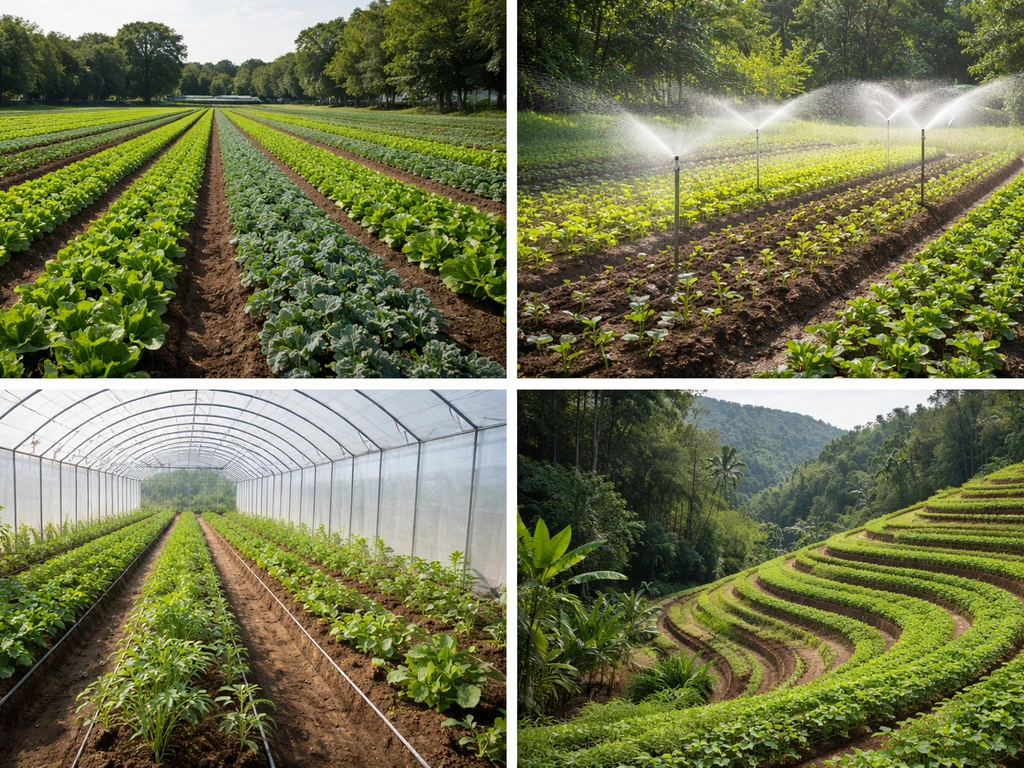
Growing organically at home means feeding your soil instead of your plants directly, skipping synthetic fertilizers and pesticides, and working with natural cycles rather than against them. For most home gardeners, the payoff is real and practical: better soil over time, food with measurably fewer pesticide residues, a garden that supports beneficial insects, and a growing system that gets easier and more productive the longer you stick with it.
Why Grow Organically: Benefits, Tradeoffs, and How to Start

Marcus Hendrick
2 May 2026
What you actually gain by growing organically
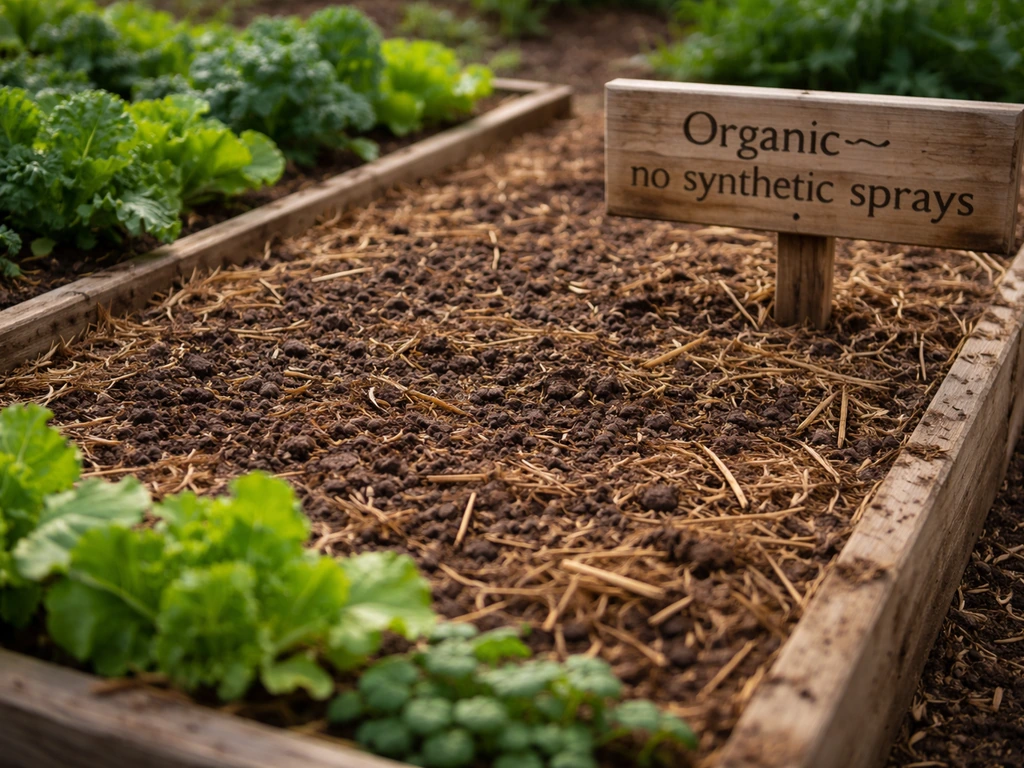
The most immediate thing you notice when you go organic is that you stop putting synthetic chemicals into a space where you grow food. According to EFSA monitoring data, organic food samples showed measurable pesticide residues in only 6. 5% of samples, compared to 44% of conventional food samples with one or more quantifiable residues. That gap is significant if you're growing food for your family.
Does it guarantee better health outcomes? Honestly, the science on that specific question is still limited. A review published in a peer-reviewed journal noted there are no well-designed studies demonstrating that organic diets definitively prevent disease compared with conventional diets. But fewer residues in your food is still a reasonable, concrete benefit, and for many people that's enough of a reason on its own.
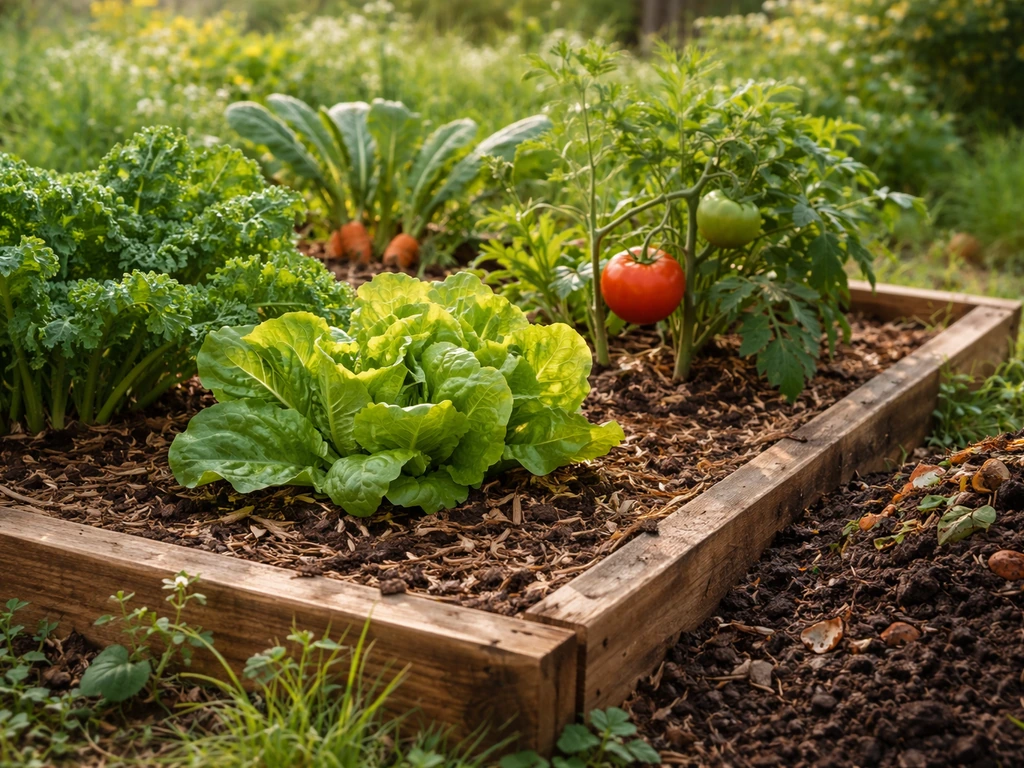
Beyond residues, organic growing gives you a garden that improves over time. Soil that's fed with compost, cover crops, and organic matter becomes more productive each season, not less. You build something. In contrast, heavy synthetic fertilizer use can actually degrade soil aggregate formation over time, making soil structure worse even as it boosts short-term yield. The organic approach is slower to pay off at first, but the trajectory runs in your favor.
There's also the biodiversity piece, which gets underestimated. Reducing synthetic pesticide use lets beneficial insect populations recover. More beneficial insects mean better natural pest control, which means less work for you over time. That's a practical benefit, not just an environmental talking point.
What organic growing actually does to your soil
Soil health is the real engine of an organic garden. A global meta-analysis published in PLOS ONE found that organic farming has a strong positive overall effect on the abundance and activity of soil microbial communities compared with conventional systems. Why does that matter? Because those microbes are what break down organic matter into nutrients your plants can use, build the structure that lets soil hold water without becoming waterlogged, and protect roots from pathogens. Healthy microbial activity is basically free fertility that you build up over years.
Soil organic matter also improves aggregate stability, which is the way soil clumps together into the crumbly, well-structured texture that plant roots love. Research shows this works on two timescales: in the short term, microbial activity and its byproducts help bind soil particles together; over the long term, humified organic compounds create more durable, stable structure. Practically speaking, this means a garden bed you've been amending with compost for three or four years drains better, warms up faster in spring, and holds moisture more evenly in drought than one that's been running on synthetic inputs alone.
The USDA NRCS is clear that you can't measure soil health with a single test, but you can track it with indicators: organic matter percentage, biological activity, aggregate stability, and pH. A basic soil test from your local extension service (usually under $20) will give you your starting point for pH, nutrients, and organic matter. From there, you amend based on actual results rather than guessing. UMN Extension and University of Delaware both recommend this as the first practical step, and I'd agree completely. It removes the guesswork.
Plant health, pests, and managing them without synthetic sprays
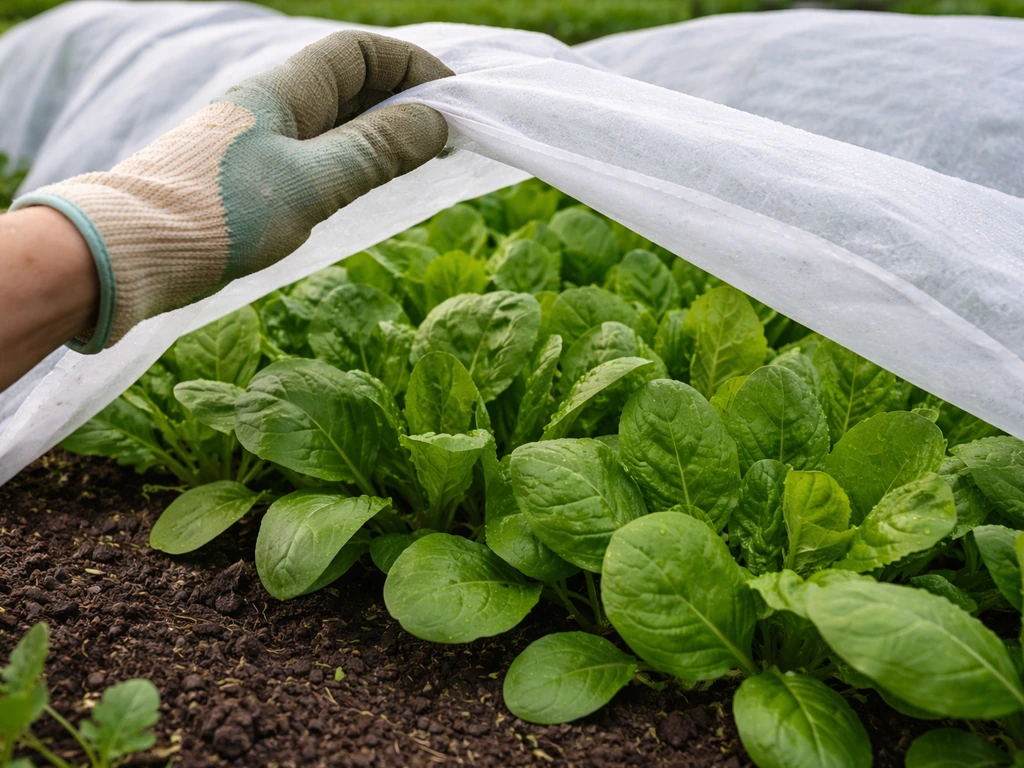
Here's the honest truth about organic pest management: it's not about doing nothing. It's about using a layered system of prevention and targeted intervention rather than reaching for a broad-spectrum spray every time you see a bug. Healthy soil produces healthier plants, and healthier plants are genuinely more resistant to pest pressure. That's your first line of defense.
Your second line is physical exclusion. Row covers are fabric barriers placed directly over plants, and they're one of the most effective tools in a home organic garden. UMass Extension and Utah State University Extension both describe them as a primary physical barrier for insect management. The key is timing: you put them on before the target pest arrives, not after. For squash vine borers, that means covering squash plants right after transplant. For cabbage moths, it means covering brassicas early in the season. Row covers also provide frost protection and can speed up maturity, so you get multiple benefits from one tool.
When you do need to intervene with a spray, organic options exist and they work when used correctly. The three most useful for a home vegetable garden are Bacillus thuringiensis (Bt), insecticidal soap, and horticultural oil. [Horticultural oil](https://extension. unr.
edu/publication. aspx? PubID=3029. )s form a coating that suffocates insects and eggs by clogging their breathing.
Bt is a naturally occurring soil bacterium that targets caterpillars specifically. University of Kentucky Extension emphasizes targeting the right pest at the right stage and choosing the right Bt strain, since different strains target different insects. Insecticidal soaps are potassium salts of fatty acids that work on contact and break down quickly without persisting in the environment. Colorado State University Extension notes you should limit applications to avoid cumulative leaf damage.
Horticultural oils smother insects and eggs by clogging their breathing tubes, and University of Nevada Extension explains that because the mode of action is mechanical, resistance is much less likely to develop than with conventional pesticide classes.
One thing worth knowing: not all organic pest management goes perfectly. Cover crops and green manures, for example, can affect both beneficial and pest insects, and UConn IPM research makes clear that outcomes are context-dependent. You have to pay attention to what's actually happening in your specific garden rather than assuming any single strategy will work universally. That kind of observation is what separates gardeners who struggle organically from those who thrive.
Supporting beneficial insects is another lever you can pull. University of Missouri Extension recommends planting flowering species near your vegetable beds to provide resources for predatory and parasitic insects. Reducing or eliminating synthetic sprays is part of the same strategy. Once you stop killing beneficial insects with broad-spectrum pesticides, populations of ladybugs, lacewings, and parasitic wasps recover relatively quickly, often within a single season.
How organic growing affects the environment around your garden
For home gardeners, the environmental case for growing organically is fairly straightforward. Skipping synthetic fertilizers means less nitrogen runoff into local waterways. Skipping synthetic pesticides means fewer chemical inputs into soil and groundwater, and less harm to pollinators and other non-target insects. A European meta-analysis comparing organic and conventional farming systems found organic systems consistently produced better outcomes for biodiversity, and lower nutrient leaching to water. A global analysis of 61 crop types published in Frontiers found that organic systems provide reliable environmental benefits, even when yields are more variable.
The FAO notes that organic agriculture reduces dependence on fossil-fuel-intensive inputs by relying on closed nutrient cycles and minimizing nitrogen losses, including reductions in nitrous oxide emissions, which is a potent greenhouse gas. At the home garden scale, none of this is going to single-handedly change the climate. But it does mean your garden is contributing less to local water quality problems and supporting more biodiversity than a conventionally managed equivalent, and those things add up across millions of home gardens.
It's also worth noting that organic growing is meaningfully different from related practices like GMO crop production or commercial pesticide-resistant crop systems. Those conversations involve different trade-offs and regulatory frameworks entirely. What you're doing at home with compost and row covers is a much simpler, lower-stakes version of the same underlying principle: work with natural systems rather than overriding them with synthetic inputs.
The real costs and tradeoffs you should expect
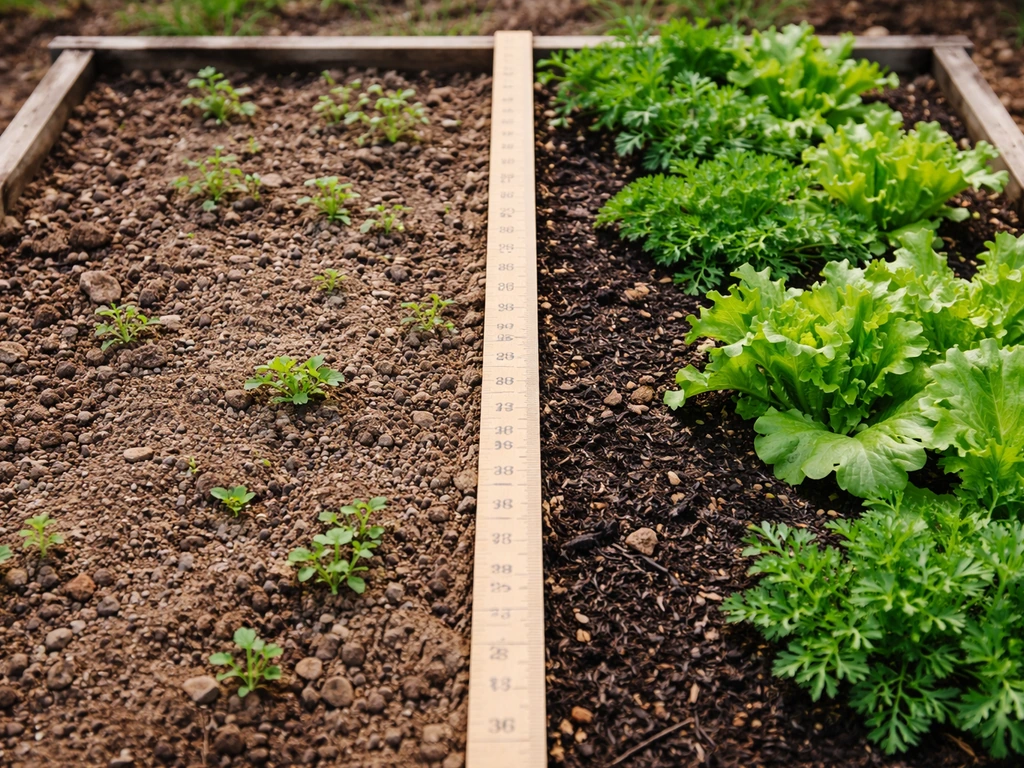
Organic growing at home is not free of tradeoffs. It's worth being direct about what those are before you commit to it.
| Tradeoff | What it means in practice | How to manage it |
|---|---|---|
| Slower results | Soil improvement takes 2-3 seasons to become clearly visible | Start with a soil test and amend based on results from day one |
| More hands-on pest management | You'll inspect plants more often and intervene earlier | Use row covers as default prevention; keep Bt and insecticidal soap on hand |
| Yield variability | Global meta-analysis data shows organic yields can be more variable than conventional | Choose varieties bred for disease resistance; use crop rotation to reduce risk |
| Input costs upfront | Quality compost, row covers, and organic amendments cost money initially | Make your own compost to cut costs; row covers are reusable for years |
| Learning curve | Knowing which organic inputs to use when takes practice | Check OMRI (Organic Materials Review Institute) listings to confirm inputs are approved |
On yields specifically: Rodale Institute's 40-year Farming Systems Trial found that over the long run, organic corn yields matched conventional yields, and in drought years organic yields were actually 31% higher. That's a long-run result from a well-designed study. In your first season or two of organic gardening, you might see lower productivity than a neighbor using synthetic fertilizers and pesticides. That's normal. The system is building, and the gap tends to close as your soil improves.
One practical note on what 'organic' means at home versus commercially: USDA organic certification requires at least 95% certified organic content and involves a formal process. Home gardeners don't need to be certified, and small operations below certain sales thresholds are exempt from certification requirements, though they still need to follow the underlying principles if they want to use the term. For your own garden, none of that paperwork matters.
What matters is what you're actually putting in the soil and spraying on the plants. The USDA and EPA both define organically grown food as produced without synthetic fertilizers or pesticides, and that's the standard to hold yourself to. Farms that grow organic crops are not allowed to use synthetic fertilizers or synthetic pesticides synthetic fertilizers or pesticides.
Some commercial farms use genetic engineering to grow pesticide-resistant crops, which is a different approach from organic rules about synthetic pesticide use. If you're buying inputs, look for OMRI-listed products and confirm the product and company name match the OMRI Products List to make sure you're getting what you think you're getting.
How to actually get started growing organic vegetables
The practical starting sequence matters a lot. Most people who struggle with organic gardening do too much at once or skip the soil work entirely. Here's the sequence that works whether you're working with containers on a balcony or a full backyard plot.
- Get a soil test. Your local cooperative extension service offers these for $10-25. It tells you your pH, current nutrient levels, and organic matter percentage. Everything else you do should be based on these results.
- Amend your soil with compost before you plant anything. A 2-3 inch layer worked into the top 6-8 inches is a solid starting point. If you're in containers, use a quality organic potting mix. University of Georgia Extension frames the whole organic approach around feeding the soil with organic matter first.
- Plan your crop rotation before you put seeds in the ground. Map out where each vegetable family will go, and plan to move them to a different bed next season. This reduces disease buildup and pest pressure more than almost any other single practice.
- Pick varieties with good disease resistance. Seed packets and catalogs list resistance ratings. This is especially important for tomatoes (look for V, F, N, T resistance codes) and cucumbers.
- Install row covers on pest-vulnerable crops at planting time. Don't wait until you see damage. Squash, brassicas, and beans all benefit from early-season exclusion.
- Set up a compost bin or pile now, even if you won't use the output until next season. Compost fresh manures for at least 90-120 days before applying to edible crops to kill pathogens and weed seeds, as UGA Extension recommends.
- Buy only OMRI-listed pest management products and check that the product name and company match the OMRI list when you shop. Start with just three: Bt for caterpillars, insecticidal soap for soft-bodied insects like aphids, and horticultural oil for scale and mites.
- Add at least a few flowering plants near your vegetable beds to support beneficial insects. Even a small border of dill, fennel, or alyssum makes a real difference.
If you're starting with containers, the same principles apply at smaller scale. A 5-gallon container with good organic potting mix, a single tomato or pepper plant, and regular compost tea or diluted liquid organic fertilizer will outperform a synthetic-fed container in soil quality within one season. The scale doesn't change the biology.
The first year is the hardest because you're learning your specific garden's pest pressures, microclimate, and soil baseline all at once. Keep notes. What pest showed up when, which variety handled drought better, where slugs concentrated. That information makes you dramatically more effective in year two. Organic gardening rewards observation and patience more than any other approach, and it genuinely gets easier and more productive the longer you do it. That's the honest case for it.
FAQ
Does “growing organically” mean I never need to worry about nutrient problems?
Not necessarily. Organic growing avoids synthetic fertilizers and most synthetic pesticides, but you can still run into nutrient deficiencies, especially nitrogen or potassium, if your compost and amendments do not match your crops. The fix is to follow your soil test, then add targeted organic nutrient sources (for example, compost for gradual nitrogen, and separate inputs for potassium if needed) rather than assuming “organic” automatically equals “balanced.”
What’s the most common mistake people make with organic pest control?
“Organic” does not automatically mean “pest-free.” If you delay row covers until after pests arrive, you often get damage quickly, then you end up chasing outbreaks with repeated sprays. The practical approach is to install barriers before the pest’s first expected appearance in your area, then use inspections and thresholds to decide whether you need a targeted intervention like Bt or soap.
How can I be sure the organic products I buy are actually acceptable?
The biggest risk is accidentally using non-compliant products. Some ingredients sold as “natural” are still not appropriate if they include synthetic pesticides or synthetic fertilizers. If you want to be strict, check product labels for synthetic active ingredients and, if you use buying guides, verify the brand and exact product match what your standard allows.
Why might my organic garden grow slower than a neighbor’s conventional one?
Yes, and it is normal. Many gardeners see slower early growth because soil biology is still ramping up and nutrient release can be gradual. A helpful decision aid is to plan for the first year as “system building,” using amendments and compost, plus varieties known to perform in your climate, then compare yields after soil organic matter and structure start improving.
Can I use organic sprays like Bt, soap, or oil without hurting beneficial insects?
You can, but it needs planning. Organic pest tools work best when you target the correct pest stage (for Bt) or apply when insects are actively feeding or present (soap, oil). Before spraying, identify the pest, check whether it has an indoor or outdoor life stage you can interrupt, and avoid blanket application that can also affect beneficial insects.
Is compost tea enough fertility for containers in an organic setup?
Usually not enough on its own, especially if your container mix stays compacted or gets leached by frequent watering. Compost tea can help biologically, but nutrients can still wash out. For container success, use a high-quality potting mix designed for containers, water consistently, and refresh nutrition through planned feedings based on plant needs and how fast the pot drains.
What should I do if my organic soil test looks okay but plants still struggle?
If your soil is cold, wet, and compacted, it can slow microbial activity and delay nutrient cycling, making plants more vulnerable early. Use the same soil-based indicators the article mentions, but also pay attention to drainage and timing, like warming beds with organic mulch, improving structure with compost, and avoiding overwatering early in the season.
Does organic always mean zero pesticide residues on the food I grow?
Watch for residue versus just “no visible pests.” Fewer residues in food are influenced by what pests actually were present, how often you needed treatments, and crop handling, not only the word “organic.” If your goal is minimizing residues for family consumption, focus on prevention (barriers, habitat for beneficials) and use targeted, short-lived options only when necessary.
How do I choose companion flowers that actually help in my vegetable beds?
Usually, but only if you treat them as habitat that supports your local beneficial species. Planting flowers helps, yet you also need to reduce broad-spectrum sprays, provide continuous bloom across the season, and avoid disturbing practices during key times. A practical approach is to add a small “beneficials border” near the beds and observe which insects actually show up.
Why do slugs and other non-insect pests sometimes increase in organic gardens?
Yes, and in some regions it is a major reason organic gardeners struggle at first. Slugs and soil pests can be worse when conditions stay persistently moist or when mulch is used incorrectly. Adjust moisture management, use physical controls (like barriers or targeted removal), and change mulch thickness and timing so you do not create slug-friendly shelter during peak activity.
Is it possible to keep doing organic gardening poorly even after following the basics?
If you stop using synthetic inputs but keep buying amendments, you can unintentionally drift into “organic in name only” by relying on whatever is easiest. The guardrail is to keep asking what the amendment does, where nutrients come from, how fast they release, and whether it aligns with your soil test trends. Over time, prioritize building soil organic matter, not just feeding plants.
Next Article
How Do Farmers Grow Food Around the World: Methods and Tips
Learn how farmers grow food worldwide: soil, water, crops, pests, harvest, and how to scale it for home gardens.