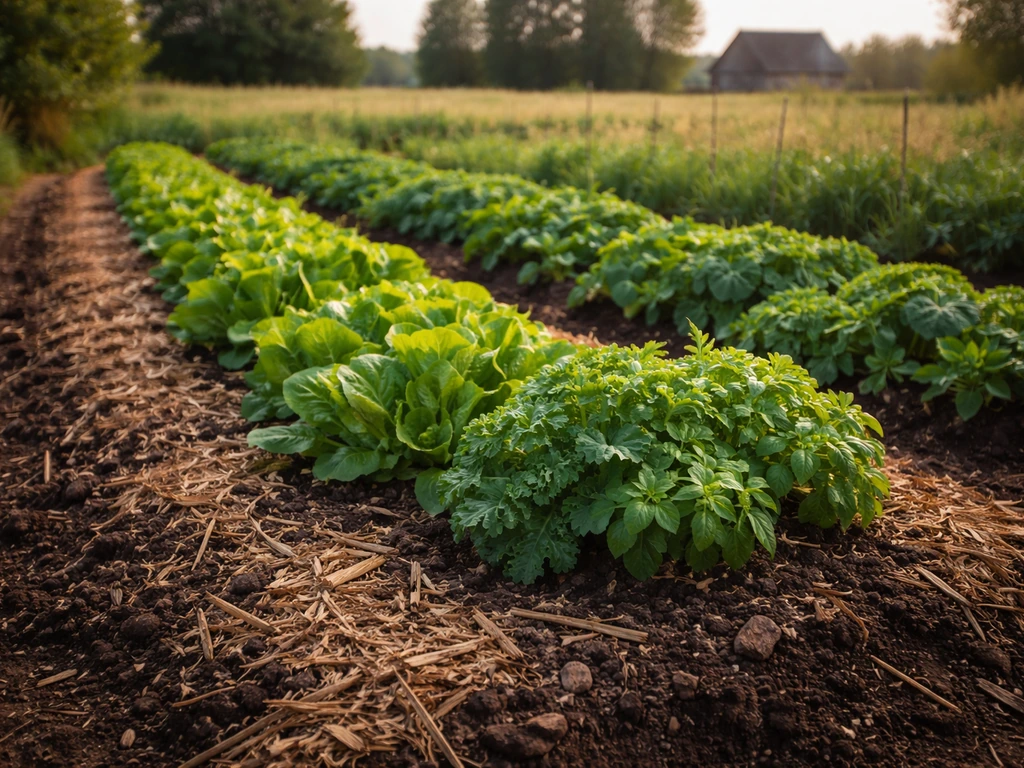
Organic growers are not required to use pesticides, but they are absolutely allowed to, and many do. The word "organic" does not mean "no pesticides ever", it means only approved, regulated inputs can be used. Under USDA rules, natural (nonsynthetic) substances are generally allowed unless specifically prohibited, while blank" rel="noopener noreferrer">synthetic substances are prohibited unless they appear on the National List. That distinction matters a lot in practice: several products most people think of as fully "natural" sprays are still pesticides in every functional sense, and a handful of naturally derived substances (like rotenone) are actually banned from organic production entirely. So the real question is not whether organic growers use pesticides, but which ones, when, and how to minimize them. If you are asking why grow organically, it often comes down to choosing regulated inputs and building a system that keeps pests and diseases in check with prevention first.
Farmers Who Grow Organic Vegetables: Do They Have to Use Pesticides?

What "organic" actually means (and which pesticides are on the table)
The USDA National Organic Program (NOP) lays this out in 7 CFR §§205.601 and 205.602. Section 205.601 lists synthetic substances that are allowed in organic crop production, things like copper sulfate (with restrictions on minimizing copper accumulation in soil) and insecticidal soaps. Section 205.602 lists nonsynthetic substances that are explicitly prohibited, including rotenone, a plant-derived insecticide that many people assume would be fine because it comes from a plant. It is not allowed. This framework flips the intuitive assumption: natural does not automatically mean allowed, and synthetic does not automatically mean banned.
For home growers, the practical takeaway is this: look for products labeled OMRI Listed (OMRI is the Organic Materials Review Institute, an independent body that checks whether commercial products comply with NOP rules). Also check that any pesticide formulation you buy uses only low-concern inert ingredients, under §205.601(m)(1), the inert ingredients in foliar or ground-applied pesticides are restricted to specific EPA-approved categories, not just any carrier or surfactant a manufacturer wants to include. This matters because two neem oil products sitting next to each other on a shelf may have very different inert ingredient profiles, and only one may be compliant.
Why pests still show up even in well-managed organic gardens
There is no such thing as a pest-free garden, organic or not. Insects, fungi, and bacteria exist in enormous numbers in any outdoor growing system, and the conditions that favor vegetable production, warm temperatures, consistent moisture, nutrient-rich soil, also favor many pests. Here are the main reasons pressure builds even in gardens managed with great care:
- Crop density and monoculture: Even a small home garden tends to cluster the same plants together. A row of ten brassicas is a buffet for cabbage worms.
- Weather swings: A wet spring boosts fungal disease. A dry hot spell brings spider mites. You cannot fully control this.
- Gaps in beneficial insect populations: Beneficial predators like parasitic wasps, lacewings, and ladybugs need time to build up. Early in the season, pests often arrive before their natural enemies do.
- Soil health fluctuations: Plants growing in depleted or imbalanced soil are measurably more attractive to certain pests — stressed plants signal their weakness through volatile compounds.
- Neighboring properties: If your neighbor's garden is untreated and pest-heavy, migration pressure onto your beds is real.
The good news is that understanding why pests arrive tells you exactly where to put your energy first, and it is almost never spraying.
Reduce pest pressure before you ever reach for a spray
NOP regulations (7 CFR §205.206(e)) actually require that certified organic producers use preventive cultural, physical, and biological practices first, before applying any pesticide. For home growers, this is not just a rule, it is the most effective approach. Every hour you put into prevention is worth three hours of reactive spraying.
Build soil health first
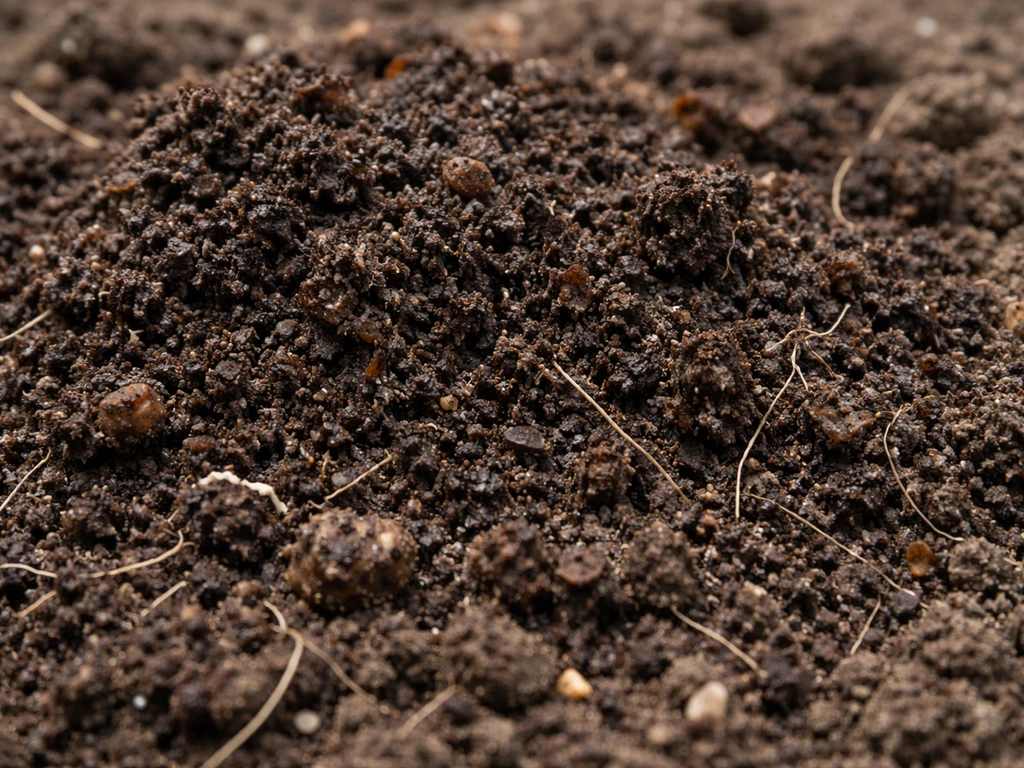
Compost-amended soil with good microbial activity produces plants that outgrow minor pest pressure and recover faster from damage. Aim for organic matter above 4 percent if you can test your soil. Healthy soil also drains better, which cuts down on the standing moisture that fungal diseases need to spread.
Rotate crops every season
Rotating plant families between beds breaks the life cycle of soil-borne pests and diseases. A simple rule: do not plant the same family in the same bed more than once every three years. This works for everything from tomato early blight to squash vine borers that overwinter in the soil.
Choose resistant varieties
Seed catalogs flag disease resistance with letter codes (V, F, N, T on tomatoes, for example, indicating resistance to verticillium, fusarium, nematodes, and tobacco mosaic virus). Choosing resistant varieties is free pest management that requires zero additional labor. For a broader comparison, some farmers rely on genetic engineering to grow pesticide resistant crops rather than depending only on allowed pesticide lists farmers who use genetic engineering to grow pesticide resistant crops. This is especially worth doing if you already know what pressure your region carries, powdery mildew on squash in humid climates, for instance, or downy mildew on lettuce in cool wet springs.
Sanitation and spacing
Remove dead plant material promptly, do not leave harvested crop debris in the bed, and give plants enough room for airflow. Crowded plants with poor airflow are where fungal issues start. If you are pushing spacing tighter than the seed packet recommends to maximize yield, understand that you are trading airflow for density and may need to be more vigilant about disease monitoring.
Habitat for beneficial insects
Planting a diversity of flowering plants near your vegetable beds attracts and retains predatory and parasitic insects. Dill, fennel, yarrow, and native wildflowers work well. This does not need to be elaborate, even a two-foot strip of mixed flowering herbs along a bed edge makes a difference over a full season. Companion planting more broadly can help with pest confusion, though I think it is most useful as a supplement to other practices rather than a standalone strategy.
Core organic pest control: physical, biological, and botanical
When prevention is not enough (and some seasons it just will not be), the organic Integrated Pest Management (IPM) ladder goes through physical controls, then biological controls, then botanical or biopesticide sprays. Work through these in order before jumping to a spray.
Physical controls
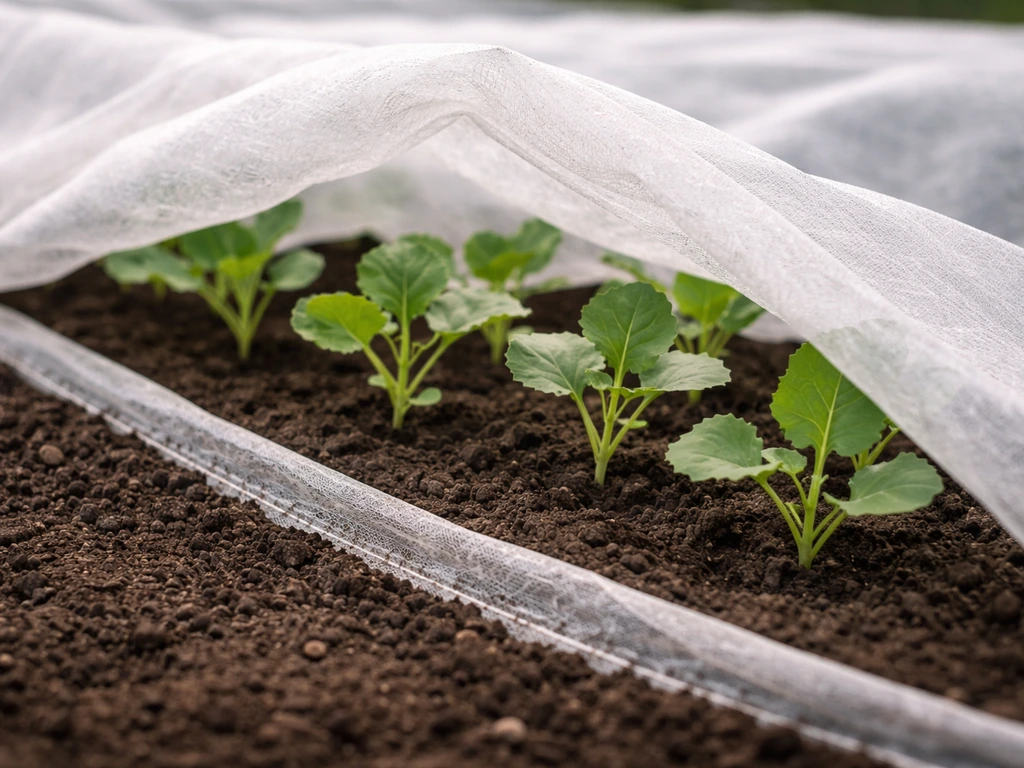
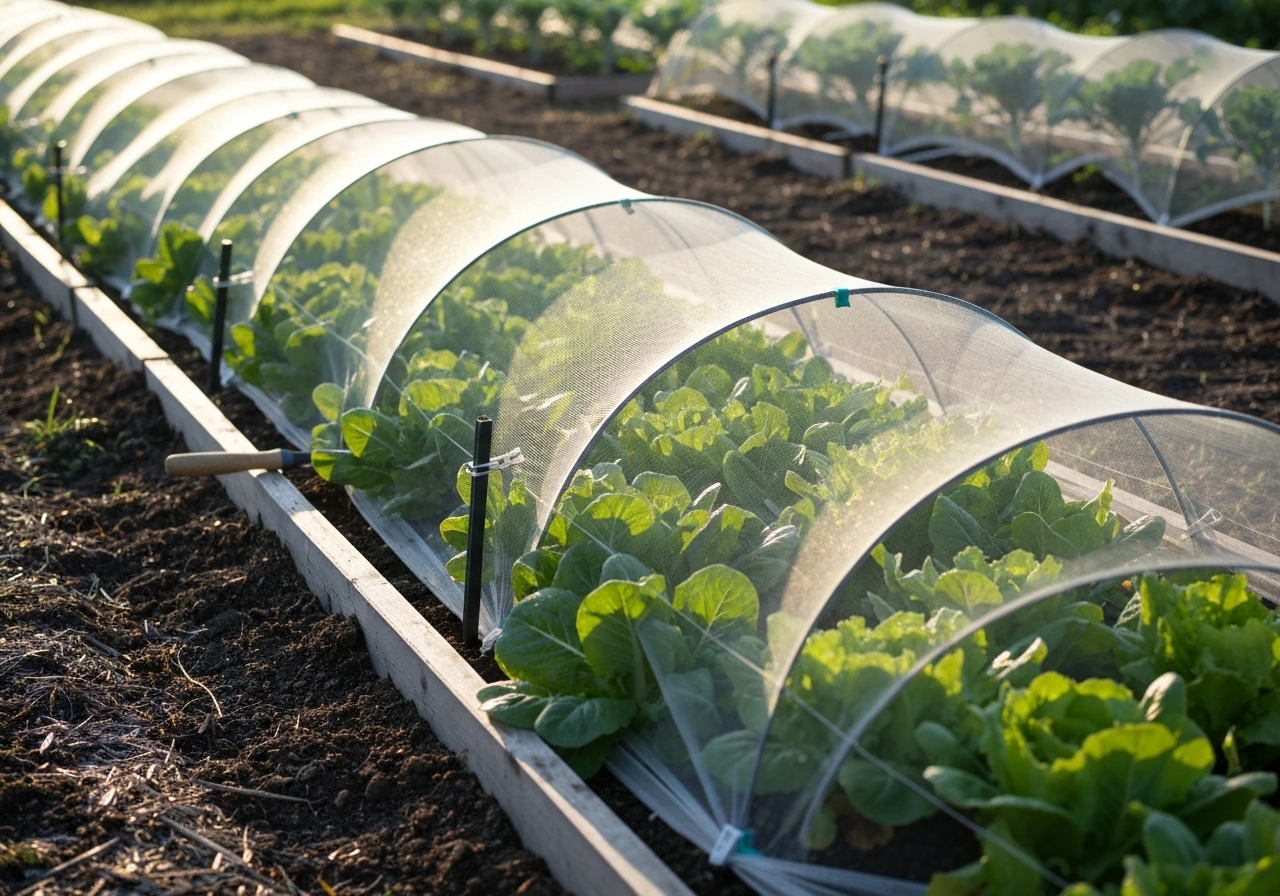
- Row covers (floating fabric): Installed at planting and kept sealed at edges, these exclude flying insect pests almost completely. Excellent for brassicas (cabbage moth, flea beetles) and cucurbits early in the season before pollination is needed.
- Hand removal: Checking plants twice a week and picking off caterpillars, slugs, and egg masses by hand is genuinely effective at low-to-moderate pressure levels. It takes five minutes per bed if you do it regularly.
- Sticky traps and yellow traps: Useful for monitoring aphid and whitefly populations, and moderately useful for control at low densities.
- Copper tape and barriers: Slugs dislike crossing copper; a strip around raised beds or pots can reduce slug pressure meaningfully.
- Kaolin clay: A mineral-based particle film sprayed on plants that physically irritates and deters soft-bodied insects and some beetles. Allowed under organic rules and worth using on fruit crops like peppers and eggplant.
Biological controls
- Bacillus thuringiensis (Bt): A naturally occurring soil bacterium that produces proteins toxic to caterpillar larvae when ingested. It is one of the most effective organic pest controls available and is allowed under NOP rules. Apply when caterpillars are small (under 1/2 inch) for best results. It breaks down in UV light within a few days, so reapply after rain.
- Spinosad: Derived from a soil actinomycete bacterium, spinosad controls a wide range of chewing insects including thrips, leafminers, and caterpillars. It is OMRI listed and NOP compliant. It does have some toxicity to bees when wet, so apply in the evening after pollinators are done foraging.
- Predatory insects (purchased): Lacewing larvae, parasitic wasps, and predatory mites can be purchased and released. These work best in enclosed or semi-enclosed spaces (high tunnels, greenhouses) where they cannot simply leave.
- Nematodes: Beneficial nematodes (Steinernema or Heterorhabditis species) applied to moist soil target soil-dwelling larvae including grubs, fungus gnat larvae, and vine borers. They need moisture to survive — water the bed before and after application.
Botanical and biopesticide sprays
- Neem oil (azadirachtin-based): Disrupts insect molting hormones and acts as a contact suffocant for soft-bodied insects. Effective against aphids, spider mites, and whiteflies. Ensure the product is OMRI listed (check inert ingredients). Apply in evening; neem degrades quickly in sunlight.
- Insecticidal soap: Kills soft-bodied insects on contact by disrupting cell membranes. No residual activity, so it must hit the pest directly. Safe for most beneficials once dry.
- Pyrethrin (not pyrethroid): Derived from chrysanthemum flowers, pyrethrin is allowed under NOP rules. It is broad-spectrum and toxic to many insects including beneficials, so use it as a last resort. It breaks down within 24 hours.
- Copper fungicide: Allowed under 7 CFR §205.601 for disease control, with the requirement to minimize soil copper accumulation. Effective against bacterial and some fungal diseases. Do not overuse — copper builds up in soil and can become phytotoxic over time.
- Sulfur fungicide: Effective for powdery mildew. Do not apply within two weeks of a neem or oil-based product application, or in temperatures above 90°F — can cause phytotoxicity.
When you have to spray: picking compliant products and using them safely
If you have worked through prevention and physical/biological controls and still have a pest or disease problem that is threatening your crop, spraying is a legitimate tool. Here is how to do it without creating new problems.
Selecting the right product
| Pest or Problem | First Choice | Second Choice | Notes |
|---|---|---|---|
| Caterpillars/larvae | Bt (Bacillus thuringiensis) | Spinosad | Apply to young larvae; Bt is very target-specific |
| Aphids/whiteflies/mites | Insecticidal soap | Neem oil | Must contact pest directly; reapply after rain |
| Thrips/leafminers | Spinosad | Neem oil | Apply in evening to protect pollinators |
| Fungal disease (powdery mildew) | Sulfur fungicide | Potassium bicarbonate | Do not apply when temps exceed 90°F |
| Bacterial disease/blight | Copper fungicide | — | Minimize frequency; copper accumulates in soil |
| Soil pests (grubs, vine borers) | Beneficial nematodes | — | Apply to moist soil; water before and after |
Before buying any product, verify it is OMRI listed or that you have confirmed its compliance with your certifier if you are certified. For home growers not seeking certification, OMRI listing is still the easiest shortcut to knowing the product meets organic standards.
Application basics and safety
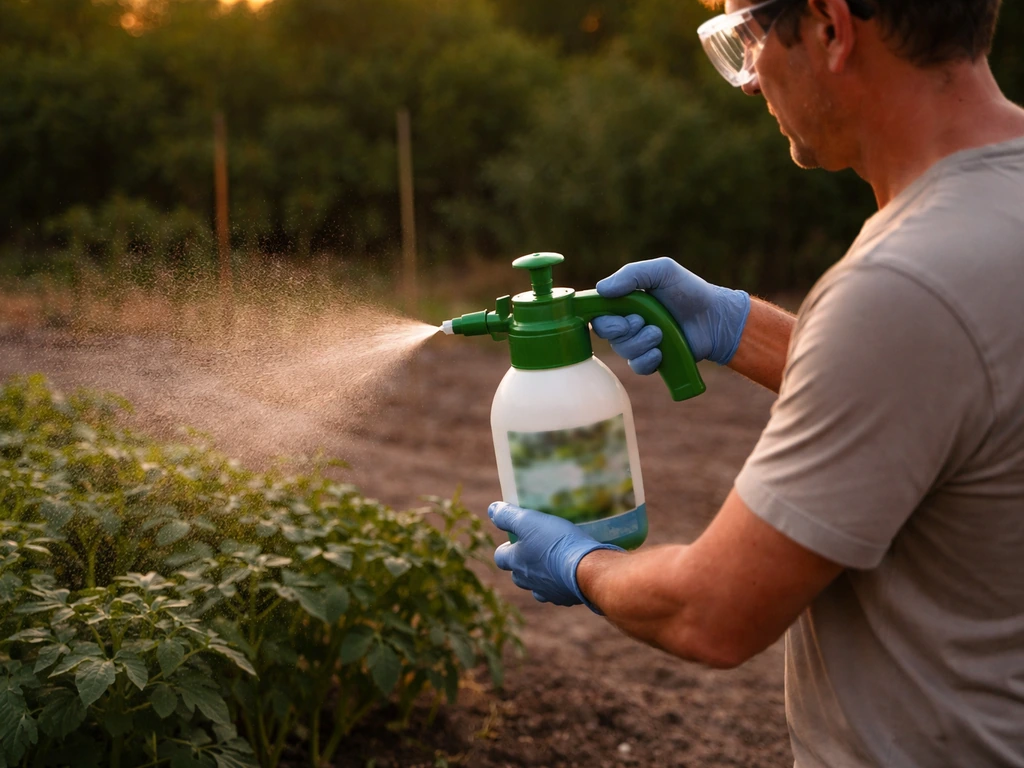
- Spray in the evening whenever possible. This protects foraging bees and other pollinators, and reduces UV breakdown of the product during application.
- Check the weather forecast. Do not spray if rain is expected within 24 hours for most contact pesticides — you will just wash the product off and need to reapply.
- Cover all leaf surfaces, including undersides. Most foliar pests and diseases start on the undersides of leaves, and most contact products need to reach them to work.
- Wear gloves and eye protection even for products labeled as low-toxicity. Neem oil and soap can irritate mucous membranes and eyes.
- Keep pets and children out of treated areas until the spray has dried — typically 1 to 2 hours for most organic sprays.
- Follow label dosage exactly. More is not better and can damage plants or soil biology.
Your practical week-by-week plan for organic pest management
The most effective organic pest management is not reactive, it is rhythmic. Here is a simple structure you can follow from transplant day through end of season. The goal is to catch problems early when they are cheapest to address, and to build records that help you improve each year.
Weekly scouting routine (10 to 15 minutes)
- Walk every bed and check the undersides of leaves on at least 10 percent of plants in each crop group. Look for eggs, larvae, feeding damage, and discoloration.
- Note any disease symptoms (spots, wilting, white powder, yellowing) and which plants are affected.
- Check your sticky traps or yellow pan traps if using them, and note how many insects are present — this tells you if pressure is rising.
- Hand-remove any caterpillars, egg masses, or heavily infested leaves you find.
- Write down what you saw and how bad the pressure was (light/moderate/heavy is enough).
Decision thresholds (when to move from monitoring to action)
Not every pest sighting requires a response. A general rule for home gardens: if more than 20 to 25 percent of plants in a bed show visible damage and pressure is increasing week over week, it is time to act. For caterpillars specifically, act early because they cause exponential damage as they grow, one week of inaction can mean the difference between light damage and a lost crop.
Simple record-keeping that pays off
You do not need a complicated system. A notes app on your phone or a paper notebook with dated entries is enough. Record: what you planted, when, which pest or disease appeared, what you did about it, and whether it worked. After two or three seasons, patterns become obvious, maybe flea beetles always hit your eggplant in May, so you know to have row covers ready by then. This is how you steadily reduce the need for sprays over time, because you are anticipating rather than reacting.
What to do this week specifically
- Walk your beds today and check leaf undersides. Note what you see.
- Install row covers on any brassicas or cucurbit seedlings not yet flowering.
- If you have had aphid, mite, or caterpillar pressure in previous years, order Bt and insecticidal soap now so you have them on hand before you need them.
- Add one or two flowering plants to each bed edge if you have not already — even a transplanted dill or cilantro going to seed is enough.
- Start a simple log: crop, date planted, what problems appeared last year if you know.
- Check any pesticide products you already own against the OMRI database to confirm they are compliant before the season heats up.
Organic vegetable growing is not about achieving zero pest contact, that is not realistic outdoors. It is about keeping pest populations below damaging thresholds using the least intervention necessary, building a system that gets easier and more resilient every year. The growers and home gardeners who do this best are not the ones who spray the most compliant products, they are the ones who scout consistently, intervene early, and keep good records. That cycle, repeated season after season, is what actually works.
FAQ
Do farmers who grow organic vegetables have to use pesticides to be certified?
No. Being organic does not require spraying, but if a problem is severe you may apply regulated pesticides, and many growers use them only after prevention steps (cultural, physical, biological) fail to keep pests below damaging thresholds.
If a spray is “natural” (like neem or garlic), does that mean it is automatically compliant for organic production?
“Natural” sprays are not automatically allowed. A product can be plant-derived or labeled as natural, yet still be a pesticide under the rules, or it can contain inert ingredients that are only acceptable in specific formulation categories. Always verify OMRI listing or confirm compliance with your certifier.
Are all plant-based pesticides allowed in organic vegetable farms?
Yes, some naturally derived pesticides are prohibited in organic production, even if they sound safe. A key example is rotenone, which is plant-derived but not allowed under the National Organic Program.
Why do two products with the same active ingredient sometimes both get labeled “organic compliant” but only one works for certification?
The practical difference is that certification decisions are based on the substance and formulation, not just the active ingredient. Even when two products share the same active ingredient, their inert ingredients and formulation details can differ, so you must check the exact product against OMRI listing or certifier guidance.
In organic farming, do you have to follow the IPM order before spraying?
Yes. Organic IPM is designed to move from prevention to lower-impact controls first, then to biopesticides or botanicals, and only then to pesticides when necessary. If you skip the earlier steps, you can still spray, but you may fail to meet the intent of required preventive practice and you may increase pest resistance or crop injury.
How do I decide whether I should actually spray after seeing pests on my organic vegetables?
Not every insect sighting triggers action. A common home-garden trigger is when visible damage affects roughly 20 to 25 percent of plants in a bed and pressure is rising, but caterpillars are an exception because early intervention often prevents rapid, compounding loss.
What is the most common mistake organic growers make when they do spray a permitted product?
You can spray, but you still need to think about timing and method so you do not worsen the problem. Practical “success” details include targeting the vulnerable pest stage early, ensuring good coverage (especially for undersides on leaves), and stopping once the threshold problem is under control instead of spraying on a calendar.
Can I prevent pest damage without using any sprays at all in organic vegetable production?
Row covers are often a direct alternative to spraying for many pests, especially during early stages. The tradeoff is that you must manage ventilation and pollination needs (for flowering crops) and ensure the cover stays sealed enough to prevent pest entry.
Does crop rotation help with soil-borne diseases and pests in organic vegetable beds, or is it mainly for insects?
Crop rotation in organic systems is not just about pest control, it is also a compliance tool for managing soil-borne disease pressure. A simple working guideline is avoiding the same plant family in the same bed more than once every three years to interrupt life cycles.
What should I look at if the product label lists allowed active ingredients but I am unsure about the inert ingredients?
Inert ingredients matter because they can determine whether a formulation is allowed. If you are buying for organic use, do not rely on the brand or the “neem oil” wording alone, check the specific product listing and, if certified, whether your certifier has already reviewed that formulation for your operation.
What records should an organic vegetable grower keep when pests require a treatment?
Recordkeeping is also useful for certification because it shows your decision process, not just what you sprayed. Keep notes on pest identification, dates, thresholds, and why a particular control step (or spray) was chosen, so you can explain your actions if questions arise later.
If I am not certified, do I still need to verify OMRI listing before using an organic pesticide?
If you are not certified and you are just gardening, OMRI listing is still a reliable shortcut, but you should still treat “compliant” as product-specific. For certified operations, you should always confirm with your certifier when there is any doubt, especially for new products you have never used before.
Farms That Grow Organic Crops Are Not Allowed to Use What
Organic home growing: what farms can’t use under organic rules, plus a checklist of safer approved inputs.