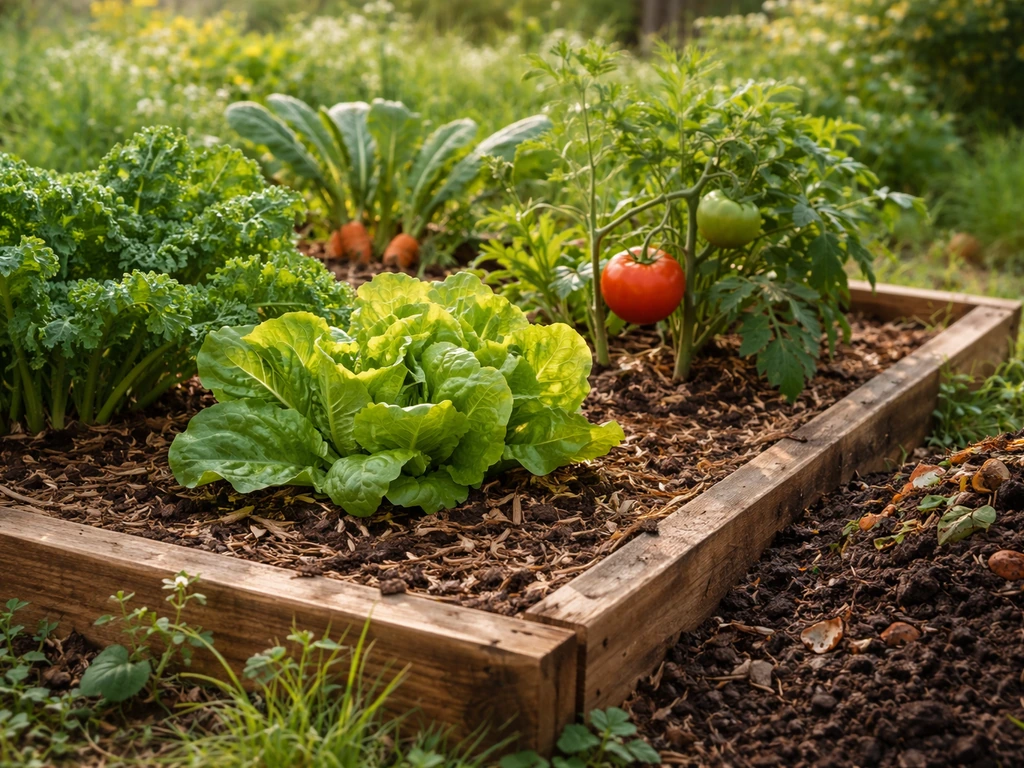
Farms that grow organic crops are not allowed to use synthetic fertilizers, synthetic pesticides, synthetic herbicides, sewage sludge (biosolids), ionizing radiation, or genetically modified organisms (GMOs). That's the core of it. Whether you're a certified commercial grower or a home gardener who just wants to grow food the clean way, those categories are off the table under organic rules. The practical challenge is that some of those prohibited inputs are sitting in garages and garden centers everywhere, marketed as convenient solutions, so knowing exactly what to avoid and what to use instead makes a real difference.
Farms That Grow Organic Crops Are Not Allowed to Use What

Marcus Hendrick
19 May 2026
What 'organic' rules actually mean and who decides them
In the United States, the rules come from the USDA National Organic Program (NOP), governed by 7 CFR § 205. The system works on two lists: synthetic substances are prohibited unless they appear on the allowed list in § 205.601, and nonsynthetic (natural) substances are generally allowed unless they're specifically prohibited in § 205.602. That two-list structure is the whole engine of the NOP. If a substance is synthetic and not on the approved list, it's out. If it's natural but appears on the prohibited list, it's also out.
Outside the U.S., the EU runs organic certification under Regulation (EU) 2018/848, which uses a similar authorization approach: only substances explicitly permitted under its Annex II and related articles may be used. Globally, IFOAM Organics International publishes the IFOAM Norms as a framework that many national programs align with. The details differ by country, but the philosophy is the same: a restricted input list, with the burden on the grower to verify everything before it goes in the ground.
For certified operations, recordkeeping under 7 CFR § 205.103 is mandatory. Every input, every product, every soil amendment needs to be documented. That recordkeeping requirement is one reason why knowing your inputs cold matters so much at the commercial scale. At home you're not filing paperwork, but building the same habit of checking what you're using is exactly what keeps your garden genuinely organic.
The big categories of things organic farms cannot use
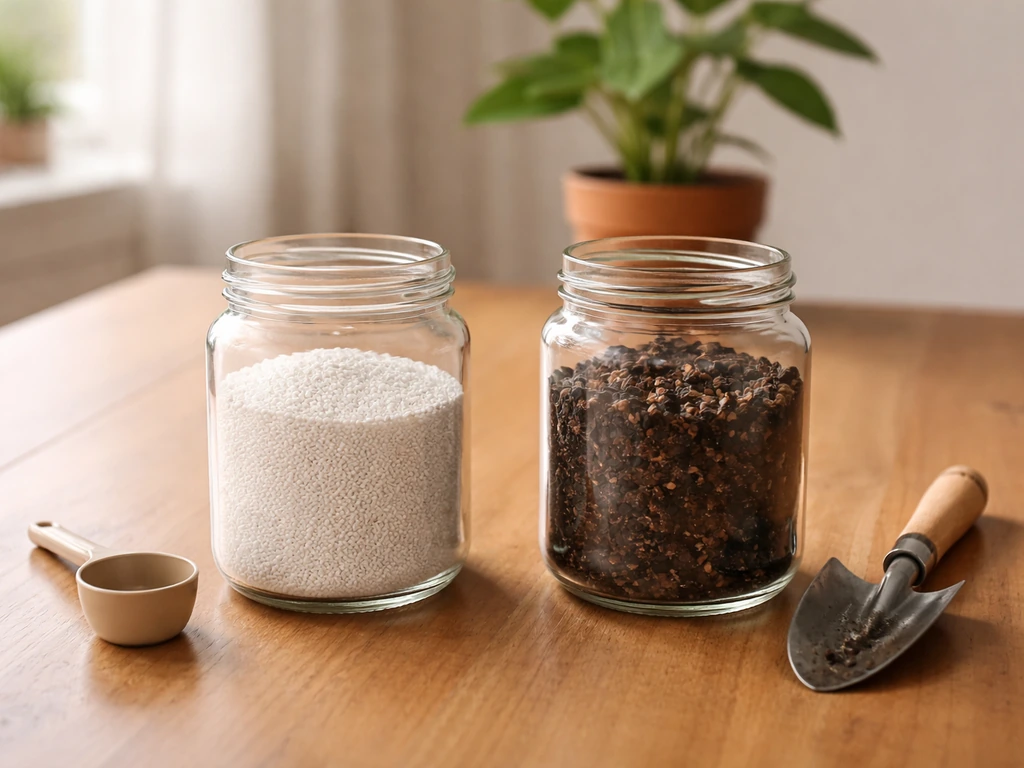
Here's a clean breakdown of the major prohibited categories under certified organic standards. Think of this as the master 'do not use' list.
| Category | Common Examples | Why It's Prohibited |
|---|---|---|
| Synthetic fertilizers | Miracle-Gro All Purpose, ammonium nitrate, urea, triple superphosphate | Synthetically manufactured; not on the NOP allowed list for crop production |
| Synthetic pesticides | Malathion, permethrin, carbaryl (Sevin), imidacloprid, glyphosate | Broad-spectrum synthetics; prohibited unless specifically listed in § 205.601 |
| Synthetic herbicides | Glyphosate (Roundup), 2,4-D, atrazine, dicamba | Synthetic chemical weed killers; fully prohibited in organic systems |
| Sewage sludge / biosolids | Milorganite (historically flagged; see note below), municipal biosolid composts | Explicitly prohibited by 7 CFR § 205.105(g); may contain heavy metals and contaminants |
| GMOs / excluded methods | GMO seed, gene-edited planting stock | Excluded methods under § 205.105(e); not permitted in any organic system |
| Ionizing radiation | Irradiated seed treatments or food-processing steps | Explicitly prohibited by § 205.105(f) |
| Prohibited nonsynthetics | Arsenic, strychnine, tobacco dust (nicotine sulfate), lead salts | Natural but explicitly prohibited in § 205.602 due to toxicity or persistence |
A quick note on Milorganite: it was reformulated and its biosolid sourcing has caused real confusion among gardeners. The USDA NOP prohibits sewage sludge categorically, so any product derived from municipal biosolids is out, regardless of how it's marketed. If you're not sure, check whether a product has OMRI listing before using it.
Common backyard inputs that would break organic rules
The inputs that trip up home gardeners the most aren't the obvious industrial chemicals. They're the everyday products from the hardware store or a neighbor's shed that seem harmless but are flat-out prohibited under organic standards.
- Miracle-Gro All Purpose Plant Food and similar water-soluble synthetic fertilizers: These are among the most commonly used garden products in the country, but they're synthetic and off-limits. They work fast, which is exactly why people like them, but fast-release synthetic nitrogen bypasses the soil biology that organic systems rely on.
- Osmocote and other synthetic slow-release granules: The slow-release mechanism doesn't make them organic. They're still synthetically manufactured and not on the NOP approved list.
- Sevin (carbaryl) dust or spray: A go-to for many gardeners dealing with beetles and caterpillars. Synthetic insecticide, fully prohibited.
- Spectracide, Ortho Home Defense, and similar broad-spectrum insecticides: These are almost universally synthetic and prohibited.
- Roundup and any glyphosate-based weed killer: Probably the most misunderstood product in home gardening. It's a synthetic herbicide and completely off the table in organic production, even for spot treatment.
- Weed-and-feed lawn products applied near vegetable beds: Often contain synthetic herbicides (2,4-D, dicamba) that can drift or leach into food-producing areas.
- Compost from unknown sources: If you don't know what went into it, you don't know what's in it. Municipal compost can include biosolids or treated inputs that violate organic rules.
- Treated lumber for raised beds: Pressure-treated wood (older CCA-treated lumber especially) can leach arsenic and heavy metals into soil. Even newer ACQ-treated lumber isn't approved for organic production.
What you can actually use: approved organic fertility and pest control
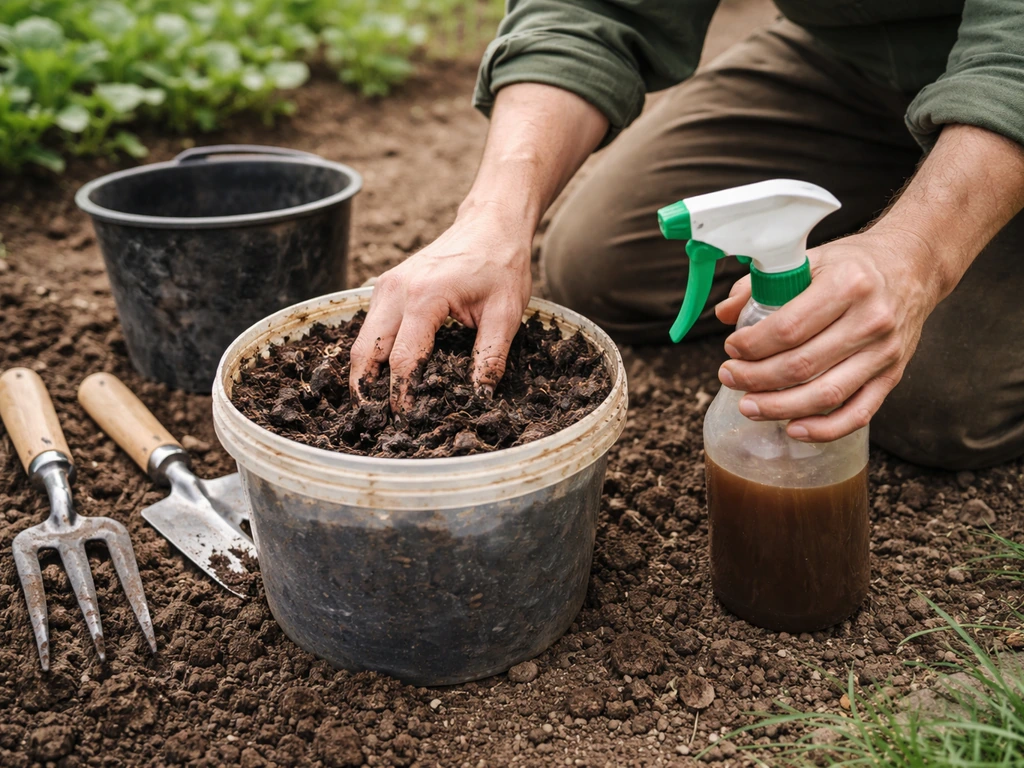
The good news is that the organic toolkit is genuinely effective once you understand it. The shift is from feeding the plant directly to feeding the soil so the soil feeds the plant. That takes a little longer to show results, but the outcomes are more durable.
Fertility and soil building
- Compost (home-made or OMRI-listed): The foundation of organic fertility. Finished compost adds slow-release nutrients, improves soil structure, and feeds microbial life. Aim for 2 to 4 inches worked in per season.
- Blood meal: High nitrogen (around 12-0-0), breaks down over 4 to 6 weeks. Use it sparingly or you'll overshoot nitrogen and get all leaves, no fruit.
- Bone meal: Good phosphorus source (roughly 3-15-0), useful at transplant time and for root development. Slow to break down.
- Fish meal and fish emulsion: Broad nutrient profile, works well as a liquid feed during the growing season. Fish emulsion runs about 5-1-1 and is fast-acting for a natural source.
- Kelp meal and liquid kelp: More of a micronutrient and plant hormone boost than a primary fertility source. Use it as a supplement alongside compost and meal-based amendments.
- Worm castings: Gentle, complete, nearly impossible to over-apply. Great for seedlings and transplants.
- Rock phosphate and greensand: Long-term phosphorus and potassium sources. They work slowly, so apply in fall to work into the soil over winter.
- Cover crops (legumes like clover, vetch, or field peas): Fix atmospheric nitrogen and return it to the soil when tilled in. One of the most cost-effective fertility moves you can make.
Pest control
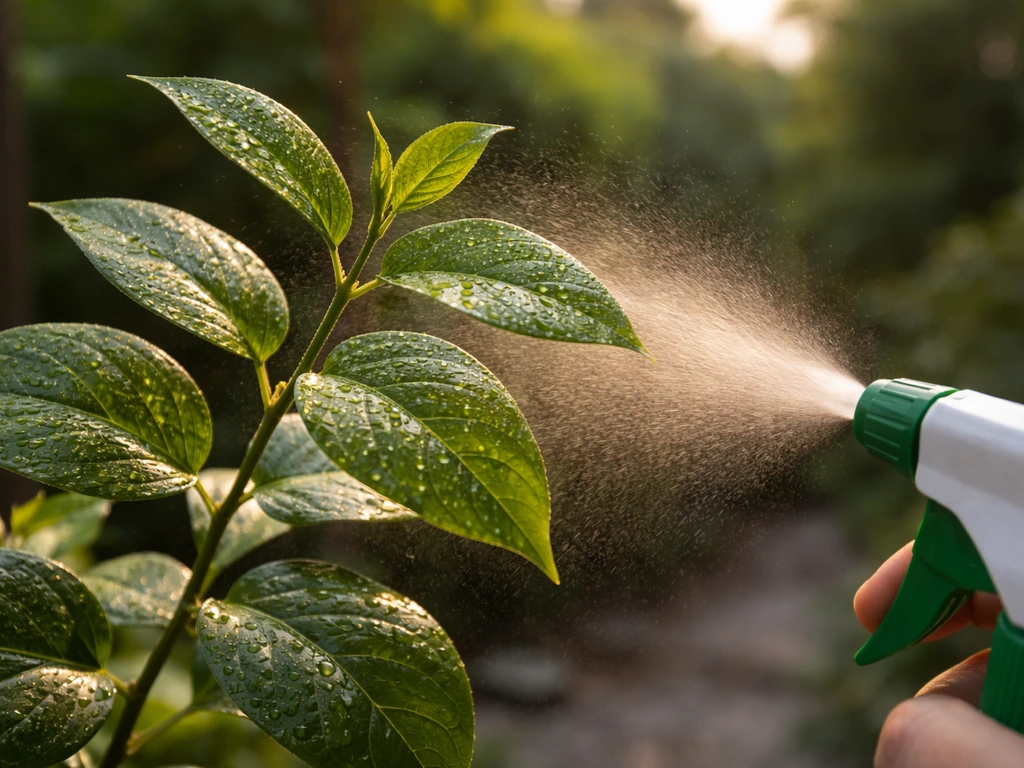
- Neem oil (cold-pressed, OMRI-listed): Works against a wide range of soft-bodied insects and fungal issues. Apply in the evening to avoid harming beneficial insects.
- Insecticidal soap (potassium salts of fatty acids): Effective on aphids, mites, and whitefly. Contact killer only, no residual, so you need good coverage.
- Spinosad: A naturally derived insecticide from soil bacteria. Effective against caterpillars, thrips, and beetles. OMRI-listed versions are approved for organic use.
- Bacillus thuringiensis (Bt): Specific to caterpillars (Bt kurstaki) or fungus gnats (Bt israelensis). Harmless to humans, birds, and beneficial insects. One of the most reliable tools in the organic arsenal.
- Diatomaceous earth (food grade): Physical pest barrier. Works well against crawling insects when kept dry. Not effective once wet.
- Pyrethrin (not permethrin): Pyrethrin is the natural compound derived from chrysanthemum flowers and is approved in organic systems. Permethrin is synthetic and is not.
- Row covers and physical barriers: The most underrated pest control tool. Floating row cover blocks aphids, cabbage moths, cucumber beetles, and flea beetles with zero chemical input.
Disease prevention
- Copper fungicides (OMRI-listed): Approved for organic use but use sparingly because copper accumulates in soil over time. Good for blights and bacterial diseases.
- Sulfur-based fungicides: Effective against powdery mildew and rust. Don't apply within two weeks of oil sprays or you'll burn foliage.
- Bicarbonate sprays (baking soda solution): A DIY option for mild fungal pressure. Not a cure, but can slow spread when disease is caught early.
- Trichoderma-based biological fungicides: Soil-drench products that build beneficial fungal populations to outcompete pathogens.
How to verify products before you use them

The OMRI (Organic Materials Review Institute) listing is your fastest verification shortcut. OMRI (Organic Materials Review Institute) independently reviews products against USDA National Organic Program standards and publishes the approved products list OMRI (Organic Materials Review Institute) reviews products against NOP standards. OMRI reviews products against NOP standards and publishes an approved products list at omri.org. If a product has the OMRI Listed seal on the label, it's been independently verified as compliant with USDA organic standards. That doesn't mean you can use unlimited quantities of everything with an OMRI seal, but it does mean you're working within the rules.
When a product doesn't have an OMRI listing, don't assume it's prohibited, but do check. Look for the CDFA (California Department of Food and Agriculture) organic materials list, the Washington State Department of Agriculture list, or the Organic Input Materials program from your state's certifier if you're working toward certification. These are secondary verification sources and many genuinely good organic products aren't OMRI-listed simply because the manufacturer didn't pay for the review.
For unlisted products, read the ingredient list carefully. If you see anything ending in '-cide,' any synthetic polymer, or any chemical that reads like it came from a petrochemical process, stop and research it. Cross-reference with the NOP National List at ams.usda.gov. That list is publicly available, searchable, and is the authoritative source in the U.S. The IFOAM Norms and EU Regulation 2018/848 have equivalent lists for international growers.
One practical tip: save the label or product page for anything you use. If you ever decide to pursue certification, or if you just want to keep records for your own reference, having documentation of what you applied and when is enormously helpful. Certified operations are legally required to do this under 7 CFR § 205.103, and the habit is worth building even at the home garden scale.
A practical decision plan for weeds, pests, and disease
When something goes wrong in the garden, the instinct is to reach for a spray bottle. The organic approach works better when you think in order of escalation: start with the least intervention and work up only if needed. Here's how I actually work through a problem.
For pest outbreaks
- Identify the pest correctly before doing anything. Many 'damage' signs (holes, spots, wilting) have multiple possible causes, and treating for the wrong thing wastes time and money.
- Check whether the infestation is localized. If it's a few plants, hand-pick or remove the affected material. For caterpillars, squash bugs, and larger beetles, physical removal is often enough.
- Apply physical barriers if the pest has a predictable entry point. Row covers for flying insects, copper tape for slugs, collars for cutworms.
- If physical methods aren't sufficient, move to targeted biologicals: Bt for caterpillars, insecticidal soap for soft-bodied insects, spinosad for thrips and beetles.
- Use oil or pyrethrin sprays as a last resort for severe infestations, applied in the evening to reduce impact on pollinators.
- After the outbreak, address the underlying cause: Is the plant stressed from poor fertility? Is there a monoculture situation that makes it easy for pests to spread? Companion planting, crop rotation, and better soil fertility are the long-term fix.
For weed pressure
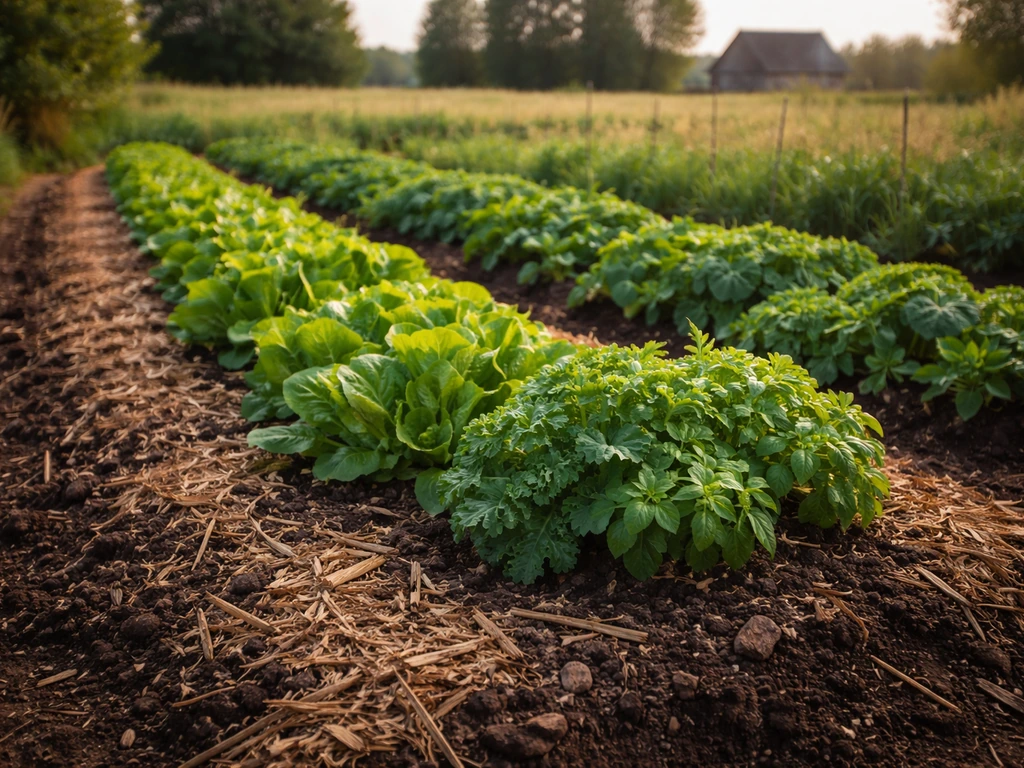
- Mulch heavily. A 3- to 4-inch layer of straw, wood chips, or shredded leaves blocks the vast majority of annual weeds. This is the single most effective organic weed control approach.
- Use flame weeding for pathways and areas between beds. A propane torch kills annual weed seedlings by rupturing their cells. Not for use around plants, but very effective for bare soil prep.
- Hoe shallow and often. Shallow cultivation (no more than an inch deep) kills germinating weed seeds without bringing new seeds to the surface.
- For perennial weeds, smother with cardboard and deep mulch over a full season. There's no organic shortcut for established perennials like bindweed or quackgrass: you have to be patient and persistent.
- Never reach for glyphosate or any synthetic herbicide. The temptation is real but it disqualifies your garden from organic status and leaves residues in the soil.
For disease problems
- Remove and dispose of (don't compost) infected plant material immediately. Many diseases spread fast and a few infected leaves can infect a whole bed.
- Improve airflow: prune for spacing, stake sprawling plants, avoid overhead watering.
- Apply copper or sulfur fungicides at the first sign of fungal or bacterial disease, not after it's taken hold.
- Use resistant varieties for recurring disease problems. If your tomatoes get late blight every year, switching to a blight-resistant variety solves more than any spray ever will.
- At the end of the season, practice good sanitation: remove all crop debris, rotate to a different family in that bed next year.
Organic for your garden vs certified organic: what's the real difference
If you're growing food at home and not selling it with an 'organic' label, you're not legally required to certify. Certification costs money, requires an annual inspection, and involves the kind of paperwork that makes sense for farms selling into markets where the label has a price premium. For a home gardener, it's overkill.
But 'organic for your garden' still means something real. It means you're following the same input rules: no synthetics, no prohibited naturals, no GMOs, no biosolids. The difference is you're doing it for yourself and your family rather than for a certifier. That's actually a more honest version of organic in some ways because there's no economic pressure to cut corners and no loopholes to exploit.
The confusion comes when people conflate 'naturally grown,' 'chemical-free,' 'pesticide-free,' or 'non-GMO' with 'organic.' These terms overlap but don't mean the same thing. 'Naturally grown' has no legal definition. 'Chemical-free' is scientifically meaningless (everything is a chemical). 'Pesticide-free' is a claim some growers make, but even organic systems use approved pesticides. 'Organic' in the certified sense has a very specific legal meaning with a documented input trail. When you're growing for yourself, you get to define your own standard, but it's worth being honest about what that standard actually is.
It's also worth knowing that choosing to grow organically isn't just a rule-following exercise. There are real reasons why these practices produce better long-term outcomes for soil health, biodiversity, and the food itself. If you're curious about the deeper 'why,' that connects directly to the broader conversation around organic growing principles and what makes organic methods worth the extra attention compared to conventional approaches, including the debate around GMO crops and what genetic engineering means for the future of farming. Those same GMO-related rules are also a big reason many farmers choose or avoid certain crops, depending on their certification goals and priorities debate around GMO crops.
Your practical starting point: what to do this season
Here's the short version of what to actually do if you want to grow organically starting now. If you're wondering why grow organically, start with how organic rules protect soil, biodiversity, and long-term farm health grow organically starting now.
- Audit what's already in your garage or shed. Identify anything synthetic (check for 'synthetic' in ingredients, or cross-reference with OMRI if unsure) and set it aside for non-garden use.
- Start a compost pile or buy OMRI-listed finished compost. This is the foundation of everything.
- Replace synthetic fertilizers with a combination of compost plus one or two meal-based amendments matched to your crop needs (blood meal for leafy greens, bone meal for fruiting crops).
- Switch to OMRI-listed pest control: buy insecticidal soap, neem oil, and Bt. These three cover 80 percent of common garden pest situations.
- Get row cover fabric. Use it as your first line of defense for pest prevention rather than reaction.
- Look up the OMRI products list (omri.org) and bookmark it. Check new products there before buying.
- Plan your rotation: don't grow the same plant family in the same bed two years in a row. This is one of the most effective organic disease and pest management tools that costs nothing.
Growing organically isn't harder than conventional gardening, it just requires knowing the rules upfront. Once you've made the swap in your input cabinet and built the habit of checking labels, the day-to-day work is exactly the same: plant, water, observe, respond. The difference is what you're responding with.
FAQ
Can I use composted manure and other animal byproducts in an organic garden?
Yes, animal manures and compost are generally allowed, but you still need to follow organic rules on handling and timing. The key risk is contamination, so use well-composted materials, avoid fresh manure right before harvest, and keep notes on source and application dates if you plan to certify later.
If a product says “natural” or “non-toxic,” does that automatically make it organic-compliant?
No. “Natural” does not equal “permitted,” because the USDA and other certifiers focus on whether a substance is specifically authorized or prohibited. Always verify against the allowed material lists (NOP National List in the U.S.) or reputable program lists, even for products marketed as eco-friendly.
What’s the rule on “organic” seeds and seedlings, do the prohibited inputs change anything?
Starting materials matter. Even if your fertilizers and sprays comply, using non-organic seed or seedlings can prevent meeting organic certification requirements. For certified production, plan ahead by sourcing seeds and transplants that fit the applicable organic standards, and keep documentation from the supplier.
If I accidentally apply a prohibited substance, can I “undo” it and still call the crop organic?
Typically you cannot simply recover it. Certified operations must investigate, document, and take corrective action, which may include losing organic status for affected blocks and updating procedures. The safest move is to stop using the product immediately, isolate what you applied, record the date and rate, and ask your certifier how they handle it.
Are pesticides allowed in organic farming if they are “organic-approved,” and what counts as approved?
Organic systems can use certain pesticides, but only those that are specifically permitted under the applicable standard. The fresh point is that “approved” means on the relevant authorized list, not merely labeled organic or derived from plants, and you should confirm both the active ingredient and the product form.
Does organic certification in the U.S. require proof that I did not use GMOs, even if I didn’t plant GMO seed?
You generally need an input trail, not just an intention. For certification, you document seed and any other relevant inputs, and avoid commingling or contaminated supplies. If you share equipment or storage with conventional operations, ask how your certifier expects you to prevent cross-contact.
Can I use rainwater or well water, and do water sources create organic compliance issues?
Water is usually not restricted the same way as fertilizers and pesticides, but water quality can indirectly create problems, especially if runoff or irrigation mixes with treated or contaminated sources. Practically, if you suspect industrial contamination or upstream biosolids runoff, test water and keep records so you can demonstrate due diligence.
If a garden center doesn’t have OMRI-listed products, what’s the best backup verification path?
Use second-tier checks instead of guessing. Look for your state’s organic input listings or your certifier’s recommended sources, and then verify active ingredients against the NOP National List. Also save the label because some products change formulations, and a future inspection or re-check is easier with the exact label you used.
How should I respond when I see products marketed as “biosolids,” “biosolid compost,” or “sewage sludge fertilizer”?
Treat those as prohibited for USDA organic purposes. Even if the packaging uses softer terms, the origin matters, and products derived from municipal biosolids are not allowed. If you are unsure, confirm the sourcing on the label or product documentation before applying.
Is there a difference between “not selling as organic” and “still following organic rules” at home?
Yes. At home, you are not legally required to be certified if you are not selling labeled-organic produce, but you can still choose to follow the same input restrictions as a personal standard. The practical difference is recordkeeping and accountability, so if you want the strict approach, track products, dates, and quantities the same way a certified grower would.
Next Article
Why Grow Organically: Benefits, Tradeoffs, and How to Start
Understand why to grow organically: healthier food, better soil, more biodiversity, and clear tradeoffs plus first steps