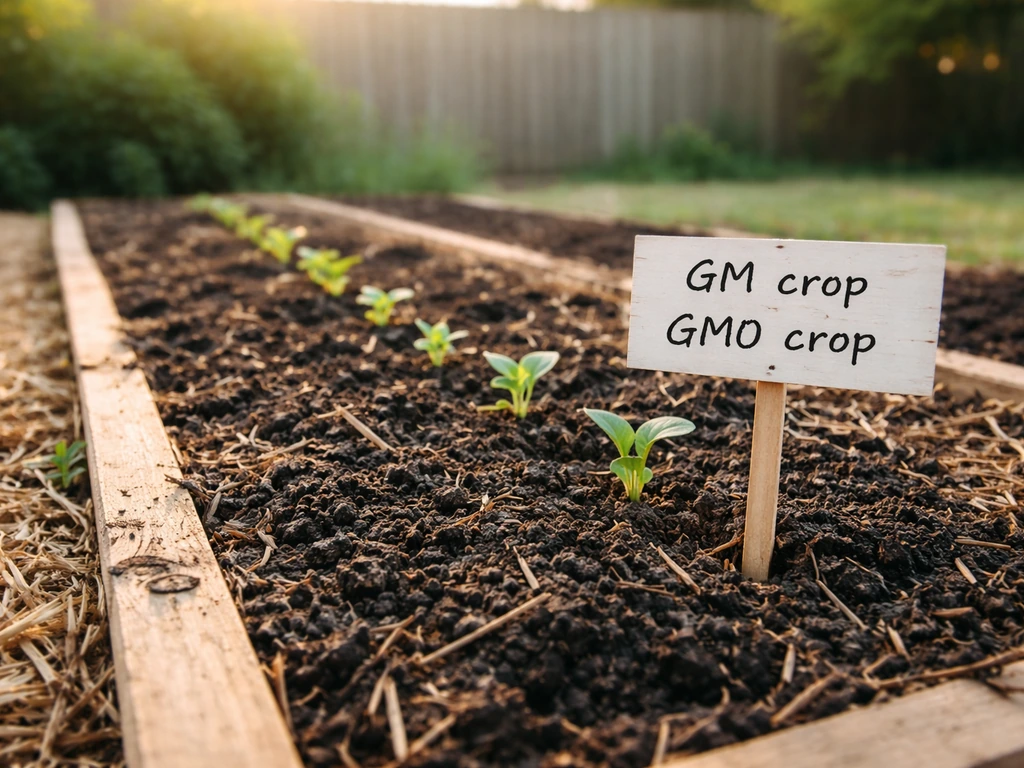
As of 2024, around 30 countries grow GMO crops commercially, with the United States leading the world at roughly 79.9 million hectares planted. Brazil, Argentina, Canada, and India round out the top five. These five countries alone account for the vast majority of the world's biotech crop area. The main crops involved are soybeans, maize (corn), cotton, and canola, almost all engineered for herbicide tolerance, insect resistance, or both.
Which Countries Grow GMO Crops Today? Global List and Guide
Marcus Hendrick
9 Jun 2026
What 'GMO crops' actually means (and what it doesn't)
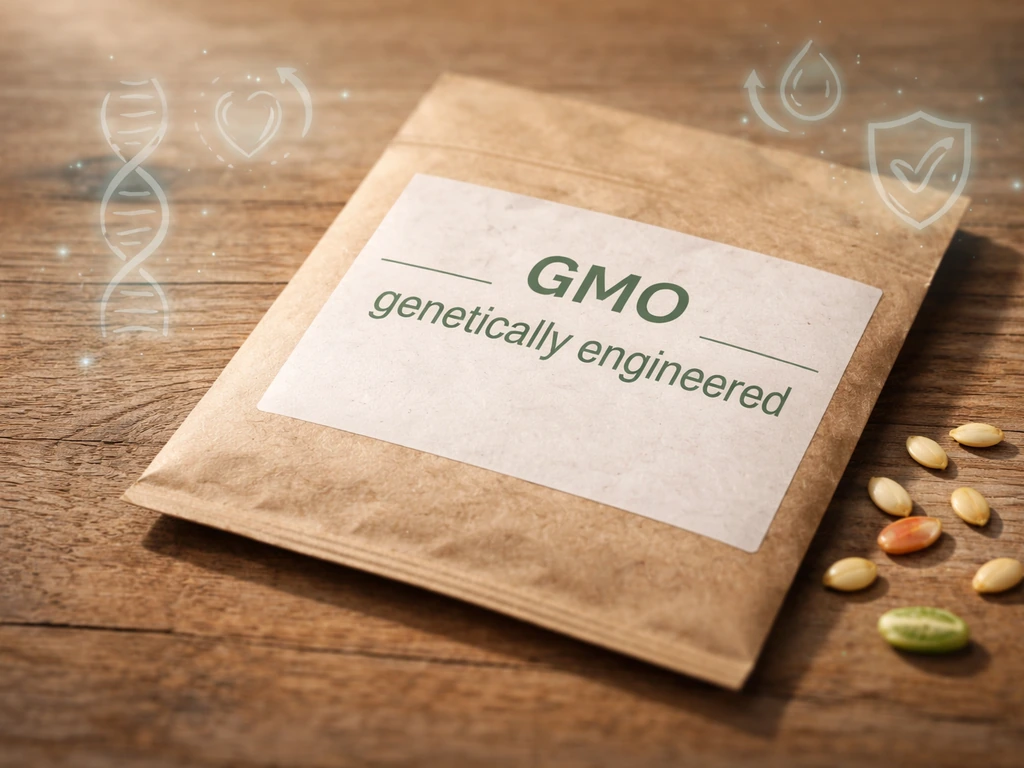
A GMO crop, or genetically modified organism, is a plant whose DNA has been altered in a way that doesn't happen through natural mating or cross-pollination. That's the official definition used by regulators like the UK Food Standards Agency and the EU under Directive 2001/18. In practical terms for farmers, it usually means one of two things: the crop has been engineered to tolerate herbicides (so you can spray a field without killing the crop), or it produces its own insecticidal proteins borrowed from a soil bacterium called Bacillus thuringiensis (these are called Bt crops). The U.S. Department of Agriculture’s Economic Research Service blank" rel="noopener noreferrer">characterizes genetically engineered crop traits in the United States as herbicide-tolerant (HT), insect-resistant (Bt), or stacked varieties that combine HT and Bt traits. USDA ERS explains that Bt insect-resistant crops contain genes from Bacillus thuringiensis that produce insecticidal proteins blank" rel="noopener noreferrer">produces its own insecticidal proteins borrowed from a soil bacterium called Bacillus thuringiensis. Many commercial varieties now stack both traits in a single seed.
What it doesn't mean: GMO is not the same as hybrid breeding, selective breeding, or newer gene-editing techniques like CRISPR. In the UK, for example, precision-bred crops are regulated separately and none are currently authorized for sale as food or feed. In the EU, the legal definition of a GMO hinges on the specific techniques listed in the annexes of Directive 2001/18, which means not every new biotech tool automatically triggers GMO rules. This matters when you're reading headlines about 'gene-edited tomatoes' or 'CRISPR wheat,' because those may or may not fall under the GMO label depending on where you are.
For home gardeners, the most important distinction is this: the GMO crops dominating global agriculture are commodity crops, not the tomatoes, peppers, or lettuce you're likely growing in your backyard. The vast majority of GMO cultivation is industrial-scale production of soy, corn, cotton, and canola.
The countries growing GMO crops right now
ISAAA (International Service for the Acquisition of Agri-biotech Applications) tracks global GMO cultivation annually. Their 2024 report (Brief 57, released February 2026) is the most current data available. Here are the major players by cultivated area, drawing on both the 2024 headline figures and the more detailed 2019 country-level breakdowns that remain the most granular public crop-by-crop data:
| Country | Approx. Area (Mha) | Primary GMO Crops |
|---|---|---|
| United States | 79.9 | Maize, soybeans, cotton, canola, alfalfa, sugar beets, potatoes, papaya |
| Brazil | ~55+ | Soybeans, maize, cotton, sugarcane |
| Argentina | ~24+ | Soybeans, maize, cotton, alfalfa |
| Canada | ~12+ | Canola, soybeans, maize, sugar beets |
| India | ~11+ | Cotton (Bt cotton dominates) |
| Paraguay | ~4+ | Soybeans, maize, cotton |
| China | ~3+ | Cotton, papaya, poplar (limited) |
| Pakistan | ~3+ | Cotton |
| South Africa | ~2.7+ | Maize, soybeans, cotton |
| Bolivia | ~1.3+ | Soybeans |
| Philippines | ~0.8+ | Maize |
| Australia | ~0.7+ | Cotton, canola |
| Myanmar | ~0.3+ | Cotton |
| Sudan | ~0.2+ | Cotton |
| Mexico | ~0.2+ | Cotton, soybeans |
| Spain | Small | Maize (MON810, insect-resistant, EU's only cultivated GMO) |
| Other EU countries | Very small | MON810 maize (minor cultivation) |
| Bangladesh | Small | Bt brinjal (eggplant) |
| Nigeria | Small | Bt cowpea, Bt maize (expanding) |
| Ethiopia | Small | Bt cotton |
| Kenya | Small | Bt cotton (recently approved) |
| Colombia | Small | Maize, cotton |
| Honduras | Small | Maize |
| Chile | Small | Seed multiplication crops |
| Costa Rica | Small | Seed production |
| Vietnam | Small | Maize |
| Indonesia | Very small | Sugarcane (trial/limited) |
| Eswatini | Small | Cotton |
| Malawi | Small | Cotton |
| Ghana | Small/trial | Cowpea |
Numbers shift year to year as new countries approve crops and acreage expands or contracts. The ISAAA Brief 57 (2024) is where you'll find the most current totals, but the crop-type patterns above are well-established and don't change dramatically from year to year.
Breakdown by crop type and region
The Americas: where most of it happens
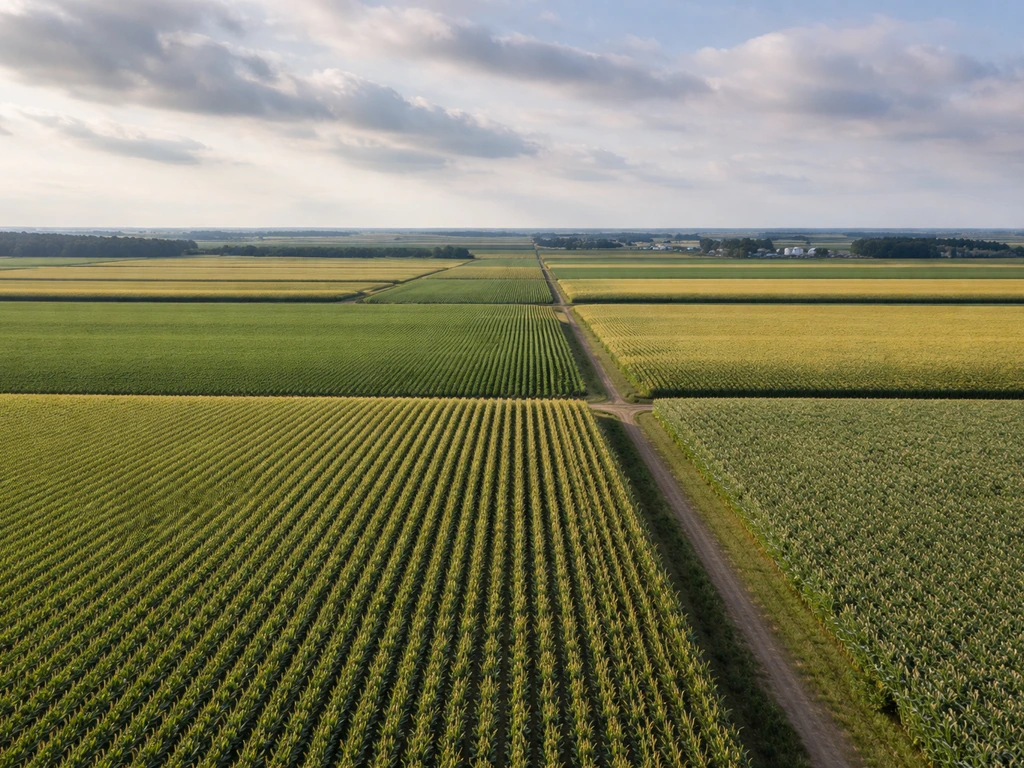
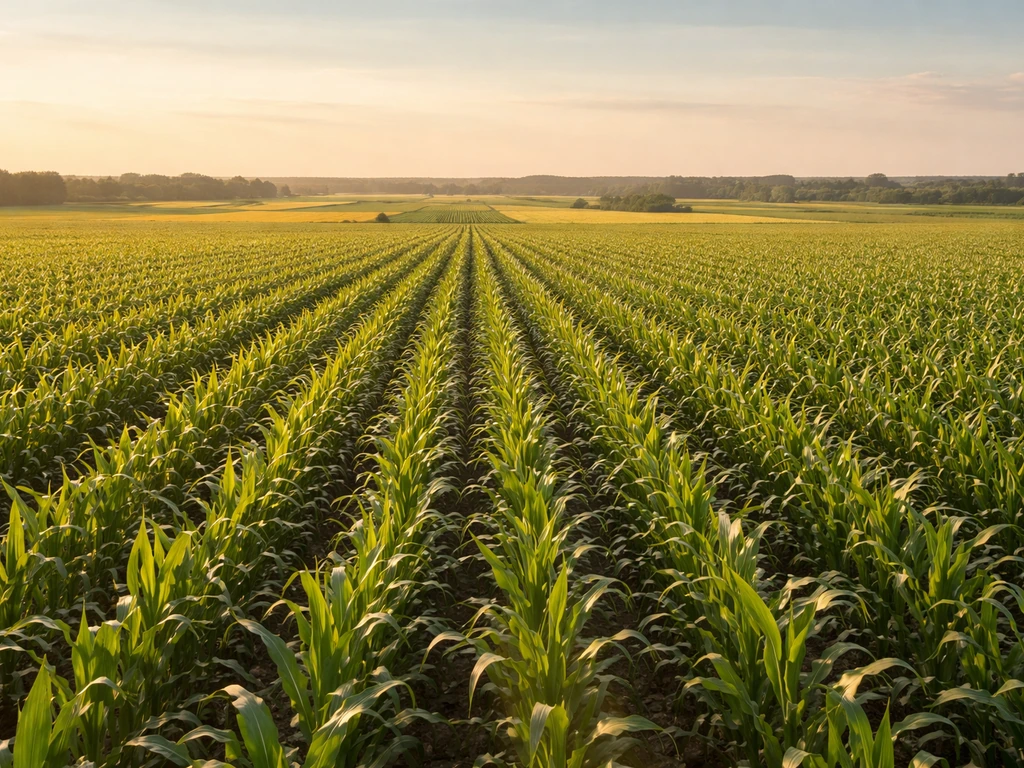
The US, Brazil, Argentina, Canada, and Paraguay together account for the overwhelming majority of global GMO crop area. Herbicide-tolerant (HT) soybeans and HT/Bt corn are the workhorses. In the US alone, 94% of corn acres and well over 90% of soybeans and cotton were planted with biotech varieties in 2024, according to USDA-NASS data. The traits in play are almost entirely herbicide tolerance, Bt insect resistance, or stacked versions combining both. Canada's dominant GMO crop is canola, with HT varieties covering the vast majority of Canadian canola fields. Brazil has extended GMO technology into sugarcane, making it one of the few countries with a GM sugar crop.
Asia and Africa: mostly cotton, with some food crops emerging
India and Pakistan grow Bt cotton almost exclusively. China's GMO cultivation is similarly cotton-focused, though China has approved Bt maize and HT soybeans for commercial planting and is expanding. In Africa, South Africa is the most advanced GMO adopter with maize, soybeans, and cotton all in commercial production. A notable development in recent years is the approval and planting of Bt cowpea in Nigeria and Bt brinjal (eggplant) in Bangladesh. These are food crops eaten directly by people, not just commodity crops processed into animal feed or oil, which makes them worth paying attention to.
Europe: strictly limited
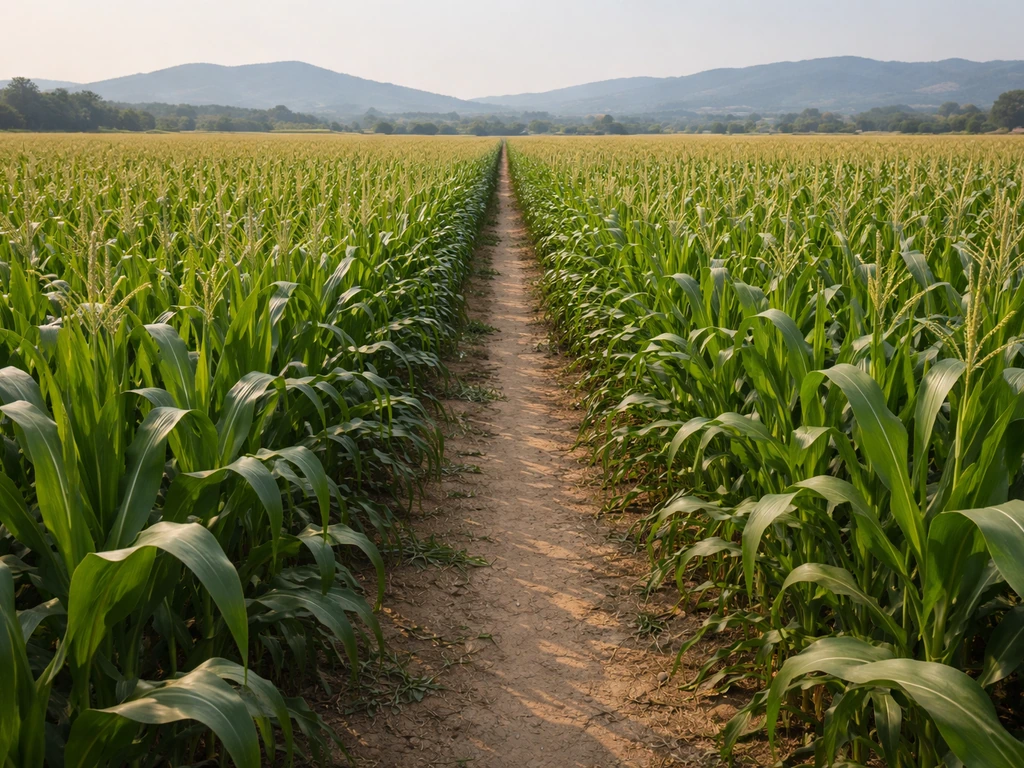
The EU's only commercially cultivated GMO crop is MON810 maize, an insect-resistant Bt variety grown primarily in Spain and in very small quantities in a handful of other member states. It's grown for animal feed. The European Food Safety Authority (EFSA) oversees its monitoring. That's it for the EU. The regulatory environment is extremely restrictive, and public and political opposition has kept biotech crop adoption nearly nonexistent across most of Europe.
Why some countries don't grow GMO crops (it's more complicated than a flat ban)
There's an important distinction between growing GMO crops, importing GMO crops, allowing GMO ingredients in food, and funding GMO research. Many countries that don't grow a single GMO hectare still import substantial amounts of GMO soy or corn as animal feed or food ingredients. The EU is a perfect example: almost no GMO cultivation, but it imports millions of tonnes of GMO soybeans from Brazil and the US every year. So if you live in an EU country and eat meat raised on imported feed, you're indirectly connected to GMO crop systems.
Countries stay out of GMO cultivation for a few different reasons. Some have legal bans or highly restrictive approval processes (most EU member states, Russia, several African nations). Some have no domestic commercial agriculture at a scale that makes GMO adoption relevant. Some are actively researching GMO crops in contained field trials but haven't moved to commercial approval yet. And some countries simply don't grow the major commodity crops (soy, corn, cotton) that GMO developers have prioritized. Japan, South Korea, and much of the Middle East import significant quantities of GMO crops but don't grow them domestically.
This is why you can't use 'no GMO cultivation' as a proxy for 'no GMO in the food supply.' For home gardeners focused on food independence, the growing vs. importing distinction is actually quite useful: it tells you something about where food-system pressure points are, and why labeling regulations vary so dramatically between countries.
What this means if you're growing your own food
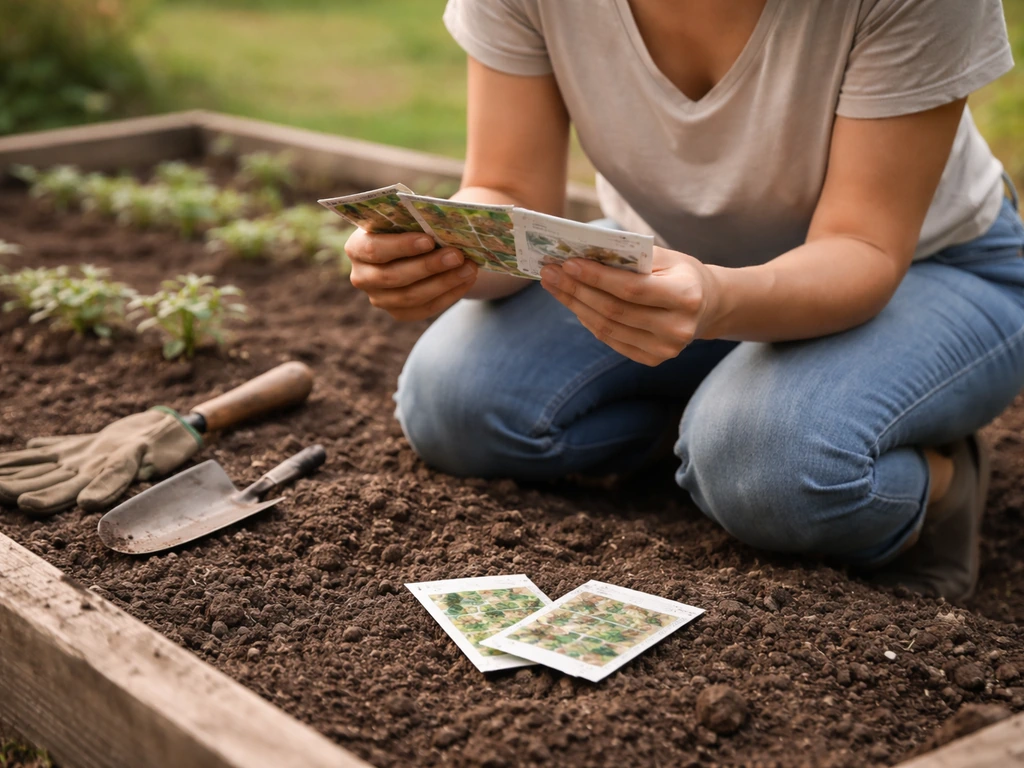
If you're a home gardener or homesteader trying to work out what any of this means practically, here's the honest picture. The crops most commonly engineered (soy, corn, cotton, canola) are also some of the most common commodity ingredients in processed food. If you're buying bulk soy flour, cornmeal, canola oil, or cottonseed oil in the US, Canada, or Brazil, there's a very high probability it came from GMO crops unless it's specifically labeled non-GMO or organic. Sugar from sugar beets in the US is also predominantly from HT varieties.
For seed sourcing, the good news is that GMO seeds are not sold retail to home gardeners. You can't accidentally buy GMO tomato or squash seeds at a garden center because no such commercial product exists for those crops. The GMO crops grown commercially (soy, corn, cotton, canola) are sold through licensed commercial channels to farmers, not in home garden seed packets. So if you're sourcing from reputable seed companies, especially those with non-GMO or open-pollinated commitments, you're not going to end up with GMO seeds in your garden regardless of which country you live in.
Where it does get relevant for home growers is if you're growing sweet corn and you live near large commercial corn operations. GMO corn pollen can travel and potentially cross with your open-pollinated or heirloom sweet corn. This is more of a concern for seed saving than for eating the corn you harvest, but it's worth knowing if you're serious about maintaining pure seed lines. Growing isolation distance (at least 660 feet, or ideally more) and timing plantings to avoid overlap with neighboring fields are the practical tools for managing this.
The broader food security angle is this: understanding which countries grow GMO crops helps you understand where ingredients in your food are actually coming from and what the growing conditions involve. If you care about pesticide use, for example, HT crops are associated with increased herbicide use (particularly glyphosate), while Bt crops are associated with reduced insecticide use. These are real trade-offs, not simple good-or-bad stories. The question of whether GMO crops are cheaper to grow or whether they grow faster involves separate sets of evidence worth exploring on their own terms. That question is best answered by looking at the specific crop, trait, and growing conditions, since GMO technology does not automatically mean faster growth do GMO crops grow faster. That price question depends on seed costs, herbicide or insecticide trade-offs, and yield effects, which vary by crop and country are GM crops cheaper to grow. If you're asking should we grow GM crops, it's also worth weighing cost, yield, and the trade-offs between herbicide and insecticide impacts whether GMO crops are cheaper to grow.
Practical steps for informed purchasing and growing
- If you want to avoid GMO-derived ingredients in processed food, look for USDA Certified Organic or Non-GMO Project Verified labels. In the EU and UK, labeling rules require GMO disclosure above certain thresholds.
- For seed buying, purchase from seed companies that explicitly stock open-pollinated or heirloom varieties. Many reputable companies have signed non-GMO pledges. Avoid loose seed from bulk bins at farm supply stores if GMO origin matters to you.
- If you grow corn and want to save seeds, plant away from neighboring corn fields and check what's growing nearby. Even a few hundred feet of distance helps reduce cross-pollination risk.
- If you grow soybeans at home (which is totally doable and rewarding), source seeds from a supplier that specifies non-GMO or heirloom varieties. Edamame varieties are almost universally non-GMO since they're a specialty market.
- When reading food labels, remember that highly refined ingredients like soy oil, corn syrup, or sugar (from beets) may not trigger GMO labeling requirements in some countries even when derived from GMO crops, because the processing removes detectable DNA or protein.
- Stay aware that regulations evolve. What's approved in one country this year may expand next year. The ISAAA reports and national food safety agency websites are your most reliable update sources.
Where to check the latest country lists and stats
ISAAA (now operating under the name ISAAA BiOptimizer) publishes annual global status reports. The most current is Brief 57 (2024 data, released February 2026). These reports are the gold standard for country-by-country cultivation data, crop types, and trait breakdowns. They're publicly available and worth bookmarking if you want to stay current.
- ISAAA Global Status of Commercialized Biotech/GM Crops reports (annual, Brief series) for global cultivation area and country rankings
- USDA ERS (Economic Research Service) for US-specific adoption data by crop and trait, updated annually
- USDA-NASS (National Agricultural Statistics Service) for planted acreage breakdowns by biotech adoption in the US
- EFSA (European Food Safety Authority) for EU-approved GMOs and cultivation monitoring reports
- European Commission GMO Register for what's approved in the EU for food, feed, and cultivation
- UK Food Standards Agency for UK-specific GMO and precision breeding authorization status
- Your own national food safety authority if you're outside the US or EU — most publish GMO approval registers
One honest caveat: ISAAA data is well-regarded but the organization receives funding from biotech industry sources, which some researchers flag as a potential bias toward optimistic adoption figures. Cross-referencing with USDA or FAO data when possible is a reasonable habit. For the big-picture country list, though, the ISAAA data is broadly consistent with other sources and is the most comprehensive single reference available.
The bottom line for a home gardener: global GMO crop production is real, large-scale, and concentrated in a handful of crops and countries. It affects what's in your grocery store, especially in processed foods. But for your actual garden and seed choices, you have more control than the headlines might suggest, as long as you know what you're buying and where it comes from.
FAQ
Which countries grow GMO crops, but not the big five (US, Brazil, Argentina, Canada, Paraguay)?
Other notable commercial growers include India and Pakistan (Bt cotton), China (cotton-focused, with additional approvals such as Bt maize and HT soybeans), South Africa (maize, soybeans, cotton), and several smaller adopters in particular crops, such as Bangladesh (Bt brinjal) and Nigeria (Bt cowpea). Most countries outside the top tier either grow only one or two biotech commodities or grow at very small acreage compared with the leaders.
If a country bans GMO planting, can it still have GMO food in stores?
Yes. A planting ban does not prevent GMO ingredients from entering through imports. Many places with little or no domestic cultivation still import GMO soy or corn as animal feed and food inputs, so the practical exposure depends on labeling rules and how supply chains source ingredients, not only on whether biotech farming is legal domestically.
Does “approved” mean the same as “growing” GMO crops?
No. Approval usually means a crop is legally permitted for planting and or sale, but acreage can still stay near zero if farmers do not adopt the varieties or if seed availability, market demand, or regulatory conditions change. For country lists, it is safer to interpret “grow” as cultivated hectares rather than merely authorized biotech crops.
Why is the EU listed as having almost no GMO cultivation, yet people still say GMO crops are common there?
Because cultivation and ingredient presence are different. The EU can have minimal domestic planting while importing large volumes of GMO soy for feed, which then enters livestock products. So grocery items containing meat or dairy can reflect GMO supply chains even when the EU itself is not planting much biotech crop acreage.
Are gene-edited crops like CRISPR automatically counted as GMO crops?
Not always. Whether CRISPR or other editing counts as a GMO depends on the regulatory definition used in a specific country, including which techniques are covered by law and how products are assessed. As a result, headline claims about “CRISPR wheat” may not match the same category used for genetically modified organisms in official cultivation statistics.
Can I buy GMO seeds for a home garden if I live in a country that grows biotech crops?
In practice, most of the dominant GMO crops are sold through commercial farm channels, not typical retail garden packets. That is why GMO tomato or similar “garden crops” are usually not something you can accidentally buy at a local garden center. The more realistic risk for home growers is seed purity issues via pollen cross on open-pollinated varieties, not purchasing a labeled GMO seed packet.
If I grow sweet corn near large GMO corn fields, will my harvest contain GMO pollen effects?
For eating the harvested corn, the bigger concern is usually not “GMO mixing” in the grain from eating one season. The main issue is seed saving, because cross-pollination can introduce foreign pollen genes into next year’s planting if you save kernels from open-pollinated sweet corn. If maintaining pure heirloom seed lines matters, isolation distance and planting time separation are key.
How should I interpret “the dominant biotech traits” when thinking about different countries?
Trait mix tends to mirror what farmers grow and what seed markets support. In many major growers, herbicide tolerance and Bt insect traits dominate (often stacked), but some countries are trait-specialized, such as Bt cotton being the prevailing biotech crop in India and Pakistan. This matters because the environmental and pest-management tradeoffs differ by trait, not just by country.
Where can the global country list get out of date quickly?
The list can change when approvals are granted, when biotech acreage expands or contracts, and when data reporting lags. For the most current “who is growing now” picture, rely on the latest annual cultivated-area report rather than older approval lists, and note that a country can be authorized yet not materially increase acreage.
What is a common mistake when using country GMO-growing lists for nutrition or health decisions?
Assuming “GMO” alone determines health or food processing outcomes. The article’s main crops and traits differ (herbicide tolerance versus Bt insect traits), and those differences affect farming practices more than the basic nutrition facts. For health or safety concerns, you typically need ingredient-level and regulatory assessment, not just the country-of-origin of biotech cultivation.
Next Article
Should We Grow GM Crops? A Practical Guide for Home Gardeners
Practical guide on whether home gardeners should grow GM crops, covering benefits, risks, legal access, and next steps.