
Yes, you can legally grow GMO seeds in the U.S. as a home gardener, but with some real-world limitations worth understanding upfront. Commercially available GMO seed varieties do exist, you can buy them, and you can plant them in your garden or on your homestead. What you cannot do is save those seeds and replant them the following season without potentially violating a licensing agreement. That one detail trips up most people who ask this question, so let's walk through the whole picture clearly.
Can You Grow GMO Seeds? Legal and Practical Options

Marcus Hendrick
14 Jun 2026
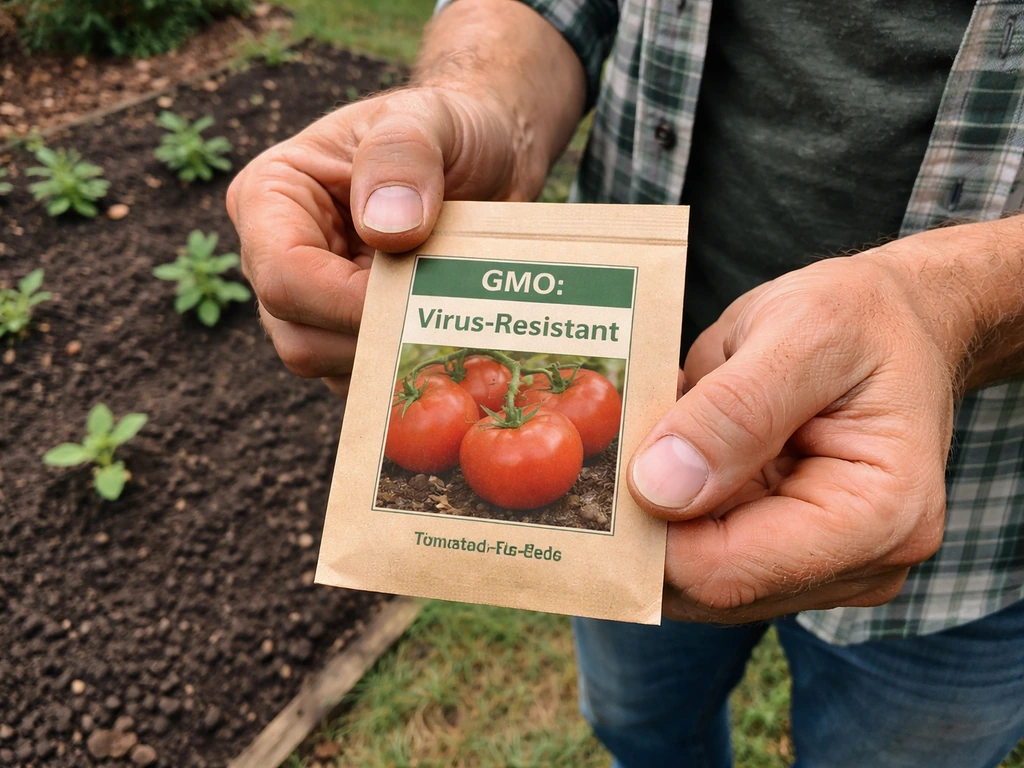
What GMO seeds actually are (and what traits they carry)
The term 'GMO' stands for genetically modified organism. In agriculture, it specifically refers to plants whose DNA has been altered through genetic engineering techniques, not traditional crossbreeding. You may also see these called 'genetically engineered' (GE) or 'bioengineered' crops. The FDA and USDA use slightly different terminology depending on the context, which is why the labeling can feel confusing. For this article, GMO and genetically engineered mean the same thing.
Most GMO crop traits fall into two major categories. The United States is one of the leading producers of biotech crops, but the practice is grown in multiple countries worldwide. The first is herbicide tolerance, meaning the plant is engineered to survive being sprayed with a specific herbicide. Roundup Ready crops tolerate glyphosate; LibertyLink varieties tolerate glufosinate (the active ingredient in Liberty herbicide); Enlist E3 soybeans tolerate both glyphosate and 2,4-D choline.
The second major category is insect resistance. These are called Bt crops, because the plant is engineered to produce proteins derived from the soil bacterium Bacillus thuringiensis, which are toxic to certain insect pests like corn borers and rootworms. The EPA first registered Bt plant-incorporated protectants for U. S.
use in 1995, and they remain among the most widely grown biotech crops today.
There are stacked-trait varieties too, which combine both herbicide tolerance and insect resistance in a single plant. These are common in commercial corn, soybean, and cotton production. For home gardeners, the more relevant point is that the GMO crops available to you are a small subset of what's grown commercially.
Can you legally buy and grow GMO varieties? The U.S. reality
There is no U.S. law that prohibits a home gardener from buying or planting commercially available GMO seeds. The federal oversight of biotech crops is split between three agencies: USDA-APHIS handles agricultural and environmental safety (under 7 CFR Part 340, which governs genetically engineered organisms that may pose plant pest risks), the EPA regulates pesticidal aspects like Bt plant-incorporated protectants, and the FDA oversees food and feed safety. Once a GMO variety goes through the regulatory review process and USDA-APHIS determines it no longer needs to be regulated under Part 340 (what they call 'deregulation'), it can be sold commercially like any other seed.
The legal complication is not about growing, it is about the seed itself being patented and covered by a licensing agreement. When you buy GMO seed from a commercial distributor, you are typically agreeing to a Technology Use Agreement (TUA) or Technology Stewardship Agreement. Bayer, Corteva, and BASF all use versions of these agreements. The agreement grants you a limited license to plant that seed for one growing season. It is not a purchase of unrestricted seed. This is a contract, not a regulatory restriction, but violating it can get you into serious legal trouble. The U.S. Supreme Court confirmed this in Bowman v. Monsanto (2013), which upheld patent infringement claims against a farmer who replanted saved Roundup Ready soybeans.
The other important note: if you want to grow certified organic produce, GMO is off the table entirely. USDA organic rules explicitly prohibit the use of genetic engineering (7 CFR § 205.105), and buying certified organic seed is one of the ways the organic standard guarantees you are working with non-GMO varieties.
How to find GMO seed varieties and confirm what you are buying
This is where things get practical and a little frustrating for home gardeners. The honest reality, confirmed by sources tracking biotech crop availability for home growers, is that GMO varieties developed specifically for backyard gardens are extremely limited. The crops where you are most likely to find commercially available GMO options for small-scale growers are sweet corn, summer squash, and papaya (especially Rainbow papaya from Hawaii). Most of the big-acreage GMO crops, like Roundup Ready soybeans, Bt corn, and Enlist E3 varieties, are produced and sold through agricultural seed distributors that primarily serve commercial farmers buying in bulk.
That said, some agricultural seed retailers will sell to small-scale buyers. Sites like Eagle Seed and similar agricultural distributors list trait varieties explicitly, and those listings will usually include language about the trait license you are agreeing to. Look for branded trait names in the product listing: 'Roundup Ready,' 'LibertyLink,' 'Enlist E3,' or 'Bt' trait designations. If a seed is a GMO variety, the seller is required to disclose the trait (and the associated license). If a listing does not mention a trait name or technology agreement, it is almost certainly not a GMO variety.
Seed catalogs aimed at home gardeners, including most major mail-order companies, sell exclusively non-GMO and often open-pollinated or hybrid varieties. You will not accidentally buy GMO seeds from a standard home garden catalog. The GMO seed supply chain is separate and involves trait licensing at every point of sale.
A quick checklist for confirming a GMO seed purchase
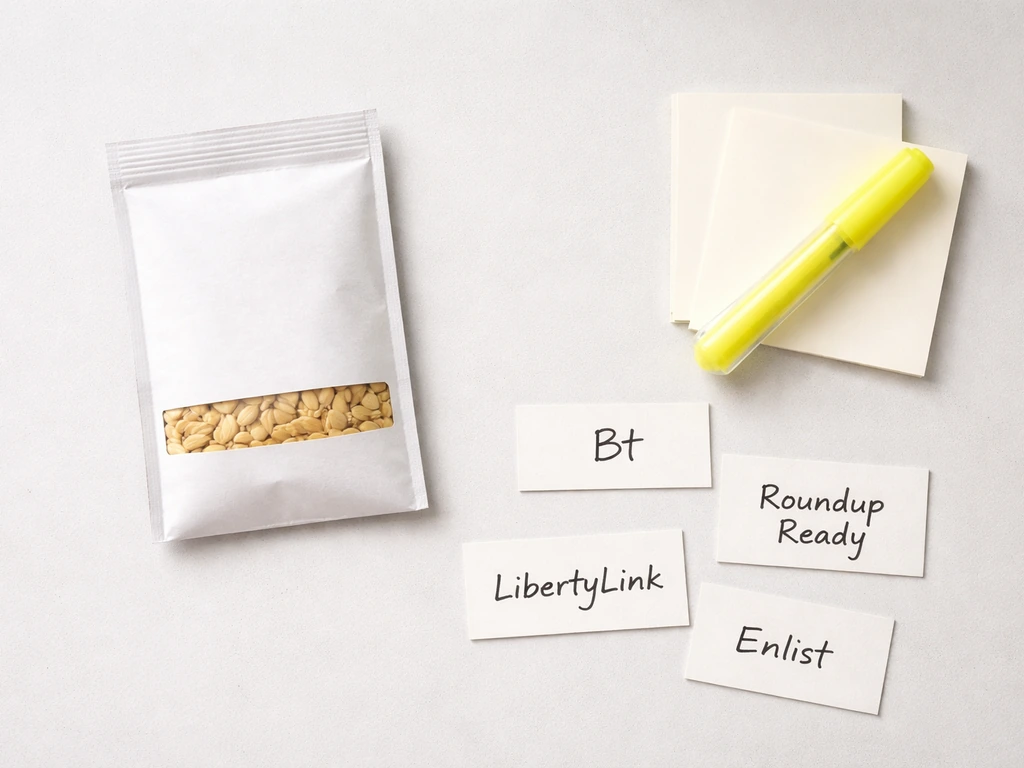
- Look for a named biotech trait (Roundup Ready, LibertyLink, Enlist, Bt, stacked trait) in the product title or description
- Check for Technology Use Agreement or Technology Stewardship Agreement language in the listing or checkout process
- Confirm the seller is a licensed agricultural seed distributor, not a standard home garden catalog
- Verify the variety is deregulated (approved for unrestricted commercial sale) by searching USDA-APHIS's list of deregulated biotech crops
- Note the crop: sweet corn, squash, and papaya are the most accessible GMO options for home-scale growers
Can you save and replant GMO seeds? What to actually expect
Technically, the seed produced by a GMO plant will sprout. The plant biology works. But there are two separate problems with replanting saved GMO seed, one legal and one practical.
On the legal side, the Technology Use Agreement you agreed to when purchasing prohibits saving seed for replanting. This is not a gray area. Companies like Bayer, Corteva, and BASF are explicit about it in their agreements: the license covers one season of planting, and saving or cleaning seed from the crop for replanting is a violation. The Supreme Court case Bowman v. Monsanto settled any doubt about whether this applies even to self-replicating seed. It does.
On the practical side, many popular commercial hybrids, whether GMO or not, are F1 hybrids. Saving seed from an F1 hybrid and replanting it will give you variable, often inferior offspring because the hybrid traits do not breed true. This is separate from the GMO trait itself and applies to most commercial corn and squash varieties regardless of whether they are genetically engineered.
Bottom line: if seed saving is a core part of your self-sufficiency strategy, GMO varieties are not a good fit. You will need to buy fresh licensed seed each season. If you are comfortable doing that, like you would with any commercial F1 hybrid, then the replanting question becomes less of a barrier.
How to actually grow GMO crops at home
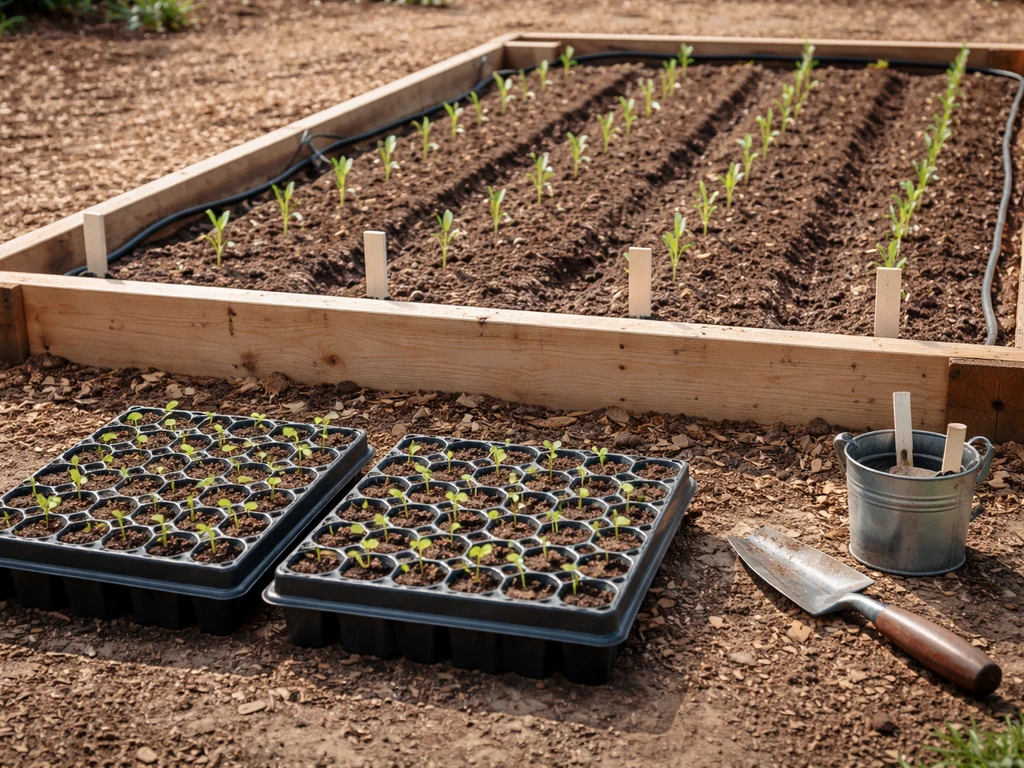
Once you have sourced the seed and agreed to the licensing terms, growing GMO crops is not dramatically different from growing their conventional counterparts. The genetic modification affects specific traits, not the entire agronomy of the plant. In general, GMO crops do not automatically grow faster than non-GMO varieties; the growth effect depends on the specific trait and crop do gmo crops grow faster. Your soil prep, spacing, watering, and timing are all the same. What changes is how you manage the trait.
Sweet corn (Bt and herbicide-tolerant varieties)
GMO sweet corn is the most accessible option for home gardeners. Bt sweet corn is engineered to produce proteins that kill caterpillar pests like corn earworm and European corn borer, which are the bane of backyard corn growers everywhere. This is genuinely useful at the home garden scale because corn earworm can devastate a small planting before you even notice a problem.
Grow it the same way you would any sweet corn: direct sow after last frost when soil temps hit at least 60°F, plant in blocks (not single rows) for good pollination, space plants 9 to 12 inches apart in rows 30 to 36 inches apart.
Bt corn planted at home does not require the commercial refuge requirements that large-scale farmers must follow, but it is worth knowing that EPA-mandated refuge planting (growing a percentage of non-Bt corn nearby) exists specifically to slow insect resistance development in Bt crops. EPA explains that Bt plant-incorporated protectants include insect-resistance management stewardship concepts such as refuge planting to help delay resistance EPA-mandated refuge planting exists specifically to slow insect resistance development in Bt crops.
EPA-mandated refuge planting, which includes growing a percentage of non-Bt corn nearby, is required to help slow insect resistance development in Bt crops refuge planting (growing a percentage of non-Bt corn nearby) exists.
Summer squash (virus-resistant varieties)
GMO squash varieties, like some yellow crookneck and zucchini types, are engineered for resistance to specific mosaic viruses spread by aphids. If you have ever lost a summer squash crop to sudden virus-triggered collapse, these varieties are worth considering. Plant them the same as any summer squash: direct sow or transplant after frost, give each plant 3 to 4 feet of space, and keep up with consistent watering. The virus resistance is passive, meaning you do not spray or manage the trait. The plant just handles it.
Papaya (Rainbow papaya)
If you garden in Hawaii or a tropical-climate region of the U.S., Rainbow papaya is the original GMO success story for home growers. It was engineered to resist Papaya Ringspot Virus, which nearly wiped out Hawaii's papaya industry in the 1990s. Growing it is the same as any papaya: full sun, well-draining soil, warm temps year-round. It is not a practical option outside of USDA hardiness zones 10 to 12.
Field crops (soybeans, field corn, canola)
If you are growing on a homestead scale and want to experiment with herbicide-tolerant soybeans or Bt field corn, the agronomy is straightforward: the planting schedules, soil prep, and harvest timing are identical to non-GMO versions of the same crop. The herbicide-tolerance trait only matters if you plan to use the matching herbicide (glyphosate for Roundup Ready varieties, glufosinate for LibertyLink, etc.). At a small garden scale, you may not need or want to use those herbicides at all, which makes the herbicide-tolerance trait less relevant than it would be on a commercial farm. Bt field corn is more practically useful at any scale because the pest protection is always active.
GMO vs. non-GMO at the home garden scale: a quick comparison
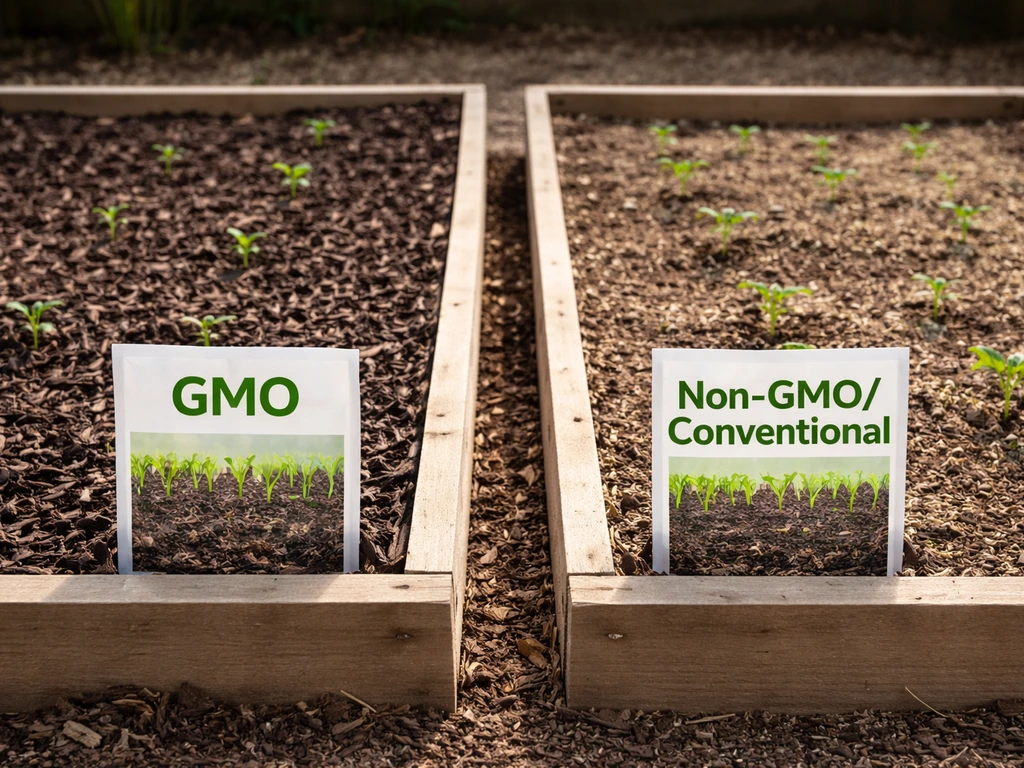
| Factor | GMO Seed | Non-GMO / Conventional Seed |
|---|---|---|
| Availability for home gardeners | Limited (primarily sweet corn, squash, papaya) | Extremely wide variety across all crops |
| Seed saving allowed | No (licensing agreement prohibits it) | Yes, with open-pollinated varieties |
| Pest/disease resistance | Built in for specific pests or viruses | Varies by variety; traditional breeding only |
| Herbicide compatibility | Some varieties designed for specific herbicides | Not trait-locked; use any approved herbicide |
| Cost per season | Similar to commercial hybrid seed; license fee may apply | Wide range; OP seeds can be very low cost if saved |
| Organic compatibility | Not compatible with certified organic production | Compatible if certified organic seed is used |
| Best for seed savers | No | Yes (open-pollinated varieties) |
| Best for pest-heavy gardens | Possibly, for specific pests (Bt corn earworm, viral squash) | Depends on variety and IPM practices |
If your goal is seed saving and long-term self-sufficiency, non-GMO open-pollinated varieties are a better fit. If your goal is solving a specific pest or disease problem in one season and you are comfortable buying seed each year, GMO varieties for corn, squash, or papaya may genuinely help. It is worth noting that questions about whether GMO crops grow faster or cost less than conventional options are worth thinking through separately before you commit to a direction. Whether or not you should grow GMO crops depends on your goals, but it is worth evaluating how the specific trait you want fits your garden.
Your next steps: sourcing, starting, and a simple plan
Here is how to move from reading this to actually doing something useful in your garden this season.
- Decide which crop and trait matter to you. If corn earworm destroys your sweet corn every year, Bt sweet corn is worth exploring. If viral wilt kills your squash, GMO virus-resistant squash is a real option. If you are just curious about GMO soybeans or corn on a homestead scale, that is fine too, but think about whether the herbicide-tolerance trait will actually be useful for how you manage your garden.
- Search for licensed agricultural seed distributors in your region. Look for distributors that serve commercial and small-farm buyers. Search for the crop plus the trait name (for example, 'Bt sweet corn seed' or 'GMO sweet corn seed for home garden'). Verify the listing includes Technology Use Agreement language, which confirms it is a genuine licensed GMO variety.
- Read the Technology Use Agreement before you buy. Know what you are agreeing to: one season of planting, no saving seed, compliance with stewardship requirements. It is not a scary document, but you should know what it says.
- Check your USDA hardiness zone and last frost date. Planting timing for GMO sweet corn and squash is the same as conventional varieties. Sweet corn goes in after last frost with soil temps above 60°F. Squash goes in at the same time. Papaya is only viable in zones 10 to 12.
- Prepare your soil the same way you would for any vegetable crop. GMO traits do not change your soil prep, fertility needs, or watering schedule. Compost, balanced fertility, and good drainage matter just as much here as with any crop.
- Plan to buy fresh seed each season. Factor this into your garden budget. GMO seed is not dramatically more expensive than quality commercial hybrid seed, but it is not free either, and you cannot offset cost by saving seed.
- If you are on the fence about GMO varieties versus conventional options, consider growing both side by side one season. Put a few rows of Bt sweet corn next to a conventional variety and see how pest pressure compares in your specific garden. That real-world data from your own plot is worth more than any article.
The bottom line for home gardeners is that GMO seeds are legally accessible, practically limited in variety, and genuinely useful for a narrow set of pest and disease problems. They are not a revolution for the backyard garden, but they are a real tool in the toolkit. Go in with clear expectations about the licensing terms, buy from reputable distributors, and treat it like any other annual seed purchase. That is the most straightforward path to getting real value from what GMO varieties actually offer.
FAQ
If I can buy GMO seeds, does that mean I can legally save and replant them?
In most cases, you can grow them only if you buy fresh seed each season under the trait owner’s Technology Use Agreement (TUA). Saving seed for replanting is where you commonly run into a licensing violation, even if you are growing on private property and even if the seeds would sprout.
How do I confirm a seed listing is truly GMO (and know what agreement applies)?
No, you should not assume the first thing you see in a listing is complete. Look for explicit trait names or branded technology (for example, “Bt,” “Roundup Ready,” “LibertyLink,” “Enlist E3”) and check that the seller mentions the associated license. If a retailer is unclear about the trait, treat it as a red flag and verify before planting.
Is the problem with replanting saved GMO seed mainly biological, or is it mostly legal?
For home gardens, many common “GMO” offerings you may encounter are actually trait-protected hybrids or specific specialty cultivars. Even when a crop is GMO, the biggest replanting problem is often F1 hybrid variability, so seed saving can lead to weaker plants, different ear size, or altered squash performance compared with what you grew.
Can I grow “non-GMO” on an organic farm and still use GMO seed if I never spray herbicides?
Yes, but you should plan for licensing terms to control how you handle seed in your own garden. If your goal is organic certification, you must use non-genetically engineered seed and follow all USDA organic requirements beyond just the seed source, because other practices can also affect certification eligibility.
What should I do if I realize after planting that my seed is GMO?
If you accidentally buy GMO seed and already planted, stop saving any harvested seed for next season. For this kind of mistake, the practical next step is to use the harvest as food or for your intended use, then buy conventional or explicitly non-GMO seed next year if you need to avoid any risk from the technology agreement.
Will GMO seeds automatically grow more than non-GMO seeds in my garden?
Not necessarily. Some GMO traits relate to management choices rather than yield itself, for example herbicide tolerance matters only if you intend to use the matching herbicide. Pest-control traits like Bt can help even if you do no spraying, but the real benefit depends on pest pressure in your specific location.
Do home gardeners need to follow Bt refuge requirements?
Yes, but the refuge idea is generally framed for commercial acreage because resistance management depends on regional planting patterns and scale. If you only plant a small patch, you can still reduce risk by avoiding repeated use of Bt in the same exact spot year after year and by keeping good pest scouting, but you should not assume the same obligations apply as they do to large farmers.
Are there any neighborhood or local rules I should consider when growing GMO crops?
You can often grow GMO crops, but you should anticipate extra attention to what’s allowed in your area, especially if you share neighbors’ plots, compost plant material, or compost large volumes. While growth itself is usually not restricted, local nuisance, composting practices, and pesticide use rules (for any matching herbicide or management you choose) can still affect what is appropriate.
If I want to sell my produce as organic, can I use GMO seeds and still market it as organic?
Not for “organic-certified” purposes. Certified organic rules prohibit genetic engineering, so if certification matters to you, choose seed that is explicitly labeled as compliant non-GMO for organic use, and keep documentation from the seller in case you need it during certification.
If I want long-term self-sufficiency, what are the best alternatives to GMO seeds?
Typically, no, since GMO traits are part of the variety’s identity and the license covers planting. The practical workaround is to switch to open-pollinated non-GMO varieties or approved organic-compliant seed if you want a longer-term seed-saving cycle.
Next Article
Which Countries Grow GMO Crops Today? Global List and Guide
Country list of GMO crop growers plus what GMO traits mean, imports vs cultivation, and home gardening takeaways.