For most home gardeners today, growing GM crops is not a realistic or necessary option. The GM seeds commercially available are designed for large-scale farm operations, come with legal use agreements that restrict saving and replanting, and are generally not sold through the seed catalogs or garden centers that home growers use. That said, understanding what GM crops are, what they can and cannot do, and where the legal lines sit is genuinely useful, because it helps you make smarter decisions about the seeds you do choose, the pest and weed management you rely on, and what 'self-sufficient' really means in practice.
Should We Grow GM Crops? A Practical Guide for Home Gardeners

Marcus Hendrick
3 Jun 2026
What 'GM crops' actually means (and which traits matter)
A genetically modified (GM) crop is one whose DNA has been changed using laboratory techniques rather than conventional cross-breeding. The FDA defines a GMO as a plant, animal, or microorganism whose genetic material has been altered using technology that generally involves the specific modification of DNA, including the transfer of specific DNA from one organism to another. That last part is key: instead of crossing two plants over multiple seasons and hoping a trait shows up, genetic engineering copies a specific gene from one organism and inserts it directly into a plant cell in a lab.
According to the WHO, almost all GM crops currently on the market were built around three basic trait groups: resistance to insect damage (most famously the Bt toxin, derived from Bacillus thuringiensis bacteria), resistance to viral infections, and tolerance toward specific herbicides (primarily glyphosate). Herbicide tolerance is actually the most widespread commercial trait, letting farmers spray a broad-spectrum herbicide over a field without killing the crop. Insect resistance, particularly Bt corn and Bt cotton, is the second major category. Virus resistance shows up in crops like the Rainbow papaya, which saved Hawaiian papaya production from ringspot virus in the late 1990s.
One thing worth noting: herbicide-tolerant crops are not exclusively GM. The USDA points out that herbicide tolerance can also be developed through traditional breeding methods. So when you see 'herbicide tolerant' on a seed label, that alone does not tell you whether the variety is genetically engineered. The distinction matters for labeling, regulation, and your own garden planning.
Realistic pros and cons: what the evidence actually shows
There is a tendency to argue about GM crops in extremes, either as a miracle technology or an existential threat. The real picture is more nuanced, and knowing the honest trade-offs is more useful than either camp's talking points.
The genuine benefits
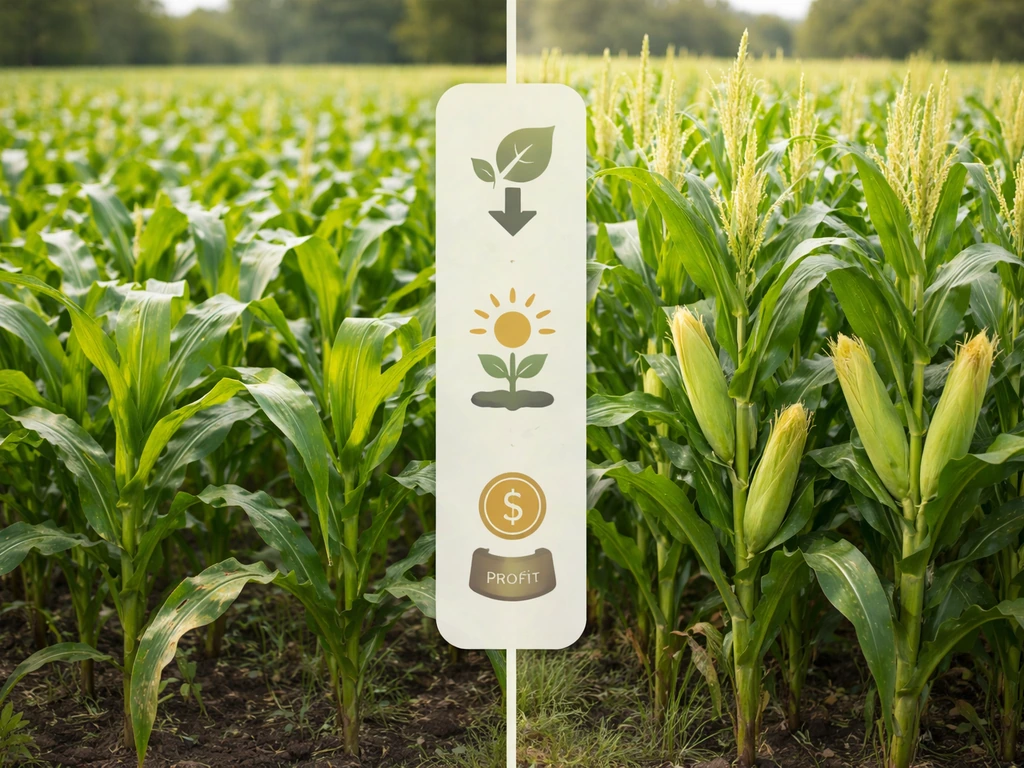
A large meta-analysis covering GM crop adoption data found mean reductions in chemical pesticide use of 37%, crop yield increases of 22%, and farmer profit increases of 68% across included studies. But that same farm-scale evidence does not necessarily mean GMO crops grow faster for home gardeners. The National Academies' landmark 2016 report reached a similar conclusion: insect-resistant and herbicide-resistant GE crops generally decreased yield losses and reduced insecticide use compared with non-GE varieties. Those are real numbers at farm scale, particularly in regions where insect pressure is severe, like Bt cotton in parts of South and Southeast Asia. If you are growing corn in an area with heavy rootworm or earworm pressure, Bt traits genuinely reduce damage. That is a factual statement, not marketing.
The legitimate concerns
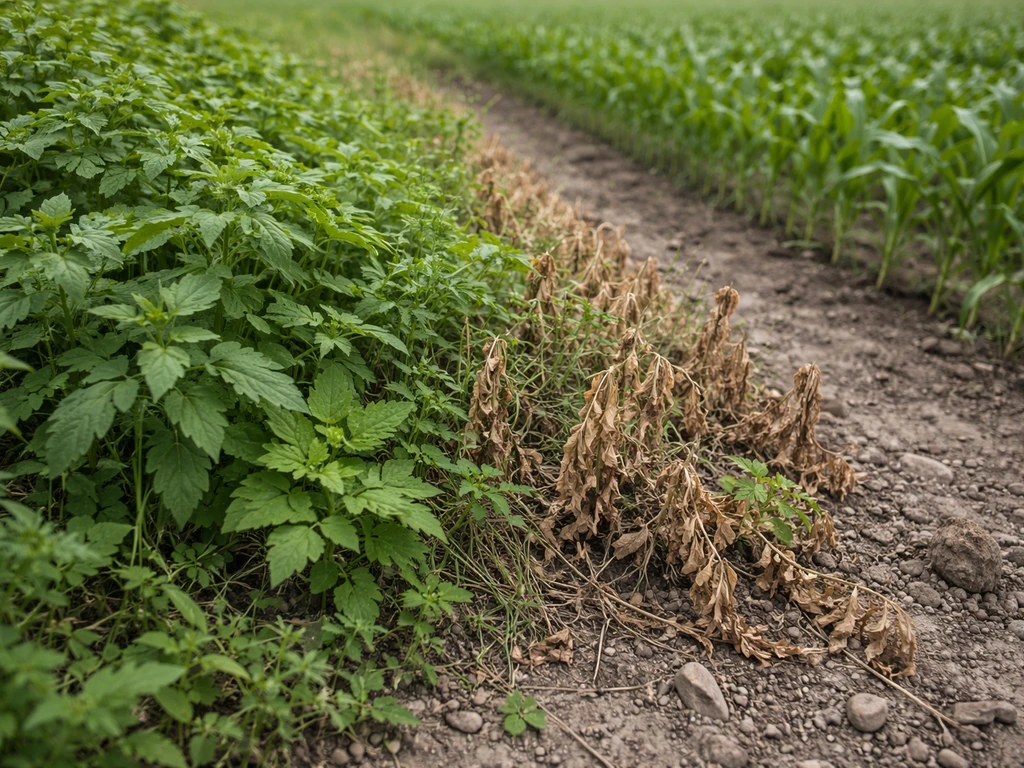
The worries people raise about GM crops are not all equally grounded, but several are real and worth taking seriously. Herbicide resistance in weeds is the biggest documented problem. A study tracking glyphosate resistance in common waterhemp across 105 central Illinois grain farms (over 500 site-years of data) found resistance was greatest where glyphosate was applied frequently without rotating to other modes of action. That is not a theoretical risk; it is happening in fields right now. Research also confirms that broader cooperative weed management at a landscape scale can slow resistance spread, but that requires coordination most small operations cannot achieve alone.
Gene flow (pollen from GM crops crossing into neighboring fields or wild relatives) is a real phenomenon, though its ecological impact varies by crop species and local conditions. The EPA and EFSA both require environmental risk assessments that evaluate biodiversity, ecosystem services, and effects on non-target organisms including beneficial insects and wild plants. These assessments exist for commercial approvals, but they do not automatically translate to protection at the scale of a backyard or small homestead.
Corporate seed dependence is the concern that resonates most for self-sufficiency gardeners. Commercial GM varieties come with technology use agreements that prohibit saving seed. Every season, you buy again. That is the exact opposite of what most readers here are working toward.
Can you actually grow GM seeds at home today?
This is the practical core of the question, and the honest answer is: almost certainly not, and not easily. Even if you focus on farm-level economics, the key question is whether GM seeds are cheaper to grow for your situation are GM crops cheaper to grow. GM seeds are not sold through standard home garden seed catalogs. The commercial GM varieties (GM corn, soy, cotton, canola, sugar beet, alfalfa, papaya, squash, and a small number of others) are sold through agricultural supply channels aimed at commercial farmers. They come with signed technology stewardship agreements that govern how you plant them, how many acres you grow, and explicitly prohibit saving seed for replanting.
The one partial exception most home gardeners encounter is the Rainbow papaya. If you live in Hawaii or a tropical climate where papaya grows and you can source Rainbow papaya plants or seeds, you may be able to grow this virus-resistant variety. It was developed by public researchers (not a private corporation) and is generally available without the same corporate seed agreement baggage. That is genuinely the exception, not the rule.
Beyond availability, there is a regulatory layer. USDA-APHIS regulates the introduction, interstate movement, and environmental release of certain GM organisms that may pose a plant pest risk under 7 CFR Part 340. If you somehow obtained a regulated GM organism and grew it without authorization, you would be in violation of federal law, not just a seed agreement. APHIS does provide an 'Am I Regulated?' inquiry process for developers who want to know whether a modified organism falls under these rules, but that process is designed for biotech companies, not home gardeners. For practical purposes: if you are buying seed from a normal garden supplier, you are not buying regulated GM seed. If you are somehow trying to obtain commercial GM seed outside normal channels, you are entering legally murky territory.
Legal and regulatory basics by country and region

The global patchwork of GM crop regulation is complicated, and where you live determines what is even possible. As of 2024, ISAAA reported that GM crops have been integrated by 73 countries: 44 via cultivation and 29 via imports only. That gap matters. A country that allows GM food imports but not GM cultivation means you cannot legally grow it, even if you eat it.
| Region | Cultivation Status | Key Notes for Home Growers |
|---|---|---|
| United States | Permitted (USDA/FDA/EPA oversight) | Commercial GM seed sold under tech agreements; home garden channels do not carry GM varieties; interstate movement of regulated articles requires APHIS authorization |
| European Union | Highly restricted | EU Directive 2015/412 lets individual Member States ban GM cultivation even after EU safety approval; most EU countries have opted out of cultivation |
| United Kingdom | Restricted, evolving rules | FSA evaluates GM foods; cultivation requires approval; genome-edited crops are being treated differently from GM under newer frameworks |
| Canada | Permitted | Similar to U.S.; commercial GM varieties available to farmers; not sold through home garden channels |
| Australia / New Zealand | Partial; state-by-state variation | Some states permit GM canola cultivation; others have moratoriums; not practically accessible to home gardeners |
| Most of South/Southeast Asia, Africa | Varies widely by country | Some countries (India, Bangladesh) permit specific GM crops; others ban all GM cultivation; check national authority |
The bottom line: even in countries where GM cultivation is legal at the farm level, home gardeners are not the target market or legal user class for commercial GM seed. Regulatory permission for large-scale cultivation does not translate into a path for backyard growers to access these varieties.
Safety, nutrition, and environmental questions worth taking seriously
People want to know: are GM crops safe to eat, and are they safe for the environment around them? Here is what the weight of evidence actually says, without the spin from either side.
Human health
The National Academies' 2016 review, one of the most comprehensive analyses of GE crop safety conducted, concluded there is no substantiated evidence of a difference in risks to human health between currently available GE crops and conventionally bred crops. The same review found no evidence of a link between glyphosate (the herbicide used with most herbicide-tolerant crops) and cancer in consumers. EFSA reaches similar conclusions using its own risk assessment framework, which includes allergenicity evaluation, comparative analysis against non-GM counterparts, and molecular characterization of introduced genes. EFSA’s risk-assessment guidance for allergenicity describes weight-of-evidence approaches and comparative evaluation against appropriate comparators for newly expressed proteins allergenicity evaluation. That does not mean the science has declared GM crops 100% risk-free forever: the National Academies explicitly notes it is difficult to prove 'no risk' for any technology, and that conclusions are based on reviewing many studies together, not any single experiment. But the claim that GM foods are proven dangerous is not supported by the current body of evidence.
Nutrition
Current commercial GM varieties were not designed to improve nutritional content; they were designed for pest management and herbicide tolerance. Eating Bt corn versus non-Bt corn of the same variety is nutritionally equivalent. GM crops with enhanced nutrition (like Golden Rice, designed with higher beta-carotene) exist in development but are not what you are encountering in standard commercial channels. If nutrition is your motivation for growing your own food, conventional open-pollinated and heirloom varieties give you far more interesting and useful options.
Environmental risk
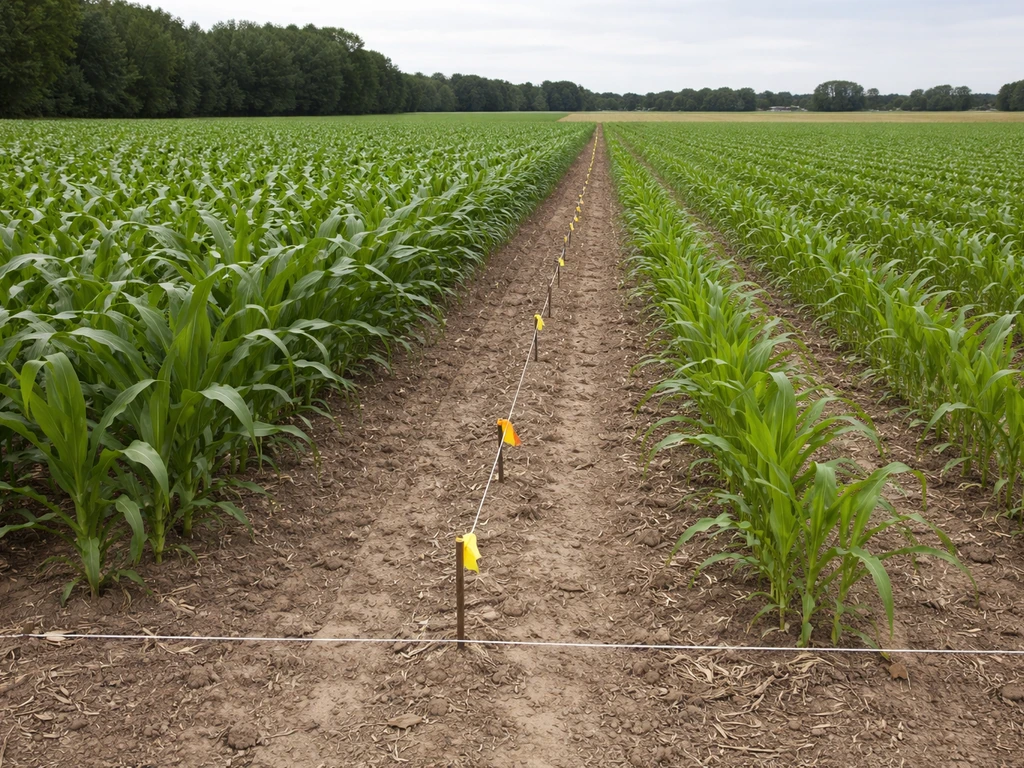
Environmental risk from GM crops operates at multiple scales. The EPA requires insect resistance management (IRM) plans for every commercially registered Bt crop, blank" rel="noopener noreferrer">including specific refuge requirements: structured proportions of non-Bt plants that must be grown nearby to maintain a population of susceptible insects and slow resistance development. For Bt corn, refuge fractions have historically ranged depending on region and target pest. These refuge requirements exist because without them, resistance evolves faster. At the farm scale, following IRM plans matters. At a home garden scale, you are not planting enough acreage for refuge management to be meaningful, which is another reason the farm-scale GM framework does not translate cleanly to home growing. The broader environmental concerns (gene flow to wild relatives, effects on non-target insects like beneficial predators and pollinators) are real and assessed as part of commercial approval processes, but the evidence on harm to non-target organisms varies considerably by trait and crop species.
A practical decision framework for your garden
Given everything above, here is how I would think through this decision if someone asked me directly whether they should pursue GM crops for their home garden or homestead.
When GM crops might make sense
- You are in Hawaii or a tropical climate growing papaya and ringspot virus is a documented problem in your area. The Rainbow papaya is the one genuinely accessible and publicly developed GM option for home growers.
- You are operating at a scale that bridges home garden and small farm (multiple acres of corn or cotton) and face severe, documented pest pressure that non-GM varieties consistently cannot handle. At that scale, you can also engage with seed company stewardship programs properly.
- You are in the U.S., you have researched your state's specific regulations, and you have confirmed access to a specific commercially approved GM variety through legitimate agricultural channels with full understanding of the technology use agreement.
When GM crops are the wrong choice
- You want to save seed year over year. Commercial GM varieties prohibit this, and seed saving is one of the core pillars of real food self-sufficiency.
- You are growing in the EU or most parts of the world where cultivation is restricted or banned. It is simply not a legal option.
- You are growing at container-garden or typical backyard scale. The practical, legal, and agronomic infrastructure for GM crops does not exist at that scale.
- Your goal is biodiversity and variety selection. Open-pollinated and heirloom varieties give you hundreds of flavor profiles, disease resistances, and climate adaptations that commercial GM varieties do not offer.
- You are concerned about corporate seed dependence as a self-sufficiency risk. That concern is valid and GM seed contracts reinforce exactly the dependence you are trying to escape.
What to do instead (and it works well)
The good news is that the traits home gardeners actually need (pest resistance, disease tolerance, drought resilience) are increasingly available through conventional open-pollinated breeding. Look for varieties with documented resistance to your most common local pests: verticillium-resistant tomatoes, corn earworm-tolerant sweet corn varieties, squash with resistance to powdery mildew. Seed Savers Exchange, Baker Creek, High Mowing, and similar suppliers list specific resistance traits in their catalogs. These are the labels worth hunting for. Pair good variety selection with crop rotation (at minimum a 3-year rotation away from crops in the same family), companion planting, and physical pest barriers, and you can manage most of what drives commercial farmers toward GM traits without any of the legal, seed-saving, or corporate dependency complications.
Your next steps: research, sourcing, and planning

- Check your local cultivation rules first. In the U.S., visit USDA-APHIS's Biotechnology Regulatory Services page and your state's department of agriculture site. In the EU, check your individual member state's national authority, since Directive 2015/412 lets states opt out of cultivation even where EU approval exists. In the UK, check the FSA's current GM food and cultivation guidance.
- Search seed catalogs for disease and pest resistance traits, not GM status. Look for specific resistance codes on tomatoes (V, F, N, T, A), peppers, and cucumbers. For corn, check earworm and disease tolerance ratings. These conventional resistances are your practical equivalent of what GM insect resistance offers at farm scale.
- Compare yields and costs for your specific climate and constraints. If you are considering GM for yield reasons, check USDA ERS data for your region and crop. The yield benefits of GM traits vary significantly by location, pest pressure, and crop, so general averages may not reflect your situation.
- Plan your crop rotation now regardless of seed choice. A 3 to 4 year rotation away from crops in the same family is the most cost-effective pest and disease management tool available to any gardener. It reduces pressure from soil-borne diseases and insects without any technology.
- Source open-pollinated seed from reputable suppliers and start saving seed from your best performers. This is the actual path to self-sufficiency. Over 3 to 5 seasons of selection, you develop locally adapted plants that outperform anything you buy.
- If you are genuinely operating at a scale where GM traits are relevant (multiple acres, commercial pest pressure), contact your local agricultural extension office. Extension agents can tell you what traits are registered in your state, what IRM requirements apply, and whether the economics make sense for your specific operation.
The broader policy debate about whether society should grow GM crops is worth following, and 73 countries having adopted them in some form tells you this is not a fringe technology. But for the practical question of whether you, as a home gardener, should grow them: the access barriers, seed saving restrictions, and lack of home-garden-scale infrastructure make conventional open-pollinated varieties the far better fit for self-sufficiency goals in almost every situation you are likely to face.
FAQ
If GM seeds are expensive or hard to find, is it ever worth trying to source them for a backyard?
Usually no. Even when you can locate commercial GM varieties through nonstandard channels, you will likely still hit technology stewardship terms (no seed saving) and possible permit requirements depending on the organism and how it was imported. If you want the practical benefits (pest or virus resistance), it is more reliable to choose conventional varieties explicitly labeled with the relevant resistance trait.
What does “herbicide tolerant” on a seed tag mean, can it be GM or non-GM?
It can be either. Herbicide tolerance can come from conventional breeding or genetic engineering, so the phrase alone is not enough to tell you what you are growing. Check whether the product is described as genetically engineered and confirm what seed-saving rules apply before you base your weed plan on it.
Can I save seed from GM crops if I am careful about contamination or isolation distance?
In most commercial cases, no. The main barrier is not just cross-pollination, it is contractual, technology stewardship agreements that prohibit saving and replanting. Isolation distance can reduce gene flow, but it does not change the legal restriction on replanting GM seed.
If I grow a Bt variety, do I still need integrated pest management and resistance management?
Yes, because resistance still develops when the same trait is targeted repeatedly. Commercial Bt production relies on structured refuge plantings of non-Bt crops nearby to slow resistance evolution. Backyard plots are typically too small to implement refuge fractions in a meaningful way, so the safer approach is to rotate crops, rotate varieties, and use physical barriers and scouting to keep pest pressure varied.
Does gene flow mean GM crops will spread in my neighborhood and “take over”?
Not automatically. Gene flow is possible when pollen moves to neighboring fields or compatible wild relatives, but the real-world impact depends strongly on crop species, local wild relatives, and ecological conditions. For a home garden, the bigger actionable issue is that you likely cannot evaluate or manage the same risk models used for commercial approvals.
Are home gardeners required to follow the same insect resistance management rules as commercial farms?
Typically, the formal IRM requirements are written for commercial registration and scale, including specific refuge expectations. A home garden generally cannot implement refuge planning to the same proportions, and you usually are not operating under the same regulatory framework. That said, you should still avoid treating Bt traits as a set-and-forget solution, scout for pest survival, and rotate practices.
What’s the practical difference between growing GM corn vs choosing non-GM varieties with pest or disease resistance?
Bt or virus-resistance traits are engineered into a specific plant background, while conventional resistance is bred through multiple generations to target local pest or disease pressures. In practice, you can often match the benefit by selecting a conventional variety that is already documented as resistant to your local problem organism, then manage with rotation and sanitation. This avoids the seed availability and seed-saving restrictions that usually deter home growers.
If my country allows GM food imports, does that mean I can legally grow GM crops at home?
Not necessarily. Some places allow eating imported GM commodities but restrict cultivation. Legal permission for cultivation and permissions for import can be different, so check your local rules specifically for growing regulated genetically modified crops rather than assuming “food allowed” means “garden allowed.”
Is there a legal risk if I obtain GM seeds informally and plant them anyway?
Yes. For certain categories of GM organisms, there can be federal or regional rules governing introduction, interstate movement, and environmental release. Informal sourcing can also bypass the documentation and approvals that regulators rely on, which can turn a gardening decision into an enforcement issue. If you are staying with typical garden suppliers, the risk is usually much lower.
Are GM crops always nutritionally the same as their non-GM counterparts?
Most currently grown commercial GM varieties were engineered for pest or herbicide traits, so nutrition is usually not dramatically different from the conventional versions of the same variety. However, this is not universal, and exceptions exist for biofortified lines in development. If nutrition is your goal, choose varieties bred for flavor and nutrient density from conventional open-pollinated or heirloom programs unless you have a specific, verified nutritional purpose.
Next Article
Are GM Crops Cheaper to Grow? Cost Drivers for Gardeners
Whether GM crops are cheaper to grow for gardeners, with cost drivers, GM vs non-GM comparisons, and a simple spreadshee