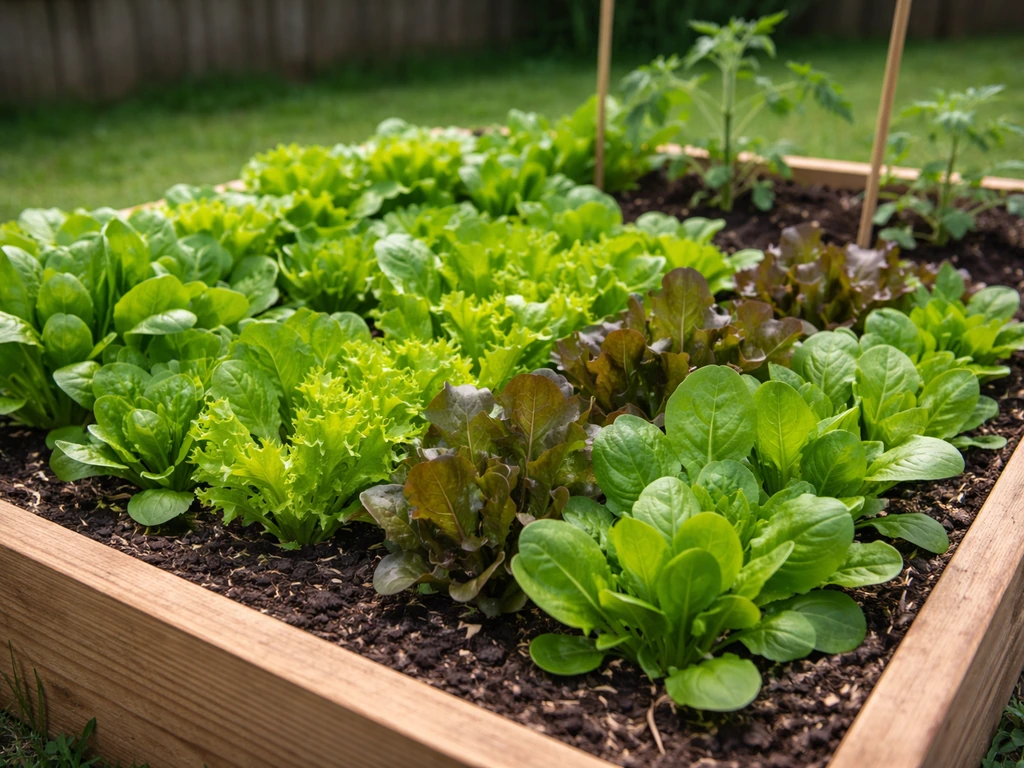
For most home gardeners, GM crops are not cheaper to grow in practice, because you generally can't buy them. Commercial GM seeds are sold under patent licenses to farmers, not through retail seed packets. The real cost question matters most if you're running a larger plot or homestead and sourcing seed commercially. Even then, 'cheaper' only holds when you factor in every cost: the seed premium, inputs like herbicides or insecticides, your labor, and what happens if resistance evolves and your protection fails. Done honestly, the math sometimes favors GM, sometimes doesn't, and the answer almost always depends on what's eating your crops and where you live.
Are GM Crops Cheaper to Grow? Cost Drivers for Gardeners

Marcus Hendrick
27 May 2026
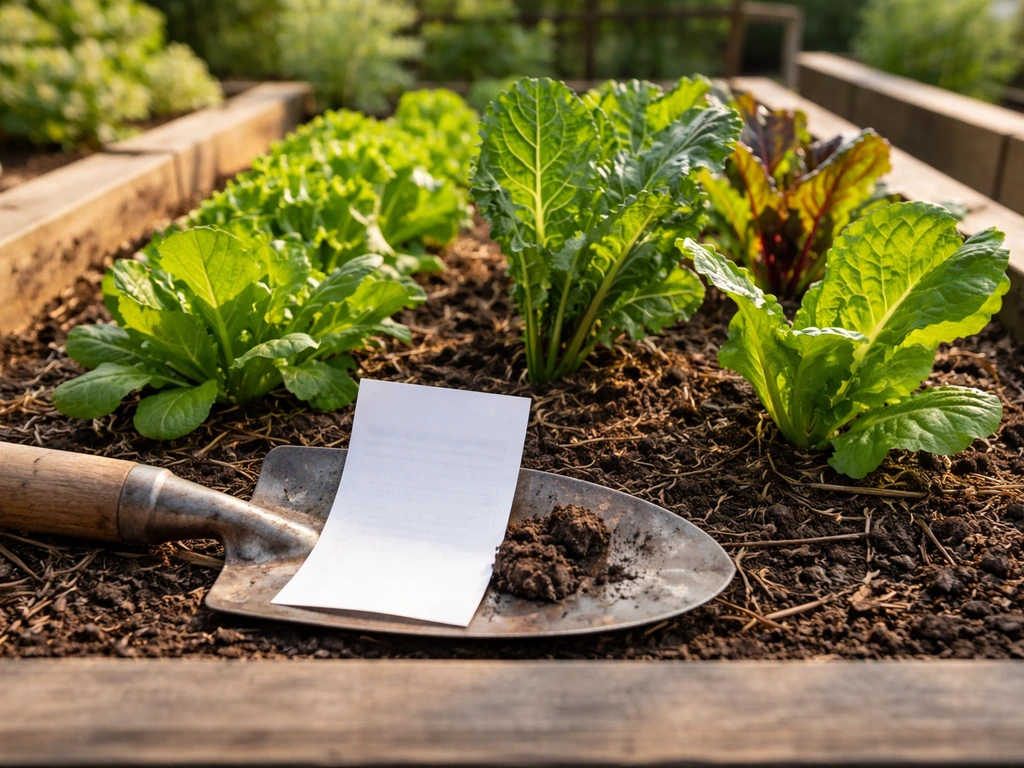
What 'cheaper to grow' actually means

Seed price is just one line item. True cost-per-pound is the number that matters, and it's built from several components: seed cost, fertilizer, pest and weed control inputs, your labor hours (valued at a real hourly rate, even if that person is you), and the cost of yield losses when things go wrong. University extension enterprise budgets have formalized this for decades.
The formula looks like this: total cost per pound = (variable costs + fixed costs) divided by your actual marketable yield. Penn State Extension is explicit that even if you grow your own food and don't pay yourself, you need to assign an hourly value to your time, otherwise you're underestimating real cost.
A GM trait that saves you two spray applications might save you blank" rel="noopener noreferrer">$35 to $45 per acre in insecticide, but if the seed costs $40 more per acre and your pest pressure is light anyway, the math doesn't close. That's why 'cost per pound' is the only honest metric.
GM trait types and what each one actually changes
There are two dominant GM trait categories that affect cost: herbicide-tolerant (HT) crops, engineered to survive specific herbicide applications so you can spray and kill weeds without killing the crop, and insect-resistant (IR) crops, which produce Bt proteins that kill certain pest insects internally. These two traits change completely different parts of your cost equation.
Herbicide-tolerant crops (think Roundup Ready soybeans or corn) shift weed management from mechanical cultivation and multiple herbicide applications to a simpler spray-and-done regime. The savings come from reduced labor and fewer product applications. But if you're a home gardener who already mulches, hand-weeds, or uses a hoe, you may be doing weed management cheaper than any herbicide program anyway. Herbicide-tolerant systems also carry a long-term risk: heavy reliance on a single herbicide drives resistance in weed populations, which eventually forces you back to more complex and costly management. Integrated weed management combining reduced herbicide use with cultural methods is specifically shown to lower long-run resistance costs.
Insect-resistant Bt crops change the insecticide picture. Research meta-analyses covering hundreds of studies show that IR crops reduce pesticide quantities by around 37% on average and pesticide costs by around 39%. For field corn with heavy corn earworm or rootworm pressure, that's real money. EPA has estimated insecticide application savings of roughly $35 to $45 per acre for Bt sweet corn in high-pressure scenarios. But resistance is an active and growing problem: rootworms have been documented developing resistance to Bt corn, and monitoring from 2020 through 2022 shows reduced susceptibility in Helicoverpa zea populations for multiple Bt proteins. When resistance builds, your yield protection evaporates and you're back to spraying, but you've still paid the seed premium.
Breaking down the actual costs

| Cost category | GM crop consideration | Non-GM crop consideration |
|---|---|---|
| Seed | Premium over conventional; licensed, no saving seed | Lower upfront; open-pollinated seed saveable |
| Herbicide/pesticide inputs | Reduced applications possible (IR); single-herbicide reliance risk (HT) | More applications needed for high-pressure pest/weed years |
| Labor (weed/pest management) | Can reduce scouting and spray labor in high-pressure years | Mechanical weeding, row covers, hand-picking take real time |
| Resistance management (IRM) | Mandatory refuge plantings, monitoring, compliance overhead | No formal compliance cost, but resistant pests still evolve |
| Yield and failure risk | More stable yield in high-pressure years; risk if resistance develops | Higher variance in bad pest years; variety matters a lot |
The seed premium is the cost that catches growers off guard most often. A field-crop enterprise budget from the University of Maryland lists 'SEED RR + Bt' as a separate line item with a per-seed price that visibly exceeds a conventional hybrid. You pay that premium every single season since you can't save patented seed. If you're growing on a quarter-acre or less and your pest pressure is moderate, the premium rarely pays back. For a larger plot with historically bad corn earworm seasons, the numbers can tilt the other way.
When GM actually improves cost-effectiveness, and when it doesn't
GM traits improve your cost-per-pound when pest or weed pressure is consistently heavy, when the seed premium is low relative to what you'd spend on inputs otherwise, and when you're operating at a scale where input and labor savings add up meaningfully. Klumper and Qaim's meta-analysis of 147 studies found that on average, GM crop adoption increased yields and reduced production costs, with the benefits being largest in developing-country contexts where pest pressure is high and pesticide application is expensive or labor-intensive. In those conditions, IR crops in particular deliver genuine value.
The answer flips when: the seed premium is high and pest pressure is low; you're in a region where pest resistance to the trait has already developed; your scale is small enough that the absolute dollar savings don't offset the premium; you're growing for a market that pays a premium for non-GM or organic product; or you're capable of achieving similar pest/weed management through lower-cost alternatives. Herbicide resistance driven by HT crop systems is a documented, modeled cost driver, and once resistance becomes established in your fields, the simplicity advantage of the herbicide-tolerant system collapses. The EPA's resistance management frameworks for Bt corn (requiring structured refuge plantings, monitoring programs, and rotation protocols) add real management overhead that belongs in any honest cost estimate.
The home-gardener reality: you probably can't get these seeds anyway
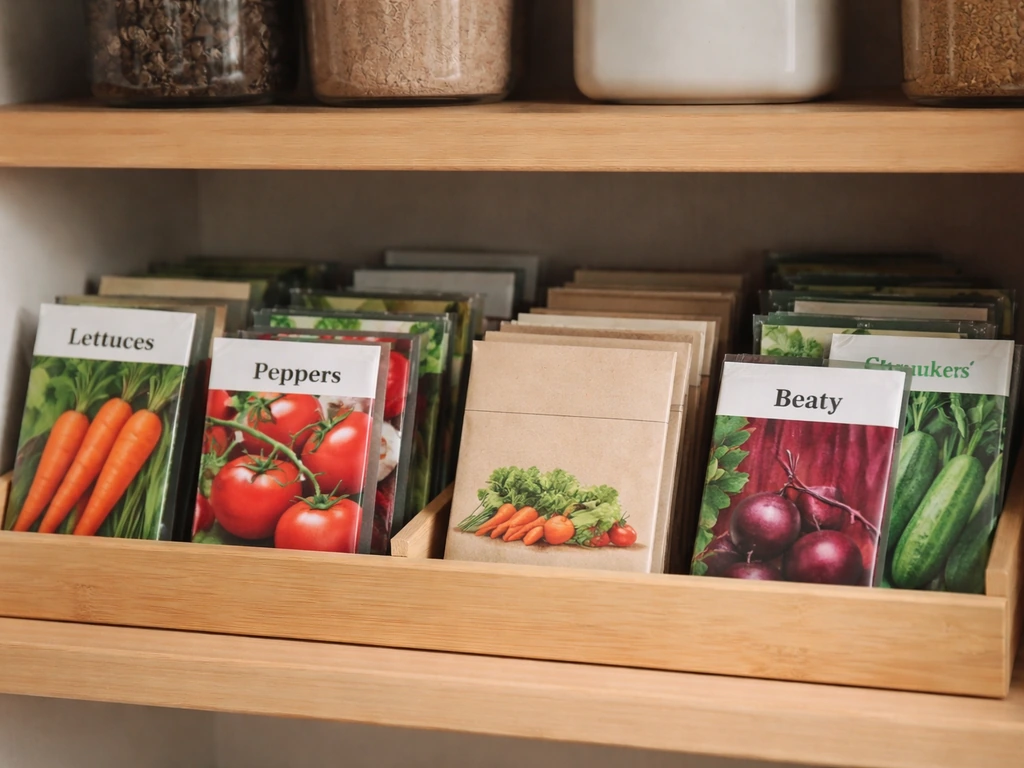
North Carolina Cooperative Extension states plainly that there is 'no one selling genetically engineered seeds to home gardeners. If you are looking for an answer to can you grow GMO seeds at home, the key issue is that they are not sold like typical retail packets genetically engineered seeds. ' UMass Extension confirms that seeds packaged for home garden use are not genetically modified.
Washington State University Extension attributes this to both legal restrictions and the cost structure of GM seed licensing. This isn't a loophole situation: GM seed is sold under technology agreements to commercial farmers, and those contracts explicitly prohibit seed saving and resale. As a practical matter, if you're buying seeds from a catalog, a garden center, or an online seed company, you are not buying GM seed. Period.
This means the cost-per-pound comparison is largely academic for most home gardeners. What actually matters for your plot is whether non-GM management strategies (good variety selection, row covers, mulch, companion planting, and integrated pest management) can get you to a similar or better cost-per-pound than what the GM economics suggest on paper. In many cases they can.
Row covers, for example, physically exclude insect pests and can push planting windows earlier by several weeks, both of which affect your yield and per-pound cost directly. Row cover material costs more than basic plastic film upfront, but it's reusable and replaces spray costs. For insect-pollinated crops like squash, row covers must come off at bloom, which adds a management step, but it's a manageable one.
In Wisconsin Extension guidance on floating row covers, row covers must be removed during bloom for insect-pollinated crops such as cucumbers and squash, creating a practical management constraint row covers must be removed from insect-excluded crops during bloom for insect-pollinated crops.
There's also an indirect effect worth knowing: research has found that widespread Bt maize adoption in commercial growing regions can suppress regional pest populations (specifically European corn borer), meaning nearby home gardeners with non-GM sweet corn can see reduced insect pressure as a spillover benefit. If you're in a corn-belt region surrounded by commercial Bt fields, your actual insect pressure may already be lower than historical averages, reducing the apparent advantage of IR crops even further.
How to calculate your own cost-per-pound numbers
You don't need a spreadsheet program to do this. You need a piece of paper and honest estimates. Here's the structure, adapted from university extension enterprise budget methodology:
- Seed cost: what you paid per packet, per pound, or per 1,000 seeds, divided by the number of plants you'll grow.
- Input costs: add up what you spend on fertilizer, pest control products (sprays, row covers, traps), and soil amendments for that crop.
- Labor: estimate your hours spent on soil prep, planting, weeding, pest management, and harvest. Assign an honest hourly value, even $12 to $15/hour. This is where most gardeners discover their 'cheap homegrown tomatoes' cost $6 per pound.
- Failure risk: estimate what percentage of your expected yield you typically lose to pests, disease, or weather. A 20% loss on a crop you expected to yield 50 pounds means you're allocating all your costs across 40 pounds, not 50.
- Total cost per pound: add seed + inputs + labor, then divide by your actual marketable yield in pounds.
Here's a worked example for sweet corn on a 100-square-foot bed. Seed cost: $4. Fertilizer: $3. Pest management (row covers, one spray): $8.
Labor at 8 hours total at $12/hour: $96. Expected yield: 30 ears at roughly 0. 5 lb each = 15 lbs. With no significant losses, cost per pound is ($4 + $3 + $8 + $96) divided by 15 = $7.
40/lb. Now apply a 25% pest-loss scenario: your yield drops to 11. 25 lbs and cost per pound climbs to $9. 87/lb.
If a Bt sweet corn seed option (hypothetically available) cost $2 more but cut your pest loss to 5%, your yield becomes 14. 25 lbs, and if it saves you one spray application ($4 saved), your new cost per pound is ($6 + $3 + $4 + $96) / 14. 25 = $7. 65/lb.
The improvement is real but modest, and labor dominates either way. This is the honest picture.
A simple decision checklist before you go further
Work through these questions before spending time on GM seed sourcing or cost comparisons:
- Are you a home gardener buying retail seeds? If yes, you are almost certainly already buying non-GM seed, and the GM cost question is hypothetical for your situation.
- Are you running a larger homestead or market garden operation where you source from commercial seed suppliers? If yes, it's worth calling suppliers and asking what GM options exist for your target crops, noting that availability is still limited outside of major commodity crops.
- What is your actual pest and weed pressure like? If you've had severe corn earworm, rootworm, or weed competition problems in multiple seasons, input costs from non-GM management are your baseline for comparison.
- Have you already tried lower-cost non-GM alternatives? Row covers, heavy mulch, resistant non-GM varieties, and good rotation schedules can close much of the cost gap without the seed premium or legal restrictions.
- Are you selling your harvest? If you market at a farmers market or to customers who pay a premium for non-GMO or organic, the GM economics almost certainly don't favor adoption even if seed access existed.
- Do you know your local regulations and any seed-sharing rules? State-level seed regulations can limit how you source, share, or use certain seed types, so verify before making sourcing decisions.
- Have you checked whether Bt resistance is documented in your region's target pest populations? Iowa State and EPA monitoring programs track this; if resistance is established locally, IR crop savings are reduced or eliminated.
Where to start today
If you're a home gardener, your next step is not GM seed hunting. It's building a cost-per-pound baseline for your current crops using the worksheet above. Most gardeners who do this exercise discover that labor is 70% or more of their total cost, which means the GM vs non-GM input cost difference is a minor variable. The bigger leverage points are yield improvement through better variety selection, extending your growing season, and reducing losses through proven physical barriers like row covers and mulch.
If you're operating at a scale where GM economics actually apply, your next steps are: contact commercial seed suppliers to check what GM traits are available and at what seed premium for your target crops; pull your last two to three seasons of pest and weed management records and calculate what you actually spent; run your own version of the cost-per-pound worksheet above comparing GM and non-GM scenarios honestly; and check your state's extension service for regional pest resistance monitoring data before assuming a Bt trait will deliver the protection you're paying for. The answer to whether GM crops are cheaper to grow is a number, not a principle, and the only number that matters is yours.
For deeper context on related questions, it's worth understanding which crops even have GM varieties available for growing, whether GM crops actually grow faster in your conditions, and what the broader case for or against growing GM crops looks like if you're still deciding whether to pursue commercial-scale sourcing at all. However, the specific answers depend on which countries grow GMO crops and what biotech traits are permitted there.
FAQ
If GM seeds are not sold to home gardeners, can I still buy them from a neighbor or save seed from a GM crop I find?
In most cases you cannot. Commercial GM seeds are licensed with technology agreements that restrict resale and seed saving. Even if you could obtain seed, trying to replant saved GM seed can trigger contract violations and, more importantly, can produce inconsistent performance because trait purity and planting conditions may not match the original source.
How do I compare GM vs non-GM costs if I do not know my true yield yet?
Use two scenarios instead of one. Estimate your expected marketable yield under current pest and weed pressure, then create a “bad season” case using your historical highest-loss year (or a conservative percentage loss). Cost per pound should be computed using marketable yield, not total harvested weight, because culls and downgraded produce usually change the economics more than input prices.
Does labor always dominate the cost, and what if I do not charge myself for time?
Labor often dominates for small plots because the hourly value you assign can be large relative to seed and fertilizer. Assign a real hourly rate to avoid a false “GM is cheaper” conclusion, even if you personally do the work, because the opportunity cost is still part of the true cost-per-pound.
What is the biggest mistake people make when estimating whether GM crops are cheaper to grow?
They compare seed price only. The article’s key rule is to compare cost-per-pound using marketable yield, including yield-loss risk, and resistance or failure risk. If pest pressure is low or declines due to regional effects, the seed premium is often the only guaranteed increase, so seed price-only comparisons can be misleading.
How should I adjust the cost comparison if I already use low-cost weed control methods like mulch or hand weeding?
Treat weed control inputs as variable costs that might already be near zero for you. If your current system relies on mulch and hand weeding, an herbicide-tolerant program may not reduce labor or products much, so the seed premium may never pay back. In the worksheet, model savings only where you can realistically cut time or supplies.
Do GM traits always reduce pest control spending, or can they increase it later?
They can increase it when resistance develops or when monitoring shows the trait no longer protects you. For Bt, you may initially see fewer insecticide applications, but resistance can erase the yield protection and force a return to sprays while you still pay the seed premium every season.
If my region already has Bt crops, can that make GM less cost-effective for my non-GM garden?
Yes. If commercial Bt adoption reduces certain local pest populations, your actual pest pressure may already be lower than average, shrinking the potential advantage of insect-resistant traits. In that case, your non-GM cost-per-pound may look better because yield losses are already reduced without paying the GM seed premium.
How do refuge and resistance-management requirements affect the economics for commercial growers?
They add management overhead, such as planning refuge plantings, monitoring, and rotating or adjusting practices. Even though these details may not fit small gardening decisions, commercial cost models should include them as real labor and compliance costs, because they can offset some of the insecticide savings.
What if I grow for a market that pays more for non-GM or organic produce?
Then the “cheaper to grow” question changes into a margin question. Non-GM or organic price premiums can be a larger factor than input costs, so you should compute cost per pound and then compare net revenue per pound (price minus your true cost) under each production system.
Is cost-per-pound the right metric for perennials, or is there a better way to compare?
Cost-per-pound works best for annuals with a predictable harvest. For perennials or crops where the main value is yield over multiple years, compute a per-year cost basis (amortize any upfront expenses) and divide by the marketable output across the season. Also separate establishment year costs from steady-state costs because GM-related premiums would hit differently.
How can I quickly sanity-check whether GM could be cheaper for my specific crop before doing a full worksheet?
Do a back-of-the-envelope check: compare your realistic annual savings from fewer sprays or less labor against the additional seed premium you would pay each season. If your pest or weed management budget is already low and your expected yield losses are modest, you likely need a significantly higher pest pressure scenario before GM becomes cost-competitive.
Next Article
Do GMO Crops Grow Faster? What It Means for Home Gardens
Do GMO crops grow faster in home gardens? Learn which traits may speed harvest and how to grow earlier.