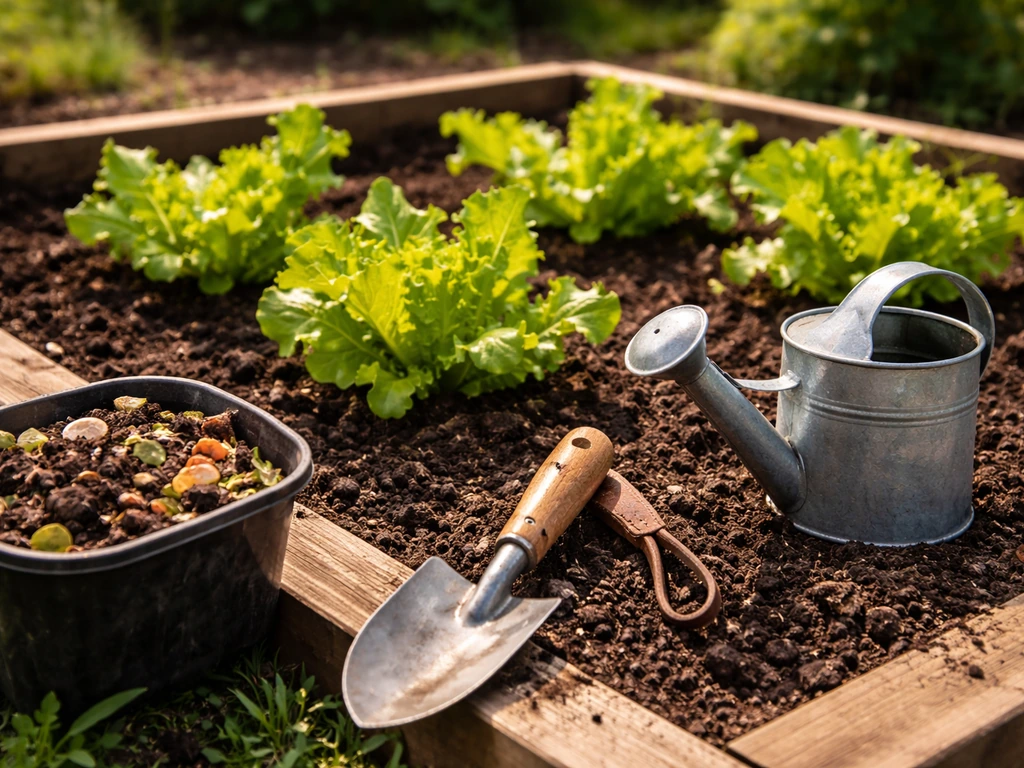
Growing lettuce at home is worth it for most people, and here's the honest case: a single 4x4 raised bed or a handful of containers can realistically produce 1–2 pounds of fresh greens per week during the growing season, which adds up fast when grocery store leaf lettuce runs $3–5 a bag and romaine heads aren't cheap either. The real question isn't whether lettuce can save you money (it can), but whether your specific setup, climate, and goals make it practical right now. This guide walks through every factor so you can make that call clearly.
Is Lettuce Grow Worth It? Cost, Yield, and How to Decide

Marcus Hendrick
22 May 2026
Cost vs Value: Does the Math Actually Work?
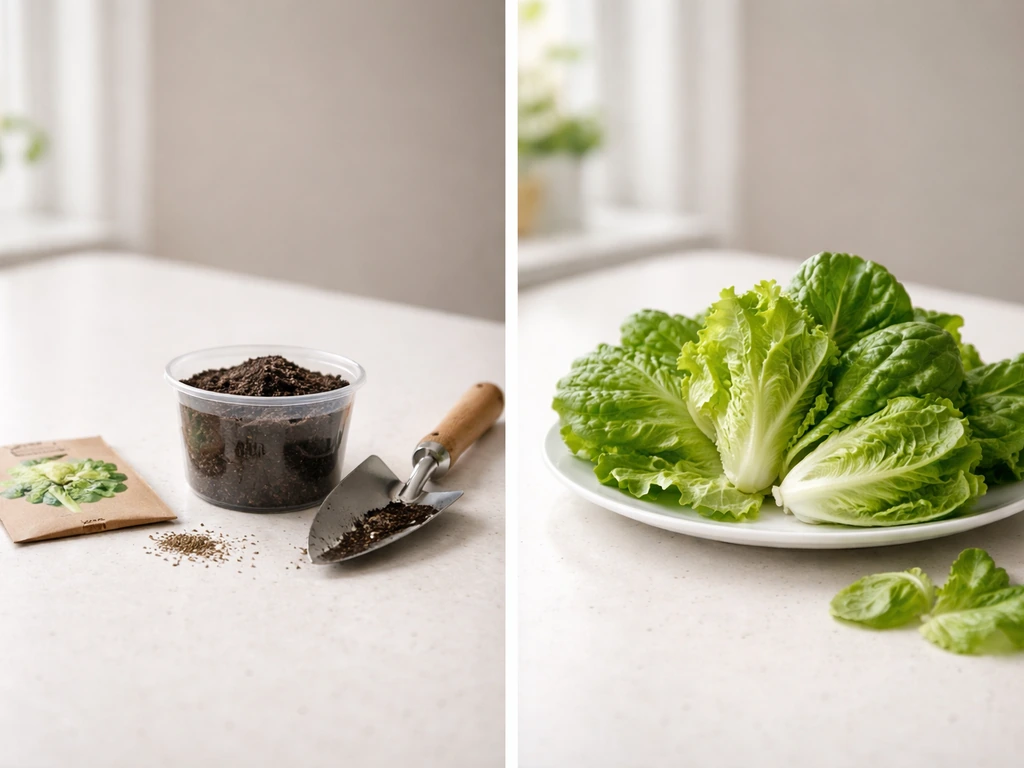
Let's put real numbers on this. A packet of looseleaf lettuce seeds costs $2–4 and contains enough seed for dozens of plants. A bag of quality potting mix for containers or raised beds runs $10–20. Add a small amount of balanced fertilizer or compost and you're looking at a first-season investment of roughly $20–40 for a basic setup. Compare that to buying lettuce: the USDA ERS pegs iceberg at around 32 cents per cup equivalent, but bagged salad mixes and romaine at retail often run $3–5 per head or bag. If your household goes through two to three bags or heads per week, you're spending $300–700 per year on lettuce alone.
After the first season, your recurring costs drop sharply. Seeds are cheap, and if you already have soil and containers, you're spending maybe $5–10 per season to replant. That's where the real value kicks in. The honest caveat: if you buy a fancy grow light setup or an expensive hydroponic system upfront, the payback period stretches out considerably. For those systems, the value is more about year-round access and freshness than pure savings. For a basic outdoor or windowsill container setup, the payback is fast, often within the first season.
Time, Effort, and Skill Level
Lettuce is genuinely one of the easiest vegetables to grow. I'd put it in the top three beginner crops alongside radishes and green onions. Seeds germinate in 4–10 days at an optimal temperature around 70°F, and looseleaf types like 'Salad Bowl' are ready to harvest in as little as 49 days. That's a fast feedback loop, which matters when you're learning.
The main time commitment is upfront: preparing your bed or container, planting, and setting up a watering routine. After that, lettuce needs maybe 10–15 minutes of attention per week, mostly watering and a quick check for pests. The learning curve is low. You don't need to know much about soil chemistry or pruning. The two skills worth developing early are recognizing bolting (when the plant starts sending up a flower stalk) and succession planting (sowing a new batch every 2–3 weeks so you always have something to harvest).
Best Growing Conditions: Climate, Seasons, and Light
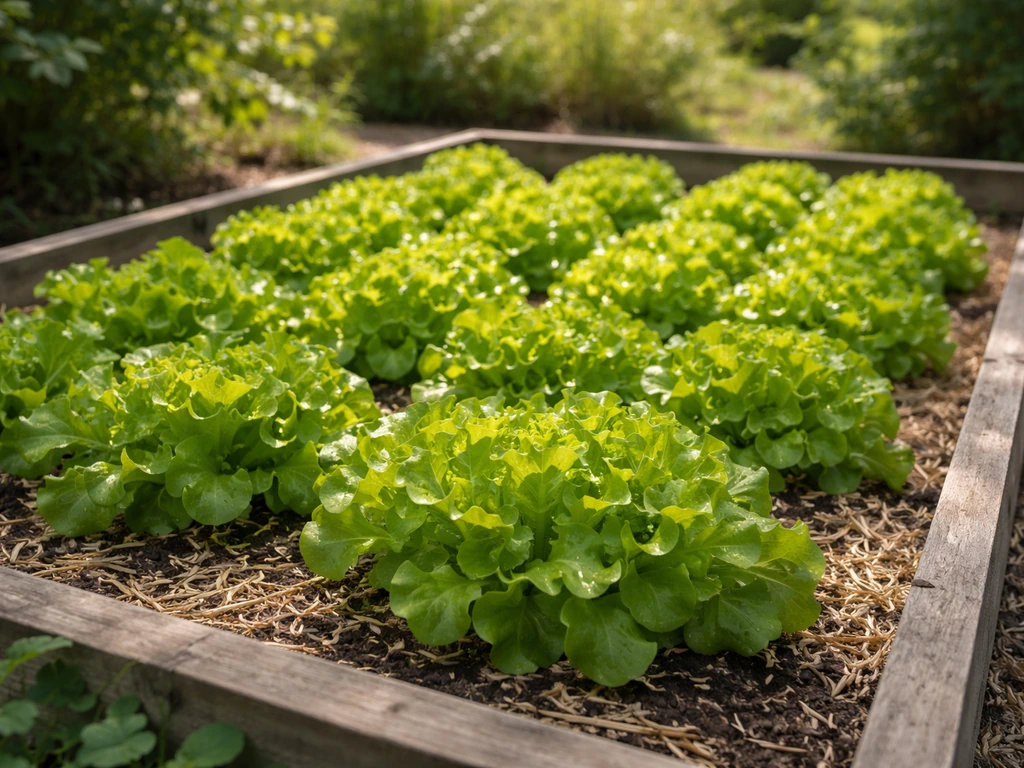
Lettuce is a cool-season crop, plain and simple. It thrives when average daily temperatures are in the 60–70°F range, which means spring and fall are your prime windows in most of the U.S. In hot summer climates (zones 7 and above), lettuce bolts fast once temps consistently push past 75°F. Bolting means the plant rushes to flower and set seed, the leaves turn bitter, and your harvest window closes. In cooler climates (zones 3–6), you can often grow lettuce from late spring through early fall with good management.
Light-wise, lettuce wants 6 hours of direct sun per day outdoors, but it tolerates partial shade better than almost any other vegetable. In fact, afternoon shade in warm climates can actually extend your harvest window by keeping leaf temperature down. Indoors, you'll need a grow light delivering 12–16 hours of light per day to compensate for lower intensity. For outdoor growers, positioning your bed on the east side of a building so it gets morning sun and afternoon shade is a legitimate strategy in warmer regions.
Succession planting is the single biggest yield multiplier. Instead of planting everything at once and harvesting it all in a two-week window, sow a small batch every 2–3 weeks. This keeps fresh lettuce coming steadily rather than in one overwhelming flush. Start seeds indoors 4–6 weeks before your last frost date in spring, and again 6–8 weeks before your first frost date in fall for an autumn harvest.
Easy Setups: Containers, Raised Beds, and Hydroponics
You have real options here depending on your space and budget. Each has a distinct sweet spot.
Containers
Containers are the lowest-barrier entry point. Lettuce roots are shallow, so you only need about 6–8 inches of depth, which means a standard window box, a 5-gallon bucket, or a fabric grow bag all work perfectly. Space plants about 4 inches apart and use a good quality potting mix, not garden soil (it compacts in containers). Containers also give you mobility: move them to shade when temps spike, or bring them inside before frost. The downside is they dry out faster, so you'll water more frequently.
Raised Beds
A 4x4 or 4x8 raised bed is the most productive outdoor setup for the effort involved. Using intensive spacing of 3–6 inches between plants (as K-State Extension recommends for raised beds), a 4x4 bed can support 16–64 lettuce plants depending on the variety and whether you're doing cut-and-come-again harvesting. Fill with a blend of compost and quality garden mix, and you've got a high-output growing space that improves season over season as you add organic matter.
Simple Hydroponics
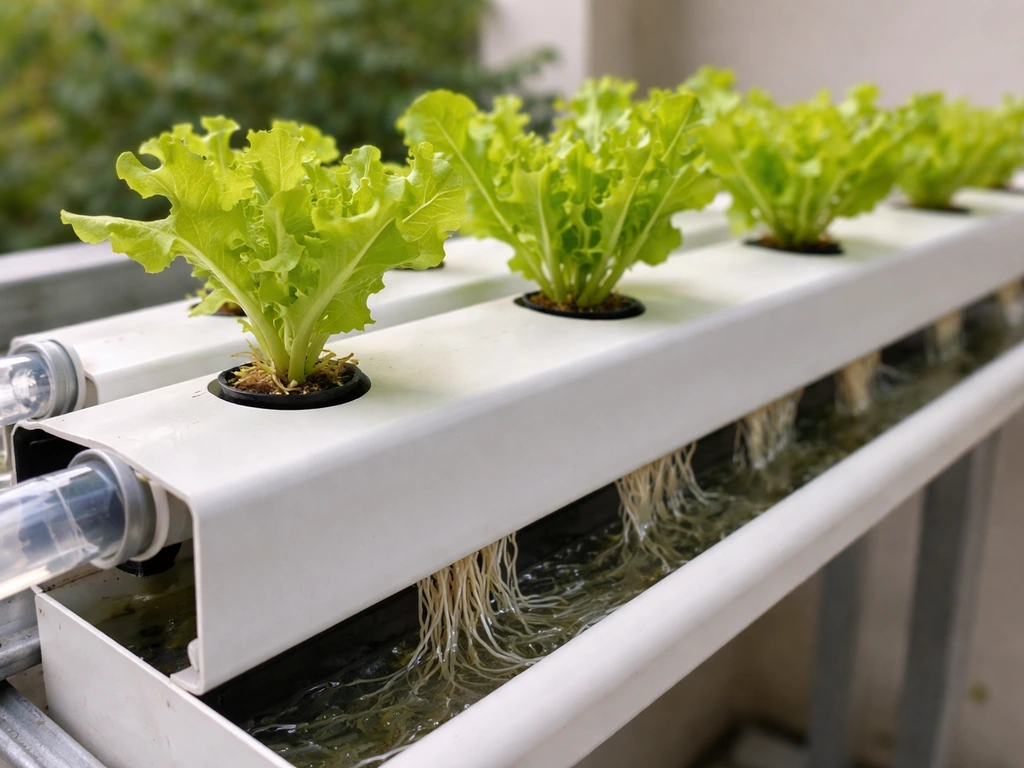
Lettuce is the go-to crop for beginner hydroponic setups, and for good reason: it's fast, doesn't need support, and thrives in nutrient film technique (NFT) systems. In a simple NFT setup, lettuce can reach harvestable size in 30–45 days after transplanting. The upfront cost is higher ($50–200 for a basic tabletop system), and you'll need to manage nutrient solution pH and concentration. The payoff is year-round production regardless of outdoor climate.
If you're comparing this to a purpose-built all-in-one hydroponic unit, the pros, cons, and cost-per-head math are worth a closer look before you commit. In a hydroponics setup, lettuce tends to grow fast and predictably, but you also have to manage the system consistently pros, cons, and cost-per-head math.
| Setup | Startup Cost | Space Needed | Skill Level | Best For |
|---|---|---|---|---|
| Containers | $15–40 | Any patio/balcony | Beginner | Small households, renters, testing the idea |
| Raised Bed (4x4) | $30–80 | 16 sq ft outdoors | Beginner | Highest outdoor yield, families, self-sufficiency |
| Simple Hydroponics (NFT) | $50–200+ | Countertop/indoors | Intermediate | Year-round growing, no outdoor space |
Realistic Yield Expectations and Harvest Timelines
Here's what you can actually expect. Looseleaf varieties like 'Salad Bowl' are ready around 49 days from seed. Romaine types like 'Freckles' come in around 55 days. Butterhead types like 'Buttercrunch' take closer to 70 days. With cut-and-come-again harvesting (removing outer leaves and letting the center keep growing), a single looseleaf plant can produce over 2–3 weeks before quality declines. A 4x4 raised bed with 16 plants staggered over two succession sowings can realistically yield 1–2 pounds of leaves per week during the peak season.
In warm climates, your harvest window per planting might be just 3–4 weeks before heat triggers bolting. In cooler regions, you can get 6–8 weeks of good harvesting from a single sowing. The practical implication: succession planting isn't optional if you want consistent yields. Plant a new small batch every 2–3 weeks and your harvest becomes continuous rather than feast-and-famine. If you’re comparing lettuce grow vs harvest, the key is using the right timing and spacing so you get quality leaves before bolting or bitterness sets in.
Risk Management: Pests, Bolting, and Disease
Bolting
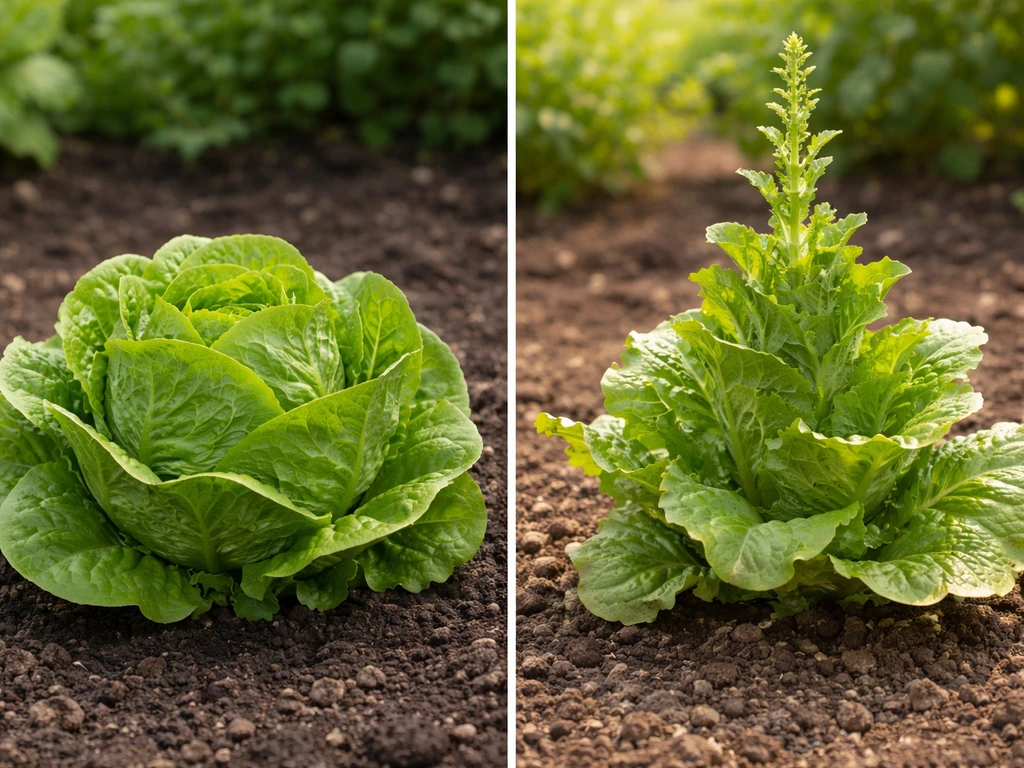
Bolting is triggered by heat above 75°F, long days, high light intensity, and blank" rel="noopener noreferrer">water stress. Once a plant bolts (you'll see a tall central stalk forming), it can't be reversed. The strategy is prevention: choose slow-bolt varieties, provide afternoon shade in warm weather, water consistently to avoid drought stress, and time your plantings to avoid the hottest weeks. Illinois Extension also emphasizes frequent, regular watering to support rapid, high-quality leaf growth in lettuce blank" rel="noopener noreferrer">water consistently to avoid drought stress. Both cold snaps and heat spells can trigger bolting, so if you get a surprise frost followed by heat, expect some early bolting in that batch.
Pests
Aphids and slugs are the two most common lettuce pests in home gardens. Aphids cluster on the underside of leaves and can be knocked off with a strong spray of water or treated with insecticidal soap. Slugs feed at night and leave ragged holes in leaves; trap them with beer traps or diatomaceous earth around the base of containers and beds. Scouting regularly (a 5-minute walk-through every few days) lets you catch problems before they escalate, which is the core of any solid pest management approach.
Disease
The two diseases most likely to hit home-grown lettuce are downy mildew and damping-off. Downy mildew (caused by Bremia lactucae) appears as angular yellow-green spots on leaves and thrives in cool, damp conditions with moisture sitting on leaves. Prevent it by watering at the base rather than overhead, spacing plants for good airflow (that 4-inch spacing matters), and avoiding overcrowding. Damping-off kills seedlings right at the soil line and is caused by several pathogens including Pythium and Rhizoctonia. It's almost always a result of overwatering and poor drainage in seed-starting mix. Use fresh, sterile seed-starting media, don't overwater, and make sure containers have drainage holes.
Is It Worth It for Your Goals?
The honest answer depends on what you're optimizing for. Here's a direct breakdown:
- Saving money: Yes, it's worth it if you eat lettuce regularly and use a basic container or raised bed setup. Your break-even point is usually within the first season, and recurring costs are minimal afterward.
- Food security and self-sufficiency: Absolutely worth it. Lettuce is one of the fastest, easiest crops to produce at home and reduces grocery dependence for fresh greens meaningfully.
- Freshness and quality: Hard to beat homegrown. Store-bought lettuce starts losing nutrients and crispness from the moment it's cut. Harvesting minutes before a meal is a genuinely different experience.
- If you rarely eat lettuce: Probably not worth the effort. Grow what you actually eat.
- If you're in a hot climate (zone 8+) with no shade options: The harvest window is short and bolting is a real frustration. A container setup you can move, or a fall-only planting, changes the math.
- If you're considering a hydroponic system: The upfront cost means you're optimizing for convenience and year-round access, not per-head savings. That's a valid reason, but go in with clear expectations.
My recommendation for anyone on the fence: start with a $20–30 container trial this season. Buy one packet of a looseleaf variety (Salad Bowl, Black Seeded Simpson, or a mesclun mix), a bag of potting mix, and one window box or a couple of 5-gallon containers. Plant half the seeds now, plant the other half three weeks later. Harvest outer leaves when plants reach about 4–6 inches tall. You'll know within 6–8 weeks whether this fits your life, and you'll have eaten fresh salads in the process. That's a low-stakes, high-information test that almost always converts skeptics into regular growers.
If you want to go deeper, it's worth understanding how growing lettuce in a controlled greenhouse environment changes the math, or comparing purpose-built hydroponic units if indoor year-round growing is your goal. For a farmer, that often comes down to controlling temperature and extending harvests beyond the seasons when outdoor conditions are less reliable why would a farmer grow lettuce in a greenhouse. But for most home gardeners, a couple of containers or a small raised bed is all you need to get a real return on this crop. If you want to is lettuce grow organic, focus on soil health, compost, and avoiding harsh chemicals while you grow your leaves grow lettuce.
FAQ
Is lettuce grow worth it if I live in a hot climate?
Yes, but only if you match the timing to your temperatures. In warm periods, harvest becomes a short window and bolting is likely, so plan to sow small batches in late spring and again in early fall. If your summers regularly stay above 75°F, lettuce grow is usually “worth it” mainly for part-year production, not year-round outdoor harvests.
How do I harvest lettuce so it actually pays off?
If you want consistent results, aim for a very small spacing with a quick, repeated harvest, not a big initial sowing. For cut-and-come-again, outer leaves are typically ready when plants are about 4–6 inches tall, then you can keep removing the oldest leaves while the center regrows. Waiting until heads form is usually the fastest way to end up with bitterness before you get full value.
Can I grow lettuce through winter, or is it only a spring and fall crop?
Overwintering is usually not the goal, even if the plants survive. Lettuce is cool-season, so in mild winters you can extend harvest, but cold snaps can still reduce quality and trigger early bolting when warm weather returns. Treat winter as “maybe” and focus on successive sowings before the coldest stretches, or use protection like a cold frame if you want to keep the window going.
How often should I water lettuce in containers versus a raised bed?
The key is to prevent leaf-wilting and heat stress, not to keep soil constantly wet. Containers dry out faster, so check more often, and water deeply when the top inch starts to dry. If you water only lightly, lettuce can become stressed and bolt sooner, which shortens the harvest window.
What’s the most common mistake that causes lettuce seedlings to fail?
Be careful with seed-starting media and seed depth. Damping-off is strongly linked to overwatering and poor drainage, so use sterile mix, keep it evenly moist (not soggy), and ensure containers have drainage holes. Also avoid planting seeds too deep, shallow sowing helps them emerge faster and reduces time spent as vulnerable seedlings.
If I have limited sun, can I still grow lettuce successfully?
You usually can, but it depends on your temperatures and how you position the plants. Afternoon shade helps in warm regions by keeping leaf temperature lower, and east-facing sun often works well outdoors. Indoors, bright windows can still overheat lettuce in summer, so a grow light plus a stable location away from hot glass can outperform a “set it by the window” approach.
Is lettuce grow worth it if I want to keep it fully organic and pest-minimal?
Yes, but only with the right expectation and regimen. You can use organic inputs and still get strong results, however “organic” doesn’t mean “no pest control.” For aphids and slugs, plan for mechanical removal or targeted organic options (like insecticidal soap for aphids) rather than relying on nutrition alone.
Do I need to test pH and nutrients daily for hydroponic lettuce to be worth it?
It can, if you choose the right system and commit to monitoring. Nutrient solution pH and concentration drift over time, and that affects growth rate and leaf quality, so the “worth it” factor depends on whether you enjoy regular checks. If you want the simplest experience, start with a small tabletop NFT setup and track readings for the first couple weeks to see if the maintenance fits your lifestyle.
Will I waste lettuce if I can’t harvest on a tight schedule?
Often, yes, but not always. If you harvest outer leaves early and keep the plants producing, you can avoid waste and get more use per plant. The fastest route to overspending is letting plants sit too long until they bolt or bitterness develops, so succession timing is the difference between “fresh salads” and “plants that went bad.”
What’s the easiest way to decide if lettuce grow is worth it for me this year?
It’s worth it when your goal is freshness and predictable seasonal production, but it may not be worth it if grocery prices are low and your growing space is inconvenient. The best decision aid is a trial: use one packet, start two sowings three weeks apart, and count how many weeks you actually get harvest you’d otherwise buy. If you don’t hit at least several meaningful harvest weeks, you likely need different placement, a different variety, or a smaller footprint before scaling up.
Next Article
Is Lettuce Grow Organic? How to Grow It Organically at Home
Learn if lettuce can be grown organically at home and get a step-by-step guide, pests, harvesting, and quick fixes.