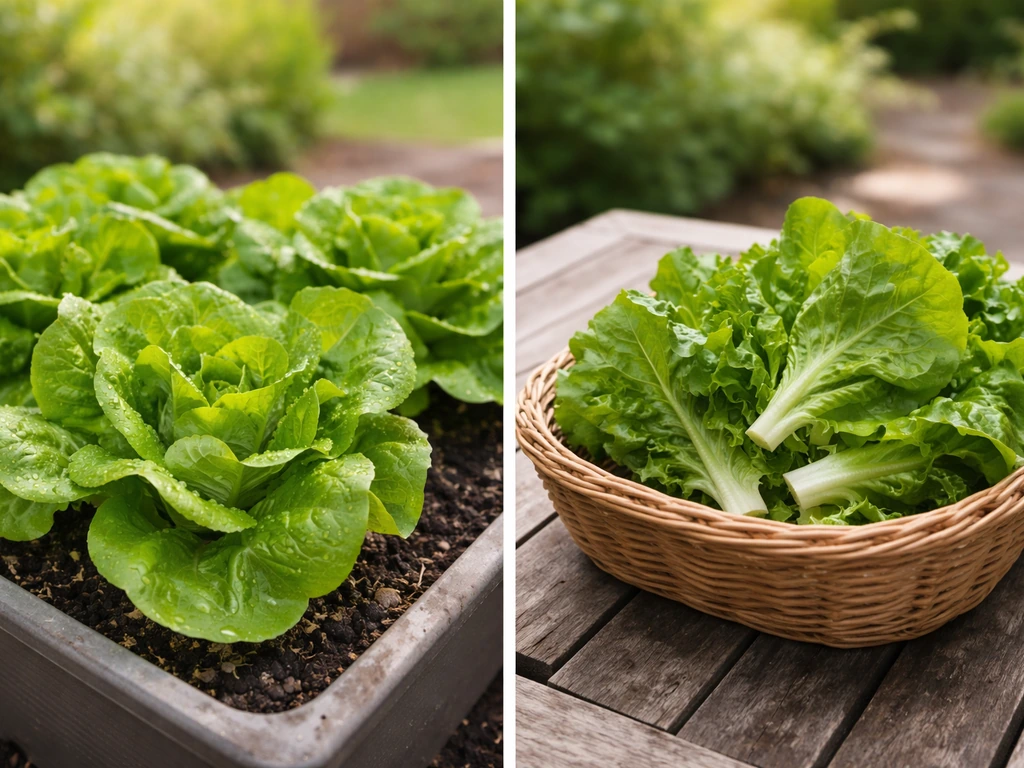
Yes, you can absolutely grow lettuce organically at home, and it's one of the easiest crops to do it with. You don't need a certification, a big yard, or expensive inputs. What you need is a good understanding of what 'organic' actually means in a home garden context, the right soil setup, and a few smart habits around feeding, watering, and pest control. This guide walks you through all of it, step by step, so you can grow clean, chemical-free lettuce right now.
Is Lettuce Grow Organic? How to Grow It Organically at Home

Marcus Hendrick
18 May 2026
What 'organic' actually means when you're growing at home
Here's something worth clarifying upfront: the word 'organic' on a food label in the U.S. is a federally regulated term. The USDA's National Organic Program (NOP) controls exactly who can print 'organic' or display the USDA organic seal on a product sold commercially. Using that seal without meeting their requirements can result in real fines. So if you're growing lettuce at home and eating it yourself, you can grow it using every organic principle in the book, but you can't legally market or sell it as 'certified organic' unless you go through the full NOP certification process.
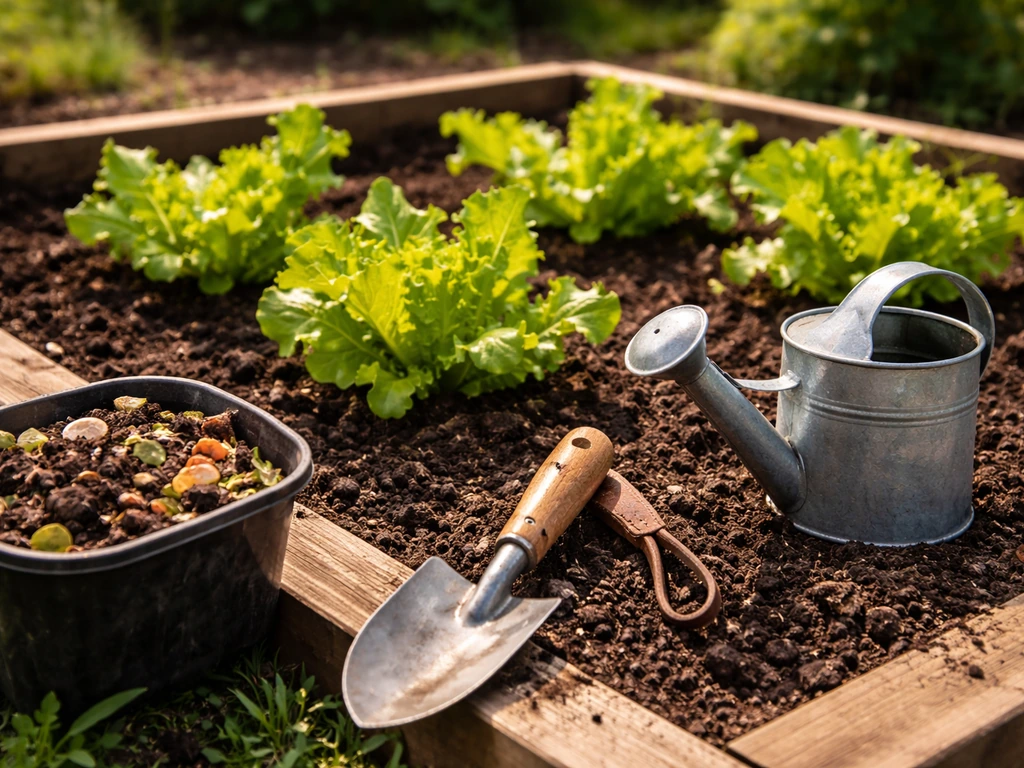
For most home gardeners, that distinction doesn't matter at all. You're not selling to a grocery store. What you want is lettuce grown without synthetic pesticides, synthetic fertilizers, or other chemical inputs, and that's completely achievable in a backyard bed, a raised bed, or even a container on a patio. The NOP framework is actually a useful guide for what to avoid and what to use: under organic rules, nonsynthetic substances are generally allowed, and synthetic substances are prohibited unless they appear on a specific approved list. In practice, that means you're working with compost, worm castings, fish emulsion, and plant-based sprays rather than Miracle-Gro and Roundup.
The honest framing: growing lettuce organically at home means choosing inputs, practices, and methods that keep synthetic chemicals out of your soil and off your leaves. That's it. You don't need a certificate to do that well.
Best lettuce varieties and where they'll actually grow
Lettuce is a cool-season crop, and that one fact shapes everything about where and when you grow it. It thrives between 45°F and 75°F (7°C to 24°C). Above 80°F, most varieties start bolting (sending up a flower stalk), which turns the leaves bitter fast. That’s also why some farmers grow lettuce in greenhouses, where conditions like temperature and moisture can be managed to prevent bolting why would a farmer grow lettuce in a greenhouse.
That means your main planting windows are spring and fall in most climates. In zones 9 to 11, you can grow lettuce through winter outdoors. In zones 3 to 5, you're working with a shorter window but can extend it with row cover or cold frames.
Lettuce needs at least 6 hours of direct sun per day, though it tolerates partial shade better than most vegetables. In hot climates or during late spring, afternoon shade actually helps prevent bolting. It grows happily in raised beds, in-ground garden beds, and containers as small as 6 to 8 inches deep. If you're exploring hydroponic or indoor growing systems like the Lettuce Grow Farmstand, the same organic principles around inputs and fertility still apply, though those systems have their own tradeoffs worth weighing separately. The Lettuce Grow Farmstand can be a space-saver, but it also has tradeoffs like cost and setup considerations compared with growing in a backyard bed.
Variety picks that hold up well organically
| Variety | Type | Best for | Heat tolerance | Days to harvest |
|---|---|---|---|---|
| Black Seeded Simpson | Loose-leaf | Beginners, containers, spring/fall | Low | 45–50 days |
| Red Sails | Loose-leaf | Hot climates, bolt resistance | Medium | 45–50 days |
| Buttercrunch | Butterhead | Raised beds, cool climates | Low–medium | 55–65 days |
| Romaine (Parris Island) | Romaine | In-ground beds, succession planting | Medium | 70–75 days |
| Oak Leaf (Green or Red) | Loose-leaf | Containers, partial shade, summer edges | Medium–high | 50–60 days |
| Jericho | Romaine | Warm climates, bolt resistance | High | 60–70 days |
| Little Gem | Mini romaine | Small spaces, containers, raised beds | Medium | 55–60 days |
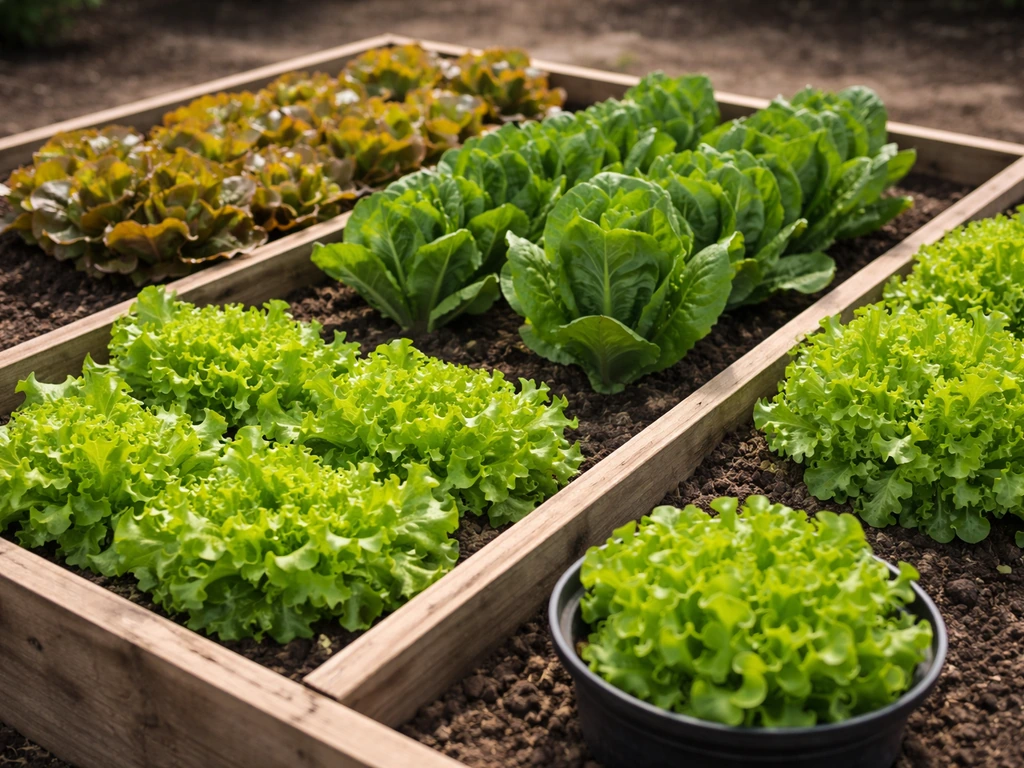
For organic growing, loose-leaf varieties are forgiving because you harvest outer leaves continuously rather than waiting for a full head. That shortens your time-to-first-harvest and gives you more flexibility with succession planting.
Soil prep and planting: get this right and the rest is easy
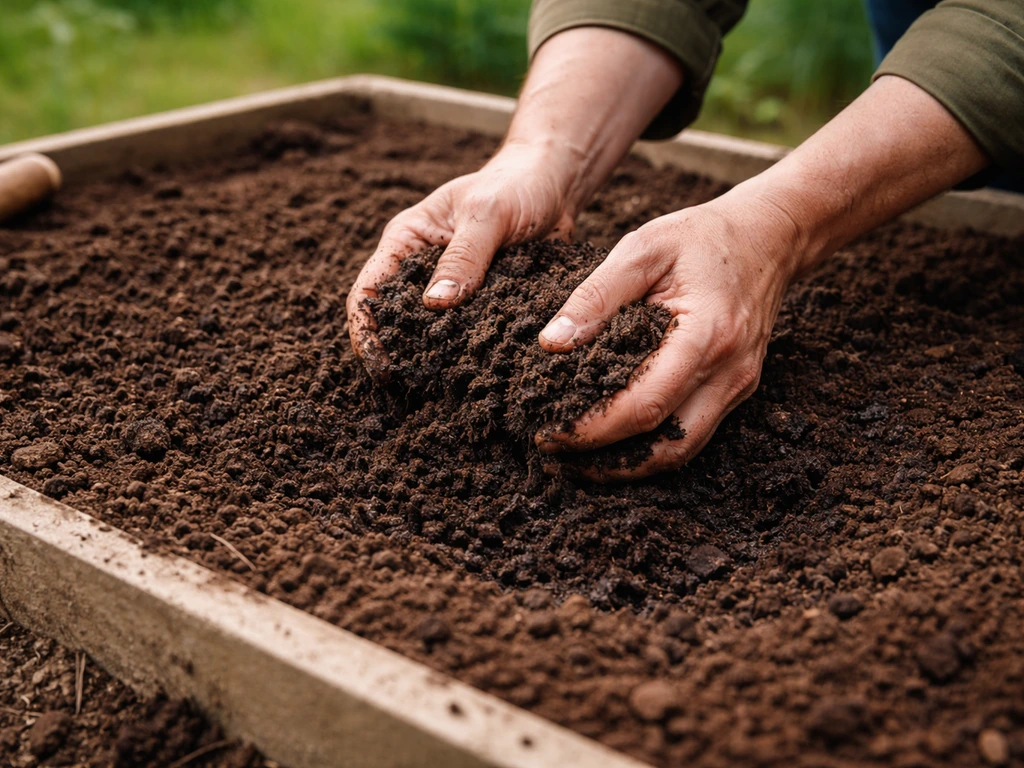
Lettuce has a shallow root system, typically 6 to 12 inches deep, so it responds quickly to what's in the top layer of soil. Good organic lettuce starts with good organic soil. Aim for a mix that drains well but holds moisture: a blend of quality garden soil, aged compost, and some perlite or coarse sand works well. A ratio of roughly 60% soil, 30% compost, and 10% perlite is a solid starting point for raised beds or containers.
Compost is the backbone of organic lettuce fertility. Under NOP rules, compost that contains animal materials must meet specific temperature and time requirements during production to be considered suitable for organic use. For home gardeners, this means either making your own hot compost properly or buying bagged compost labeled for organic gardening. Worm castings (vermicompost) are a gentler, lower-nitrogen option that's excellent for lettuce and nearly impossible to over-apply.
Soil amendments worth adding
- Aged compost: 2 to 3 inches worked into the top 6 inches of soil before planting
- Worm castings: 1/4 to 1/2 cup per transplant hole, or mixed into potting mix at about 10–20% by volume
- Kelp meal: slow-release micronutrients and trace minerals; apply at about 1–2 lbs per 100 sq ft
- Alfalfa pellets or meal: adds nitrogen and beneficial plant growth stimulants; work in lightly before planting
- Rock phosphate or bone meal (if phosphorus is low based on a soil test): improves root development early on
Timing and spacing
Direct sow lettuce seeds 2 to 4 weeks before your last expected frost in spring, or 8 to 10 weeks before your first expected frost for fall crops. Seeds germinate best between 60°F and 70°F; above 80°F germination drops off sharply, so in warm weather, pre-chill seeds in a damp paper towel in the fridge for 24 to 48 hours before sowing. Sow seeds 1/8 to 1/4 inch deep, barely covered. Thin loose-leaf varieties to 4 to 6 inches apart, butterhead and romaine types to 8 to 12 inches apart. For containers, one butterhead per 12-inch pot, or 3 to 4 loose-leaf plants per 12-inch wide container works well.
Watering and feeding for great leaves
Lettuce is about 95% water, so consistent moisture is non-negotiable. Irregular watering, especially letting soil dry out and then flooding it, leads to tip burn (brown, papery leaf edges), bitterness, and stress that accelerates bolting. Aim to keep the top 2 inches of soil consistently moist but never waterlogged. In most climates, that means watering every 1 to 2 days in warm weather, every 2 to 3 days in cooler conditions. A layer of mulch (straw, shredded leaves, or wood chips) 1 to 2 inches thick around plants dramatically cuts evaporation and keeps roots cool.
For feeding, lettuce is a light to moderate feeder. If you prepped your soil well with compost, you may not need to feed at all for a spring crop. For longer-season plantings or container lettuce that depletes nutrients faster, a liquid organic fertilizer every 2 to 3 weeks keeps growth strong. Fish emulsion (diluted to label instructions, typically 1 tablespoon per gallon of water) or a liquid kelp and fish blend are the go-to options. These provide fast-available nitrogen without the risk of burning, which is a real concern with synthetic fertilizers. Avoid heavy nitrogen feeding as harvest approaches; it can make leaves tough and watery.
One tip worth knowing: lettuce prefers a soil pH between 6.0 and 7.0. Below 6.0, calcium and magnesium become less available, which shows up as tip burn even when watering is fine. If your soil tests acidic, work in a little garden lime before planting.
Organic pest and disease prevention for lettuce
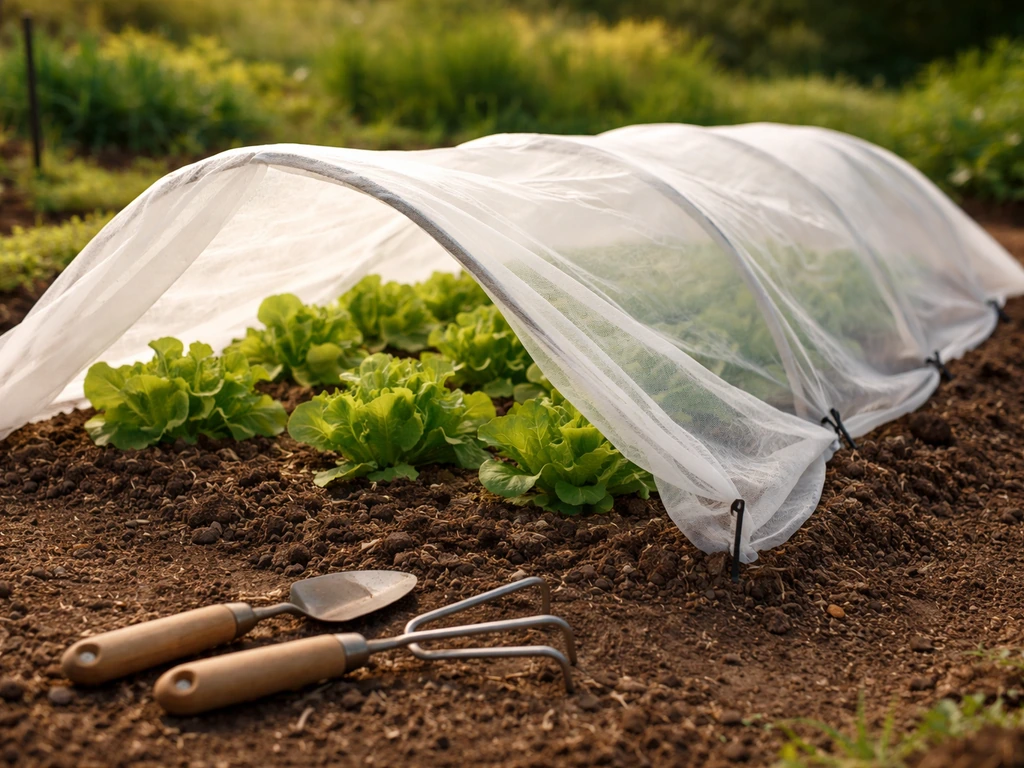
Prevention is where organic pest management really earns its keep. The goal is to make your lettuce patch a hard target: good airflow, healthy soil, clean tools, and barriers that keep pests out before they establish. Once you're dealing with a serious infestation organically, you're working harder than you need to.
Common pests and what to do about them
| Pest | Signs | Prevention | Organic control |
|---|---|---|---|
| Aphids | Sticky residue, curled leaves, clusters under leaves | Row cover, reflective mulch, interplant with nasturtiums | Blast off with water, insecticidal soap spray (2 tsp per quart), introduce ladybugs |
| Slugs and snails | Irregular holes in leaves, slime trails | Remove debris, use copper tape around containers, avoid overhead watering at night | Diatomaceous earth around plant bases (reapply after rain), beer traps, hand-pick at night |
| Caterpillars (cabbage loopers) | Large ragged holes, frass (droppings) on leaves | Row cover, inspect undersides of leaves regularly | Hand-pick, Bt (Bacillus thuringiensis) spray per label directions |
| Leafminers | Winding pale trails inside leaves | Row cover from day one, remove affected leaves immediately | Remove and destroy infested leaves; neem oil on surrounding soil to disrupt lifecycle |
| Cutworms | Seedlings cut at soil level overnight | Collars around transplants, till soil before planting to expose pupae | Beneficial nematodes (Steinernema carpocapsae) watered into soil |
Disease issues and how to handle them
Lettuce's biggest disease problems are downy mildew, bottom rot (Botrytis), and lettuce drop (Sclerotinia). All three are made worse by wet conditions, crowding, and poor airflow. Space plants properly, water at the base rather than overhead, and remove outer leaves as they age and start to yellow. If you see white powdery patches or gray fuzzy growth, remove affected leaves immediately and improve airflow around plants. A diluted neem oil spray (following label dilution, typically 2 tablespoons per gallon of water with a few drops of dish soap as an emulsifier) applied in the evening can help manage early-stage fungal issues. Don't compost diseased plant material; bag it for trash instead.
Weed control without herbicides
Mulching is your most effective organic weed control tool. A 2-inch layer of straw or shredded leaves around lettuce plants suppresses most weed germination, retains moisture, and keeps soil temperatures stable. For beds, hoe shallowly between rows early and often while weeds are small; deep cultivation near lettuce roots causes more harm than good. Landscape fabric under a thin layer of compost works well in raised beds if you're dealing with persistent weeds. Hand weeding is slow but thorough, and for small beds or containers, it's usually all you need.
Harvesting, storage, and keeping lettuce coming all season
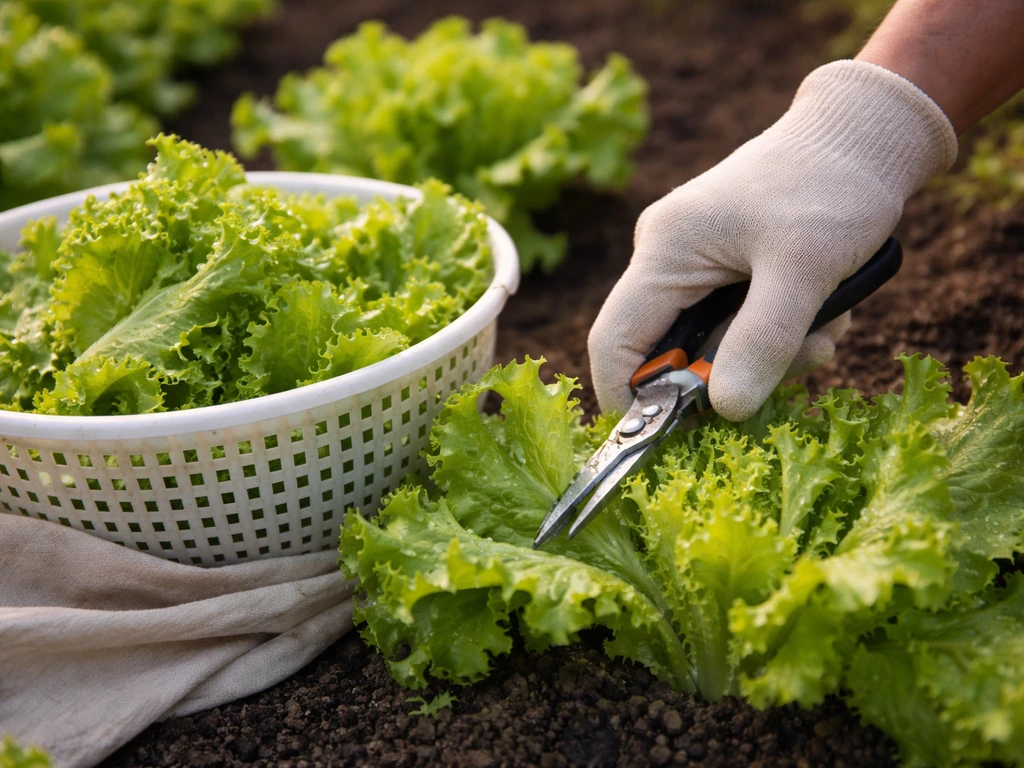
For loose-leaf varieties, start harvesting outer leaves once the plant is 4 to 6 inches tall, usually around 30 to 35 days after transplanting or 45 to 50 days from seed. Cut leaves about an inch above the crown and the plant will keep producing new growth. This 'cut-and-come-again' method is the most efficient way to get continuous harvest from a small space. Head types like romaine and butterhead are harvested by cutting the whole head at the base when it reaches a firm, full size.
Harvest in the morning when leaves are crisp and full of moisture. Avoid harvesting in the heat of the day; afternoon-cut lettuce wilts faster and doesn't store as well. After harvest, rinse leaves in cold water, spin dry or pat dry, wrap loosely in a damp paper towel, and store in a sealed bag or container in the refrigerator. Properly stored, fresh-cut lettuce keeps 5 to 7 days. Whole heads last up to 10 days in the fridge.
Succession planting for continuous harvests
The single best strategy for never running out of lettuce is succession planting: sowing a new small batch of seeds every 2 to 3 weeks rather than planting everything at once. If you are growing systems like Lettuce Grow, this same succession approach is how you extend harvests and avoid gaps between cuttings succession planting.
A single sowing of 6 to 10 plants gives most households more lettuce than they can eat in a two-week window, and then it's gone. With succession planting, you stagger those harvests across the whole season. In spring, start your first sowing 4 to 6 weeks before last frost and keep sowing every 2 to 3 weeks until temperatures reliably hit 80°F.
Then pause through the hottest months (or switch to heat-tolerant varieties in partial shade), and resume sowing again 8 to 10 weeks before first fall frost.
Quick fixes when things go wrong
Bolting
If your lettuce sends up a tall central stalk, it's bolting, and heat is almost always the cause. Once bolting starts, you can't reverse it, but you can harvest quickly before the leaves get too bitter. To prevent it next time: choose bolt-resistant varieties like Jericho or Red Sails, plant earlier in spring or later in summer for fall harvest, use shade cloth (30 to 40% shade) during heat waves, and mulch to keep soil cool.
Bitter leaves
Bitterness in lettuce comes from heat stress, drought stress, or age. If your leaves are bitter but the plant hasn't bolted yet, consistent watering and some afternoon shade can help mellow the flavor. Harvesting in the morning also helps since sugars are higher in cool morning temperatures. If the whole plant tastes bad, it's usually time to pull it and replant.
Poor germination
Lettuce seed has relatively short viability, about 1 to 2 years, so old seed germinates poorly. If germination is spotty, check your seed age. Also check soil temperature: seeds need 60°F to 70°F to germinate well. If your soil is too warm (above 80°F), pre-chill seeds in a damp paper towel in the refrigerator for 24 to 48 hours before sowing. Don't bury seeds too deep; 1/8 inch is plenty, and some growers just press seeds into the soil surface and mist.
Weak or leggy growth
Leggy, pale, thin lettuce is almost always a light problem or a nitrogen deficiency. Indoors, seedlings need very bright light (14 to 16 hours under a grow light or a very sunny south-facing window). Outdoors, make sure plants are getting at least 6 hours of direct sun. If light is adequate but leaves are pale yellow-green, apply a diluted fish emulsion or liquid kelp to quickly green them up; you should see a response within 5 to 7 days.
Tip burn
Brown, papery edges on inner or outer leaves are tip burn, caused by calcium deficiency at the leaf tips. The problem isn't usually a lack of calcium in the soil; it's inconsistent watering that interrupts calcium uptake. Fix the watering schedule first. If the problem persists, foliar spray with a calcium solution (calcium chloride at 0.5%, or a product like Yield Booster) applied in the evening gives quick results.
Growing lettuce organically isn't complicated once you understand what the plant actually needs: cool temperatures, consistent moisture, biologically active soil, and minimal disruption. If you're wondering whether is lettuce grow worth it, the short answer is usually yes for many home gardeners because lettuce is fast, space-efficient, and forgiving to grow. Get those basics right and you'll have more fresh, clean lettuce than you know what to do with, no certification required.
FAQ
Can I grow lettuce organically at home without compost or buying organic-labeled soil amendments?
Yes, but you should replace the nutrient and biology that compost provides. You can rely on worm castings and properly diluted liquid organic fertilizers (like fish emulsion or kelp) and still avoid synthetic inputs. If you skip compost entirely, plan on feeding more often and watch for pale growth sooner than you would in a compost-based mix.
Is it only “organic” if I avoid all chemical fertilizers, or can I use anything natural like seaweed or lime?
Natural inputs can still be non-organic in practice if they are synthetic or applied in ways that conflict with organic standards. For home growing, focus on avoiding synthetic fertilizers and synthetic pesticides. Common natural helpers like liquid kelp, fish emulsion, worm castings, and garden lime for pH correction are typically consistent with the organic approach.
Can I market or sell my homegrown lettuce as “certified organic”?
No. Home-grown lettuce for personal use can follow organic principles, but calling it “certified organic” for sale requires completing USDA National Organic Program certification. A common workaround is to sell as “grown without synthetic pesticides or fertilizers,” not using the official certification language.
How do I handle pests organically if I can’t inspect the garden daily?
Build a prevention system instead of relying on frequent sprays. Use row cover early, maintain proper spacing and airflow, water at the soil line, and remove older outer leaves. If you miss inspections, expect fungal pressure to rise in humid weather, so emphasize barriers and hygiene over treatment frequency.
Will neem oil or other organic sprays hurt beneficial insects on lettuce?
It can, especially if you spray indiscriminately. Apply only to affected areas, in the evening, and avoid coating flowering plants nearby. For lettuce, also check leaf underside where infestations start, then stop once the issue is contained to reduce unnecessary exposure.
What should I do if my lettuce keeps bolting even in spring or fall?
Bolting is often caused by heat swings, stress from inconsistent moisture, or varieties that are not suited to your conditions. Keep soil evenly moist, use afternoon shade during warm snaps, and consider bolt-resistant types. If your summers are unpredictable, stagger plantings and pause sowing when daytime temperatures regularly push into the 80s.
My lettuce looks fine but the flavor is bitter. Is it always bolting?
Not always. Bitter taste commonly comes from heat stress, drought stress, or harvesting too late. If you catch it before bolting, consistent watering and a bit of afternoon shade can improve leaf sweetness. Also harvest in the morning when leaves are crisp, since flavor tends to be better in cooler conditions.
Is “tip burn” from not enough calcium, or is it something else?
Usually it is not simply a lack of calcium in the soil. Tip burn is commonly triggered by inconsistent watering that disrupts calcium movement to the leaf tips. Fixing irrigation regularity often improves it more than adding more calcium. If needed after stabilizing watering, a foliar calcium solution can help more quickly than changing soil amendments.
Can lettuce be grown organically in a small container, and how many plants should I fit?
Yes, container growing works well because lettuce is shallow-rooted. Use enough depth for the root zone, and avoid overcrowding since airflow affects disease. As a rule of thumb from common practice, plan about one butterhead plant per 12-inch pot, or 3 to 4 loose-leaf plants per 12-inch wide container, then adjust based on variety and how fast it dries out.
How do I prevent downy mildew and rot without overhead watering?
Water at the base and aim for dry foliage. Improve airflow with correct spacing, thin as needed, and harvest older outer leaves that are starting to yellow. If you see early signs, remove affected leaves immediately and avoid composting diseased material to reduce re-spread in your garden.
What’s the best way to succession plant lettuce so it doesn’t all mature at once?
Start with smaller batches and sow on a repeating schedule, then stop sowing during peak heat. If you want a steady harvest, keep the interval short enough that you harvest before each batch becomes over-mature, typically every 2 to 3 weeks. Also mix varieties with different harvest times so one failure or bolting event doesn’t wipe out all your supply.
Does lettuce need a soil test to grow organically successfully?
It is not strictly required, but it helps avoid recurring problems. If you see repeated tip burn or persistent slow growth, a soil test can clarify pH and nutrient availability. For quick home decision-making, you can also use a pH check first and adjust with garden lime if the soil is consistently more acidic than the ideal range.
How long can I store harvested organic lettuce, and does washing reduce storage life?
Storage is best when leaves are fully dry after rinsing, since moisture on the leaf surface increases spoilage. Rinse in cold water, spin or pat dry, then store loosely wrapped with a damp paper towel to maintain humidity without soaking. Whole heads last longer than cut leaves, and keeping the lettuce cold consistently helps maximize days in the fridge.
Next Article
Lettuce Grow vs Harvest: How to Grow and Harvest
Step-by-step lettuce growing and exact harvest timing and methods for crunch, yield, and bolting prevention at home.