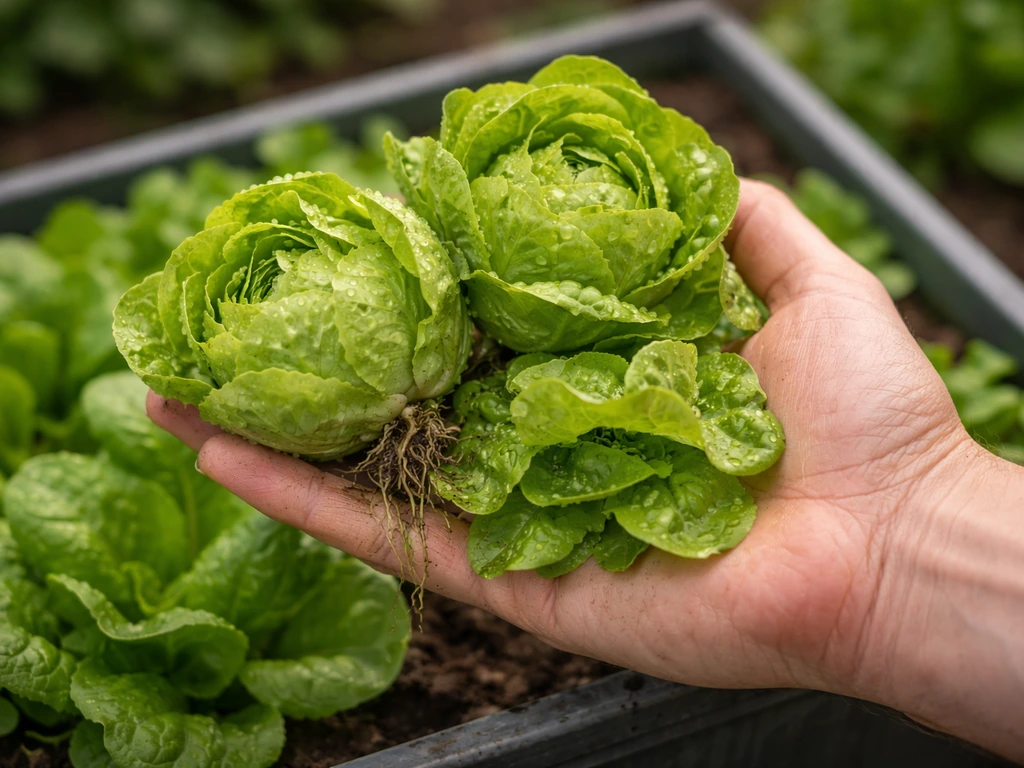
Growing lettuce at home is genuinely one of the easiest wins in the vegetable garden, but most people either plant it at the wrong time, let it bolt before they harvest, or pull heads before they're ready. The fix is knowing both sides: how to keep the plant happy through its short life, and exactly when and how to cut it depending on which type you're growing. Get those two things right and you'll have crisp, sweet salad greens for months instead of a bitter, wilted disappointment.
Lettuce Grow vs Harvest: How to Grow and Harvest

Marcus Hendrick
16 May 2026
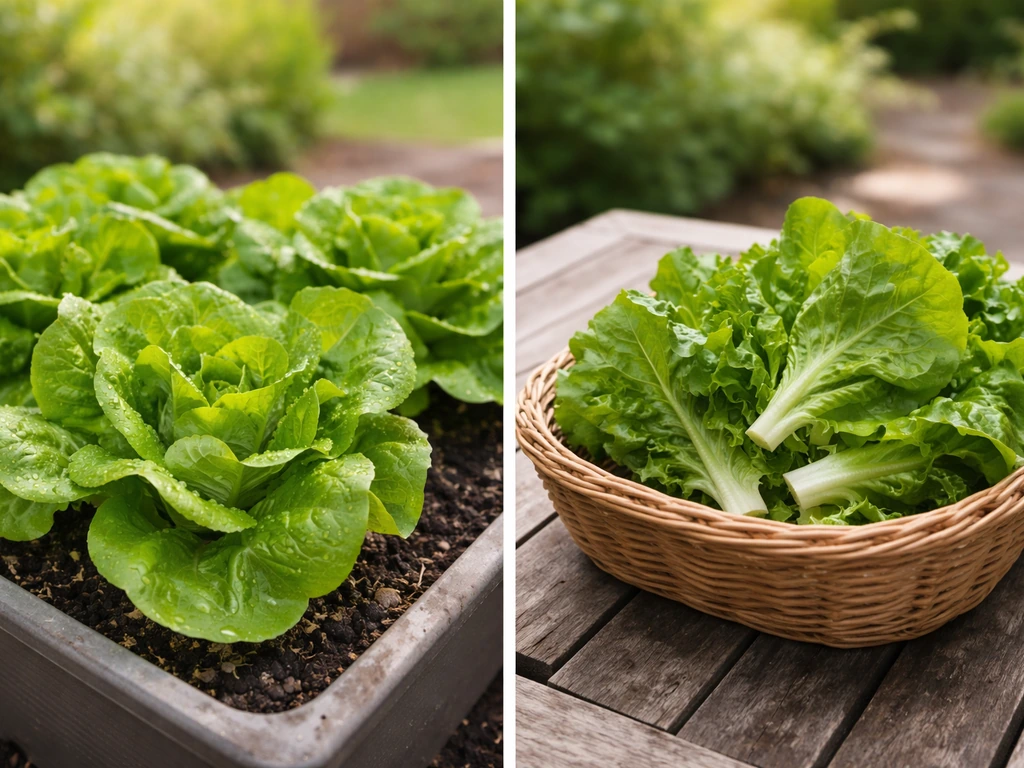
Growing lettuce vs. harvesting it: why both sides matter equally
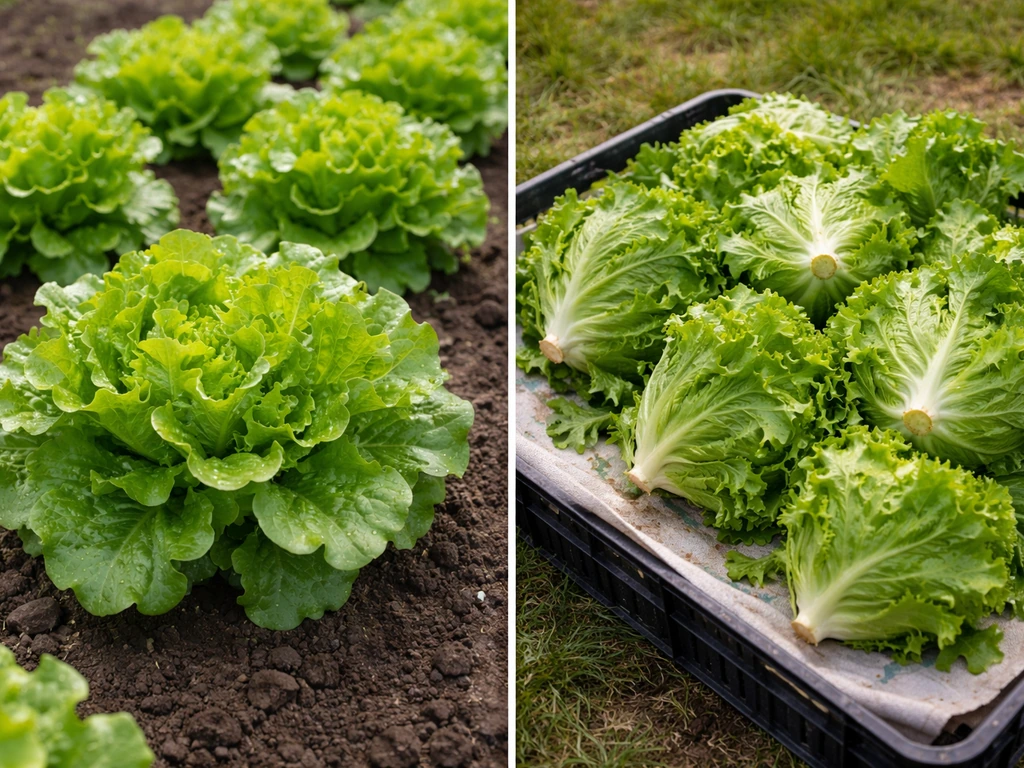
A lot of growers think about these as separate problems. They're not. How you grow lettuce directly shapes when and how you can harvest it. A plant that's been stressed by heat or irregular watering will bolt early, giving you a tiny harvest window. A well-managed plant stays in a harvestable state for weeks. So the goal isn't just to get lettuce in the ground and then figure out harvesting later. You need to build the harvest into the growing plan from day one.
The core tension is this: lettuce is a cool-season crop that wants to be picked before it decides to flower. Once it bolts (sends up a seed stalk), the leaves go bitter and the harvest is essentially over. Your entire growing strategy should be aimed at creating ideal conditions that delay bolting, while your harvest strategy should be timed to beat it. Everything in this guide serves that goal.
Choosing the right lettuce type and matching harvest method
Lettuce type determines your days to harvest, your spacing, and critically, how you cut it. Picking the wrong type for your situation is the most common beginner mistake. Here's a practical breakdown of the four main types and what each one asks of you.
| Type | Days to Harvest | Harvest Method | Best For |
|---|---|---|---|
| Leaf lettuce | 27–45 days | Cut-and-come-again or outer leaves | Beginners, containers, small spaces |
| Butterhead | 42–70 days | Early heading stage, full head or outer leaves | Flavor-focused growers, raised beds |
| Romaine (cos) | 50–70 days | Full head when 4" wide and 6–8" tall | Higher-yield growers with more space |
| Crisphead (iceberg) | 60–120 days | Full firm head only | Experienced growers, cool climates |
If you're new to growing lettuce or working with a small space, start with leaf lettuce. It's ready in as little as 27 days, works in shallow containers, and gives you a cut-and-come-again harvest that keeps producing for weeks. Crisphead is the other extreme: it needs up to 120 days, takes the most space, and has to be harvested as a complete firm head or not at all. Unless you have a reliably cool climate and a patient streak, it's the hardest type to pull off at home.
Site setup: containers or ground, soil, light, and spacing
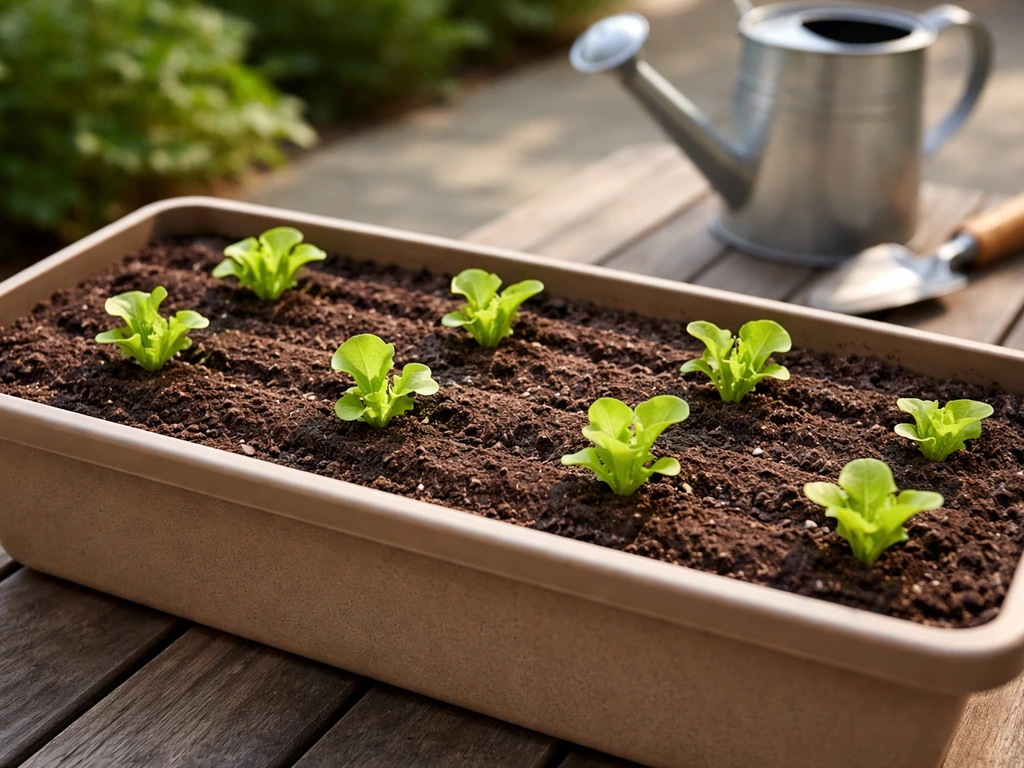
Lettuce is one of the most container-friendly vegetables you can grow. Leaf lettuce works in containers as shallow as 4–6 inches deep with at least 2 gallons of volume. That means a window box, a plastic storage tote, or a fabric grow bag all work fine. For ground or raised bed growing, the target is well-drained loam or sandy loam soil that's rich in organic matter. Work in a generous layer of well-rotted compost or aged manure before planting, either in fall for spring planting or a few weeks before a fall crop. Aim for a soil pH of 6.0–6.8, which is slightly acidic to neutral and easy to achieve in most gardens.
Lettuce wants full sun in cool weather and partial shade when temperatures climb. Six hours of direct sun is plenty. In fact, during the warmer parts of spring and summer, some afternoon shade actively extends your harvest window by keeping the root zone cooler. Light is rarely the limiting factor; temperature is.
Spacing depends on type. For leaf lettuce, romaine, and butterhead, plant 4–10 inches apart in the row with 12–24 inches between rows. Crisphead needs more room: 12–15 inches in-row and 20–30 inches between rows. In containers, you can push leaf lettuce spacing tighter, especially if you plan to harvest young leaves rather than waiting for full size.
Watering and temperature management to prevent bolting
Lettuce thrives at average daily temperatures of 60–70°F. Nighttime lows around 50°F are ideal, and daytime highs should stay at or below 68–75°F. Once you see multiple consecutive days above 75°F, the plant starts thinking about reproduction and bolting becomes a real risk. At that point, the leaves get bitter and the window to harvest closes fast.
To manage heat, use a 30–50% shade cloth during the warmer weeks of spring and early summer. This knocks down both air temperature and light intensity without shutting down the plant. On the cold end, row covers protect plants when temperatures dip, letting you start earlier in spring and push later into fall. If you're interested in season extension methods beyond basic shade cloth, the topic of greenhouse-grown lettuce is worth exploring for anyone who wants year-round production.
Water is just as critical as temperature. Keep the soil moist but not waterlogged. Lettuce has shallow roots and needs frequent irrigation, especially from seedling establishment through rapid leaf growth right up to harvest. Inconsistent watering is one of the main causes of tough, bitter leaves. Drought stress causes off-flavors and hard texture. Too much water, especially combined with heat, can actually push the plant toward bolting. The goal is consistent, even moisture. Always water in the morning if you're using overhead irrigation, so leaves can dry during the day and avoid disease.
One practical tip that's easy to overlook: water more frequently in the few days before you plan to harvest. Well-hydrated lettuce is crisper, sweeter, and holds up better after cutting. It's a small habit that makes a noticeable difference in the bowl.
Planting plan: successive sowing schedule for steady harvests
One planting of lettuce gives you one flush of harvest, then it's done. If you want lettuce on the table all spring and into fall, you need to stagger your plantings. The standard approach is to sow a new batch of seeds every 10–14 days. This creates an overlapping pipeline where one planting is ready to harvest while the next is still sizing up.
In practice, for a spring crop, start your first seeding indoors 4–6 weeks before your last frost date, or direct sow outside as soon as the soil can be worked. Then keep sowing every two weeks until daytime temperatures start regularly hitting the mid-70s. At that point, pause and wait for late summer to start your fall succession. For fall, count backward from your first expected frost: most leaf lettuces need 30–45 days, so your last practical sowing date is 6–8 weeks before hard frost, accounting for slower growth in cooling weather.
A simple rule: always have something just planted, something halfway through, and something nearly ready. Three small batches growing simultaneously gives you a much more useful and consistent supply than one large single planting.
Harvest timing cues and cut-and-come-again vs. full-head harvest
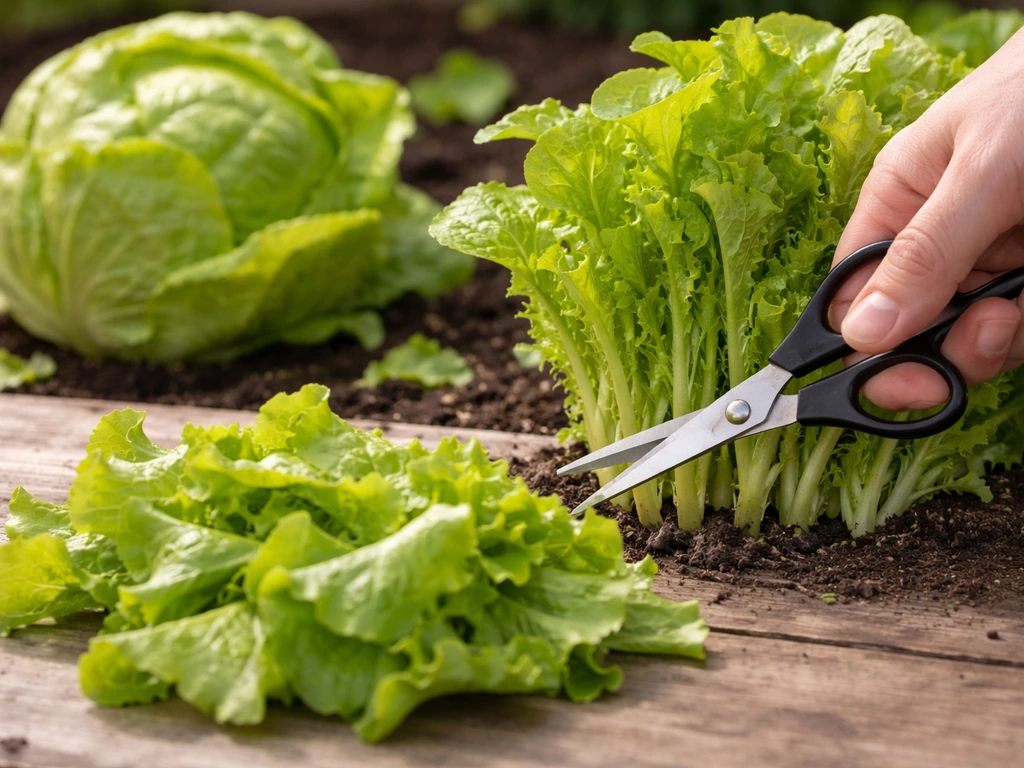
Knowing when to harvest is the skill that separates a good lettuce grower from someone who's constantly either too early or too late. Here are the specific cues by type.
Leaf lettuce
Leaf lettuce is harvestable once plants reach 6–12 inches tall. At that size, use scissors or a sharp knife and cut the whole plant about an inch above the soil, or snip individual outer leaves and leave the center rosette intact. Either way, the plant regrows. You can repeat this cut-and-come-again cycle roughly 1 to 3 times at about 10-day intervals before the plant's quality starts to decline. Watch for the leaves getting tougher or more bitter between cuttings. That's your signal the plant is winding down.
Butterhead
Butterhead is best harvested in the early heading stage, before the head becomes tight and dense. You're looking for a loose, cupped head with soft, buttery leaves. If you wait for it to fully firm up like a crisphead, you've gone a little too long. Harvest the whole head at the base or peel off outer leaves as you need them, leaving the center to continue forming.
Romaine (cos)
Romaine is ready when the leaves have elongated and overlapped to form a fairly tight head about 4 inches wide at the base and 6–8 inches tall. That's a very specific visual cue and it works. Cut the whole head off at the base. Unlike leaf lettuce, romaine doesn't regrow as reliably after a full head cut, so plan to replant that space.
Crisphead (iceberg)
Crisphead is harvested when the head feels firm when you squeeze it gently. If it gives, it's not ready. This type takes 60–120 days and has the smallest harvest window of any lettuce, which is why it's less forgiving than the others. Miss the firmness window in a heat wave and the plant bolts before you can pick it.
Harvest-day tips: handling, storage, and what to do after harvesting
The best time to harvest lettuce is early morning, before the day heats up. Leaves are fully hydrated from overnight, temperatures are cool, and you'll get maximum crispness. Avoid harvesting in the afternoon heat if you can help it.
Lettuce leaves bruise easily, so handle them gently. Once cut, rinse in very cold water to remove soil and field heat quickly. A salad spinner is worth owning if you grow a lot of greens. Spin the leaves dry before storing, because moisture on the leaves speeds up decay in the fridge.
For storage, aim for 32–35°F and high humidity (98–100%) to prevent wilting. A loosely sealed bag in the coldest part of your refrigerator gets you close. Properly stored, fresh-cut lettuce keeps for up to two weeks, though it's best in the first few days. Keep lettuce away from apples, pears, and other ethylene-producing fruits in the fridge, as ethylene accelerates browning and decay.
After a cut-and-come-again harvest, leave the root system and the growing crown in place and water the plant in well. It will regrow from the center. After removing a full head of romaine or crisphead, pull the root and refresh that spot with compost before replanting. If you're running a successive planting schedule, that freed-up space just becomes the next slot in your rotation.
A quick harvest-day checklist
- Harvest in the early morning when plants are cool and well-hydrated
- Use clean, sharp scissors or a knife to avoid tearing and bruising
- Rinse immediately in cold water to remove soil and drop leaf temperature
- Spin or pat dry before storing to reduce decay
- Store at 32–35°F in a loosely sealed bag away from ethylene-producing fruits
- Water cut plants thoroughly to encourage regrowth
Lettuce is one of those crops where a little attention to detail at harvest pays off as much as anything you did while growing it. If you're thinking about whether a dedicated lettuce growing system is worth the investment, or curious about what certified organic lettuce growing actually involves, those are questions worth digging into as your setup grows. Yes, lettuce can be worth it, especially if you harvest on a schedule and manage temperature to avoid bitterness lettuce growing system. If you want to grow it organic, focus on healthy soil, consistent moisture, and natural pest-management methods rather than synthetic inputs certified organic lettuce growing. Knowing the lettuce grow pros and cons can help you decide whether the effort fits your space and schedule. But for most home gardeners, the basics here, applied consistently across a few successive plantings, will put fresh salad greens on the table for most of the year.
FAQ
Can I harvest my lettuce more than once per plant (cut-and-come-again), or do I have to pick everything at once?
Yes, but with a timing caveat. Leaf and butterhead usually handle repeated outer-leaf snips well, while crisphead has the smallest margin for error because it is harvested at a firmness stage. If you cut crisphead early, it tends to lose texture rather than continuing to form a crisp head.
What should I do with watering right before harvest to prevent bitter, tough leaves?
You can, but aim to avoid “surprise dryness.” If you plan to harvest the next day, stop letting the bed go completely dry in the final 24 to 48 hours, and water in the morning. This keeps the leaves crisper and reduces bitterness that comes from drought stress.
If my summers get warm, which lettuce types are most likely to succeed compared with crisphead?
Start by matching your lettuce type to your climate and expectations. If your summer reliably exceeds about 75°F for multiple days, leaf lettuce and some romaine are generally safer bets than crisphead, because crisphead’s harvest window is short and forgiving less.
What should I do if my lettuce starts bolting, can I still harvest it?
If you already see bolting (a seed stalk starting), harvest strategy changes. For immediate salvage, pick the usable outer leaves as soon as possible, but expect quality to decline quickly. The more effective fix is prevention next cycle by shading during hot spells and keeping moisture consistent.
How do I know if my lettuce spacing is too tight or too wide?
Don’t overcorrect spacing. Too-tight planting increases competition and can drive uneven growth, which may lead to earlier bitterness or quicker bolting under heat. Use the type-based spacing guidance, then in containers consider harvesting younger leaves if you need denser coverage.
Is it better to harvest lettuce early or wait, especially if I missed the best size window?
Handle “early” harvest decisions differently by type. Leaf lettuce can be cut at 6 to 12 inches and regrows, so earlier is usually recoverable. Romaine and butterhead are more sensitive visually, so harvesting based on their specific size and heading stage matters more than just “days since planting.”
What’s the best way to wash and store lettuce to keep it crisp for days?
Yes. Refrigerate quickly, rinse gently in very cold water if needed, then spin dry. For best texture, store in the coldest fridge area with a loosely sealed bag, but avoid wrapping so tightly that excess condensation builds.
Why does my lettuce turn brown or wilt faster even when I refrigerate it?
If you store with strong odors or near ethylene-producing fruit, quality drops faster. Keep lettuce away from apples and pears, and use the coldest part of the fridge. If you notice browning at the edges, trim those leaves, re-spin if needed, and re-store immediately.
My crisphead feels firm, but the taste is bitter. What went wrong?
Check whether you’re dealing with an actual firmness issue or a growth timing issue. Crisphead should feel firm when gently squeezed. If it’s firm but bitter, the likely cause is stress from heat or inconsistent moisture, so adjust shade and irrigation for the next succession.
When should I replant in the same bed after harvesting a full head of romaine or crisphead?
After removing full romaine or crisphead, refresh the soil before replanting, add compost, and keep the timing aligned with cooler weather. Lettuce is quick cycling, so rotating or refreshing the spot helps reduce nutrient depletion and improves regrowth consistency.
Next Article
Lettuce Grow Pros and Cons: How to Decide and Succeed
Weigh lettuce grow pros and cons, then use simple steps for containers, pests, bolting, and steady harvests.