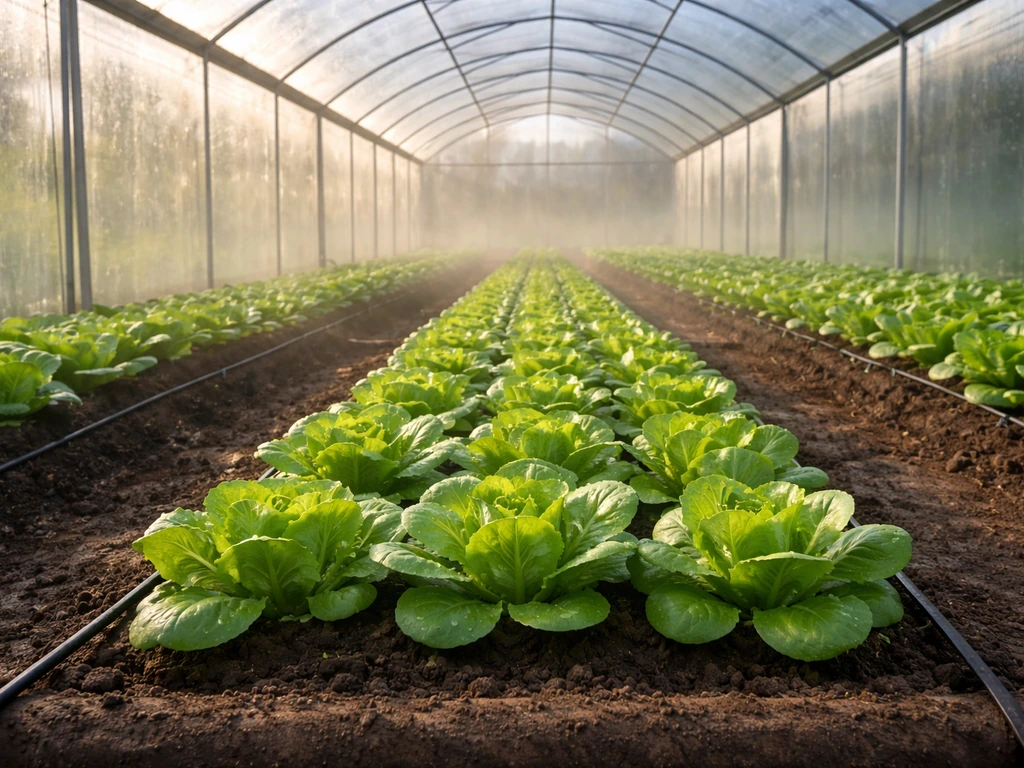
Lettuce is one of the fastest, most satisfying crops you can grow at home, and for most gardeners it's absolutely worth it. It matures in 40 to 80 days depending on the type, works well in containers and small raised beds, and gives you cut-and-come-again harvests that keep your salad bowl full for weeks. The real catches are bolting in heat, slug and aphid pressure, and disease in wet conditions. None of those are dealbreakers, but they do mean lettuce rewards a little planning more than it rewards neglect.
Lettuce Grow Pros and Cons: How to Decide and Succeed

Marcus Hendrick
7 May 2026
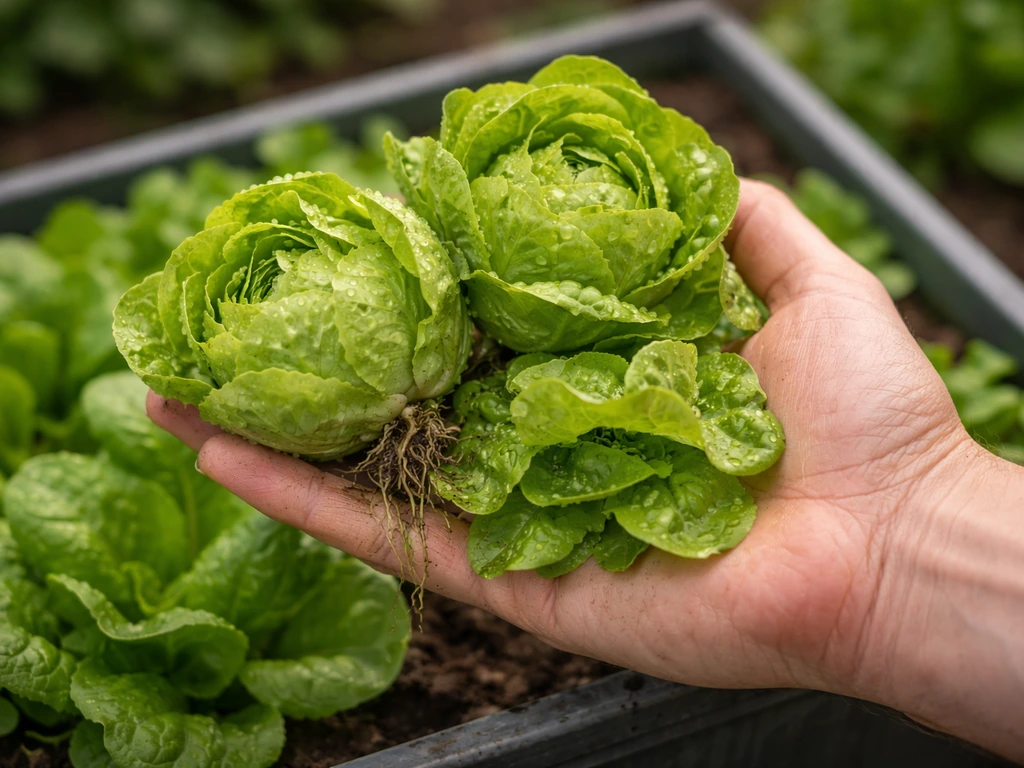
Why grow lettuce at home
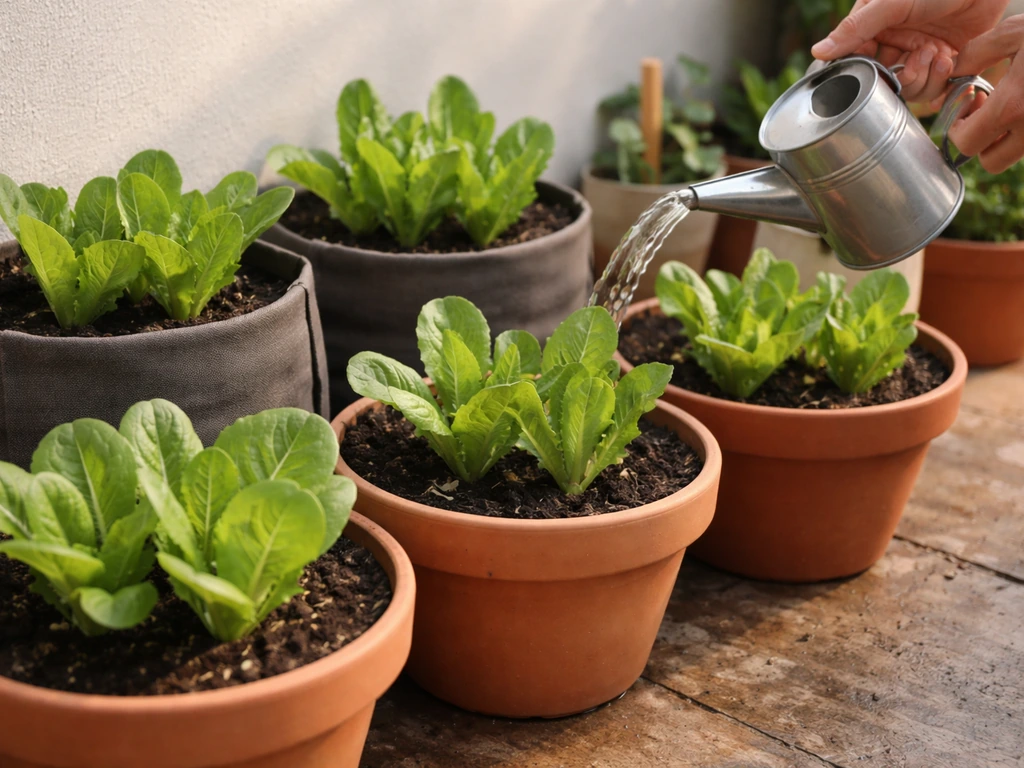
Grocery store lettuce has gotten expensive. Romaine averaged around $2.03 per head at retail in late 2025, and that's before you factor in the fact that bagged salad greens go slimy within a few days. Homegrown lettuce picked the same morning you eat it is a completely different product: crisper, more flavorful, and genuinely more nutritious because there's no supply chain between your garden and your plate.
Beyond the economics, lettuce is one of the few crops that fits nearly any setup. A single 12-inch container on a balcony can keep one person in salad greens through a whole cool season. A 10-foot row in a raised bed can yield anywhere from 2 to 10 pounds of fresh greens, depending on the type you grow and how you manage it. That kind of production from a small footprint is hard to beat, especially if your growing space is limited.
For self-sufficiency-minded gardeners, lettuce also fills a critical gap. It grows during the shoulder seasons, spring and fall, when most other food crops aren't producing yet. That makes it a real contribution to your food security calendar, not just a hobby plant.
Pros: yield, speed, nutrition, and flexibility
The biggest advantage of growing lettuce is how fast it moves. Loose-leaf types can be ready in as little as 40 days from seed, which means you can sow a batch, harvest it, and start another round all within a single season. Butterhead, cos, and romaine types take closer to 60 to 80 days, but they're still quick compared to most vegetables. That speed matters when you're trying to get food on the table from your own garden.
The cut-and-come-again method extends that productivity dramatically. Instead of pulling the whole plant, you cut outer leaves or trim the plant a few inches above the base, and it regrows. A single planting can give you multiple harvests over several weeks. That's a significant yield multiplier for the space and effort involved.
- Fast to harvest: 40 to 80 days from seed depending on variety
- Cut-and-come-again harvesting means multiple pickings from one planting
- Works in containers, window boxes, raised beds, and in-ground plots
- Grows well in partial shade, which opens up spots other crops can't use
- Cool-season production fills the gap before summer crops kick in
- Huge variety selection lets you dial in flavor, color, and texture
- Freshly harvested lettuce stores better at home when cooled quickly to around 32 to 34°F
Nutritionally, fresh homegrown lettuce, especially darker leaf types like romaine and red-leaf varieties, delivers meaningful amounts of vitamins A, C, and K. That nutrition degrades during commercial transport and storage, so what you grow and eat the same day is genuinely better for you than what spent a week in a refrigerated truck.
Cons: pests, diseases, bolting, and weather sensitivity
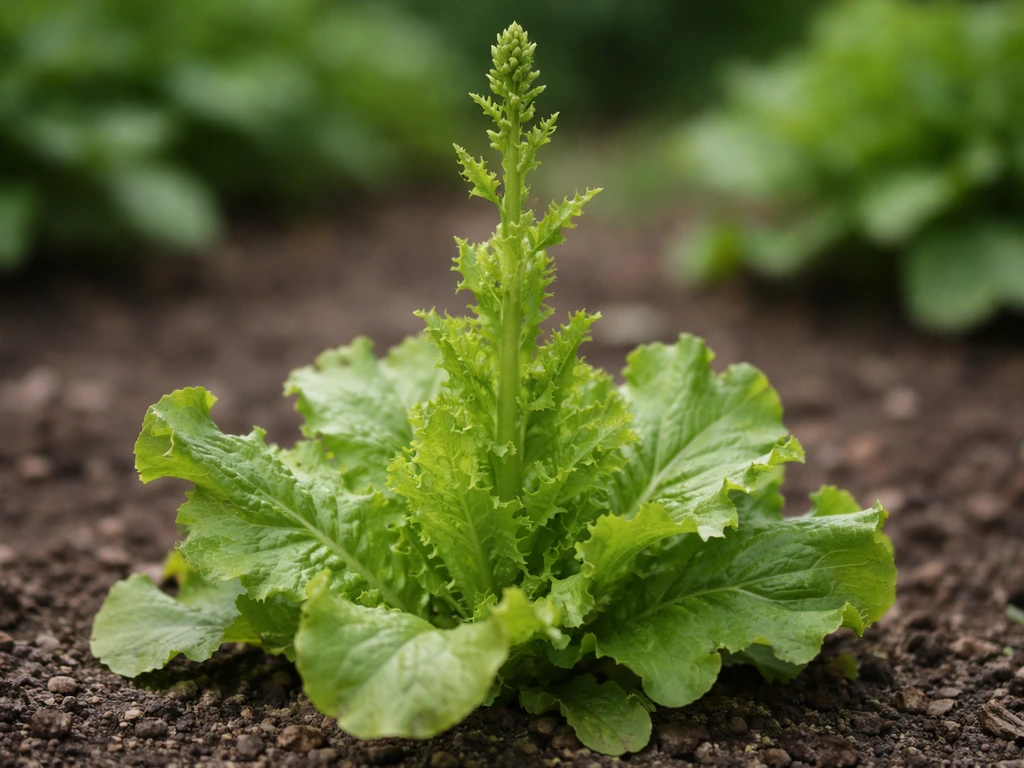
Bolting is the most common frustration with lettuce. When the plant senses heat or lengthening days, it shifts energy into producing a seed stalk instead of edible leaves. The leaves turn bitter fast once bolting starts, and the harvest window closes. Bolting isn't just triggered by high temperatures, though. Cold spells and changes in day length can also set it off, which means even a cool spring can bolt your lettuce if the conditions shift at the wrong time.
Pests are the other major headache. Slugs are probably the most damaging culprit on leaf lettuce, especially in wet springs. They feed at night and can shred a row of seedlings before you even know they're there. Aphids cluster on the undersides of leaves and can be hard to spot until the damage is done. You can knock small infestations off with a strong blast of water, but in bad years they require more deliberate management. Leafminers leave winding pale trails through the leaf tissue, which is more cosmetic than fatal but still reduces yield and quality.
Disease is a real risk in damp or overcrowded conditions. Downy mildew shows up as light green to yellow angular spots on leaves and thrives when there's moisture on the leaves in cool, damp weather. Gray mold (Botrytis) produces a dense gray or light brown fuzzy sporulation over damaged plant tissue when moisture is abundant, and the fungus survives in soil and decaying plant matter so it can come back season after season. Damping-off kills seedlings at or just below the soil line, usually in wet conditions with poor drainage or overwatering. Tipburn, where leaf edges brown and die, is usually caused by water stress rather than a calcium deficiency in the soil, a common misconception.
None of these problems make lettuce a bad choice. But they do mean you need to be honest: lettuce is not a set-it-and-forget-it crop. It needs attention during the season, especially around watering consistency and pest scouting.
Best lettuce varieties and what conditions they prefer
Choosing the right variety for your conditions is probably the single biggest leverage point in successful lettuce growing. Most bolting problems and a lot of pest pressure can be reduced just by picking the right type for your season and climate.
| Type | Days to Maturity | Best For | Heat/Bolt Tolerance |
|---|---|---|---|
| Loose-leaf (e.g., oak-leaf, red-leaf) | 40 to 55 days | Cut-and-come-again, containers, beginners | Moderate to good; oak-leaf types are among the slowest to bolt |
| Butterhead (e.g., Boston, Bibb) | 55 to 75 days | Tender texture, spring and fall beds | Low to moderate; bolt more readily in heat |
| Cos/Romaine | 60 to 80 days | Crunch, longer harvest window, larger spaces | Moderate; handle heat better than butterhead |
| Crisphead/Iceberg | 70 to 80 days | Dense heads, hot climates not ideal | Low; very difficult in warm or short cool seasons |
| Heat-tolerant cultivars (e.g., 'Jericho', 'Nevada') | 55 to 70 days | Summer growing, bolting-prone climates | High; bred specifically for bolt resistance |
For most home gardeners, loose-leaf and romaine types are the practical workhorses. They're forgiving, productive, and flexible. If you're in a warm climate or trying to stretch into summer, look specifically for varieties labeled heat-tolerant or slow-to-bolt. Oak-leaf types are a reliable default recommendation for bolt resistance. Head lettuce, especially iceberg, is genuinely difficult in hot climates and not worth the trouble for most home growers unless you have a very reliable cool window.
How to grow lettuce successfully
Soil, site, and pH
Lettuce wants loose, well-drained, moisture-retentive soil with a pH between 6.0 and 6.8. It has a small, shallow root system, so compacted or heavy clay soil will limit it. If you're growing in containers, a quality soilless potting mix is ideal and has the added benefit of being free of damping-off fungi. Amend in-ground beds with compost to improve both drainage and water retention. Lettuce doesn't need a lot of nitrogen, but steady, consistent fertility helps with leaf quality.
For site selection, lettuce prefers full sun in spring and fall but appreciates afternoon shade as temperatures rise. This is where the companion planting angle gets practical: growing lettuce near taller crops like tomatoes, corn, or pole beans so they cast shade on the lettuce during the hottest part of the day is a genuine strategy, not just a gardening cliche. A shade cloth that reduces light intensity is another option and is widely considered worth the investment for extending lettuce through summer.
Sowing, spacing, and succession planting
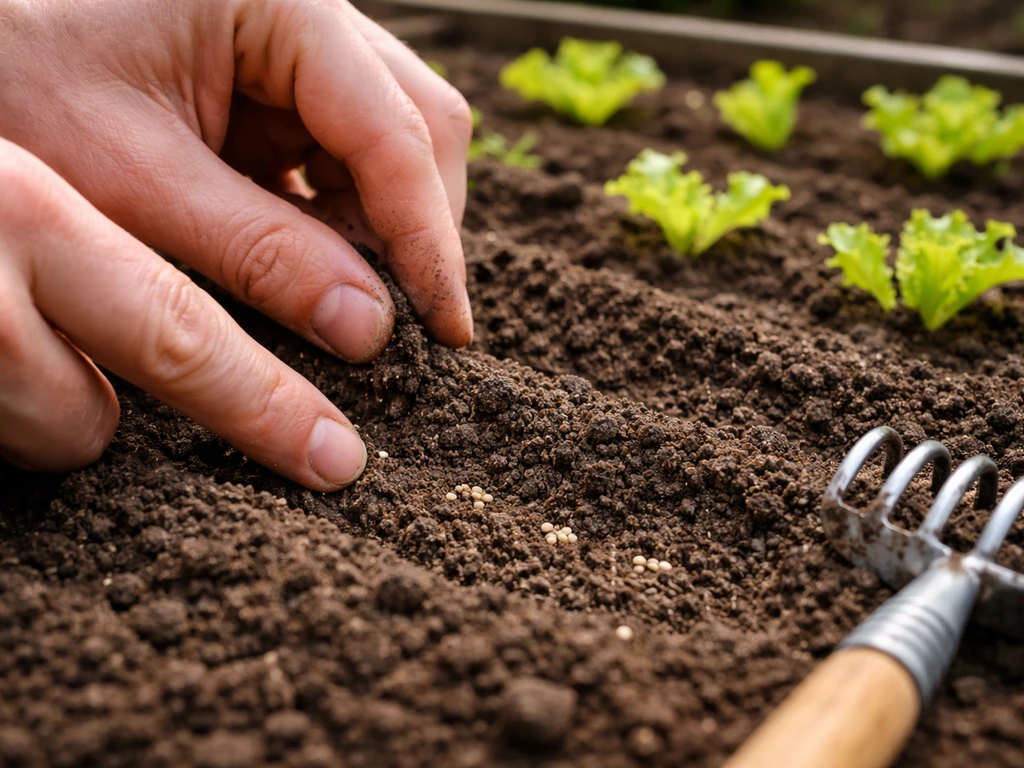
Sow seeds about 1/8 to 1/4 inch deep. Lettuce seeds need light to germinate well, so don't bury them too deep. Thin seedlings to 6 to 12 inches apart depending on type: loose-leaf varieties can be tighter, head types need more room. Crowding is one of the fastest ways to invite disease.
Succession planting is the key to a continuous harvest. Instead of sowing all your seed at once, sow small batches every two to three weeks. This staggers your harvest windows and means you're not drowning in lettuce one week and going without the next. Start your first sowing as soon as the soil is workable in spring, then pick it back up again in late summer for fall harvest. For spring planting, flavor is best if you harvest before the weather turns hot and dry.
Watering
Consistent moisture is non-negotiable. Lettuce has shallow roots and will stress quickly in dry conditions, leading to bitterness, tipburn, and bolting. Water frequently enough to keep the soil consistently moist but not waterlogged. Overwatering, especially in cool conditions, is a direct path to damping-off and Botrytis. Water at the base of the plant rather than overhead where possible to keep foliage dry and reduce disease pressure. Watering in the morning rather than evening helps too.
Managing bolting with heat strategies
Once temperatures consistently push above 80°F, most lettuce varieties start heading toward bolt. Shade cloth reduces the temperature of the growing environment, which is the actual mechanism that helps slow bolting. It's worth knowing that shading doesn't change day length, so it won't stop photoperiod-triggered bolting, but it does create a cooler microclimate that buys you time. Combined with bolt-resistant varieties, it's a genuinely effective summer strategy.
Harvesting
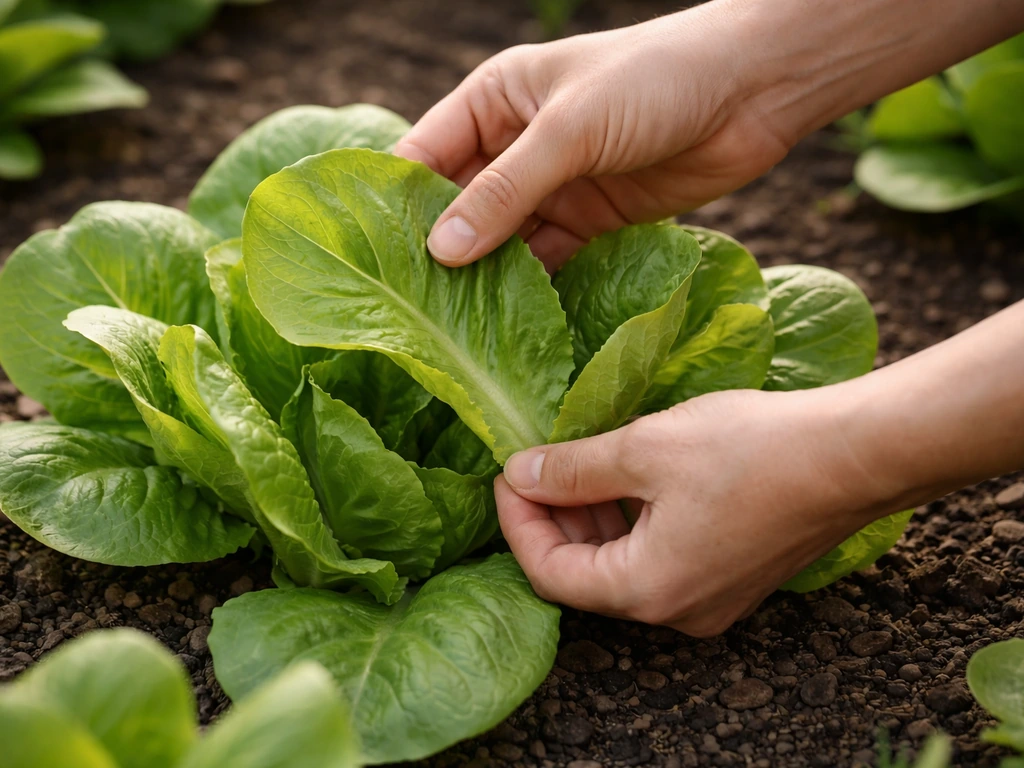
For loose-leaf types, harvest outer leaves as soon as they're large enough to eat, leaving the center to keep growing. For butterhead and romaine, you can harvest the whole head or use a partial harvest approach. After picking, cool your lettuce quickly. If you want to avoid overgrowing and waste, learn the harvest timing basics by comparing lettuce grow vs iharvest approaches cool your lettuce quickly. blank" rel="noopener noreferrer">Storage at around 32°F with high humidity keeps it crisp far longer than leaving it on the counter. This is where homegrown beats store-bought: you control the cold chain from garden to fridge.
Cost, effort, and risk/benefit for home gardeners
Lettuce seed is cheap. A packet typically runs $2 to $4 and contains enough seed for multiple successions. Your main inputs are soil amendment, water, and time. For a 10-foot row, you're looking at 2 to 10 pounds of lettuce depending on type and management, with loose-leaf types typically on the higher end when you account for repeated harvests. At $2 to $3 per head or $4 to $6 per bag of mixed greens at the store, even a modest lettuce harvest pays back the seed cost quickly.
The honest effort assessment: lettuce is low-effort in good conditions and moderate-effort when problems arise. Succession sowing takes maybe 20 minutes every few weeks. Regular watering is the biggest time commitment, but if you have drip irrigation or soaker hoses set up, that's nearly automated. Pest monitoring takes a few minutes per visit. The crop doesn't require staking, pruning, or complex trellising.
Where lettuce becomes less of a win is in climates with very short cool seasons, or if you're prone to pest pressure from slugs or disease from damp conditions and haven't addressed those systematically. In those cases, you'll spend more on inputs and lose more crops. If that describes your situation, start small, one bed or a few containers, to learn your local pressure points before scaling up. If you want to grow lettuce organically, focus on healthy soil, careful watering, and preventive pest management. This is also worth thinking through if you're comparing indoor hydroponic systems like Lettuce Grow farmstands to traditional soil growing, since those setups have different cost and effort profiles.
Common mistakes and quick troubleshooting
| Problem | Likely Cause | Fix |
|---|---|---|
| Lettuce bolts quickly | Heat, long days, or wrong variety for your season | Switch to bolt-resistant varieties like oak-leaf or 'Jericho'; use shade cloth; time planting for cooler windows |
| Bitter leaves | Heat stress or early-stage bolting | Harvest earlier; improve shade; water consistently; choose slow-bolt cultivars |
| Ragged holes in leaves (especially at edges) | Slug damage, usually overnight | Hand-pick at night; use iron phosphate bait; remove debris where slugs hide |
| Sticky, distorted leaves or stunted growth | Aphid infestation | Blast off with water; inspect undersides of leaves; encourage beneficial insects |
| Winding pale trails inside leaves | Leafminers | Remove affected leaves; monitor and use row cover to prevent adult flies from laying eggs |
| Seedlings collapsing at soil line | Damping-off (fungal) | Use sterile potting mix; don't overwater; improve air circulation; avoid sowing too densely |
| Yellow-green angular spots on leaves | Downy mildew | Improve airflow; avoid wetting foliage; remove infected leaves; choose resistant varieties |
| Gray fuzzy growth on damaged tissue | Botrytis (gray mold) | Remove infected plant material immediately; reduce moisture; improve spacing and airflow |
| Brown leaf edges (tipburn) | Water stress, not calcium deficiency | Water more consistently; avoid heat stress; check irrigation frequency |
The most common overarching mistake is planting at the wrong time and then fighting the season instead of working with it. Lettuce is a cool-season crop. If you plant in late spring in a warm climate hoping it'll last through July, you're setting yourself up for disappointment. Plant early, plant again in late summer, and use your mid-season heat energy on crops that actually want it. Get that timing right and most of the other problems on this list become much less frequent.
If you're weighing whether lettuce growing is worth it for your specific situation overall, the answer depends heavily on how you grow it and what setup you're using. If you are trying to decide, using Lettuce Grow farmstands in particular can be a good way to reduce some of the usual variability versus traditional soil. Traditional soil growing in beds or containers gives you the lowest cost-per-pound entry point.
If you need to extend your lettuce into hotter or wetter weather, a greenhouse can be one of the best ways to manage the growing environment grow lettuce in a greenhouse. Hydroponic or countertop systems change that calculation significantly, and those trade-offs are worth thinking through separately before you invest.
FAQ
What’s the easiest lettuce type to start with if I’m worried about bolting?
Start with loose-leaf or oak-leaf varieties, because they usually keep producing even if the weather swings a bit. Also look for “slow to bolt” or “heat tolerant” labels, and aim to harvest at the first sign of thickening leaf stems rather than waiting for full size.
How do I tell the difference between tipburn caused by water stress and something else?
If the leaf edges brown and the plants look generally dry, curled, or unevenly watered, it’s usually tipburn from inconsistent moisture rather than a soil calcium issue. If tipburn shows up along with persistent soggy soil and collapsing seedlings, that points more toward dampness-related disease conditions.
Is lettuce worth growing if my summers are consistently above 80°F?
It can still be worth it if you plan for a short production window, then switch to fall. Use afternoon shade, shade cloth, and bolt-resistant varieties, but also treat it as a timed crop, not a continuous one, since photoperiod and heat will eventually push bolting.
How much should I water, and how do I avoid the overwatering problem that leads to disease?
Water to keep the top layer consistently moist without leaving the bed or container waterlogged, then check by feel before watering again. In containers, make sure excess drains freely, because recurring wetness is what drives damping-off and gray mold, especially in cool weather.
What should I do if slugs are destroying my seedlings overnight?
Act quickly after sowing, because tiny seedlings are the most vulnerable. Use a physical barrier (like copper tape around containers), remove hiding spots, and consider timed nighttime checks. A one-time “fix” like a single spray often fails if the slug pressure stays high.
Can I use overhead watering without ruining my lettuce?
Overhead watering increases leaf wetness, which raises disease risk like downy mildew and Botrytis. If you must use it, water early in the day so foliage dries quickly, and thin/crowd less than you think, since airflow matters as much as watering timing.
Do I need to thin lettuce seedlings, and what happens if I skip it?
Thinning helps prevent overcrowding, which is one of the fastest routes to disease problems. If you skip thinning, plants compete for moisture and air, leading to weaker growth, more pest hiding spots, and more frequent mildew outbreaks.
How far apart should I plant if I don’t know my lettuce type?
Use a conservative spacing at first (wider than you want) and adjust after you see how big the leaves get. Loose-leaf can be tighter than head lettuce, but because you may not know the final spread, leaving extra room reduces both bolting stress and disease from poor airflow.
What’s the best harvesting approach to maximize weeks of production?
For loose-leaf, harvest outer leaves progressively, leaving the center to keep pushing new growth. If you harvest the whole plant too early or too late, you shorten your timeline, so aim to harvest when leaves are fully usable but before heat triggers a bitter, fast-bolting phase.
How can I reduce waste after harvesting?
Cool lettuce quickly, ideally soon after picking, and store it at refrigerator cold temperatures with high humidity to prevent limp texture. Don’t wash and store wet unless you can dry thoroughly, because trapped moisture can accelerate gray mold and other damp-storage problems.
Is lettuce possible in containers on a balcony, and what’s the minimum setup?
Yes, a single appropriately sized container can work if it drains well and you can keep moisture consistent. Choose a container that’s deep enough for lettuce’s shallow but active roots, and plan for more frequent moisture checks during hot wind or sun exposure.
Should I grow lettuce in soil, hydroponics, or a countertop system?
If your goal is lowest cost and flexible timing, traditional soil in beds or containers is usually best. Hydroponic or countertop systems can smooth some variables, but they shift your trade-offs toward setup and ongoing system needs, and they won’t replace the need to manage bolting risk through timing and microclimate.
What’s the most common reason homegrown lettuce tastes bitter even if it looks healthy?
Bitter flavor usually comes from stress, especially inconsistent watering or heat arriving before the crop is harvested. If flavor is turning, reduce heat exposure (shade), harvest sooner, and avoid letting the soil swing between wet and dry.
How small should I start if I want to know whether lettuce works for my yard?
Start with one bed or a few containers and run at least two sowing windows (spring and late summer). This reveals your local bolt timing, slug pressure, and disease risk before you scale up, saving money on seed and amendments.
Next Article
Why Would a Farmer Grow Lettuce in a Greenhouse?
Grow lettuce year round with fewer losses by controlling temperature, pests, and moisture for earlier, consistent harves