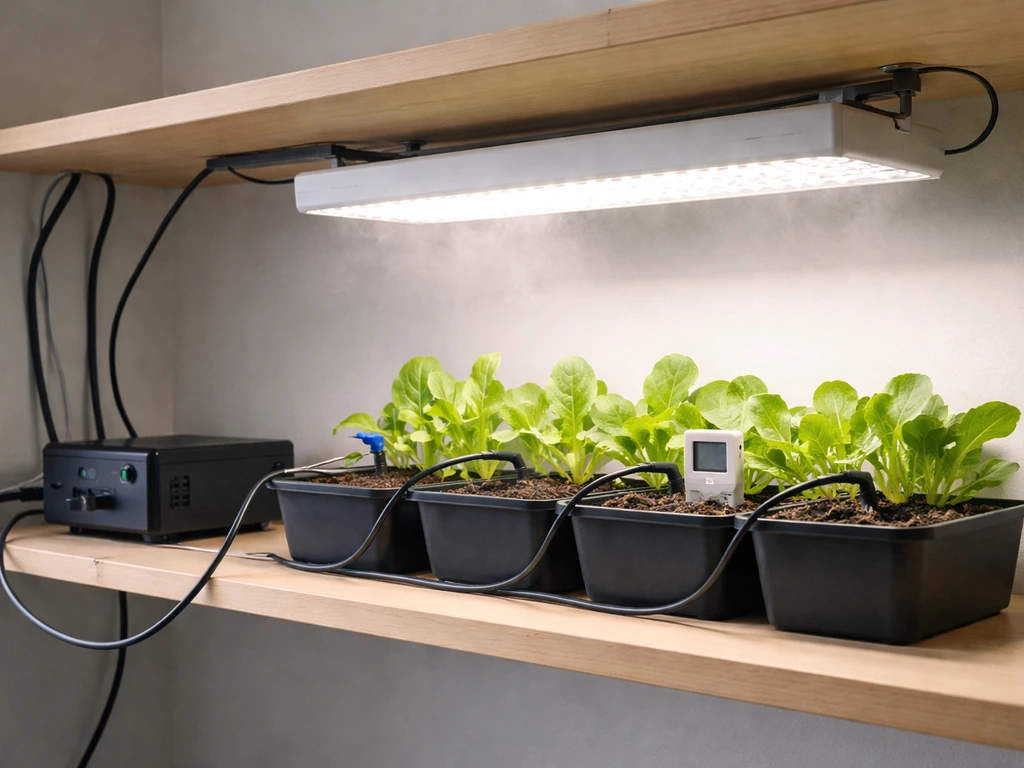
Yes, rice is absolutely a food crop. It is a cultivated cereal grain (Oryza sativa) grown from seed, and it is one of the most important staple foods on the planet. If you are wondering whether you can grow rice at home to actually eat, the answer is yes, with some real conditions attached: you need warmth, water, and patience. It is not a quick container herb, but it is doable in a backyard, a large pot, or even a small plot if your climate cooperates.
Is Rice Grow Food? How to Start Growing Rice at Home
Marcus Hendrick
27 May 2026
Wait, is rice really a food crop you grow from seed?
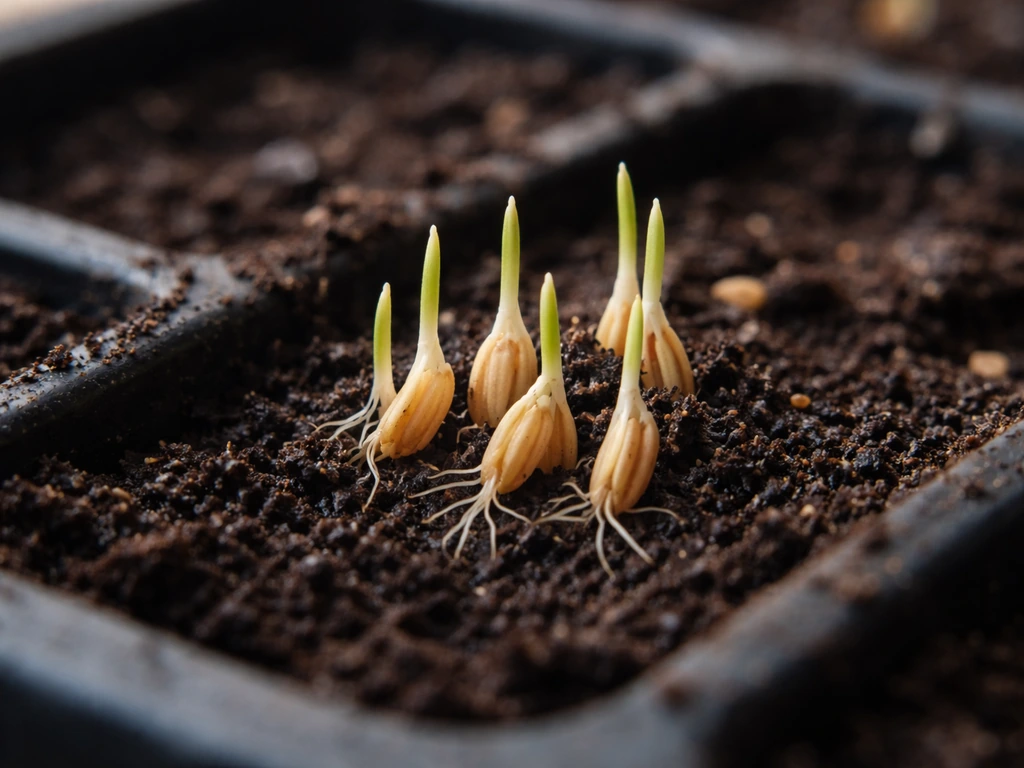
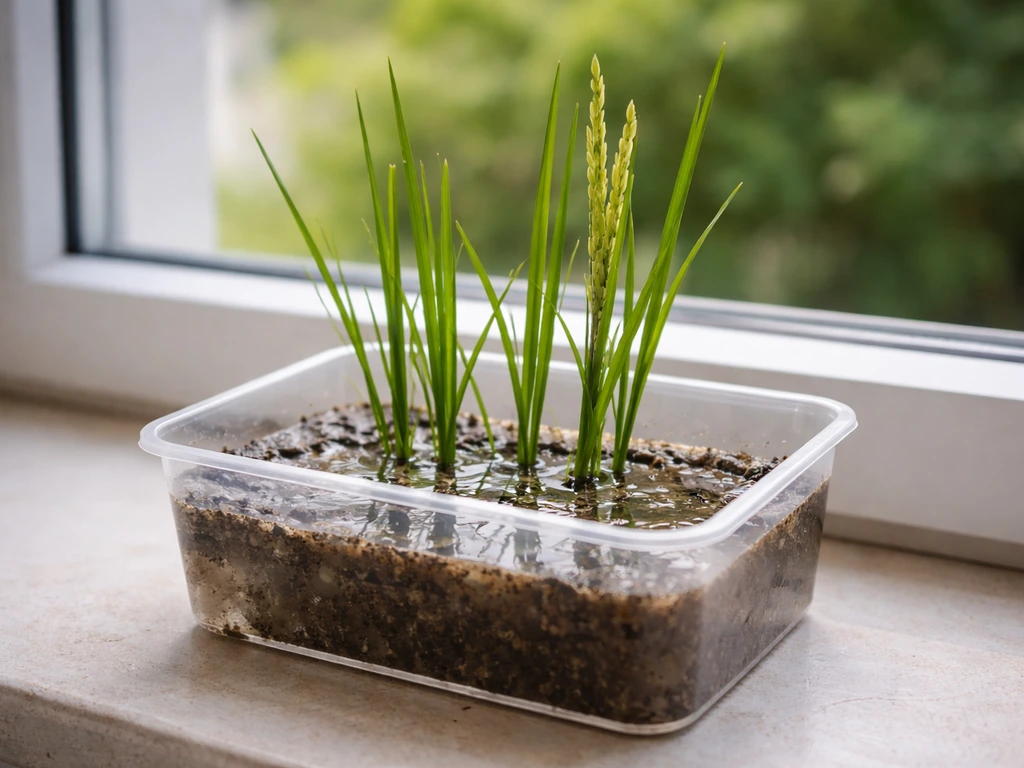
Rice (Oryza sativa) is a grass. You grow it from seed, harvest the seed heads, dry them, and hull the grain to eat. That is it. It is a cereal crop in the same family as wheat, corn, and barley. When you buy a bag of rice at the store, you are buying the hulled, milled seeds of this plant. So yes, growing rice at home means growing it from actual rice seed (or paddy rice) and ending up with something you can cook and eat.
One thing worth clearing up immediately: wild rice is not the same thing. Wild rice comes from a completely different genus (Zizania, not Oryza) and grows naturally in shallow freshwater marshes and along lake shorelines. It is harvested as a wild seed, not a cultivated grain. If you have seen recipes calling for wild rice and thought you could just grow it in a pot, that is a different plant with totally different habitat requirements. When this article talks about growing rice, it means cultivated Oryza sativa, the rice you cook every day.
What rice actually needs to grow
Rice is not complicated, but it is specific. It wants warmth, plenty of water, and full sun. Get those three things right and you have a real shot at a harvest.
Temperature and climate
Rice thrives with high daytime temperatures and cooler nights. It needs a long, warm growing season, typically at least 3 to 6 months without frost, depending on the variety. In the U.S., commercial production is concentrated in the South and parts of California for a reason. If you are in a short-season northern climate, you are not locked out, but you will need to choose a cold-tolerant variety and start seeds indoors early. Cold is a real risk throughout rice-growing regions, and it tends to be worse in higher elevations and northern latitudes.
Water
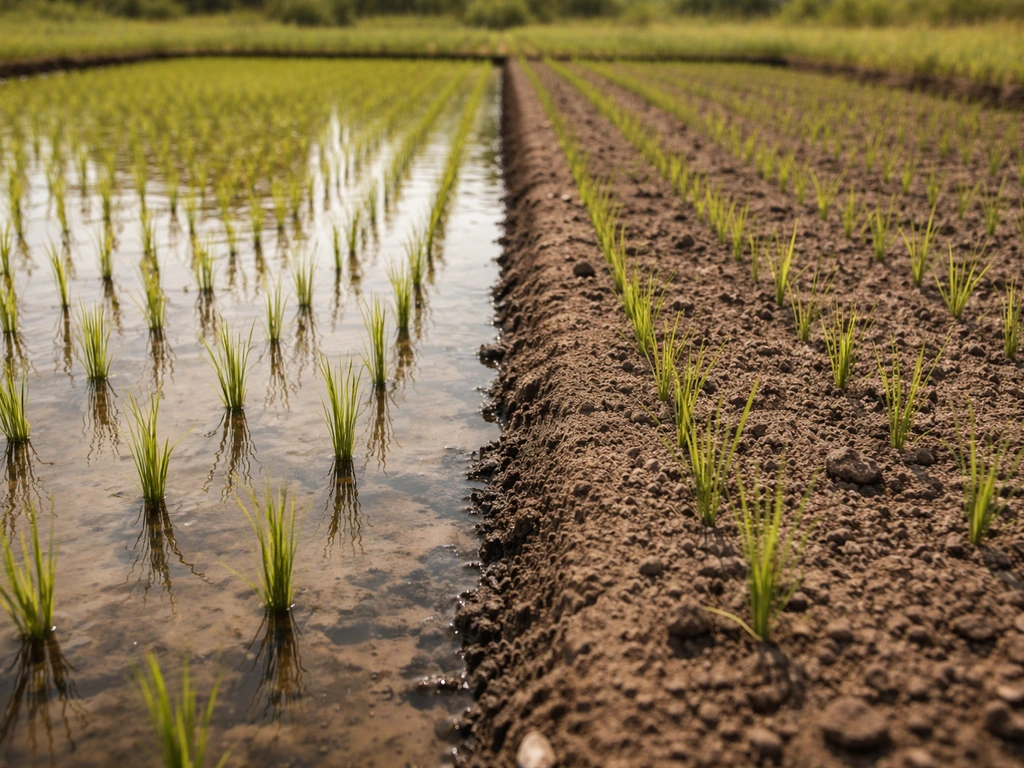
Water is where rice is different from almost every other grain you might grow at home. Traditional paddy rice is flooded. If you are curious about the real-world inputs behind modern paddy production, see how much technology is used to grow rice as a related consideration. A typical rice field is flooded to a depth of 2 to 3 inches during most of the growing season. The IRRI recommends continuous shallow flooding at around 2 to 5 cm (roughly 1 to 2 inches) as the standard approach. That water needs to stay on the plant from establishment through the reproductive stage. The critical window is from panicle initiation (when the seed head starts forming) through heading and into the early grain-fill period. Let the water drop during that window and your yield drops hard.
The good news is that rice does not absolutely require flooded paddies. There are upland varieties that grow in non-flooded conditions, more like a regular garden crop. They do need consistent moisture, but they do not require standing water. If flooding is not practical for you, upland rice is your path.
Sunlight and soil
Rice needs full sun, at least 6 to 8 hours per day. On soil: rice prefers a heavy clay-based soil that holds water well, and ideally a subsoil layer that resists water percolation (which is why paddies work so well on clay). For home growing, especially in containers, a dense potting mix works. One thing to watch is soil pH and zinc. Liming your soil to adjust pH can temporarily push pH high enough to cause zinc deficiency in rice, which stunts development. If you are amending soil, test before you add lime.
Choosing the right type of rice for where you live
Not all rice is the same, and picking the wrong variety for your climate is the most common reason home-grown rice disappoints. Harvard’s Nutrition Source describes Oryza sativa as the most common rice species and notes common subdivision into long-grain (indica) and short-grain (japonica) categories indica and japonica categories. Here is how to think about it.
| Rice Type | Best Climate | Water Needs | Notes |
|---|---|---|---|
| Japonica (short-grain) | Cooler, temperate climates | Flooded paddy preferred | Better cold tolerance; used in sushi, risotto-style dishes |
| Indica (long-grain) | Warm, tropical/subtropical | Flooded paddy preferred | Common in southern U.S., Asia; needs longer warm season |
| Upland varieties | Wide range, drier regions | No flooding needed; consistent moisture | Best for home gardeners without water infrastructure |
| Short-season cold-tolerant | Northern U.S., short summers | Flooded or upland | Specifically bred for cold risk; select via seed supplier |
If you are in the southern U.S. or a warm zone, long-grain indica types will perform well. If you are in a cooler northern climate, look for japonica or specifically cold-tolerant short-season varieties. UC ANR's extension guidance explicitly lists cold tolerance as a primary selection criterion, especially in southern parts of California's rice belt. The Arkansas Rice Production Handbook (MP-192) provided by University of Arkansas Extension supports cultivar and seed production guidance, including region-specific considerations such as planting timing and crop duration University of Arkansas Extension provides the Arkansas Rice Production Handbook (MP-192). For most home gardeners without flood infrastructure, an upland variety removes the biggest logistical barrier entirely.
Buy seed from a reputable seed supplier or agricultural extension seed source, not from a grocery store bag. Store-bought rice is often processed and may have low or zero germination rates. Look for seed labeled as 'paddy rice' or 'unhulled rice seed' from a garden or farm seed company.
How to start today: seeds, timing, soil, and water setup
Here is a simple path to getting rice in the ground this season. The timing depends on your last frost date, but rice is typically direct-seeded or transplanted outdoors after soil temperatures reach about 60°F consistently.
- Order unhulled rice seed from a seed supplier. Choose a variety matched to your climate (see above). Do this first, since specialty seeds can take time to arrive.
- Start seeds indoors 4 to 6 weeks before your last frost date if you have a short season. Fill small pots with moist potting mix, plant seeds about 1/2 inch deep, and keep them warm (70°F+).
- Pre-soak seeds for 24 to 48 hours before planting to improve germination rates.
- Transplant or direct-seed outdoors after your last frost when soil is warm. For container setups, use a 1-gallon or larger pot per small cluster of plants.
- Set up your water system before planting. For a flooded setup, build or line a container, raised bed, or small plot to hold 2 to 3 inches of standing water. For upland varieties, plan for consistent drip or hand watering.
- Maintain flooding from establishment through grain head formation. Do not let the water level drop significantly during panicle initiation and heading.
- Expect 90 to 150 days to harvest depending on variety and climate.
Small-scale growing: containers, mini-paddies, and backyard plots
You do not need a farm to grow rice. The USDA ARS actually has a home-growing guide that uses a 1-gallon pot, soil or potting mix, and 6 seeds planted 1/2 inch deep. You leave a 2-inch gap at the top of the pot so you can add water to flood the surface after germination. It is a legitimate small-scale method that works, and it is a great way to learn the crop without committing much space.
Container method
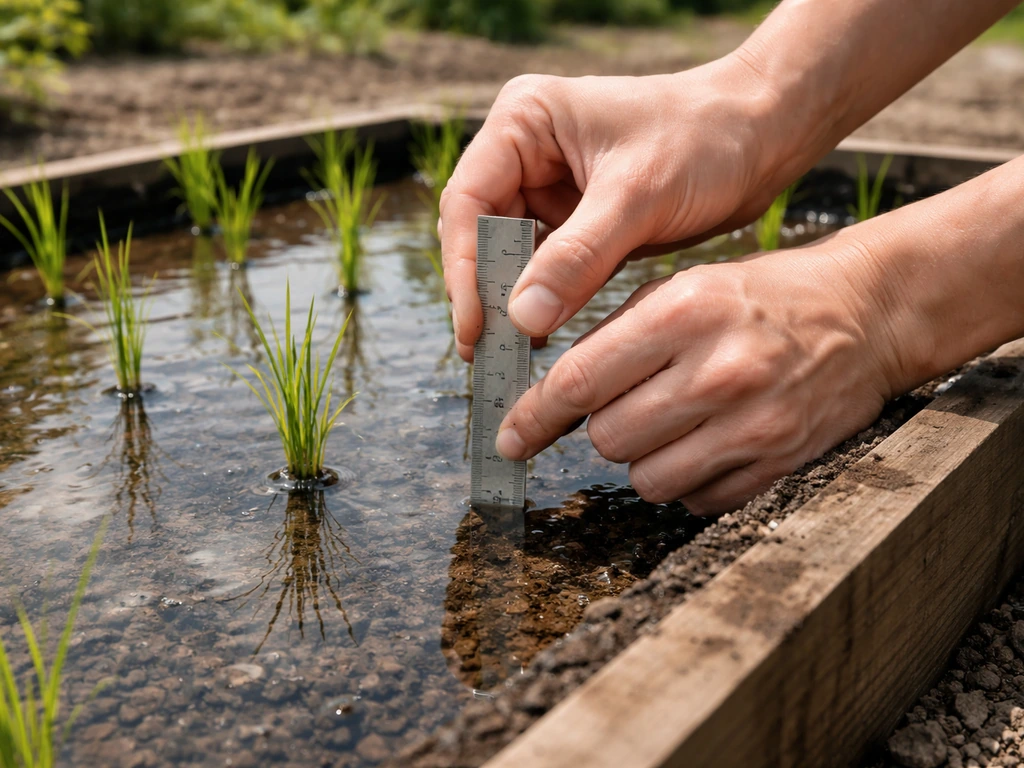
Use a large pot or bucket without drainage holes, or plug the drainage holes to hold water. Fill with dense, nutrient-rich soil. Plant seeds 1/2 inch deep, water thoroughly to germinate, then slowly flood to 1 to 2 inches of standing water as plants establish. Keep the container in full sun. A 5-gallon bucket can support a small cluster of rice plants and will give you a handful of grain to process and taste. It is not going to feed your family, but it will teach you how the plant grows and gets you ready to scale up.
Mini-paddy or raised bed setup
A small lined raised bed or a section of your yard with clay-heavy soil can work as a mini-paddy. You need to be able to hold water in the bed to a depth of 2 to 3 inches without it draining away too fast. Line a raised bed with pond liner, add several inches of heavy soil on top, plant your rice, and flood it. A 4x8-foot bed (32 square feet) managed well might produce 1 to 2 pounds of milled rice, possibly more with good variety selection and management. That is not a huge yield, but it is real food and a genuinely satisfying harvest.
Upland plot method
With an upland variety, you skip the flooding entirely and grow rice more like corn or sorghum: plant in rows, keep soil consistently moist, full sun, warm temperatures. This is the most accessible method for most home gardeners. Yields per square foot are typically lower than paddy rice, but the infrastructure requirements are minimal. If you have ever grown corn, you can grow upland rice using similar spacing and watering approaches. If you are looking for a more visual guide, you can also find videos that walk you through how does corn grow step by step If you have ever grown corn, you can grow upland rice using similar spacing and watering approaches..
Harvesting, drying, and storing your rice
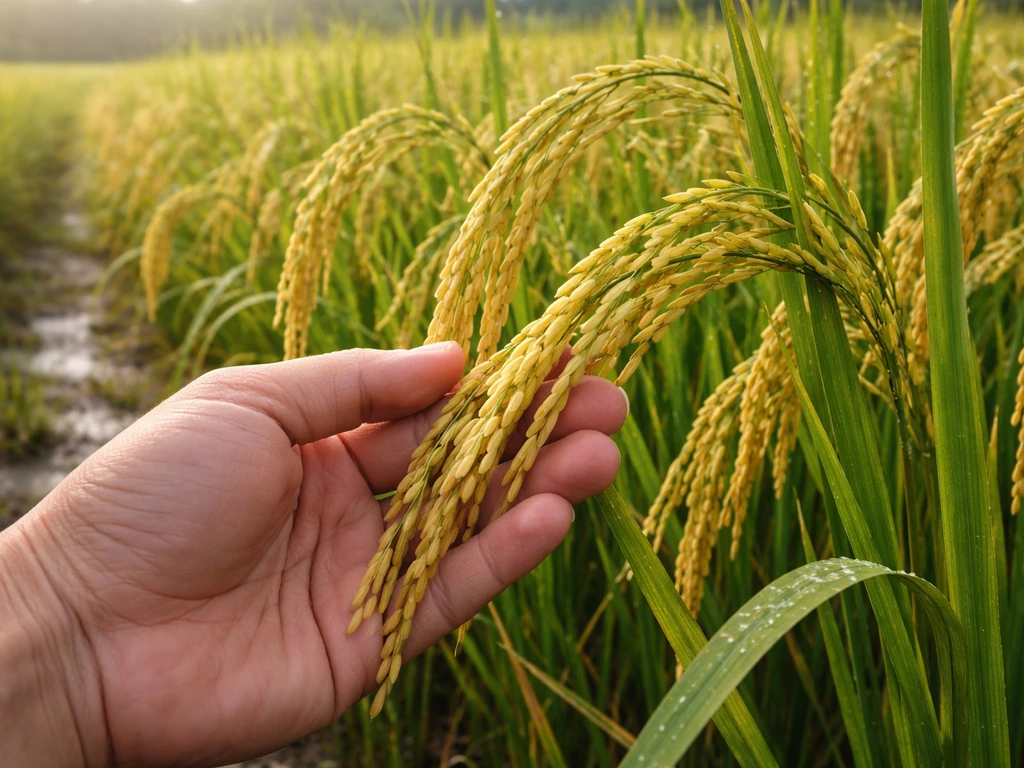
Rice is ready to harvest when the seed heads (panicles) turn golden yellow and the grains feel firm and hard when you press them. The plants themselves will start to droop under the weight of the grain. Cut the stalks a few inches below the seed heads and bundle them loosely.
Drying
Freshly harvested rice (still in the hull, called paddy rice) has high moisture content and needs to dry before it is safe to store. The target is around 13% moisture content or lower. Spread the bundled stalks or loose grain in a dry, well-ventilated space out of direct sun for 1 to 2 weeks. Turn or stir the grain every day or two. You will know it is close when the grain crunches instead of dents when you bite it.
Hulling and milling
Dried paddy rice still has its hull on. To make brown rice, you need to remove just the outer hull. To get white rice, the bran layer is milled off as well. At home scale, a hand-cranked grain mill or a countertop rice huller can handle small batches. Even without special equipment, you can thresh the grain by hand and winnow it by pouring grain between two buckets in a breeze. It is labor-intensive at small scale but totally doable.
Storage
Store dried, hulled rice in airtight containers in a cool, dry place. Rice grain is hygroscopic, meaning it absorbs moisture from the air if left in open storage. Moisture encourages mold and insects. Keeping storage temperature below 50°F dramatically reduces both mold and insect risk. For long-term storage, airtight food-grade buckets with oxygen absorbers work well. Properly dried and stored white rice can last years. Brown rice, which retains its bran and oils, has a shorter shelf life of about 6 to 12 months.
Is growing rice worth it, or should you grow a different grain?
This is the honest question every home grower needs to ask. Rice is achievable, but it is not the easiest grain to grow at home. Here is a plain comparison to help you decide.
| Grain | Climate Fit | Water Needs | Difficulty | Yield per 100 sq ft (approx) | Worth It? |
|---|---|---|---|---|---|
| Rice (paddy) | Warm, frost-free season 3-5+ months | High (flooding) | Moderate-high | 1-3 lbs milled | Yes, if warm and you can flood |
| Rice (upland) | Warm, frost-free season 3+ months | Moderate (consistent) | Moderate | 0.5-1.5 lbs | Yes, simpler setup |
| Corn | Most of the U.S., warm season | Moderate | Low-moderate | 5-10 lbs grain | Easier, higher yield per sq ft |
| Wheat | Cool season, most of the U.S. | Low-moderate | Low | 3-6 lbs | Very practical for most climates |
| Amaranth | Wide range, warm season | Low | Very low | 2-4 lbs seed | Excellent alternative to rice for protein/starch |
If you are in a warm climate with reliable water access, growing rice is genuinely worthwhile. A small paddy or upland plot can produce real food, teach you a foundational skill, and add variety to your food security plan. If you are in a cool northern climate with a short season, your labor and water are probably better spent on wheat, corn, or amaranth, all of which yield more per square foot with less infrastructure. That said, even a container of rice is worth doing once just to understand the crop. Growing nitrogen-hungry grains like corn is something I have covered elsewhere, and the principles of understanding a grain's specific inputs before committing space apply just as directly to rice. If you are growing corn, you can fine-tune fertilization by calculating how much nitrogen to apply based on your soil and target yield nitrogen-hungry grains like corn.
The bottom line: rice is a completely legitimate home food crop, not a exotic or impossible one. It just needs you to match variety to climate, sort out your water system before planting, and give it a long warm season. Start small with a container or a 4x8 bed this season, learn how the plant behaves in your conditions, and scale up from there. With the right setup, this computer will grow your food in the future by helping you plan water and timing for success. If you want to grow a tree with bonemeal, you will need to use it sparingly and follow the right rate for the tree’s age and size 4x8 bed. That is exactly how every experienced grain grower started.
FAQ
Can I grow rice from the white rice I buy at the store?
Usually no. Store-bought white rice is often milled and processed, which damages or removes embryos and reduces germination. If you want to try at home anyway, soak it first and test germination, but for reliable results use labeled paddy rice or unhulled seed from an agricultural or garden seed supplier.
How many hours of sun does rice need if I do container growing?
Aim for full sun, about 6 to 8 hours a day. Containers can heat unevenly, so rotate the pot every few days and keep the water level stable, because partial shade combined with inconsistent moisture often leads to weak tillers and poor panicle formation.
What happens if I miss the flooding window during panicle initiation and grain fill?
Yield can drop sharply. Rice is most sensitive when the seed head is forming through heading and early grain fill. If you cannot maintain flooding, switch to an upland variety instead, because it is bred for non-flooded conditions and will tolerate your irrigation approach better.
Do I have to grow in flooded paddies to get edible rice?
No, but you need a matching variety. Flooded paddy rice typically requires standing water control, while upland rice grows with consistently moist soil and does not need prolonged flooding to produce edible grain. Choosing the right type is the easiest way to avoid water-management failure.
Is rice water supposed to smell, or does it mean I have a problem?
Mild earthy odor can happen with flooded soil, but strong rotten or sulfur-like smells suggest poor oxygenation and excessive anaerobic conditions. Improve aeration by using a heavy, water-holding mix, avoid over-deep flooding, and ensure the water level is in the recommended shallow range once plants are established.
How do I know whether to start rice from seed directly or transplant it?
Direct seeding is simpler for home plots, but transplanting can improve uniformity in cooler climates. If your season is short, start seeds indoors early, then move seedlings outside when nights are reliably warm and soil is near the target temperature.
What temperature is “warm enough” for rice to start growing well?
Rice needs sustained warmth, not just a brief warm spell. If nights are cool, growth can stall even when daytime temperatures look fine. When possible, use a cold-tolerant or short-season variety and delay planting until you have consistent warmth.
How often should I top up or replace water in a container paddy?
Top up as needed to maintain the target water depth rather than letting it repeatedly drain and refill. Evaporation can be fast in sun and heat, so check daily during warm stretches, then reduce checking frequency once you are stable with the container setup.
Do I need fertilizer for home-grown rice, and what is the biggest nutrient mistake?
Rice commonly benefits from added nutrients, but the most frequent mistake is overdoing nitrogen without matching timing to growth stages. Too much late nitrogen can delay maturity and worsen lodging. If you fertilize, split applications and stop nitrogen earlier so plants can properly fill and ripen grain.
How do I handle pests or birds without losing my seedlings?
At small scale, protection matters. Use netting over containers or beds after germination, and consider row cover early on to reduce bird pecking. For insects, check leaves and stems weekly, because quick intervention is easier than trying to fix a large infestation after panicles form.
When harvesting, should I harvest the whole plant or only parts of the panicle?
For typical home setups, harvest the main panicles once they are golden and grains feel hard. Cutting only a portion can leave unevenly developed seed heads that may not dry properly, increasing spoilage risk. Bundle loosely, then dry thoroughly to a safe moisture level.
What is the easiest way to mill or hull small amounts of rice at home?
Start by producing properly dried paddy rice, then use a small countertop huller or hand-cranked mill for the outer hull. For tiny quantities, you can thresh and winnow by hand, then use a simple rubbing or small-scale separation method to remove hulls, but plan on more labor than with a dedicated device.
How long can I store brown versus white rice, and why does it differ?
Brown rice usually stores for a shorter time because its bran retains oils that can go rancid. White rice, with bran removed, generally keeps longer when stored airtight and dry, especially if you keep storage cool and dry to prevent moisture uptake and mold.
Next Article
This Computer Will Grow Your Food in the Future: Setup Guide
Set up a home grow controller with sensors and automation to manage light, irrigation, and climate for real food crops.