Yes, eggplant is absolutely a grow food. Eggplant is a great example of a grow food because you can raise it in your garden and harvest the edible fruit to eat. It's a warm-season vegetable crop (Solanum melongena) grown specifically for its edible fruit, and it belongs in any serious food garden alongside tomatoes, peppers, and squash.
Is Eggplant Grow Food? How to Grow It for Harvest

Marcus Hendrick
31 May 2026
If your goal is to grow your own food at home, eggplant earns its place in the garden with relatively high yields, solid nutrition, and a versatility in the kitchen that makes every harvest worthwhile. If you want to know whether tofu is a grow food, it helps to understand which foods come from crops you can cultivate in a garden grow your own food.
Is eggplant a "grow food"? Here's the clear answer
When people talk about "grow foods," they mean crops you deliberately cultivate to eat, as opposed to ornamental plants grown just for looks. Eggplant fits that definition squarely. If you are wondering can we grow egg in plant, the closest related option is eggplant, which is a warm-season fruit crop grown for harvest like you would with tomatoes and peppers. The fruit is the harvestable part, used in cooking worldwide, and the plant is classified by food safety regulations and horticultural sources as an edible crop. Some ornamental eggplant-like varieties exist under different species names, but the standard garden eggplant, Solanum melongena, is grown for food, full stop.
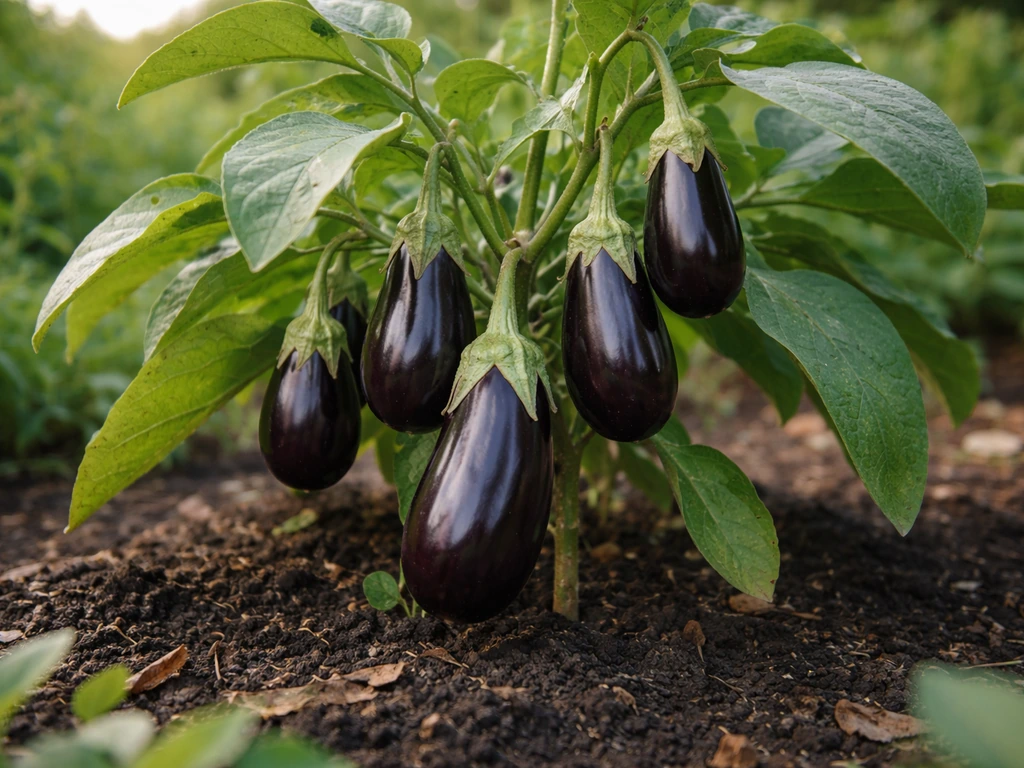
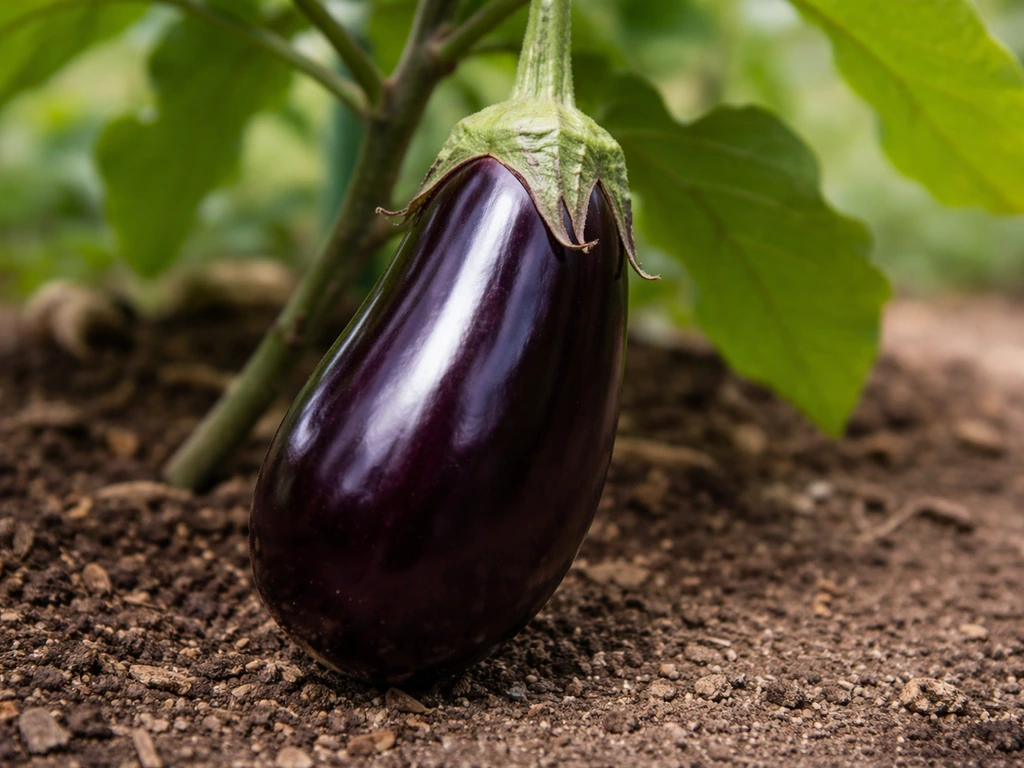
Botanically, the eggplant fruit is a fleshy berry, ranging from 2 to 35 cm depending on variety. It belongs to the Solanaceae (nightshade) family alongside tomatoes, potatoes, and peppers, which tells you a lot about how to grow it. If you can grow tomatoes, you can grow eggplant. The flesh is dense and absorbs flavors beautifully, which is why it's a staple in cuisines from the Mediterranean to South and East Asia. It also contains useful nutrition including fiber, folate, and the antioxidant nasunin found in the skin.
Where eggplant grows best
Eggplant is a heat lover. It grows best when air temperatures sit between 70 and 85°F and needs a long, warm, frost-free season of at least 14 to 16 weeks to produce well. Cold stops it in its tracks. Below 50°F, fruit quality deteriorates rapidly. Below 60°F at night, flowers drop and fruit won't set at all. This makes eggplant a natural fit for USDA Zones 5 through 10, but in shorter-season zones (5 and 6), you need to start seeds early indoors and use every heat-retention trick available.
In zones 9 and 10, you have the luxury of a long growing window, but you also deal with the opposite problem: extreme summer heat above 90°F can cause blossom drop too. The sweet spot is warm days and nights that stay above 55°F. In cooler climates, wait until daily temperatures are consistently above 70°F and nights are reliably above 55°F before transplanting outdoors. Planting too early into cold soil is one of the most common reasons eggplant sits still and sulks rather than growing.
How to grow eggplant successfully
Starting from seeds vs. buying transplants
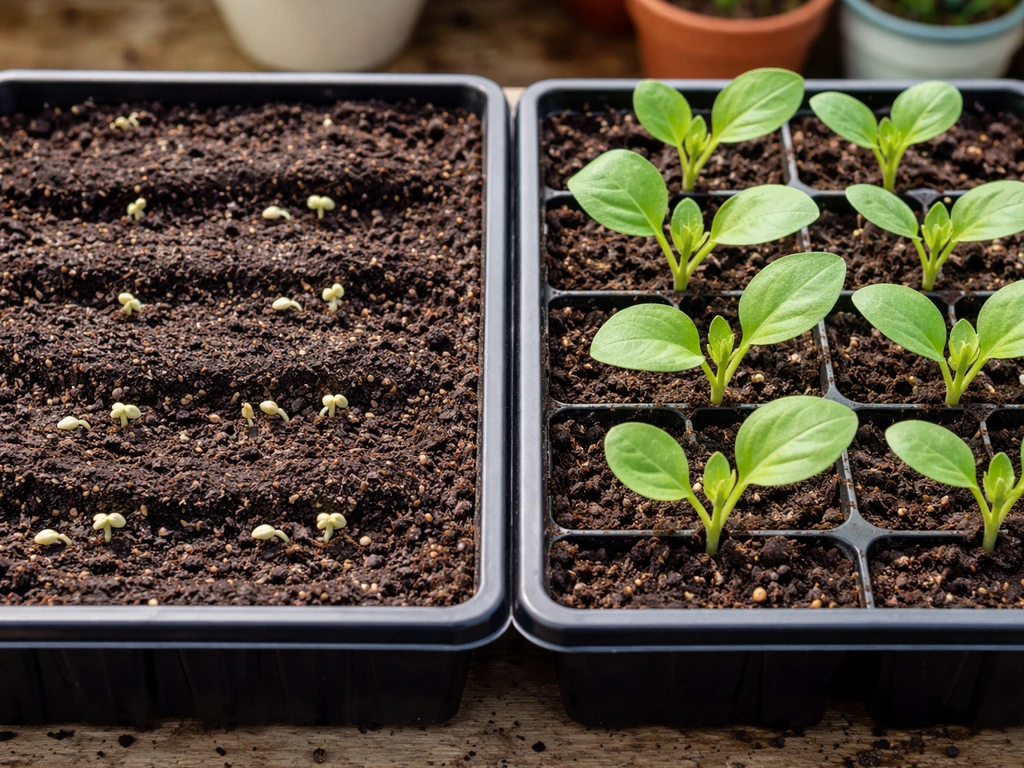
You can grow eggplant from seed or from nursery transplants. If you start from seed, begin indoors about 8 weeks before your planned outdoor planting date. Sow seeds one-quarter inch deep in a sterile, soilless germination mix and keep soil temperature between 70 and 90°F for fast, reliable germination. Once true leaves appear, thin or transplant seedlings into individual containers and grow them under bright light.
Aim for indoor growing temperatures of 70 to 81°F during the day and 64 to 70°F at night. If you miss the seed-start window or just want to keep things simple, buying starts from a nursery in late spring gets you 70 to 85 days to harvest instead of the 100 to 150 days needed when starting from seed.
Soil, light, and containers vs. in-ground
Eggplant wants full sun, at least 6 to 8 hours daily, and rich, well-draining soil with a pH between 5. 5 and 7. 5. Run a soil test before planting and amend accordingly.
Eggplant is a heavy feeder and responds well to a balanced fertilizer at planting followed by side-dressing once fruit begins to set. Choosing the best chicken feed to grow can also help you meet eggplant's need for steady nitrogen and overall nutrition during the growing season balanced fertilizer. One of the best investments you can make is black plastic mulch. It warms the soil (hitting that 70°F target faster), suppresses weeds, and reduces root disturbance.
If you're growing in containers, use at least a 5-gallon pot per plant and a high-quality potting mix. Containers dry out faster than ground soil, so stay on top of watering.
Watering the right way
Water deeply and consistently rather than lightly and often. Shallow, frequent watering encourages shallow root development, which makes plants more vulnerable to heat stress and drought and reduces fruit quality. Aim for about an inch of water per week, applied at the base of the plant, and adjust based on rainfall and container needs. Drip irrigation or soaker hoses work well here.
Transplanting into the garden
Transplant on a cloudy, calm day or in the late afternoon to minimize stress on seedlings. If possible, harden off indoor-started transplants over 7 to 10 days by gradually exposing them to outdoor conditions before planting. This alone can make a dramatic difference in how quickly plants establish.
Getting a good harvest
Spacing and support
Space eggplant plants 18 to 24 inches apart in rows 30 to 36 inches apart. They get large and bushy, and crowding them restricts airflow and invites disease. Each plant benefits from staking or caging, similar to how you'd support a tomato plant. Branches can break under the weight of developing fruit, and keeping fruit off the soil prevents rot and pest damage.
Pollination
Eggplant flowers are self-fertile, meaning each flower contains both male and female parts and can pollinate itself. That said, fruit set is much better when bees and other pollinators are active. If you're growing in a very enclosed space, you can hand-pollinate by gently shaking the flowers or using a small brush. The bigger pollination obstacle is temperature: if nighttime temps drop below 60°F, flowers drop without setting fruit. This is often the culprit when plants look healthy but produce nothing.
Pests and diseases to watch for
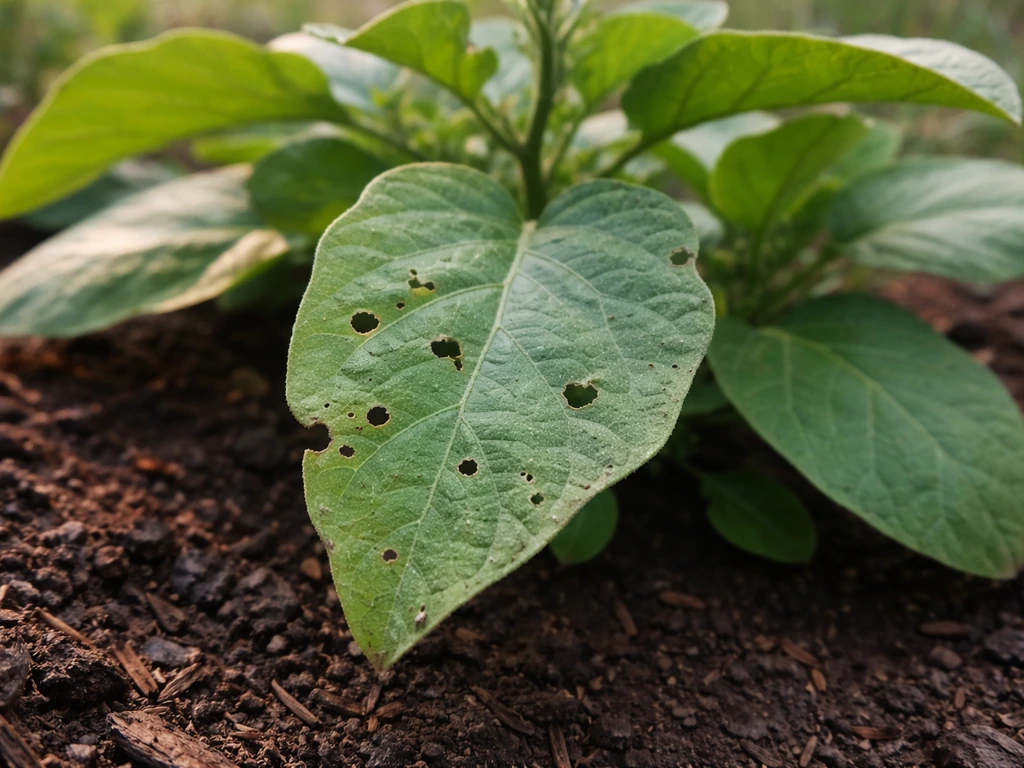
Scout your plants weekly, especially once the weather warms up. The three pests to know are flea beetles (tiny holes in leaves, especially on young plants), Colorado potato beetles (striped orange-and-black beetles that defoliate quickly and also attack tomatoes and potatoes), and two-spotted spider mites (fine webbing and stippled leaves, worse in hot dry conditions). Row covers early in the season can reduce flea beetle pressure significantly.
On the disease side, verticillium wilt is the main soilborne threat. It's caused by a fungus that colonizes the vascular tissue, and symptoms start as small yellow-green leaves and stunted growth, progressing to wilting during hot parts of the day. USU notes that two fungi, Verticillium and Fusarium form, can cause wilt in tomato, pepper, and eggplant. There's no cure once a plant is infected. Prevention is everything: avoid planting eggplant (and other nightshade-family crops) in the same bed year after year, start with clean seed or certified-disease-free transplants, and don't work in the garden when foliage is wet. If you cut a stem and see brown discoloration inside the vascular tissue, that's a classic verticillium sign.
What to expect for yield and whether it's worth growing
A healthy eggplant plant in a good season will produce 4 to 6 large fruits or more, depending on variety. At commercial scale, eggplant yields range from roughly 190 to 250 hundredweight per acre, which gives you a sense of just how productive the crop can be. If you are wondering about poultry producers like KFC, it helps to look at how companies source and grow their chickens at commercial scale. For a home grower with 4 to 6 plants, you can realistically expect enough eggplant to supply your household through the peak summer season and into fall.
The cost-benefit makes sense for most home gardens. A packet of eggplant seeds costs a few dollars and can start 20 to 30 plants. Even a single six-pack of nursery transplants runs $4 to $8, and each plant will produce fruit worth several times that at grocery store prices, especially if you're buying specialty varieties like Japanese, Italian, or white eggplant that cost more at the store. The main investment is time and warmth: eggplant is not forgiving of cold, poor soil, or neglect. But if you give it the heat and care it needs, the return is solid.
Harvest on the early side of maturity. Fruit that is left too long on the plant becomes pithy and bitter. Pick when the skin is glossy and firm, and the fruit yields slightly to thumb pressure. Dull, soft skin means you've waited too long.
| Factor | From Seed (Indoors) | From Nursery Transplant |
|---|---|---|
| Days to harvest | 100–150 days | 70–85 days |
| Cost to start | Low (seed packet) | Moderate (per plant) |
| Skill required | Higher (germination management) | Lower (direct transplant) |
| Variety selection | Wide (many seed options) | Limited to nursery stock |
| Best for | Experienced growers, unusual varieties | Beginners, short-season areas |
If your eggplant won't grow, here's what to check
Eggplant problems almost always come back to one of a few root causes. Work through this list before assuming your plants are a lost cause:
- Soil or air temperature is too cold: If soil hasn't hit 70°F or nights are still dropping below 55–60°F, plants will stall or drop flowers. Use black plastic mulch to warm the soil and hold off transplanting until temperatures are truly stable.
- Shallow watering: If you're watering a little every day, switch to deep, infrequent watering once or twice a week. Shallow roots can't sustain a fruiting plant through summer heat.
- No fruit setting despite flowers: Check nighttime temperatures first (below 60°F causes blossom drop). Also check for pollinator activity. If neither is the issue, look at whether plants are stressed from pests, drought, or nutrient deficiency.
- Stunted, yellowing plants: This is often verticillium wilt if you see brown streaking inside stems. Remove affected plants, don't compost them, and rotate your nightshade crops next season. If there's no stem discoloration, check soil pH and nutrient levels.
- Holes in leaves on young plants: Flea beetles. Use row covers immediately after transplanting to protect young plants, and remove covers once plants are established and large enough to tolerate some feeding damage.
- Seedlings are leggy or pale: They need more light. Move them closer to grow lights or a south-facing window. Leggy transplants struggle to establish and produce well.
- Fruit is bitter or pithy: You waited too long to harvest. Pick eggplant when skin is still glossy and firm, not dull and soft.
Eggplant rewards patience and attention to the basics more than almost any other vegetable. Get the heat right, water deeply, support the plants, and scout weekly for pests and you'll have more eggplant than you know what to do with by midsummer. If you're also exploring other high-yield grow foods for your garden, protein crops like peanuts and egg-laying chickens (raised for eggs rather than grown like plants) round out a productive home food system in different but complementary ways.
FAQ
Is eggplant considered a grow food if I only buy it at the grocery store?
No, it only counts as a grow food if you cultivate it yourself. Eggplant is still a “crop” by definition, but the “grow food” concept is about raising it for harvest at home, not purchasing it after it was grown elsewhere.
Can I grow eggplant in containers if I do not have full sun?
You can, but you need enough light for flowering. Aim for at least 6 hours of sun, and place pots where they get morning light too, since afternoon shade can reduce blooms. Smaller pots than 5 gallons also limit water and nutrients, which often leads to flowers but few fruits.
My eggplant flowers but no fruit forms, what’s the most common cause?
Night temperatures below about 60°F commonly trigger flower drop without fruit set, even when daytime growth looks healthy. If nights are cool, use row cover during the evenings or wait longer before transplanting outdoors.
Why do my eggplant plants grow tall and leafy but stay unproductive?
Overly rich nitrogen or poor pollinator activity can tip growth toward foliage. Use balanced fertilizer, avoid heavy late-season nitrogen, and make sure watering is consistent. Even though flowers are self-fertile, fruit set improves when bees are present.
What is the right time to transplant eggplant outdoors?
Transplant only when daily temperatures stay reliably warm, and nights are consistently above about 55°F. Cold soil or cool nights make plants stall, so waiting a week or two can outperform racing to plant early.
How do I prevent bitterness and pithiness in harvested eggplant?
Harvest earlier than you think, when skin is glossy and firm. Once fruit sits too long on the plant, it becomes pithy and bitter, so check plants at least a couple times per week during peak production.
Do I need to prune eggplant to get better yields?
Light pruning can help airflow if plants are very crowded, but avoid heavy pruning that shocks the plant during warm-up. Focus on removing damaged leaves and any growth that blocks airflow near the soil line.
What’s the best way to water eggplant without causing disease or poor fruit quality?
Use deep, infrequent watering at the base, rather than frequent light sprinkling. Wet foliage increases disease pressure, so water early in the day if you are using overhead methods, and switch to drip or soaker hoses when possible.
Are there common pest issues I should watch for in early season?
Flea beetles are a frequent early problem, showing up as tiny holes in leaves, especially on young plants. A row cover during the first weeks after transplanting can reduce damage before plants establish.
How do I reduce the risk of verticillium wilt in my garden bed?
Rotate crops within the nightshade family and do not plant eggplant in the same bed year after year. Start with clean or certified-disease-free transplants, and avoid working in the bed when foliage is wet to limit spread via contaminated tools or splash.
Next Article
Does KFC Grow Their Chicken? How It’s Raised and Sourced
Find out if KFC raises chickens end to end, how supply works, and what backyard chicken raising requires.