Yes, chicken absolutely qualifies as a 'grow food' resource, just not in the way you might first think. Chickens contribute to a food-growing system in two major ways: they produce eggs and meat directly (so they are a food source themselves), and their manure and bedding are some of the most nutrient-rich organic inputs you can use to grow vegetables, herbs, and other crops. If you're asking whether chickens belong in a productive home garden setup, the answer is a definite yes.
Is Chicken a Grow Food? How to Use Manure Safely

Marcus Hendrick
21 May 2026
What 'grow food' actually means here
The phrase 'grow food' gets used in at least two ways in home gardening circles. The first and most literal meaning is producing something edible: vegetables, fruit, herbs, eggs, meat. The second meaning is supporting the soil system that makes crops possible, which includes [adding nutrients and organic matter through compost, manure, mulch, and amendments](https://extension. arizona.
edu/publication/manure-home-garden). Both definitions are valid, and chickens fit squarely into both. A backyard flock gives you eggs and (eventually) meat, and the waste they produce feeds your soil, which feeds your plants, which feeds you. That loop is exactly what self-sufficient growing is built on.
You'll see similar logic applied to other protein sources and legumes like peanuts, which are also discussed as 'grow foods' because of how they contribute to both nutrition and soil nitrogen. Peanuts can play a similar role by supporting the soil and adding valuable nutrients that help crops thrive.
Chickens as a direct food source: eggs and meat
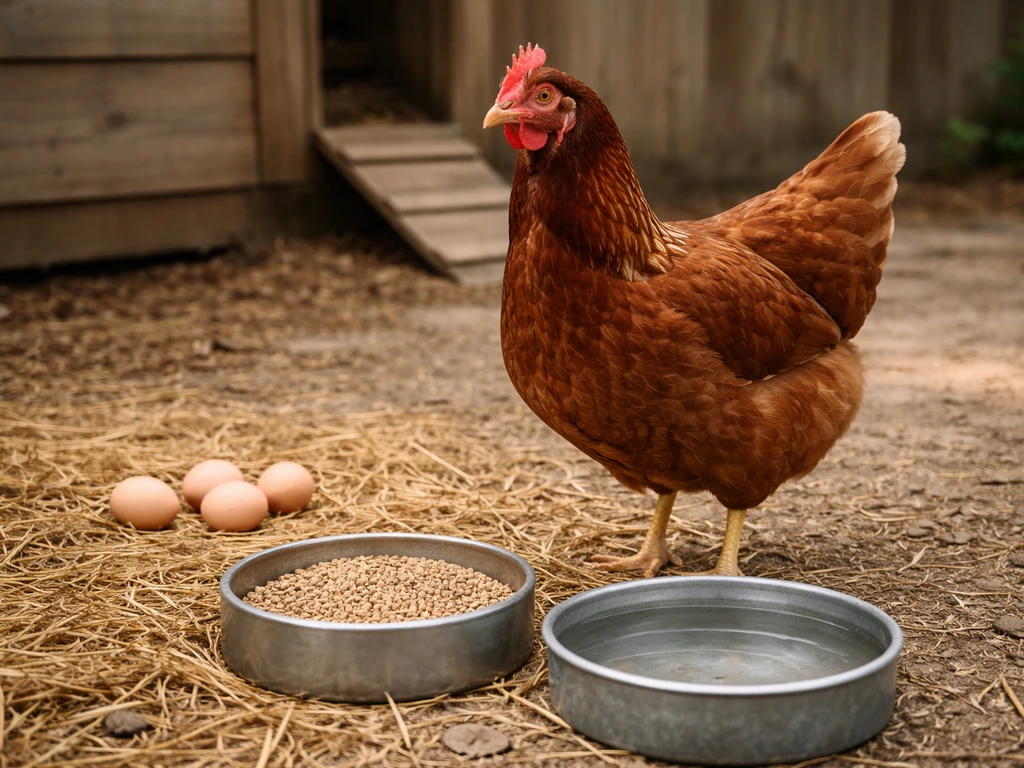
A healthy backyard hen lays roughly 250 to 300 eggs per year in her peak laying years (typically years one through three). That's a meaningful, steady food supply from a relatively small animal that eats kitchen scraps, garden waste, and foraged bugs. Meat birds like Cornish Cross are typically processed at 6 to 8 weeks and yield 4 to 6 pounds of dressed meat per bird.
For a family focused on food security, even a small flock of 4 to 6 hens provides more eggs than most households consume week to week, with surpluses to preserve, trade, or sell. Eggs and chicken meat are both high-protein foods, making them one of the most calorie-efficient things you can produce on a small homestead plot.
If you're comparing chickens to other home-grown protein sources, the math is compelling. You don't need much land, feed conversion rates are reasonable, and the time investment is low compared to raising larger livestock. The fact that eggs are also a complete protein, much like tofu (another food often discussed in the grow-food context), makes a backyard flock genuinely useful for nutritional self-sufficiency.
How chickens help your garden grow
Here's where chickens get really interesting for gardeners: the manure and bedding they produce are among the most nutrient-dense organic inputs available to a home grower. Chicken manure contains higher concentrations of nitrogen, phosphorus, and potassium than horse, cow, or rabbit manure. It also contributes organic matter to your soil when properly composted, improving structure, water retention, and microbial activity over time.
The bedding material from the coop (usually straw, wood shavings, or dried leaves) mixes with the manure to create what's called 'chicken litter.' This combination is even more valuable than raw manure alone because the carbon-rich bedding balances the high nitrogen content, making it compost more efficiently and reducing the risk of burning plants. A medium-sized coop with 6 birds can generate enough composted material in a season to meaningfully amend a 200 to 400 square foot garden bed.
Nitrogen, organic matter, and the fertility cycle
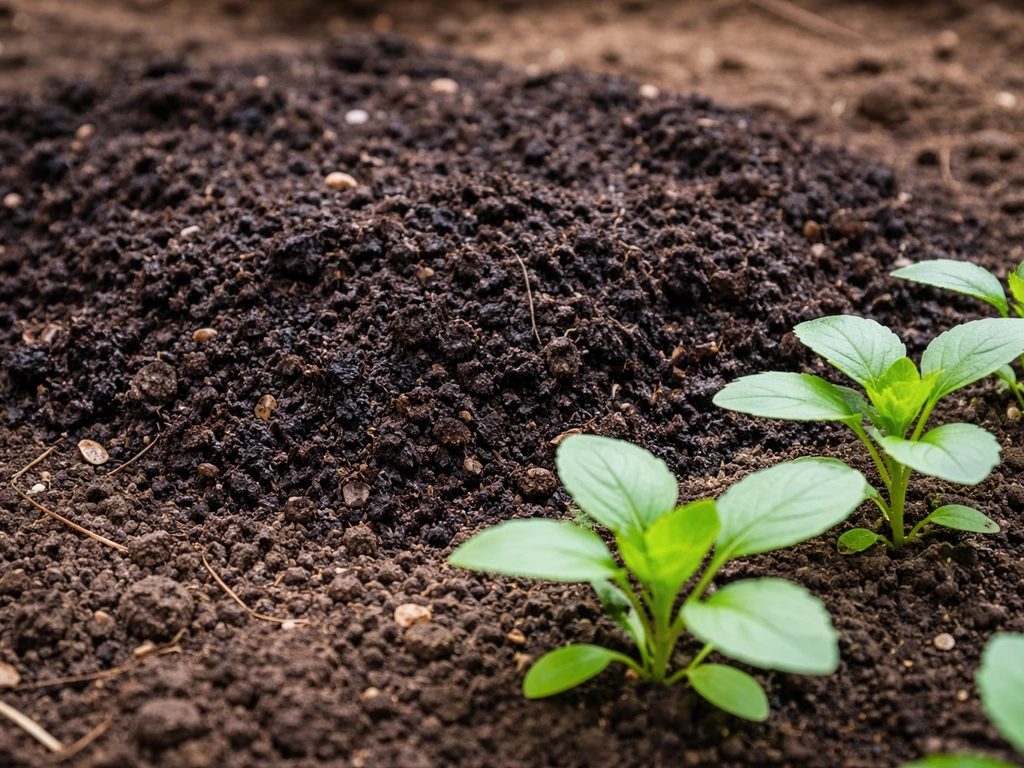
Nitrogen is the nutrient most responsible for leafy green growth, and chicken manure is one of the richest natural sources of it. Fresh chicken manure can run 3 to 5% nitrogen by dry weight, compared to around 0.5 to 1% for composted cow manure. Phosphorus and potassium levels are similarly elevated. For heavy-feeding crops like corn, brassicas, and squash, that kind of fertility is genuinely hard to replicate without spending money on bagged fertilizers. Over multiple seasons, the organic matter from composted chicken litter also improves soil structure in ways that synthetic fertilizers simply cannot.
Risks, pathogens, and how to avoid them
Fresh chicken manure carries real risks that you need to take seriously. It can contain pathogens like Salmonella and E. coli, both of which can survive in soil and contaminate produce, especially root vegetables and low-growing leafy greens that contact the soil directly. Applying fresh manure to a bed where you're about to plant salad greens is genuinely dangerous, and this is where a lot of beginner homesteaders go wrong.
The other major risk is nitrogen burn. Fresh manure has such high ammonia levels that it can chemically burn plant roots and foliage on contact. I've made this mistake myself, top-dressing a bed with fresh litter thinking it would give a quick nitrogen boost, and watching seedlings wilt within days. Don't do it.
The rules for safe use
- Never apply fresh chicken manure directly to beds where food crops are growing or will be planted within 90 to 120 days.
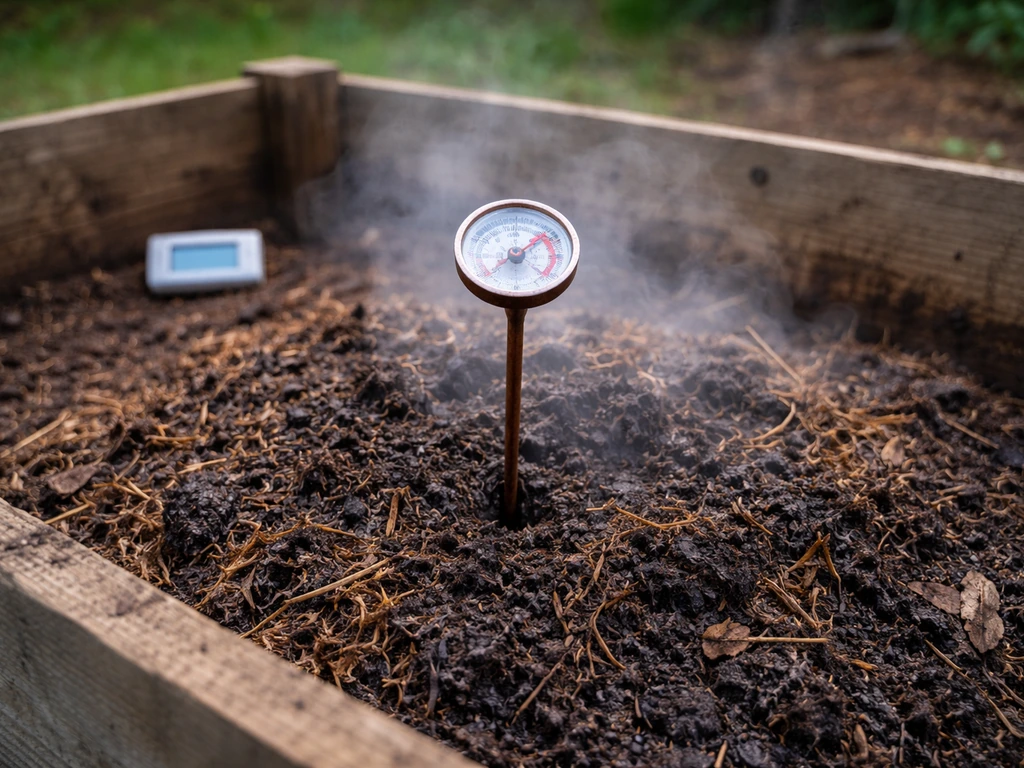
- Compost chicken manure for a minimum of 60 days in a hot pile (internal temps reaching 130 to 150°F) to kill pathogens. Longer is safer.
- For root vegetables and leafy greens that touch soil, apply finished compost at least 120 days before harvest.
- Wash all produce thoroughly regardless of composting method used.
- Don't let chickens free-range in active vegetable beds, especially near harvest time.
- Store raw manure away from water sources and garden areas to avoid runoff contamination.
- Use gloves and wash hands when handling raw or partially composted litter.
The good news is that properly composted chicken litter is perfectly safe and widely used by market gardeners and home growers alike. The composting process, when done right, neutralizes pathogens, reduces ammonia, and stabilizes the nutrients so they release more slowly in the soil. It transforms a liability into one of the best free inputs your garden can get.
Setting up your coop-to-compost system at home
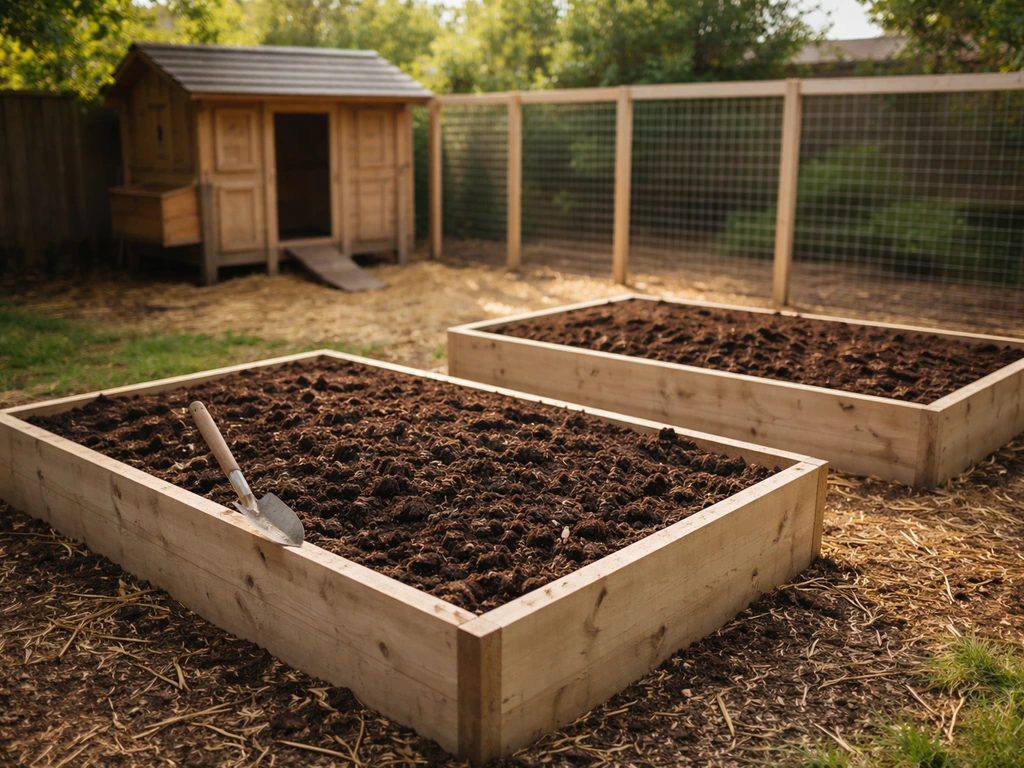
The most efficient setup integrates your coop directly with your composting system. Place your compost bins as close to the coop as practical so that mucking out the coop is a quick job rather than a chore. Aim to clean out bedding every 1 to 4 weeks depending on your flock size and coop space, and pile it directly into a compost bay. Layer it with carbon materials like dried leaves, straw, or cardboard to keep the pile balanced. A carbon-to-nitrogen ratio of around 25:1 to 30:1 is ideal for hot composting.
Two-bay or three-bay compost systems work best here. Fill one bay with fresh litter while the other cures. Turn the active pile every 1 to 2 weeks to maintain heat and aeration. By the time the second bay fills up, the first should be approaching finished compost (dark, crumbly, earthy-smelling, with no visible manure chunks). That's your finished product, ready to apply.
Feed and bedding: sourcing and costs
Layer feed (for egg-laying hens) typically runs around $20 to $30 per 50-pound bag in 2026, depending on region and whether you're buying conventional or organic. A flock of 6 hens eats roughly 1.5 to 2 pounds of feed per day combined, so a bag lasts 3 to 4 weeks. You can reduce feed costs substantially by allowing supervised free-ranging (bugs and forage) and supplementing with kitchen and garden scraps. For bedding, straw bales run $6 to $10 each and wood shavings are similar. Both double as carbon sources in your compost pile.
One thing worth noting: the type and quality of feed your chickens eat affects the nutrient profile of the manure. Hens fed a varied, higher-quality diet tend to produce richer litter. If you're buying dedicated chicken feed specifically to optimize compost output, there are formulations designed for that purpose too, though for most home setups the standard layer feed works fine.
Chickens vs. store-bought fertilizers: is it worth it?
This is the question most practical homesteaders want answered honestly. Here's an honest comparison.
| Input | Upfront Cost | Ongoing Cost | Nutrient Value | Soil Organic Matter | Labor |
|---|---|---|---|---|---|
| Composted chicken litter (backyard flock) | Coop setup: $200 to $600 | Feed + bedding: ~$40 to $60/month for 6 hens | High: N, P, K plus micronutrients | High: builds long-term soil health | Moderate: daily care + composting |
| Bagged synthetic fertilizer (e.g., 10-10-10) | Low: $15 to $30 per bag | $50 to $150/season depending on garden size | Targeted NPK, no organics | None: no contribution to soil biology | Low: apply and done |
| Purchased compost (bagged or bulk) | Low to moderate: $5 to $15 per bag or $30 to $60/yard bulk | Recurring each season | Moderate and variable | Moderate: depends on source quality | Low to moderate |
| Worm castings or fish emulsion | Moderate: $20 to $40 per small quantity | High per unit of nutrient delivered | High concentration but low volume | Low to moderate | Low |
The honest take: if you already want chickens for eggs or meat, the compost benefit is essentially free. You're going to have litter to deal with anyway, so turning it into fertility is just smart homesteading. If you're purely trying to fertilize a garden and aren't interested in keeping birds, bagged organic compost or a worm bin is much simpler. Chickens only make financial sense as a garden input when they're already part of your system. The break-even on a backyard flock for eggs alone is typically 1 to 2 years depending on egg prices and feed costs, and the soil fertility gains compound over time, making the overall value strong for anyone committed to the long game.
Your practical starting plan
If you're starting from zero today, here's a simple workflow to get your chicken-to-garden system running within the next 30 to 90 days.
- Decide on flock size. For most home gardens under 1,000 square feet, 4 to 6 laying hens is plenty. More birds mean more litter, which is only an advantage if you have the composting capacity to handle it.
- Source chicks or pullets. Local feed stores and hatcheries stock chicks in spring. Pullets (young hens near laying age) cost more but start producing eggs faster if you want results quickly.
- Build or buy a coop with easy cleanout access. Look for a design with a removable floor tray or drop-down access panel. This makes weekly mucking fast and keeps you consistent.
- Set up a two-bay compost system next to the coop. Two pallets per bay works fine. Line the inside with chicken wire if you want to keep it tidy.
- Start composting your first litter cleanout. Layer with dry leaves, straw, or cardboard. Aim for roughly 3 parts carbon to 1 part manure by volume as a rough guide.
- Turn the pile every 7 to 14 days and keep it moist but not wet. It should heat up within 2 to 3 days. If it doesn't, add more nitrogen (fresh manure or grass clippings) or more moisture.
- After 60 days minimum (90 to 120 days is safer for vegetable beds), screen the finished compost and apply to garden beds at 1 to 2 inches per season worked into the top 6 inches of soil.
- Track your inputs and outputs. Note how many bags of fertilizer you no longer need to buy, how your soil texture changes season to season, and how your yields compare to previous years.
One last thing: don't overthink the start. A small flock, a simple coop, and a basic compost pile will outperform most bagged inputs over time, and the learning curve flattens out fast. Within a season, mucking the coop and feeding the compost pile feels as natural as watering the garden. That's the rhythm of a genuinely productive homestead. You might also wonder whether companies like KFC grow their chicken in-house, and that depends on how their supply chain is set up. Many people also use eggplant as a prime 'grow food' crop in home gardens, so pairing it with your compost and soil inputs can be a great fit.
FAQ
Can I use chicken manure directly on my vegetable beds, or do I have to compost it first?
You should compost chicken litter before applying it to edible crops. Fresh manure can carry pathogens and has high ammonia that can burn plants, especially leafy greens and root crops that touch soil. Once composted, the risk drops because heat and time help neutralize pathogens and stabilize nutrients.
How do I know if my chicken litter compost is “done” enough to use?
Finished compost is dark and crumbly, has an earthy smell, and you should not see recognizable manure chunks. If it still looks wet, smells sharp or raw, or the pile stays cool, give it more time. A simple decision rule is, if you cannot comfortably handle it without signs of fresh material, it is not ready.
What vegetables should I avoid fertilizing the most if I only have partially composted litter?
Avoid crops that contact soil directly, like lettuce, spinach, strawberries, carrots, and other low-growing or root vegetables, until your compost is fully cured. For higher-risk situations, you can top-dress ornamentals or delay application until the next planting cycle.
How much composted chicken litter should I apply without risking nitrogen overload?
Start conservatively and build up. Even when composted, chicken-based compost can be strong, so use smaller amounts per season and observe results. A practical approach is to apply to beds you are establishing or re-amending, then reduce rates the next season if you see overly lush leafy growth with fewer flowers or fruit.
Can I top-dress seedlings with compost that came from chicken litter?
Generally, no, not directly on young seedlings. Use a safer timing strategy, apply compost before planting or between crop cycles, or apply as a thin mulch layer after plants are established and well rooted. This reduces salt, ammonium, and nitrogen-burn problems.
Does the bedding type (straw vs wood shavings vs leaves) change how I should compost and apply chicken litter?
Yes. Wood shavings and some carbon-heavy materials take longer to break down, so your compost can look “finished” visually while still releasing nutrients faster than you expect. Mix bedding into the pile evenly, aim for proper heat with a turning schedule, and allow extra curing time for high-carbon bedding.
What’s the safest way to handle chicken litter from the coop to avoid contamination?
Wear gloves and wash hands after mucking out the coop. Keep compost covered and contained, avoid creating splashes or aerosols, and store litter away from food-prep areas. Also prevent kids and pets from accessing piles, because pathogens can persist in poorly managed material.
Can chicken manure help with soil health even if I’m not growing food right away?
Yes, you can use composted chicken litter to improve soil structure and water retention while you wait to plant. If you are doing a pre-plant amendment, apply and incorporate it well ahead of the crop, then let the bed stabilize. This timing helps minimize any remaining nutrient “spikes.”
Is chicken a “grow food” option if I only want to fertilize, and I don’t want to raise birds?
It can still fit if you can access properly composted chicken litter from a local source, but it is not as straightforward as buying bagged compost. If you do not keep chickens, prioritize compost that is fully processed and consider a lower application rate to account for unknown strength. This reduces the chance of odor issues or nutrient overload.
How do chicken feed choices affect manure quality, and should I change what my hens eat?
Feed quality can influence nutrient density and, sometimes, litter performance. If your goal is garden inputs, a balanced layer diet with variety through scraps can produce richer litter than a narrow, low-quality feed. However, feeding for compost alone usually is not necessary for home scale, focus more on proper composting and timing.
What’s a common beginner mistake when using chicken-based fertilizers?
The most common mistake is applying fresh litter to beds too close to planting. Another frequent issue is under-composting, where the pile never reaches and sustains enough heat or gets turned too rarely. If you want a simple success path, compost fully and apply before planting, not on top of standing seedlings.
Next Article
Is Tofu Grow Food? Facts, Composting Tips, and Soybean Steps
Learn if tofu can grow plants, how it relates to soybeans, and safe composting tips plus steps to grow soybeans.