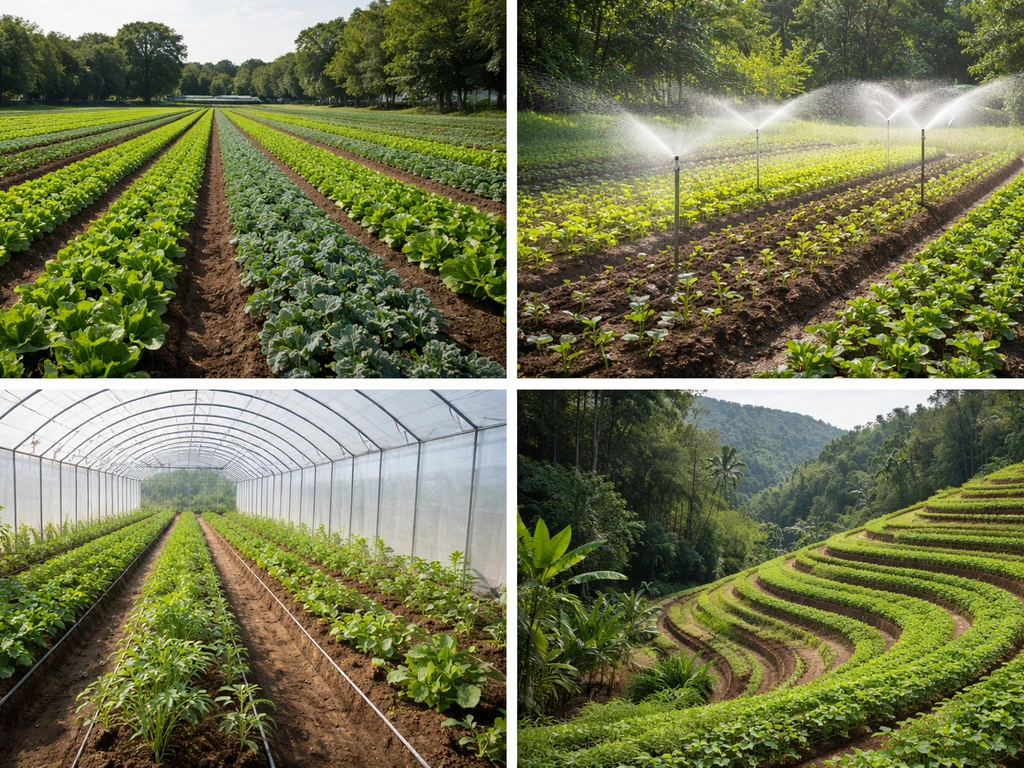
Eggs are food, not grow food. You cannot plant an egg in the ground and grow an edible plant from it. That's not how eggs work biologically, and no amount of watering or sunshine will change that. But here's the thing: eggs and eggshells actually do have a legitimate role in a productive home garden, just not the one most people imagine. If your real question is how to use eggs to support food growing, or whether raising chickens counts as "growing food," the answer to both of those is yes, with some important nuance.
Is Egg Grow Food? Eggs vs Growing Plants and Garden Uses

Marcus Hendrick
1 May 2026
What "egg is grow food" actually means (and where the confusion comes from)
The confusion usually comes from blurring two different ideas. "Grow food" in gardening means producing edible crops by planting seeds, bulbs, tubers, or cuttings in soil and letting them develop through photosynthesis. Eggs are an animal product, specifically the reproductive output of hens (or other birds). They don't contain any plant genetics, roots, shoots, or chlorophyll. They have nothing in common with a seed except that they're small and oval-shaped. A seed carries the blueprint and stored energy for a plant embryo. An egg carries the blueprint for a chick, if and only if it's been fertilized and properly incubated.
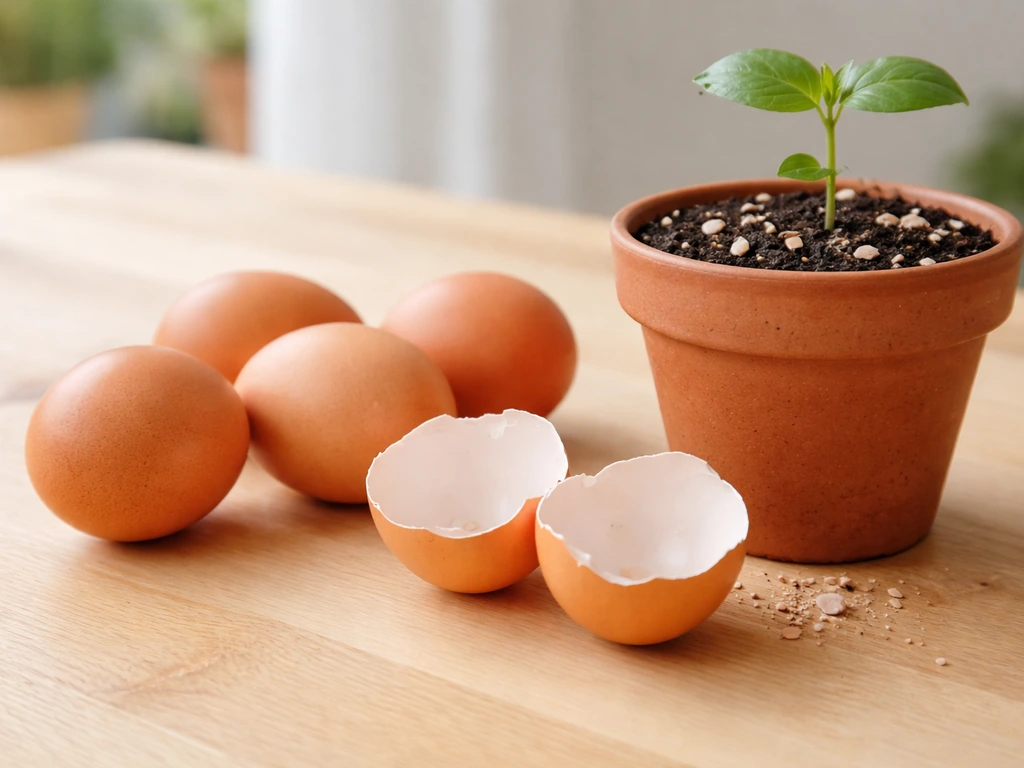
Where eggs do overlap with food growing is as an input to the garden system, specifically as a source of calcium and organic matter when broken down. That's a real and useful connection, but it's soil-building, not planting. Eggplant, for reference, has nothing to do with eggs either. It gets its name from the shape of certain white varieties that resemble eggs. That's a separate sibling topic worth exploring if you're looking for actual grow-from-seed edible crops.
Can you grow food from eggs? Let's be honest about this
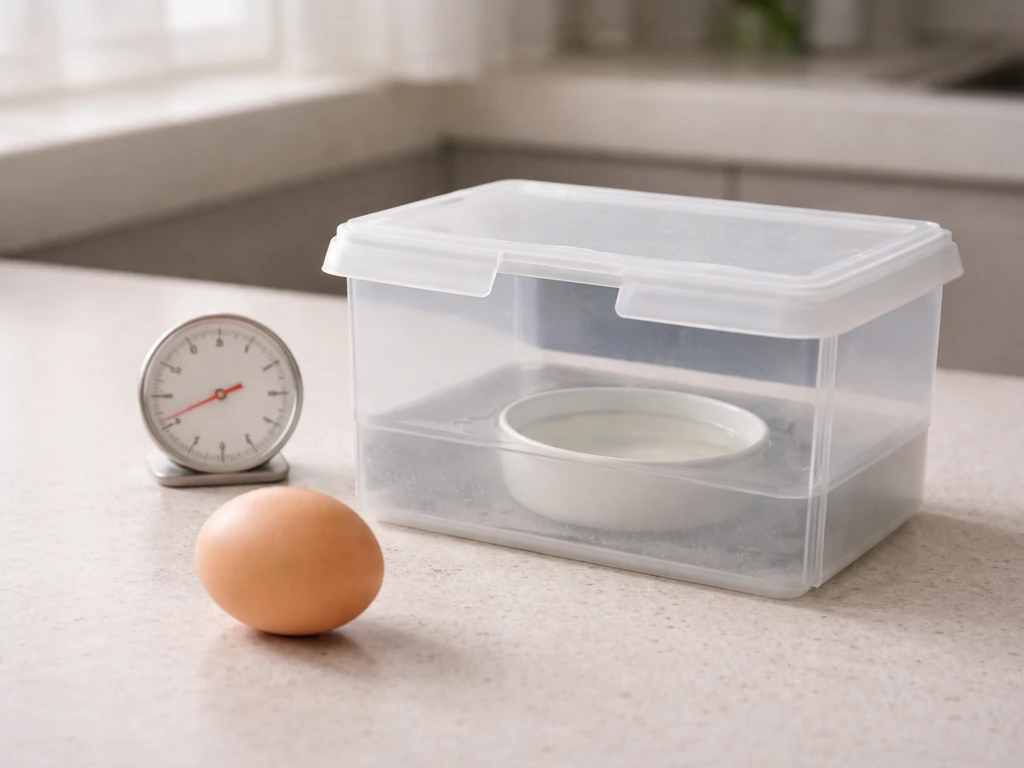
No. Not even close. Here's the biology: a fertilized egg needs incubation conditions, consistent warmth around 99 to 102 degrees Fahrenheit, correct humidity, and regular turning, to develop an embryo that eventually hatches into a chick. The vast majority of eggs you buy at a grocery store aren't even fertilized. Without a rooster involved, no embryo exists at all. Stick a store-bought egg in the ground and you get a rotting egg, not a plant, not a chick, just organic matter decomposing in your soil. Even a fertilized egg buried in garden soil won't hatch because soil doesn't replicate incubation conditions.
So if you were hoping to "plant" eggs and harvest something edible, that path doesn't exist. What you can do is redirect that energy toward actual seed starting. If you have egg cartons, those make surprisingly good seed-starting trays. If you want to grow peanut, the same seed-starting approach can help you get healthy plants off to a strong start egg cartons. Fill the individual cups with seed-starting mix, drop in a seed, keep them moist, and you're genuinely growing food. That's a practical pivot worth making today.
How eggs actually belong in a garden system
Here's where eggs become genuinely useful in the garden: as organic matter in compost, and as a calcium source via eggshells. The catch is that whole eggs and raw egg waste are problematic in an open compost pile. Iowa State Extension specifically flags whole eggs and dairy products as items you should not add to a home compost bin because they attract pests. A rat or raccoon will find a buried egg faster than you'd expect. The shell is a different story. Crushed eggshells are on the composting approved list and can go into your pile without triggering the pest problems that yolk and whites create.
If you do have excess whole eggs or cracked eggs that aren't edible, the safest composting approach is to bury them deep in a hot, active pile, not toss them on top. A hot compost pile that reaches 131 to 170 degrees Fahrenheit will process organic matter much faster and with fewer pest issues than a cold pile sitting in the corner of your yard. But honestly, for most home gardeners with a small bin, stick to shells only and keep the whole eggs out.
Eggshells in the garden: the right way to use them
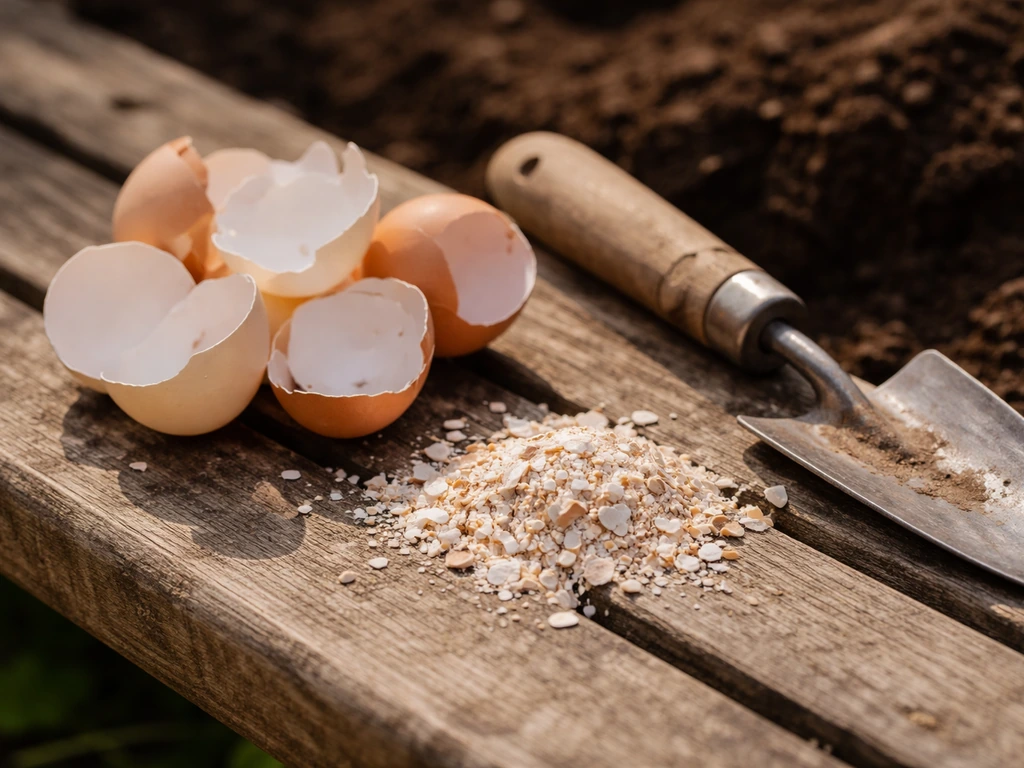
Eggshells are mostly calcium carbonate, which makes them a slow-release calcium source for soil. UMN Extension specifically notes that eggshells can help address blossom-end rot in tomatoes, a condition caused by calcium uptake issues. The key word is "can." Eggshells break down slowly, often remaining visible in finished compost after a full composting cycle. They're not a quick fix, but over seasons they contribute real calcium to your soil.
How to crush and apply eggshells correctly
- Rinse shells after use and let them dry completely. This reduces odor and discourages fruit flies.
- Crush them as finely as possible. A blender, mortar and pestle, or a rolling pin over a sealed bag all work. Finer pieces break down faster in soil.
- Add crushed shells to your compost pile or work them directly into planting holes, especially for tomatoes, peppers, and squash.
- Apply about a small handful (roughly 1/4 cup of crushed shells) per transplant hole, or spread a thin layer around established plants and work it lightly into the top inch of soil.
- Don't rely on shells alone to fix a calcium deficiency mid-season. They take time. If you're dealing with active blossom-end rot, consistent watering and a liquid calcium source will act faster.
Common eggshell mistakes to avoid
- Adding large uncrushed shell pieces directly to soil. They sit there for months or years without breaking down.
- Using shells as a slug deterrent. This is a popular tip but the evidence is weak. Slugs can and do cross sharp shell fragments.
- Expecting shells to replace lime or fertilizer. They're a supplement, not a standalone soil amendment.
- Composting whole eggs or egg waste in open bins. This invites pests fast.
If you meant raising chickens: growing food indirectly through poultry
If your original question was really about whether raising chickens counts as growing food, then yes, absolutely. Many people ask whether KFC grows their chicken, but KFC primarily serves farmed poultry rather than producing it on-site. Hens produce eggs, which are a high-protein food you grow at home. They also produce manure, which is one of the most nitrogen-rich organic fertilizers available for vegetable gardens. The best chicken feed to grow productive hens starts with a balanced, age-appropriate formula that supports healthy growth and consistent egg laying nitrogen-rich organic fertilizers. And they'll eat insects, scratch up soil, and help with pest control if you rotate them through garden beds carefully. That's a closed-loop food system many homesteaders and self-sufficient gardeners build around.
That said, poultry manure isn't something you apply fresh and walk away from. Penn State Extension is clear that raw poultry manure carries pathogen risks and needs to be managed carefully before it goes near edible crops. Composting is the standard solution. Illinois Extension recommends compost temperatures between 131 and 170 degrees Fahrenheit, held for at least 15 days in a turned windrow system, to reliably reduce pathogens and weed seeds. If you're running a small backyard flock and collecting manure for garden use, hot composting it before application is the responsible path.
The sibling topic of whether chicken itself is a "grow food" is worth thinking through separately, but the short version here is: chickens support food growing as egg layers and soil builders, not just as meat birds. The sibling topic of whether chicken itself is a "grow food" is worth thinking through separately, but the short version here is: chickens support food growing as egg layers and soil builders, not just as meat birds, which is chicken a grow food in practice. A small flock of 3 to 6 hens can supply a family with fresh eggs and meaningful amounts of composted fertilizer each season.
How eggs and eggshells compare as garden inputs
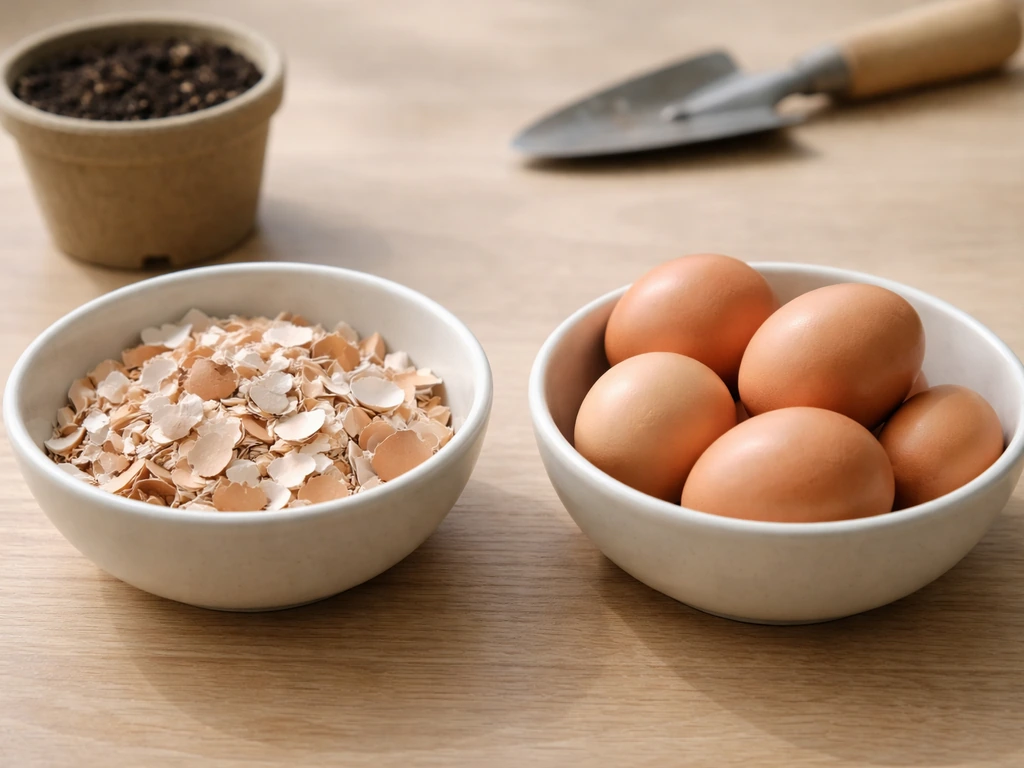
| Input | Compostable? | Soil Benefit | Pest Risk | Best Use |
|---|---|---|---|---|
| Crushed eggshells | Yes | Slow-release calcium | Low | Compost or planting holes |
| Whole raw eggs | Technically yes, but not recommended for open bins | Calcium + nitrogen | High (attracts rodents and raccoons) | Hot/enclosed compost only |
| Egg whites/yolk waste | Not recommended for open bins | Nitrogen | High | Avoid in home compost |
| Chicken manure (composted) | Yes | Nitrogen, phosphorus, potassium | Low if hot-composted | Garden beds after composting |
| Chicken manure (fresh) | No (needs composting first) | High but pathogen risk | Moderate | Never direct on edible crops |
Your quick-start plan for today
Whether you're starting from a carton of eggs in your kitchen or thinking about building a more integrated food system, here's what to actually do today.
- Collect your eggshells starting now. Keep a small container near your stove. Rinse each shell after cracking, let it dry, and add it to the container.
- Once you have a good handful, crush them fine and add them to your compost pile or work them into the soil near tomatoes, peppers, or squash.
- If you want to use egg cartons to actually grow food, fill the cups with seed-starting mix and plant quick-growing crops like lettuce, basil, or radishes. That's a genuine grow-food move you can make this week.
- If you're interested in raising chickens for eggs and garden fertility, start by checking your local ordinances. Many municipalities allow 3 to 6 hens with no rooster. Then research feed, housing space (about 4 square feet per hen inside the coop), and composting setup before bringing birds home.
- If your main goal is soil improvement, prioritize starting a hot compost pile with a mix of green materials (grass clippings, kitchen scraps) and brown materials (cardboard, dry leaves), and add crushed eggshells to it regularly. Aim for 131 to 170 degrees Fahrenheit internal temperature to get finished compost faster and safely.
The bottom line is that eggs won't grow into plants, but they're not useless in a garden. If you’re curious whether tofu is a grow food, it’s also not something you plant, since it’s a finished food made from soybeans is tofu grow food. Shells build soil calcium over time, manure from laying hens (properly composted) feeds your vegetable beds, and egg cartons make solid seed-starting containers. Work with what eggs actually are, and you'll get real value out of them without any of the disappointment that comes from expecting them to sprout.
FAQ
Can I plant a fertilized egg from a farm and grow a chick or a plant outdoors?
A fertilized egg needs controlled incubation (steady warmth around 99 to 102°F, correct humidity, and turning). Normal garden soil temperatures and moisture do not replicate that, so you will not get a chick, you will mostly get decomposition. If you want chicks, use an incubator or a reliable broody setting.
What happens if I bury whole store-bought eggs in the garden?
They typically rot and attract pests. Whole eggs contain protein and fat that draw animals, especially if they are buried shallow. If you cannot compost them safely, keep whole eggs out of open piles and avoid burying them in beds where you later plant edible crops.
Are eggshells safe to add directly to soil, or should they go through compost first?
Crushed eggshells can be applied directly, but they break down slowly and may stay visible for a long time. For more even distribution and fewer sharp fragments, many gardeners crush them finely and mix into the top layer of soil or compost. Using them consistently over seasons tends to work better than one-time application.
How fine do eggshells need to be for tomato blossom-end rot?
Finer particles tend to release calcium more effectively because they have more surface area. Still, eggshells are not an instant fix, and blossom-end rot can also be worsened by irregular watering or root stress, so address soil moisture consistency along with calcium.
Can I add egg yolks or whites to my compost pile?
They are more likely to attract pests than shell-only additions. If your compost system is small, outdoor, or not reliably hot, it is better to avoid yolks and whites. If you do compost them, use a hot active pile and bury materials within the pile rather than placing them on the surface.
How do I manage composting whole eggs or cracked eggs without getting pests?
The safer approach is hot composting (reach roughly 131 to 170°F) and burying the eggs deep within the active pile, not on top. A cold pile or an uncovered pile sitting near edible beds is much more likely to draw raccoons, rats, or other scavengers.
Will egg carton seed starting actually work for any seeds besides peanuts?
Yes for many seeds, especially small-start crops, as long as you use seed-starting mix instead of garden soil and keep moisture consistent. The main limitation is that carton cups can dry out faster than larger trays, so check moisture daily during germination.
Can I use chicken manure from laying hens without composting it?
Avoid using fresh poultry manure on or near edible crops. Raw manure carries pathogen risks, and the standard fix is hot composting until the pile reaches the recommended high temperatures for enough sustained time, then letting it finish curing before application.
How much composted chicken manure is reasonable for vegetable beds?
There is no one-size-fits-all amount, because it depends on bed soil quality, fertilizer history, and how hot and complete the composting was. A practical method is to apply modest top-dressings (for example, thin layers) and observe plant response, then adjust next season rather than dumping a large amount at once.
Do chickens count as “growing food” if you mainly get eggs, not meat?
Yes. Egg production is a direct output you can harvest, and hens also contribute manure that supports soil fertility when properly composted. If your goal is a full “grow” system, focus on rotating birds carefully and managing composting so fertilizer use stays safe and consistent.
Next Article
How Do Farmers Grow Food Around the World: Methods and Tips
Learn how farmers grow food worldwide: soil, water, crops, pests, harvest, and how to scale it for home gardens.