For most backyard flocks, the best feed to grow healthy chickens follows a simple three-stage plan: a high-protein starter (18–20% protein) for the first 6–8 weeks, a grower or developer feed (around 14–16% protein) from 8 weeks to about 18 weeks, then a layer ration (16–18% protein, with added calcium) once hens start laying at roughly six months old. Get those three stages right, and most growth and production problems take care of themselves.
Best Chicken Feed to Grow: Starter, Grower, and Layer Guide

Marcus Hendrick
3 May 2026
How to Choose Feed Based on Your Chickens' Age and Purpose
Feed choice is almost entirely about two things: how old your birds are and what you're growing them for. A meat bird program is different from a laying flock program, and both are different from a mixed backyard flock. Getting this wrong is one of the most common and costly mistakes beginners make.
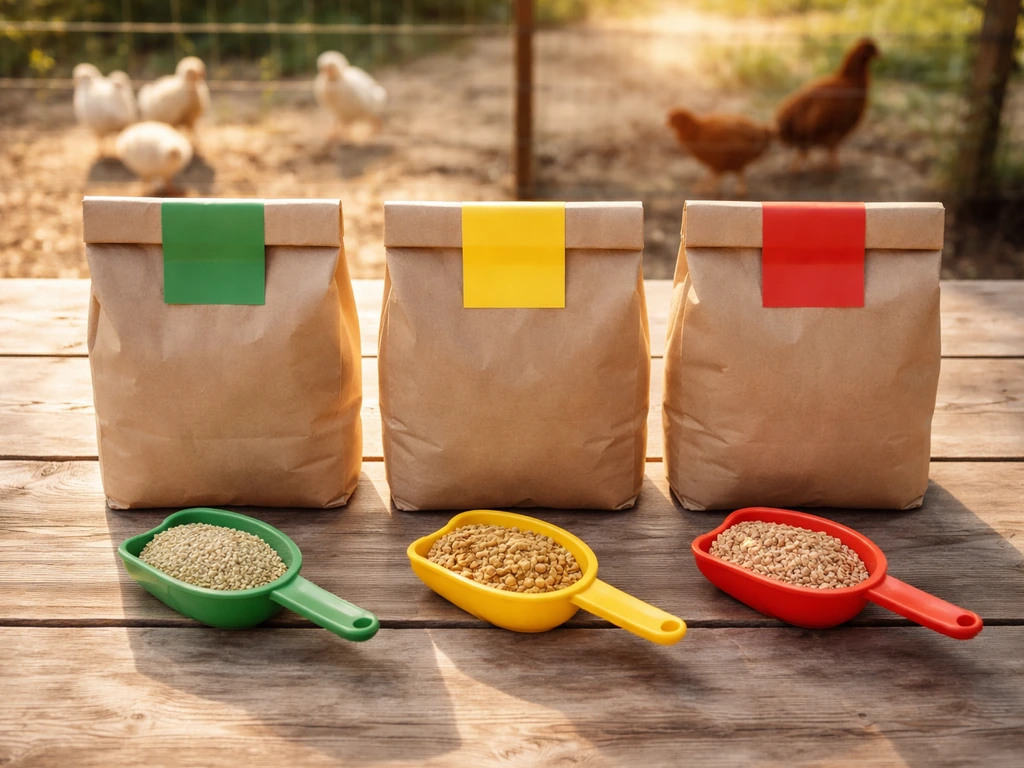
For egg-production birds, think in three clear phases. If you want to raise birds specifically for egg production, matching the right grower and layer feeds is how you keep output steady egg-production birds. The brooding phase covers 0–6 weeks, where chicks need starter nutrition with the highest protein content. The grower phase runs 6–16 weeks, focused on steady skeletal and muscle development. Then the layer phase kicks in at around 20 weeks and runs through peak production. This framework, used widely by university extension programs, gives you a reliable roadmap for every bag of feed you buy.
For meat birds (broilers), the logic is compressed. Broilers are typically processed around 8 weeks, so they stay on a high-protein starter and grower diet the entire time. Using a lower-protein chick starter or developer feed on meat birds results in noticeably slower weight gain and worse feed conversion. If you're raising dual-purpose breeds for both meat and eggs, aim for the higher-protein starter feeds early on, then transition to grower, and finally layer only once the hens are close to laying age.
Best Feed Options: Starter, Grower, and Layer
Each feed type is formulated for a specific window of a chicken's life. Using the wrong one outside that window doesn't just waste money, it can cause real health damage.
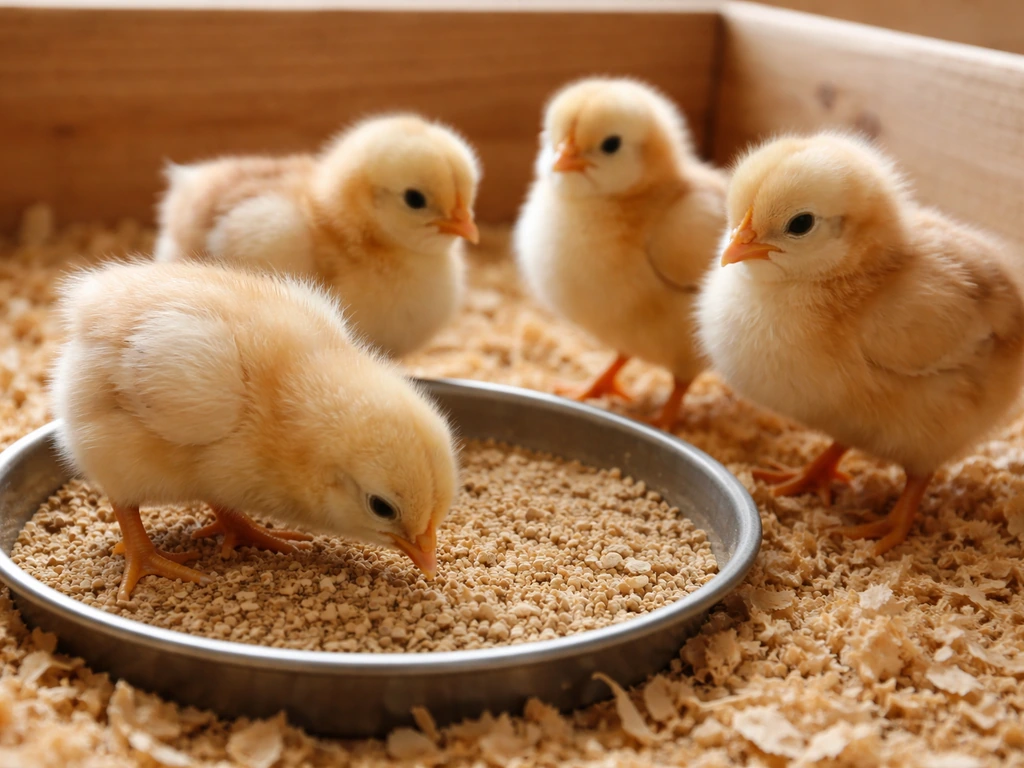
Starter Feed (0 to 6–8 Weeks)
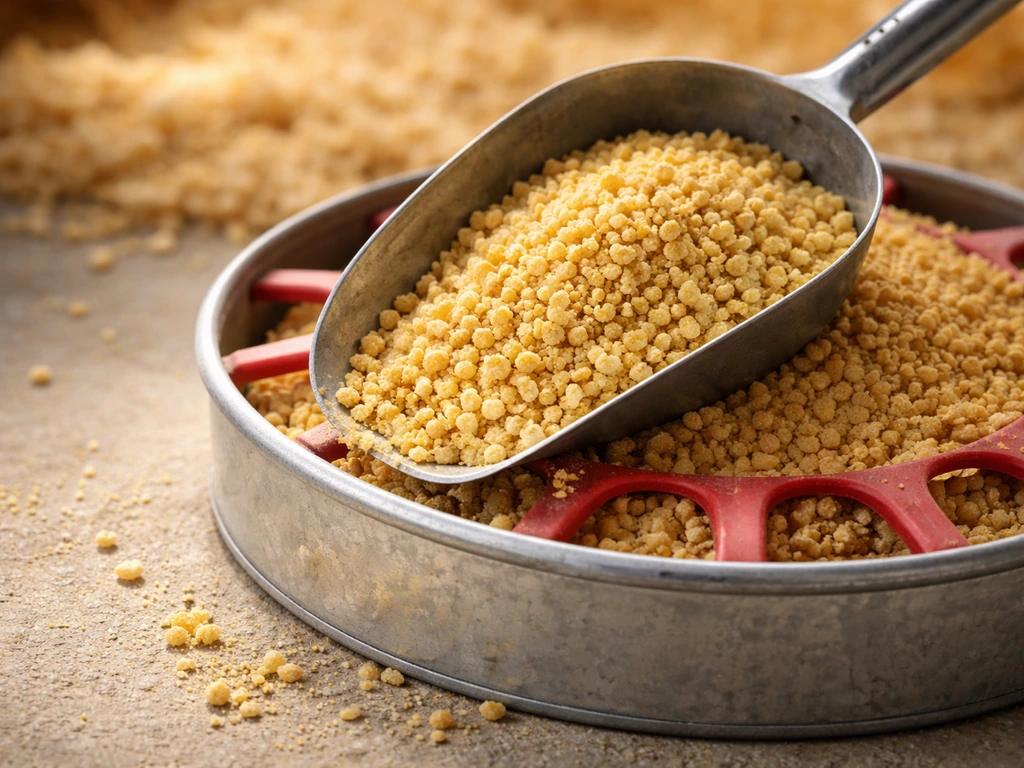
Starter feed is the foundation. It's the highest-protein stage, typically 18–20% crude protein for laying-breed chicks and closer to 22–23% for broiler chicks in the first three weeks. It contains all the amino acids, vitamins, and minerals chicks need when their gut is developing fast and their immune system is being built. Many commercial starters also include a coccidiostat, which helps prevent coccidiosis in young birds. The feed tag will list the coccidiostat by name, so check the label if you're raising vaccinated chicks, since some vaccines and coccidiostats don't mix well.
Grower or Developer Feed (6–8 Weeks to 18 Weeks)
Once chicks hit 6–8 weeks, they move to grower or developer feed at around 14–16% protein. This lower protein level isn't a downgrade. It's intentional: rapid-growth feeds at this stage can push bone and organ development faster than the bird's body can handle. Grower feed supports steady, even development through the pullet stage without over-stimulating growth. It also has less calcium than layer feed, which matters a lot.
Layer Feed (18 Weeks and Older, Actively Laying)
Layer feed is formulated for hens that are actively producing eggs. You can usually get the answer to whether you can grow egg in plant by checking how layer feed supports egg production can we grow egg in plant. It typically runs 16–18% protein and contains significantly more calcium, around 3.5–4% or higher, to support eggshell formation. Here's the critical warning: do not feed layer feed to birds under 18 weeks old. The high calcium content can damage the kidneys of young, growing birds and cause serious growth problems or death. University of Maine Extension puts it plainly: laying mash fed to growing poultry can cause growth problems, kidney damage, or death. That's not an exaggeration.
Protein, Calcium, and Key Nutrition Targets
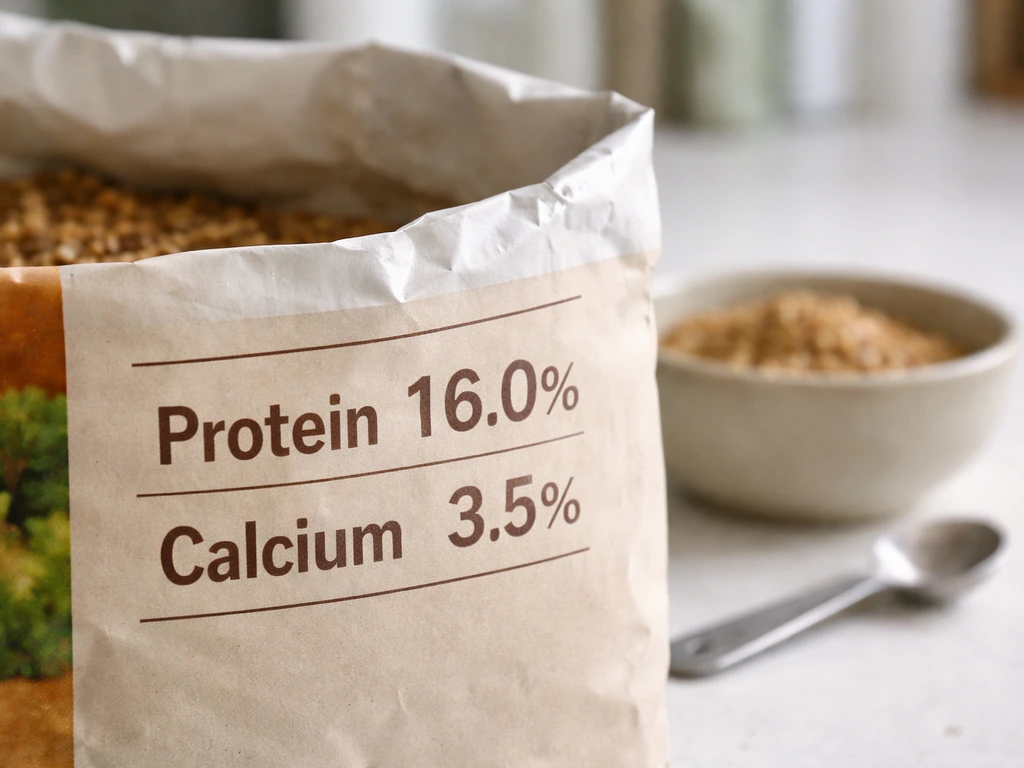
Reading a feed label isn't complicated once you know the numbers to look for. Crude protein is the headline figure, but amino acid balance matters just as much. Lysine and methionine are the two most limiting amino acids in poultry diets. They drive muscle growth and feather development, and a feed that's technically 18% protein but low in methionine will underperform compared to a well-balanced 16% feed. Premium commercial feeds are formulated to hit these amino acid targets; generic or budget feeds may not be.
| Stage | Crude Protein Target | Calcium Target | Key Notes |
|---|---|---|---|
| Broiler Starter (0–3 wks) | ~23% | ~1% | Highest protein phase; fast early growth |
| Broiler Grower (3–6 wks) | ~20% | ~0.9% | Tapering protein as frame develops |
| Broiler Finisher (6–8 wks) | ~18% | ~0.8% | Pre-processing phase |
| Layer Chick Starter (0–8 wks) | 18–20% | ~1% | Often includes coccidiostat |
| Pullet Grower (8–18 wks) | 14–16% | ~0.9% | Low calcium critical here |
| Layer (18+ wks, laying) | 16–18% | 3.5–4%+ | Separate oyster shell also recommended |
Calcium deserves special attention at the layer stage. Even a feed formulated to 4% calcium may not fully meet the needs of a high-producing hen, especially in hot weather when feed intake drops. That's why Penn State Extension recommends offering oyster shell free-choice in a separate feeder alongside the layer ration. Hens will self-regulate their calcium intake, eating more oyster shell when they need it.
Granite grit should also be available separately, sized for the age of the bird: chick-sized grit for young birds, adult grit for laying hens. University of Florida IFAS also notes that grit may include hard, insoluble types like “hard, insoluble granite,” either mixed into feed or offered as a free-choice supplement, including when birds forage in backyards [Granite grit should also be available separately](https://edis. ifas. ufl.
edu/publication/AN239).
Feed Forms: Pellets vs Crumbles vs Mash
The same formula comes in three physical forms, and the form you choose affects how much your birds eat, how much they waste, and how fast they grow.
- Mash: finely ground, loose, and unprocessed. It's the cheapest form and works well for very young chicks, but birds tend to scatter it and waste more. Wet mash can also spoil quickly in warm weather.
- Crumbles: mash that's been pelleted and then broken into small pieces. This is the preferred form for chicks and pullets. It's easier to eat than pellets, wastes less than mash, and research shows better feed conversion efficiency compared to mash.
- Pellets: compressed cylinders, usually around 3–4mm for standard feeds. Pellets have the best feed conversion ratio for broilers and adult hens because birds eat them quickly and cleanly. Penn State Extension confirms that pelleted diets improve live weight gain and feed conversion compared to mash in broilers.
For chicks under 6–8 weeks, crumbles are the best starting point. blank" rel="noopener noreferrer">University of Idaho extension specifically recommends starter feed in crumble form for the first 6–8 weeks of life. Once birds are pullets and adults, pellets are usually the most efficient choice, especially if you're tracking feed costs closely. Mash has its place in mixed flocks or when birds are recovering from illness, but for straightforward growth programs, crumbles for chicks and pellets for growers and layers is a clean, practical rule. Tractor Supply lists layer feed pellets as a category of product, consistent with layer feed being marketed for laying hens rather than chicks blank" rel="noopener noreferrer">pellets for growers and layers.
Feeding Schedules and Portioning for Steady Growth
Chickens do best with free-choice access to feed, meaning feed is available at all times during the day. Unlike some livestock, healthy chickens don't gorge. They eat in small amounts throughout the day, and restricting access consistently slows growth and disrupts laying cycles. The exception is if you're managing weight in breeding stock or dealing with an obesity issue in older hens, but for the typical home flock focused on growth and egg production, keep the feeder full.
For portioning, an average laying hen eats about a quarter to a third of a pound of feed per day, which is roughly 3 pounds per week for a 6-pound hen. As a daily working number, plan on about 0.25 lb (roughly 110–115 grams) per bird per day. Broiler chicks eat less early on and ramp up as they grow. If you're filling feeders rather than measuring individual portions, check how much is left at the end of the day. A consistently empty feeder before nightfall means birds aren't getting enough. A feeder that's full every morning with significant waste means you're overloading it and creating spoilage risk.
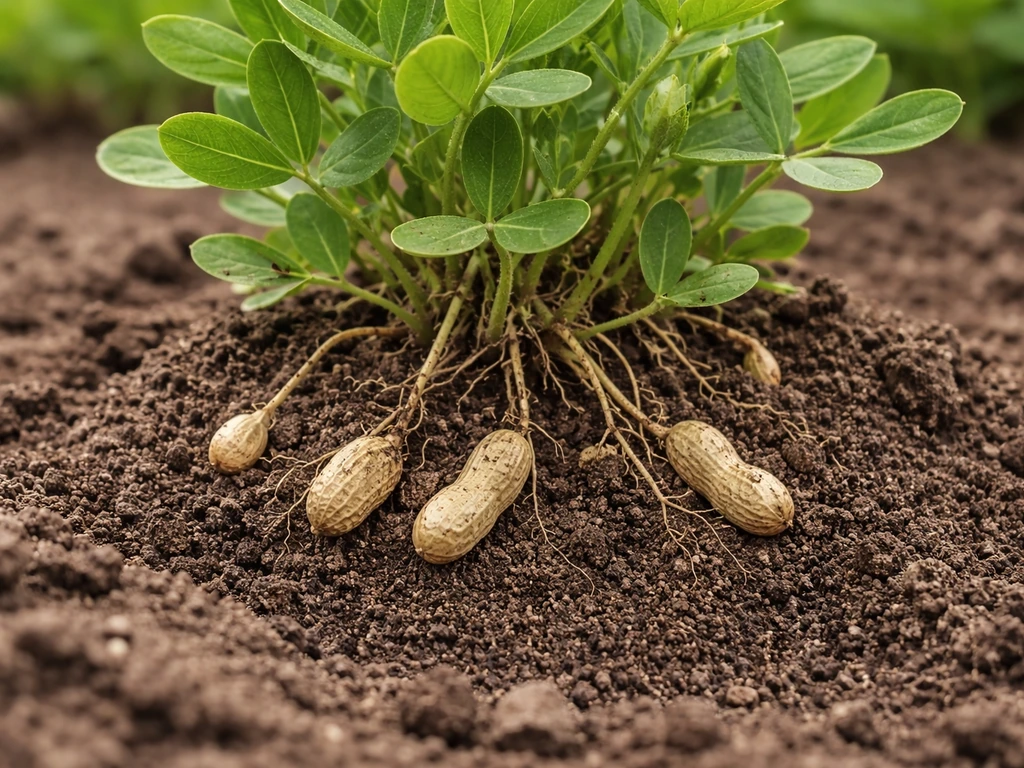
Treats and kitchen scraps are fine in moderation but need a firm limit. A good rule is to feed only what the birds can clean up in about 20 minutes, or cap treats at roughly 10–15% of total daily food intake. Going beyond that dilutes the nutrient balance of a carefully formulated ration. If you're growing vegetables at home and have garden surplus to share with the flock, that's a great use of scraps, but keep the base ration as the primary food source. Peanut is grow food can also be used as a high-protein ingredient when you plan your flock's diet carefully.
Common Mistakes That Cause Slow Growth or Poor Health
Most problems in backyard flocks trace back to a handful of repeatable mistakes. Knowing what to watch for saves you weeks of troubleshooting.
- Feeding layer feed to young birds. This is probably the single most damaging mistake. Layer feed's high calcium is toxic to developing kidneys in chicks and pullets. Don't start layer feed until birds are at or near 18 weeks old and showing signs of approaching laying age.
- Using adult feeds on chicks to 'save money.' Starter feed costs more per pound than grower or layer, but it exists for a reason. Skipping it or cutting it short will show up as uneven growth, poor feathering, and higher mortality.
- Overfeeding treats and scratch grains. Scratch is basically candy for chickens. It dilutes protein and nutrient intake, leads to fat hens, and often causes a measurable drop in egg production. Keep it to 10–15% of daily intake, maximum.
- Not providing grit. Chickens that eat anything other than a complete pelleted ration need grit to grind food in their gizzard. Without it, they can't digest what they eat. Match grit size to bird age: chick grit for young birds, adult grit for laying hens.
- Stale or improperly stored feed. Fats in feed oxidize over time, and vitamins degrade. Buy in quantities you'll use within 4–6 weeks, store in a sealed, rodent-proof container in a cool dry place, and never feed moldy feed.
- Inadequate water access. Water is directly tied to feed intake and growth rate. If feeders are stocked but waterers run dry or get contaminated, birds stop eating and growth stalls fast.
- Trying to mix your own feed without a premix. Formulating your own complete ration is possible but much harder than it looks. The Merck Veterinary Manual notes that home-mixed feeds require a vitamin and mineral premix at roughly 1.5–5 kg per tonne of feed. Without that, you'll almost certainly end up with nutrient gaps that appear as poor growth, weak shells, or feather problems.
Cost-Benefit: Buying, Mixing, and When to Supplement
For most home chicken keepers, buying a quality commercial complete feed is the most cost-effective approach. Here's the reality: a laying hen eating 0.25 lb of feed per day goes through roughly 90 lbs of feed every year. At average 2026 prices of around $20–25 per 50 lb bag, that's about $36–45 per bird per year in feed costs. That number makes sense against the value of home-grown eggs and the benefit of knowing exactly what your birds ate.
Mixing your own feed from raw grains, protein meals, and supplements sounds appealing from a self-sufficiency angle, and on a large enough scale it can reduce cost. But at the backyard level, the math rarely works out. You need soy or another high-protein meal, a grain base, calcium sources, and a vitamin-mineral premix. Buying small quantities of each ingredient often costs more per pound than a bagged complete feed, and if you get the formulation wrong, you'll spend more correcting health problems than you ever saved on feed. I'd recommend mixing your own only if you have consistent access to bulk grain at farm prices and you're willing to invest in getting a proper premix.
Where supplementing does make clear sense is in targeted additions alongside a complete ration: oyster shell free-choice for laying hens (especially in high-production flocks or hot weather), appropriate grit for birds with access to pasture or kitchen scraps, and fermented feed as an optional way to improve digestibility and stretch your feed budget. Fermented feed isn't magic, but some keepers find it reduces daily consumption by 10–20% with no drop in production. If you're already growing food at home and thinking about chickens as part of a self-sufficient setup, they're one of the highest-return additions you can make, especially when you can funnel garden scraps into the flock and close that nutrient loop. If you are wondering whether eggplant can grow as food, the same self-sufficiency mindset can guide what you plant and what you feed your flock self-sufficient setup.
One thing worth noting: chickens are themselves a way of producing food (eggs, meat) from other foods, which connects them to a wider question a lot of home growers think about. Whether chickens count as a 'grow food' in the same way vegetables or grains do depends on how you frame self-sufficiency. Whether that qualifies as “grow food” depends on how you define self-sufficiency, but chickens can turn garden surplus and kitchen waste into high-quality meat and eggs.
Tofu is a legume-based food and not something chickens use directly as feed the way balanced commercial starter, grower, and layer rations do grow food. If you're also wondering whether you can grow food beyond feed, chickens can be part of that bigger self-sufficiency plan peanut is grow food.
But practically speaking, a flock fed on well-chosen commercial starter, grower, and layer rations, supplemented with home-grown scraps and forage, is one of the most efficient ways to convert garden surplus and kitchen waste into high-quality protein. If you are wondering whether fast-food brands like KFC grow their chicken the same way backyard flocks do, it helps to understand the basics of broiler feeding and timing does kfc grow their chicken.
A Simple Feed Plan You Can Start Today
If you're starting from scratch or troubleshooting an existing flock, here's the no-fuss version of everything above. Buy a quality commercial starter crumble with 18–20% protein for the first 8 weeks. Transition to a grower or developer feed (14–16% protein) from week 8 to week 18. Switch to a layer ration (16–18% protein) when hens approach laying age, and put a small dish of oyster shell in the coop from that point on. Keep grit available at all times if birds have access to anything other than the complete ration. Cap treats at 10–15% of daily intake, keep water clean and constant, and store feed properly. That plan, followed consistently, will grow a healthy flock on a budget without guesswork.
FAQ
Can I feed one “all-in-one” feed to grow chickens without switching formulas?
You can, but it usually costs either growth rate or egg quality. If you use only a grower feed, birds heading into laying often struggle because they need a calcium bump. If you use only layer feed, giving the calcium early can cause kidney stress and stunted development. If you want fewer switches, consider using starter for the first weeks, then move to grower until nearing lay, and only then switch to layer.
My pullets are almost 18 weeks old, but not laying yet. Should I start layer feed anyway?
Start layer when you see early laying signs (redder comb, pelvic changes) rather than strictly by the calendar alone. If they are still clearly immature, you can delay the switch a bit to avoid excessive calcium. Offer oyster shell free-choice once you start any hens approaching lay, since hens can regulate calcium needs.
What happens if I accidentally feed starter too long, or switch to grower too early?
Feeding starter beyond the recommended window is not usually dangerous, but it can push extra protein and may contribute to overly rapid growth and less efficient development into pullets. Switching to grower too early can slow early skeletal and muscle development, which may show up later as uneven maturity or delayed onset of laying.
How do I tell if a feed has the right calcium without relying only on the “layer” label?
Check the guaranteed analysis for calcium percentage. Layer rations are typically much higher than grower feeds, and the exact number matters because high-producing hens may still need extra calcium, especially in heat. If your layer feed calcium is modest, oyster shell free-choice is the practical safeguard.
My hens are not producing well on layer feed. Should I add calcium tablets or just change the ration?
First confirm they are actually getting enough calcium by providing oyster shell free-choice in a separate dish and making sure it stays available, then check if they are overcrowded or stressed (both reduce production). If shell intake is good but production is still low, the next step is reviewing protein quality and overall formulation, since a feed can be called “layer” but not hit the amino acid targets hens need.
Do methionine and lysine matter if the crude protein number looks right?
Yes. A feed can show the “right” crude protein but still underperform if limiting amino acids are low, especially methionine. That often shows up as slower feathering or poorer weight gain in growers and weaker performance in layers even when birds seem to be eating normally.
Is crumble always better than pellets for chicks?
Crumble is usually easier for young chicks to start eating, particularly before they are fully confident around feeders. After the brooding stage, pellets are typically more efficient with less waste. If chicks have trouble with pellets, keep them on crumbles longer or use smaller pellet sizes rather than switching too early.
Should I offer grit if I’m using complete commercial feed with no kitchen scraps?
If birds only get a complete ration and no whole grains, you may not need grit, but grit can still be helpful if they forage or peck at coarse bedding or are given garden produce with dirt. If they have any access to scratch, pasture, or edible plants, provide grit sized for age so digestion works more consistently.
Do I need coccidiostat if I have vaccinated chicks?
Often you do not, but it depends on the specific program. Because some coccidiostats do not pair well with certain vaccination schedules, the best move is to follow the chick source’s guidance and read the feed label for the coccidiostat name. When in doubt, ask the hatchery or your vet before changing feed.
How much should I feed per day if I cannot weigh feed accurately?
Use a feeder-check method. Aim for birds to finish what they can access by day’s end without leaving a large, soggy leftover that suggests spoilage risk. If the feeder is empty early every day, increase capacity or check for bullying, and if it is constantly full with waste, reduce how much you drop at once or improve feeder design.
Are treats okay for growth, and how do I avoid messing up the ration?
Treats are fine if they stay a small fraction of total intake, because too many treats dilute the balanced nutrients in the complete feed. Cap treats around 10 to 15% of daily intake, and stop treating if you notice slower growth, loose droppings, or feed disappearing because birds select treats instead of the ration.
Can I switch feeds abruptly, or should I ramp gradually?
For most healthy birds, a switch over a few days helps prevent digestive upset. If you change suddenly, some flocks show looser droppings or reduced appetite for a day or two. Mix the new feed with the old feed gradually (for example, increasing the new feed each day) if you have a history of sensitive digestion.
What feed storage mistakes most often reduce growth and health?
Moisture and heat are the big killers, they lead to spoilage, mold risk, and nutrient loss. Keep feed in sealed containers, store off the floor, and avoid buying bags you cannot use in a reasonable time. If feed smells “stale” or looks clumpy, discard it rather than trying to salvage it.
Is fermented feed worth it, or is it just more work?
It can help some keepers because fermenting can improve digestibility for certain flocks, and some report lower consumption without production drops. If you try it, do it consistently and keep strict hygiene, since improperly handled fermentation can cause spoilage and digestive problems.
When would mixing your own feed actually make sense?
It makes sense only if you can source bulk ingredients at low cost and you can correctly dose a full vitamin-mineral premix, plus calcium for layers. At backyard scale, buying small quantities often costs more per pound than complete feed, and formulation errors tend to show up as performance problems that are more expensive to correct.
Next Article
Peanut Is Grow Food: How to Plant and Grow Peanuts
Yes, peanuts are an edible crop you can grow at home. Learn planting steps, care, pests, and harvest curing.