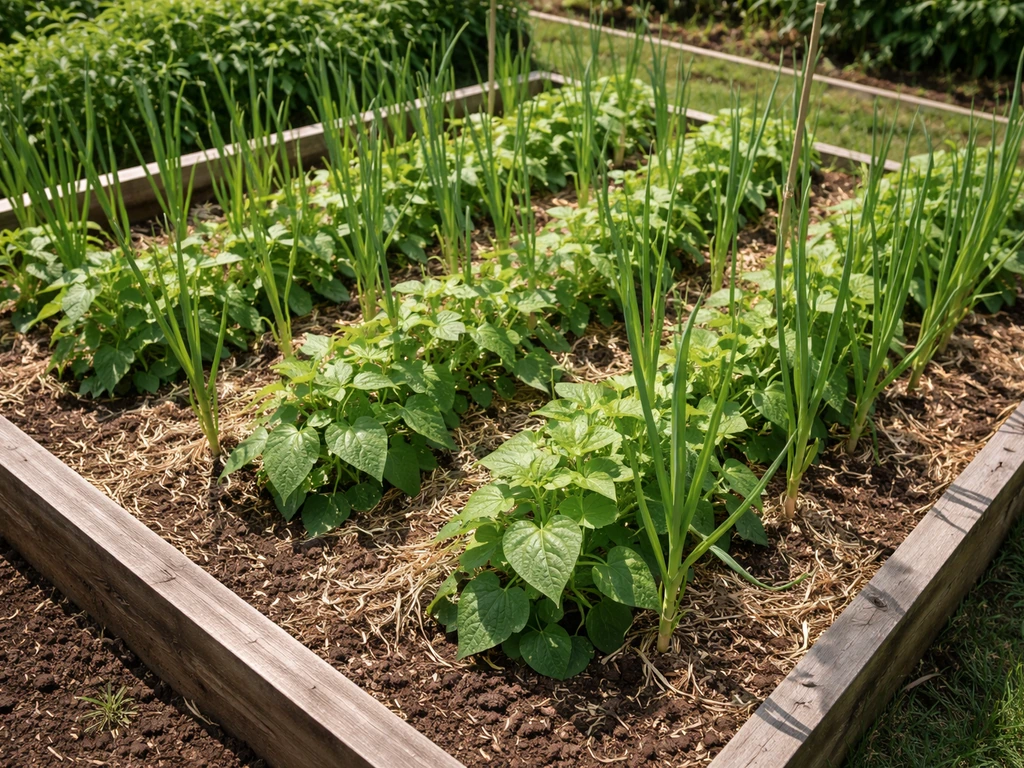
Yes, beets and lettuce grow well together in the home garden. Both are cool-season crops that share nearly identical soil pH preferences (6.0 to 6.8), like fertile and well-drained beds, and can tolerate partial shade. The real magic of this pairing is timing: lettuce matures faster and gets harvested before beet roots need the full run of the bed. Plant them right, space them correctly, and you get two crops from the same patch of ground with very little conflict. If you are also wondering about other companion pairings, you can use the same basic logic to evaluate whether do beans and broccoli grow well together in your garden conditions.
Do Beets and Lettuce Grow Well Together? Companion Guide

Marcus Hendrick
9 Jun 2026
Why this pairing actually works
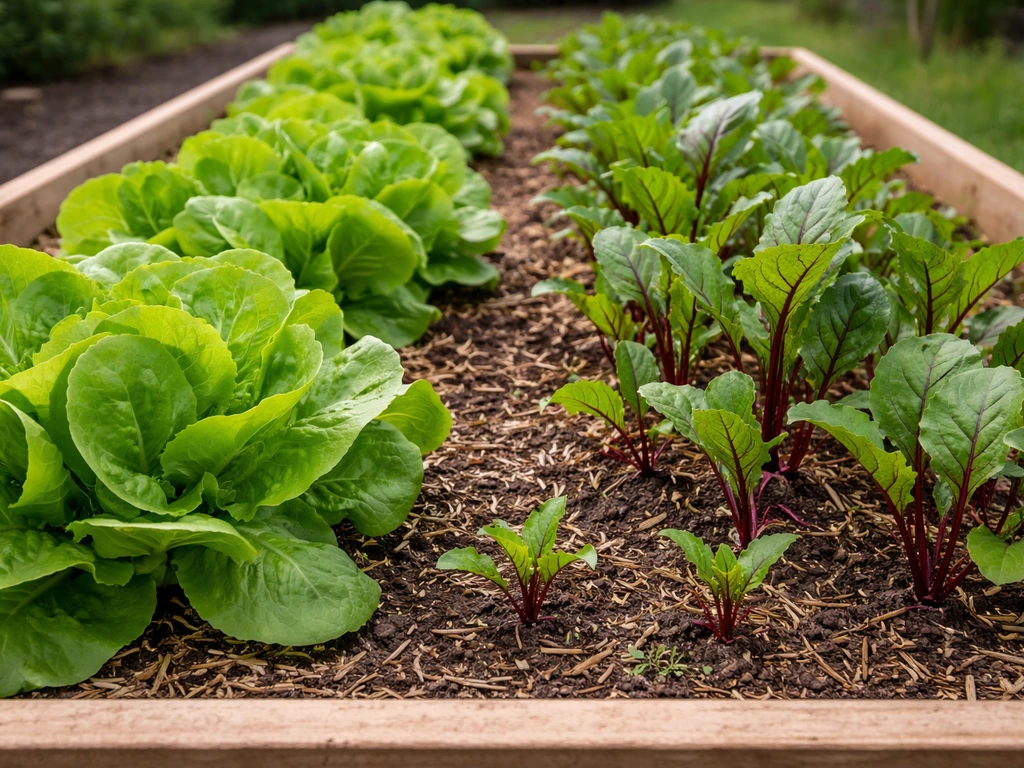
The compatibility here is practical, not mystical. You won't hear me claim that lettuce sends out some chemical signal that turbocharges beet growth. What actually happens is simpler and more useful: both crops want the same cool-season window, the same soil conditions, and roughly the same moisture. Lettuce is typically grown in cool-season mixed plantings with other cool-season crops like beets because compatibility is usually practical since both crops share the same cool-season conditions [cool-season mixed plantings with beets](https://extension.
wvu. edu/lawn-gardening-pests/gardening/garden-management/companion-planting). Lettuce roots are shallow and fast; beet roots are slower and go deeper. That difference in root depth and growth rate is the whole reason they can share a bed without constantly fighting each other for resources.
Lettuce fills the space early, gets harvested while beets are still sizing up, and the beets finish the season with room to breathe.
This is the same principle behind interplanting cool-season crops between slower-growing vegetables, a technique that experienced home gardeners use to squeeze maximum production out of limited bed space. Beets and lettuce are one of the easiest versions of that approach to execute.
Spacing and layout that actually fits both crops
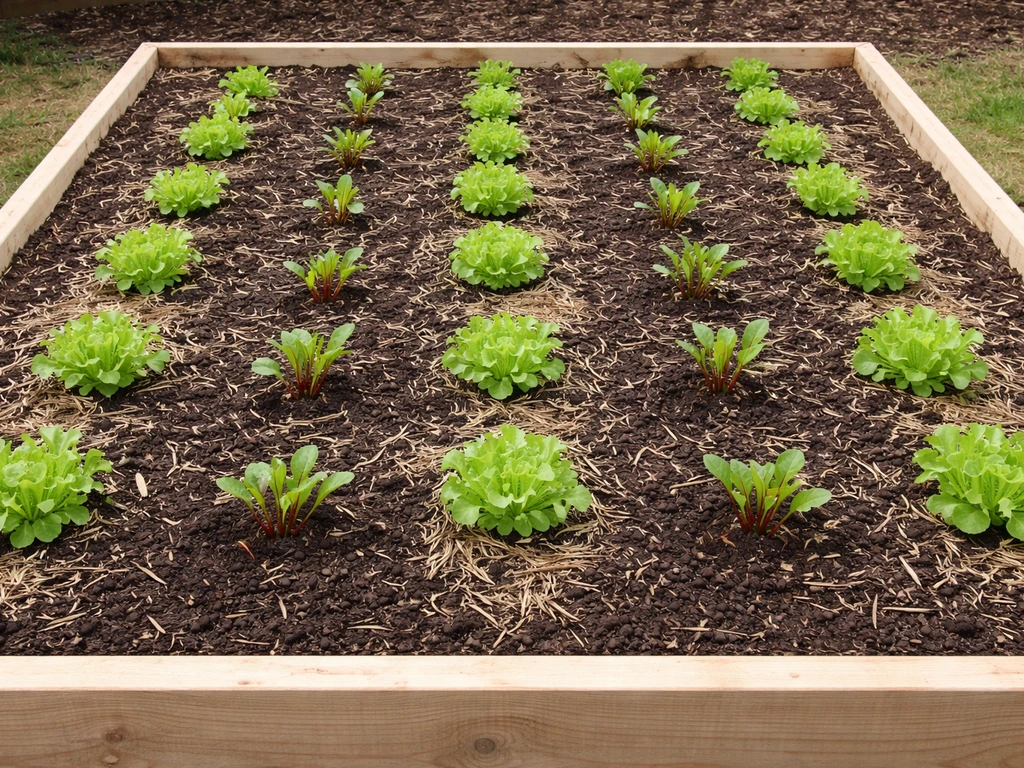
Getting the spacing right is where most people either make this work beautifully or turn it into a mess. Here is what I recommend for a standard raised bed or wide row.
Beet spacing
Sow beet seeds about 2 inches apart in all directions if you are working a wide bed, then thin to 3 to 4 inches between plants once they are up. Row spacing runs 12 to 18 inches apart. Beet seeds are actually seed clusters, meaning multiple sprouts will emerge from each one. Thin them early so you are not leaving competing plants to crowd each other out. Cover seeds with about half an inch of fine soil, or up to an inch if your soil is sandy and dries out fast.
Lettuce spacing and placement
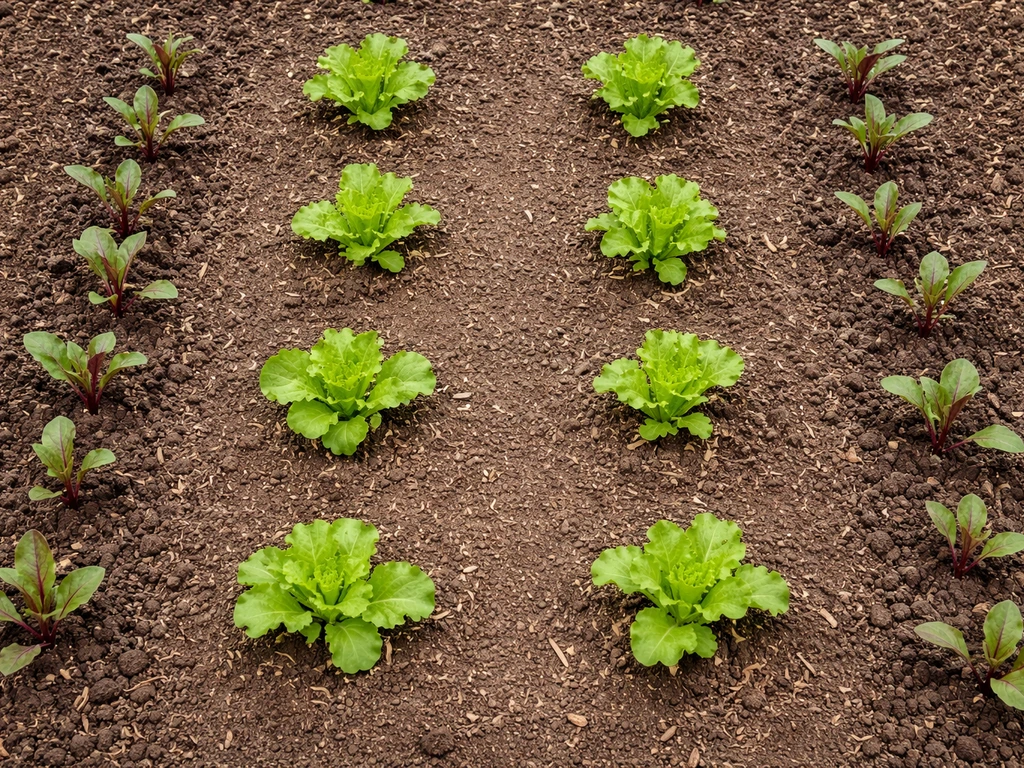
For most head and loose-leaf varieties, aim for 6 to 8 inches between plants within a row and 10 to 12 inches between rows. The practical layout that works best for this pairing: plant a row of lettuce between every two rows of beets. In a 4-foot-wide raised bed, you might run two beet rows along the edges at 12 inches from the bed edge, then tuck a row of lettuce down the center. The lettuce occupies the middle of the bed through early and mid-spring, gets harvested before heat sets in, and the beets spread into that center space as the season progresses.
The key rule: do not go tighter than 6 inches between lettuce plants when interplanting with beets. If you crowd the lettuce, airflow drops, moisture lingers on leaves, and disease risk goes up. Give both crops room to breathe even if it means fewer plants per row.
Soil, light, and watering: finding the shared sweet spot
Soil prep
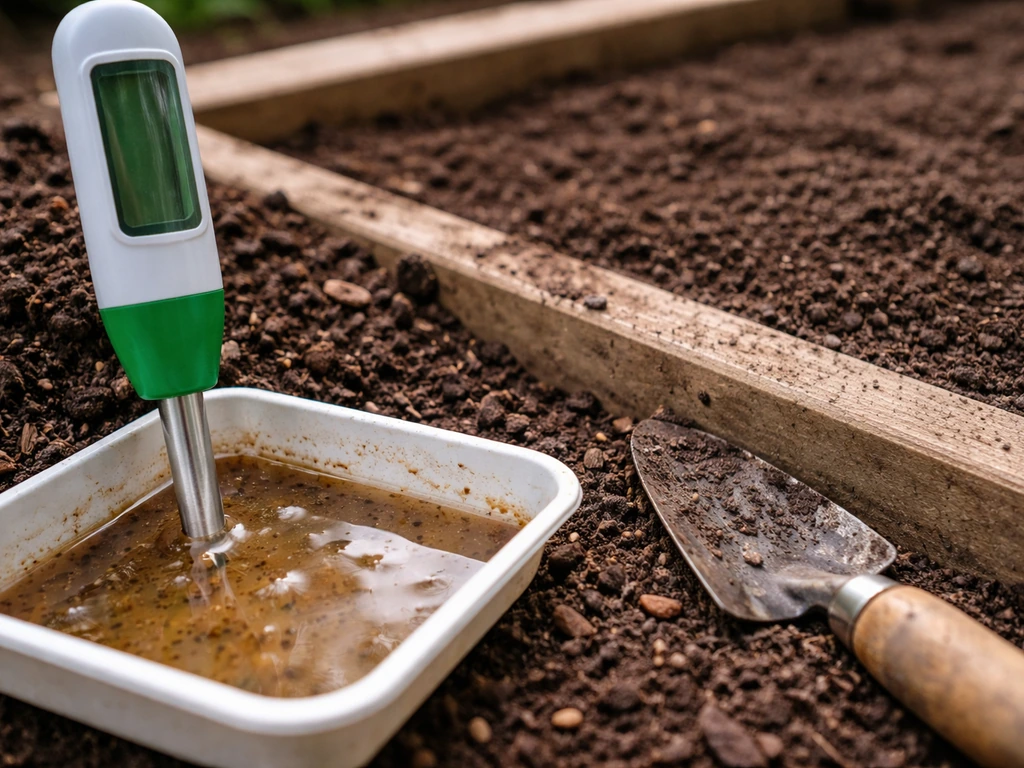
Both crops want a soil pH between 6.0 and 6.8, with 6.5 being a reliable target that sits comfortably inside both ranges. If your soil tests below 6.0 for lettuce or below 6.2 for beets, add lime before planting. Beyond pH, both crops need fertile, well-drained soil with good tilth. For beets especially, loose deep soil matters because compacted ground stunts root development and produces misshapen, forked roots. Work the bed to at least 10 to 12 inches deep, break up clods, remove stones, and mix in compost before you sow anything.
Light requirements
This is actually one of the more forgiving aspects of the pairing. Beets grow well with as few as 4 to 6 hours of direct sunlight per day and tolerate partial shade. Carrots are another cool-season crop, and they grow best with deep, loose soil plus steady moisture and light that is not too harsh carrots grow best with.
Lettuce prefers a sunny spot but also does fine with some afternoon shade, which actually helps prevent bolting once temperatures start climbing. A bed that gets full morning sun and some afternoon shade in late spring is genuinely ideal for both crops grown together. If you only have a full-sun bed, that works too, but watch your lettuce more closely as spring heats up.
Watering
Both crops need consistent moisture, and this is actually an argument in favor of growing them together rather than separately. Lettuce needs 1 to 2 inches of water per week and is sensitive to fluctuations and drought. Beets need uniform, moist soil to germinate properly and develop well-shaped roots. That shared need for steady moisture means you can manage both crops with the same irrigation schedule.
Drip irrigation is worth the small investment here because it delivers water directly to the root zone without wetting foliage, which cuts down on fungal disease risk significantly. If you are hand-watering, water at the base of plants early in the morning. Lay mulch (straw, shredded leaves, or grass clippings) around both crops to hold soil moisture and reduce how often you need to water.
Planting schedule for successive harvests
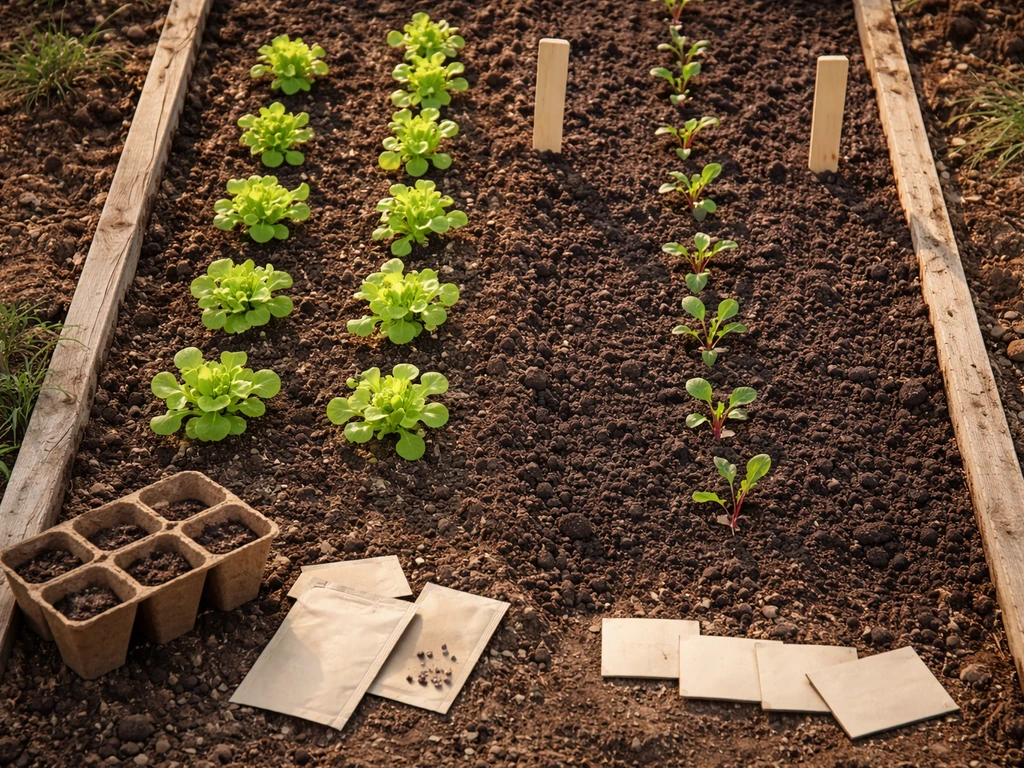
This is where the pairing pays off the most, and where a little planning saves a lot of wasted bed space. The goal is to stagger your lettuce sowings so you are always harvesting lettuce from a portion of the bed while beets are still growing, rather than harvesting everything at once and leaving bare ground.
Beets take 60 to 80 days from direct seeding to harvest, depending on variety. Lettuce typically matures in 45 to 60 days, making it the faster crop by 2 to 4 weeks in most spring conditions. Use that gap. Here is a practical spring schedule for most temperate climates (adjust 2 to 4 weeks earlier or later depending on your zone):
- 4 to 6 weeks before your last expected frost: Direct sow beets and first lettuce succession together. Beets go in rows 12 to 18 inches apart; lettuce fills the row between them.
- 2 to 3 weeks after first sowing (or when first lettuce seedlings are 1 to 2 inches tall): Sow a second lettuce succession in a separate bed section or container. This gives you a rolling harvest rather than a glut.
- Around day 45 to 50 from first sowing: Begin harvesting outer lettuce leaves or full heads from your first succession. The beets are roughly halfway through their growth at this point.
- By day 55 to 60: Clear all remaining first-succession lettuce. Beet roots are now sizing up and need unobstructed space in the row.
- Fall window: Sow beets up to 6 weeks before your first killing frost. Pair with a heat-tolerant or slow-bolt lettuce variety (like romaine or oak leaf) for a second combined planting. As fall temperatures drop back below 70°F, lettuce quality improves noticeably.
For successive lettuce plantings, a simple approach borrowed from market gardeners works well at home: sow new lettuce every 7 to 12 days during cool weather, then stretch that interval to every 12 to 14 days as temperatures rise. Once daytime highs consistently hit the mid-70s°F, shift to bolt-resistant varieties or focus on harvesting what you have before it turns bitter. Lettuce bolts fast under heat and long days, so the schedule is less forgiving than it looks on paper. The beets, on the other hand, handle that warmth just fine and keep developing through summer into early fall.
What you actually gain from this pairing (and what you don't)
Real benefits
- Space efficiency: Lettuce fills the empty ground between beet rows early in the season when that space would otherwise just grow weeds.
- Shade buffering: Established lettuce provides light ground-level shade that helps keep beet seedlings from drying out during germination.
- Simplified bed management: Because both crops share soil, light, and water needs, you are managing one bed with one schedule rather than two.
- Extended harvest window: Staggered lettuce sowings alongside one beet planting means you are pulling something edible from the bed for 8 to 10 weeks rather than just once at the end.
Honest limitations
- Lettuce needs more consistent moisture than beets strictly require in some seasons. If you let the bed dry out for even a few days during hot spells, lettuce suffers first and beets follow.
- If spacing is too tight, lettuce root competition can slow early beet development. Stay at 6 inches minimum between lettuce plants and do not skip thinning beets.
- The succession timing has to be deliberate. If you forget to harvest lettuce before it starts bolting or crowding beet rows, you will either lose lettuce quality or slow beet sizing.
- This pairing does not offer any proven pest-repelling effect between the two crops. The benefits are spatial and temporal, not biochemical.
Compare this to other cool-season companion pairs like beets with turnips, where you are dealing with two root crops competing for the same deep soil zone at the same time. Do beets and turnips grow well together too? They can, but the timing and root competition are more likely to clash than with lettuce beets with turnips. Beets and lettuce sidestep that conflict entirely because their root zones and maturity timelines barely overlap.
Pests and diseases to watch in a beet-lettuce bed
Growing these two crops together does not dramatically increase your pest pressure, but a few problems are common enough to plan for from the start. A beet-focused companion-planting guide likewise lists lettuce as a good match for beets and highlights shared benefits such as pest confusion and better space use beets pair well with lettuce.
Flea beetles
These tiny jumping beetles chew small round holes in beet and lettuce leaves, especially on young seedlings. Damage looks like the leaves were hit with a tiny hole punch. Flea beetle pressure is usually worst in early spring when the soil is warm but plants are still small. The good news is that established plants often outgrow moderate flea beetle damage without much intervention. Monitor seedlings closely in the first few weeks after germination. Row cover is the most effective low-cost prevention: float it directly over your bed from seeding until plants are a few inches tall. Remove it once plants are established or when temperatures rise.
Downy mildew
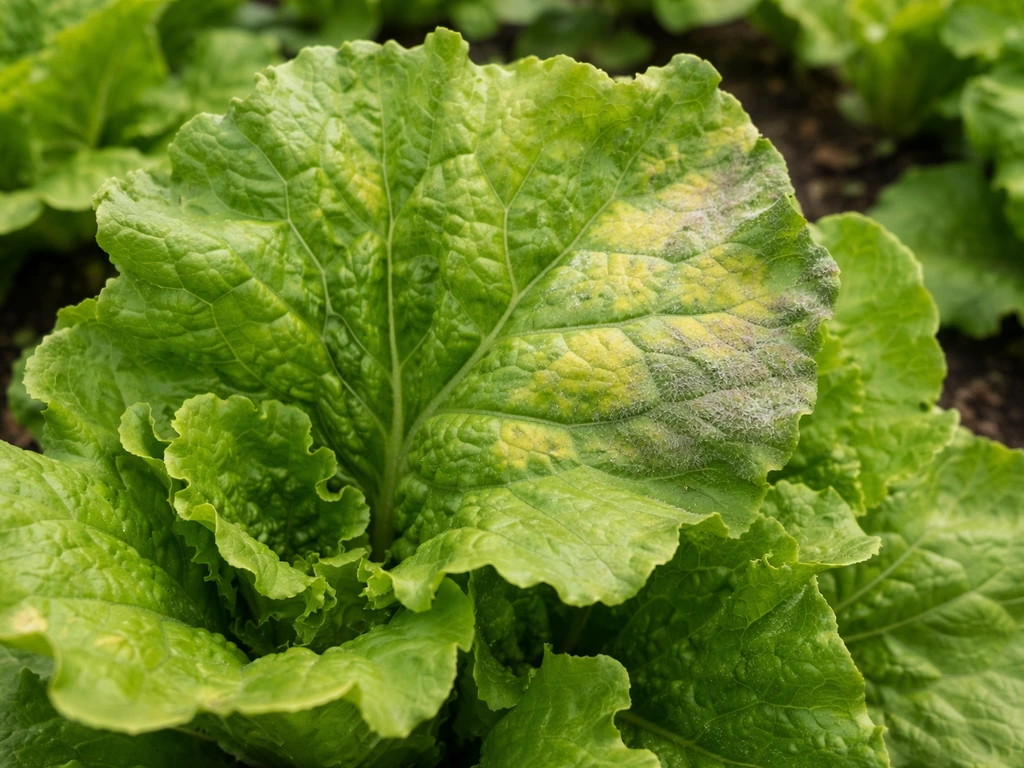
Downy mildew is probably the most common disease threat in a dense beet-and-lettuce bed. It shows up as yellow patches on the upper leaf surface of lettuce, with a grayish or purplish fuzzy growth on the underside of the same leaf. It thrives in cool, wet, humid conditions, exactly the environment your spring bed creates. Crowded plants make it worse by reducing airflow. Prevention is the most effective strategy because once downy mildew is established, it is very difficult to eliminate. Practical prevention steps: do not water from overhead in the evening, space plants adequately, remove and discard infected leaves immediately, and avoid working in the bed when foliage is wet.
Powdery mildew
Powdery mildew appears as a white, powdery coating on leaf surfaces and tends to show up in late spring or early fall when nights are cool and days are warm. It is a separate organism from downy mildew and behaves differently: it does not need standing water and can spread in drier conditions. Again, prevention beats treatment. Good airflow between plants and avoiding water-stressed conditions are your best defenses. If you do see powdery mildew on lettuce late in its life, you can often harvest the outer leaves and still use the plant, then remove it before the next crop goes in.
Leaf miners and aphids
Beet leaf miners leave pale, winding tunnels inside beet leaves. The damage is ugly but rarely kills plants; remove and destroy affected leaves. Aphids cluster on the undersides of lettuce leaves and under beet foliage, especially in cool wet springs. Blast them off with water or use insecticidal soap if populations get heavy. Row cover prevents both if you put it on early enough. In mixed beds like this one, keeping an eye on the lettuce often tips you off to aphid pressure before it becomes a real problem on the beets.
Putting it all together: a simple action plan
If you are reading this today and want to plant this combination this season, here is the short version of what to do. Prepare a bed with loose, fertile soil at pH 6. 0 to 6. 8, ideally closer to 6.
5. Direct sow beets in rows 12 to 18 inches apart, and plant a lettuce row in the gap between each beet row. Thin beets to 3 to 4 inches and lettuce to 6 to 8 inches. Water consistently at 1 to 2 inches per week, mulch the bed, and use drip irrigation if you have it.
Plan to harvest your first lettuce planting completely by day 55 to 60, right as beets are sizing up. Sow a second lettuce succession in a separate spot 2 to 3 weeks after your first sowing, so you have overlapping harvests rather than a gap. Watch for flea beetles on young plants, give the bed good airflow, and remove any diseased leaves promptly. That is genuinely all it takes to make this pairing work.
Garlic can also be grown alongside beans, and when their needs match, the bed works more smoothly overall do beans and garlic grow well together.
| Feature | Beets | Lettuce |
|---|---|---|
| Soil pH target | 6.0–6.8 (ideal 6.5) | 6.0–6.8 (ideal 6.5) |
| Days to maturity | 60–80 days | 45–60 days |
| In-row spacing | 3–4 inches (after thinning) | 6–8 inches |
| Row spacing | 12–18 inches | 10–12 inches |
| Light needs | 4–6 hours minimum | Full sun preferred, tolerates partial shade |
| Water needs | Consistent, uniform moisture | 1–2 inches per week, sensitive to fluctuations |
| Root depth | Moderate to deep | Shallow |
| Main pest threats | Flea beetles, leaf miners | Flea beetles, aphids, downy mildew |
FAQ
What varieties of lettuce and beets work best for this pairing?
Choose lettuce that matures quickly (leaf or butterhead types) and beets that are not extremely long-season (mid-length red or golden varieties). If you grow very slow beet varieties, they may overrun the lettuce timing before the first harvest window closes.
Can I start lettuce as transplants instead of direct sowing?
Yes, but keep the timing tight. Plant transplants when beet seedlings are still small, and transplant only if roots are not crowded in the tray. If you transplant lettuce too late, it will compete with beet root expansion and increase disease risk from denser foliage.
How do I avoid thinning stress on beets when lettuce is already growing?
Thin beets early, before they form dense leaf clusters. Remove beet seedlings with a gentle pull or cut at soil level, then water lightly after thinning. Don’t wait until beet foliage is large, because the disturbance can also shock nearby lettuce.
Should I fertilize both crops the same way in a mixed bed?
Use a similar fertilizer approach, but watch nitrogen. Lettuce responds well to moderate fertility, while excess nitrogen can make leafy growth on beets at the expense of well-shaped roots. If your soil is rich with compost, start with lighter side-dressings and avoid heavy nitrogen midway through the beet bulking stage.
What if my lettuce bolts before the beets are ready, can I still keep the bed productive?
Yes. Pull the bolted lettuce and replant a short-season succession in the same spots. To reduce recurrence, use heat-tolerant or bolt-resistant lettuce varieties and shift sowing intervals so you are harvesting before sustained warm days.
Can I grow this pairing in containers instead of a raised bed?
You can, but container depth matters more for beets. Use a deep pot or tub (aim for at least about 10 to 12 inches of usable depth), keep soil consistently moist, and maintain airflow by not crowding lettuce. Drip irrigation or a soaker hose is especially helpful in containers to prevent drying swings.
How much shade is too much for this combination?
Partial shade works, but deep shade slows both crops. If the bed receives less than a few hours of direct sun, beets may stay small and lettuce may stretch and get weaker. A common fix is to position the lettuce where it gets the most light within the bed, since it harvests earlier.
Do I need to remove lettuce leaves for airflow, or can I just harvest whole plants?
For leaf types, you can harvest outer leaves gradually, which naturally spaces out the canopy. For head lettuce, harvest the whole plant as it reaches maturity. In either case, don’t leave dense, old leaves that trap humidity, remove them promptly if disease appears.
How should I manage irrigation if I use drip, especially since lettuce has shallow roots?
Keep the schedule consistent so the top layer does not dry out between watering. Use drip lines positioned to wet the root zone evenly across both crops, and check moisture a couple inches down. Lettuce often shows stress sooner, so adjust based on soil moisture readings rather than calendar watering.
What are the best ways to prevent downy mildew beyond spacing and avoiding overhead water?
Increase airflow by avoiding late-day work in the bed, and consider early morning irrigation so foliage dries quickly. If mildew keeps recurring, remove additional older outer leaves from lettuce and rotate crops next season, since the same area can build disease pressure.
Will beet leaf miners or aphids spread from lettuce to beets, or vice versa?
They can shift hosts in the same bed, especially aphids that move between tender growth. Early row cover for the whole mixed bed can prevent both if installed right after sowing. If you see leaf miner tunnels on beet leaves, remove and destroy those leaves immediately to reduce the next generation.
How close together can I plant before the risks outweigh the benefits?
Stick with the recommended spacing as your safety margin, do not crowd lettuce to gain extra harvests. Once leaf cover becomes thick, humidity rises and mildew risk increases. If you want to tighten layout, do it by adding a bit more distance between beet rows rather than reducing lettuce spacing.
When is the best time to remove beets or leave them in place for late-season harvest?
Harvest according to variety size targets, not just season timing. If you plan to keep beets longer into warmer weather, choose varieties that tolerate heat better, because lettuce will likely finish earlier and leaving too much beet foliage can create a humid microclimate for lingering lettuce remnants.
Next Article
Do Beans and Garlic Grow Well Together? Companion Tips
Learn if beans and garlic grow well together, plus spacing, timing, bed layout, and fixes for stunting or weak bulbs.