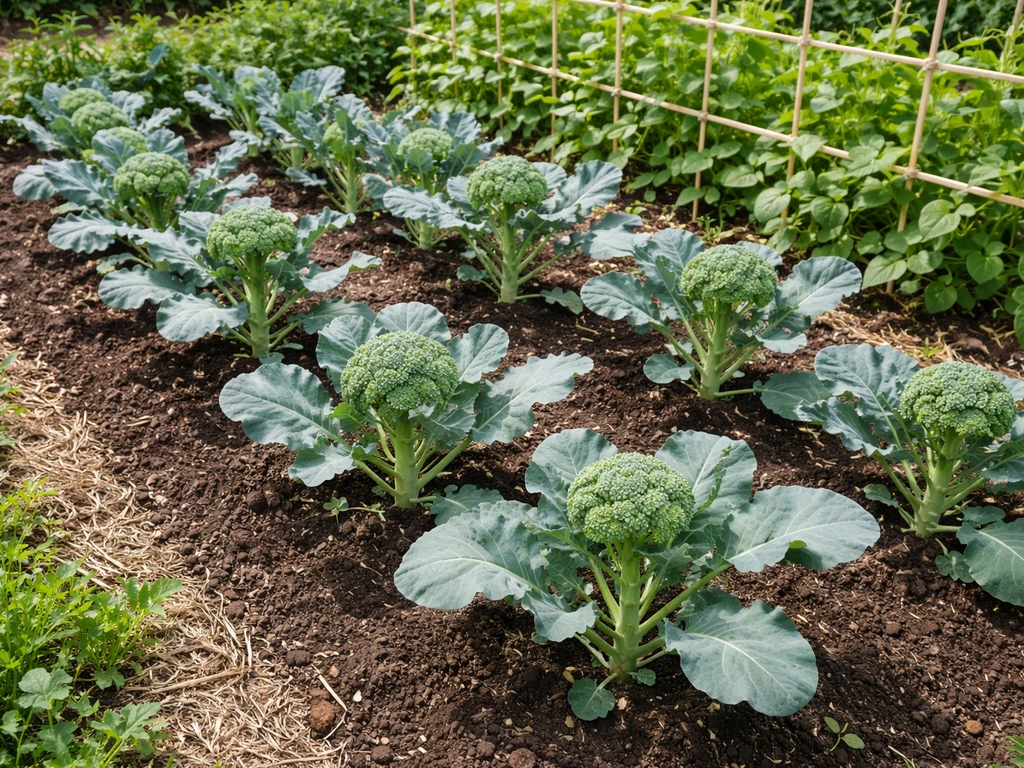
Yes, beans and broccoli can grow well together in the same bed, and green beans in particular are one of the more practical companions for broccoli you can plant. They share a similar pH preference (6.0 to 6.5), need about the same amount of water, and don't aggressively compete for the same nutrients. Bush beans are the easier pairing because they stay low and don't shade out your broccoli crowns. Pole beans can work too, but you have to think more carefully about where you position them. The combination isn't magic, and it won't ward off every pest, but it's a sensible, space-efficient planting that most home gardeners can pull off without a lot of fuss.
Do Beans and Broccoli Grow Well Together? How-To Guide

Marcus Hendrick
13 May 2026
What each crop actually needs
Broccoli
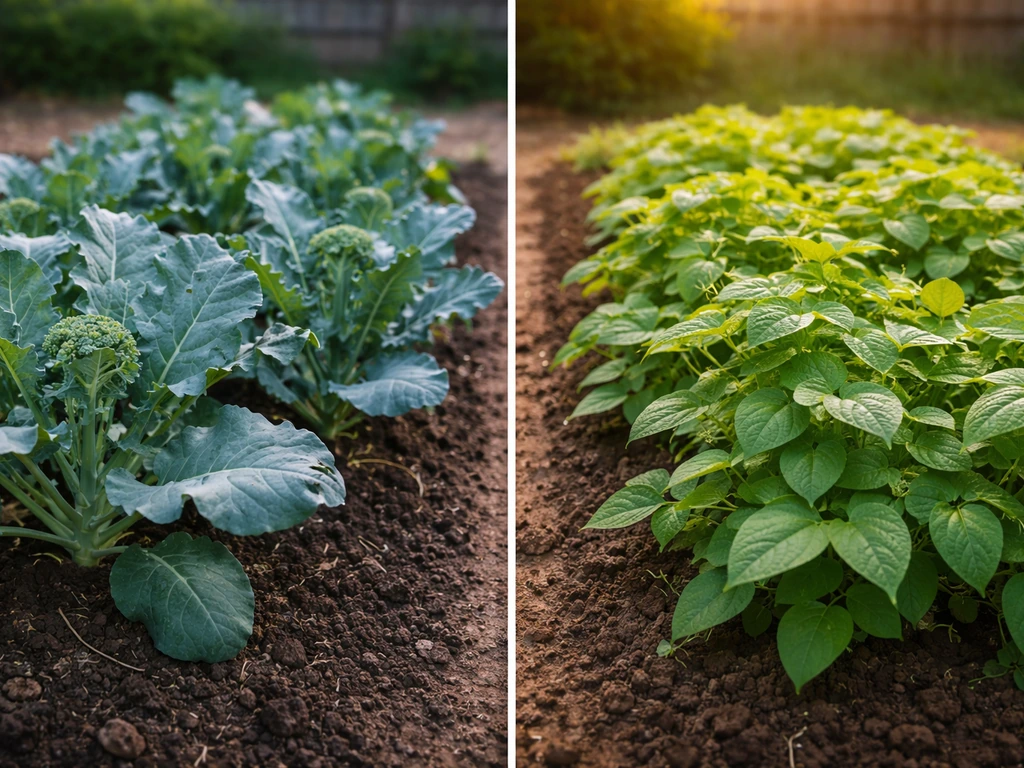
Broccoli is a cool-season crop that wants full sun (at least 6 hours), consistent moisture, and fertile soil. It's a heavy feeder, especially for nitrogen, which drives the leafy growth that eventually supports those tight green heads. UMN Extension recommends well-drained but moisture-retentive soil with a pH between 6.0 and 7.0, and UC IPM narrows that to 6.0 to 6.5 for best results. From transplant to harvest runs roughly 50 to 70 days depending on variety. Broccoli needs room: Illinois Extension recommends 18 to 24 inches between plants in a row, with rows 36 inches apart. Crowd it and you get small heads or none at all.
Green beans (bush or pole)
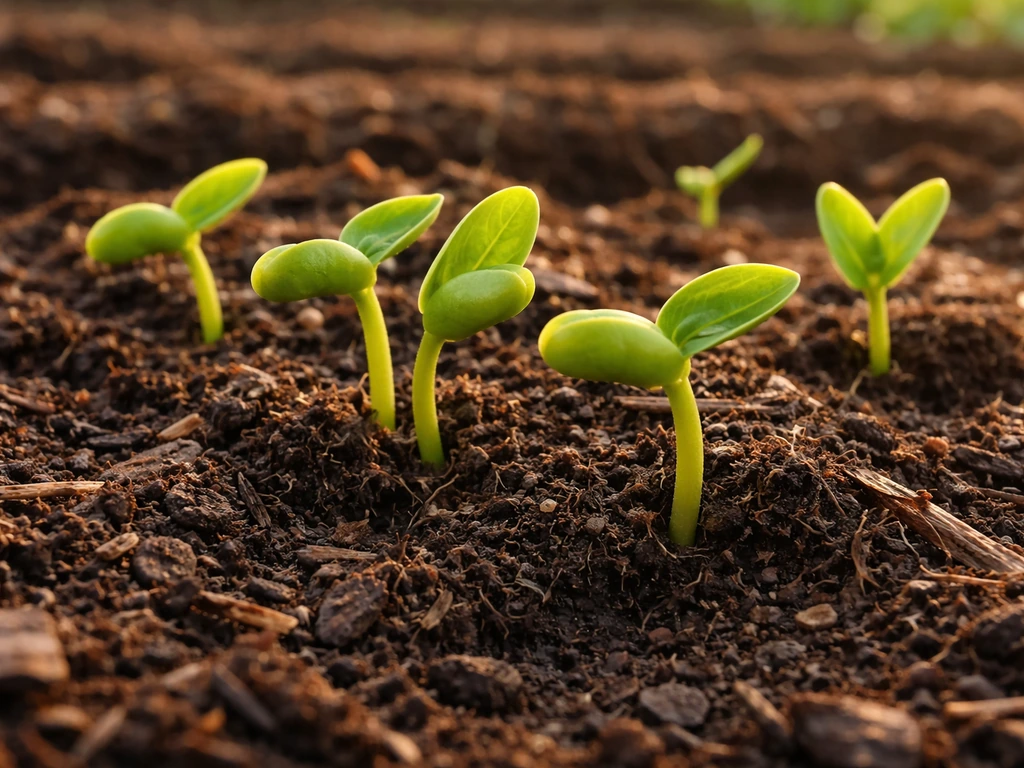
Beans are a warm-season crop that needs soil temps above 50°F and no frost threat. They prefer the same slightly acidic soil as broccoli, pH 6. 0 to 6. 5.
Beans are not heavy feeders at all. In fact, WVU Extension specifically warns that excess nitrogen causes beans to push lots of leafy growth at the expense of pod production. The good news is that beans fix some of their own nitrogen through root nodule bacteria, so they mostly take care of themselves on that front. Bush snap beans mature in 50 to 60 days from seed and stay compact at around 18 inches tall.
They need about an inch of water per week, same as broccoli. Snap beans are typically planted in rows 2 to 3 feet apart, with seeds 2 to 4 inches apart in the row.
How to lay out the bed for both crops
The key to making this combination work in a real bed is keeping the broccoli's light access and airflow intact. Broccoli plants are big, and they need space above and around them. Here's an approach that works well in a standard 4-foot-wide raised bed or in-ground row setup.
- Plant broccoli transplants down the center of a 4-foot bed, spaced 18 to 24 inches apart in a single row. This gives each plant the room Illinois Extension recommends without wasting your bed space.
- Sow bush bean seeds along both outer edges of the bed, about 2 to 4 inches apart in the row. Bush beans at 18 inches tall won't shade mature broccoli plants, which stand 24 to 36 inches.
- If you're working with in-ground rows instead of raised beds, space broccoli rows 36 inches apart and plant a single row of bush beans between them. Keep beans at least 12 inches from broccoli stems so roots aren't fighting in the same few inches of soil.
- If you want to use pole beans, plant them on the north side of the bed so they don't shade the broccoli as they climb. Pole beans can reach 6 to 8 feet, which becomes a real problem if they're south of sun-hungry broccoli.
- Don't intercrop pole beans directly in between broccoli plants. The vine habit and height creates competition that bush beans avoid.
For a 4x8 raised bed, you can realistically fit 4 broccoli transplants down the center (at 18-inch spacing) and two rows of bush beans, one on each long edge. That's a productive mixed bed without anyone crowding anyone.
Timing: what goes in first and how to stagger plantings
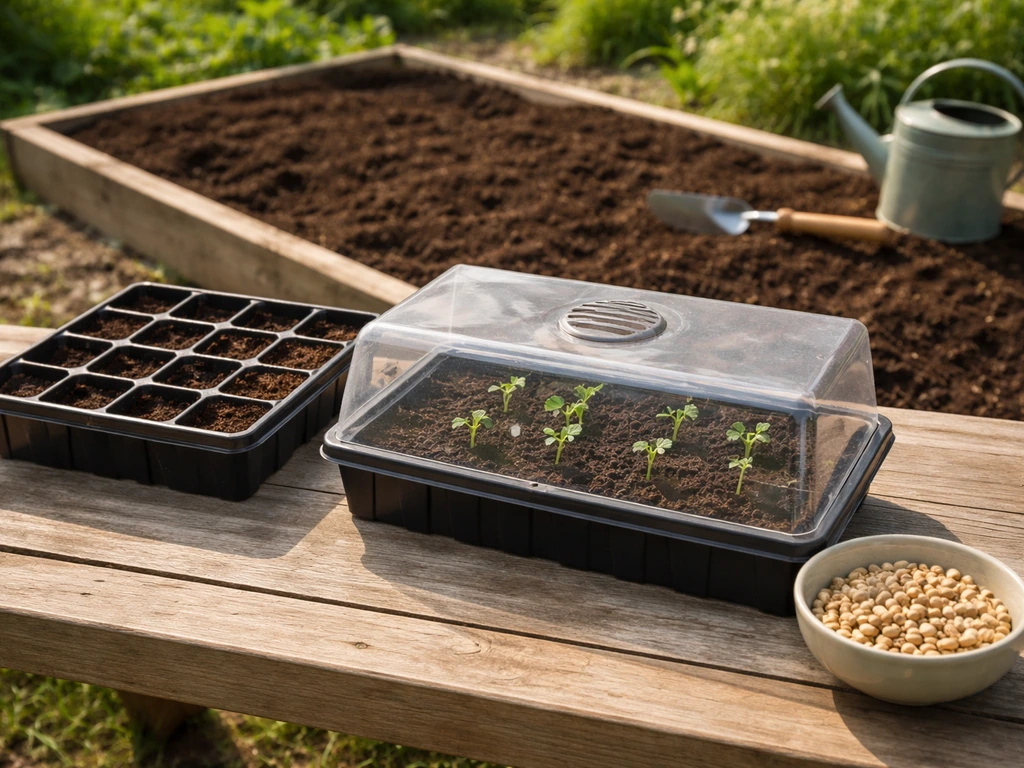
This is where most people go wrong with this combination, because broccoli and beans have almost opposite timing preferences. Broccoli loves cool weather. Beans sulk in it. So you can't just throw both in the ground on the same day and expect great results from both.
- Start broccoli transplants indoors 6 to 8 weeks before your last frost date, or buy starts from a nursery. Get them into the ground 2 to 4 weeks before your last frost. Broccoli handles light frost just fine.
- Wait to direct-sow beans until after your last frost date when soil has warmed. Illinois Extension notes you can push it to 1 week before last frost if the soil is warm and conditions are favorable, but don't risk it with cold wet soil.
- By the time you're planting beans, your broccoli transplants will already be 4 to 6 weeks in the ground and establishing well. They won't compete directly during early establishment.
- For continuous bean harvests, succession plant beans every 2 weeks through midsummer. Illinois Extension specifically recommends this approach to avoid a single glut of beans. It also means fresh bean rows don't suddenly overcrowd maturing broccoli all at once.
- If you're doing a fall broccoli planting (which is often the better crop in warm climates), reverse the logic: beans go in early summer, broccoli transplants go in late summer after bean harvest or as beans finish.
The practical timeline for a spring garden looks like this: broccoli transplants go in around weeks 1 to 2 (before last frost), beans get direct-sown at weeks 4 to 5 (after last frost). Broccoli heads start forming around weeks 8 to 10 post-transplant. First bush bean harvest comes around days 50 to 60 from seeding, which lands roughly weeks 11 to 13. So there's a real overlap window where you're harvesting broccoli heads and the first flush of beans at the same time. That's actually ideal.
Pests and disease: honest expectations
Companion planting enthusiasts sometimes claim that beans repel broccoli pests or vice versa. The reality is more nuanced. UMN Extension is upfront about this, noting that most pest-repellent claims for companion plants have little hard research backing them. That said, mixing crops in a bed can still reduce pest pressure compared to a monoculture block, simply because you're breaking up large uniform plantings that pests find easy to colonize.
Broccoli's main pest headaches are aphids (especially cabbage aphids, which cluster on leaf undersides), cabbage loopers, imported cabbageworms, and diamondback moth larvae. These are cole-crop specialists. They're coming for your broccoli whether beans are nearby or not. Beans don't repel them, and broccoli doesn't attract bean-specific pests like bean beetles in any meaningful way. So treat pest management for each crop somewhat independently. University of Maryland Extension’s IPM threshold guide notes that for broccoli and cauliflower, aphid infestations across combined species reach nearly 100% in the threshold-guide context treat pest management for each crop somewhat independently.
One legitimate concern with beans specifically is Bean Common Mosaic Virus (BCMV), a seed-transmitted and aphid-transmitted virus. Since broccoli beds already attract aphids, you do have an increased aphid pressure environment that could theoretically spread BCMV to beans. Buy certified disease-free bean seed and keep aphid populations knocked back on your broccoli to reduce this risk. Floating row cover over broccoli in spring can help control both aphid and caterpillar pressure without affecting nearby beans. Just remove it once broccoli needs airflow in warmer weather.
One place beans do genuinely help is with ground-level coverage. Dense bush bean plantings along bed edges shade out some weeds, which reduces competition and can limit soil-dwelling pests. It's not dramatic, but it's real.
Soil prep and fertilizing strategy for both in the same bed
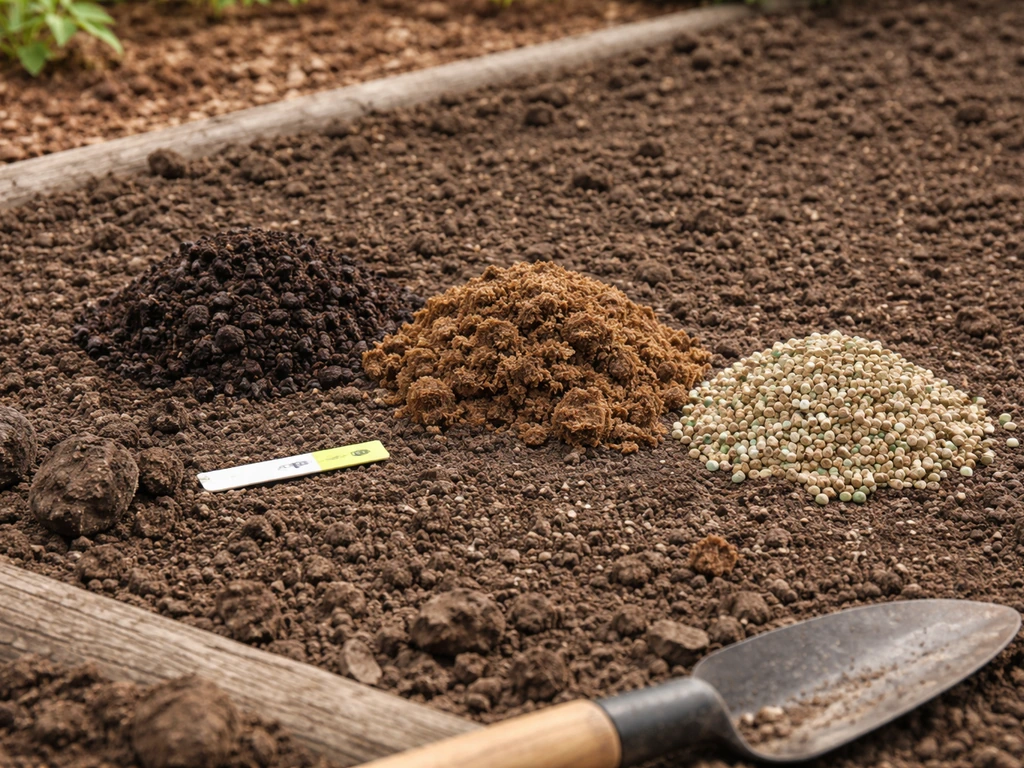
The good news is that broccoli and beans share a nearly identical soil pH target, 6.0 to 6.5. CSU Extension notes that phosphorus becomes less available below pH 6.0 or above pH 7.5, so staying in that range benefits both crops. Test your soil if you haven't recently, and adjust with lime (to raise pH) or sulfur (to lower) before planting. Aim for 6.2 to 6.5 as your sweet spot.
Where these crops diverge is nitrogen. Broccoli is hungry for it. Beans produce their own through root nodule bacteria and don't need much extra. If you dump a high-nitrogen fertilizer across the whole bed to feed your broccoli, you risk pushing your beans into excessive leafy growth with fewer pods. WVU Extension specifically flags this. So fertilize strategically rather than broadcasting the same formula everywhere.
- Before planting anything, amend the whole bed with compost (2 to 4 inches worked into the top 8 inches). Compost improves moisture retention, drainage, and provides slow-release nutrients for both crops without overwhelming the beans with nitrogen.
- Apply a balanced starter fertilizer (or a low-nitrogen formula like 5-10-10) to the whole bed at planting time. This covers phosphorus and potassium needs for both crops without overdoing nitrogen.
- Once broccoli plants are 4 to 6 inches tall, side-dress them specifically with a nitrogen-rich fertilizer (blood meal or a 21-0-0 type, lightly scratched in near the drip line). Keep this application focused under the broccoli, not broadcast across bean rows.
- Don't fertilize beans with nitrogen at all unless they show clear deficiency signs (pale yellow-green leaves). Let them fix their own. OSU Extension notes that nitrogen applied to beans early mostly just hangs in the soil and risks leaching anyway.
- If you're concerned about bean nodulation in new garden soil, inoculate seeds with the correct Rhizobium inoculant before planting. CSU Extension recommends this if the soil hasn't grown legumes recently.
Both crops want consistent moisture, about 1 inch per week. Drip irrigation or a soaker hose running down the bed works well for this combination because it delivers water at the root zone without wetting broccoli leaves, which can encourage fungal disease. If you hand water, water deeply once or twice a week rather than light daily sprinkles. About 1 inch of water penetrates to roughly 6 inches of soil depth, which is the target root zone for both crops early in the season.
Troubleshooting: signs something's off and how to fix it
Even with a good plan, mixed beds need some watching. Here's what to look for and what to do about it.
| Problem | Likely Cause | Fix |
|---|---|---|
| Broccoli heads are small or forming early and tight | Overcrowding or heat stress (not enough space for head development) | Ensure 18-24 inch spacing between broccoli plants; thin if needed; add shade cloth if temps are spiking above 80°F |
| Beans are producing tons of leaves but few pods | Too much nitrogen reaching bean roots | Stop any nitrogen side-dressing near bean rows; switch to a low-N fertilizer for the whole bed |
| Both crops look pale and stunted | Soil pH out of range or nutrient deficiency | Test soil pH; if below 6.0, apply lime; if above 6.8, add sulfur; top-dress with compost |
| Aphids covering broccoli leaves | Cole-crop aphid pressure (expected with brassicas) | Knock off with strong water spray; apply insecticidal soap; consider row cover earlier next season |
| Beans yellowing from the bottom up | Normal senescence after harvest, or root rot from overwatering | Check drainage; if roots look brown and mushy, reduce watering; if drainage is the problem, consider raised beds |
| Beans shading out broccoli crowns | Pole beans or overgrown bush beans planted too close or on the south side | Reposition bean rows to the north edge only; switch to bush beans; trim back any sprawling growth |
If after one season you find the combination isn't working in your specific bed (maybe your broccoli heads are consistently undersized, or your beans are always leggy), the easiest adjustment is to switch fully to bush beans over pole beans and widen the buffer between bean rows and broccoli to at least 15 inches. That one change solves most competition problems.
The bottom line on growing beans and broccoli together
Beans and broccoli are genuinely compatible in the same bed. They also do well with garlic in the garden, since garlic doesn't compete heavily and can help keep pests down Beans and broccoli are genuinely compatible. They share pH preferences, water needs, and timing can be sequenced so they don't fight each other during establishment.
Bush beans are the better choice for most home gardeners because they stay short, produce quickly (50 to 60 days), and don't shade out broccoli the way pole beans can. The combination won't solve your pest problems on its own, but it makes efficient use of bed space and the beans' nitrogen fixation does add some long-term benefit to the soil.
Get the spacing right (18 to 24 inches for broccoli, beans along the edges), fertilize each crop according to its own needs rather than blanketing the bed with nitrogen, and stagger your bean sowings every two weeks so you're not harvesting everything at once. Do those things and you'll get a productive mixed bed that earns its space.
If you're also thinking through other companion pairings for your garden, the logic around nutrient competition and pH alignment applies to other combinations too, like how beets and lettuce interact in shared beds or how carrots find their best companions in a rotation. In a rotation, carrots grow best with well-managed companion crops that match their light and soil needs carrots find their best companions.
Beets and turnips can be a good match too, as long as you account for their similar soil and moisture needs. If you’re also planning beet and lettuce beds, you’ll get the best results by matching their light and moisture needs and leaving enough airflow between rows beets and lettuce.
FAQ
Can I plant beans and broccoli at the same time in spring?
No, not if you want strong broccoli heads. Beans prefer warmer soil and frost-free conditions, so if you sow them with your spring broccoli transplants you’ll likely get slow, leggy beans. A better approach is to transplant broccoli first (weeks 1 to 2), then direct-sow bush beans after the last frost (weeks 4 to 5).
Do pole beans work as well as bush beans next to broccoli?
If you already have pole beans, you can still make the pairing work, but you need to manage shade. Place pole beans on the bed edge and give a wider buffer, at least 15 inches between the bean row and broccoli, then train the vines upward so the crown area stays open. Without that airflow and light, broccoli heads commonly turn smaller.
How should I water a bed that has both broccoli and beans?
Target a single watering schedule based on root-zone moisture, not leaf appearance. For this combo, aim for about 1 inch of water per week, delivered to the soil with drip or a soaker, and avoid wetting broccoli leaves. If you water by hand, do deep waterings 1 to 2 times weekly instead of frequent light sprinkles.
Should I fertilize the whole mixed bed with nitrogen for broccoli?
Use nitrogen control. If you feed the whole bed with a high-nitrogen fertilizer to boost broccoli, beans may grow extra foliage and set fewer pods. Instead, fertilize broccoli based on its needs and keep bean-side nutrition modest, since beans already supply some nitrogen via root nodules.
Will row cover help with pests on broccoli in a beans and broccoli bed?
Yes, but do it carefully. After transplanting broccoli, you can use floating row cover to reduce aphids and caterpillars, but remove it when temperatures rise and broccoli needs full airflow. Keep in mind that row cover also keeps beneficial insects out, so the timing window matters.
How do I reduce the risk of Bean Common Mosaic Virus (BCMV) when growing beans near broccoli?
The virus risk is mainly about seed and aphids. Buy certified disease-free bean seed, then focus on keeping aphid numbers down on the broccoli (because aphids can move the virus). Don’t rely on the companion planting idea to prevent BCMV.
How can I stagger plantings so I’m not harvesting everything at the same time?
Yes, if you’re doing it for succession. Stagger bean sowings every two weeks so you don’t harvest all pods at once, and space your broccoli transplants separately rather than bunching them together. This reduces the chance that one week you have broccoli at peak head size while bean harvest is either nonexistent or already done.
What should I troubleshoot first if my broccoli heads are always small in the mixed bed?
Broccoli stays productive longer when you protect the head from stress. Look for undersized heads that persist even though spacing and watering are right, then adjust one variable at a time, usually light or nitrogen. If beans are crowding broccoli, widen the buffer and switch fully to bush beans for the next season.
My beans are leggy, what common cause is most likely?
Yes. If you notice persistent leggy beans, it’s usually from cool conditions or too much shade from nearby plants. Since broccoli prefers cool weather and beans hate it, make sure your bean sowing happens after the soil is warm enough and that pole bean vines are trained upward so they don’t block light.
Does the companion pairing work in partial shade?
Broccoli likes full sun, so if your site is marginal, the pairing may underperform. Choose a spot with at least 6 hours of sun and keep the broccoli crown area unobstructed. Bush beans on the edges are more forgiving in partial bed shading than pole beans.
What spacing mistakes most often reduce yields for this combination?
It depends on your bed layout, but spacing is still critical. Broccoli needs 18 to 24 inches between plants in the row and rows about 36 inches apart, while bush beans are typically planted with seeds 2 to 4 inches apart in the row. If you try to squeeze them tighter than that, you’ll usually lose broccoli head size or bean pod set.
Next Article
How Do Farmers Grow Food Around the World: Methods and Tips
Learn how farmers grow food worldwide: soil, water, crops, pests, harvest, and how to scale it for home gardens.