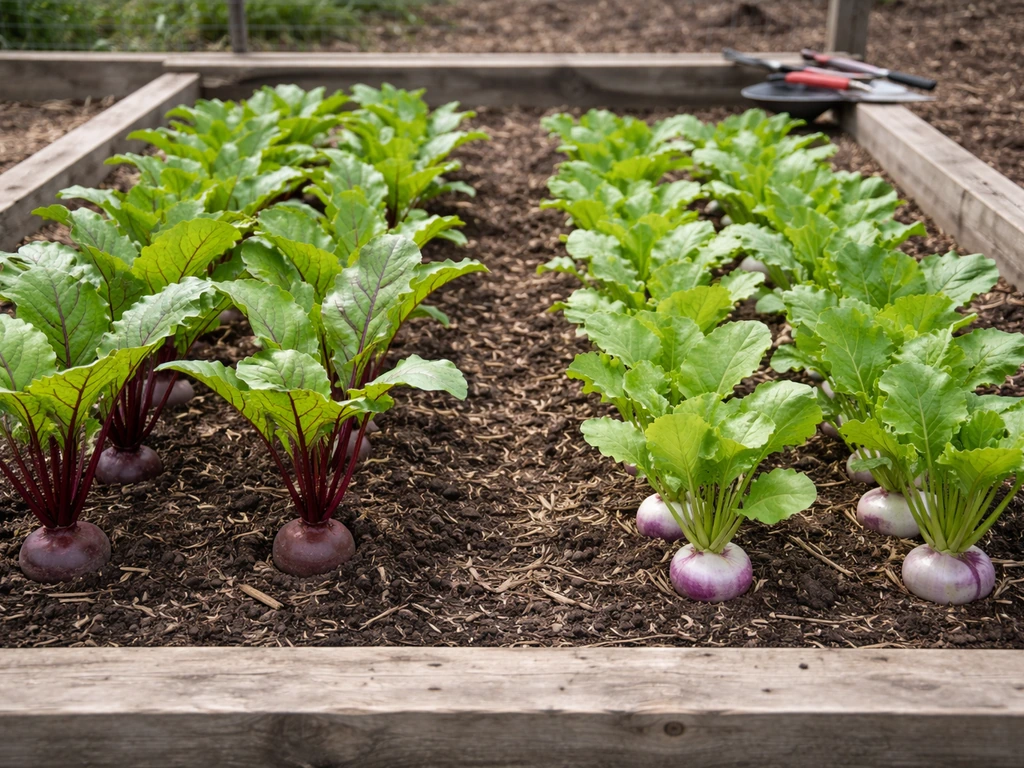
Carrots grow best with loose, sandy loam soil, consistent moisture, full sun, and a few well-chosen companion plants like onions, leeks, and lettuce nearby. If you are thinking about companion planting beyond carrots, beets and turnips are also crops that can be grown successfully together when their basic soil and moisture needs are met beets and turnips grow well together. Get those four things right and you'll pull long, straight roots at harvest. Get them wrong, especially with compacted soil or fresh manure, and you'll end up with forked, hairy, stubby disappointments no matter how carefully you plant.
Carrots Grow Best With: Companion Plants, Soil, and Care

Marcus Hendrick
23 May 2026
Best companion plants to grow next to carrots
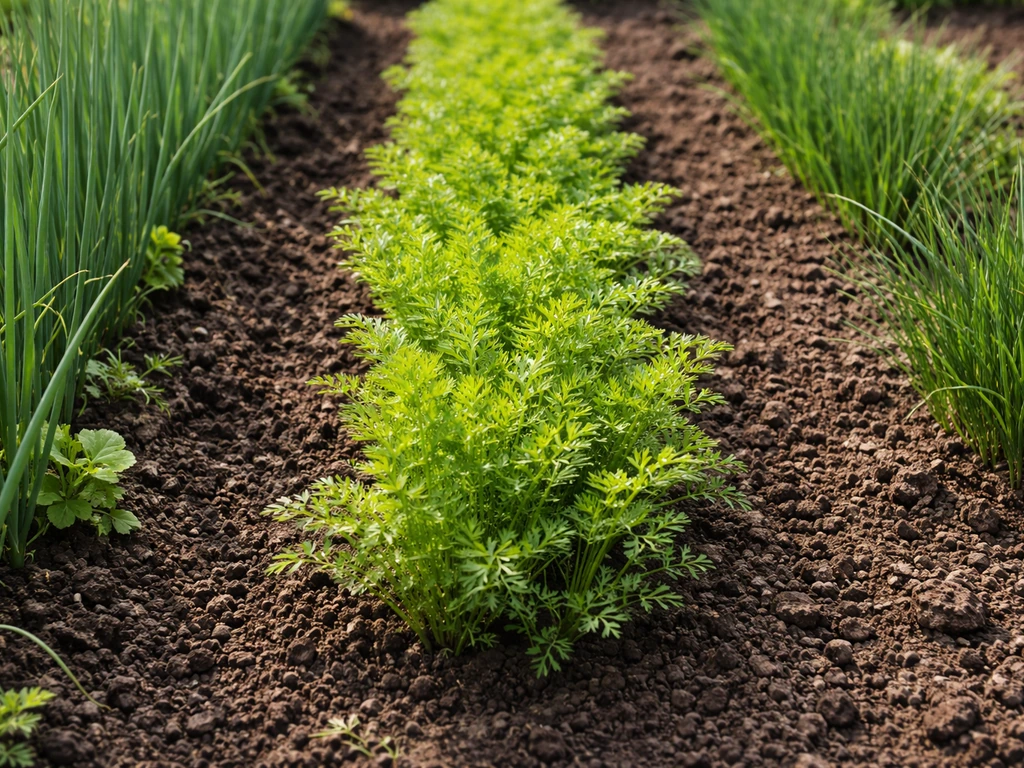
The most practical reason to companion plant with carrots is managing the carrot rust fly, a pest that can devastate a bed. Onions, leeks, rosemary, sage, and nasturtiums are all known to repel or confuse carrot flies, making them excellent neighbors. Lettuce is another good pick: it's shallow-rooted, won't compete for the deep soil space carrots need, and its low canopy helps shade out weeds between rows. Beets are also easy companion plant choices in many carrot beds because their growth habits and spacing can work well together.
Chives and other alliums also work well alongside carrots for pest deterrence. If you're already thinking about bean or brassica companions in other parts of your garden (beans with broccoli or garlic, for example), keep those plantings separate from your carrot beds since carrots do best with lighter, less nitrogen-hungry neighbors. Beans and garlic can coexist well, so you can plan them as compatible companions in the same general growing area bean or brassica companions. Beans and broccoli can grow well together too, so you can use that pairing in other garden sections while keeping it separate from carrot beds.
- Onions and leeks: repel carrot rust fly, don't compete for root space
- Lettuce: shallow roots, weed-suppressing canopy, easy to interplant
- Rosemary and sage: aromatic herbs that confuse pest insects
- Nasturtiums: trap crop and fly deterrent, doubles as edible ground cover
- Chives: classic allium companion, low maintenance
Plants to keep away from your carrot bed
Dill is the big one to avoid. Even though dill and carrots are in the same plant family (both are umbellifers), planting them together is a mistake. Mature dill can inhibit carrot growth, and both crops attract the same pest insects, including carrot rust fly. Fennel is similarly problematic and is generally a bad neighbor for most vegetables in the garden anyway.
Beyond dill and fennel, avoid planting carrots near parsley and celery if carrot rust fly is a problem in your area, since all three are host plants for the same pest. Keeping those crops on opposite sides of your garden reduces the risk of a fly population building up in one spot.
- Dill: inhibits carrot growth and shares pest attraction
- Fennel: allelopathic to most vegetables, avoid throughout the garden
- Parsley and celery: same pest host range as carrots, don't cluster them together
Soil and amendments: what carrots actually pair well with
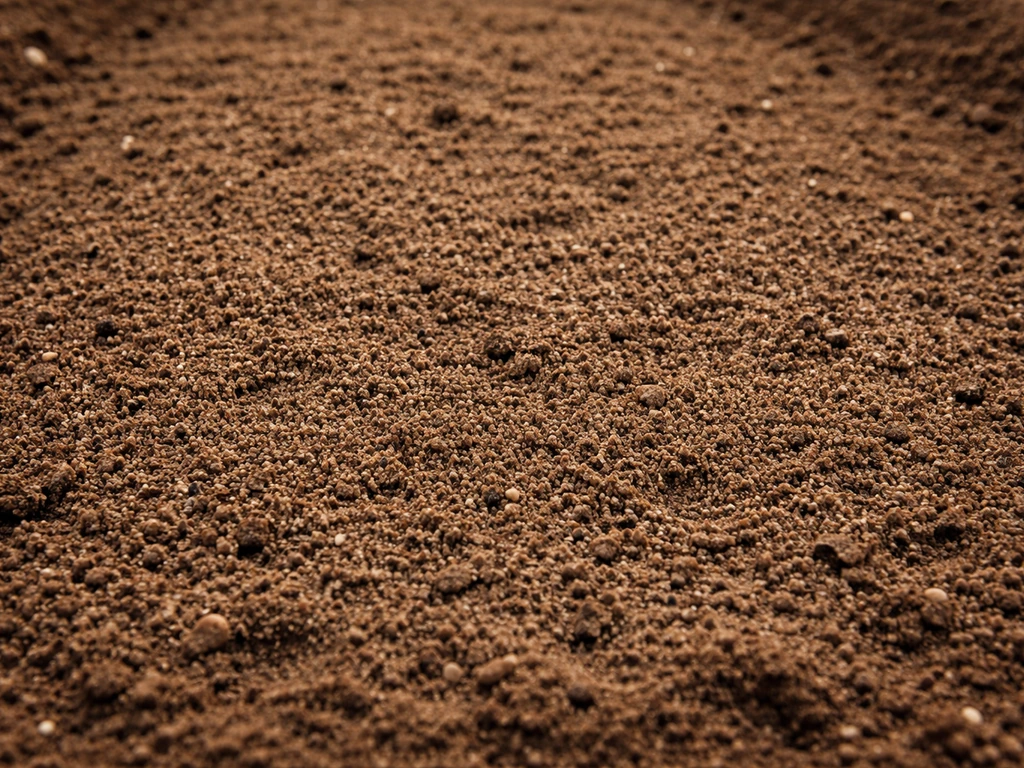
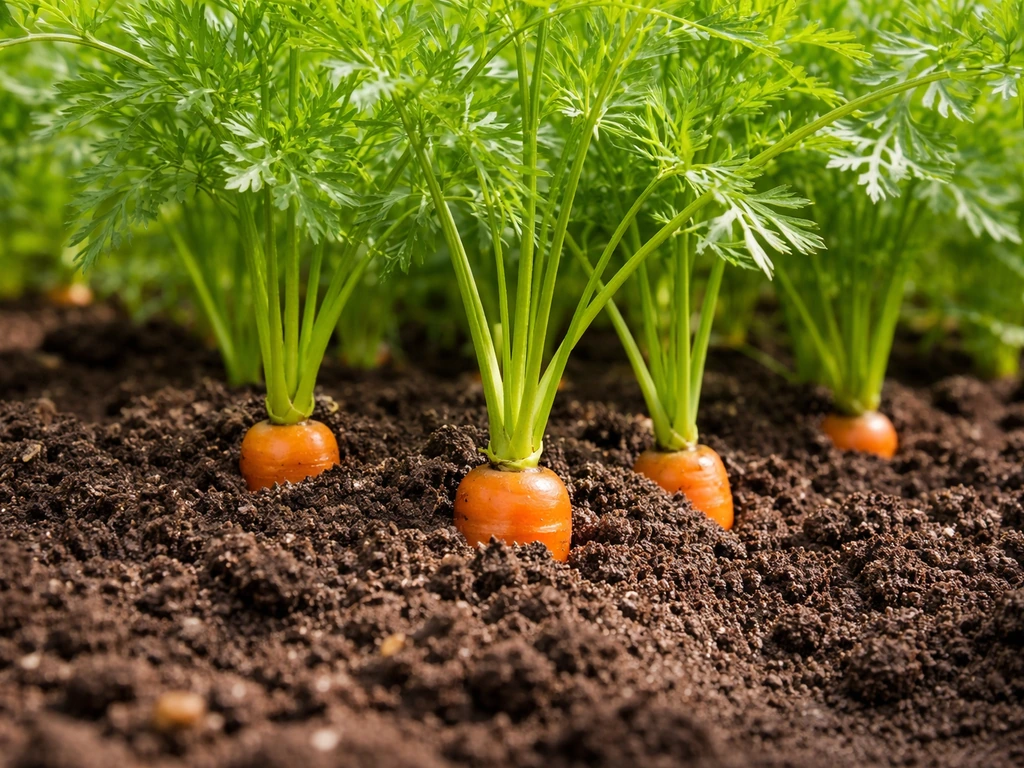
Soil is where most home gardeners either win or lose with carrots before a single seed goes in the ground. Carrots grow best in deep, loose, sandy loam with a pH between 6.0 and 7.0. That soil type gives roots room to push straight down without hitting resistance. Heavy clay can work if it's well-drained and not compacted, but you'll likely get shorter, stubbier roots unless you loosen it deeply.
Well-aged compost is your best amendment. Work it in deeply, at least 10 to 12 inches, before sowing. The key word is aged: fresh manure is one of the worst things you can add to a carrot bed. Fresh manure is high in nitrogen, and excess nitrogen causes forking and fanging (where roots split into multiple stubby branches instead of one straight root). Too much fresh organic matter in general can also cause hairy, rough root surfaces. Use only old, fully composted material and you'll avoid both problems.
| Amendment | Use it? | Why |
|---|---|---|
| Well-aged compost | Yes | Improves texture and drainage without spiking nitrogen |
| Sand (coarse) | Yes, in clay-heavy soil | Opens up soil structure for straight root growth |
| Fresh manure | No | Causes forking, fanging, and food safety risks |
| High-nitrogen fertilizers | Use sparingly | Excess nitrogen produces forked, hairy roots |
| Fresh wood chips or straw (undecomposed) | No | Adds too much rough organic matter near roots |
If your soil is compacted or heavy with clay, a raised bed or deep container is genuinely the better path, not just a workaround. More on that below.
Sun, spacing, and moisture: the conditions carrots need to thrive
Sun and temperature
Carrots want full sun, meaning at least 6 hours of direct sunlight per day. They're a cool-season crop, so in most regions you're planting them in early spring (around mid-April in Minnesota, for example) or late summer for a fall harvest. They can handle light frost, which actually improves flavor by converting starches to sugar.
Row spacing
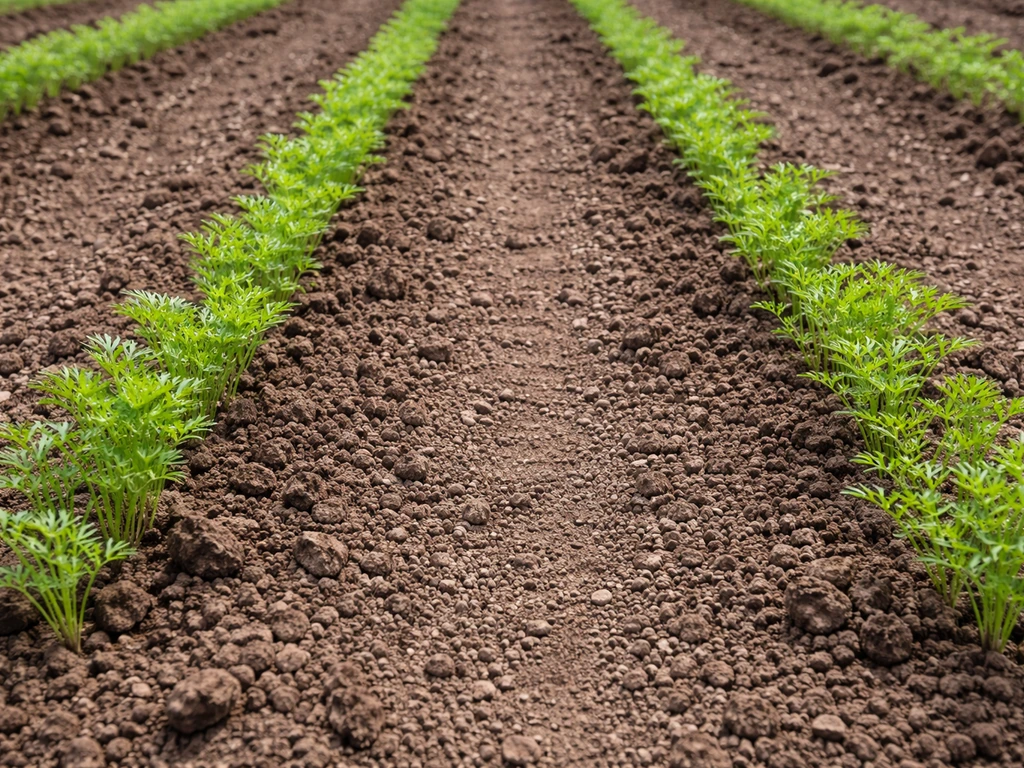
Plant carrot rows 12 to 24 inches apart. That range gives you flexibility depending on whether you're cultivating between rows or just relying on mulch for weed control. Closer spacing (12 inches) works fine in raised beds or wide-row plantings where you're not walking between rows. Wider spacing (18 to 24 inches) is better in traditional in-ground plots where you need to get a hoe in without damaging roots.
Moisture consistency
Moisture stress is one of the top causes of misshapen carrots, so consistency matters more than volume. Texas A&M AgriLife Extension also advises keeping the seedbed moist and preventing crusting by lightly scratching around plants and sprinkling row water often, or covering seeds with vermiculite or sand. You want the soil kept moist to about 3 inches deep, especially during germination and the first few weeks of growth. Uneven watering, wet then dry then wet again, leads to cracking, forking, and rough skin. Once plants are established, back off slightly but never let the bed dry out completely.
How to start carrot seeds successfully
Carrot seeds are small and slow. Germination takes anywhere from 10 to 21 days, and a lot of gardeners give up too early thinking the seeds failed. The process is: prep the bed well, sow shallow, keep it moist, and be patient.
- Prep the bed: loosen soil to at least 10–12 inches deep, remove all rocks and clumps, and rake the surface smooth. Carrot roots follow the path of least resistance, so any obstacle becomes a fork.
- Sow at the right depth: plant seeds 1/4 to 1/3 inch deep. No deeper. Carrot seeds need light and moisture to germinate and if they're buried too far they may not emerge at all.
- Cover with vermiculite or sand: instead of regular soil, cover seeds with a thin layer of vermiculite or coarse sand. Both materials stay loose, don't crust over, and let tiny seedlings push through easily. Crusting is a common killer of carrot germination.
- Keep the surface consistently moist: water lightly and often, especially in the first two weeks. A fine mist or gentle sprinkler works better than a heavy soak that washes seeds around. If you let the top inch dry out even once during germination, you can lose a significant portion of the stand.
- Use the stale seedbed technique if weeds are a problem: prepare your bed a week or two before sowing, let the first flush of shallow weed seeds germinate, then scratch the surface lightly to kill those seedlings before your carrot seeds go in. This depletes the top layer of weed competition before your carrots even sprout.
Weed control and thinning for straight, healthy roots
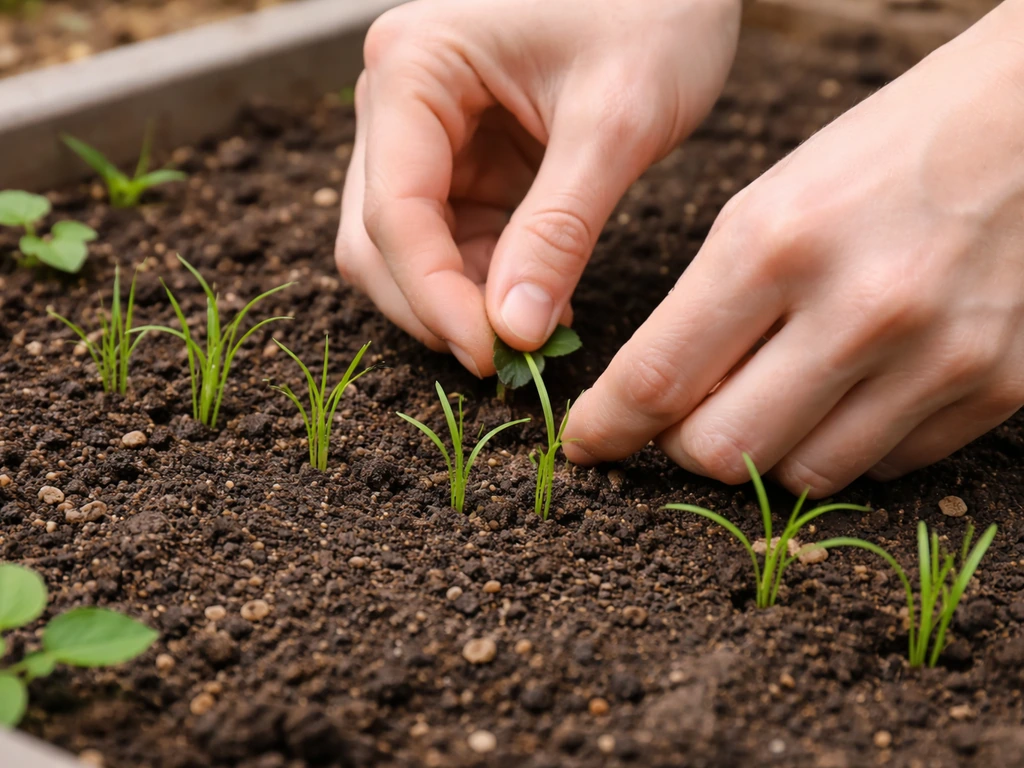
Carrot seedlings are among the easiest to miss when weeding. They emerge with two thin, grass-like leaves and look almost nothing like a typical vegetable seedling. Mark your rows clearly so you don't accidentally pull your carrots thinking they're weeds. Early weed control is critical because carrots are not competitive with weeds at all, especially in the first few weeks.
When you do cultivate, go shallow. Cultivating too deeply brings up dormant weed seeds from lower in the soil, creating more of the problem you're trying to solve. Hand-pull weeds close to carrot seedlings rather than hoeing, since even light hoeing near young roots can disturb them and cause forking. Hand weeding is tedious but worth it at this stage.
Thin when seedlings reach 3 to 4 inches tall, leaving plants 2 to 4 inches apart. In wide-row or intensive plantings, you can start thinning earlier when plants are around 2 inches tall, leaving them 1 to 2 inches apart initially, then thinning again as roots start to develop. Crowded carrots compete for space below ground and produce small, twisted roots. Thinning feels wasteful, but it's one of the highest-return tasks you'll do in the carrot bed.
Raised beds, containers, and small plots: what works where
The good news is that carrots are genuinely flexible once you understand what they need. The setup changes, but the core rules (loose soil, consistent moisture, no fresh manure) stay the same.
| Setup | Best for | Key adjustments |
|---|---|---|
| Raised bed (12+ inches deep) | Most home gardeners, especially those with clay-heavy soil | Fill with sandy loam mix and aged compost; rows can be closer at 12 inches; excellent drainage control |
| Container (12–16 inches deep) | Small spaces, balconies, patios | Use shorter varieties like Chantenay or Danvers; water more frequently since containers dry out faster; excellent for controlling soil quality |
| In-ground small plot | Larger harvests, established garden beds | Deep till to 12 inches minimum; use stale seedbed technique; wide rows work well; most dependent on native soil quality |
Raised beds are the closest to ideal for most home gardeners. They give you control over soil texture, increase effective rooting depth, and drain better than most native soils. If you've struggled with forked or stubby carrots in the ground, moving to a raised bed with a proper sandy loam mix is often the fix. Containers work well for shorter carrot varieties but dry out quickly, so you'll need to water almost daily in warm weather.
In-ground plots work fine if your soil cooperates. The stale seedbed technique is especially useful here since native soil tends to carry more weed seed pressure than a new raised bed mix. Deep tilling and soil amendment are non-negotiable if your native soil is heavy or compacted.
What to do this week to get started
If it's spring and you're in a temperate zone, you're in the window right now. Here's a simple action plan based on whatever setup you're working with.
- Check your soil or bed depth: if it's less than 10 inches of loose, workable soil, either till deeper or commit to a raised bed or container setup before buying seeds.
- Amend the bed: work in well-aged compost only. No fresh manure, no high-nitrogen fertilizers. Rake the surface smooth and remove any rocks or debris.
- Try the stale seedbed method: water the bed, wait 7 to 10 days, lightly scratch the surface to kill the first flush of weeds, then sow your carrot seeds.
- Sow at 1/4 inch deep, cover with vermiculite or coarse sand, and water gently. Set a reminder to check moisture every day until you see germination.
- Plant onions, leeks, or a row of lettuce nearby as companion plants. Keep dill and fennel on the opposite side of your garden.
- Thin seedlings to 2 to 4 inches apart once they reach 3 to 4 inches tall, and hand-weed carefully in the meantime using shallow cultivation only.
The biggest thing most gardeners wish they'd done sooner is fix the soil before planting rather than trying to troubleshoot forked or stunted roots at harvest. Do the prep work now and the rest of the season takes care of itself.
FAQ
Can I plant carrots next to any herb, or only the ones that repel carrot rust fly?
You can, but prioritize neighbors that do not share the same fly-host issue. Rosemary, sage, chives, and nasturtiums are useful because they deter or confuse the carrot rust fly, while avoiding “umbel-related” herbs like dill and fennel is important even though they look unrelated to many gardeners.
How far should companion plants be from carrot rows to get pest benefits?
Aim for a practical intermix rather than planting only at the bed edge. For repellent companions like onions and chives, placing them in alternating clumps or every few carrot rows typically gives more consistent disruption than a single border strip, especially if airflow moves pests across the bed.
What if dill already grows near my garden, can it still affect carrot harvest?
Yes. Carrot and dill can draw the same pest insects, so even a nearby patch can increase pressure. If you want carrots to perform, remove or relocate mature dill before carrot seedlings are up, or keep carrots in a separate area with its own row coverage.
Are there benefits to mixing lettuce or other greens with carrots, or does it compete?
There are benefits, lettuce is shallow rooted and provides quick ground cover that can reduce weed germination between rows. Keep lettuce and similar greens well spaced and avoid letting them grow large enough to shade the carrot bed heavily, since carrots still need full sun for best root shape.
Is it okay to fertilize carrots during the season if growth looks slow?
Hold off on extra nitrogen. Carrots are sensitive to lush top growth caused by nitrogen, and that often leads to forking and hairy roots. If you need to adjust, use the smallest possible amount of a balanced, low-nitrogen amendment, or correct the likely cause first (watering consistency and soil looseness).
How often should I water carrots to prevent cracking and forking?
Target steady moisture, keeping the soil moist to about 3 inches deep rather than watering deeply then letting it dry out. A good decision aid is to check the top few inches daily during germination, then every couple days once established, increasing frequency when the surface begins to dry.
My carrot seeds sprouted unevenly and germination is patchy, what should I do?
Treat patchiness as a moisture and sowing-depth problem before assuming seed failure. Carrot seeds are small and slow, and uneven moisture can delay emergence by days. Keep the bed consistently moist through the first few weeks, then only re-sow where there are true gaps after you see established seedlings.
Should I thin carrots right away once they reach 2 to 3 inches?
Thin as soon as seedlings are easy to identify, at about 3 to 4 inches is a common timing point. Waiting longer tends to increase crowding below ground, and that results in twisted or stunted roots that thinning later cannot fully fix. If you are in a wide-row setup, you can thin earlier and re-thin as roots start to develop.
Do I need a raised bed if my soil is clay, or can I just loosen it once?
A raised bed is often the better solution because it gives consistent control over texture and drainage. If you stay in-ground, deep loosening helps, but it must be thorough and non-compacted, and you still need to ensure drainage so the bed does not stay waterlogged.
What is the biggest mistake gardeners make that causes forked, stubby carrots?
Fresh manure and uneven moisture are the two highest-risk drivers. Fresh manure increases nitrogen and can trigger splitting, and alternating wet and dry conditions stress the developing root, causing cracking and rough growth. Fix those two first before changing spacing or companion plants.
How can I avoid pulling carrot seedlings when weeding early?
Mark rows clearly and weed by hand closest to seedlings. Carrot seedlings have thin, grass-like leaves that are easy to confuse with weeds, especially in the first few weeks. A mulch strategy that keeps weeds down without smothering seedlings, plus row markers, prevents most accidental losses.
Next Article
Do Beets and Turnips Grow Well Together? How to Plant
Learn if beets and turnips grow well together, plus bed plans, spacing, soil, watering, pests, and harvest timing.