Yes, beets and turnips can grow well together in the same bed, and for small-space gardeners they make a genuinely practical pairing. Both are cool-season root crops with similar sunlight, watering, and soil needs, so you're not fighting two different management schedules. The main thing to get right is spacing and thinning: crowded roots physically push against each other and end up misshapen, which defeats the whole point. Get that part right, manage moisture consistently, and keep nitrogen modest, and you can pull two productive root crops from one well-prepared bed.
Do Beets and Turnips Grow Well Together? How to Plant

Marcus Hendrick
15 May 2026
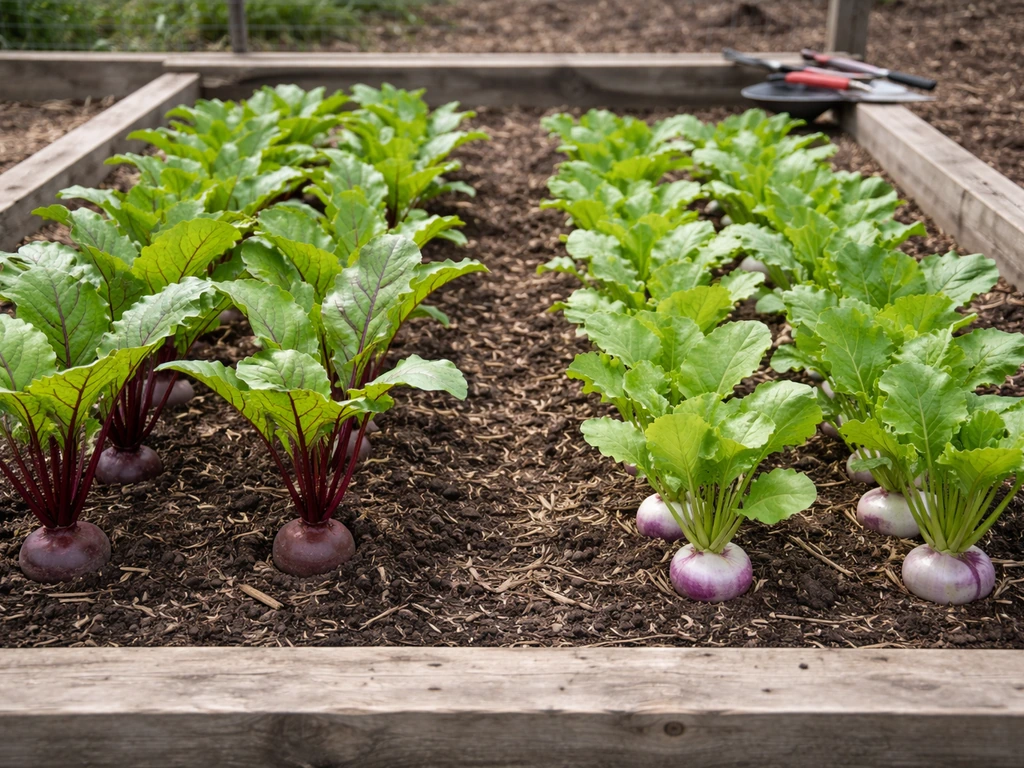
Can you actually plant beets and turnips together?
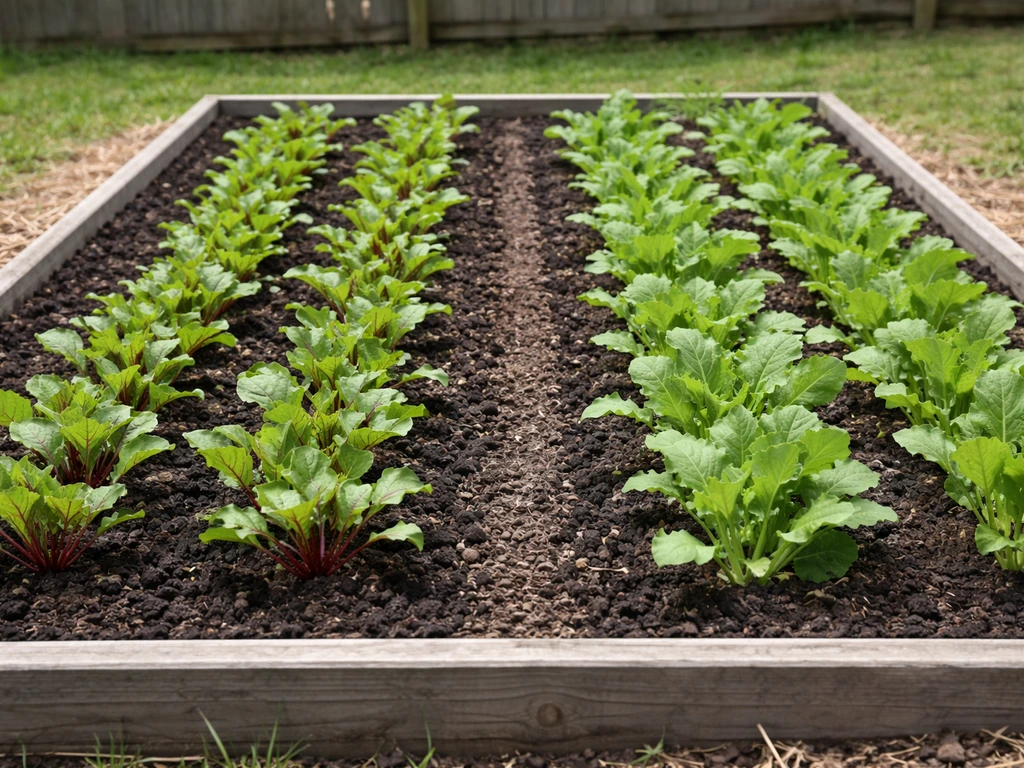
You can, and it works better than a lot of mixed-bed combinations because these two crops want similar conditions at the same time of year. Both are cool-season crops that tolerate light frost, prefer consistent moisture, and do their best root development in loose, well-drained soil. They share a planting window: beets fit comfortably in a mid-April to mid-June cool-season planting in most climates, and turnips are equally at home in that same window or pushed into a late-summer sowing for fall harvest. Days to maturity are also close enough to plan around: beets typically come in at 55 to 60 days, and turnips at 50 to 70 days depending on variety. Choose a fast turnip variety like Seven Top (around 45 days for greens, slightly longer for roots) and you can stagger harvests to reduce competition in the late stages.
What you're not dealing with here is a fundamental conflict like pairing a heavy feeder with a light feeder, or a shade-tolerant crop with one that needs full sun. Beets and turnips are a reasonable match. The risk is practical, not biological: if you don't thin aggressively enough or let moisture go uneven, both crops suffer root quality problems at the same time.
Companion planting compatibility: what helps and what can go wrong
From a companion planting standpoint, beets and turnips don't offer each other dramatic pest-repelling or growth-boosting benefits the way some pairings do. What they do offer is practical bed efficiency: you get two harvests from one prepared soil space, and keeping the ground densely but properly planted helps suppress weeds, which is a real advantage for root crops. Beets belong to the Amaranthaceae family; turnips are brassicas. That difference actually works in your favor for most soil-borne disease concerns, since they're not sharing the same family-specific pathogens.
The main compatibility tension is above-ground. Turnip tops tend to get leafy, and if you're growing a leafy turnip variety (grown for greens rather than roots), the canopy can shade beet tops more than you'd want. Stick to root-type turnips and keep both crops thinned so the leaves aren't smothering each other. The other thing to watch: turnips attract flea beetles and cabbage maggots, two pests that don't bother beets at all. That means one half of your bed could be under pest pressure that the other half is immune to, which isn't a dealbreaker but does mean you'll need targeted monitoring rather than treating the whole bed the same way.
Soil prep and spacing when two root crops share a bed
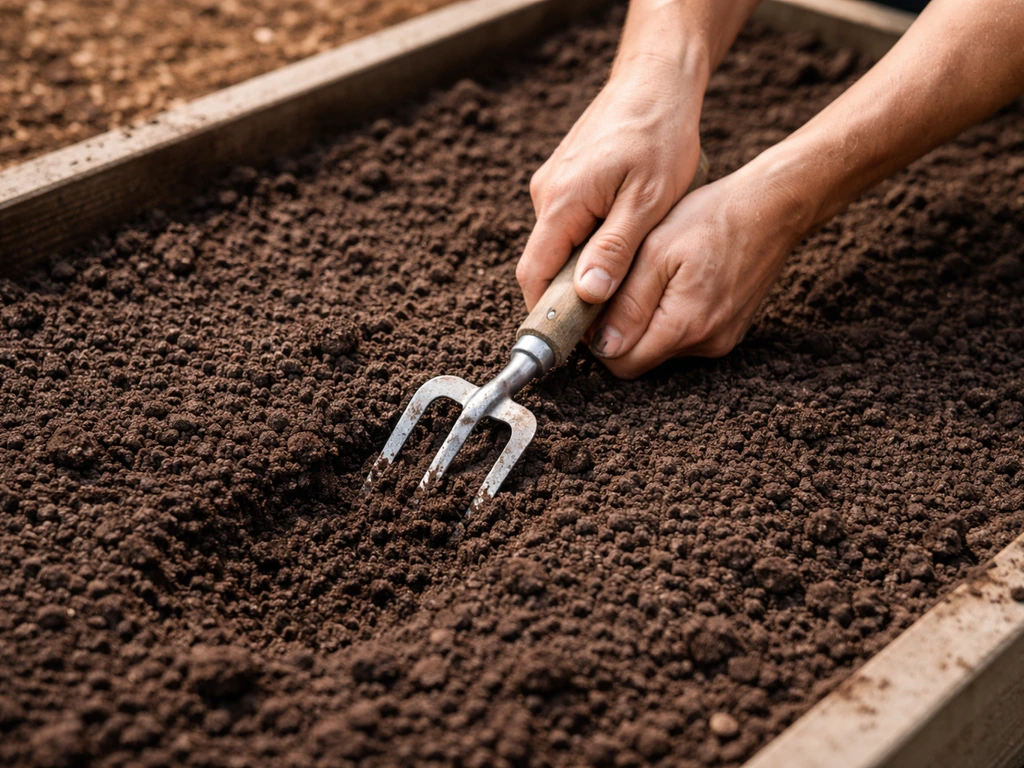
Getting the soil right for both
Root crops in shared beds make soil preparation more important, not less. Both beets and turnips need loose, deeply worked, well-drained soil free of rocks, clods, and compaction. Any physical obstruction in the soil causes forked, twisted, or deformed roots, and that problem is multiplied when two root crops are developing in the same ground. Work your soil to at least 10 to 12 inches deep before planting.
Soil pH is one place where these two crops diverge slightly. Research from MSU puts beets at a target pH of around 5.5 and turnips at around 5.3, so they're close but not identical. In practice, most home gardeners will be fine aiming for a pH of 5.5 to 6.5 for a shared bed, which keeps both crops happy without over-acidifying. Get a soil test before you plant if you haven't done one recently; it's the only reliable way to know what you're actually working with. Avoid adding fresh manure to the bed, since it can cause root branching and other quality problems in both crops. Well-aged compost worked in before planting is a better choice.
Spacing that actually works
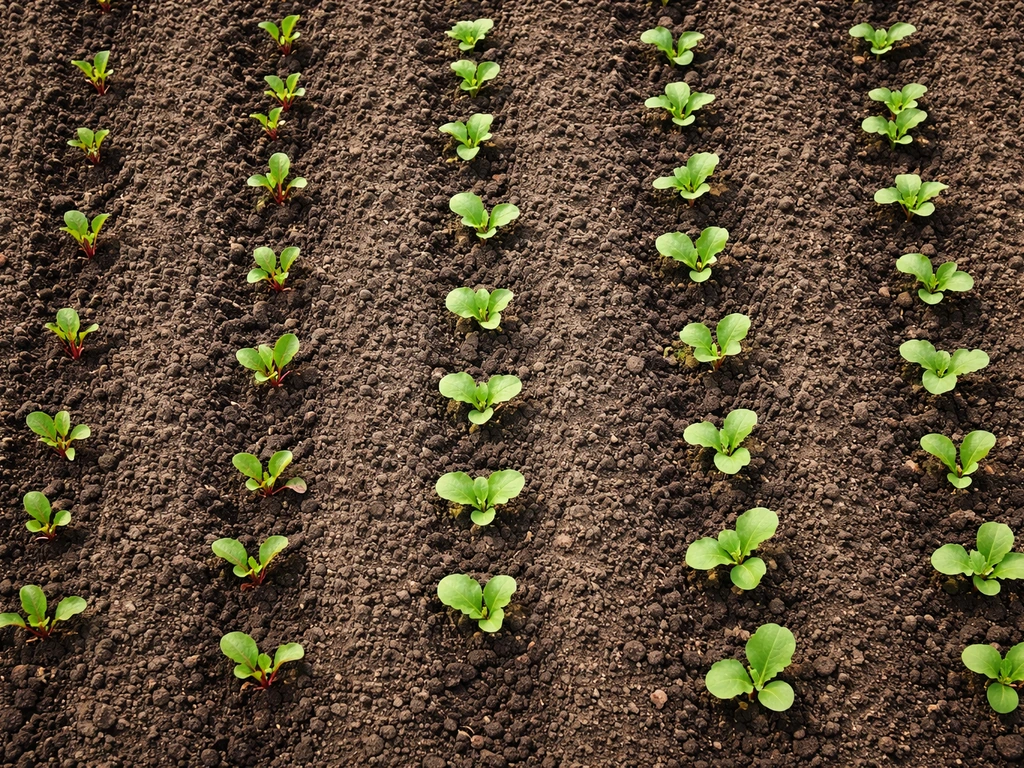
Both crops are typically seeded in rows 12 to 24 inches apart, at a seed depth of about 1/4 to 1/3 inch. In a shared bed, you can run alternating rows: one row of beets, one row of turnips, spaced 12 inches apart. That gives you enough separation to tell the crops apart and manage them individually. Within each row, final thinned spacing should be 4 to 6 inches for beets and 3 to 6 inches for turnips. The key word is final: you'll seed more densely and then thin down to these distances as the seedlings emerge.
University of Maryland research makes the point clearly: misshapen roots happen when enlarging storage roots physically contact each other during development. That contact is preventable with proper thinning. Don't delay thinning hoping the seedlings will sort themselves out. They won't, and by the time roots are competing underground, the damage is already done.
Light, watering, and nutrients side by side
| Factor | Beets | Turnips | Shared bed approach |
|---|---|---|---|
| Sunlight | Full sun preferred | Full sun; tolerates some shade | Site the bed in full sun; at least 6 hours direct |
| Watering | 1 inch/week; consistent moisture critical to prevent cracking | 1 inch/week; soak thoroughly each time | Same irrigation schedule works for both; avoid boom-bust watering |
| Soil pH | ~5.5 target | ~5.3 target | Aim for 5.5 to 6.5 for the shared bed |
| Nitrogen needs | Moderate; excess pushes leaf growth over root sizing | Moderate; same risk with excess N | Go light on nitrogen; side-dress at 6 weeks after emergence if needed |
| Fertilizer placement | Apply 3-4 inches away from plants to avoid root burn | Same caution applies | Band fertilizer to the side, never directly on roots |
Watering is where most home gardeners get into trouble with mixed root-crop beds. Inconsistent moisture causes beet roots to crack and can lead to woody, poor-quality turnips. The target is about 1 inch of water per week from rain or irrigation, applied deeply so the whole root zone is soaked rather than just the surface. Don't let the soil dry out between waterings and then flood it. That cycle is exactly what triggers cracking in beets. A soaker hose running down alternating rows in a shared bed is a practical way to keep things even without overhead watering that can encourage leaf disease.
On nitrogen: both crops need enough to support good leaf growth early on, but excess nitrogen pushes energy toward tops at the expense of the roots you're actually trying to grow. If you amended with compost before planting, you may not need to add any additional nitrogen at all. If growth looks slow at 6 weeks after emergence, a light side-dress of balanced fertilizer applied 3 to 4 inches away from the plants (not directly on them) is reasonable. Keep it modest.
Weeding, thinning, and getting harvest timing right
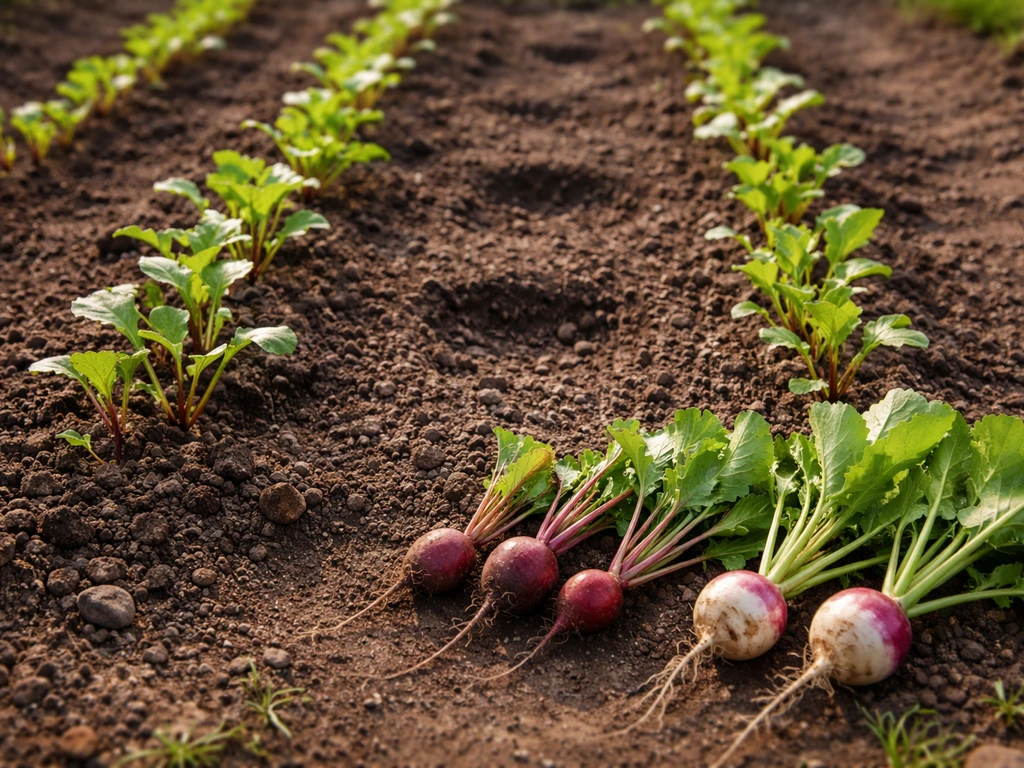
Weed early and weed small. Once weeds get established next to root crops, pulling them disturbs the soil around developing roots and can damage the very things you're trying to protect. Weeds also compete hard for water and minerals, which matters a lot for root crops where consistent resource availability drives root quality. In a shared bed, get in there when weeds are tiny seedlings and pull them by hand or use a narrow hoe carefully between rows.
Thinning is non-negotiable. Beet seeds are actually dried fruit clusters that can contain multiple seeds, so you frequently get several seedlings sprouting from one spot. Thin beets to about 2 to 4 inches apart as soon as seedlings are established, with a final target of 4 to 6 inches. Turnips should end up at 3 to 6 inches apart. Do this in two passes if needed: one early thinning to reduce crowding, then a final thinning once you can see which seedlings are strongest. Eat the thinnings; both beet and turnip greens are good.
Harvest timing is where having two crops in one bed pays off. With beets hitting maturity around 55 to 60 days and turnips at 50 to 70 days (depending on variety), you can plan to harvest turnips first, which opens up space and reduces competition for the beets still sizing up. Check both crops by gently brushing soil from the crown: beet roots are ready when they're about 1.5 to 2 inches in diameter, and turnips are best pulled at 2 to 3 inches across. Don't let either crop sit too long after maturity; both get woody and lose quality fast in warm weather.
Pest and disease pressure in a shared bed
Beet-specific issues to watch
The main foliar disease concern for beets is Cercospora leaf spot (Cercospora beticola), which spreads via wind and splashing water. In a mixed bed, overhead irrigation is a particular risk because it moves spores around easily. Powdery mildew is another beet disease to monitor, caused by Erysiphe polygoni and Erysiphe betae, and it tends to show up during warm, dry spells. Powdery mildew in beets is caused by Erysiphe polygoni and Erysiphe betae, and it develops on leaf surfaces via conidia-produced mycelium Powdery mildew is another beet disease to monitor, caused by Erysiphe polygoni and Erysiphe betae. Neither of these diseases affects turnips, so the beet side of your bed needs its own monitoring. Remove any infected beet leaves promptly and don't compost them.
Turnip-specific issues to watch
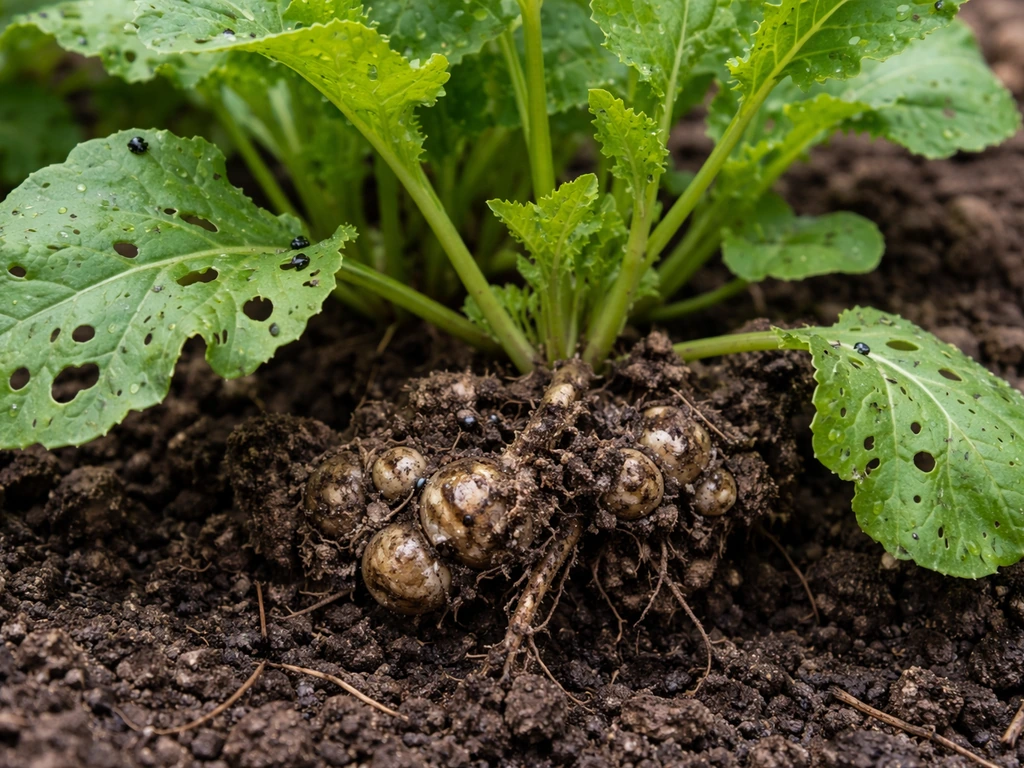
Turnips bring brassica-specific pest and disease pressure that beets don't share. Flea beetles are the most common immediate problem: they chew tiny holes in turnip seedling leaves and can set back young plants quickly. Scouting regularly in the first few weeks after germination lets you catch infestations before they do serious damage. Cabbage maggots (the larvae of the cabbage root fly) can tunnel into turnip roots, and raised beds that promote soil warming and drying can make them less hospitable to egg-laying adults. Row cover over the turnip rows at planting is one of the most effective preventive tools available.
Clubroot (Plasmodiophora brassicae) is the underground disease risk that matters most for turnips. It causes swollen, galled roots and thrives in acid soils. If your bed has had brassicas in it within the past four years, or if you're in a region where clubroot is known to be present, this is a serious consideration. Rotating away from brassica family crops for four years before planting turnips is the standard recommendation. Downy mildew and Alternaria leaf spot are additional foliar disease risks on the turnip side of the bed. Again, avoiding overhead watering and removing affected leaves early keeps these manageable.
What having both crops in one bed means for disease management
Because beets and turnips are in different plant families, their major diseases don't cross over. A Cercospora outbreak in your beet rows won't spread to your turnip rows, and clubroot in the turnip section won't hurt your beets. That's actually an advantage of the combination: you're not amplifying shared disease risk the way you would by planting, say, two brassicas next to each other. The main shared risk is any condition that promotes foliar diseases in general, particularly wet leaves and poor airflow. Proper spacing that lets air move through the canopy, combined with drip or soaker-hose irrigation instead of overhead watering, reduces that risk for both crops at once.
Practical layout plans for a shared bed
Alternating rows (recommended for most home gardeners)
The simplest and most manageable layout is alternating rows: one row of beets, one row of turnips, with 12 inches between rows. This makes it easy to identify each crop, apply targeted pest controls to just the turnip rows if needed, and harvest the faster-maturing crop without disturbing the other. In a 4-foot-wide raised bed, you can fit three to four alternating rows comfortably. Mark each row end with a small stake so you don't lose track of what's planted where.
Alternating blocks (for larger beds)
If you're working with a longer in-ground bed rather than a raised bed, consider planting in alternating blocks: a 3-foot section of beets, then a 3-foot section of turnips, then another section of beets, and so on down the row. This gives you the same harvesting flexibility and keeps pest management easier, since flea beetle pressure tends to cluster rather than spread evenly across a whole bed. You can target the turnip blocks with row cover or organic controls without having to protect the entire planting.
Do and don't quick reference
- Do thin aggressively and early: beets to 4 to 6 inches, turnips to 3 to 6 inches, before roots start expanding underground
- Do use soaker hose or drip irrigation to keep moisture even and leaves dry
- Do apply fertilizer 3 to 4 inches away from plant stems, never directly on roots
- Do use row cover on turnip rows from day one if flea beetles are a problem in your area
- Do harvest turnips first when both are close to maturity, to open space for final beet sizing
- Don't plant turnips in a bed that grew brassicas within the past four years (clubroot risk)
- Don't use fresh manure in a shared root-crop bed: it causes root branching and quality problems
- Don't over-apply nitrogen: both crops will put energy into tops instead of roots
- Don't delay thinning hoping crowding will resolve itself: underground root contact causes permanent deformities
- Don't use overhead sprinklers if you can avoid it: wet foliage accelerates Cercospora and downy mildew development
Is planting them together actually worth it, or should you separate the beds?
Whether the combined bed approach is worth it really comes down to your situation. Here's a simple way to think it through.
Plant them together if you have limited space and good soil that you've already prepared well. A shared bed is a genuine space multiplier when both crops are managed correctly. If you're working with a 4x8 raised bed or a modest in-ground garden, combining root crops lets you diversify your harvest without doubling your bed space. Carrots grow best with loose, well-drained soil and consistent moisture, similar to the conditions root crops need in a shared bed. The management overlap (same watering schedule, similar soil needs, same cool-season timing) means you're not adding much extra work. If you're also pairing beets with garlic, make sure you space everything well so the roots and bulbs have room, since garlic can be a great companion for many cool-season crops do beans and garlic grow well together.
Separate them if your soil is heavy, rocky, or hasn't been deeply worked. In that case, both crops are going to struggle individually, and trying to manage two root crops in suboptimal soil at once is asking for frustration. Fix the soil first, then think about mixed beds. Also separate them if you've had clubroot in the bed recently, or if your rotation puts brassicas in the same space within four years. No amount of good management compensates for planting turnips into clubroot-infected soil.
Separate them also if you're a newer gardener who hasn't grown either crop before. Getting one root crop dialed in before adding a second to the same bed gives you a clearer sense of what's going right or wrong. Beets alone, or turnips alone, will teach you about thinning, moisture management, and soil preparation without the added variable of interpreting two crops at once.
For experienced gardeners with prepared beds, good soil, and a reliable watering system, the combined planting is worth it and genuinely productive. If you want to compare how beets pair with other crops, the logic of matching cool-season crops with similar water needs applies similarly to pairings like beets and lettuce, which also share that cool-season, consistent-moisture profile. If you're also wondering about pairing different vegetables, you can use the same approach to evaluate whether do beans and broccoli grow well together in a shared bed.
Your next steps, right now
- Test your soil pH before planting: aim for 5.5 to 6.5 for a shared bed, and amend with lime (to raise) or sulfur (to lower) well before planting day
- Work the bed deeply: loosen soil to 10 to 12 inches, remove rocks and clods, and incorporate aged compost (not fresh manure)
- Lay out alternating rows 12 inches apart: mark beet rows and turnip rows clearly from the start
- Seed both crops at 1/4 to 1/3 inch deep, then thin beets to 4 to 6 inches and turnips to 3 to 6 inches as soon as seedlings are established
- Set up soaker hose or drip irrigation now, before planting: consistent 1-inch-per-week moisture is one of the biggest quality factors for both crops
- Put row cover over turnip rows immediately after seeding if flea beetles are active in your area
- Plan to side-dress with a light balanced fertilizer at 6 weeks after emergence only if growth looks slow, and apply it 3 to 4 inches from plant stems
- Check turnips first as they approach maturity and harvest at 2 to 3 inches diameter to open space for beets to finish sizing
FAQ
How do I prevent beets and turnips from getting mixed up when thinning and harvesting?
Use clear row markers and thin by crop, not just by plant count. If you alternate rows, label both ends of each row, and keep a simple spacing guide taped to your notes (beets final 4 to 6 inches, turnips 3 to 6 inches). During early thinning, the seedlings look different enough that you can identify them, but if you’re unsure, wait a few days longer rather than thinning the wrong spot, since root contact issues happen quickly.
Can I grow them together if my soil is compacted or I cannot dig 10 to 12 inches deep?
If you cannot loosen deep soil, the risk of forked or twisted roots is higher, especially in a shared bed where two root crops are competing below ground. A practical workaround is raised beds or deep container growing filled with screened, rock-free soil, or tilling/loosening only the planting strip to create a deep, loose zone. If you still can’t correct compaction, consider separating and focusing on one crop first to see whether your soil is the real limiting factor.
What should I do about nitrogen, if both crops look lush but the roots seem small?
That pattern usually means excess nitrogen or uneven moisture. Pause further feeding, then switch to steady watering and a check of how long it has been since compost was applied. If you do side-dress, use a modest, balanced product and apply it to the soil between rows, not directly near crowns, to avoid stimulating more leafy growth at the wrong time.
Is it okay to water overhead if I have a sprinkler?
It’s the main choice to avoid if you want to reduce foliar disease risk, especially on the beet side. If you must use overhead sprinkling, water early in the day so leaves dry fast, and avoid frequent light sprinkles that keep foliage wet. Even with overhead irrigation, you can lower risk by keeping spacing at the recommended final distances and improving airflow with correct thinning.
How do I handle the fact that turnips are often harvested earlier, leaving space in the bed?
Plan your harvest so the turnip pull happens before roots get woody, then treat the opened space as an opportunity rather than leaving it bare. You can sow a second quick succession (greens or another root variety) in the emptied section, or mulch the exposed soil to preserve moisture while beets finish sizing up.
Can I use the same row cover setup for the beets and the turnips?
You can cover the bed, but be specific about timing and pests. Row cover at planting is most valuable for turnip flea beetles, whereas beet diseases are mostly driven by wet foliage and airflow, so focus your monitoring there. Also keep covers ventilated once plants are larger, because trapped humidity can worsen general foliar issues if it stays too wet for too long.
Do I really need to rotate brassicas, even in a small backyard bed?
Yes. Clubroot risk is one of the few reasons you should not rely on “good management” alone. If turnips were grown in that exact soil within the past four years, it’s safer to either plant beets only, move the turnips to a different bed, or choose a different crop entirely. Small-space rotation is still feasible, especially if you keep a simple multi-year plan.
What’s the best way to water consistently for two crops with one irrigation system?
Aim for deep, infrequent soakings that keep the root zone evenly moist, about the equivalent of 1 inch per week total (rain plus irrigation). A practical setup is a soaker hose laid down alternating crop rows so each crop gets the same soak. After watering, don’t wait for the soil to dry out completely, because the dry and flood cycle is what most often leads to beet cracking and poor turnip quality.
Can I skip thinning if I plant more seeds and just harvest baby roots?
You can harvest baby greens and small roots, but “no thinning” usually backfires for true storage-sized roots. Even at smaller sizes, overcrowding increases the chance of misshapen roots because underground contact starts early. If you want baby harvests, you can still thin to reduce crowding, then harvest early and repeat rather than letting roots fully develop in tight quarters.
Are there any pest problems unique to turnips that I should scout differently than beets?
Yes, flea beetles and cabbage maggots are the big turnip-specific monitoring items. Flea beetles are most damaging to tender seedlings in the first weeks, so check leaves frequently right after emergence. For cabbage maggots, look for wilting or root damage symptoms and consider row cover at planting, since prevention is easier than rescue once larvae are inside roots.
Next Article
Do Beans and Broccoli Grow Well Together? How-To Guide
Find out if beans and broccoli grow well together and get bed layout, timing, spacing, soil, and troubleshooting tips.